Sierra County, New Mexico – A wild bobcat launched a sudden assault on several dogs, leading authorities to confirm the state’s initial animal rabies case for the year.[1][2] Officials euthanized the animal after the incident and tested it positive for the deadly virus. Two residents now undergo preventive treatment alongside the injured pets.[3]
Unprovoked Assault Shakes Rural Community
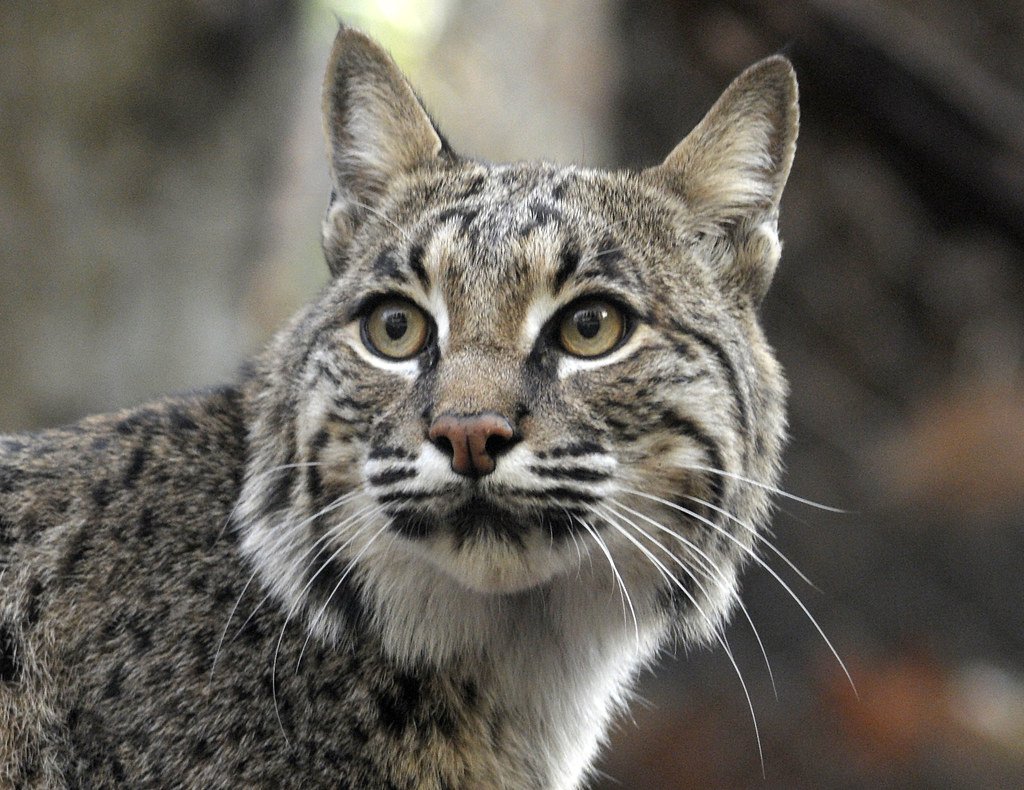
The bobcat struck without warning in Sierra County, targeting multiple dogs in what health officials described as aggressive behavior typical of rabies infection.[1] Residents acted swiftly to contain the threat, resulting in the animal’s capture and humane euthanasia. Laboratory tests from the New Mexico Department of Health’s Scientific Laboratory Division soon verified the rabies presence.[4]
This marked the earliest confirmed wildlife rabies incident in New Mexico for 2026, heightening vigilance in a region where bobcats roam freely amid rugged terrain. No direct human bites occurred, yet the proximity to pets raised immediate concerns for secondary exposure. Local authorities praised the quick response that prevented broader risks.
Swift Medical Interventions Protect Lives
All affected dogs carried current rabies vaccinations, a critical factor that allowed them to receive booster shots immediately following the attack. Veterinary teams now monitor these animals closely for 45 days to detect any symptoms.[2] Two individuals, likely exposed through contact with the dogs or saliva, began post-exposure prophylaxis – a series of vaccines proven effective against rabies progression.
“Rabies is deadly but preventable,” stated Dr. Erin Phipps, state public health veterinarian for the New Mexico Department of Health.[1] She emphasized state law mandating vaccinations for all dogs and cats. Unvaccinated pets facing exposure face euthanasia or four-month isolation to safeguard humans.
Rabies Trends in the Southwest
New Mexico recorded 13 rabid animals in 2025, including one bobcat, following 12 cases in 2024 with four bobcats affected.[3] Bats lead as the most frequent carriers, trailed by skunks and foxes, though all mammals remain vulnerable. Bobcats, solitary hunters native across North America, occasionally test positive amid these patterns.
| Year | Total Confirmed Cases | Bobcat Cases |
|---|---|---|
| 2024 | 12 | 4 |
| 2025 | 13 | 1 |
| 2026 (to date) | 1 | 1 |
Rabid wildlife often displays unusual traits, such as fearlessness toward humans or uncharacteristic tameness. Sierra County’s case aligned with these signs, underscoring the virus’s impact on natural behaviors.
Essential Steps to Avoid Rabies Exposure
Health experts urge pet owners to maintain strict vaccination schedules and ensure collars bear proof tags. Superficial wounds from wild animals warrant veterinary checks without delay. Children must learn to steer clear of unfamiliar creatures.
- Wash any bite or saliva contact thoroughly with soap and water, then seek medical care promptly.
- Report suspicious wildlife to local animal control or the New Mexico Department of Game and Fish at (888) 248-6866.
- Contact the NMDOH Helpline at 1-833-796-8773 or text 66364 for guidance.[1]
- Vaccinate against rabies if direct bat contact occurs or one appears in living spaces.
- Never feed or approach wild animals, dead or alive.
For comprehensive resources, visit the New Mexico Department of Health rabies page.
- Vaccinations saved the dogs and enabled monitoring rather than harsher measures.
- Post-exposure treatment protects humans effectively when started early.
- Wildlife rabies persists yearly; proactive habits remain the best defense.
This Sierra County episode serves as a stark reminder of rabies’ lurking threat in New Mexico’s wild spaces, yet swift actions contained it effectively. Proactive pet care and wildlife awareness continue to shield communities. What steps do you take to protect your family and pets from rabies? Tell us in the comments.