Six Essential Steps for Maintaining Your Cat’s Oral Health

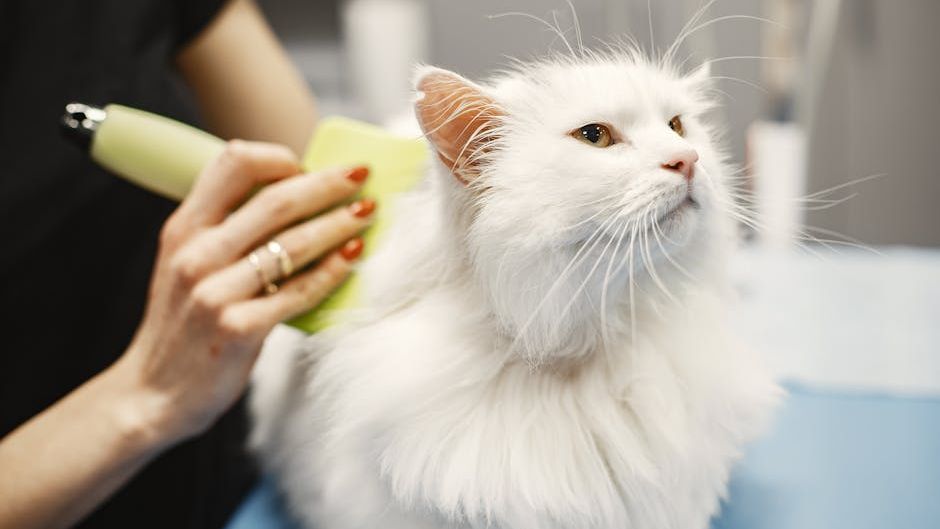
Dental Tips for Cats: 6 Steps for a Healthy Mouth - Image for illustrative purposes only (Image credits: Unsplash)
Many cats show no obvious signs of dental discomfort until the condition has already advanced. Owners who notice subtle changes in eating habits or grooming behavior often discover that early attention makes a meaningful difference. Veterinarians continue to highlight straightforward routines that combine daily habits with thoughtful nutrition choices to reduce the risk of common oral problems.
The Quiet Impact of Dental Issues in Cats
Periodontal disease remains one of the most frequent health concerns seen in adult cats during routine examinations. Plaque buildup can progress to inflammation of the gums and, in some cases, lead to tooth loss if left unaddressed. Studies in veterinary medicine indicate that a large percentage of cats over the age of three exhibit some degree of dental disease, though the exact progression varies by individual.
Because cats instinctively hide pain, owners may miss early clues such as reduced interest in hard food or occasional pawing at the mouth. Regular observation at home therefore serves as a practical first line of defense. When problems are caught sooner, treatment tends to be less invasive and recovery smoother.
Brushing Techniques That Fit Real Households
Daily or near-daily tooth brushing stands out as one of the most direct ways to limit plaque accumulation. The process works best when introduced gradually, starting with short sessions that focus on positive reinforcement rather than force. A soft-bristled brush or finger cot designed for pets, paired with a toothpaste formulated for cats, helps avoid the risk of ingestion of human products that contain ingredients harmful to felines.
Consistency matters more than perfection. Even brushing two or three times a week can produce noticeable improvements in gum health over several months. Some cats accept the routine more readily when it becomes part of an established evening ritual, while others respond better to brief sessions scattered throughout the day.
Dietary Choices That Support Oral Health
Certain commercial diets are formulated with larger kibble sizes or textures intended to provide mechanical cleaning action during chewing. These options do not replace brushing but can complement it for cats that tolerate them well. Veterinary nutritionists note that the benefit depends on the individual cat’s chewing style and overall acceptance of the food.
Water additives or dental chews represent additional tools some owners incorporate. Evidence for their effectiveness remains mixed, and results appear strongest when they form part of a broader care plan rather than serving as the sole method. Owners are encouraged to discuss specific product choices with their veterinarian to match the cat’s age, health status, and preferences.
Professional Cleanings and Ongoing Monitoring
Even with diligent home care, professional dental cleanings under anesthesia remain necessary at intervals determined by a veterinarian. These procedures allow for thorough removal of tartar below the gum line and permit close inspection for hidden issues. The frequency varies, with some cats requiring annual visits and others needing them less often.
Regular wellness exams provide opportunities to track changes in oral condition over time. Early detection of resorptive lesions or other breed-specific tendencies can guide adjustments to the home routine. Owners who maintain open communication with their veterinary team often find it easier to adapt care as their cat ages.
Key points to remember
- Start brushing slowly and keep sessions positive.
- Choose diets or treats formulated for dental support only after veterinary guidance.
- Schedule professional cleanings based on individual needs rather than a fixed calendar.
- Watch for subtle shifts in eating or grooming behavior.
Consistent attention to these areas tends to yield the most reliable outcomes for long-term feline comfort. While no single approach guarantees perfect results for every cat, combining several evidence-supported habits gives owners a practical way to protect oral health as part of routine care.