Nearly half of cat owners share their beds with their feline companions, creating a nightly ritual that reveals fascinating insights into human personality. While some might dismiss bed-sharing with cats as simply affectionate behavior, psychologists have discovered that this intimate practice actually speaks volumes about who we are as individuals.
Research studies have found that approximately 40-50 percent of people regularly co-sleep with their pets, with cat owners showing distinctive patterns in this behavior. The choice to invite your cat into your most personal space isn’t random. It reflects deeper psychological traits that shape how you navigate relationships, handle emotions, and view the world around you.
You Embrace Emotional Vulnerability
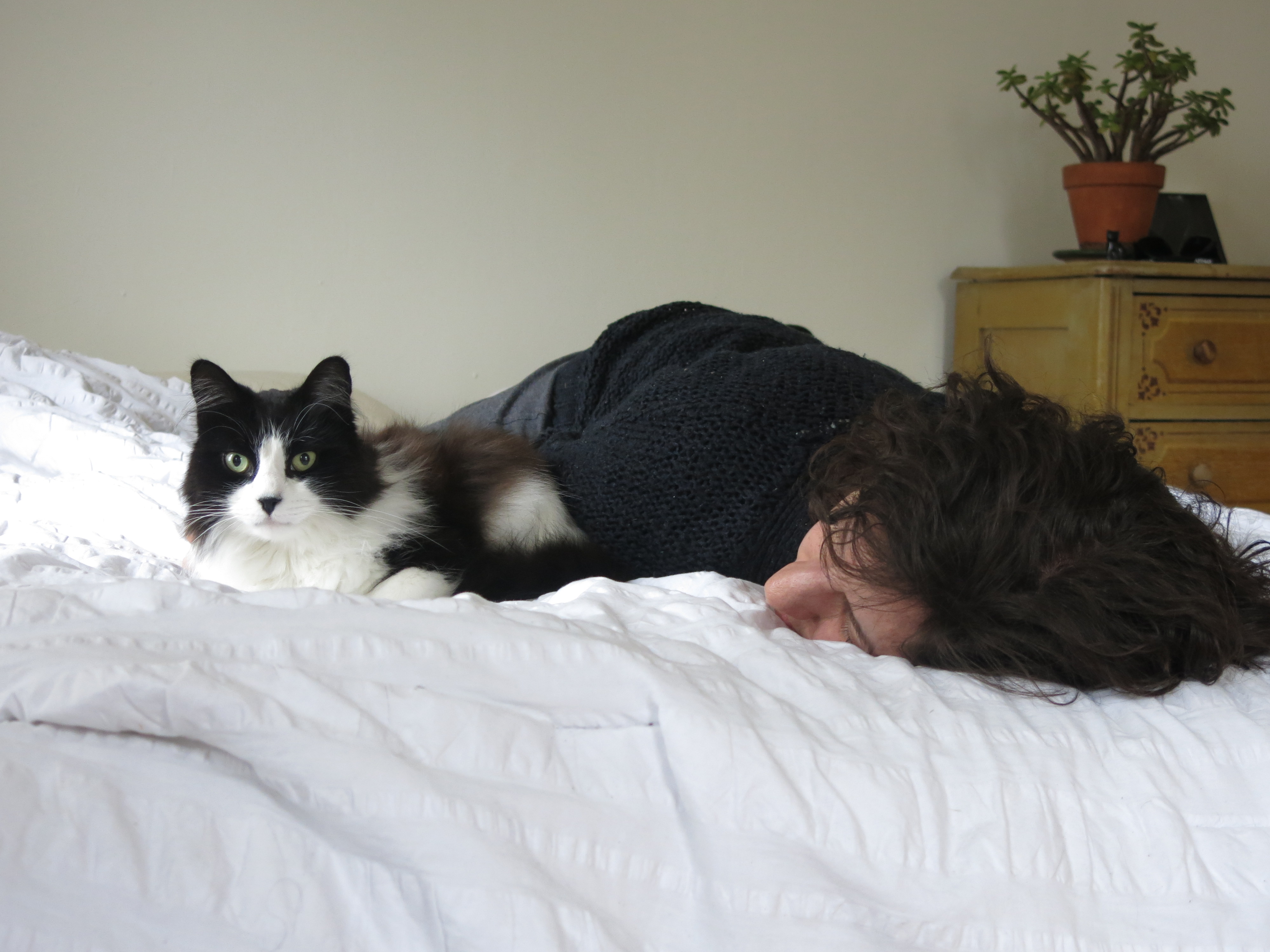
Sleeping with a pet involves accepting vulnerability, as letting an animal into your personal space means embracing possible disturbances and unexpected movements. People who do this are often comfortable showing vulnerability in other aspects of life as well. When you open your bed to your cat, you’re essentially saying you’re okay with unpredictability.
They understand that opening up emotionally can lead to stronger, more authentic connections. This willingness to be vulnerable extends beyond the bedroom. You likely find it easier to share your feelings with friends, admit when you’re struggling, or ask for help when needed. Your cat becomes a symbol of your comfort with life’s uncertainties.
You Possess Heightened Empathy
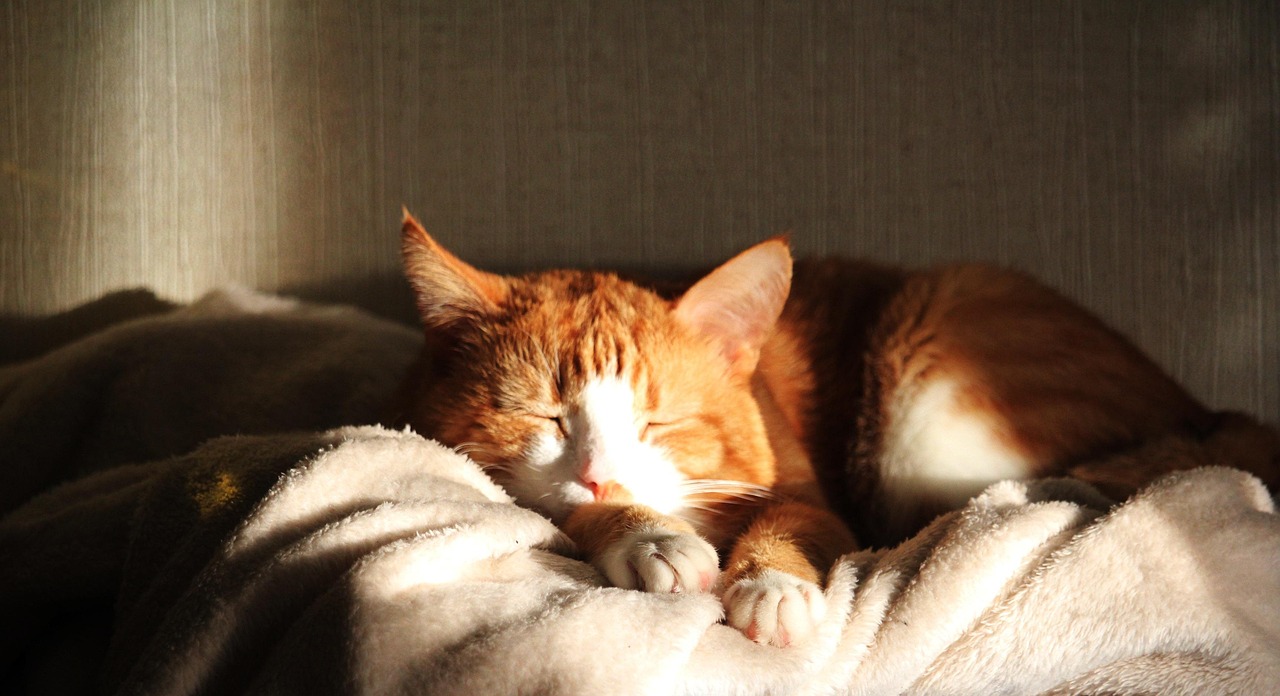
Research shows that sleeping next to pets often reflects deeper traits like empathy, flexibility, and generosity. Cat owners who sleep with their pets demonstrate remarkable sensitivity to their feline’s needs and emotions. You probably notice subtle changes in your cat’s behavior that others might miss.
Studies on cats have shown that they are sensitive to human emotional signals and that they can tell the difference between some human emotional cues, with their responses being subtle but caring. This creates a feedback loop where empathetic humans and emotionally aware cats form deeper bonds. Your willingness to share sleep space suggests you’re attuned to your pet’s comfort and emotional state.
You Form Deep Emotional Attachments
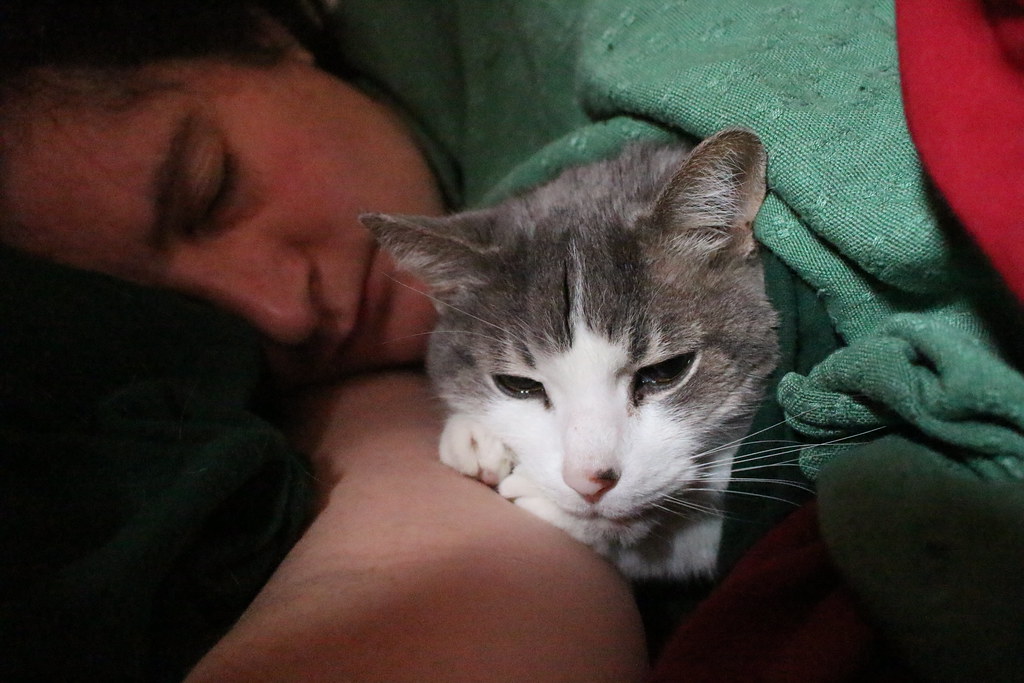
Sleeping with a pet often correlates with a remarkable ability to form deep emotional connections. The intimate act of sharing your bed creates bonds that extend far beyond typical pet ownership. You likely view your cat as more than an animal companion.
Caregivers who described their cat as a child or best friend saw their cat as loyal and empathetic, with owners who described the relationship in human terms more often assigning complex social emotions to cats. This depth of connection suggests you have the capacity for meaningful relationships across different contexts, not just with your feline friend.
You Experience Comfort Through Physical Presence
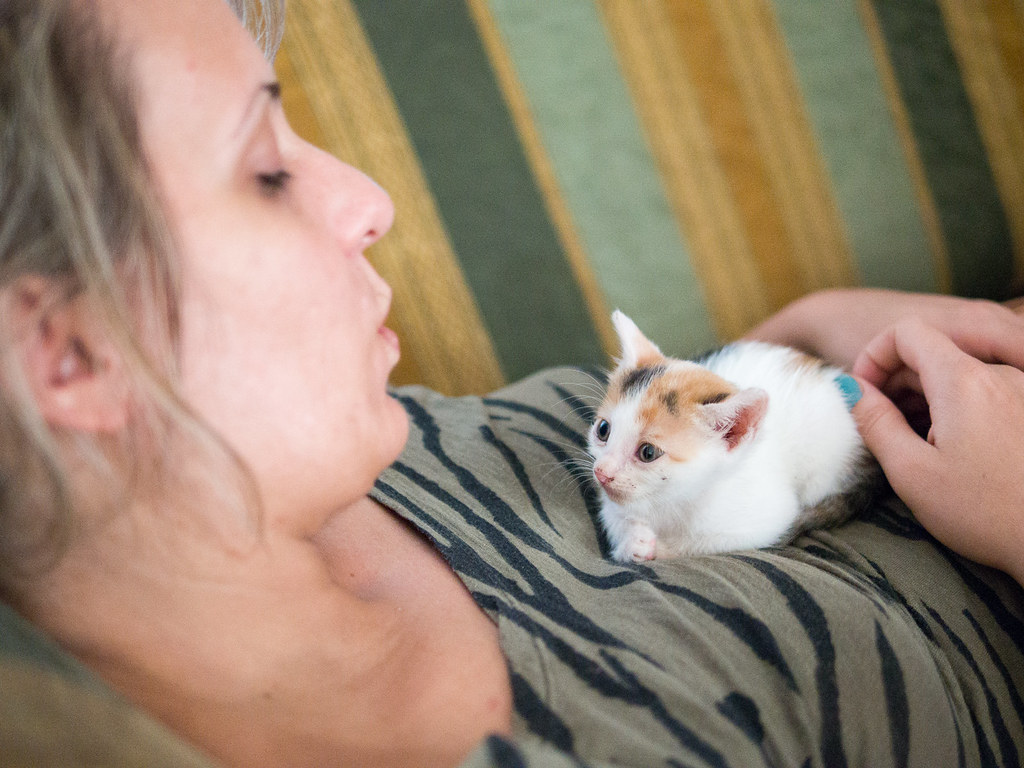
There’s something about the presence of a pet in your room at night that can be very calming and provide an enhanced feeling of security and safety, with their presence helping you feel safer even if you don’t believe your cat would provide protection. This need for comforting presence reveals your appreciation for non-verbal support.
Sleeping with a cat can improve sleep quality, as having a cat that sleeps on the bed provides a sense of comfort which improves sleeping quality. Unlike those who require solitude to rest, you find peace in shared space. This trait often translates to being a supportive presence for others during difficult times.
You Display Neurotic Tendencies (But That’s Not Bad)
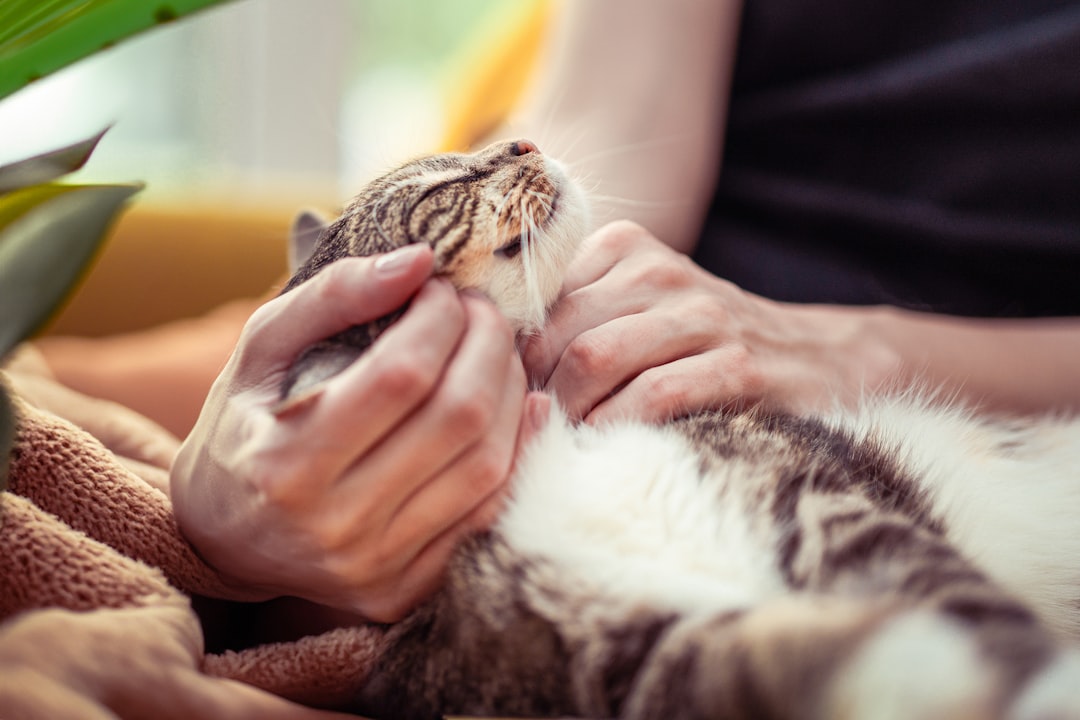
Owner neuroticism and poor mental well-being are linked to anxious pet attachment in both dog and cat owners. Before you worry, neuroticism in this context isn’t necessarily negative. It often indicates emotional sensitivity and awareness of potential problems.
Strength of pet attachment was positively correlated with neuroticism and conscientiousness, with both traits being significant predictors of participants’ pet attachment scores. Your slightly anxious nature might actually make you a more attentive, caring pet owner who notices when something is wrong and responds quickly to your cat’s needs.
You’re Open to Non-Conventional Experiences
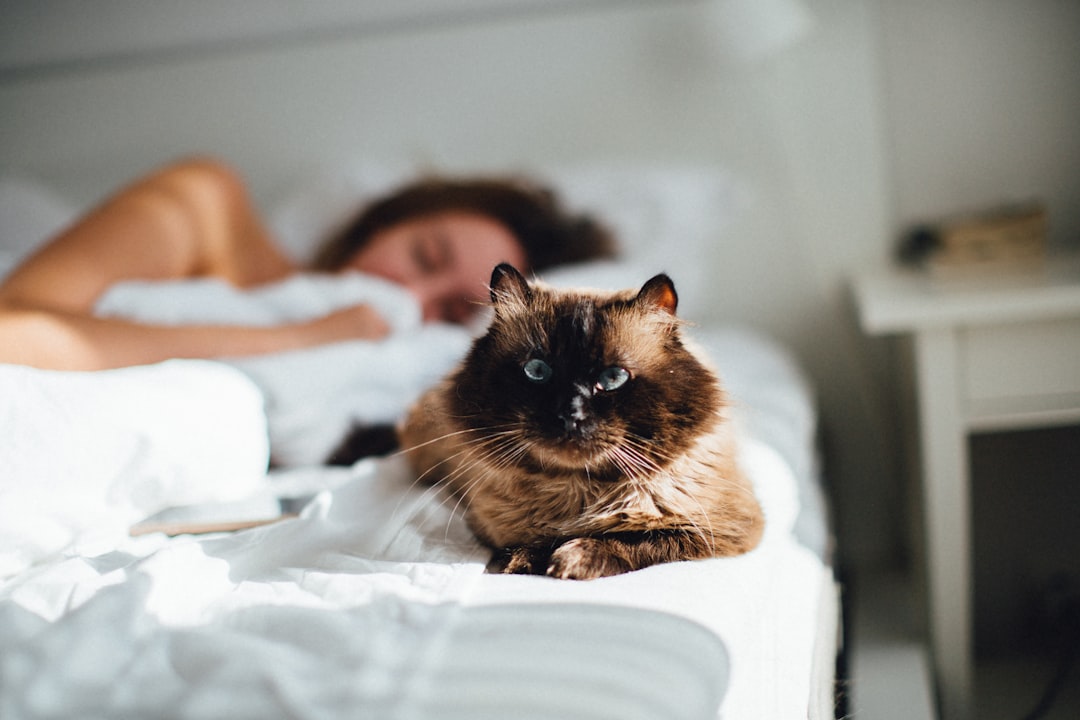
Cat enthusiasts tend to be more open to diverse experiences and less afraid of the uncertain or unknown, with this love for mystery fueling creativity and fostering a unique willingness to see the world through different eyes. Sleeping with a cat isn’t exactly mainstream behavior, suggesting you’re comfortable deviating from social norms.
Those who love cats often find themselves drawn to puzzles, books, or conversations that open new doors, much like a cat slipping through a barely open door into an undiscovered room. This openness to experience makes you more adaptable and curious about life’s possibilities.
Conclusion

The psychology behind sleeping with your cat reveals a complex personality profile that goes far beyond simple pet affection. Studies find that people who love cats often maintain lower stress levels and better emotional regulation, with stroking a cat releasing oxytocin and helping cat owners stay calm and handle emotional ups and downs with greater ease.
Your choice to share your most private space with your feline friend speaks to your capacity for vulnerability, empathy, and emotional connection. These traits, while sometimes challenging, often lead to richer relationships and deeper life satisfaction. What do you think about these personality insights? Do they ring true for your own bedtime companion habits?