You’ve probably heard it a thousand times. Cats are independent. They don’t need you. They tolerate you, sure, but they’re basically wild animals in miniature, doing their own thing while you fill up the food bowl. It sounds plausible, especially if you’ve ever had a cat stare through you like you’re made of glass at exactly the moment you wanted a cuddle.
Here’s the thing, though. A lot of what you believe about your cat’s so-called independent nature is almost certainly wrong. Science has been quietly dismantling these feline myths for years, and the picture that’s emerging is far more fascinating, more emotional, and honestly more heartwarming than the cold, aloof creature pop culture keeps selling you. So, let’s get into it.
Myth 1: Your Cat Doesn’t Bond With You the Way a Dog Does
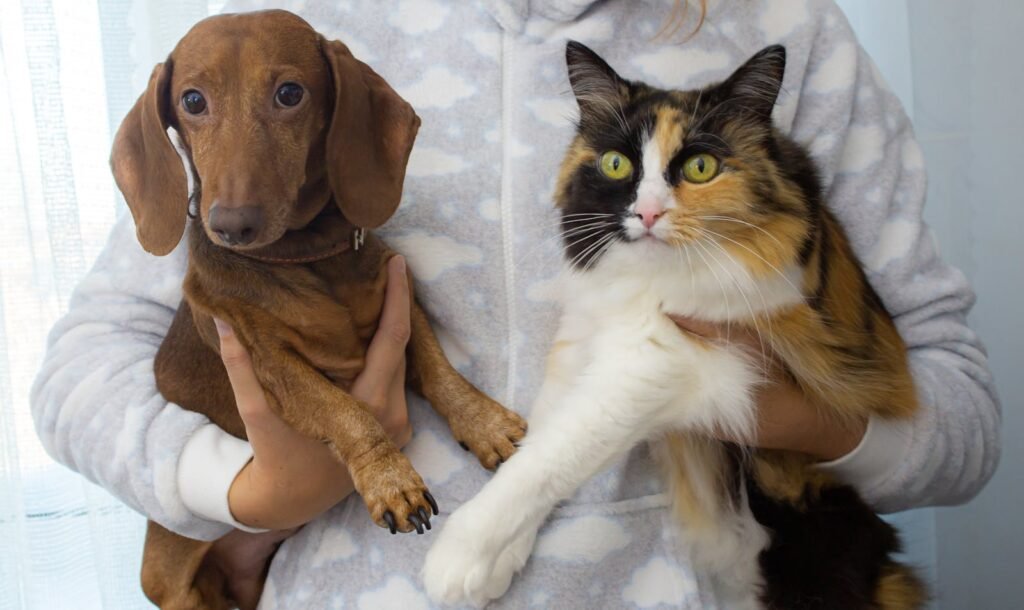
Let’s be real, this is the big one. The idea that cats are emotionally indifferent to their owners is practically baked into our culture. Dogs get the gold star for loyalty, and cats get the reputation of being the roommate who barely acknowledges you. But the science tells a completely different story.
Research published in the journal Current Biology found that, much like children and dogs, pet cats form secure and insecure bonds with their human caretakers, and the researchers suggest this bonding ability across species must be explained by traits that aren’t specific to canines. Think about that for a second. Your cat isn’t merely tolerating your presence. They’re actually attaching to you in a psychologically meaningful way.
In humans, roughly two thirds of infants are securely attached to their caregiver, and domestic cats mirror this very closely, with researchers classifying about 65 percent of both cats and kittens as securely bonded to their people. That’s not a small number. Cats show their love in many ways, like purring, kneading, slow blinking, rubbing up against your legs, and following you from room to room. You just need to know how to read the language.
Myth 2: Your Cat Is Perfectly Fine Being Left Alone for Long Periods
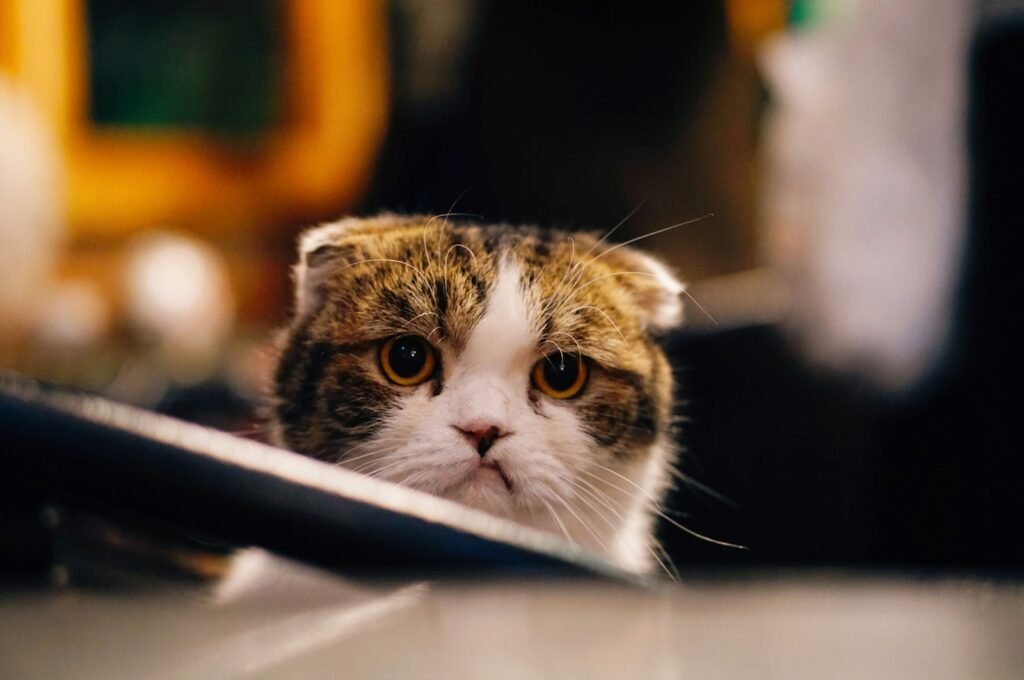
Many cat owners operate on the assumption that leaving a cat alone for extended stretches is totally fine, unlike a dog who would spiral into chaos. You leave, they nap. You come back, they barely notice. Except this comfortable story doesn’t quite hold up under scrutiny.
Contrary to popular belief, cats form strong social bonds with their human families and can experience genuine distress when separated from them. It’s not always dramatic or immediately obvious, which is part of why this myth survives for so long. Stress in cats often manifests in passive ways, such as reductions in appetite and play behavior, and more overt behaviors may be labeled as “spiteful” in ways that exacerbate damage to the human-animal bond. In other words, you might be misreading frustration and anxiety as attitude.
In one study examining cats for separation-related problems, depression during the owner’s absence was the most frequently reported sign, followed by excessive vocalization, agitation-anxiety, and inappropriate elimination of urine. On rare occasions, cats that have a close bond with their owner can even develop separation anxiety if left alone for long periods of time. That’s not the behavior of an animal that doesn’t care whether you’re home or not.
Myth 3: Your Cat Is Asocial and Prefers to Be Alone
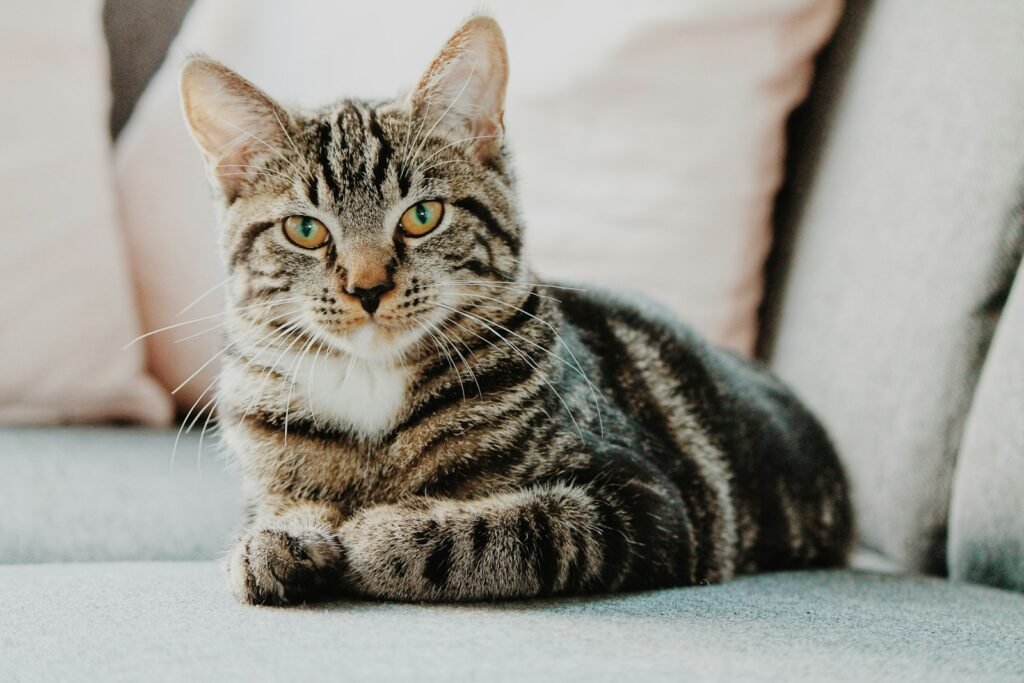
I know it sounds crazy, but the idea that cats are fundamentally antisocial creatures is one of the most persistent and most incorrect myths about felines. The image of the solitary cat, hunting alone at dusk, doing life solo, is more romantic fiction than biological reality. Especially when it comes to the domesticated cats living in your home.
In contrast to the notion that cats are either antisocial or unable to form strong social bonds with each other, they appear to be highly variable in their preferences for social interactions. Cats have been shown to have preferred associates based on observations that some individuals living in groups spend more time with one another than would be expected by chance, and preferred associates demonstrate behaviors such as allorubbing and grooming, touching while sleeping, and nose touching. These are warm, deliberate, social behaviors. Full stop.
False beliefs that cats are asocial by nature may result in owners expecting or accepting social fear, anxiety, or avoidance in their cats despite the negative welfare consequences of these states, which can lead to missed opportunities to support better social outcomes for cats, or a failure to look for solutions. Honestly, that’s a sobering thought. Your cat’s shyness or avoidance may actually be a welfare issue you’re unknowingly accepting as “just how cats are.”
Myth 4: Cats Are Low-Maintenance Pets That Take Care of Themselves
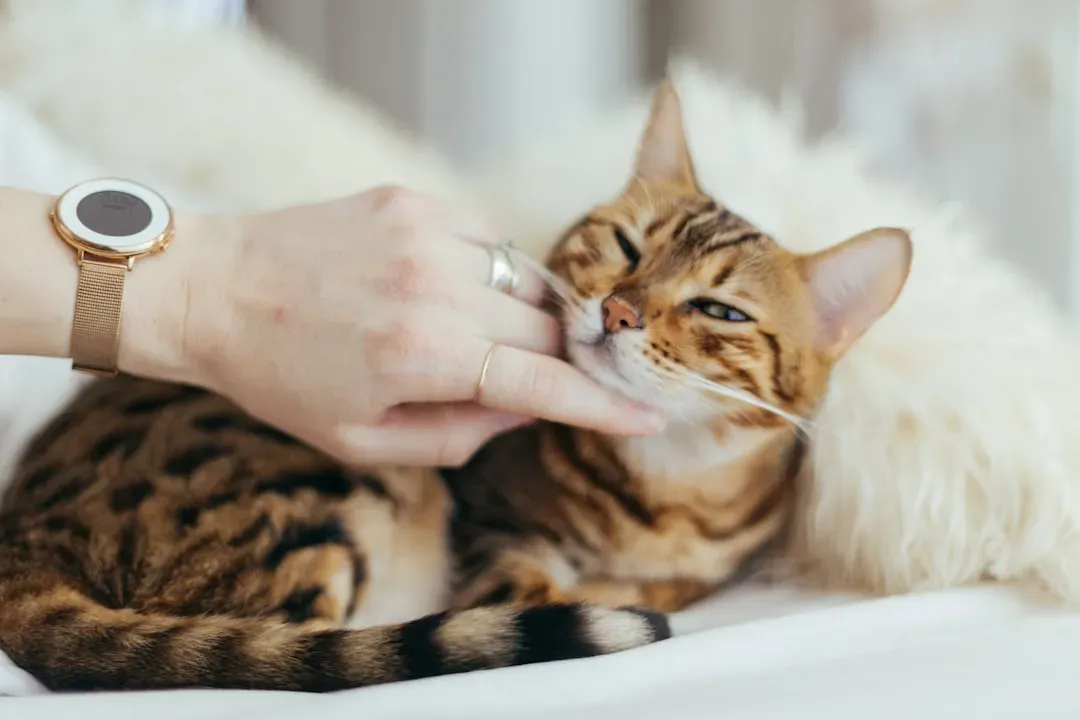
This might be the most damaging myth on this list, because it shapes how people approach cat ownership from the very beginning. The logic goes like this: cats groom themselves, they use a litter box independently, they sleep most of the day. So surely they need far less from you than a dog would, right? Wrong, and the consequences of this belief are real.
While cats have a reputation for being independent, they need just as much care as dogs do. Regular vet visits, daily exercise, mental enrichment, and plenty of positive attention from their guardians are all essential to a cat’s well-being. Think of it like a houseplant that actually has feelings. You can’t just water it occasionally and call it done.
Research has shown that a static environment with little change in surroundings can create mental, emotional, and physical problems for indoor cats, and environmental enrichment is essential for an indoor cat to thrive. Cats can become anxious, depressed, or stressed, and symptoms of stress and anxiety in cats can include hiding, over-grooming, excessive vocalization, and aggression. If your cat is scratching furniture or acting out, there’s a decent chance they’re understimulated, not just “being a cat.”
Myth 5: Your Cat Doesn’t Understand or Care About Your Emotions
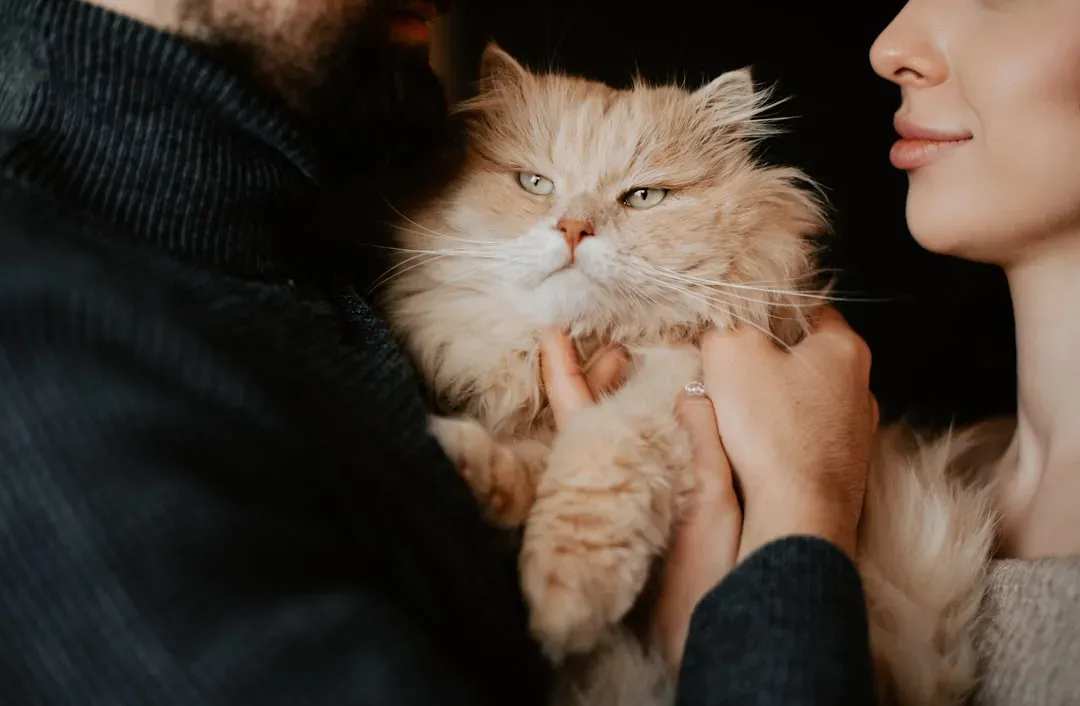
Perhaps the most quietly heartbreaking myth is the idea that your cat simply doesn’t register your emotional state. That they’re tuned out, switched off to your feelings, operating in their own self-contained world. It feels believable because cats don’t rush over and lick your tears the way a Labrador might. Their emotional intelligence just looks different.
Recent research has shown that cats are more socially intelligent than previously thought. They can understand human emotions and cues, and even recognize their owners’ voices, which suggests that the way owners interact with their cats could have a big impact on the cat’s behavior. Your cat is picking up on you more than you realize, even when they seem completely absorbed in staring at the wall.
Research shows that the depressive owner initiates fewer interactions with the cat, but when the cat approaches that person, it accepts the intent of the cat to interact, which affects the human’s mood. The cat also changes its behavior in response to the depressiveness of the human when close to the person, vocalizing more frequently and head and flank-rubbing more often on that person. So when you’re having a rough day and your cat suddenly appears beside you, that’s not a coincidence. Despite their reputation, cats are loving, intelligent, and full of personality, and by understanding and meeting their needs, you can help your cat live a happy, healthy life while deepening the special bond you share.
Conclusion
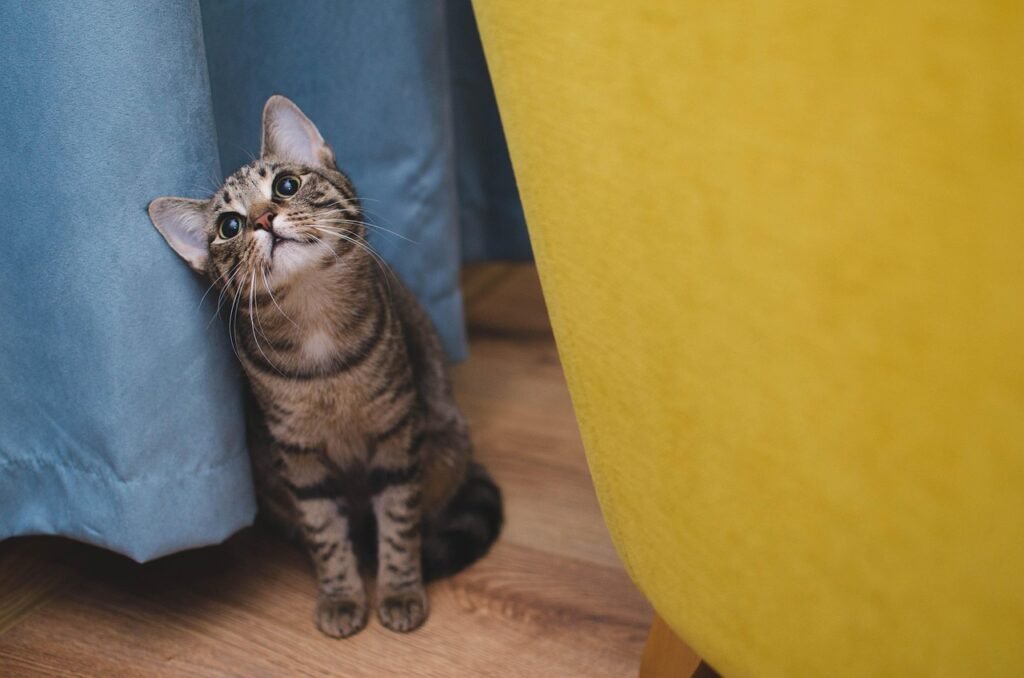
The myth of the cold, self-sufficient, emotionally detached cat has done a lot of damage, not just to cats, but to the relationships people could be having with them. Science has been making the case, clearly and consistently, that your cat is a social, emotionally aware, deeply bonded creature who genuinely needs you, even if they’d never admit it in so many words.
Understanding the truth behind these myths isn’t just interesting. It’s the foundation of being a better, more attentive cat owner. The more you know about what your cat actually needs, the richer and more rewarding that relationship becomes. For both of you.
So next time someone tells you cats don’t really care, you’ll know better. And so will your cat, watching quietly from across the room. What do you think, has your cat been trying to tell you something all along? Share your thoughts in the comments below.