There’s a familiar dismissal that gets handed out whenever a cat does something inconvenient, baffling, or mildly destructive: “Oh, it’s just a cat.” It rolls off the tongue so easily. It implies a creature running on instinct alone, indifferent to the world around it, incapable of anything we might call thought or feeling. Millions of cat owners know better from personal experience, but science is now catching up with what they’ve quietly suspected all along.
Cat intelligence refers to a cat’s ability to solve problems, adapt to its environment, learn new behaviors, and communicate its needs. Structurally, a cat’s brain shares similarities with the human brain, containing around 250 million neurons in the cerebral cortex. Cats also display neuroplasticity, allowing their brains to reorganize based on experience. That isn’t passive animal biology. That’s a living, adapting mind. The more researchers look, the more they find.
Your Cat’s Brain Is More Like Yours Than You Think
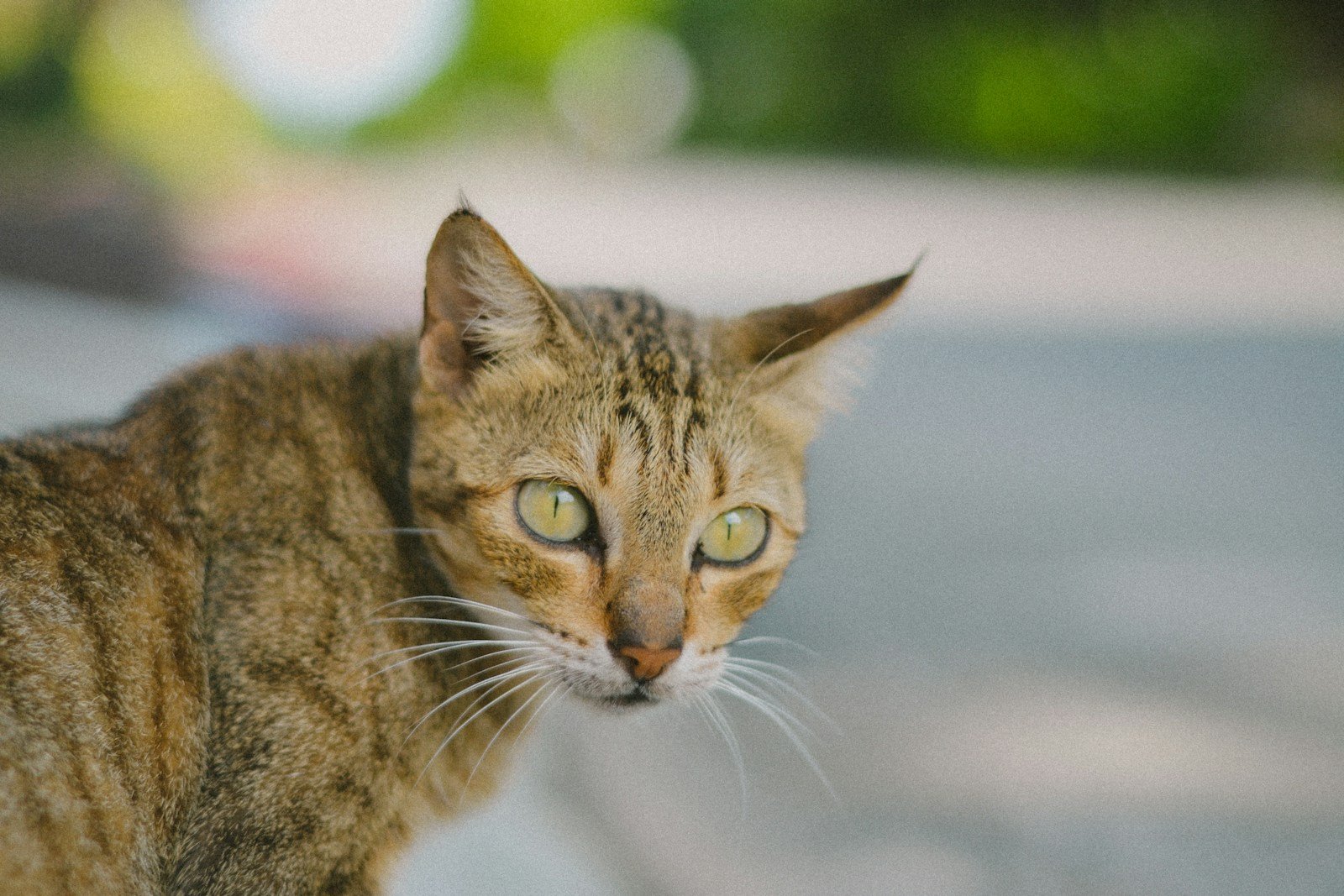
The comparison between feline and human brains isn’t just a superficial one. According to researchers at Tufts University School of Veterinary Medicine, the physical structure of the brains of humans and cats is very similar, and humans and cats share similar lobes in their cerebral cortex. That structural resemblance matters because the cerebral cortex is responsible for higher-order thinking, problem solving, and memory formation.
The feline brain’s structure and surface folding is 90 percent similar to that of humans. In humans, the cerebral cortex contains 21 to 26 billion neurons. Cats have 300 million neurons compared to dogs with 160 million neurons. That figure alone makes it harder to dismiss the feline mind as simple. Your cat is working with considerably more neurological firepower than many people realize.
The Memory That Outlasts What You’d Expect
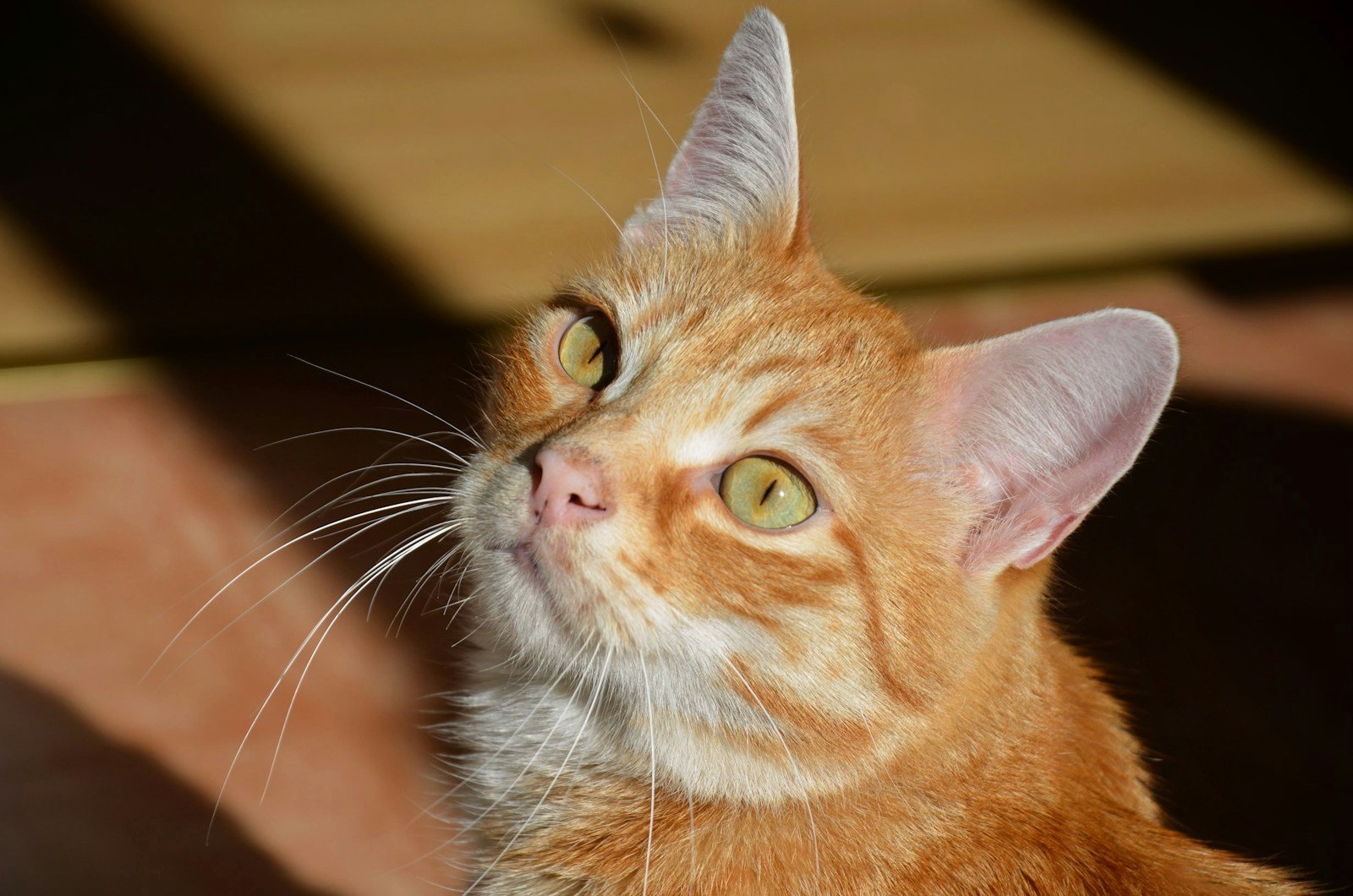
Cats possess impressive long-term memory capabilities, retaining recollections of events and locations for a decade or longer. These memories are often intertwined with emotions, allowing cats to recall both positive and negative experiences associated with specific places. This ability to adapt their memories of past environments throughout their life enables cats to easily adjust to their current surroundings. That’s not reflexive behavior. That’s memory shaped by emotional context.
Research shows these procedural memories last ten years or more. Cats associate the memory of an event or place with the emotions they experienced in those surroundings or locations. They will remember experiencing traumatic stress, pain, or fear in the veterinarian’s exam room. Fortunately, they remember positive experiences too, especially when food or play is involved. This is why your cat may resist the carrier after one bad trip to the vet, or return to a favorite sunny spot year after year with complete confidence.
Object Permanence: Your Cat Knows Something Exists Even When It Disappears
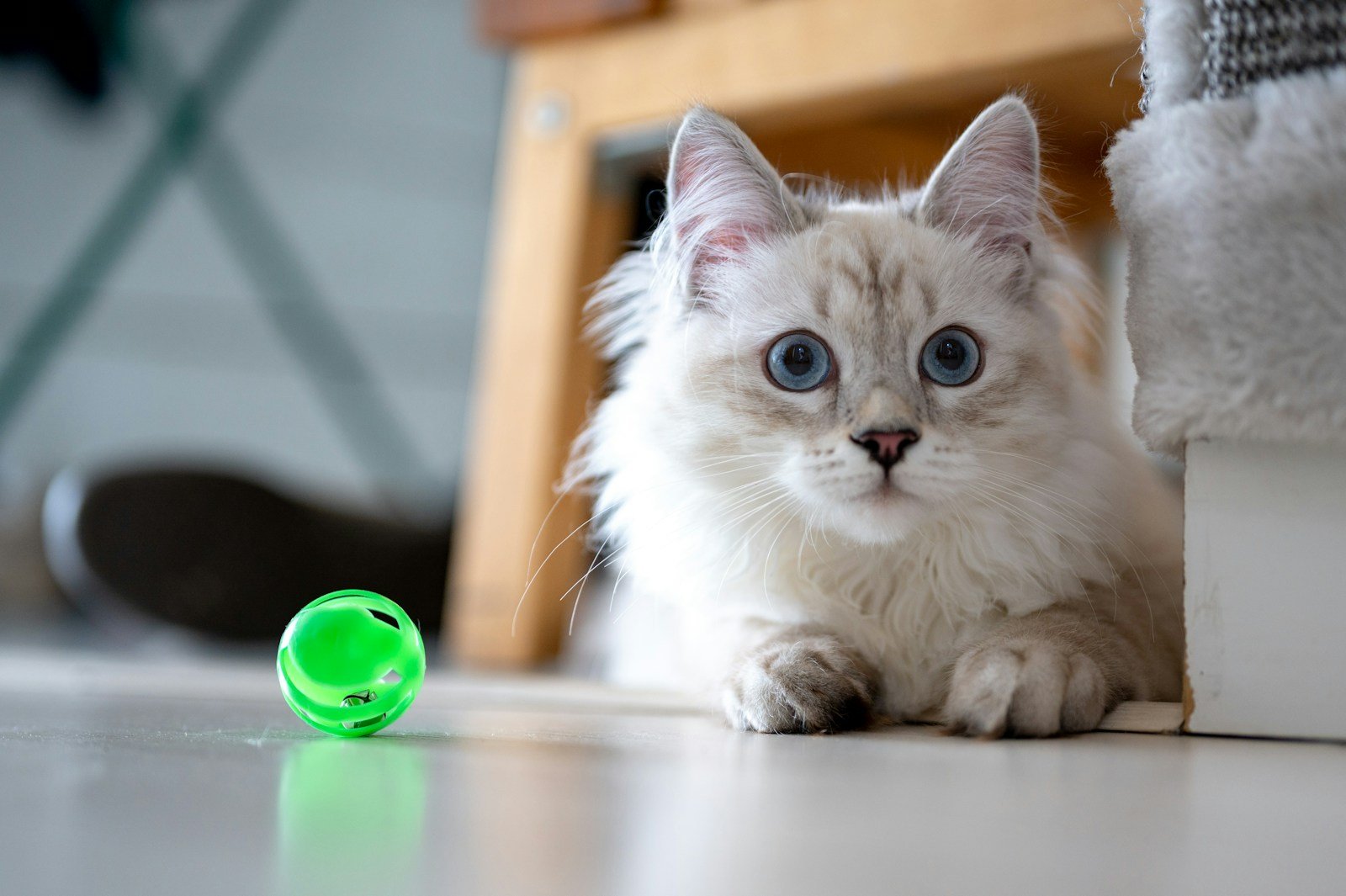
In controlled experiments, cats demonstrated fully developed concepts of object permanence, indicating that their sensorimotor intelligence is complete. In contrast, human infants are tested with multiple invisible displacements of an object to assess the emergence of mental representation during the sixth and final stage of sensorimotor intelligence. The cats’ search behavior in these tasks was consistent with their ability to represent an unsensed object and reflected fully developed sensorimotor intelligence.
Cats “pass” the test if they search for the object where it was last seen, suggesting that they understand that the object still exists even when it is not visible. Research indicates that cats easily solve visible displacement tests, demonstrating a strong understanding of object permanence. So when you hide your cat’s toy behind a cushion thinking they’ll forget about it, they haven’t. They know exactly where you put it.
You Hear What Your Cat Can Hear When You Speak
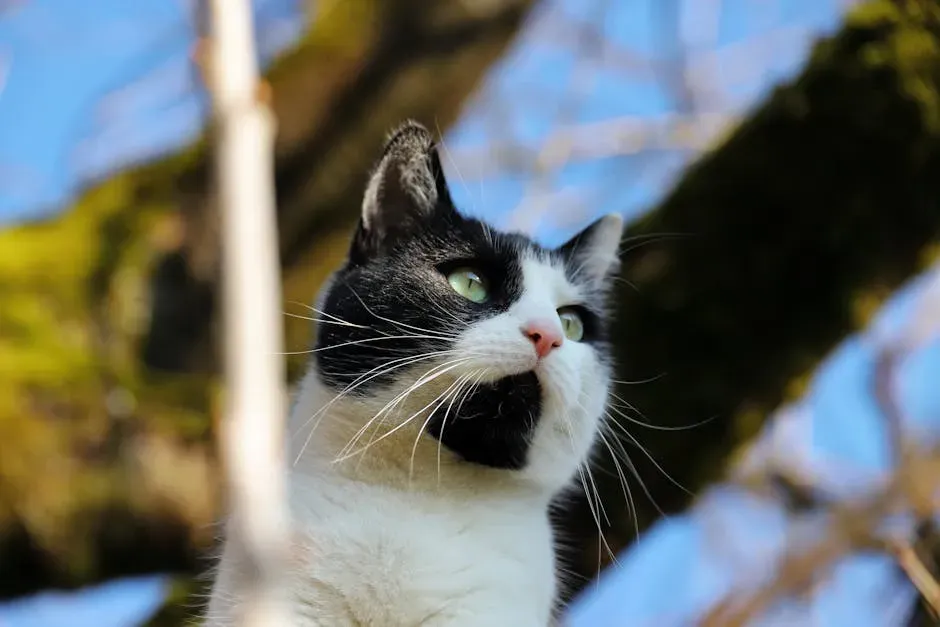
A study was able to demonstrate that cats do recognize their names. This was demonstrated by cats distinguishing human voices calling their own name from voices calling other cats’ names or other words. This was found to be the case with voices belonging to both the cats’ owners as well as strangers, showing that cats not only recognize their owner’s voice but also respond to specific words.
The cats responded when they heard their owners using cat-directed speech, but not human-to-human speech. They also did not show a response when they heard a stranger’s voice, whether using cat talk or adult talk. This indicated that the cats could recognize when their owners were talking directly to them. Your cat isn’t ignoring you. It’s listening, processing, and deciding whether what you said warrants a response. That’s a meaningful cognitive step.
Problem-Solving Skills That Go Far Beyond Instinct
Early research on cat intelligence can be traced back to the late 19th and early 20th centuries, when psychologists such as Edward Thorndike used puzzle boxes to study animal learning. Thorndike’s experiments demonstrated that cats could learn to manipulate levers and latches through trial and error, revealing their capacity for associative learning. Over time, more refined experiments began to examine additional facets of cognition, including spatial awareness, memory, and problem-solving strategies.
Perhaps most impressively, cats can learn through both observation and experience. They watch their human companions and other animals to acquire new skills, such as opening doors or manipulating objects. Their procedural memory for learned tasks can last up to a decade or more, especially when associated with positive experiences or rewards. That cabinet your cat learned to open after watching you do it twice? That’s observational learning in action.
Your Cat Reads Your Emotions More Carefully Than You Realize

Results demonstrate that cats integrate visual and auditory signals to recognize human and conspecific emotions and they appear to modulate their behavior according to the valence of the emotion perceived. The understanding of cats’ socio-cognitive abilities to perceive their close partners’ emotions is crucial for improving the quality of human-cat relationships as well as cat welfare in the domestic environment.
Recent research suggests that cats may be more attuned to human emotions than previously thought. Studies show that cats react to their owners’ visual and vocal signals and adjust their behavior based on human emotions. They’ll actually even follow more subtle cues such as the direction of your gaze. Just looking to one side or the other, cats will follow that very subtle cue as a directional signal, and they are able to pick up on your emotional states and moods, adjusting their behavior in response to your own behavior.
The Social Intelligence Science Almost Missed
After years when scientists largely ignored social intelligence in cats, labs studying feline social cognition have popped up around the globe, and a small but growing number of studies is showing that cats match dogs in many tests of social smarts. The work could transform the widespread image of cats as aloof or untamed. The assumption that cats simply don’t care about social dynamics has been quietly dismantled by research across multiple continents.
Recent research has shown that cats have remarkable social cognitive abilities. For example, they can follow human pointing and gazing cues, and they can discriminate human emotional expressions and attentional states. Moreover, cats recognize their owners by voice and form attachment-like bonds. These aren’t tricks they perform for treats. They’re expressions of an underlying social awareness that developed over thousands of years living alongside humans.
Attachment Bonds That Mirror What We See in Human Infants

Research has shown cats can form secure attachments to their owners, like infants with caregivers, and they recognize human emotions, read tone and gesture, and exhibit behaviors linked to empathy and social awareness. That comparison to infant-caregiver attachment is significant. It places the feline-human relationship in a category researchers typically reserve for highly social species.
People often think that a cat wandering away from its owner is a sign the cat doesn’t care. But it’s actually the opposite. A cat that moves away to explore on its own after reuniting with its owner is showing that it trusts the owner so much that it feels comfortable going off on its own as long as the owner is around. In essence, the owner is their security blanket. Independence, in other words, isn’t indifference. It’s confidence rooted in trust.
Word Association: Your Cat Learns Language Faster Than You’d Expect
A recent study published in October found that not only could cats associate words with images, but they could do so at a rate faster than human babies. This finding unsettled a long-held assumption about the ceiling of feline language comprehension. To examine word association in cats, a team of animal behavior researchers from Japan’s Azabu University adapted test methods traditionally used with human babies. Cats were first presented with two meaningless word-picture combinations.
Cats displaying basic language comprehension skills is a measure of intelligence. Previous studies have likewise found that cats are able to learn their own names and can even pick up basic commands. All of this goes to show that cats are smarter in ways they’re often not given credit for. Visual association and repetition are key for teaching any words to cats. Starting word association when cats are still young is likely to have better outcomes.
The Science of Cat Intelligence Is Still Just Getting Started

The Maine Cat Lab at the University of Maine at Farmington is conducting what is described as the first-ever international study of cat intelligence. The research they’re participating in allows them to assess the general intelligence level of cats across a global sample. Researchers have noted that while dog intelligence has been extensively studied, cats haven’t gotten the same treatment. The field is only now beginning to catch up.
Cat intelligence has been underrated in the past, probably because the cat is less oriented than the dog to use its intelligence to please humans. This does indeed suggest that cats show advanced social awareness, presumably learning through observing social interactions around them. As researchers explore these aspects of cognition in cats, they consistently find that cats are much more sophisticated and complex in their relationships with humans than is often assumed. Every new study adds a layer of nuance to an animal that deserves far more scientific attention than it has historically received.
Conclusion: What You Share with Your Cat Runs Deeper Than You Think
The evidence is clear, even if it remains incomplete. Your cat carries a brain structurally similar to yours, remembers emotional experiences for years, tracks your gaze and tone of voice, reads your moods, forms genuine attachment bonds, and learns from watching you. None of that fits the “just a cat” dismissal.
Cats have shared the same living environment with humans for at least ten thousand years, and they entertain complex and long-lasting relationships with their owners. During domestication, they became sensitive to human communicative signals and developed human-compatible social skills that enable them to communicate with humans. That’s a ten-thousand-year conversation, and most of us have only just started listening to our side of it.
The next time your cat sits across the room and holds your gaze a little longer than expected, consider what might actually be happening behind those eyes. Not instinct. Not indifference. Something quieter and considerably more interesting than that.
Kristina is a young writer from India. An arts graduate and an avid content creator, Kristina is passionate about animals and wildlife. She enjoys exploring topics related to pet care, animal behavior, conservation, and nature, combining thorough research with engaging storytelling.