That Empty Stare? Your Cat's Not Bored, They're Guarding Your Home From the Unseen
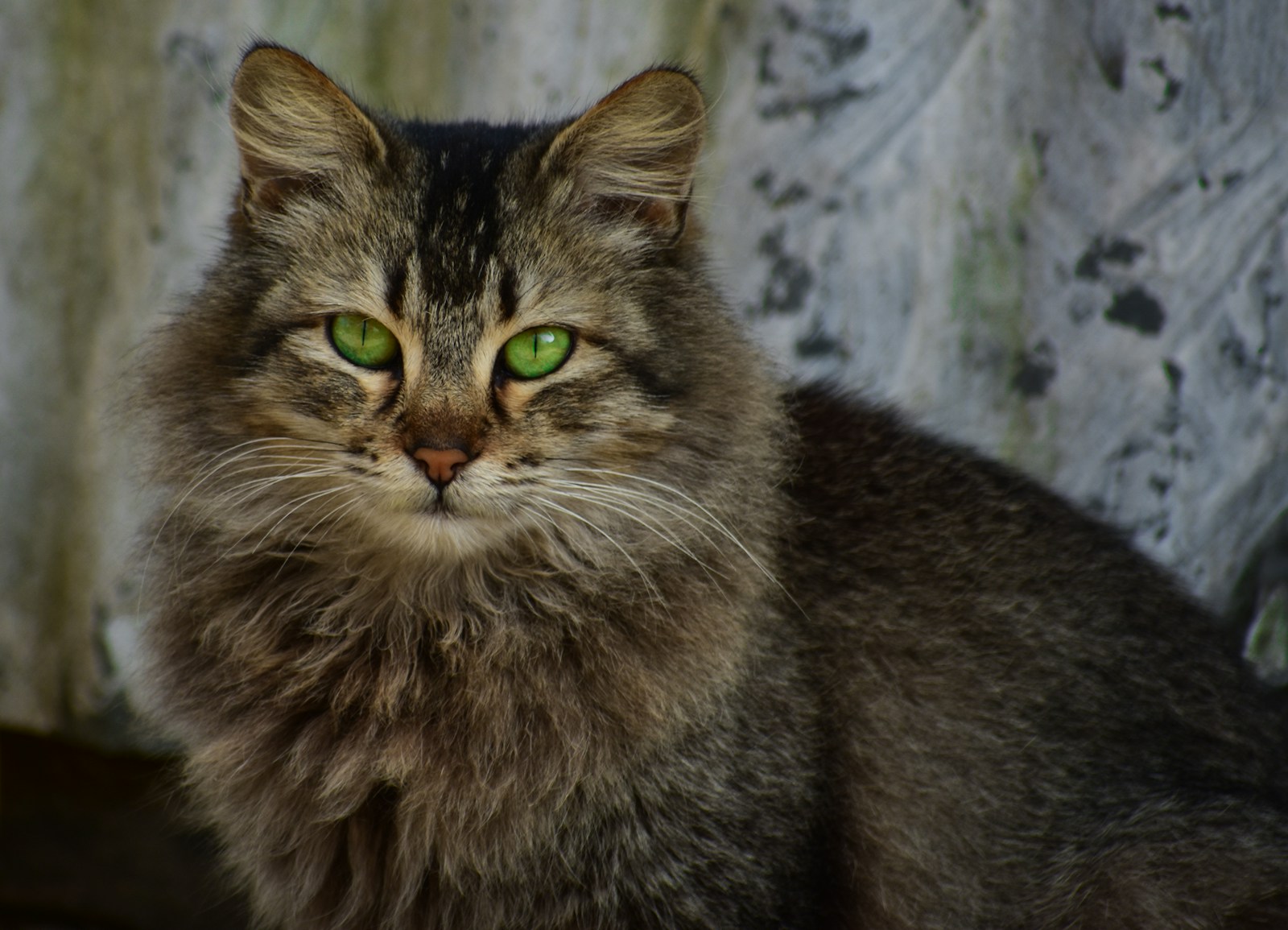
You walk into the living room and there's your cat, completely frozen, pupils locked onto the corner of the ceiling. Nothing's there. No bug, no flicker of light, nothing. Just your cat staring into the void like they're having a silent, very serious conversation with the universe.
Honestly? It's one of the most eerily fascinating things a cat does. You've probably laughed it off, maybe even filmed it and sent it to a friend. Yet what's happening behind those glowing, unblinking eyes is far more extraordinary and scientifically layered than most people realize. So let's dive in, because what you're about to discover about your cat's secret world might just change the way you look at that "empty" stare forever.
Your Cat Literally Sees a Different World Than You Do
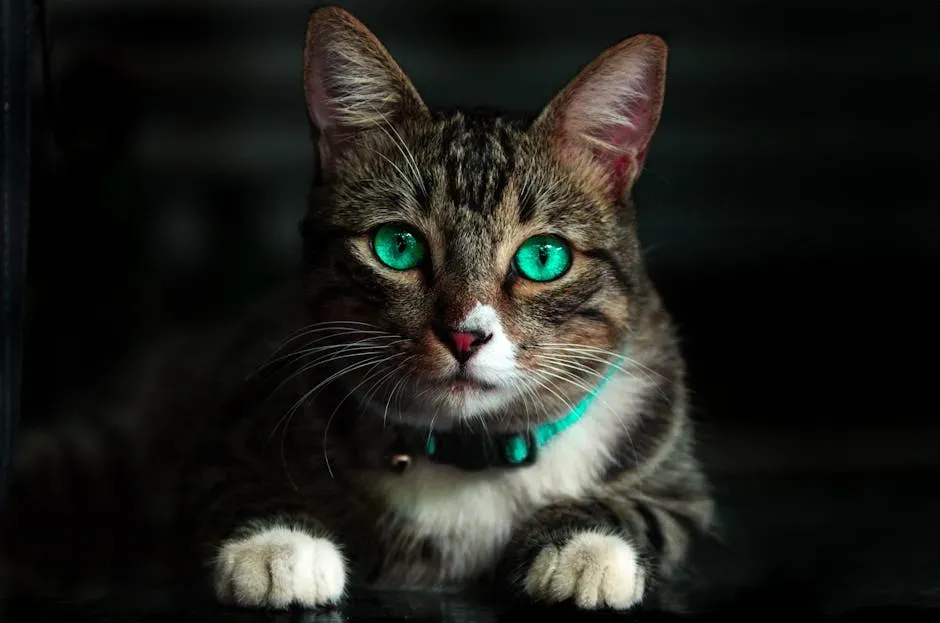
Cats see the world differently from humans. You might have noticed your cat staring at something at night when you can't see a thing. That's because they have excellent night vision. Think of it like having built-in night-vision goggles that are just permanently installed. No batteries required.
Cats have a tapetum lucidum, a reflective layer behind the retina that sends light passing through the retina back into the eye. They also have a high number of rods in their retina that are sensitive to dim light. While these improve the ability to see in darkness, cats can see using roughly one sixth the amount of light that humans need. So when your room is nearly dark and your cat is squinting at the wall, they are absolutely not imagining things.
The Ultraviolet Vision That Changes Everything
Here's the thing that genuinely blew my mind when I first learned about it. A study by biologist Ron Douglas at City University London indicates that cats are thought to see in ultraviolet light. UV light is the wavelength beyond the visible spectrum from red to violet that humans can see. Humans have a lens that blocks UV from reaching the retina, but cats might have the ability to see UV light.
A 2014 study found that, along with several other mammals, cats' lenses transmit significant amounts of ultraviolet light, which suggests they possess sensitivity to this part of the spectrum. This means that your plain white wall, the one you painted last year thinking it was just a wall, might genuinely look like a glowing, patterned surface to your cat. While you might think they are looking at nothing, it's very well possible they can see something as minuscule as sunlight glinting off a fleck of dust.
Ears Like Satellite Dishes Scanning for Threats
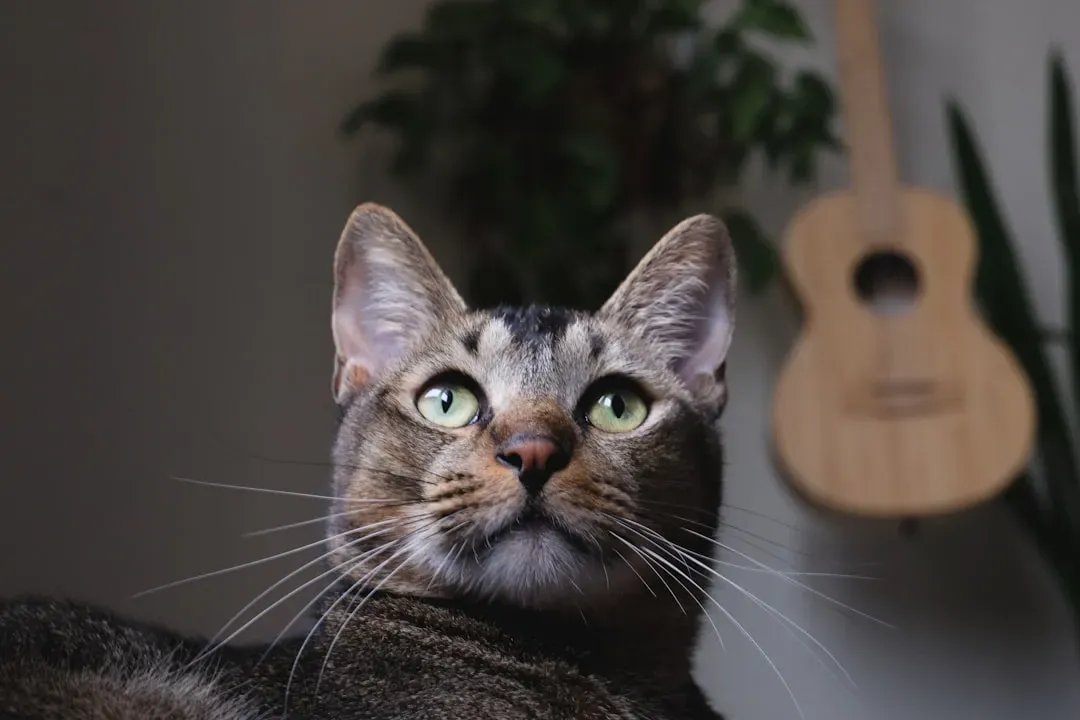
Humans can detect sounds in a frequency range from about 20 to 20,000 Hz. Cats, however, can hear from about 80 Hz up to 85,000 Hz, giving them one of the broadest hearing ranges among mammals. That is not a small difference. That is a completely different sonic universe. Imagine hearing every hum, click, and ultrasonic squeak your home produces, all at once.
When listening for something, a cat's ears will swivel in that direction, and a cat's ear flaps can independently point backwards as well as forwards and sideways to pinpoint the source of the sound. Cats can judge within 8 centimetres the location of a sound being made 1 metre away. So when your cat sits bolt upright and stares at the baseboard, they may be hearing something on the other side of the wall, whether it's a clanking pipe, a mouse scampering behind the wall, something making noise in a neighboring apartment, or someone chatting outside.
A Nose That Reads the Room Like a Newspaper
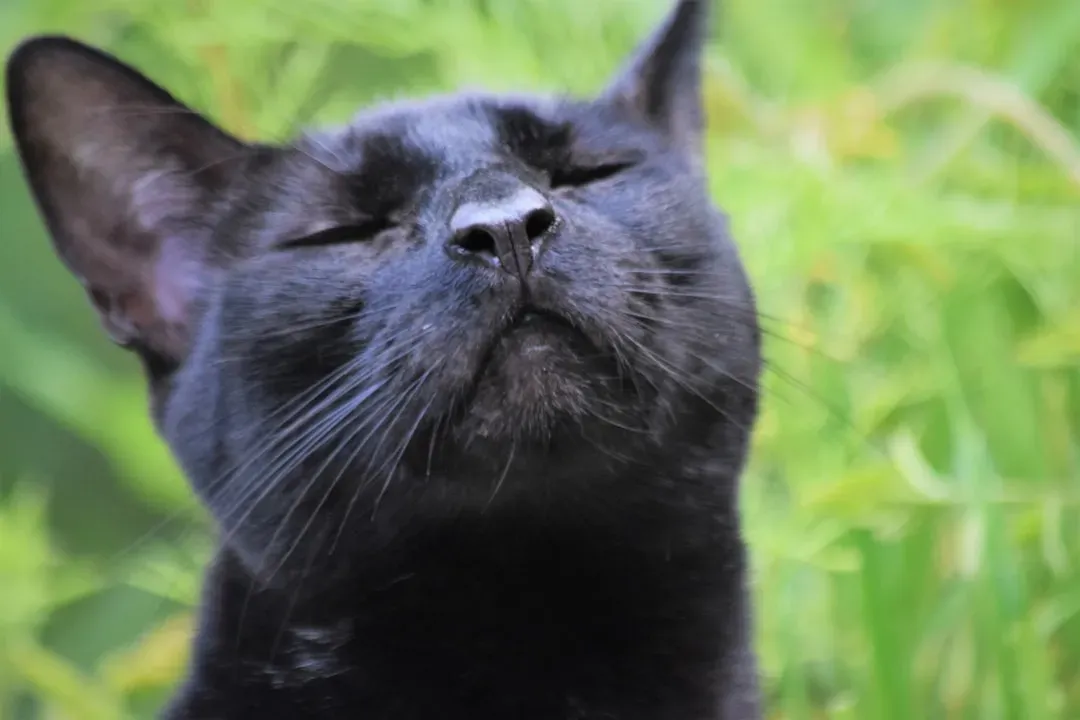
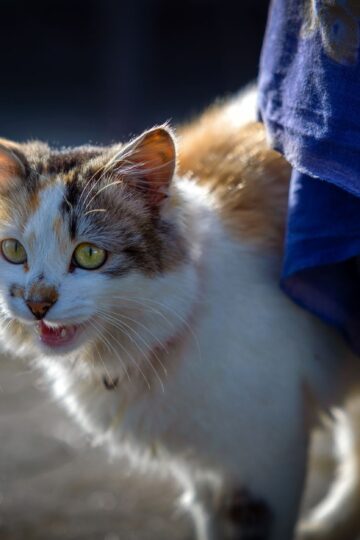
Felines have 200 million odor sensors. In comparison, humans have a mere five million. A cat can also smell with an additional olfactory organ called the Jacobson's organ, located in the upper surface of the mouth. That mouth-open, slightly glazed stare you sometimes see? That is your cat actively smelling and tasting the air at the same time. Wild, right?
Cats depend on their olfactory powers to learn about their surroundings, to detect other cats and people, and to smell out impending danger. They will also often leave their own scent behind. A lingering pheromone trail from another cat that walked by the house yesterday is still a neon sign to them. You smell nothing. Your cat smells an entire story.
Whiskers That Feel What Eyes Cannot See
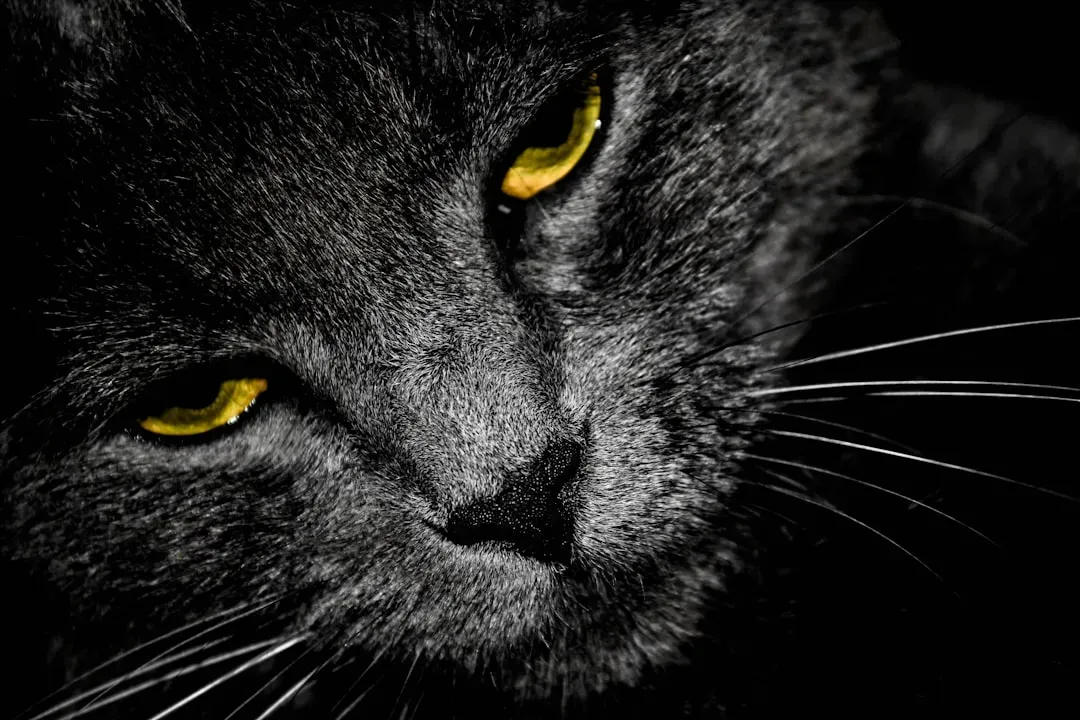
People often think of whiskers as just a cute feature, something for photos and for measuring whether your cat can fit through a gap. The truth is far more impressive than that. Whiskers are extensions of the cat's skin and are designed to detect even the smallest changes in the environment, including air currents, air pressure, temperature, and wind direction. They are embedded three times as deep as fur and translate the slightest contact to sensory cells at their roots. They help cats navigate at night by acting like radar.
Your cat could be tracking a dust mote dancing in a sunbeam, a subtle shift in air currents, or perhaps even the faint hum of plumbing behind the plaster. So what looks like your cat staring blankly might actually be a full-body sensory experience, using whiskers to feel micro-changes in the air that you will never be aware of. That's not boredom. That is an elaborate surveillance system running at full capacity.
The Ancient Hunter Still Living in Your Living Room
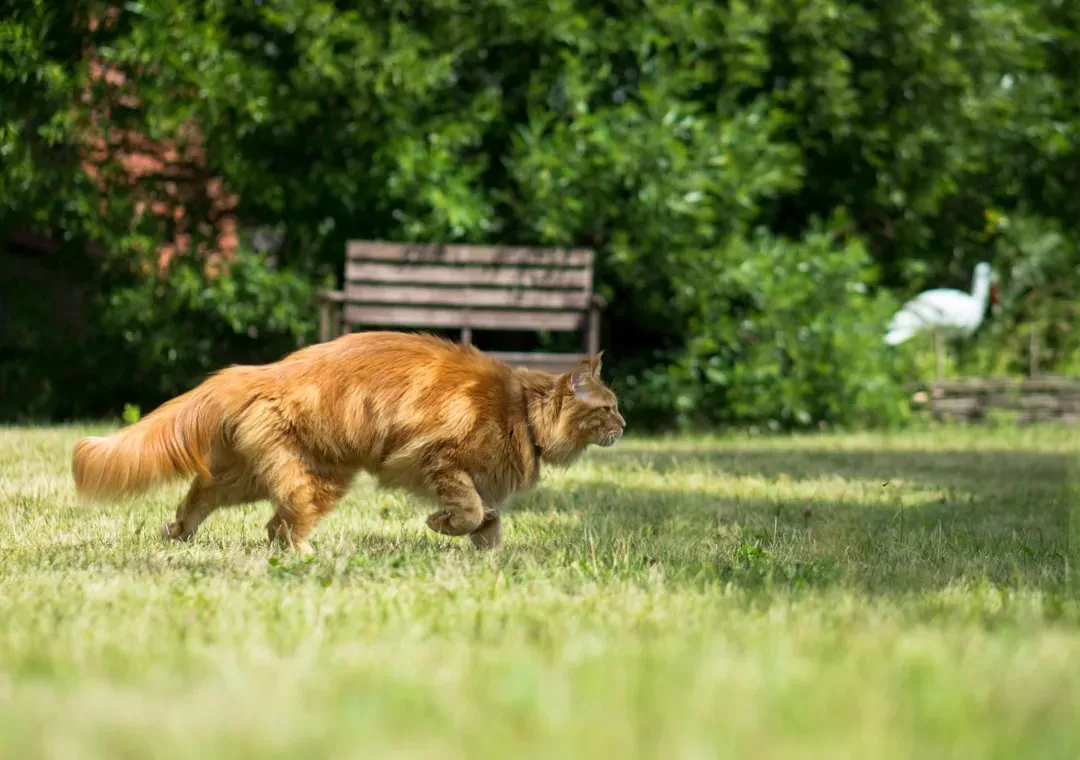
Let's be real about something. Your cat is domesticated only on the surface. Underneath all that soft fur and purring is an apex predator whose instincts have changed very little over thousands of years. Even though cats have been domesticated for thousands of years, their hunting instincts remain strong. Hunting is deeply ingrained in their DNA, and even well-fed cats will chase, stalk, and pounce simply because it's their nature.
Cats use a seek, capture, and kill process when hunting. First, they search their environment for potential prey. Once they've spotted something, they will slowly approach, or stalk, the prey until they are close enough to pounce and capture it. That long, unblinking stare? If you've ever watched a cat hunt, you'll notice that they watch their prey before getting into the pounce pose. They do this to ensure the timing is right for success. Your cat may be watching a spider walk along a wall and is determining the best time to pounce.
Your Cat Is Genuinely Guarding Your Territory
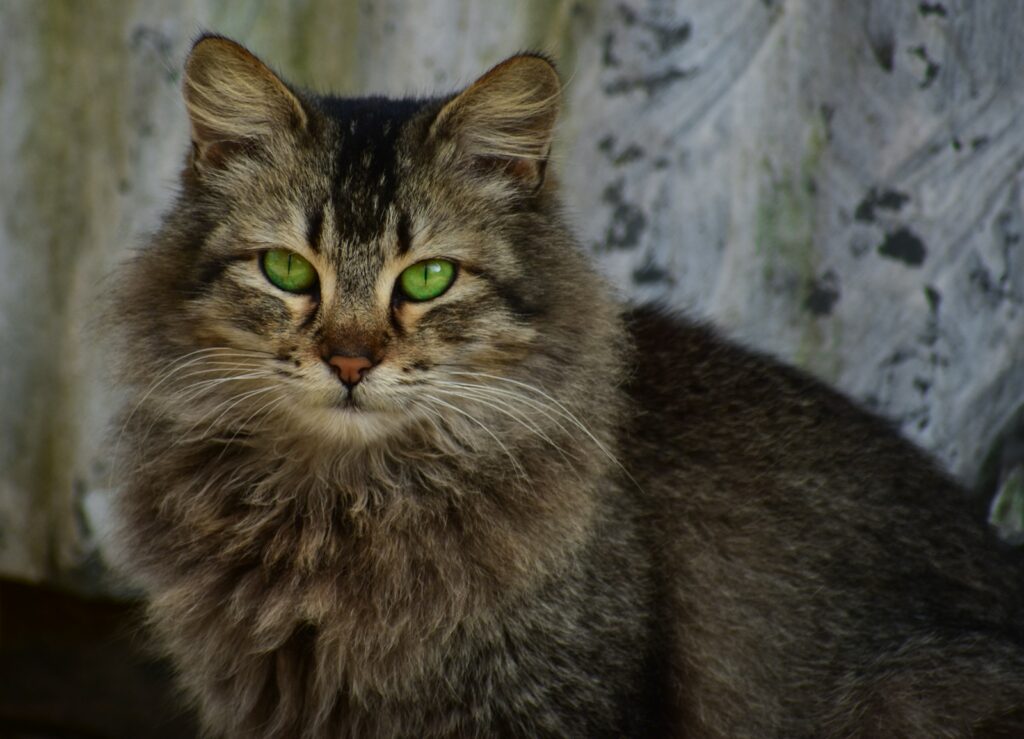
Cats are territorial animals. They may hunt as a way to "protect" their domain from intruders, even if the intruder is a bird or small rodent. This protective drive doesn't switch off just because the cat has a warm bed and a full food bowl. It runs on instinct, not logic. Think of it as your cat being a tiny, fur-covered security guard, always on shift.
Cats have a simply incredible sense of smell, sight, and sound, all of which are far superior to a human's. This means that they are acutely aware of any potential danger long before you will be. Their highly specialized senses make them skilled predators, but cats can also be prey to other, larger mammals. This means that cats are often in a state of hyper-vigilance, on the lookout for not only prey but potential threats too.
When the Stare Is Something More: Recognizing Medical Causes
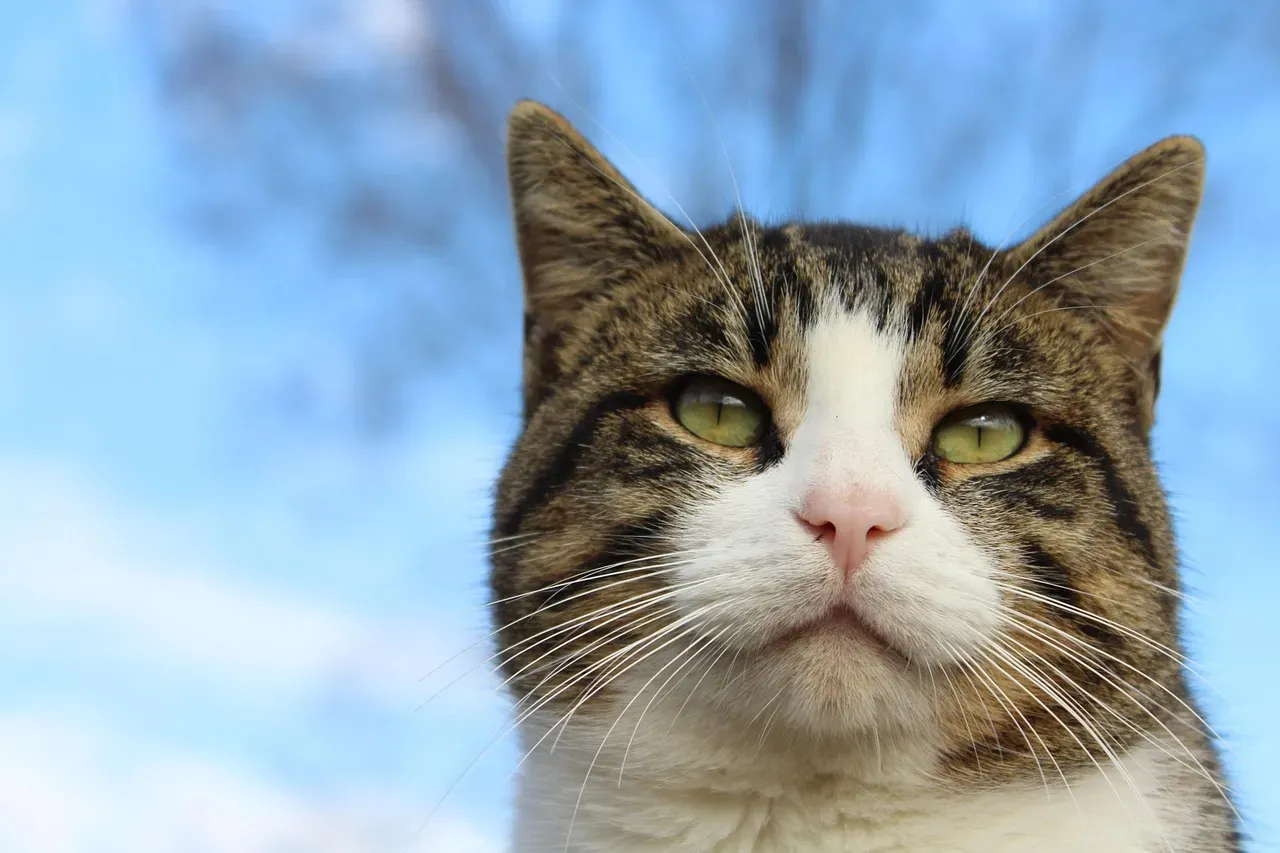
Now, I want to be honest with you here, because not every vacant stare is your cat playing silent guardian. Sometimes it points to something your vet should know about. Partial seizures in cats can sometimes make them act oddly, staring into space and appearing to be mentally "not there." It looks deceptively similar to normal zoning out, which makes it easy to miss.
In some cases, an older cat staring at nothing can be a sign of cognitive dysfunction, essentially the feline form of dementia. Affected cats may manifest other signs such as disorientation, vocalization, accidents around the house, and altered sleep and wake patterns. Vision problems, particularly in older cats, can also lead to staring, as conditions like cataracts or glaucoma can distort their perception of the world. If the staring is new or comes paired with other behavioral changes, a vet visit is the right call.
Feline Hyperesthesia: The Mystery Syndrome Behind the Stare
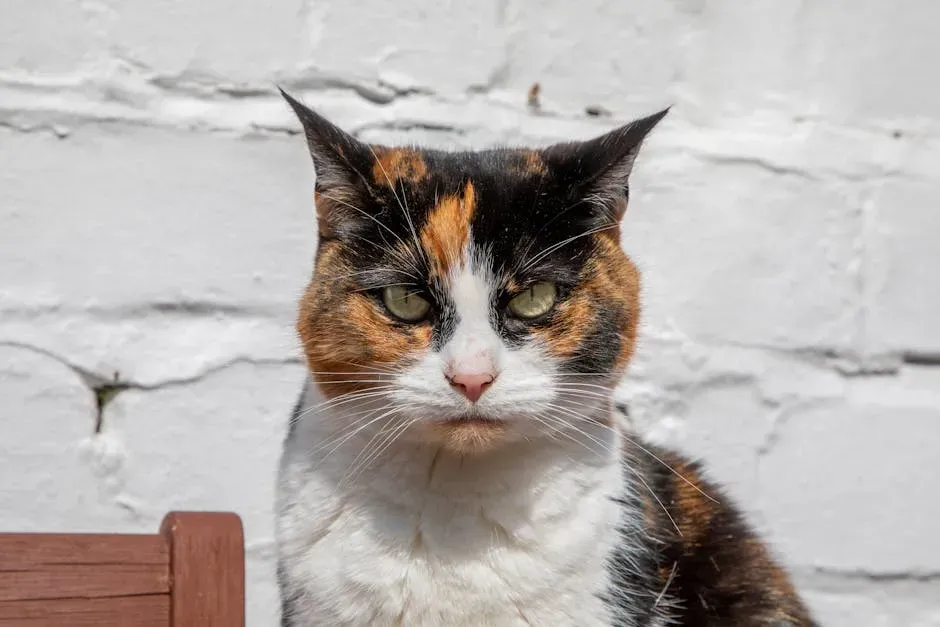
Feline hyperesthesia syndrome, also called rolling skin disease and twitchy cat syndrome, generally involves muscle contractions that a cat cannot control, along with changes in their behavior. It is rare, but it is deeply unsettling to watch. Your cat can seem perfectly calm one moment and then suddenly stare, twitch, and bolt across the room the next.
Feline hyperesthesia syndrome is a disease in cats that remains poorly understood and may have neurological, psychological, or dermatological causes. The syndrome usually appears in cats after they've reached maturity, with most cases first arising in cats between one and five years old. The condition is most commonly identified by frantic scratching, biting, or grooming of the lower back area and a rippling or rolling of the dorsal skin. These clinical signs usually appear in a distinct episode, with cats returning to normal afterwards. If you notice this pattern in your cat, speaking with a vet promptly is very important.
What You Should Actually Do When Your Cat Stares at Nothing
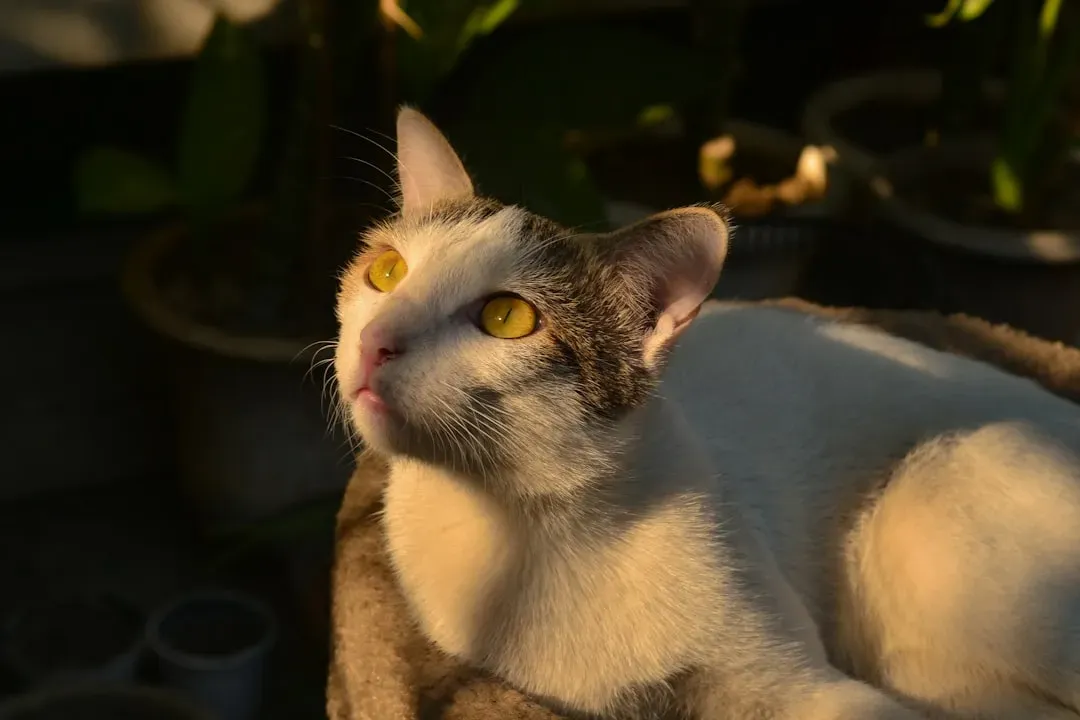
A cat staring into space is usually processing sensory input from sounds, light shifts, or scent trails. Most of the time, there is genuinely nothing to worry about. Your cat is simply doing what their biology has spent millions of years perfecting. Still, it helps to know when to act.
Cats are more perceptive than you, so check out where they're staring if it's always in the same place. They might have found something. It's worth a quick investigation, especially if the staring always happens near the same wall or corner of the room. If your cat is staring at nothing, it's important to report this behavior to the vet to rule out medical problems and determine whether something may be going on at a cognitive level. For everything else? Sit back, watch with genuine wonder, and appreciate that your cat is picking up on an entire world that you are simply not equipped to perceive.
Conclusion: Your Cat Is Not Staring Into Nothing - They're Staring Into Everything
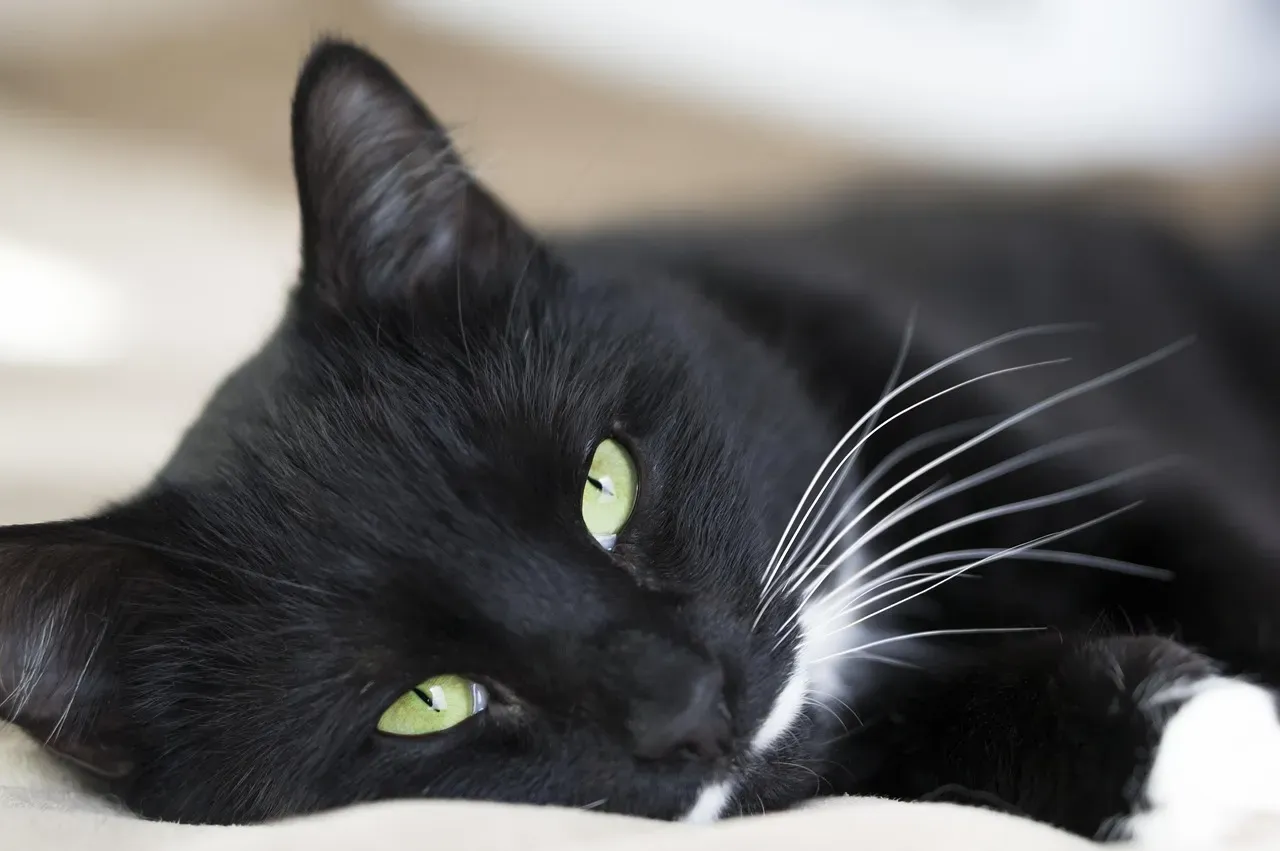
There is something quietly humbling about realizing that the creature napping on your couch is experiencing a version of your home that is richer, stranger, and more layered than anything you'll ever directly know. Your cat doesn't need a reason to stare. They have about a dozen running simultaneously, all invisible to you.
Their UV-sensitive vision, their extraordinary hearing that extends into ultrasonic ranges, their nose that reads the air like a detailed map, their whiskers that feel air currents like fingertips, their ancient territorial instincts, all of it is active, all at once, every time your cat locks onto a point in space. That "empty stare" is one of the most complex sensory experiences happening in your household. So next time your cat freezes and fixes their gaze on the far corner of the room, don't laugh it off. Pay attention. Your cat already is.
What do you think about it? Have you ever noticed your cat staring at the same spot over and over again? Share your experience in the comments.