There’s a particular moment most cat owners know well. You’re reading, cooking, or just sitting quietly, and you look up to find your cat watching you with that calm, unblinking gaze. It doesn’t blink. It doesn’t look away. It simply stares, and for a second, you genuinely wonder what it wants.
Cats are masters of non-verbal communication, and their body language, especially their eyes, can reveal a lot about their feelings, needs, and instincts. That steady gaze you keep encountering isn’t as inscrutable as it feels. Once you learn to read the signals that come with it, the whole dynamic between you and your cat shifts in a surprisingly satisfying way.
The Science Behind the Feline Gaze
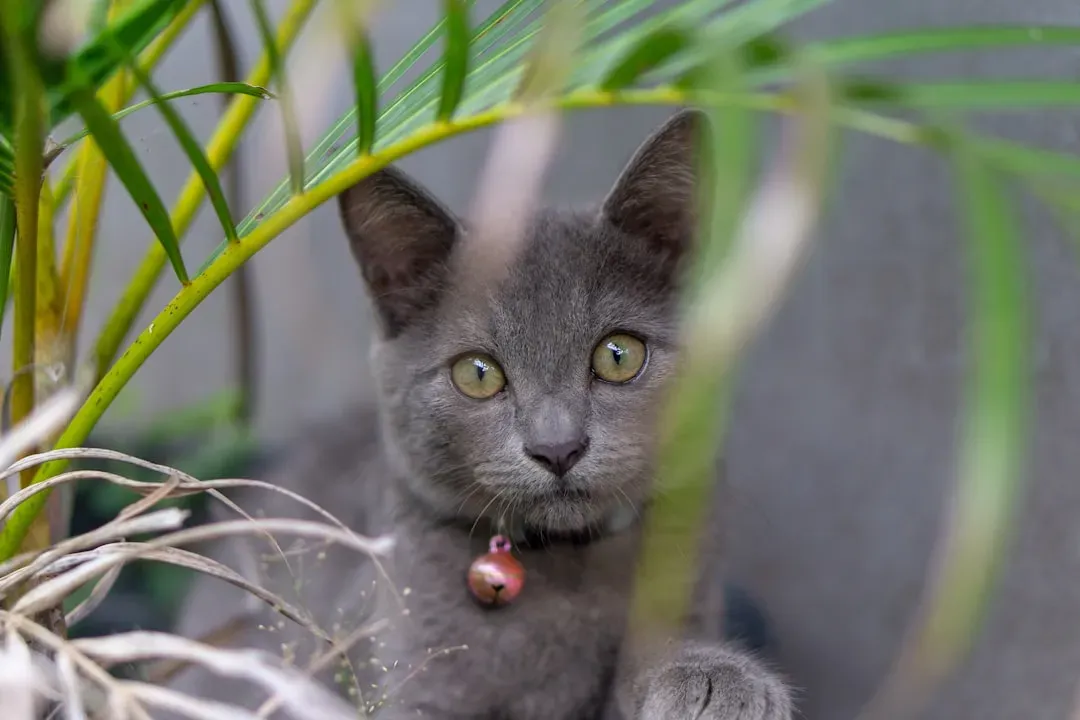
At its core, staring is a natural feline behavior that stems from their instincts. In the wild, cats stare intently to assess their surroundings, monitor prey, or identify potential threats. When you’re the one being watched, you’re essentially being processed through the same sharp cognitive system that kept cats alive in the wild for thousands of years.
Research shows that the eyes are a crucial communication tool for cats. One study found that some cats would look to people when they were unable to solve a puzzle to get food, presumably to get help. That’s not a minor finding. It suggests that cats understand you as a responsive agent, not just a piece of furniture, and they’ve learned to use eye contact as a way to reach you.
Your Cat Is Reading You, Not Just Watching You
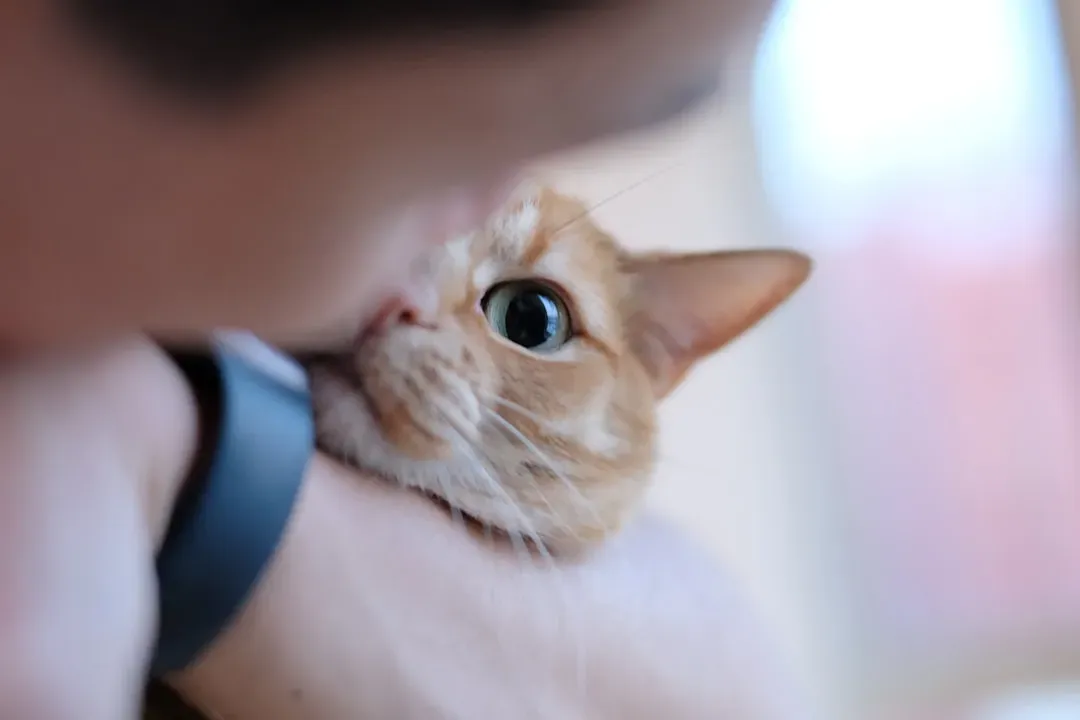
When a cat stares at a person, they often use that same instinctive focus to gather information. They may appear to be simply watching, but they are reading your movements, tone, and behavior. Your cat is picking up on things you might not even realize you’re projecting, your posture, your pace, the rhythm of your breathing.
In some situations, a cat may watch closely when they sense changes in mood or routine. Cats often notice subtle differences in tone, posture, and movement. That awareness explains why they sometimes seem to know when something feels different in the household. It’s not magic. It’s observation, and your cat has had a lot of practice doing it.
The Slow Blink: A Language You Can Actually Speak Back
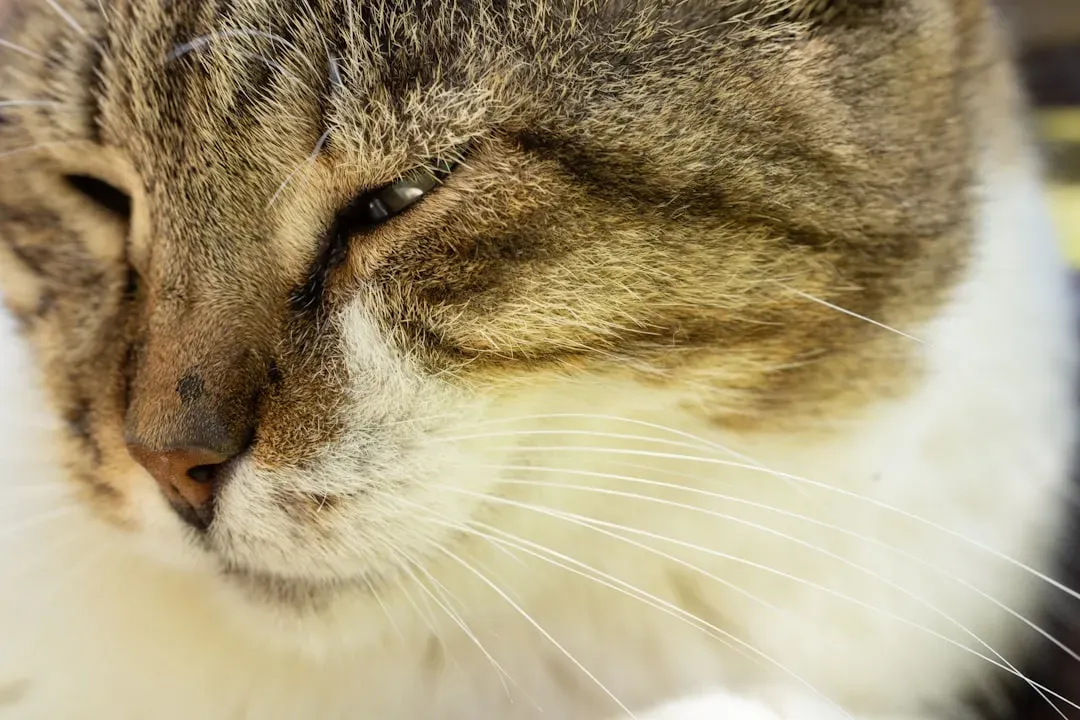
One of the most heartwarming ways cats communicate through their eyes is the “slow blink.” This behavior, often referred to as a “cat kiss,” is when your cat closes their eyes halfway and then slowly opens them again while looking at you. Studies have shown that this is a sign of affection and trust, as cats typically avoid eye contact with those they perceive as threats.
A study published in Scientific Reports in 2020 found that when humans slowly blink at cats, the cats are more likely to slow blink back, showing a positive emotional connection. You can build your bond with your cat by mimicking this behavior. Try slowly blinking back at them when they do it, as it’s a simple yet powerful way to show that you’re calm, relaxed, and reciprocate their trust.
When a Stare Means ‘I’m Hungry Right Now’
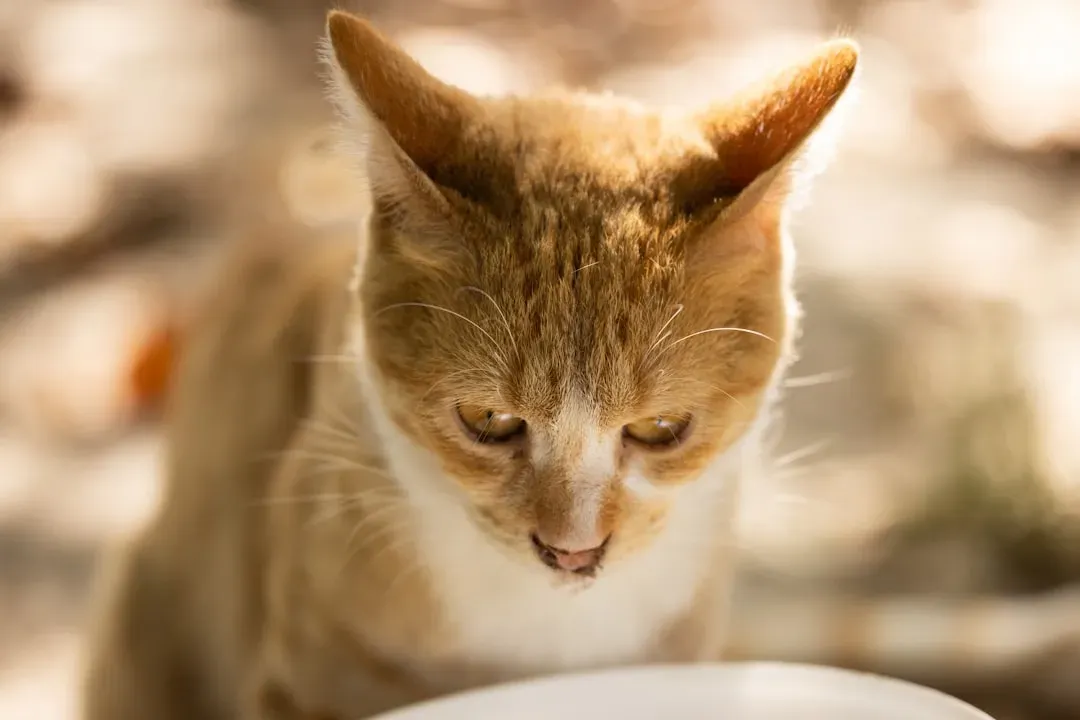
As mealtime approaches, many cats spring into action with a routine: they sit next to their food bowls, make direct eye contact with their humans, and unleash a stream of meows and purrs. This behavior isn’t just cute or annoying – it’s calculated. Your cat has essentially trained you over time, even if it feels like you’re the one in charge.
Cats are intelligent and observant animals. Over time, they learn what actions lead to results, and staring at their humans without blinking has proven to be remarkably effective. One study has shown that cats can manipulate humans using visual cues. So when your cat locks eyes with you at 6 a.m. near the food bowl, it knows exactly what it’s doing.
The Play Invitation Hidden in Plain Sight
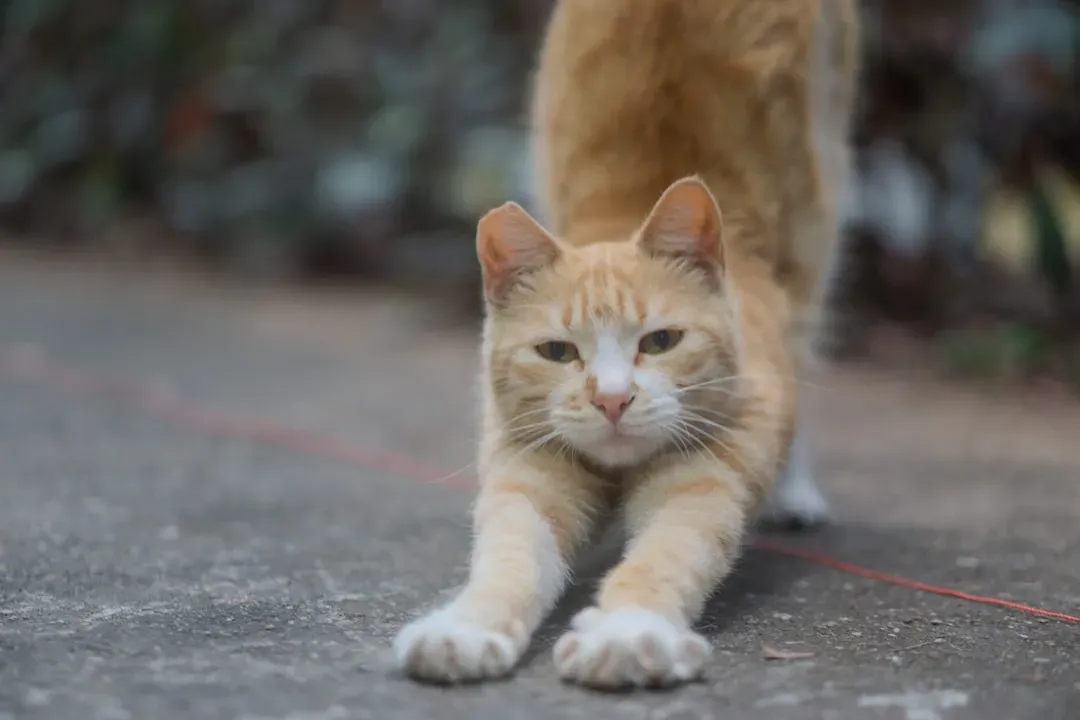
Some cats may crouch down and stare at you with their pupils dilated and tail swishing back and forth. The staring cat may then sprint toward you to swat at your foot or veer off before making contact. Some cats have even been known to tackle their pet parent’s leg and bunny kick it with their hind paws. This stare is an example of a kitty that’s looking for playtime.
Unlike aggressive staring, this kind of eye contact is usually relaxed and accompanied by playful body language, such as perked-up ears, tail flicks, and sudden pouncing movements. Staring is part of a cat’s natural predatory instinct – they lock onto a target before pouncing. If your cat crouches while staring, they may be gearing up for a playful attack on you, a toy, or even a moving sock. An interactive wand toy is often all it takes to redirect that energy productively.
Attention-Seeking Behavior and the Power of Eye Contact
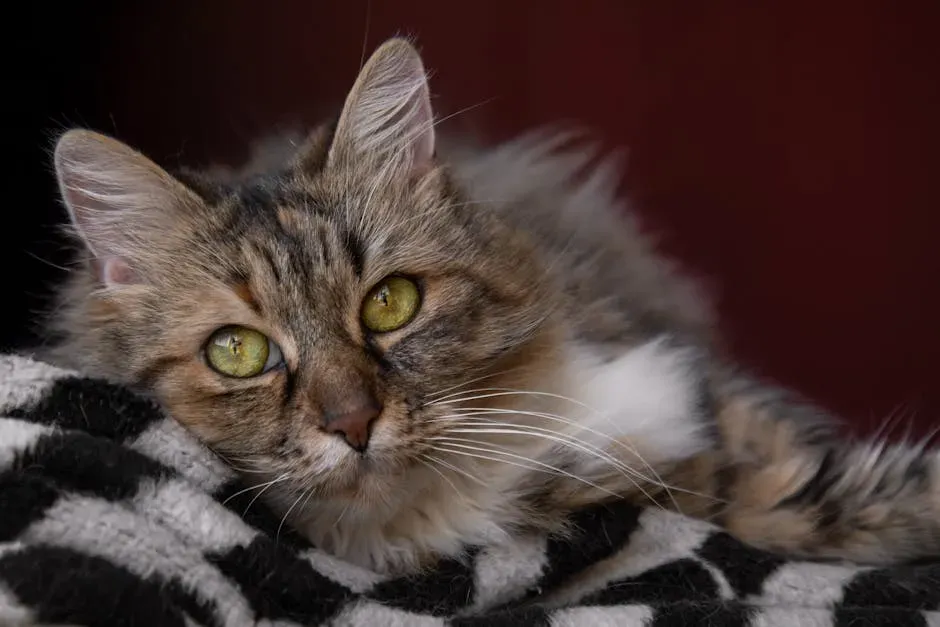
Some cats stare intently at you when they want attention. Once the cat has caught your attention, they may slow blink, meow, or even roll over or rub on nearby items. In these cases, you can approach the cat to give them attention. The stare is often the opening move in a longer social exchange.
Cats are smart, and they quickly learn that staring can be an effective way to grab your attention. If your cat stares at you and meows or moves toward something they want, like a toy or their food bowl, they’re likely trying to communicate a need or desire. This behavior is common during mealtime or playtime, as cats often associate their humans with fulfilling these activities.
Pupil Size and Ear Position Tell the Real Story
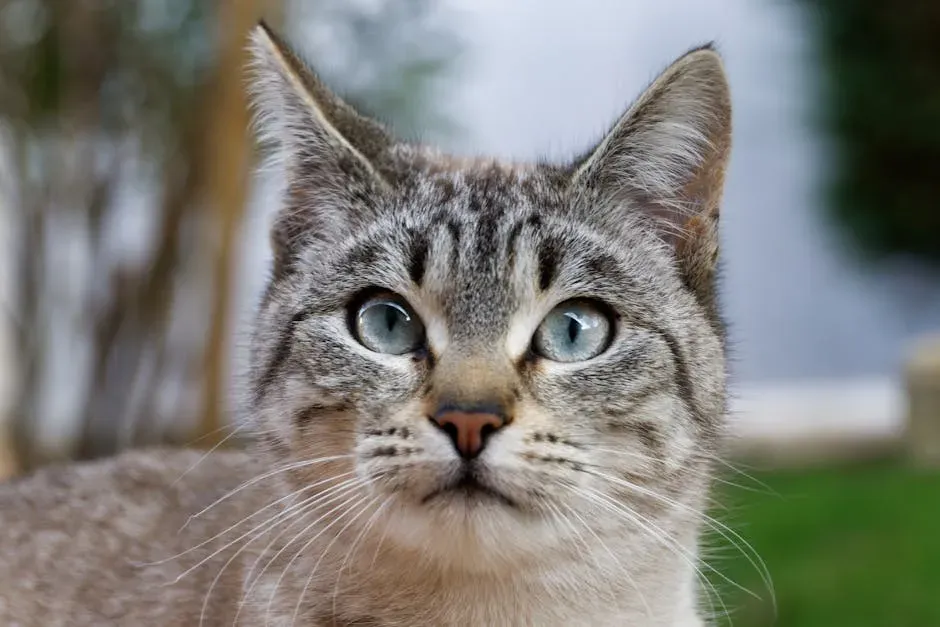
If their eyes are wide open, cats tend to be more alert, focused, and spirited. Their attention is on something, and their emotions might be running hot. They may be distracted or looking around, or they may be focused on the object of their desire. Wide eyes aren’t automatically alarming, but they do tell you that something has captured your cat’s full concentration.
Relaxed muscles, slow blinking, and a calm demeanor suggest affection, while dilated pupils, tense posture, and flattened ears may indicate aggression or anxiety. Changes in pupil dilation, the direction of the gaze, and the position of the eyelids can all help you interpret what your cat is trying to say. Reading these small physical signals together gives you a much more accurate picture than the stare alone.
When Staring Signals Stress or Discomfort
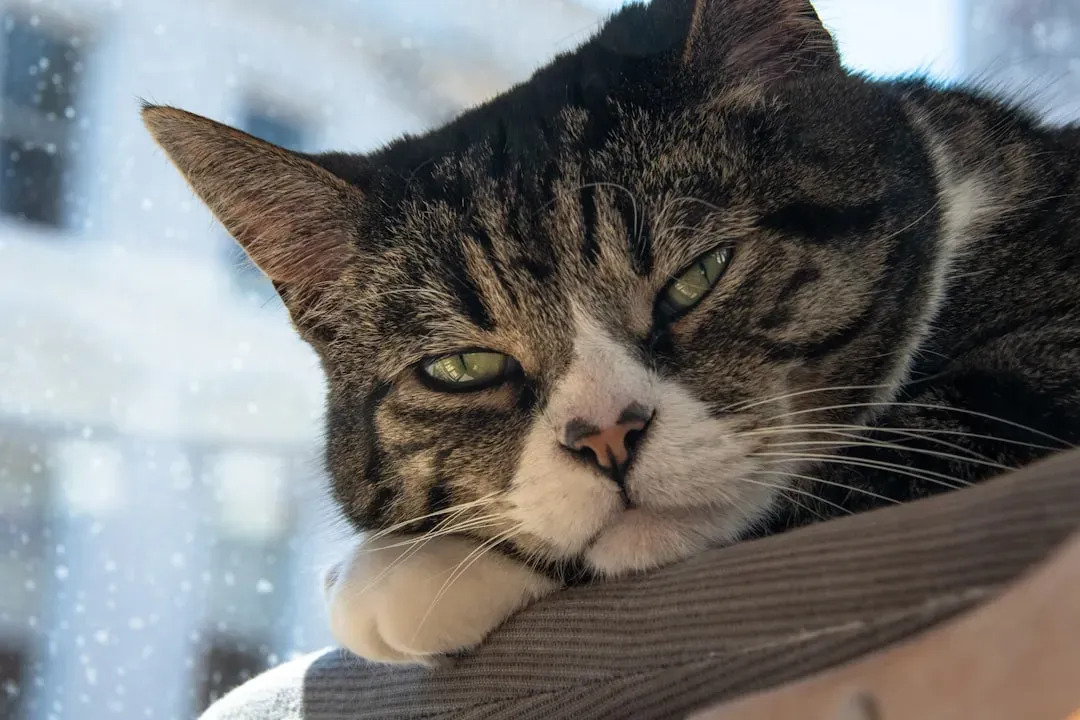
If your cat pairs staring with tense posture, flattened ears, or hiding, the behavior may reflect unease. Cats sometimes observe closely when they feel unsure about a situation or a change in their environment. In these cases, the stare is not meant to communicate affection. Instead, it allows the cat to evaluate potential threats or unfamiliar routines.
While a steady stare is usually normal, if it’s paired with other unusual behaviors, it could be your cat’s way of signaling that something isn’t quite right. Watch for signs like dilated pupils, frequent or excessive hiding, restlessness, or unusual vocalizations. These symptoms, when combined with intense or prolonged staring, may suggest your cat is experiencing discomfort, fear, or even pain. When in doubt, a vet visit is always worth considering.
Why Your Cat Stares While You Sleep
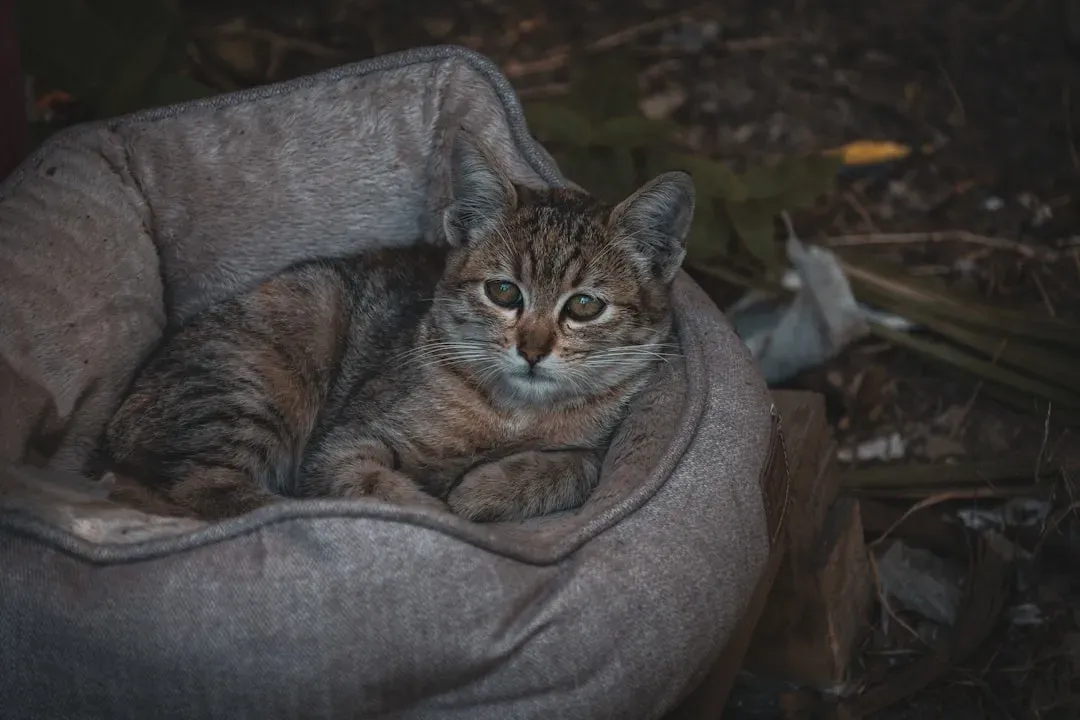
When owners ask why their cat stares at them while they sleep, veterinary professionals often explain that sleeping humans present a mix of curiosity, affection, and opportunity. Cats stay alert even when their people are resting, and they tend to monitor the environment quietly. Your cat may be checking that you are still there, observing your breathing, or waiting for movement that signals breakfast time.
Others remain close during sleep because they feel safe nearby. Cats that choose to stay near us often view us as part of their secure territory. This behavior usually reflects trust and familiarity. If your cat remains calm, relaxed, and quiet, the stare itself rarely signals concern. It’s less surveillance and more companionship expressed in the quiet feline way.
How to Respond When Your Cat Stares at You
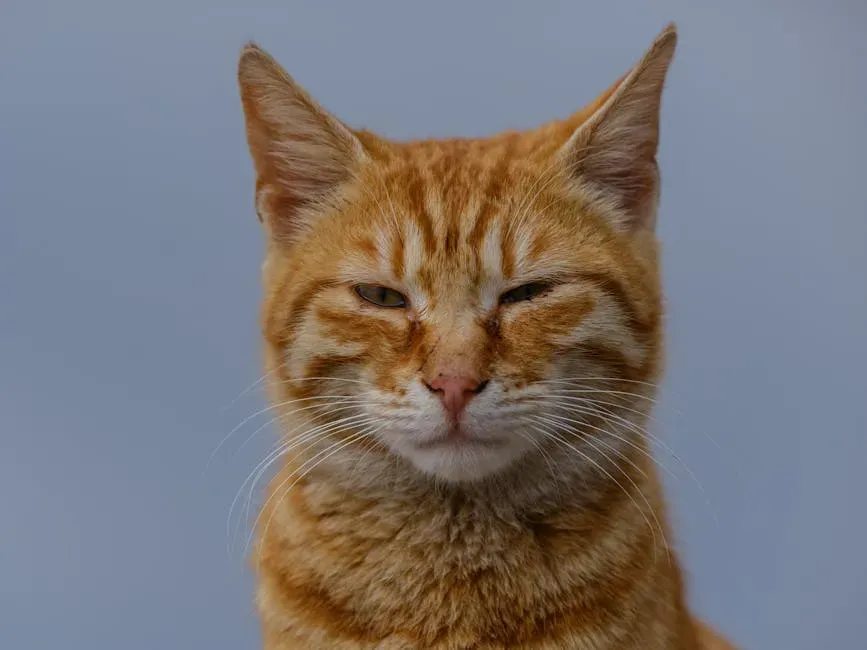
Gentle responses that respect your cat’s communication style work best. You can return a slow blink, speak softly, or offer brief interaction if your cat seems interested. These responses support bonding without overstimulation. Matching your cat’s calm energy tends to make the interaction feel natural rather than forced.
Avoid forcing contact if your cat remains still and observant. Cats prefer to choose their level of engagement. Letting them approach on their terms builds trust and confidence. Cat behaviorists agree it’s best not to hold prolonged eye contact with a cat, as they may interpret it as a threat or challenge. A soft gaze and a gentle blink will always serve you better than a staring contest.
Conclusion: The Gaze Is an Opening, Not a Mystery
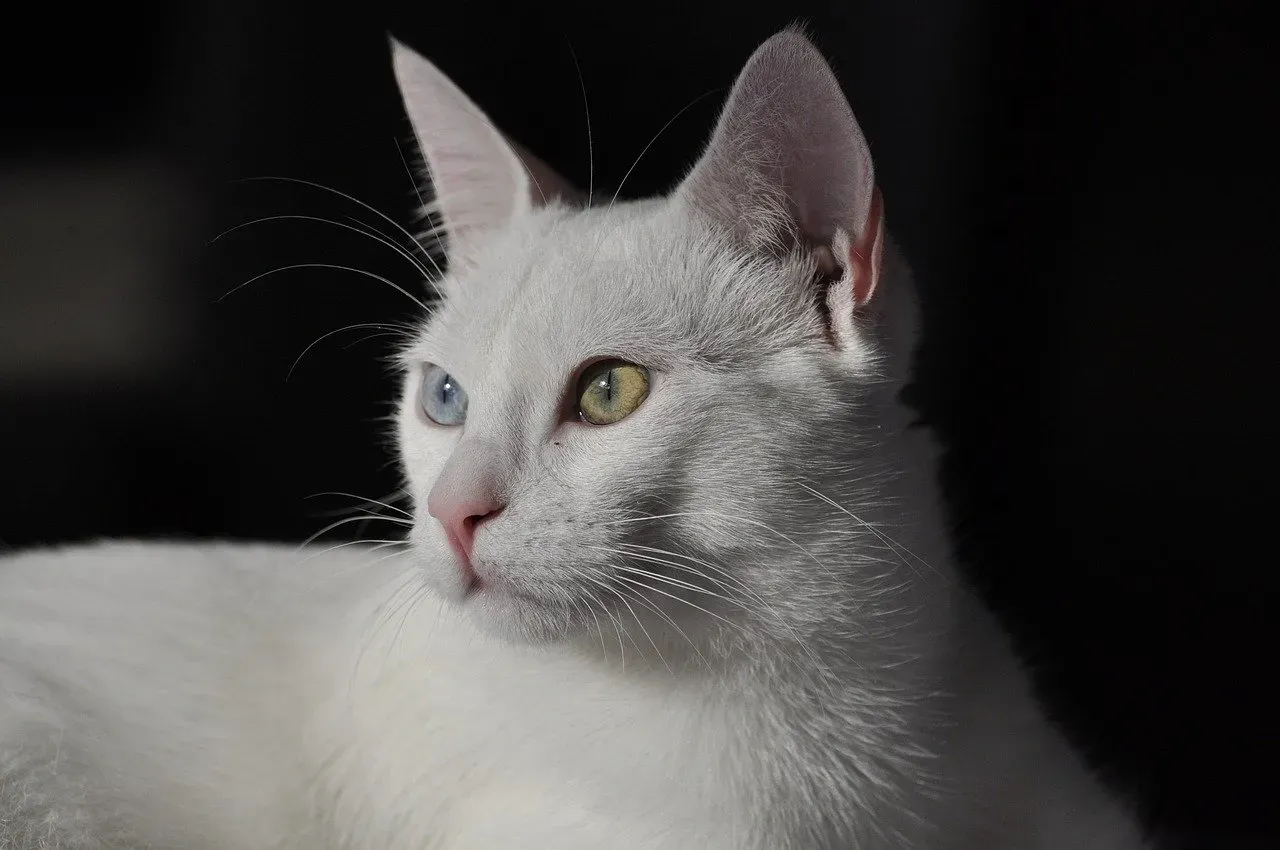
Most of the time, a cat’s gaze is a sign of curiosity, affection, or attention-seeking behavior. By paying attention to the context and their accompanying body language, you can respond in ways that meet their needs and deepen your bond. The stare that once felt unreadable starts to carry real meaning once you know what to look for alongside it.
Cats love staring, whether they’re satiating their powerful inborn curiosity, entertaining themselves, bonding with you, or pretending to hunt. Observing your cat’s stare can truly strengthen your bond. It’s fascinating how much they communicate through their eyes without saying a word.
What looks like an impenetrable stare is often the closest thing your cat has to reaching out a hand. The next time those eyes settle on you from across the room, consider reaching back.