You’ve seen it happen. You’re across the room, minding your own business, and your cat locks eyes with you, extends one deliberate paw, and nudges your water glass off the counter. The glass hits the floor. The cat watches it fall without a flicker of guilt. Then they walk away.
It’s easy to write this off as pure mischief or even feline indifference to the concept of property. But science keeps circling back to a more interesting explanation: your cat may not be clumsy at all. What looks like chaos is, in many cases, a live experiment in physics, instinct, and sensory intelligence that most of us completely misread.
Your Cat Is Running Physics Experiments on Your Furniture
There’s a reason researchers started asking whether cats understand gravity, and it isn’t just because the internet loves cat videos. In a study published in the journal Animal Cognition, researcher Saho Takagi and her co-authors set up a test to determine whether cats could predict the presence and behavior of an unseen object based on the noise it made in a container, specifically whether cats could recognize the relationship between a sound as the cause and the appearance of an object as the effect.
The researchers used the “expectancy violation method” to interpret the cats’ behavior. Cats stared at the boxes longer when the conditions violated physical laws, as when the shaken box made no noise but balls dropped out anyway, or when the shaken box made a lot of noise but no balls dropped out. This prolonged staring wasn’t random. It suggested the cats had formed an expectation, and something broke it.
The feline expectations had been violated. Whether the cats were curious or perplexed the scientists did not say, but they argued that anticipating a ball that never drops is a limited grasp of physics, concluding that “this study may be viewed as evidence for cats’ having a rudimentary understanding of gravity.” That’s a significant claim, and it reframes nearly every knocked-over object in your home as a data point rather than a tantrum.
The Hunting Instinct Behind Every Swat
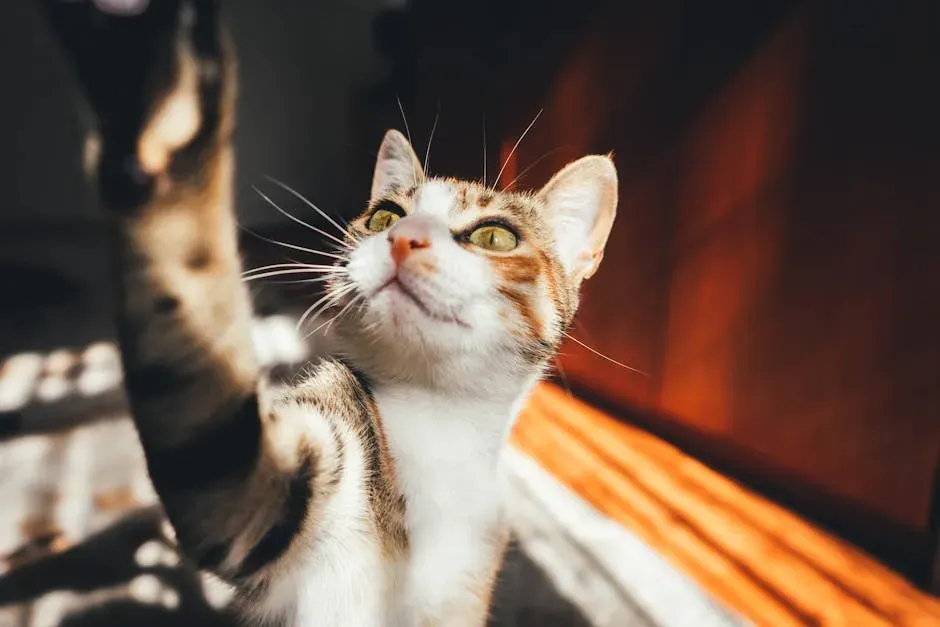
Cats are natural predators, and their paws are precision instruments designed for capturing prey. When they encounter objects on surfaces, especially small items that move or make noise when touched, their predatory drive kicks in automatically. Your favorite pen on the kitchen table isn’t just clutter to your cat. It’s a potential target.
This behavior mirrors how cats would bat at small animals in the wild. The swatting motion allows them to test whether something is alive, assess its threat level, and determine if it’s worth pursuing. So when your cat taps your phone, nudges your keys, or topples that small ceramic vase, they’re not being destructive. They’re running the exact same threat assessment their ancestors used to check whether a rodent was still alive before committing to a bite.
In the wild, before attacking, cats will often tap or swat at their prey to make sure it’s alive and to test its reactions. When your indoor cat swipes a small item off your table, it might be following the same instinctual behavior. That glass or pen may resemble a small animal or a bug in their eyes. The domestic setting hasn’t changed the wiring. Only the target has changed.
The Righting Reflex: A Physics Masterpiece Built Into Every Cat
The cat righting reflex is a cat’s innate ability to orient itself as it falls in order to land on its feet. The righting reflex begins to appear at three to four weeks of age and is perfected at six to nine weeks. This isn’t a trained skill or a lucky habit. It’s biological engineering refined over millions of years.
The reflex relies on the conservation of angular momentum. When a cat falls, it instinctively tucks its front legs in and extends its back legs, allowing it to rotate its body without changing its overall angular momentum. This maneuver is similar to how a figure skater spins faster by pulling in their arms. Your cat is, in a very real sense, applying the same physics principle that trained athletes use on ice, but in free fall, in less than a second.
The command center for the righting reflex is the vestibular system, located in the cat’s inner ear. You can think of a cat’s vestibular system as a highly sensitive, biological gyroscope. It contains fluid-filled canals and tiny crystals that move when the cat’s head rotates or changes position. These movements send lightning-fast signals to the brain about its orientation relative to gravity. All of this happens before you’ve even registered that your cat slipped.
Whiskers: The Built-In Spatial Radar You’ve Never Thought About
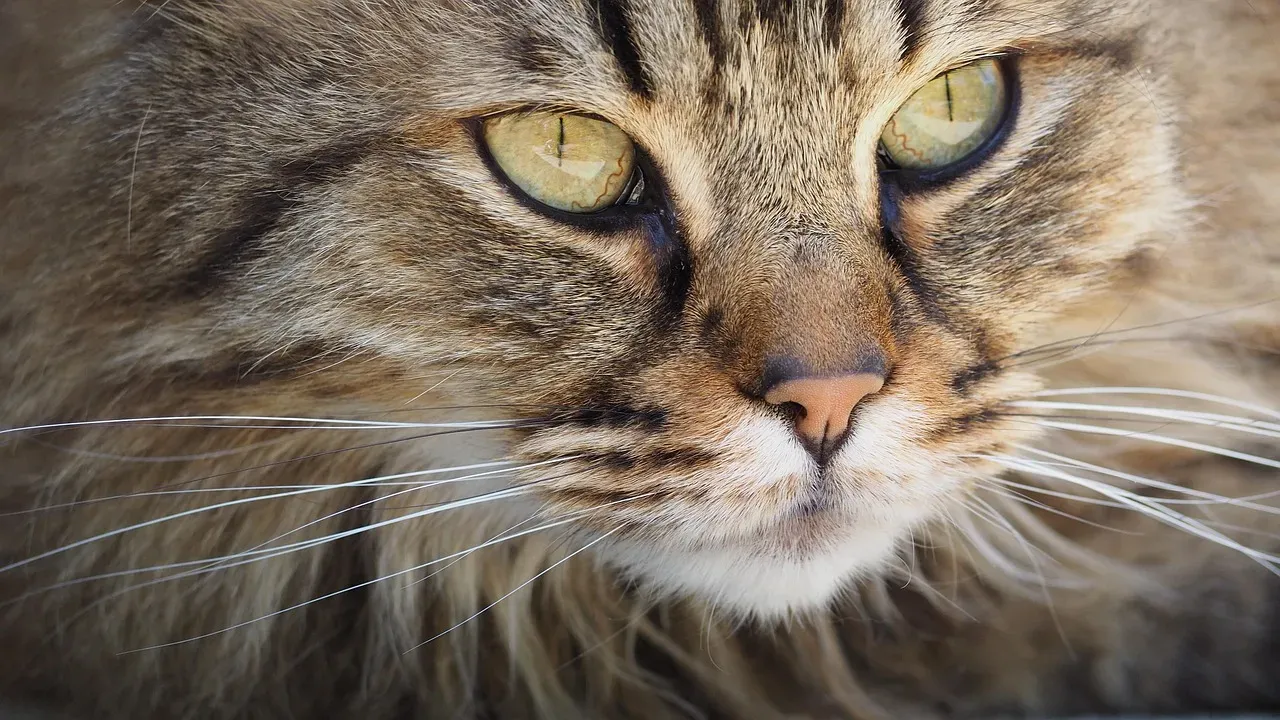
Beyond direct contact, whiskers are finely tuned to detect minute shifts in air pressure and currents. A cat’s movement stirs the air, and when that air bounces off a nearby object, the whiskers detect the resulting vibrations. This process is similar to biological radar, allowing the cat to sense the presence, size, and proximity of obstacles before physically touching them. This ability compensates for the cat’s reduced visual acuity at very close distances.
Unlike regular fur, vibrissae are three times thicker and rooted deeper into the skin within a specialized hair follicle. This follicle is densely packed with blood vessels and between 100 to 200 nerve endings, making them exceptionally responsive. The whisker itself, made of keratin, does not feel anything, but acts as a lever that transmits the slightest deflection or vibration directly to these nerve bundles. That’s extraordinary sensitivity for what most people think of as decorative facial hair.
Whiskers act like natural rulers, measuring the width of gaps, sensing the proximity of nearby walls, and creating a mental map of the environment. This spatial awareness is so refined that it works seamlessly even at night, helping nocturnal companions navigate in the dark. This is partly why your cat can move through a pitch-black room at speed without hitting anything, while you’re busy finding furniture with your shins.
Cause and Effect: What Object Permanence Tells Us About Cat Intelligence
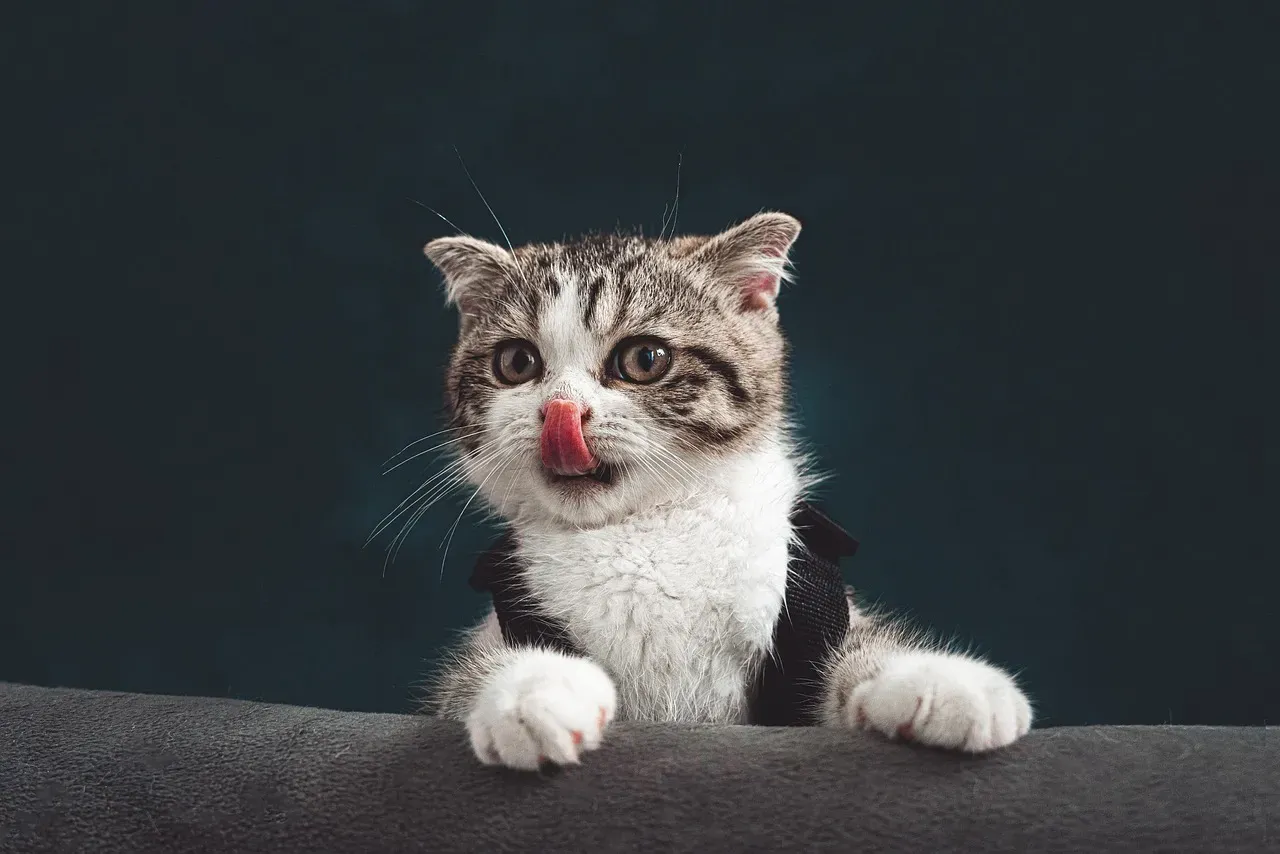
Object permanence, the understanding that objects continue to exist while out of sight, is a key part of the sensorimotor stage of cognitive development. Cats have been shown to reach Stage 5 object permanence by passing successive visible displacement tests, but their understanding of Stage 6 object permanence is less clear. In practical terms, your cat knows that the toy you hid under the blanket is still there. They’re not easily fooled by disappearing acts.
Their brains are wired to seek patterns, test boundaries, and manipulate their environment. Knocking an object off a surface can be seen as a rudimentary form of experimentation: “What happens if I push this?” This behavior reflects a basic understanding of object permanence, the knowledge that objects continue to exist even when out of sight. Every shoved mug is a cause-and-effect inquiry with an immediate, satisfying result.
Structurally, a cat’s brain shares similarities with the human brain, containing around 250 million neurons in the cerebral cortex, which is responsible for complex processing. Cats display neuroplasticity, allowing their brains to reorganize based on experiences. That adaptability means their experiments with the physical world actually teach them something lasting, which is more than can be said for a lot of human curiosity projects.
Why Elevated Surfaces Matter to a Cat’s World
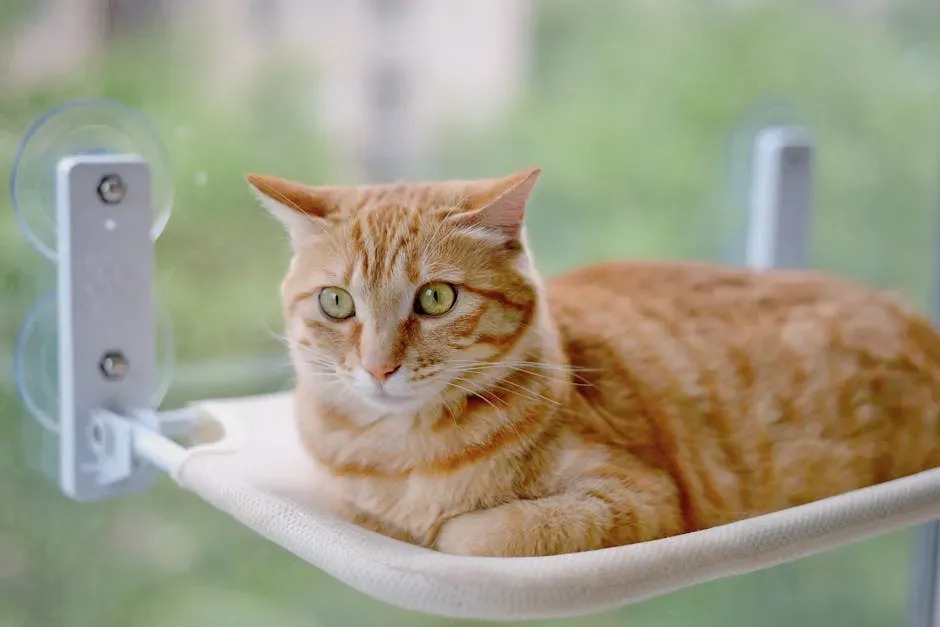
Cats instinctively seek higher ground for reasons that go back to their wildcat roots. Wild cats climbed into trees and other elevated surfaces in the wild to get a broader view of their potential prey or to avoid becoming the hunted. Cats will climb high onto your bedroom wardrobe or mantle over your fireplace, knocking a few things off, giving plenty of room to pounce or escape. Your bookshelf isn’t a bookshelf to your cat. It’s a vantage point that evolution told them they need.
Vision is one of the most critical senses for cats, particularly their stereoscopic vision, which enables depth perception. By using both eyes to create a single three-dimensional image, cats can accurately judge the distance to objects or prey. This is crucial for tasks such as leaping across gaps, gauging the height of a perch, or precisely pouncing on moving targets. This is why your cat doesn’t stumble on the way up. They calculated that jump before they took it.
Cats possess an impressive ability to remember spatial layouts, and studies have shown that they can recall paths, hiding spots, and other features of their environment over extended periods. This spatial memory is crucial for tasks such as navigating complex environments, returning to specific locations, or finding food sources. In other words, your cat has mapped your entire home and is making informed decisions about where to be and when.
Boredom, Attention, and the Strategic Use of Your Valuables
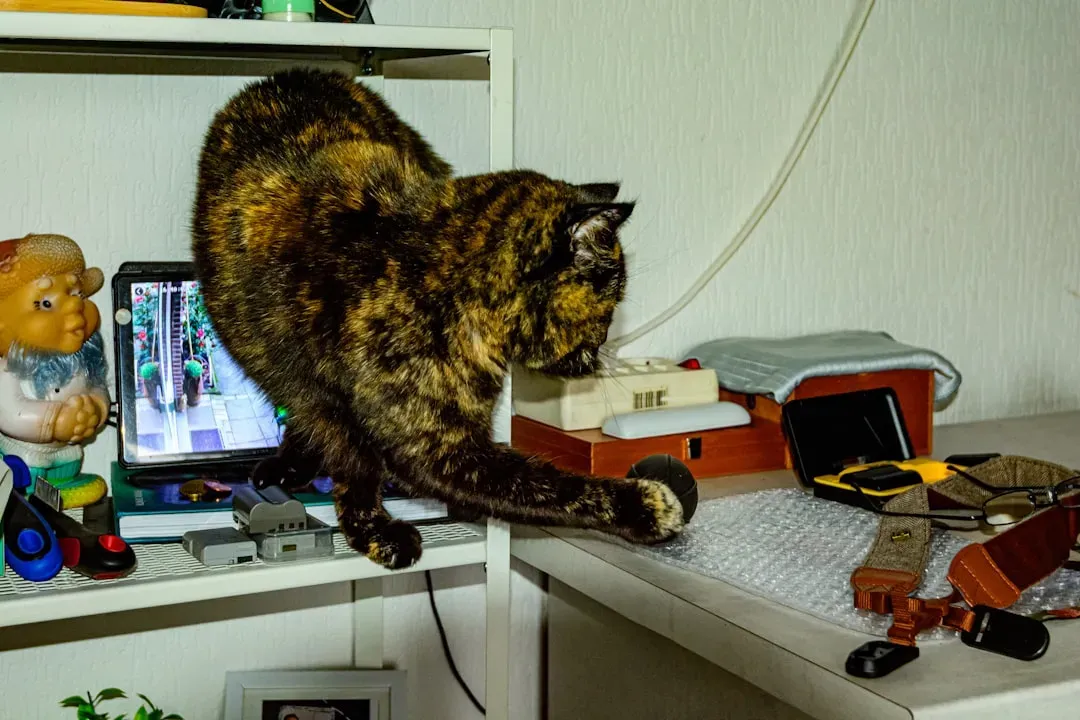
Sometimes, behaviors escalate when cats feel stressed, anxious, or understimulated. A cat who suddenly begins knocking over more objects than usual might be expressing frustration about changes in their routine, environment, or social situation. That sudden surge in household chaos isn’t your cat being unpredictable. It’s more like a mood indicator that happens to involve your coffee mug.
Once a cat learns that knocking something to the floor will bring humans on the double-quick, they may actually do it on purpose to get attention, particularly if they feel that a meal is long overdue. In other words, if your cat doesn’t think you’re paying them enough attention or if you aren’t feeding them to their liking, they’ll decide that anything that isn’t nailed down is fair game. You’ve been trained. The physicist in your living room figured that out well before you did.
Indoor cats, particularly those without adequate mental and physical stimulation, may turn to table-clearing as a way to create their own entertainment and release pent-up energy. This is worth paying attention to. Propelling things off surfaces may be the most exciting activity your bored cat is doing all day. If that’s true, the problem is almost certainly fixable.
The Flexible Spine: Engineering That Would Impress Any Physicist
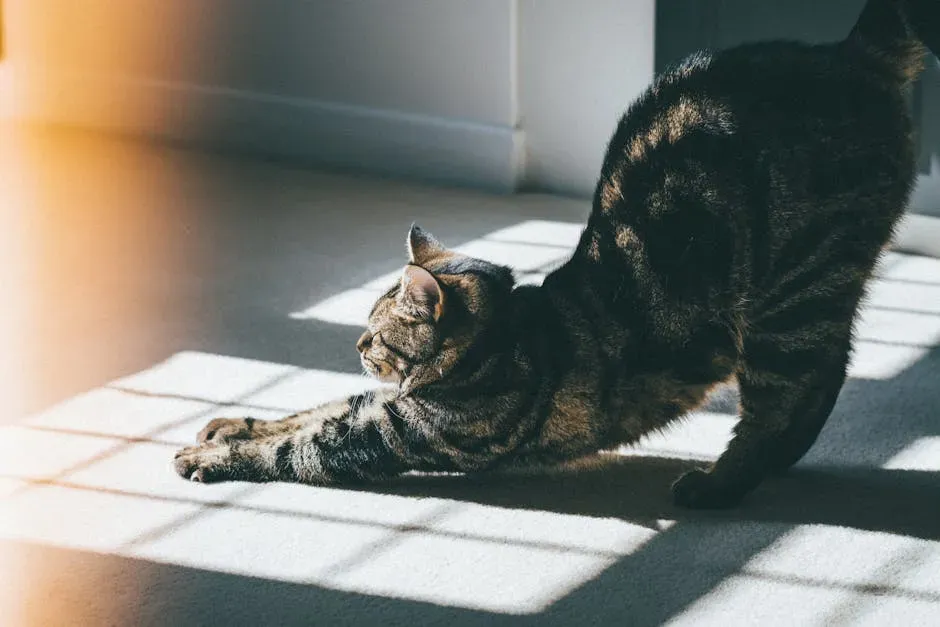
The 30 exceptionally flexible vertebrae in the spine enable felines to stretch out, compress, arch the back, and rotate, bend, and twist the front half of the body independently from the back half. This is the structural foundation behind nearly every astonishing thing you’ve ever watched a cat do. It isn’t just about aesthetics or grace. It’s about physics made biological.
What perplexed researchers for so long about the righting reflex is that cats don’t push off from a surface but rather use torque from the body. It’s a physics conundrum that’s perfectly feline. No external force is needed, no surface to kick off, no mechanical assist. The entire rotation is generated internally, which defies your intuitive sense of how falling objects work.
In addition to the righting reflex, cats have other features that reduce damage from a fall. Their small size, light bone structure, and thick fur decrease their terminal velocity. While falling, a cat spreads out its body to increase drag. An average-sized cat with its limbs extended achieves a terminal velocity of roughly half that of an average-sized man. That’s not luck. That’s aerodynamics.
What You Can Actually Do With All of This Information
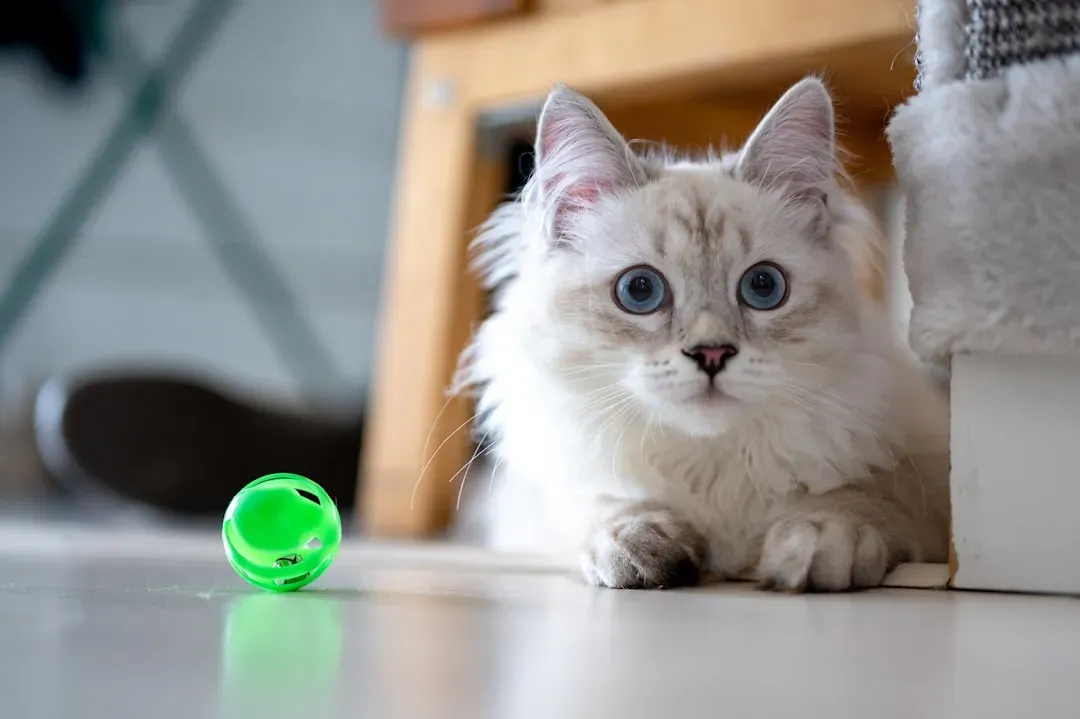
You can give your cat things to do that are more fun than knocking things onto the floor. All cats need horizontal scratchers, scratching posts, and lots of toys that are more fun to box and chase than the stuff on your desk. Tall cat condos and high-up cat shelves encourage cats to climb and exercise and are also ideal places for a catnap. This isn’t just about protecting your belongings. It’s about meeting an animal’s genuine cognitive and physical needs.
Offering interactive toys, puzzle feeders, or cat trees can also help. These tools keep your cat mentally stimulated and physically active, reducing boredom and the need to invent their own fun. If your cat has outlets that satisfy both their hunting instincts and their curiosity about how objects move and fall, your glassware stands a much better chance of survival.
The study of the righting reflex has implications beyond understanding cats. Researchers have explored how this reflex can inform the design of robots and safety devices. By mimicking the cat’s ability to reorient its body, engineers aim to develop robots that can navigate complex environments with greater agility. So the physics your cat is casually demonstrating on your kitchen counter is actively informing the robotics field. That’s a resume entry most people don’t have.
Conclusion
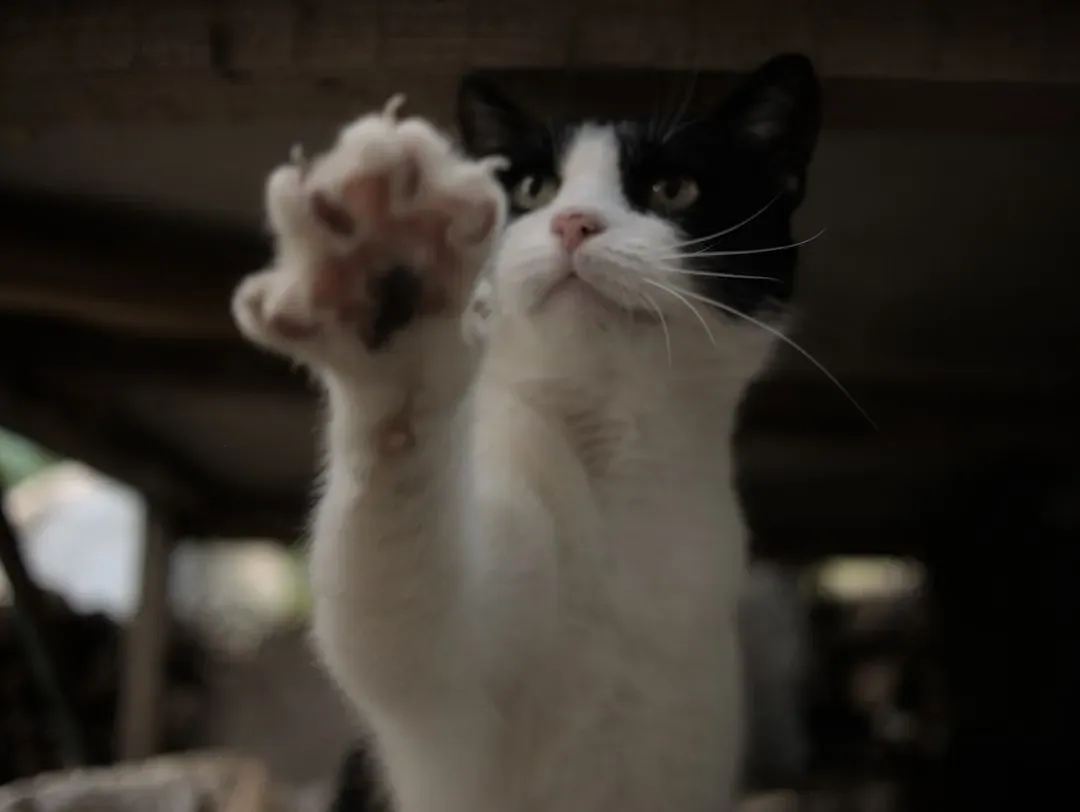
The next time your cat holds eye contact and slowly pushes something off a shelf, it’s worth pausing before you sigh. What you’re watching is the product of millions of years of evolutionary engineering: a predator with a built-in gyroscope, biological radar in the form of whiskers, a spine that manipulates angular momentum mid-fall, and a brain wired to probe the physical world for patterns and responses.
None of that is clumsiness. It’s closer to the opposite. Your cat operates with a level of physical intuition that still challenges physicists and inspires robotics engineers. The real question isn’t why your cat keeps pushing things off surfaces. It’s why it took us this long to stop calling it mischief and start calling it what it is: a small, independent, occasionally inconvenient scientist, living rent-free in your home and conducting research you weren’t consulted about.
Kristina is a young writer from India. An arts graduate and an avid content creator, Kristina is passionate about animals and wildlife. She enjoys exploring topics related to pet care, animal behavior, conservation, and nature, combining thorough research with engaging storytelling.