Have you ever wondered why your cat bypasses the luxurious bed you bought and instead wedges itself into a shoebox? Or why your feline friend seems utterly content squeezed between couch cushions while you worry about their comfort? It’s a puzzle many cat owners face daily.
The truth is, your cat’s obsession with cramped quarters isn’t random weirdness. There’s actual science and evolutionary history behind this adorable quirk. From cardboard boxes to bathroom sinks, these tight spaces serve purposes far more important than we might realize at first glance. Let’s dive into the fascinating reasons behind this charming feline behavior.
Ancient Instincts That Never Fade
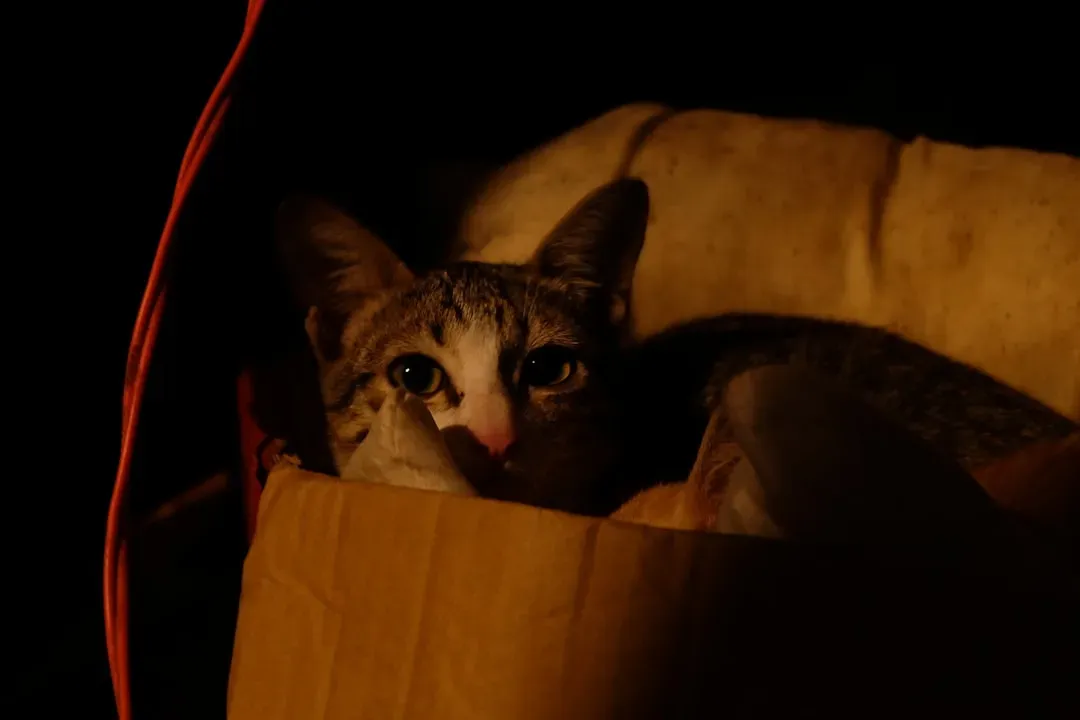
Your cat’s wild ancestors were both predators and prey, which means they needed secure hiding places to avoid larger carnivores while also stalking their own meals. Even though your pampered house cat has never faced a real predator, this survival instinct is deeply ingrained in even the most pampered house cat. Think about it from your cat’s perspective. In the wild, being exposed meant being vulnerable.
Small, enclosed areas provided a crucial advantage by allowing cats to observe their surroundings without being seen, protecting them from potential threats. This isn’t something cats can just turn off because they live indoors now. Even though your cat may never face a predator in your living room, these instincts remain strong, with their brain still telling them that safety comes from concealment. It’s hardwired into their DNA, passed down through countless generations.
The Ultimate Stress Relief Zone
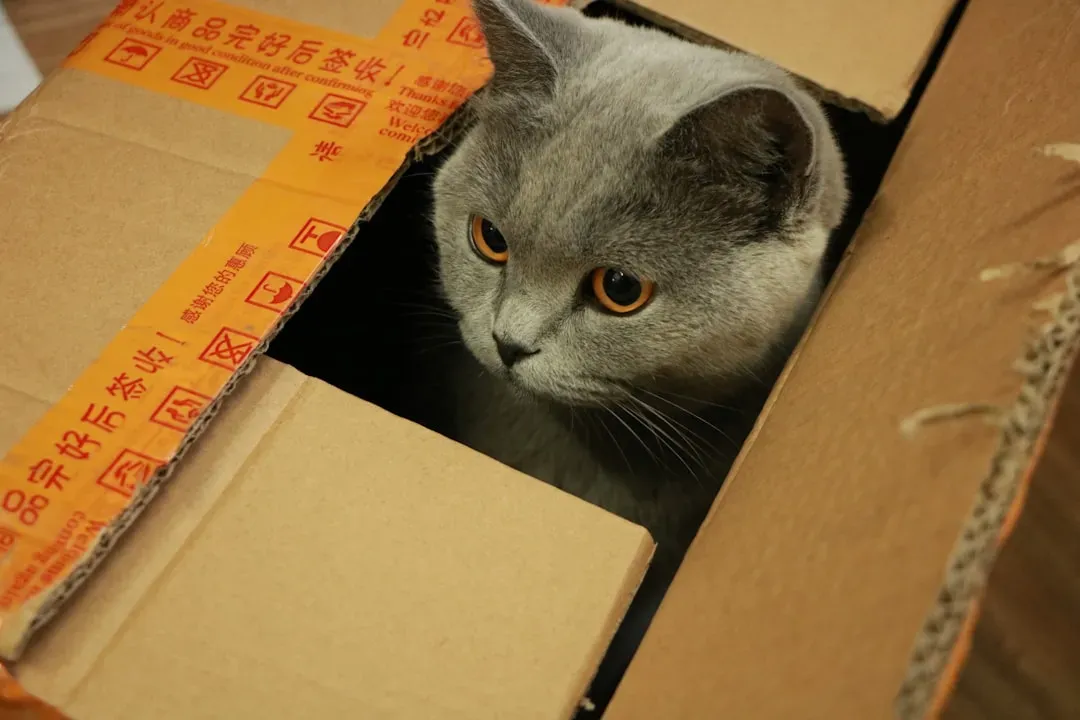
Let’s be real, life can be overwhelming for cats too. A study from the University of Utrecht found that shelter cats provided with hiding boxes adjusted more quickly to their new environment compared to those without hiding spaces. That’s pretty compelling evidence that these tiny retreats aren’t just preferences but legitimate stress management tools.
By hiding in a small, enclosed space, a cat can feel like it is shielded from potential dangers, reducing stress and anxiety. During thunderstorms, when guests arrive, or even during vacuum cleaning sessions, your cat’s instinct kicks in. It’s their way of coping with a world that sometimes feels too loud, too busy, or too unpredictable. Having a safe retreat gives them control over their environment when everything else feels chaotic.
Warmth Without the Work
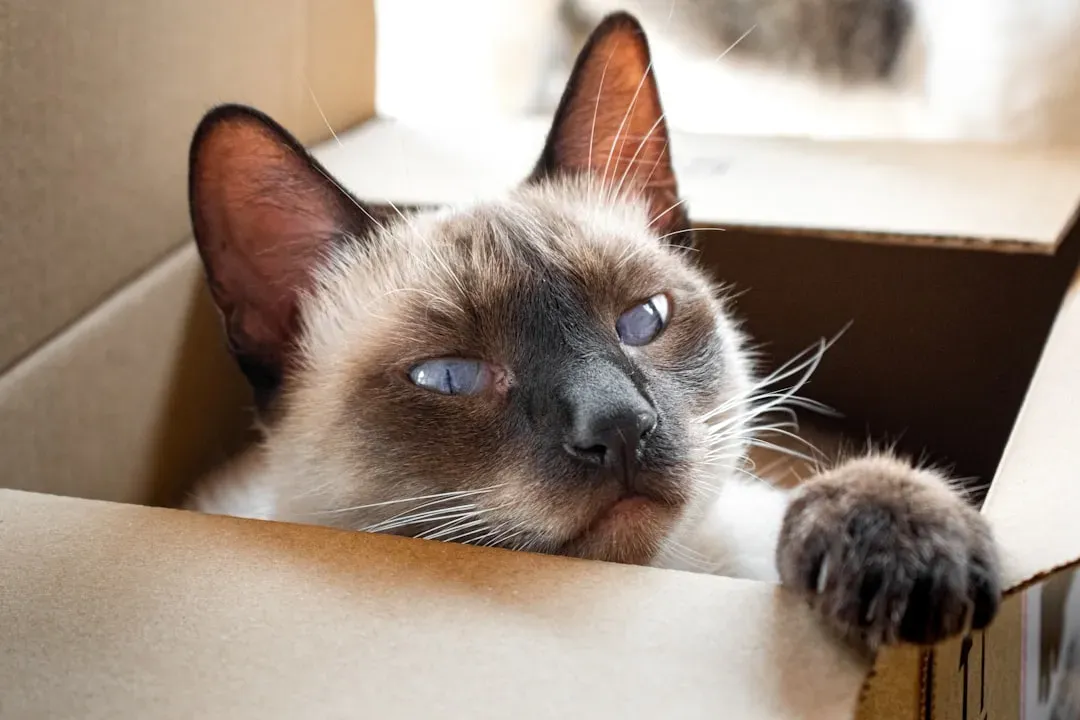
Here’s something you might not have considered: being in tight spaces helps cats stay warm and reflects heat back at them, much like a snug spot that contains body heat. Cats naturally prefer warmer temperatures than we do. Cats prefer temperatures around 86 to 100 degrees Fahrenheit, much higher than the typical human comfort zone.
Curling up in small spaces like boxes, under beds or even in sinks helps keep their body temperature steady while the external temperature fluctuates. It’s like they’ve created their own portable heating system. Just like a glove or sweater for humans, a snug spot contains body heat, and since cats like to feel cosy, a box that surrounds them tightly on all sides provides warmth. Pretty clever, honestly.
The Security Blanket Effect
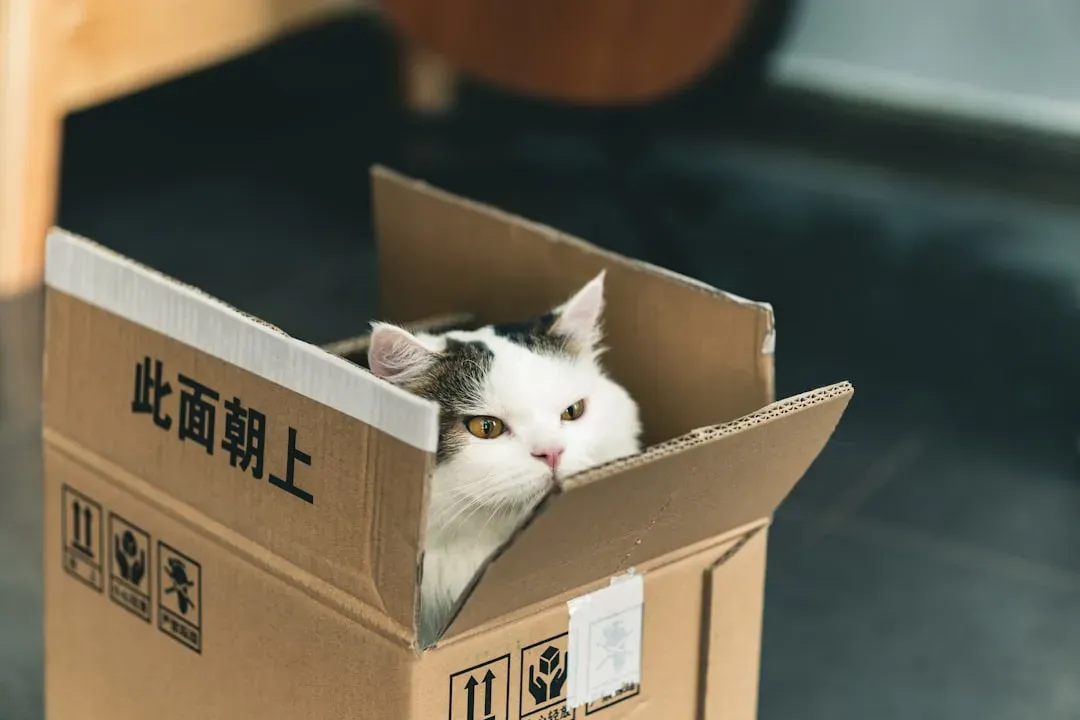
Remember being a kid and building blanket forts? Cats experience something similar. When young, cats used to snuggle with their mom and litter mates, feeling the warmth and soothing contact, and the close contact with a box’s interior is believed to release endorphins, causing pleasure and reducing stress.
There’s something deeply comforting about having walls close by. Cats tend to feel safer in enclosed spaces, especially when they have at least three sides, and a top to the enclosure will make your cat feel even more secure. It’s like getting a hug from their environment. Cats love to be in control of their surroundings, and when they find a small space to hide in, they create a personal territory where they can relax without interference, unlike large open areas where they might feel exposed.
The Perfect Ambush Headquarters
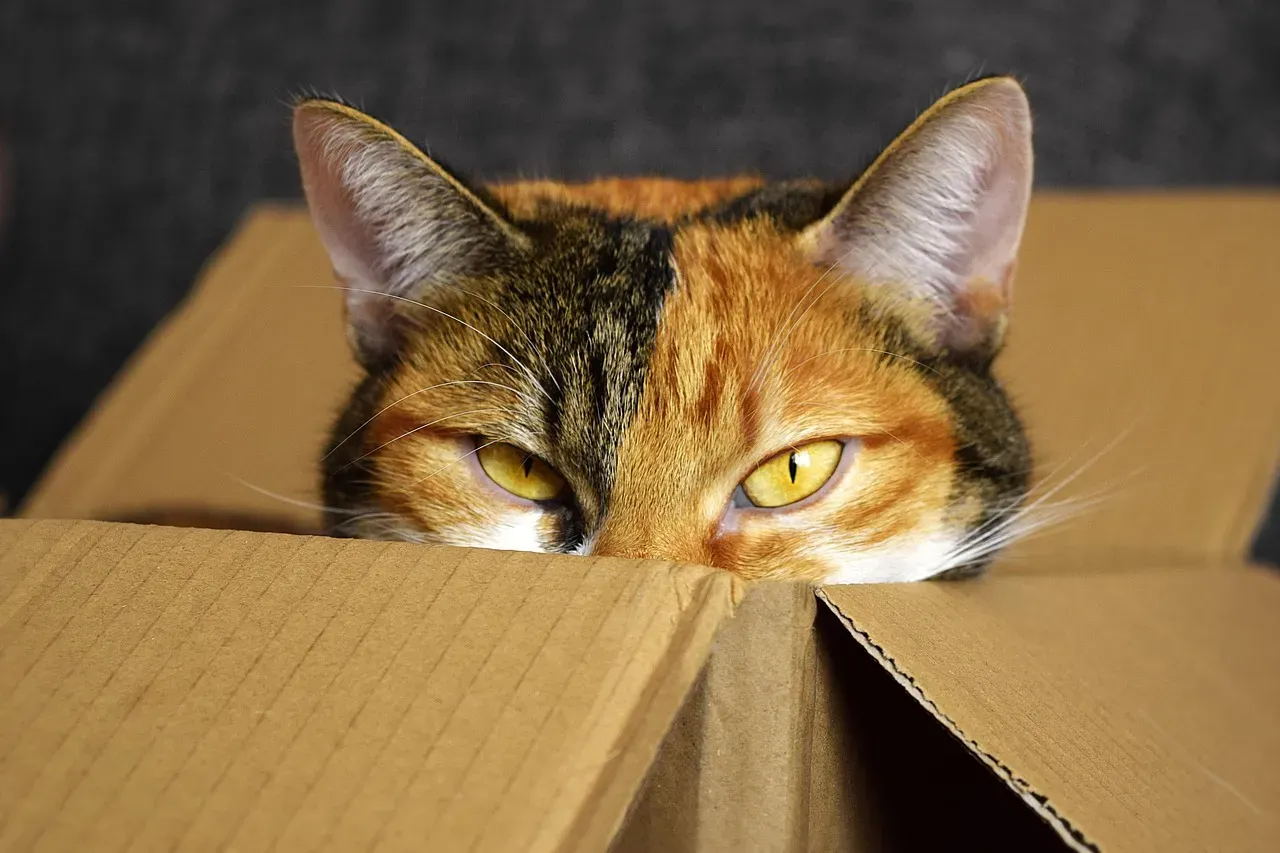
Your cat isn’t just hiding for defense. Our domestic cats’ ancestors were predators who would find a place to lie in wait and watch for prey to saunter past, and today’s indoor kitties still enjoy watching their humans and housemates from a small, cozy spot where they feel invisible. That cardboard box in your living room? To your cat, it’s basically a stealth command center.
When a cat is hanging out in a cardboard box or cat cave and sees something interesting go by, sometimes they’ll leap out and pounce, which is part of a cat’s predator instinct using the element of surprise. Those sudden attacks on your feet as you walk past aren’t personal. Your cat’s just practicing their hunting skills, and their chosen hiding spot is the perfect launching pad. It’s actually quite flattering when you think about it. They trust that space enough to use it as their hunting blind.
Sleep Safety First
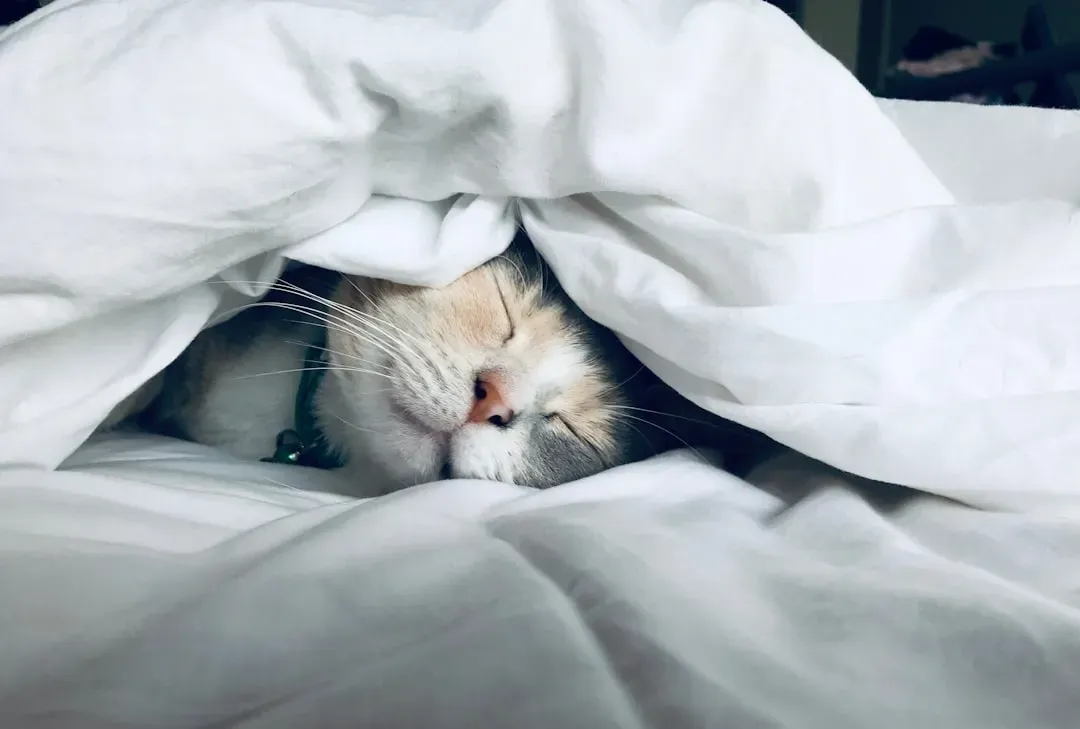
Cats sleep an average of twelve to sixteen hours a day, and they prefer to do so in places where they feel completely safe. That’s a lot of vulnerable time. A small, enclosed space provides a sense of protection, allowing them to sleep undisturbed, which is why many cats love napping under a bed rather than out in the open.
Finding somewhere hidden away might be warm and comfortable for them and provide the perfect place for a cat nap, and your cat might also feel vulnerable while they’re sleeping so their natural instincts tell them to sleep somewhere hidden and safe where they won’t be disturbed. Think of it as their bedroom. You wouldn’t want to sleep in the middle of a busy intersection, right? Neither does your cat. They need their private sanctuary where they can truly relax and recharge without worrying about being startled awake.
Temperature Control Headquarters
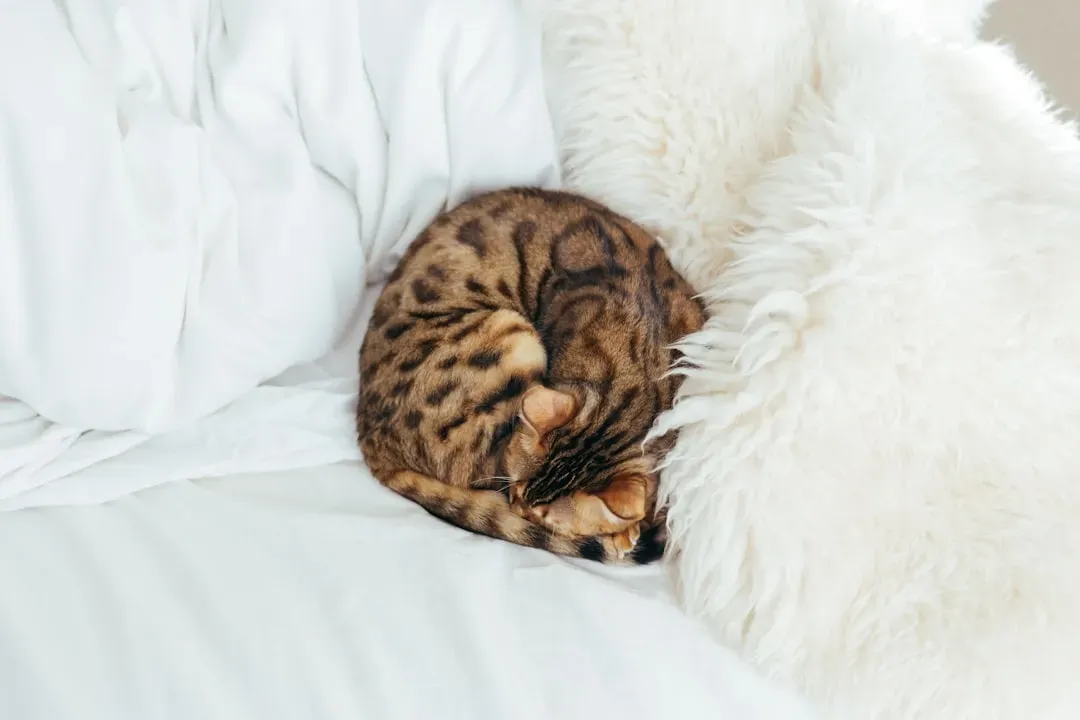
Cats are surprisingly sophisticated when it comes to managing their body temperature. Even short-haired cats can adapt by changing their behavior, such as seeking sheltered spots or curling up in a ball to conserve body heat. Small spaces become part of their thermoregulation toolkit.
These spots are appealing to cats because they’re cozy, and when your cat is curled up in a small space, he can rely on his body heat to keep him comfortable, making him feel warm and secure enough to curl up and take a nap. It’s remarkably efficient. Instead of generating extra body heat or seeking out external heat sources, they can simply curl up in a confined area and let physics do the work. Brilliant, really.
The Curiosity Factor
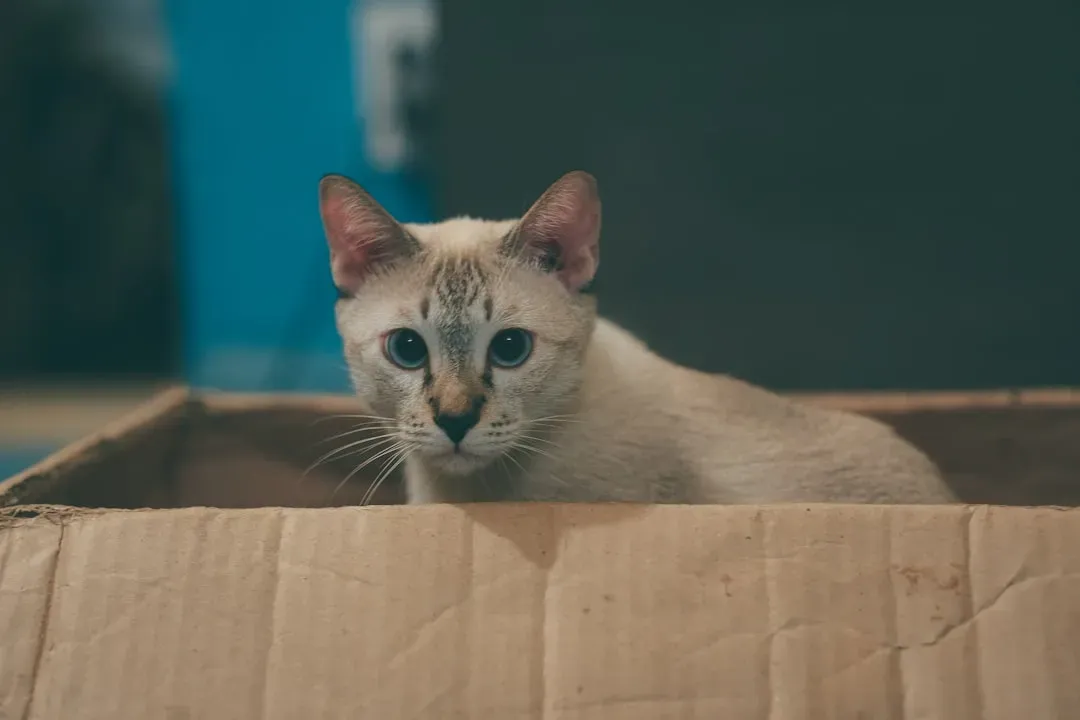
Like children, cats like novelty and exploring new places. That empty Amazon box you left on the floor? It’s not trash to your cat. It’s an exciting new frontier waiting to be investigated and claimed.
A newly arrived box is a change to a cat’s environment, and cats that live indoors know every inch of their kingdom and immediately notice any changes, making the box something fun and novel to investigate for a curious cat. The appeal isn’t just about the enclosure itself but the newness of it. Cats are naturally curious creatures, and investigating tight spaces satisfies that innate desire to explore and understand their territory. Once they’ve checked it out, they often decide it’s the perfect new hangout spot.
Creating Personal Territory
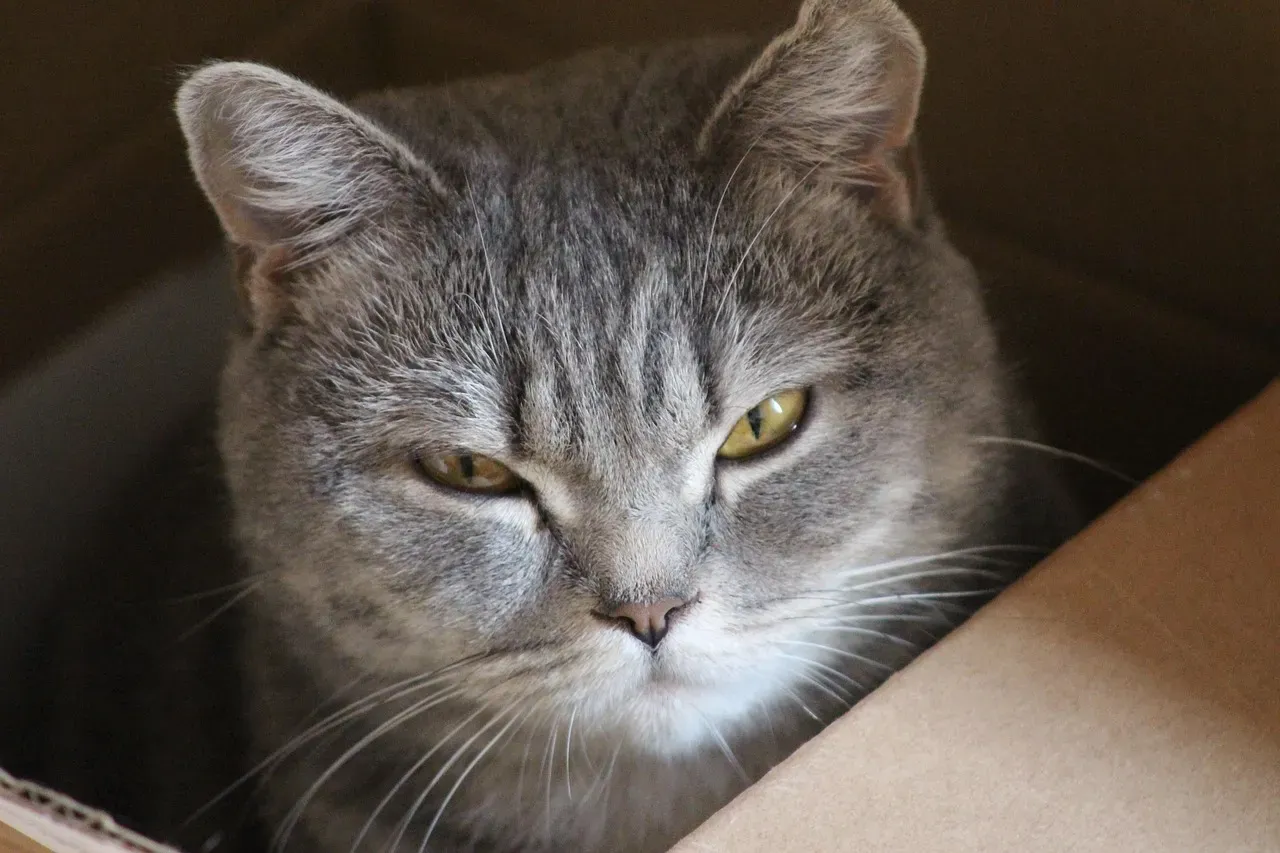
Honestly, cats are surprisingly territorial for creatures that seem so aloof. Cats are both predators and prey in the wild, and small, enclosed spaces offer a sense of security and protection from potential threats, like their personal panic room. By claiming a small space, they’re essentially marking it as their own.
Cats have scent glands on their cheeks, paws, and tails which they use to deposit their unique scent on objects and areas, and this behavior, called bunting, not only marks territory but also creates a comforting, familiar space that can reduce stress and anxiety. When your cat squeezes into that particular drawer or basket, they’re not just occupying space. They’re claiming it, making it smell like them, and creating a zone of comfort within the larger household territory.
When Hiding Becomes a Concern
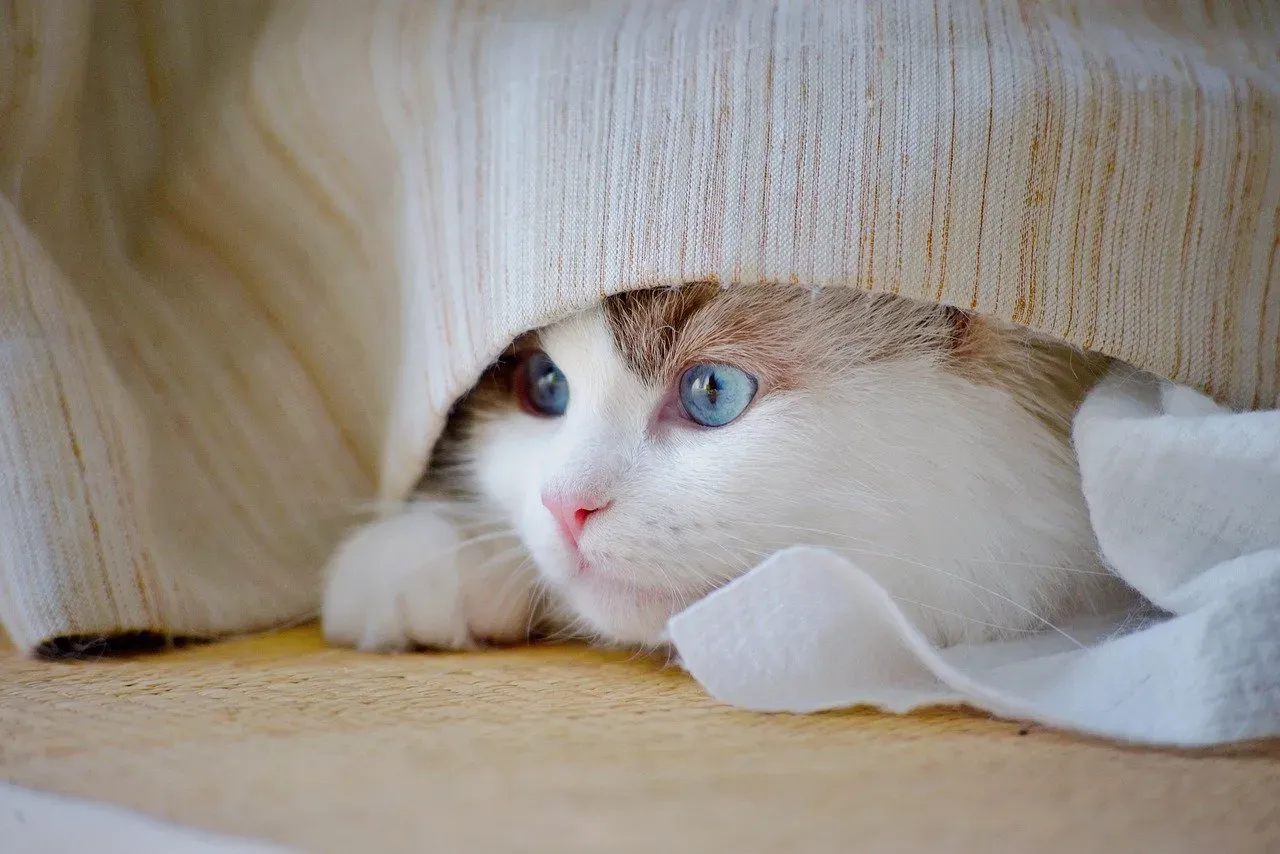
It’s worth noting that while hiding is normal, if you have a cat who spends a lot of time hiding in the closet or under the bed, that’s not necessarily a desirable situation for the cat, but it’s an indicator that they don’t feel safe. There’s a difference between choosing to retreat occasionally and constantly staying hidden.
If your cat suddenly starts hiding more than usual and also exhibits other symptoms like lethargy, loss of appetite, or changes in behavior, it’s a good idea to schedule a vet visit. Excessive hiding paired with other behavioral changes could indicate illness, pain, or serious anxiety. Pay attention to patterns. Normal hiding is intermittent and situation-dependent. Constant hiding that represents a change from their usual behavior deserves investigation and possibly professional help.
Embracing Your Cat’s Cozy Habits
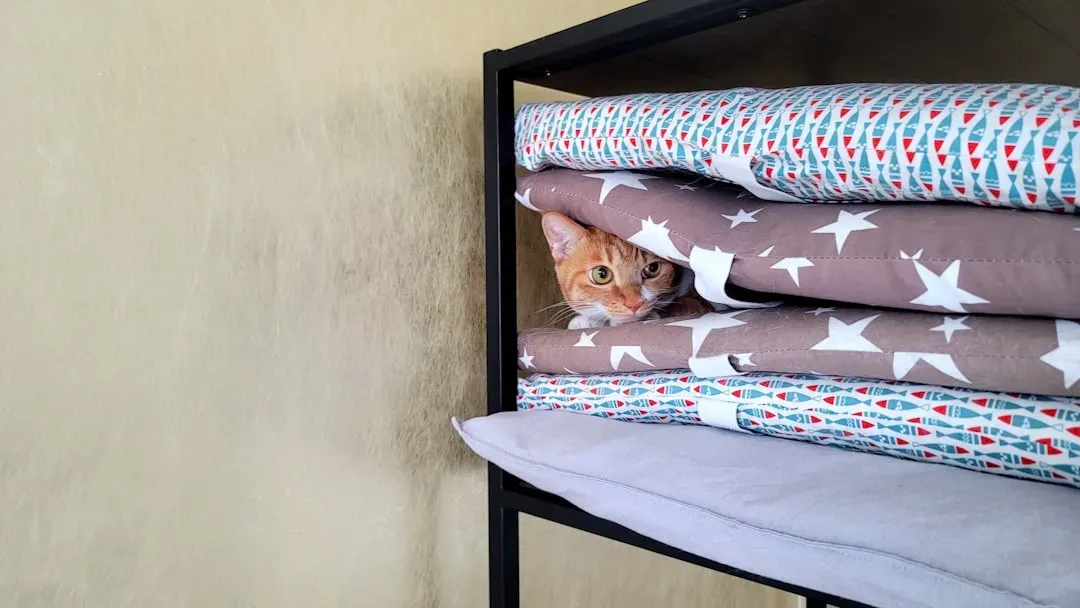
So what’s the takeaway? Your cat’s love affair with cramped quarters isn’t strange at all. It’s a beautiful blend of evolutionary survival tactics, comfort-seeking behavior, and temperature regulation wrapped up in one adorable package. Instead of worrying about why your cat ignores that expensive bed, maybe embrace their preferences.
When it comes to creating a safe, small place for your cat to curl up, start where your cat is naturally drawn to, assuming that the place isn’t dangerous, and get creative with what you already have. Provide options. Leave out some cardboard boxes, create cozy nooks with blankets, or invest in covered cat beds. Your cat will appreciate having choices and the freedom to select their perfect retreat based on their mood and needs at any given moment.
Understanding why your cat seeks out these snug spaces helps us appreciate their unique perspective on the world. Next time you find your feline friend wedged into an impossibly small container, just remember they’re not being difficult or strange. They’re being perfectly, wonderfully cat. What hiding spot does your cat prefer most? We’d love to hear about your feline’s favorite cozy corner.