You’ve probably stood in the kitchen, freshly opened tin in hand, only to watch your cat sniff the bowl once and walk away with apparent indifference. It’s tempting to call them difficult. Spoiled, even. Most cat owners do. But here’s the thing that science keeps confirming: what looks like fussiness from the outside is actually a sophisticated, multi-layered system of biological evaluation happening in real time.
Your cat’s seemingly frustrating behavior is actually deeply rooted in their biology, evolution, and unique sensory capabilities. From their specialized nutritional needs as obligate carnivores to their sophisticated taste preferences, cats’ selective eating habits serve important survival purposes. Calling them a picky eater is a bit like calling a sommelier snobby for spitting out cheap wine. They’re working with different criteria than you are.
Obligate Carnivores: Wired for Meat, Not Compromise
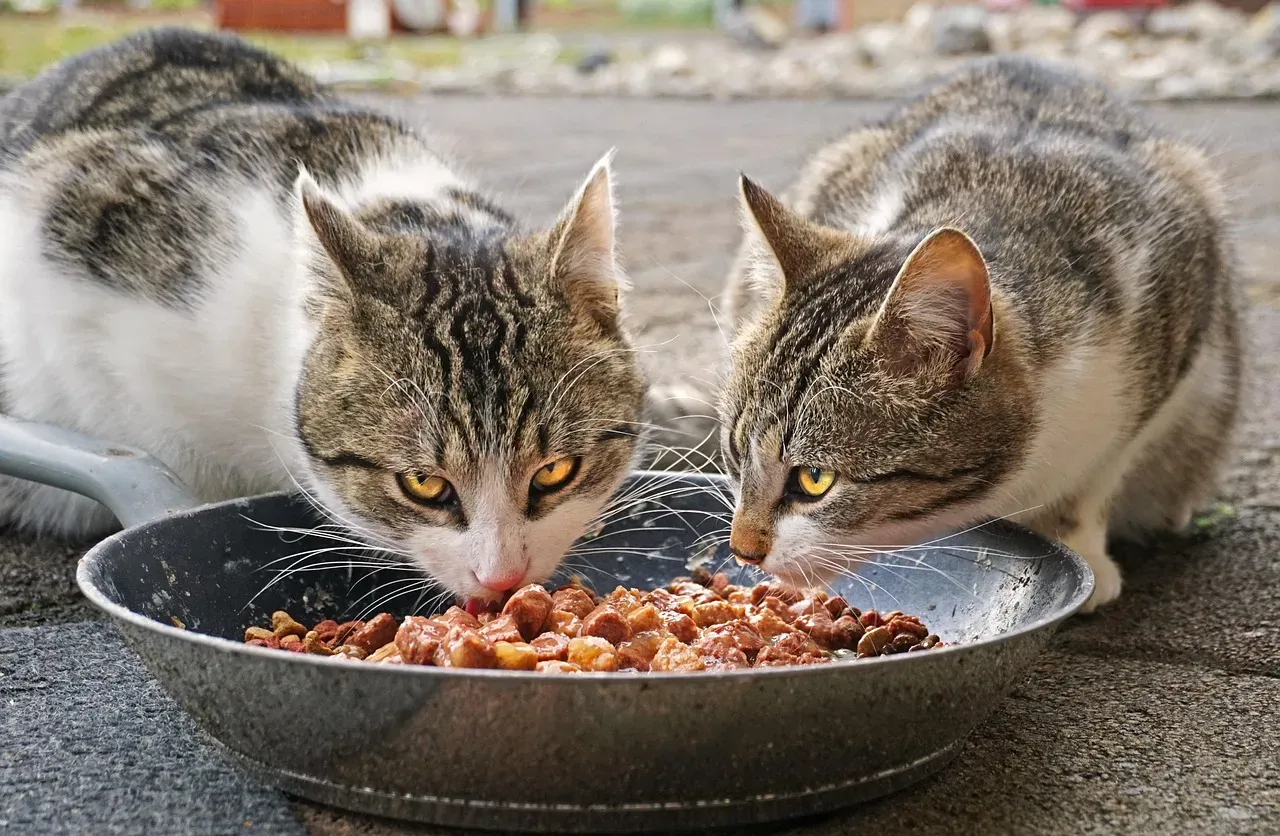
Cats are obligate carnivores, meaning their bodies are designed to derive nutrition from animal-based proteins. In the wild, a cat’s diet consists of small prey like mice, birds, and insects, eaten fresh. That’s not a preference they picked up. It’s a biological fact baked into their physiology over millions of years.
Cats have evolved as strict carnivores with specific nutritional requirements that shape their eating habits. Their bodies are designed to process high-protein, meat-based diets, and they lack certain enzymes needed to properly digest plant-based materials. This biological specialization makes them naturally selective about what they eat. When your cat turns up their nose at a plant-heavy food, they’re not being dramatic. They’re accurately reading their own nutritional compass.
The Smell Test Comes First, Every Single Time
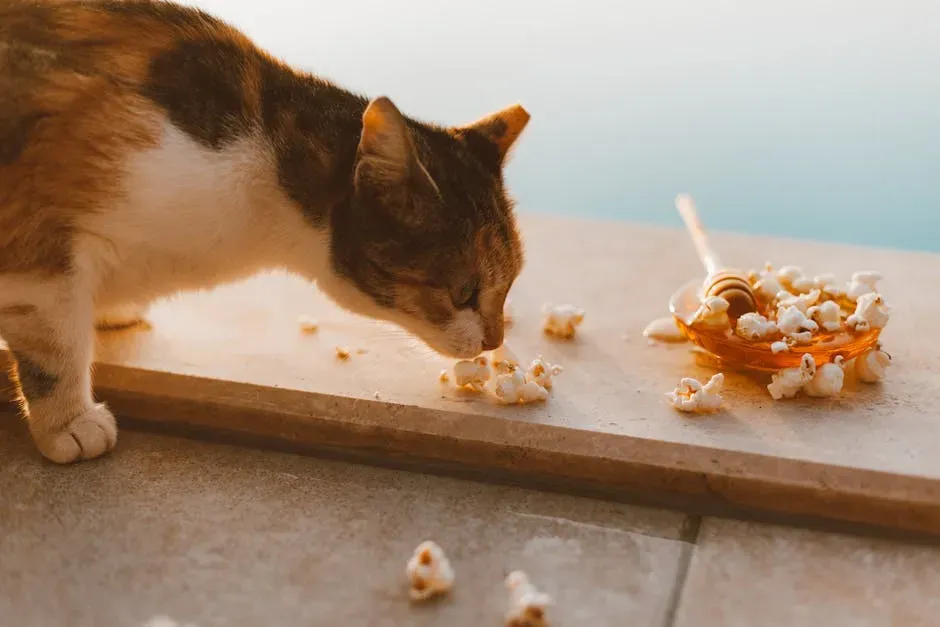
Cats rely heavily on their sense of smell when deciding whether or not to eat something. Their sense of smell is much more powerful than ours, and if food doesn’t smell appealing to them, they may refuse to eat it, even if it tastes good. Taste, for a cat, is almost secondary. The nose makes the call before the first bite ever happens.
Research has found that cats definitely use their sense of smell to select food. Given the choice between one food with an attractive odor and another without, cats ate the former without even bothering to taste the latter. Only when offered options without an attractive scent did they taste the foods to make a selection. That sniff-and-walk-away moment you’ve witnessed? Your cat was doing a rapid aromatic analysis and the food simply didn’t pass the first round.
Taste Buds Are Few, but Preferences Run Deep
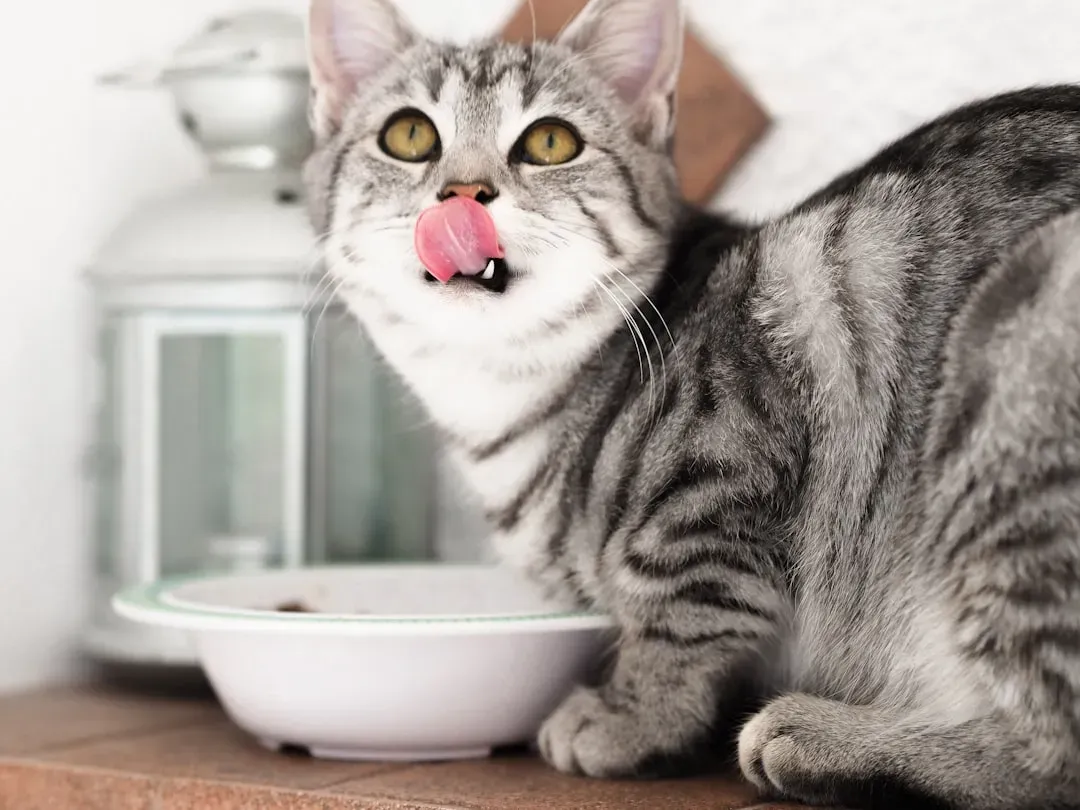
One major reason cats evaluate food differently is their limited number of taste buds. Humans have around 9,000, while cats only have about 470. This means that, for cats, taste takes a backseat to smell and texture when it comes to choosing food. So your cat isn’t tasting food the way you imagine they are. Their palate is calibrated differently.
Cats are shown to lack the taste receptors for sweetness that many animals, including dogs, possess. Scientists examined the DNA of healthy domestic cats and found that the Tas1r2 gene does not function correctly, causing cats to be unable to perceive sweetness. This may make cats naturally selective since their flavor palette is limited. Instead, cats are innately drawn to foods with a strong umami flavor, which is typically linked to a high concentration of amino acids. Rich, savory, meaty – that’s the entire ballgame.
Neophobia: Why Your Cat Suspects Every New Food
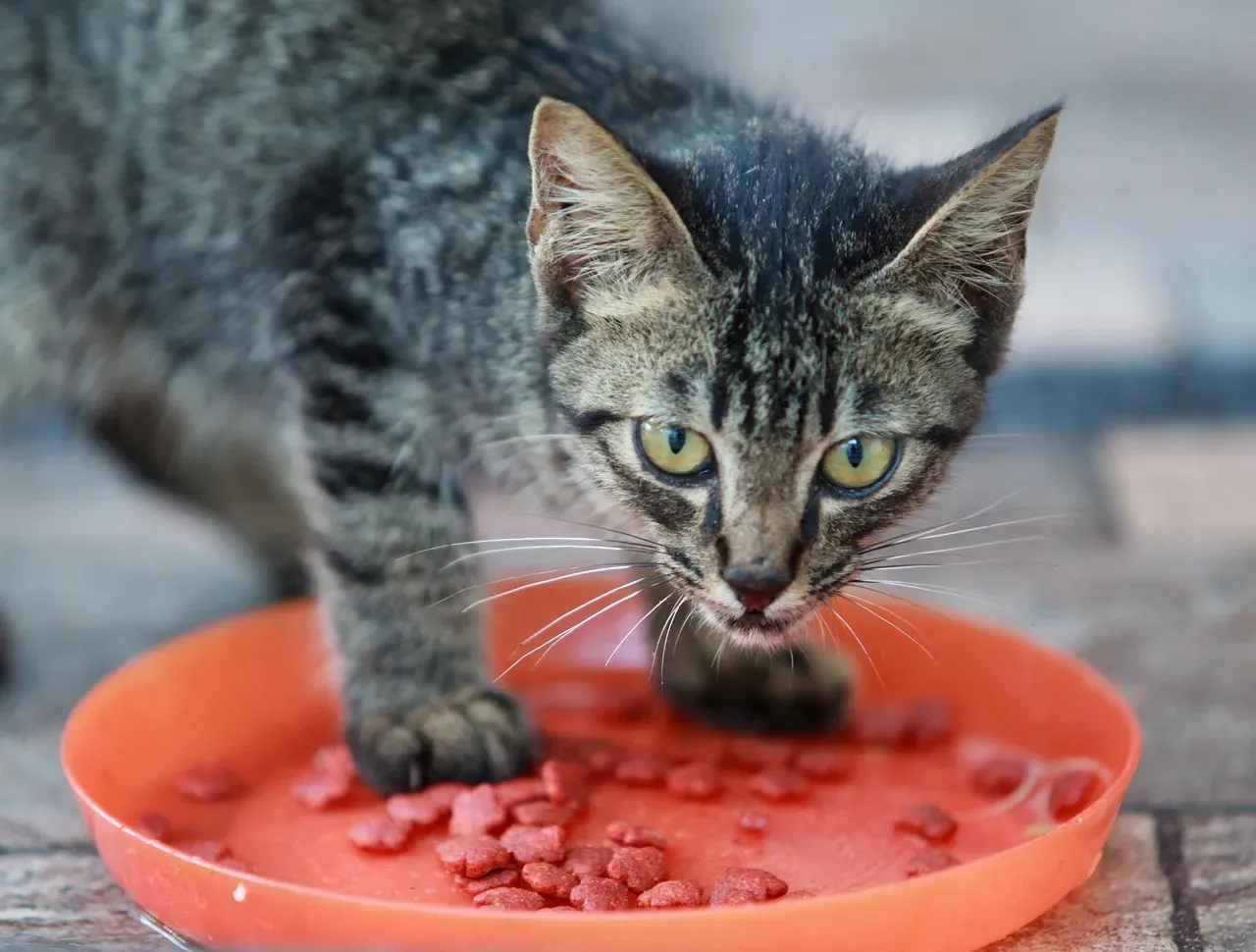
One of the key influences on cats’ dietary choices is neophobia and monotony. On one hand, a cat may naturally reject a new food offering or only eat small amounts of it at first. On the other hand, if fed the same diet for too long, the cat may be struck by the monotony and look for a new or novel food instead. Yes, your cat can simultaneously be wary of new foods and bored of old ones. Welcome to feline dining logic.
Cats are obligate carnivores who evolved to eat a diet of almost exclusively animal meat. Since eating a strange new food in the wild could lead to digestive problems or worse, neophobia makes perfect sense and helps keep them alive. It is always a good idea to introduce a new food under positive and usual circumstances to avoid triggering a neophobic response. Patience and timing matter far more than persistence when it comes to introducing something new.
Food Imprinting: What Happens in Kittenhood Stays Forever
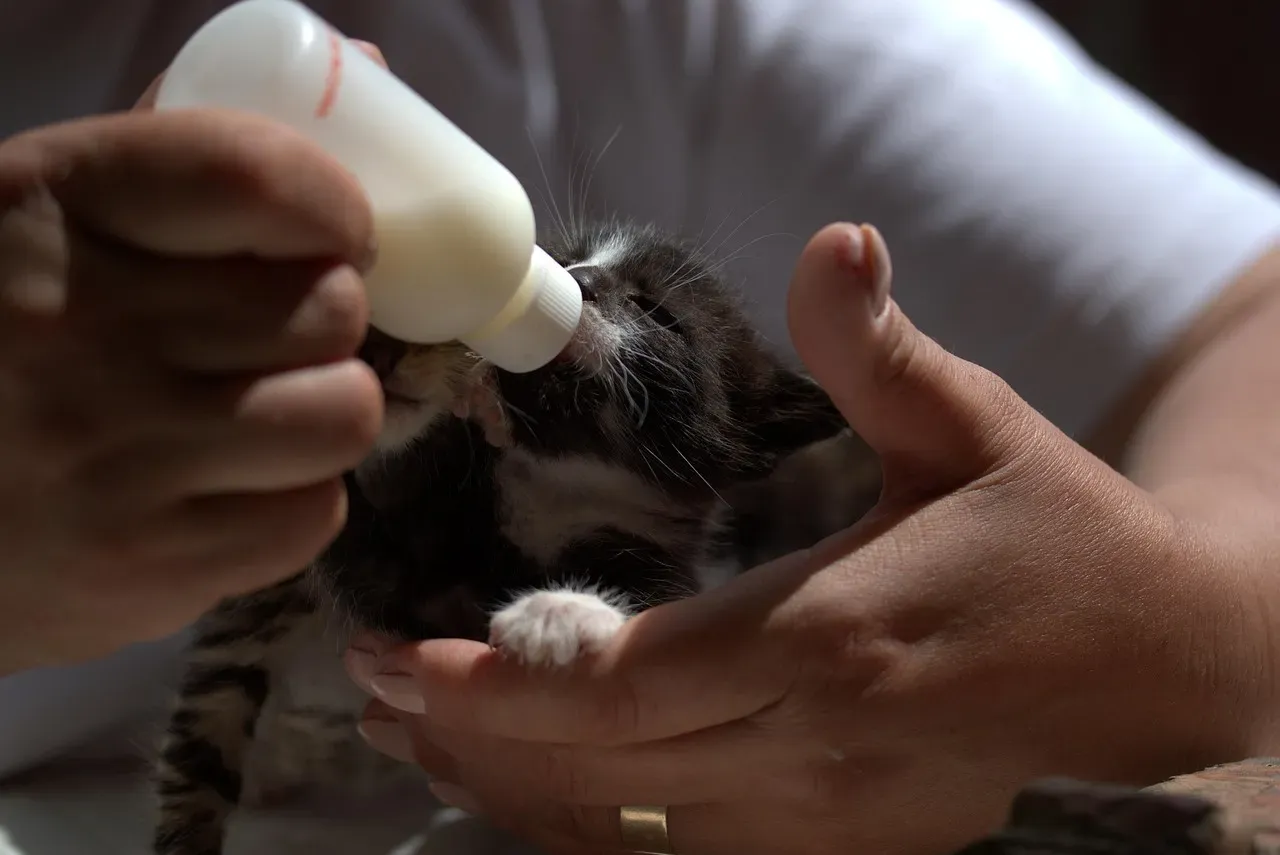
A cat’s eating preferences begin forming during kittenhood. Kittens learn what to eat by observing their mother and experiencing different foods during critical developmental periods. Limited exposure to varied foods during these early stages can lead to increased pickiness in adulthood. Whatever your cat was fed as a kitten left a deep mark on their preferences.
Research shows that kittens exposed to different textures, flavors, and food types between four and twelve weeks of age are more likely to accept varied diets as adults. This “food imprinting” period plays a crucial role in developing future eating habits. A cat’s diet as a kitten influences what they’ll eat as an adult. If a kitten is raised on only dry food, they may resist wet food later in life. Similarly, a cat that grew up eating only fish-flavored food may reject poultry-based meals. Their food biography starts early and runs long.
Temperature and Texture Are Non-Negotiable Details
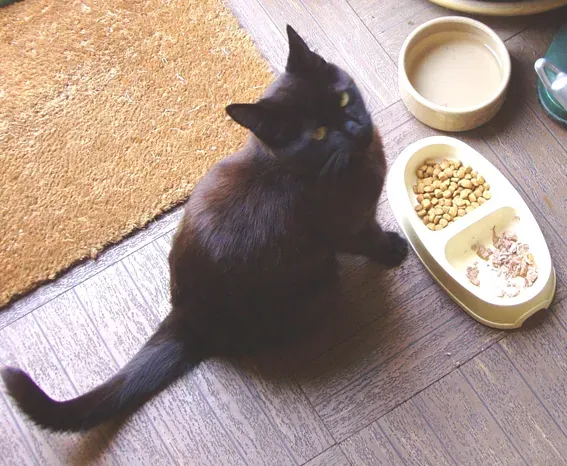
Cats often prefer food that mimics the temperature of freshly caught prey, which is why they may refuse cold food straight from the fridge. Think about what a freshly caught mouse would feel like in terms of temperature. Your cat’s ancestors never waited for their meal to chill. This instinct is still running the show.
Cats, which tend to nibble and take smaller bites than dogs, may be more sensitive to the texture and shape of their food, with properties such as tackiness and stickiness being more important. The serving temperature of wet food also affects cats’ preferences. In a study with cats over seven years old, those given food at three different temperatures consistently preferred the warmest option, probably due to enhanced flavor intensity. Warming your cat’s food for just a few seconds can shift the entire mealtime experience, because a warmer surface releases more aroma, and as you now know, that’s where the real evaluation begins.
The Whisker Fatigue Factor: Is the Bowl the Problem?
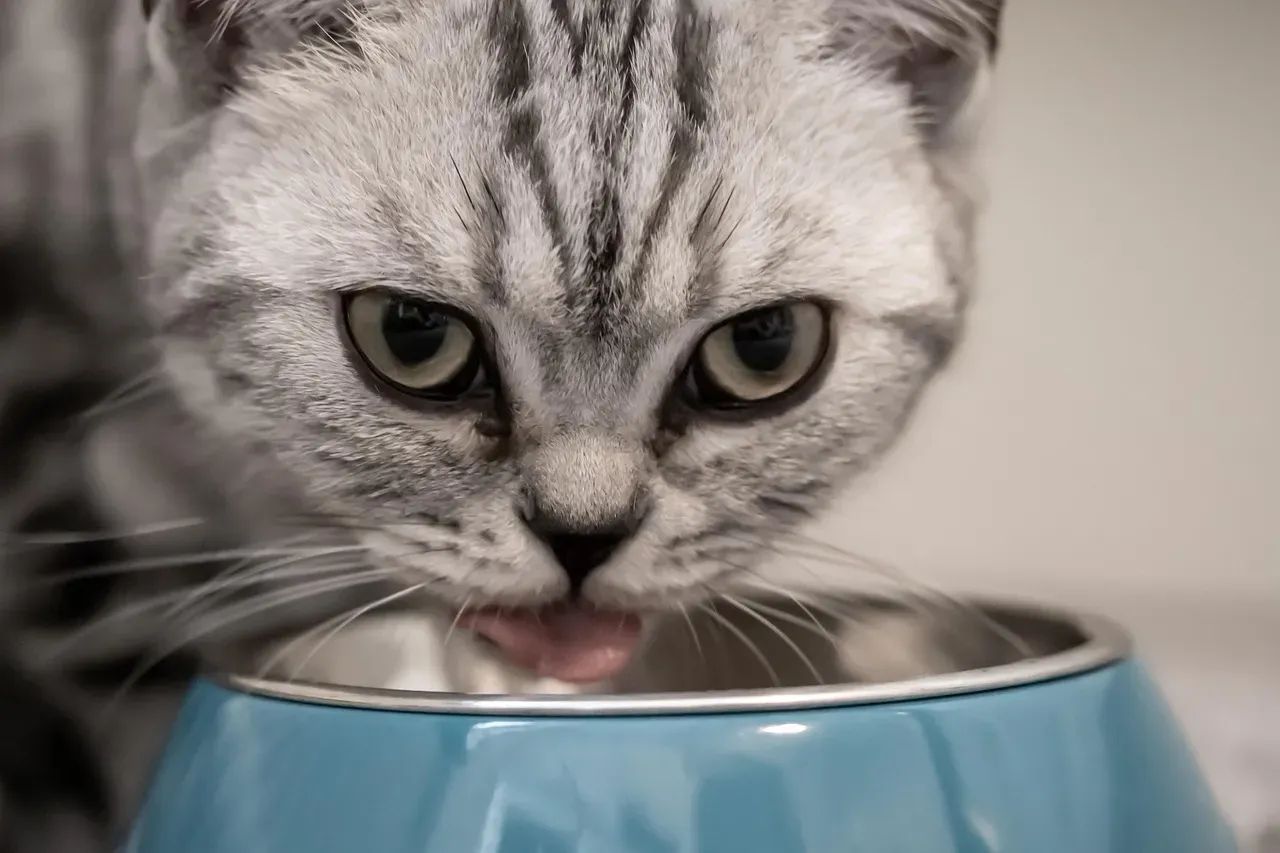
Because a cat’s whiskers are constantly transmitting information, there’s a theory that this can lead to whisker fatigue. Whisker fatigue refers to possible stress caused by overstimulation of a cat’s whiskers. It is not a disease, and its existence is still debated in the veterinary community. Signs may include pacing near the food bowl, pulling food onto the floor, or acting hungry but not eating.
The evidence, however, is genuinely mixed. Results of one peer-reviewed study indicate that cats fed from a whisker-friendly dish did not spend more time eating, drop less food, or eat more food in a recorded five-minute period. However, some cats appeared to prefer a whisker-friendly dish over their normal food dish. Overall, the food dishes did not affect the eating habits of the study cats or support the theory of whisker stress in this population. So it’s worth trying a wider, shallower bowl if your cat seems reluctant to eat, but it’s not a guaranteed solution for what looks like picky behavior.
The Moisture Question: Why Your Cat May Reject Dry Food
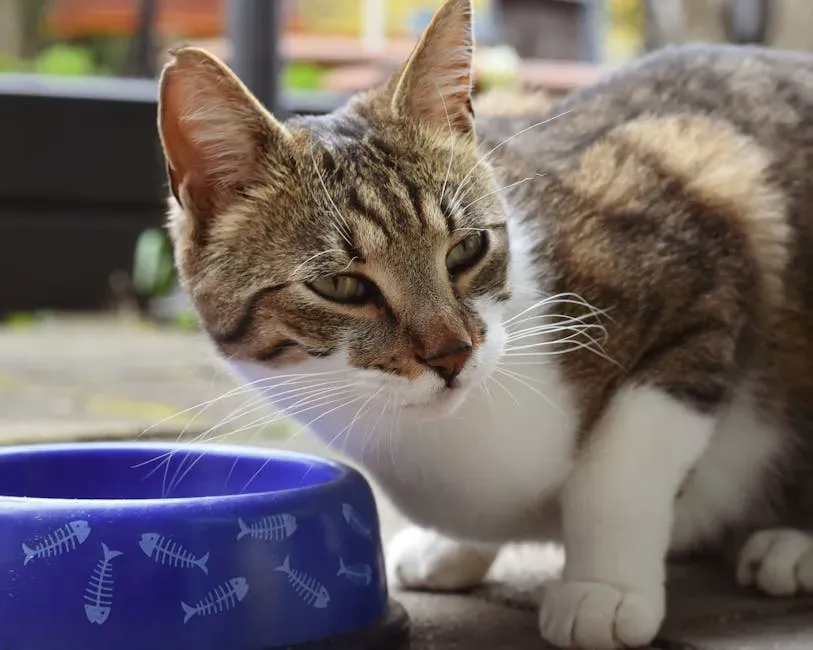
Biologically, cats derive the vast majority of their moisture from their prey, a trait inherited from their desert-dwelling ancestors. These ancestors adapted to arid environments by developing a weak thirst drive, relying on their food for hydration. Modern diets such as dry kibble contain only about ten to twelve percent moisture, which can lead to chronic dehydration if cats don’t compensate by drinking more water.
As descendants of desert-dwelling ancestors, domestic cats have a naturally limited thirst drive, as historically they obtained much of their hydration from prey. Wet food, containing approximately seventy to eighty percent moisture, can help mimic their natural eating habits for hydration. Wet cat food is often more palatable because it can be more aromatic than dry kibble, which can be especially appealing to cats with picky appetites. This can encourage them to eat more and maintain proper nutrition. If your cat consistently avoids dry food, this may be less about preference and more about an instinctive drive toward moisture-rich meals.
When Pickiness Is Actually a Health Signal
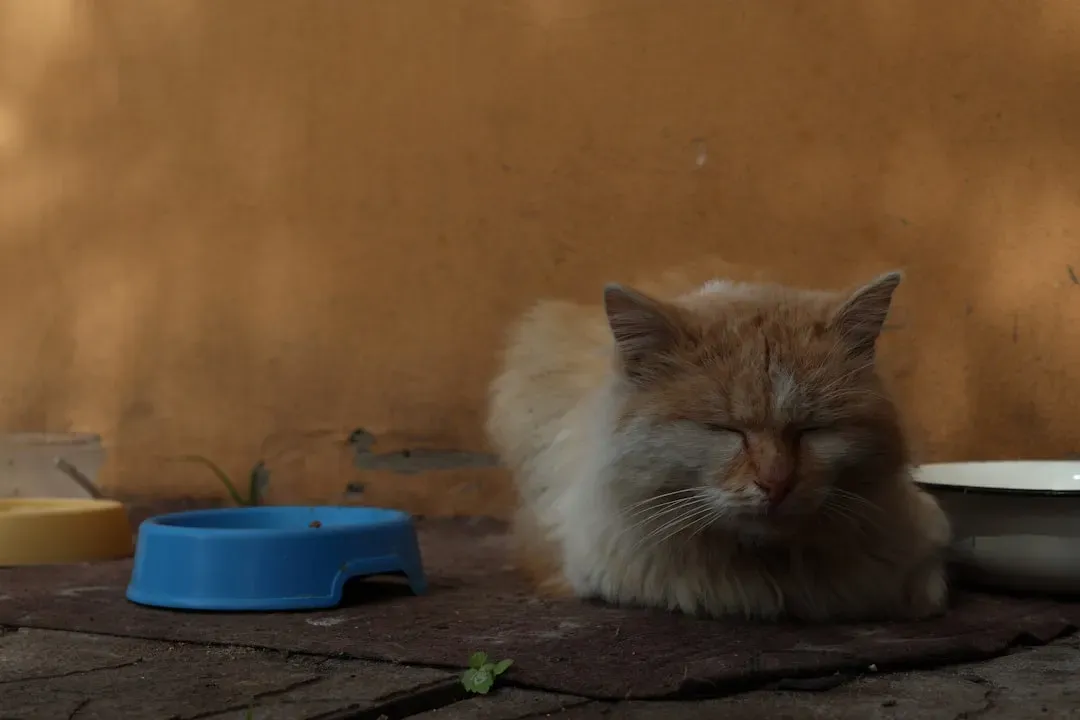
If your cat has suddenly become a picky eater, most of the time there’s a medical reason. This can include kidney disease, gastrointestinal issues, dental disease, arthritis, respiratory infections, and heart disease. A cat that always ate enthusiastically but has now gone quiet at the bowl deserves a closer look, not a different flavor.
Cats with dental disease may have mouth pain that prevents them from wanting to pick up food, especially kibble. Cats with kidney disease or other health problems may experience nausea that decreases their appetite. Arthritis pain in older cats may make them less willing to get up to eat or lean over a bowl. Cats with nasal congestion may have a lower desire to eat because they may not smell their food as well, and the aroma of food is important for stimulating appetite. Cats can develop potentially life-threatening hepatic lipidosis if they don’t eat regularly, so making an urgent veterinary appointment is crucial if you see any changes in a cat’s appetite. Behavioral picky eating is one thing. Sudden appetite changes are another, and the two should never be treated the same way.
Conclusion
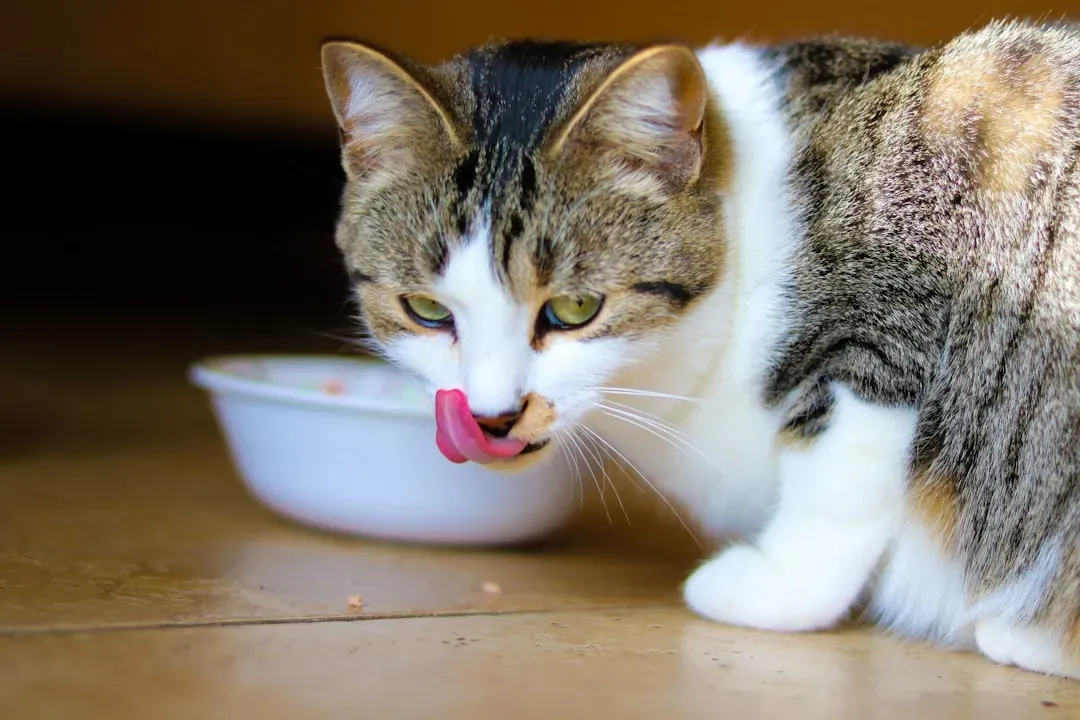
The “picky eater” label does your cat a quiet disservice. What you’re actually living with is an animal whose food choices are shaped by millions of years of evolutionary refinement, a sensory system tuned primarily to smell and texture, a taste profile built around amino acid detection, and early life experiences that formed deep preferences before you ever adopted them. That’s not fussiness. That’s a highly specific set of standards.
Understanding the science behind your cat’s behavior gives you a real practical advantage. You can warm their food to release aroma, introduce new proteins gradually, keep texture changes slow and predictable, and pay attention to sudden changes that might signal something medical rather than something temperamental. Your cat isn’t holding out for something better out of spite. They’re just operating on a different set of criteria than a food label can fully capture. The more you understand those criteria, the easier mealtime gets for both of you.
Kristina is a young writer from India. An arts graduate and an avid content creator, Kristina is passionate about animals and wildlife. She enjoys exploring topics related to pet care, animal behavior, conservation, and nature, combining thorough research with engaging storytelling.