You wake up, shuffle to the kitchen for coffee, and stop dead in your tracks. There’s a small, very dead bird waiting on your doorstep, and your cat is sitting next to it with the kind of pride that only a feline can summon at six in the morning. If you’ve ever lived with a cat who hunts, you know exactly this moment. It’s equal parts baffling and oddly touching.
What’s actually going on beneath this behavior is a layered story of instinct, social bonding, and evolutionary wiring. It’s not random. It’s not cruel. It’s your cat speaking to you in a language that predates domestication by millions of years, and once you understand what it means, you’ll never look at those “gifts” the same way again.
Your Cat Is Hardwired to Hunt, Whether You Like It or Not
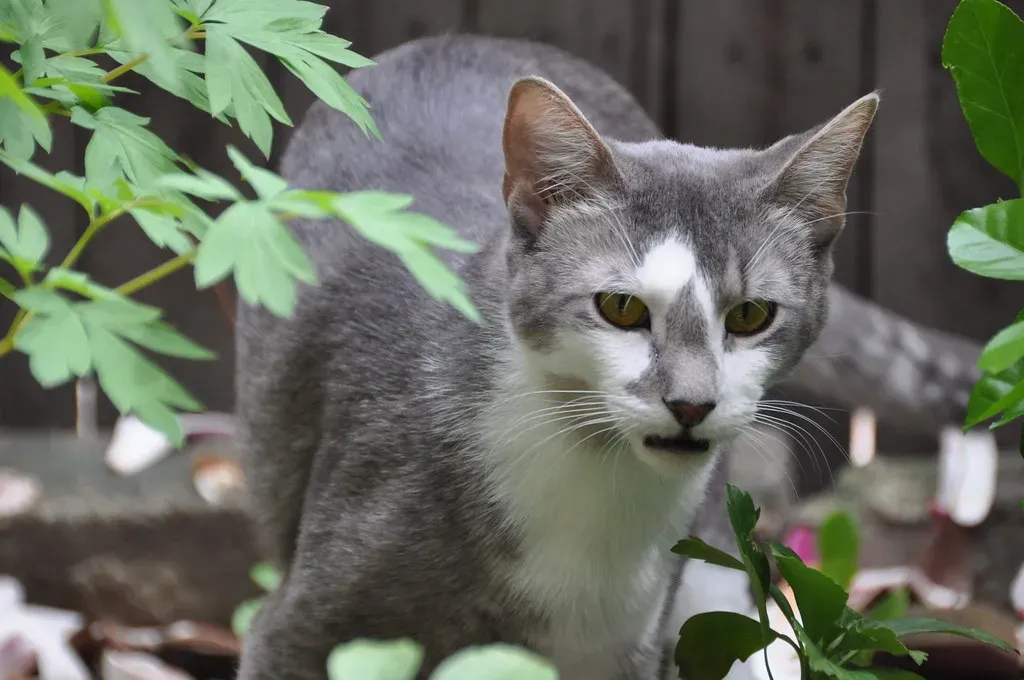
Domestic cats are, by nature, among the most proficient hunters on the planet. Even when they no longer rely on hunting for survival, they retain a powerful prey drive inherited directly from their wild ancestors. That drive doesn’t simply switch off because you’ve filled their bowl. It operates on its own schedule, completely independent of hunger.
Because hunting behavior in cats is driven by instinct and not by hunger, feeding cats does nothing to stop them from hunting, even if the cats are overfed. This surprises many owners, who assume that a full bowl eliminates the urge to stalk. It doesn’t come close. Understanding this matters before you can make sense of why the gift-giving happens at all.
Millions of Years of Evolutionary History Live Inside Your Cat
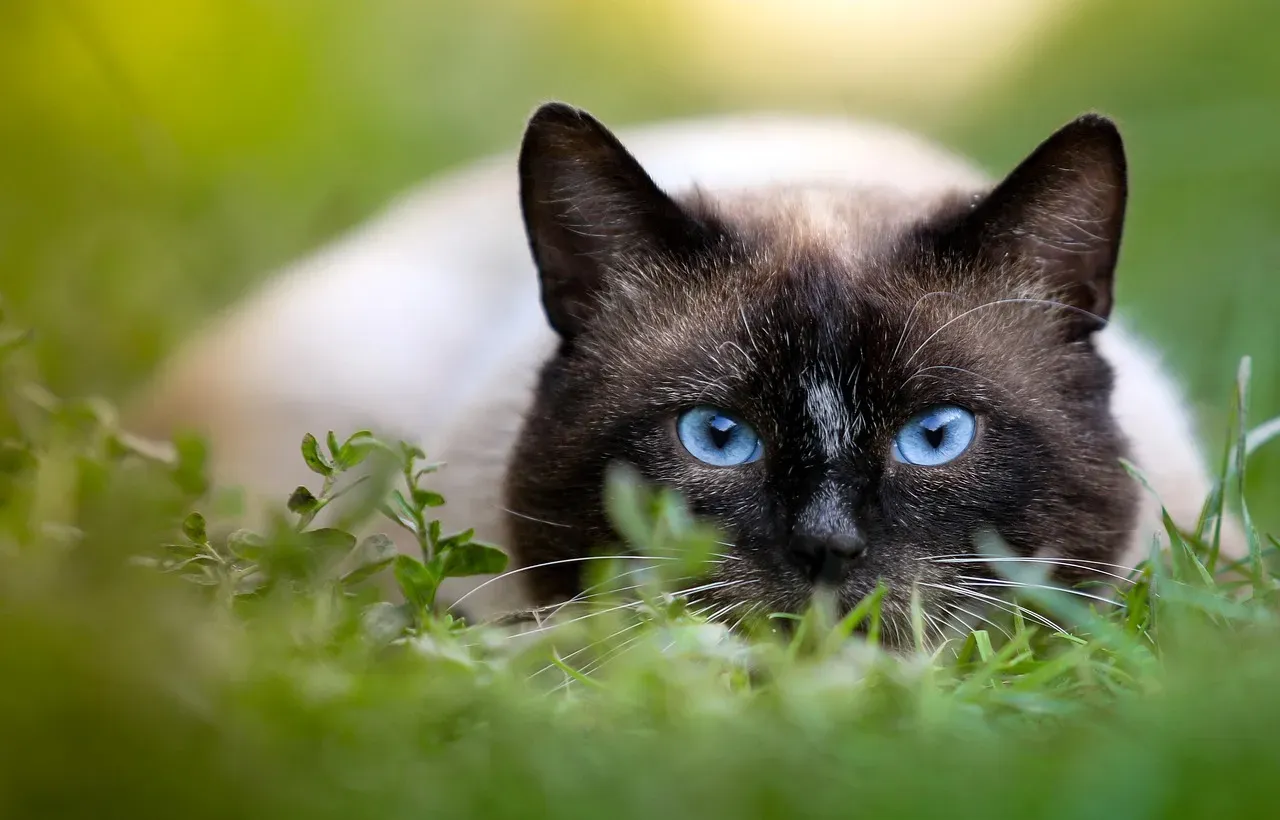
Hunting behavior is hard-wired into your cat’s DNA. Your cat’s wild ancestors developed their hunting skills over millions of years of stalking and chasing prey to feed themselves and their young. Very little of that has changed, despite thousands of years of domestic life alongside humans.
Until quite recently, cats were mainly kept to control rodent populations rather than as pets, and during this time, only the best hunters survived and reproduced, meaning that our pet cats today descended from the most adept hunters. There’s been very little selective breeding of cats, so their instinctive need to hunt remains strong. You’re essentially living with a tiny, refined predator in a cozy domestic wrapper.
The Maternal Theory: Your Cat Thinks You Need Feeding
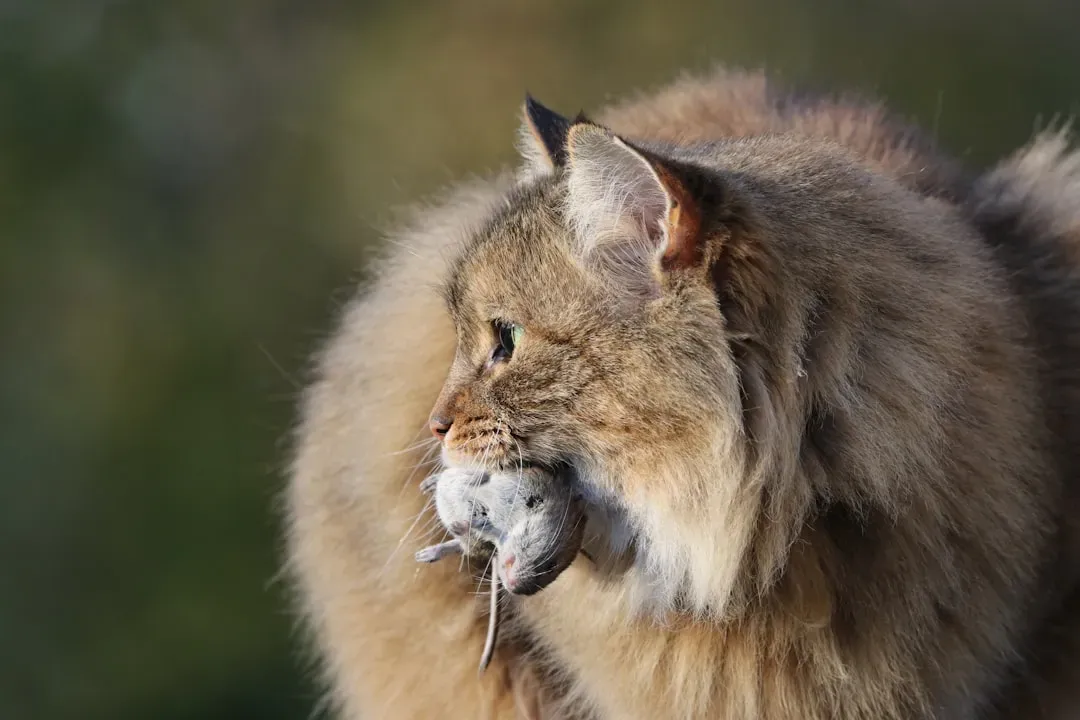
There are a couple of hypotheses for why cats bring their catch home. The main hypothesis is that this behavior is maternal. In the wild, mother cats are responsible for teaching their kittens to eat, to kill, and ultimately to survive. Bringing prey back to the den is a core part of that teaching process.
It may be similar to the way wild cats provide for their young while teaching them valuable survival skills. Since most domestic cats are neutered and have no young to provide for, they may transfer these instincts to their owners instead. In other words, when your cat drops a mouse at your feet, there’s a real possibility they’ve decided you’re the kitten who desperately needs a hunting lesson.
Your Cat Sees You as Family, Not Just a Food Dispenser
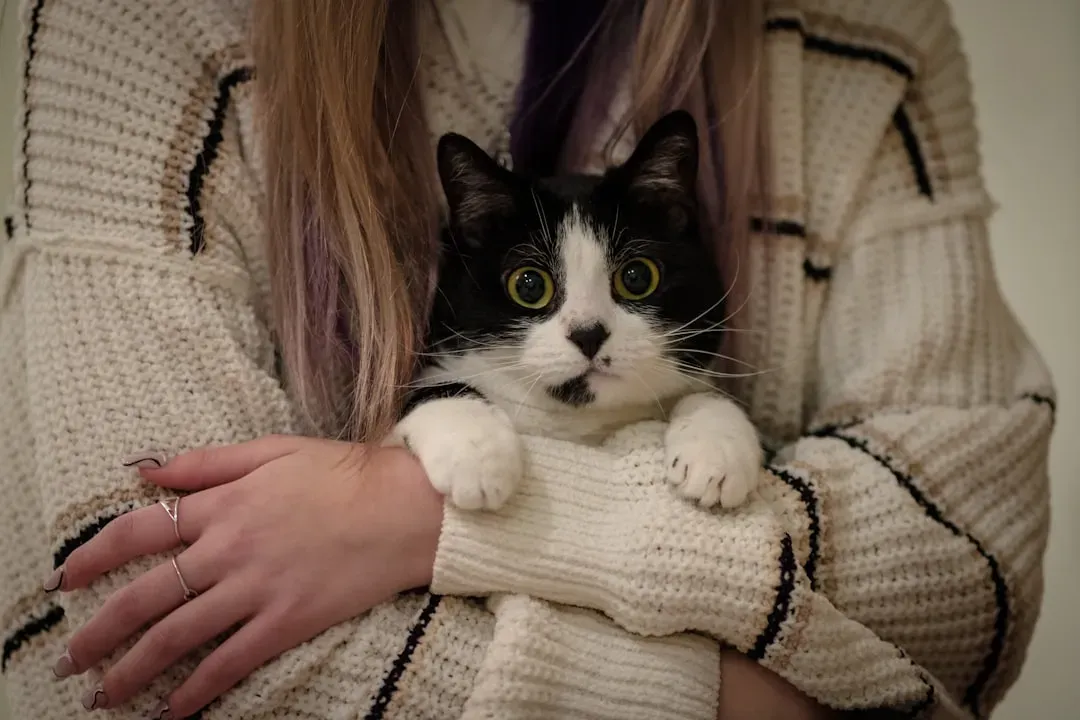
The most fundamental reason that cats bring dead animals to you is because they are treating you as family, presenting the catch to their clan, and attempting to teach you to do likewise. This reframes the whole interaction. It isn’t a random gesture. It’s an act of inclusion.
In the wild, cats bring prey to their families. By bringing you gifts, your cat is sharing its “hunt” with you, showing that they consider you part of their family. Some cats will lick or groom you as a sign of affection, while others will bring you “trophies.” Both are powerful bonding behaviors that signal trust and acceptance. The prey item, strange as it feels, is a sincere gesture.
The Safe Den Theory: Your Home Is a Place of Trust
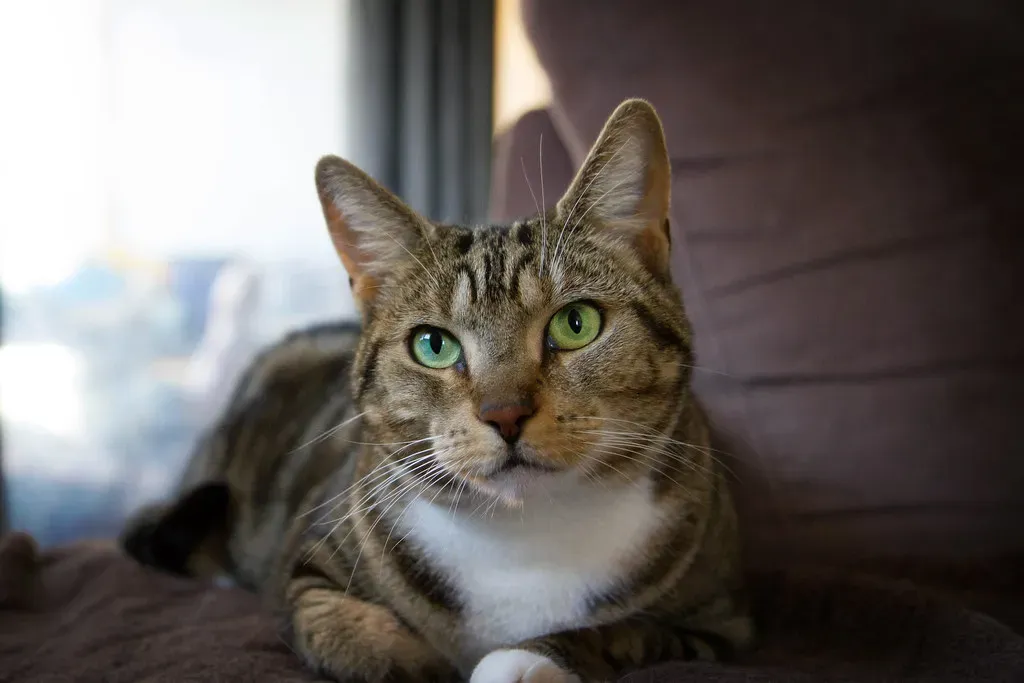
There are a few theories about why cats bring their prey back home with them. The first is that your cat has an instinct to bring prey back to a safe environment to guard it from other predators that may want to steal from them. Take it as a compliment: your cat feels safe and secure in the home you’ve made for them.
Alternatively, they may be bringing their spoils home to potentially eat later. If they do this, it demonstrates that your cat feels happy and safe in your home, secure enough to even leave you with their potential meal to look after. Either way, you should feel a quiet sense of pride. Your home passed the cat’s security audit.
Gift-Giving Is Also About Showing Off
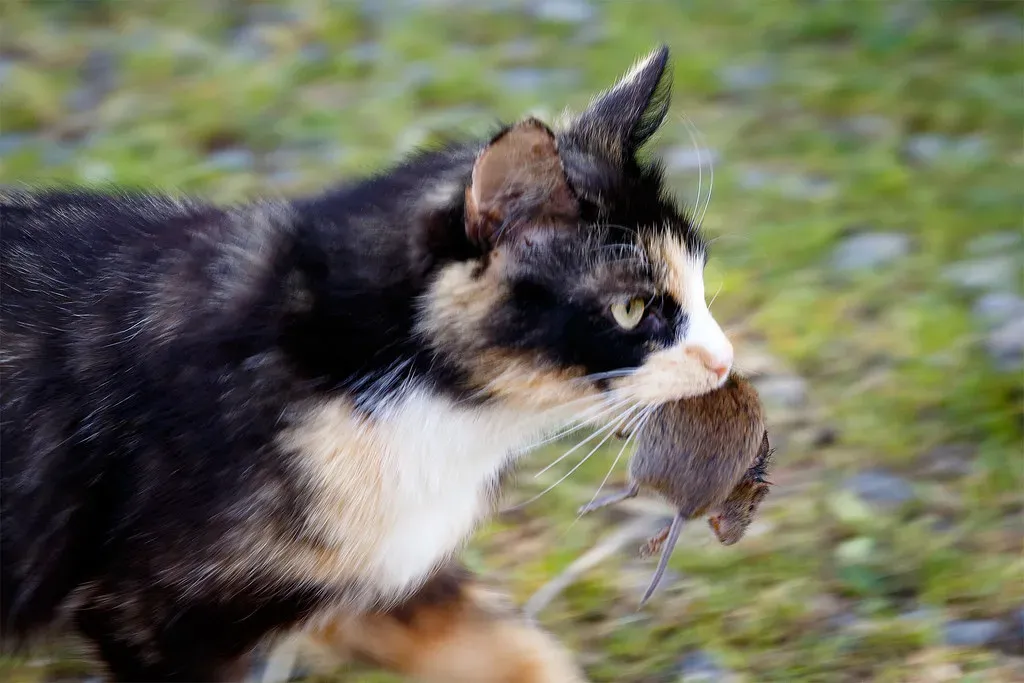
Cats bring you gifts of toys or dead animals to signal affection, show off their catch, or as a way to “educate” their owners on how to hunt. These aren’t mutually exclusive motivations. Sometimes, cats are simply proud, and you happen to be the most important audience in their world.
In the wild, a cat’s survival depends on its ability to hunt. The act of capturing and killing prey involves a range of skills, from stalking to pouncing, and it’s a process that cats find inherently rewarding. When they bring back this “loot,” they may consider it a prize not just for them but for sharing with members of their social circle, which in a domestic setting includes you, the owner. Your reaction, even an involuntary one, matters to them.
Indoor Cats Have Their Own Version of the Gift
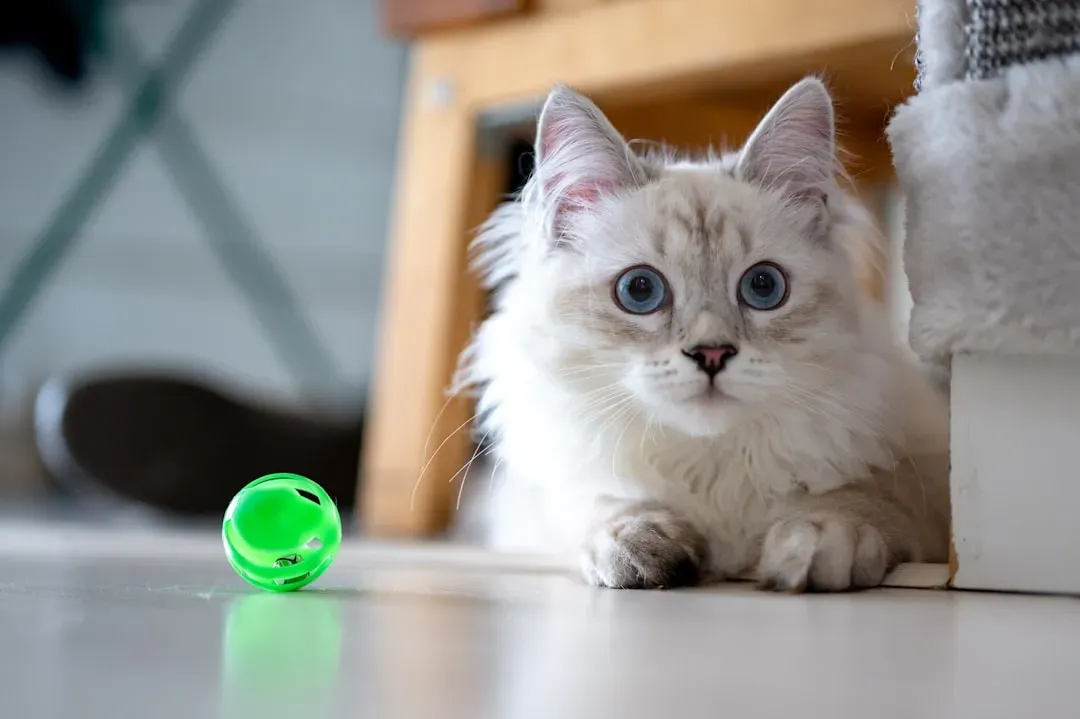
Indoor cats hunt too, but their prey is toy mice or balls, which your cat may deliver to you as a gift, even though the toys can’t be eaten. If you’ve ever found a toy deposited outside your bedroom door in the night, you’ve received the domesticated edition of this same ancient behavior. The meaning behind it is identical.
Modern domestic cats retain these instincts even when living in comfortable homes where food is plentiful and hunting unnecessary. The items may have changed from mice to toy balls, but the underlying motivation and emotional significance of the gesture remains remarkably consistent across millions of years of feline evolution. A sock dragged across the hallway carries more meaning than you’d expect.
How Your Cat’s Personality Shapes the Behavior
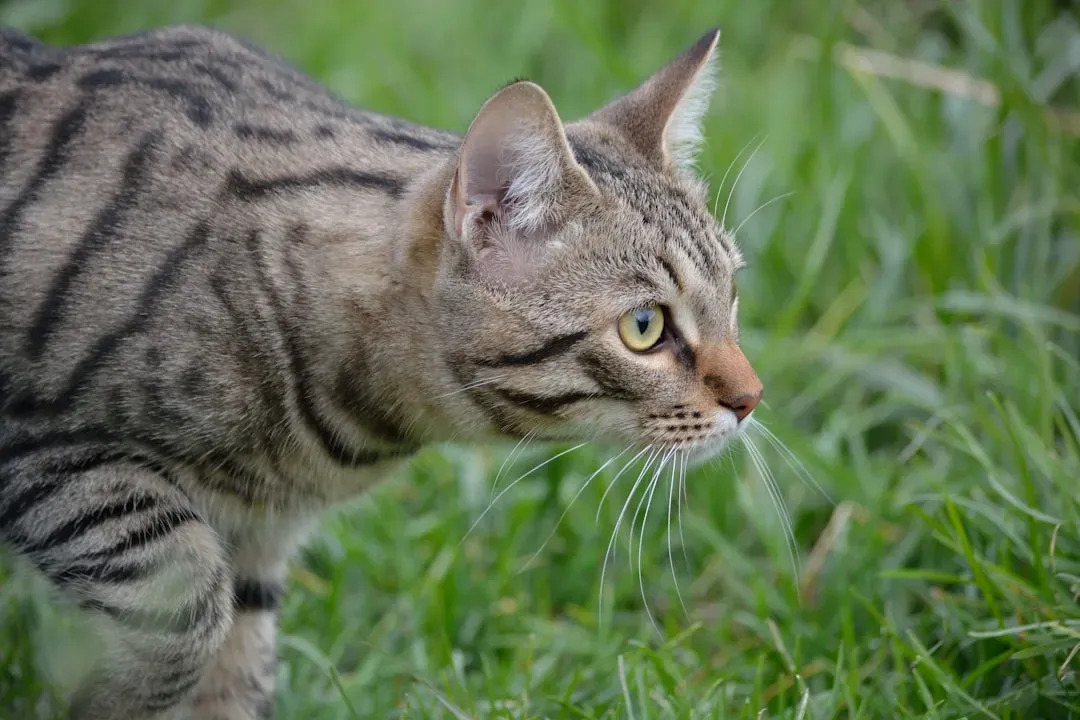
Research has found that cats scoring high for extraversion or low for neuroticism are more likely to hunt and bring home wild prey compared to cats that do not. Personality, it turns out, shapes how intensely the hunter inside any given cat expresses itself. Some cats are prolific gift-givers. Others never bring you a thing and show affection in entirely different ways.
How much hunting a cat does depends on both its environment and how much time it spends outside. A cat that lives in a rural area may have more space to roam and access to more prey than city cats do, so urban pet owners may get fewer dead animals brought to them than those in the countryside. If you live near open land and your cat roams freely, you’ve probably noticed this firsthand.
What You Should (and Shouldn’t) Do When It Happens
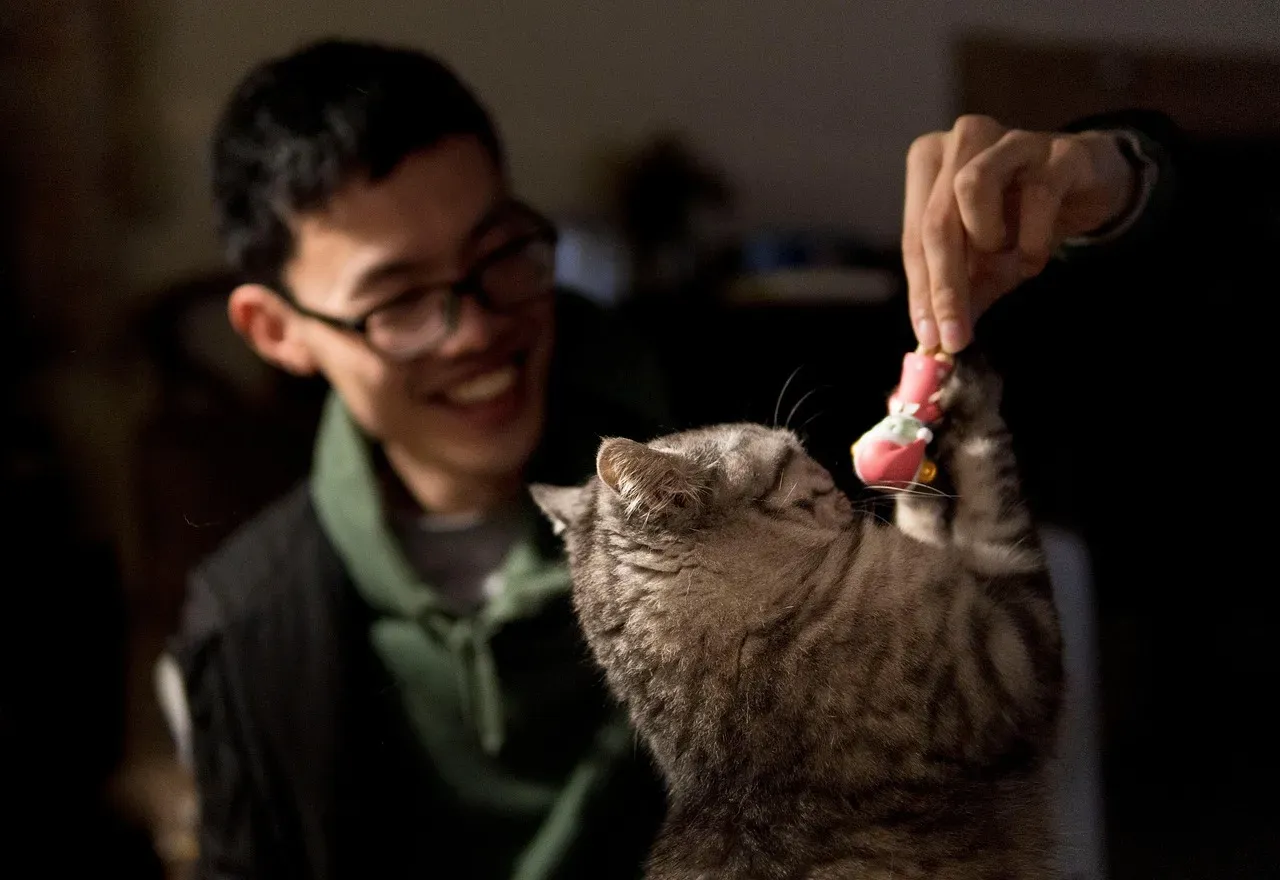
The most important rule is never punish or yell at your cat. Hunting is a natural, instinctive behavior. Scolding them will not stop the hunting and will only cause stress and confusion, potentially leading to other undesirable behaviors. Your cat will not understand what they did wrong; they only understand that their valued family member reacted negatively to a natural act.
Research has found that providing domestic cats with high meat content diets and engaging them in regular object play significantly reduced their predation on wildlife. Cats fed a meat-rich diet reduced their hunting activity by roughly a third, while daily play sessions decreased prey capture by about a quarter. These findings suggest that improving cats’ diets and offering alternative outlets for their hunting instincts can meaningfully mitigate their impact on wildlife. It’s a practical, compassionate approach that respects the cat’s nature rather than fighting it.
Conclusion: A Language Worth Learning
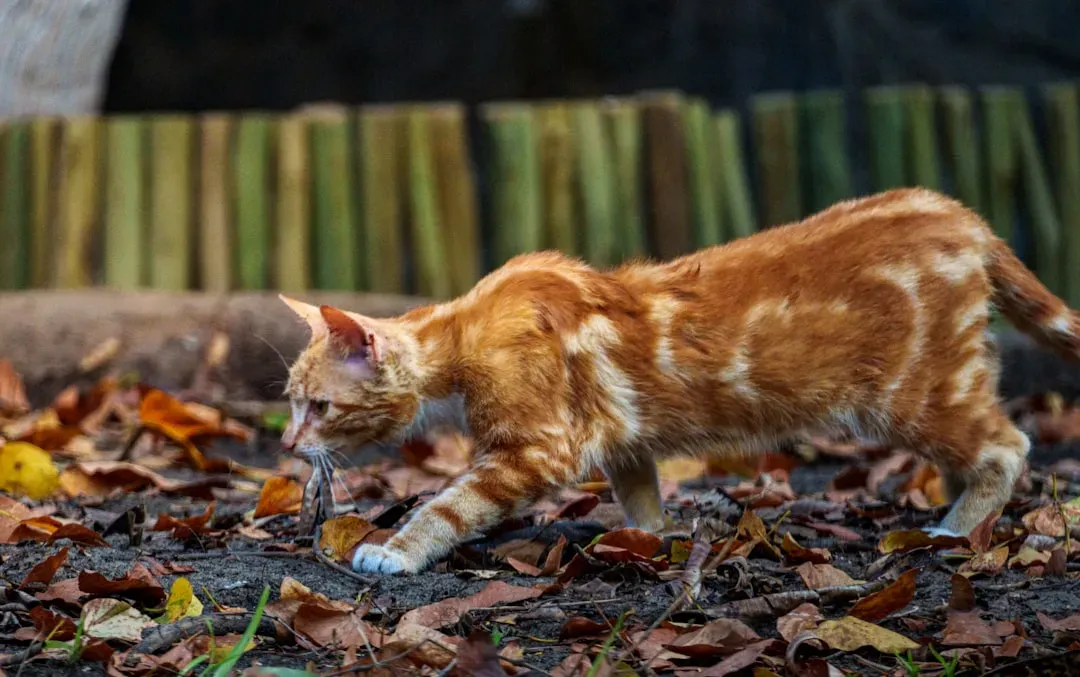
Cats who bring gifts are demonstrating that they feel secure, bonded, and motivated to engage in social behaviors with their human families. That’s worth sitting with for a moment. It’s not a gross habit. It’s a communication, rooted in millions of years of feline social life, being offered to you specifically because you matter to them.
Hunting is a behavior that cats are hardwired to do, and you may never stop it completely. Through careful management and positive redirection of their energy, however, you can significantly limit its frequency. It’s a deeply rooted communication method for your cat, driven by instinctual needs for hunting, sharing, and safety. The next time you find a small, unfortunate creature on your doorstep, take a breath before reacting. Your cat just told you, in the only language they’ve ever known, that you belong to them.