Your cat hasn’t spoken a single word to you, yet she’s been talking all day. Every time she walks past the couch, greets you at the door, or sits watching something across the room, her tail is quietly broadcasting a stream of information. Most of us catch the obvious stuff – the puffed-up Halloween tail, the slow wrap around your ankles – but the subtler signals tend to sail right over our heads.
Cats rely more on their bodies than their voices, and the tail is one of their clearest communication tools. Unlike dogs, who bark, whine, or wag freely, cats often prefer subtle signs, and their tails serve as emotional antennas. Once you learn to read what those movements actually mean, you’ll realize your cat has been surprisingly transparent all along.
Why the Tail Is Such a Powerful Communication Tool
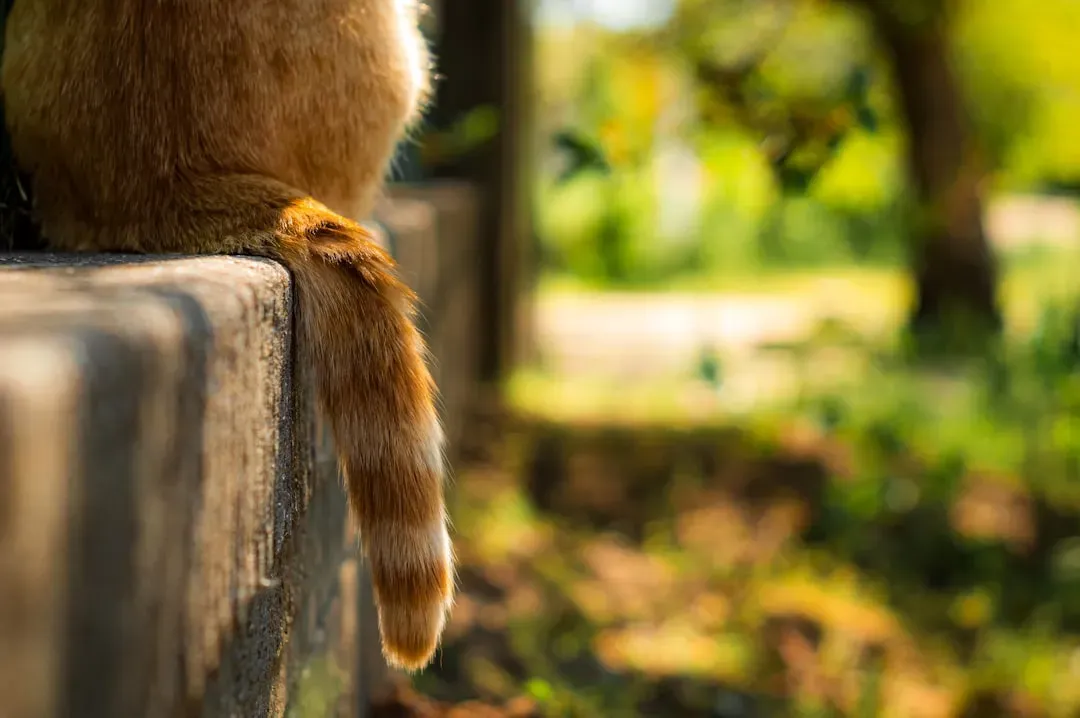
A cat’s tail is remarkably flexible, thanks to its unique anatomy. It consists of 18 to 23 small bones known as caudal vertebrae, which interlock like a chain, enabling the tail to move in many directions. That structural complexity is part of what makes it so expressive as a signaling device.
When a cat experiences an emotion, its brain sends signals to muscles in the tail through the pudendal nerve, the nerve that connects tail muscles to the central nervous system. This communication occurs almost instantaneously, allowing cats to move their tails with lightning speed and precision. In short, your cat’s tail reactions aren’t just instinct – they’re neurology in real time.
The High, Upright Tail: A Confident Hello
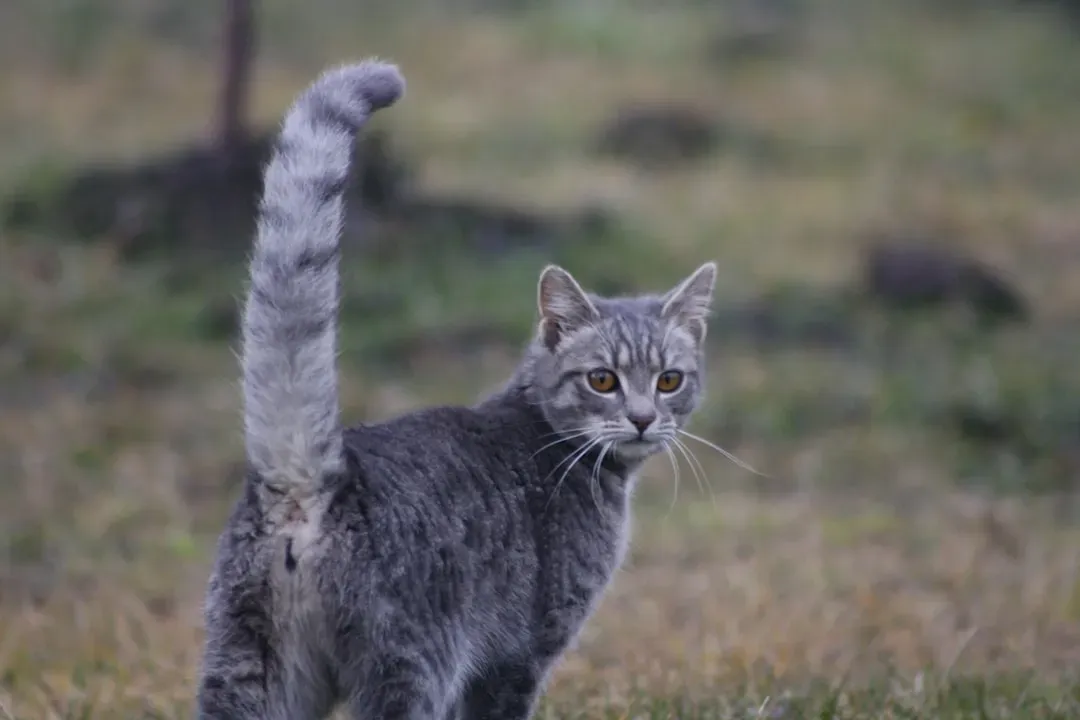
When a cat’s tail is upright, they’re feeling social and confident, and are approaching in a friendly manner. This tail language indicates a friendly greeting between cats, and it’s how kittens greet their mothers. You’re receiving the same greeting that your cat once gave the most important figure in her early life – that’s worth something.
In cat-human interactions, the cat most often approached with its tail up prior to rubbing itself against the human. Although the tail didn’t seem to play a significant role in cat-to-cat interactions, the “tail-up” display was important when a cat approached a human being, and in the vast majority of cases the cat rubbed itself on a human’s legs. Consider an upright tail both a green light and a small act of trust.
The Slow Sway: Focused Attention, Not Frustration
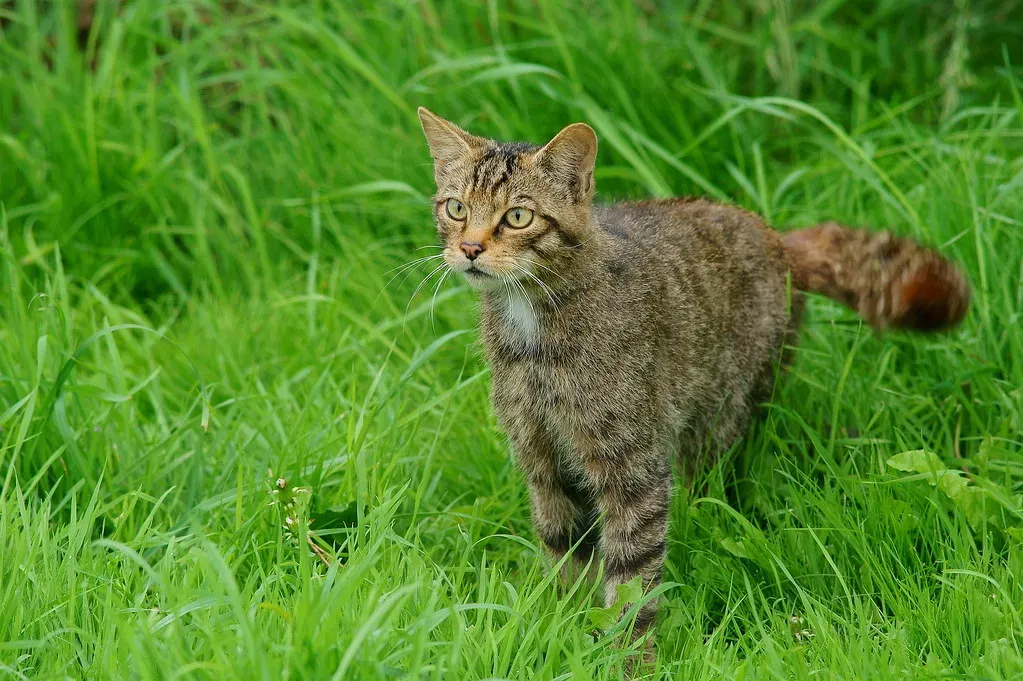
You’ve probably noticed your cat’s tail do a back-and-forth sway when they’re intensely focused on something like a toy and might be about to pounce. This tail movement means a cat is in the zone and has zeroed all their attention on a target of interest, and is likely feeling playful. It’s concentration, not irritation – a quiet buildup of predatory energy.
Cats love to play, and anything can become a toy. You might see a cat’s tail wagging or swishing slowly when they’re focused on something like a toy or another animal, and they may even be ready to pounce. This is good behavior, so let them enjoy the enrichment they’re experiencing. If you see this during a play session, you’re doing something right.
The Thrashing or Lashing Tail: Back Off, Now
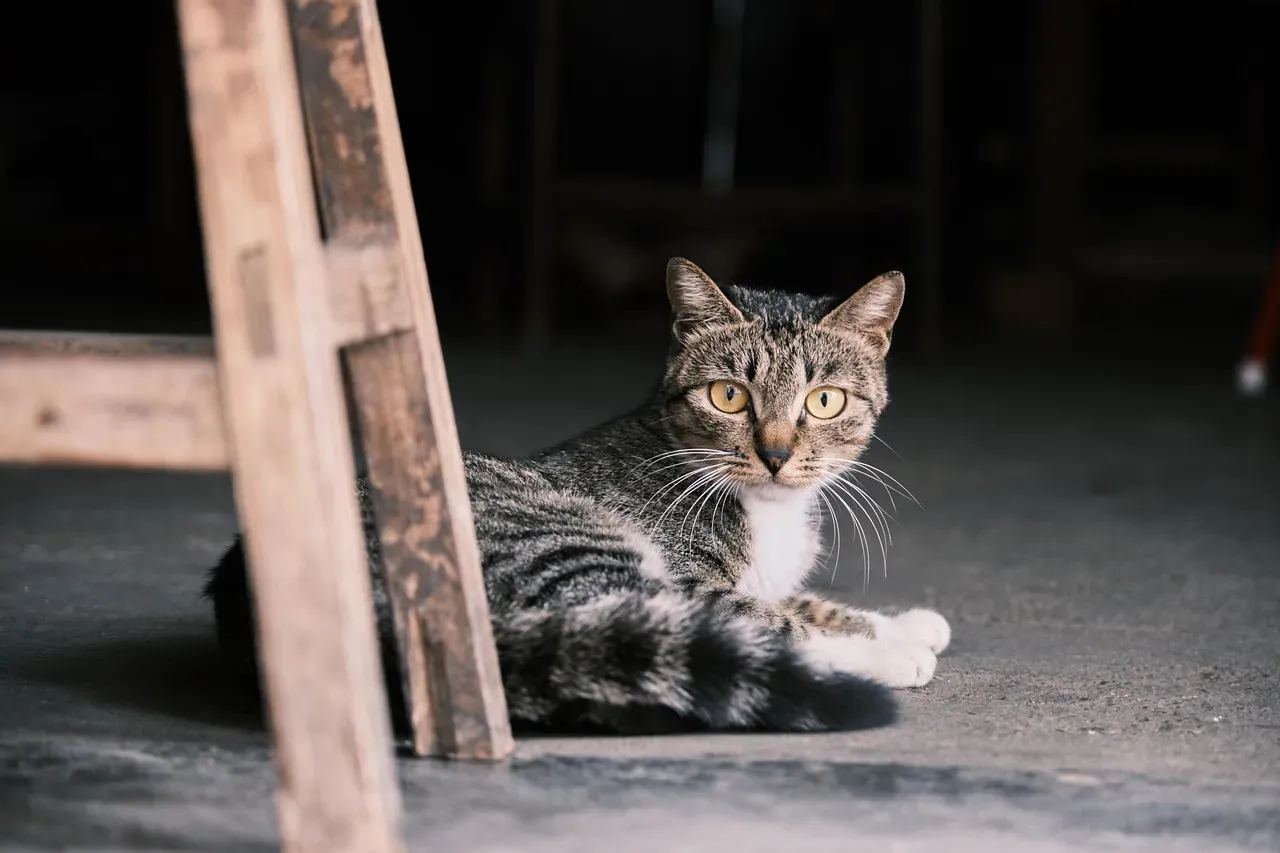
Unlike a slowly swaying tail, when your cat thrashes their tail back and forth, you’ve got an annoyed or angry cat on your hands, and it may be about to become aggressive. Speed and force are the key differences here – this isn’t playful energy, it’s a warning.
A wagging tail in a cat is not a happy sign like it is in dogs. A cat wagging side to side often means building frustration, annoyance, or sensory overload. This can happen during extended petting sessions, in noisy environments, or when two cats get too close without warning. Quick, choppy tail movements mean your cat is feeling overwhelmed and could swat or bolt if ignored. When you see this, the kindest move is simply to give your cat space.
The Puffed-Up Tail: Fear on Display
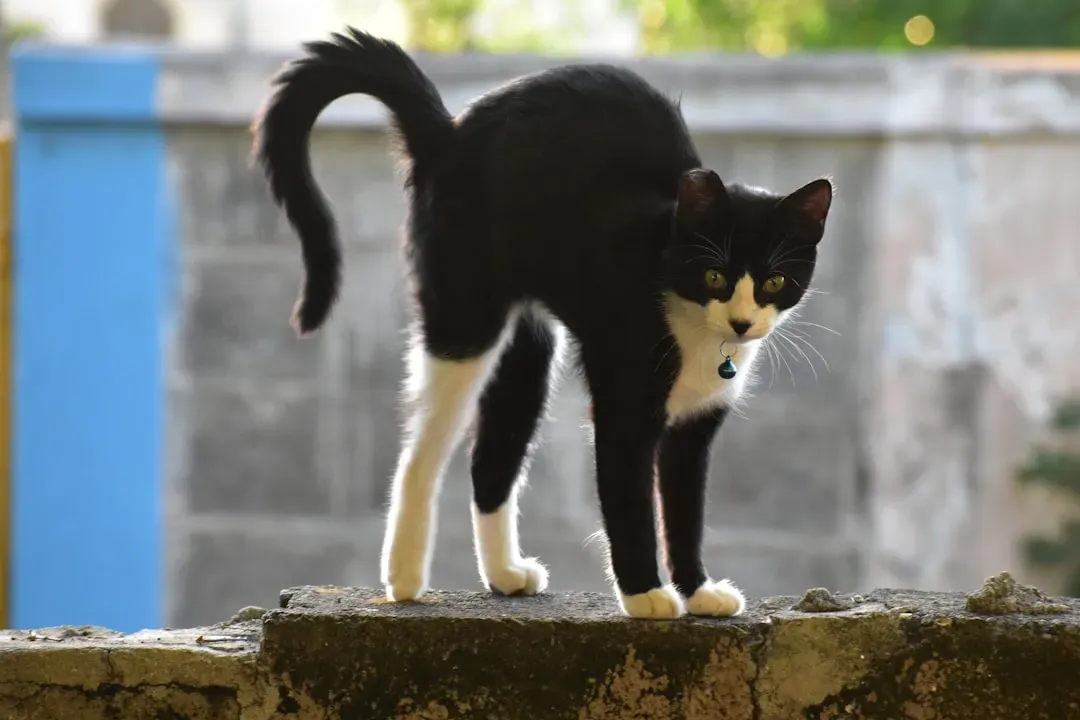
If your cat assumes the quintessential Halloween-cat posture with a puffed tail and arched back, they’re startled or frightened by a sudden, severe threat. Your cat’s hair stands on end – a process called piloerection – so they can appear to be larger. This is a defensive reaction indicating your cat wishes to be left alone, and it’s often triggered by feeling threatened by other animals in the yard, approaching dogs, visitors in the home, or sudden noises.
It’s a defense mechanism designed to communicate that they’re actually very large and scary and not worth fighting. Your cat wouldn’t puff their tail if they weren’t feeling threatened to begin with, so the behavior almost always stems from a fearful reaction. Remove the thing that’s scaring them if you can, but don’t try to move your cat, who’s in panic mode and may respond by trying to protect themselves. Wait it out calmly, and let the fear dissolve on its own.
The Tucked Tail: Submission and Anxiety
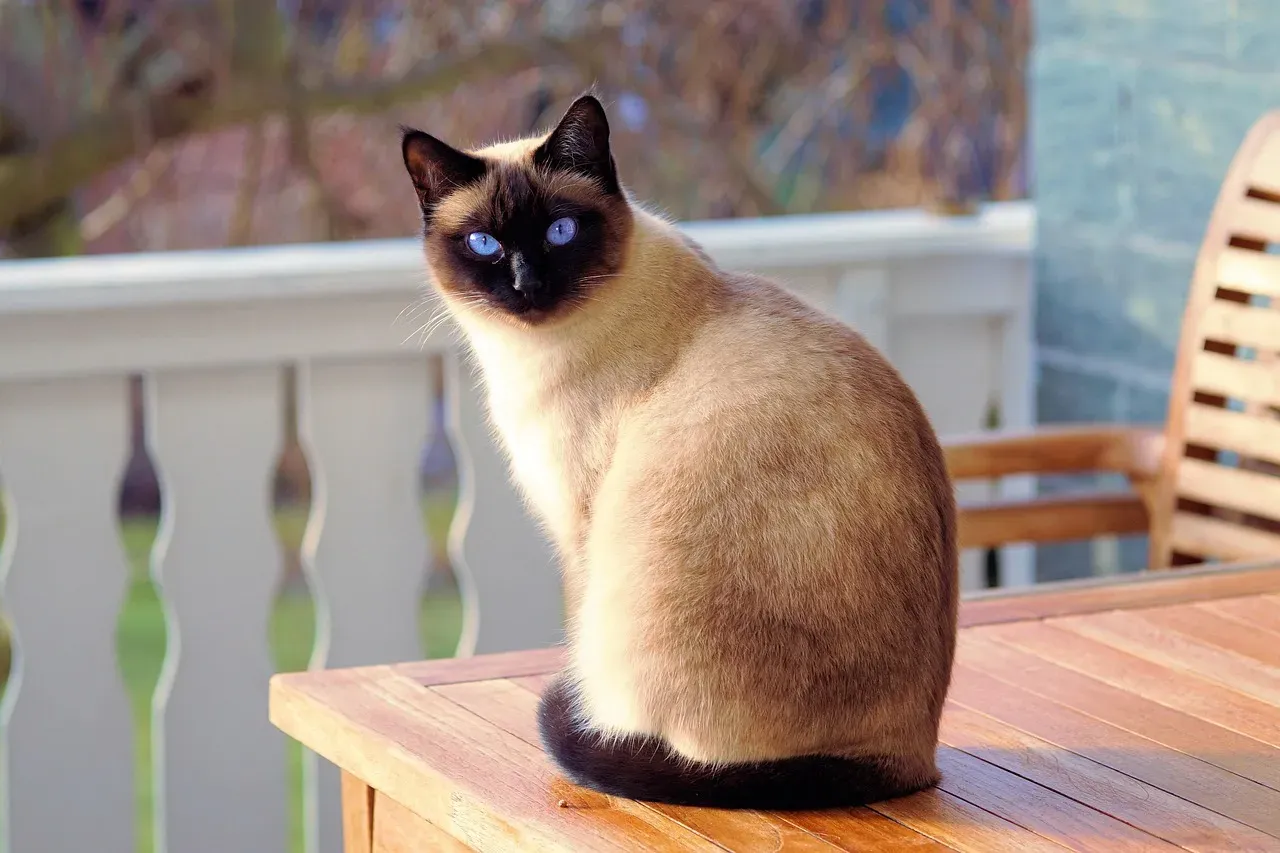
A cat may lower their tail below the level of their back if they’re frightened or anxious. If your cat’s tail is tucked between their legs, then they’re really scared or may be experiencing pain. A tucked tail is one of the clearest distress signals in the feline vocabulary, and it deserves your full attention.
Most tail-down positions indicate that a cat is feeling defensive or submissive. If the tail is in a hooked-down position covering the cat’s anatomy, the cat is likely in a defensive posture ready to express aggression if needed. If her tail is tucked under her belly, she’s feeling submissive. Understanding the subtle difference between these two positions helps you respond in ways that actually reduce your cat’s stress rather than add to it.
The Tail Wrap: You’re Part of the Inner Circle
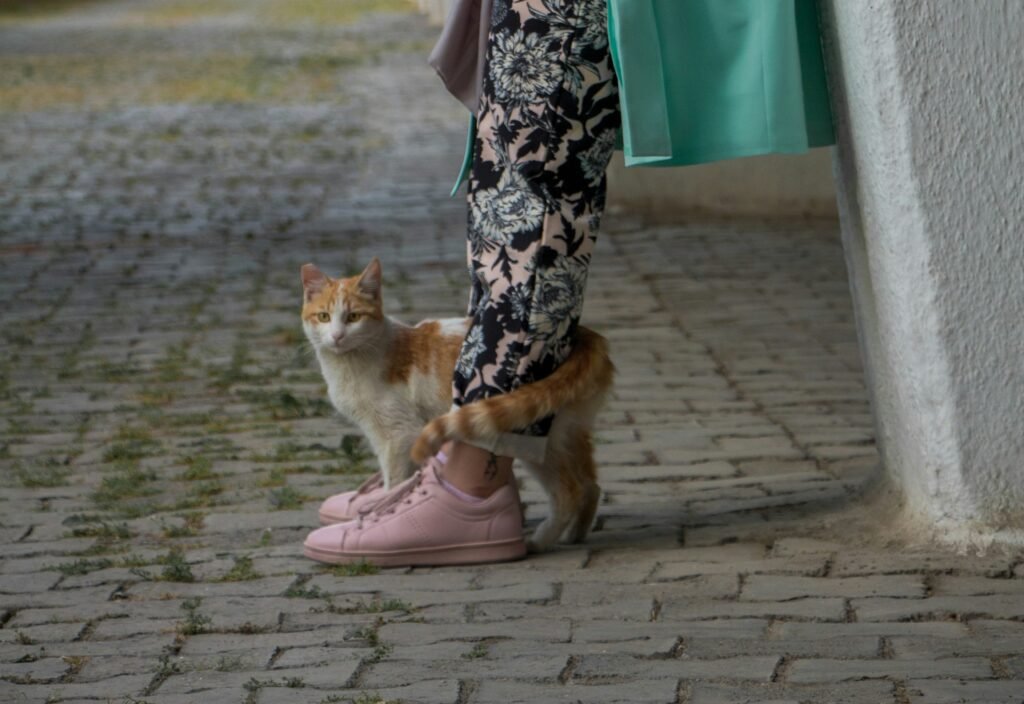
Just as people greet one another with handshakes or hugs, cats may greet by curling their tails around people and by intertwining their tails with other cats. Tail wrapping is an affiliative behavior that demonstrates a willingness to interact. It’s understated by cat standards, but it carries genuine warmth.
Tail wrapping around another cat or person is one of the ways cats bond and socialize. It’s a way of marking each other with their scent and signaling who their friends are. If your cat snuggles up next to you with their tail curled around you, it means you’re part of their in-crowd – they like you a lot. Your cat’s scent glands are located along the tail, so this gesture is also a quiet, affectionate claim.
The Quivering Tail: Pure Excitement
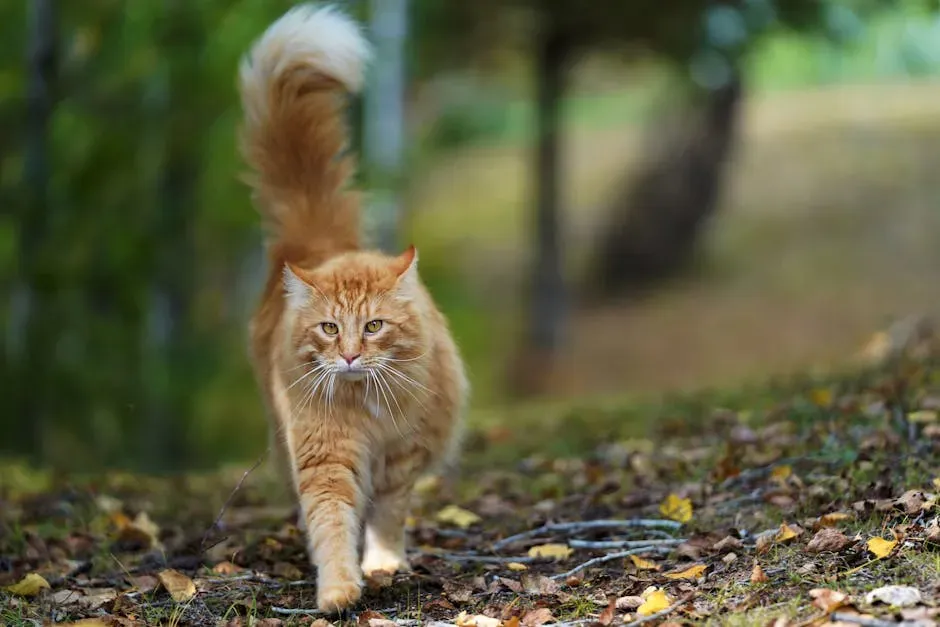
When your cat is approaching you, someone else, or another animal and is holding her tail straight up, it means she’s open and even a bit happy to meet you. If her tail is quivering, it may mean that she’s excited to see you or whomever she is encountering. It’s one of the most unambiguous “I’m happy right now” signals a cat can offer.
Some behaviors carry over from kittenhood to older cats – for example, kittens greet their mothers with high tails, and adult cats continue to do this with their favorite people. That quivering, upright tail greeting at your front door? It’s the same reflex your cat used as a kitten with the one she loved most. Hard to get more meaningful than that.
Reading the Tail in Context: The Bigger Picture
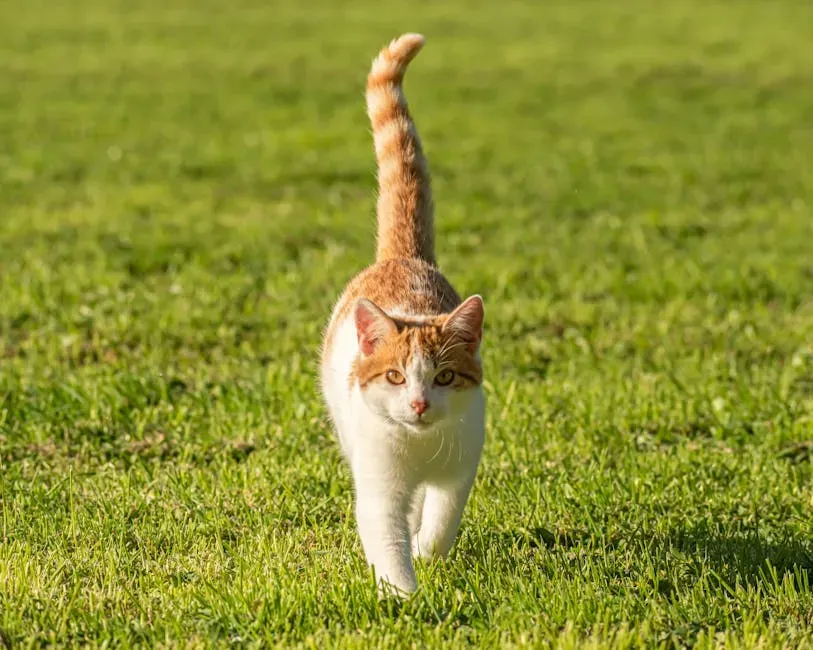
Although you should look at more than just tail movements to fully understand your cat’s emotional state, the tail may be the most expressive part of a cat’s body language. Tail signals rarely tell the whole story on their own – they’re one channel in a broader system.
Cats may communicate with their tails in distinct ways depending on whether they’re interacting with humans or other cats. When cats interact with each other, they usually keep their tails down and rely more on their ears to express how they’re feeling, with erect ears signaling friendliness and flattened ears indicating hostility. So when your cat raises her tail specifically for you, that’s not a coincidence – the presence of a human has a specific meaning in the cat’s world, probably as the result of a long period of shared history between humans and domestic cats.
When the Tail Signals Something Medical
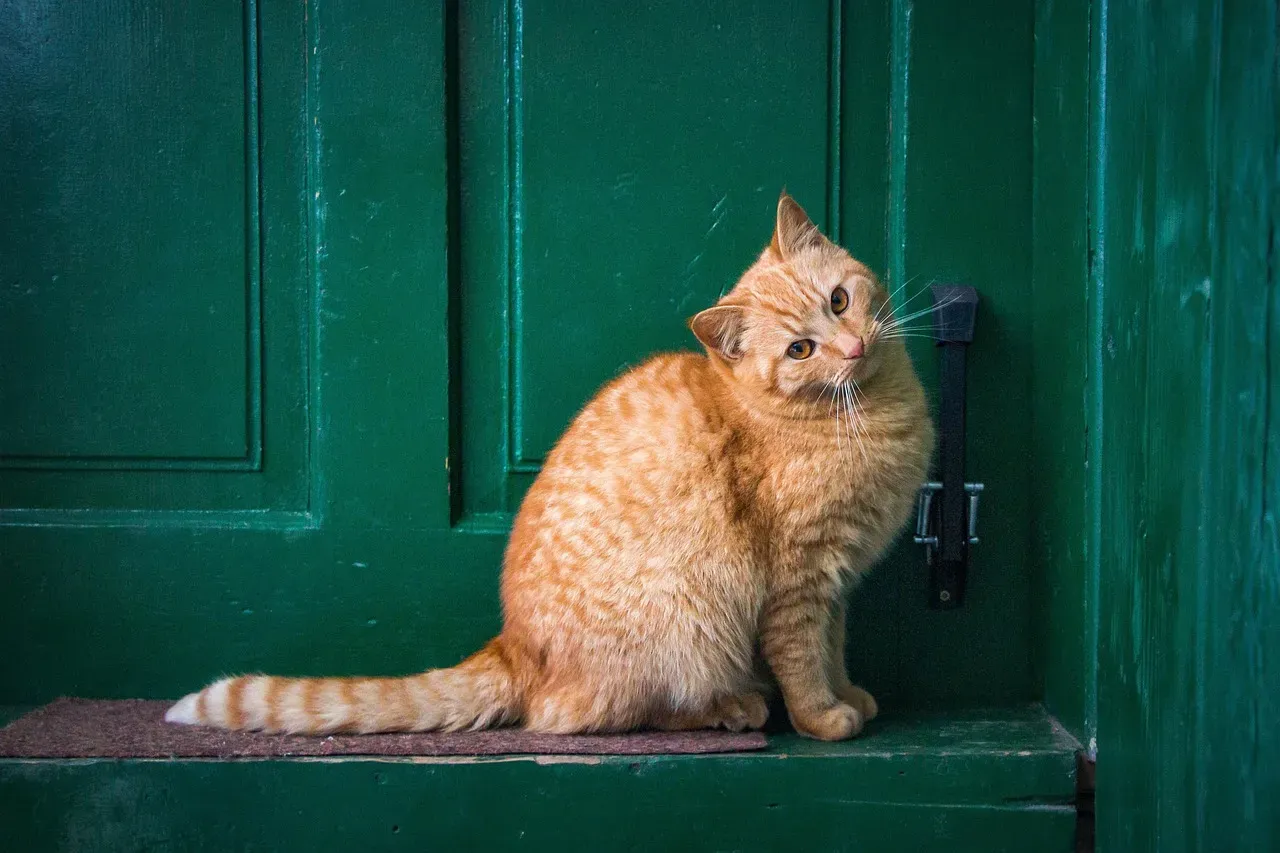
A drooping tail often indicates something is wrong. Cats have between 20 and 23 bones in their tails, and this extension of their spine is vulnerable to injury. A cat holding it in an unnatural position may have fractured or otherwise injured it. Other clues that something is wrong are often behavioral, such as the animal crying out or avoiding contact because of the pain.
Reading a cat’s tail language can also help you identify illness and pain more readily. It’s important to consider the context in which your cat’s tail is moving when interpreting their mood. If you’re unsure about what your cat’s tail is trying to tell you, it’s always best to consult with a veterinarian or animal behaviorist. They can help you interpret your cat’s body language and recommend ways to improve your communication with them. The tail, in other words, is not just a mood dial – sometimes it’s a health indicator too.
Conclusion
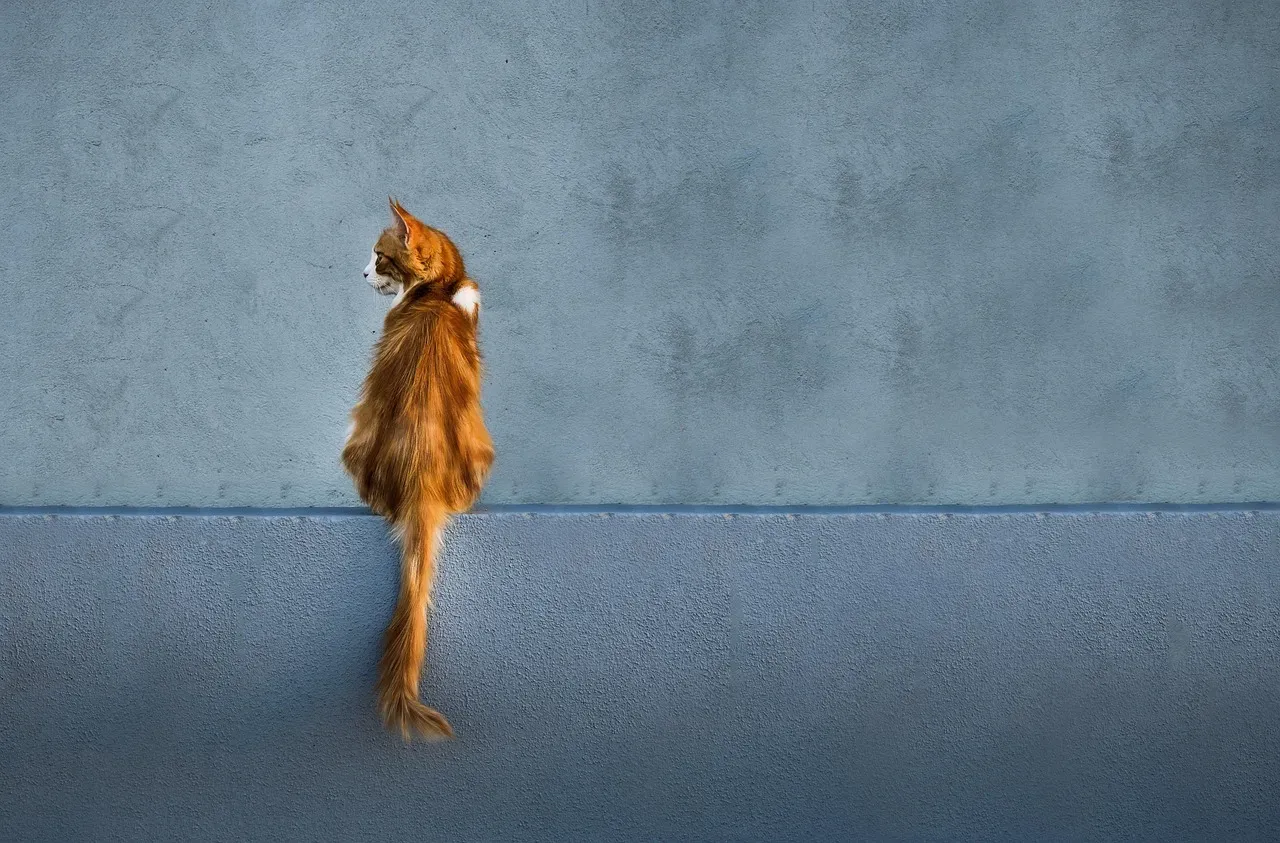
Your cat has never needed words. She’s been telling you how she feels through every flick, wrap, puff, and quiver – and now that you know what to look for, those signals will stop blending into the background. The relationship between you and your cat deepens not through dramatic gestures, but through small, consistent moments of actually paying attention.
Remember to interpret tail movements in the context of your cat’s other body language signals and the current situation. The more you become aware of your cat’s body language, the better you’ll be at knowing how they’re feeling, allowing you to act accordingly and best provide for your cat’s emotional needs. A tail, it turns out, is one of the most honest things about a cat – and once you start reading it, you’ll wonder how you ever missed it.