You’ve probably lived with a cat for years and still find yourself wondering what exactly is going on inside that small, confident head. One moment they’re curled beside you purring, the next they’re staring at the wall as if receiving transmissions from another dimension. Cats are not mysterious by accident. They communicate constantly, but they do it in a language that most humans were never taught.
Cats communicate in a variety of ways, and to truly understand them, it helps to appreciate how and why they do it. That communication breaks down into four distinct channels: visual signaling, tactile touch, vocalization, and olfactory scent-based messaging. The challenge is that most of us only tune in to one or two of those channels at a time, which means we’re regularly missing the bigger picture. What follows is a closer look at exactly what your cat has been trying to tell you.
Why Your Cat Meows at You and Almost Nobody Else
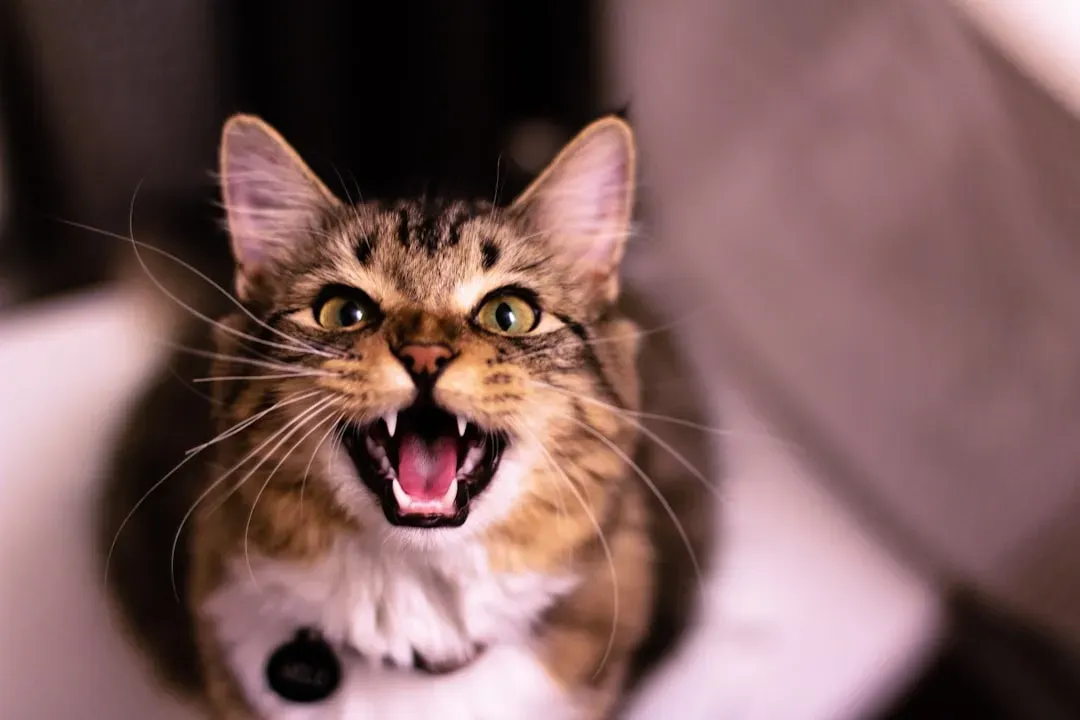
There’s something quite striking about this: your cat probably doesn’t meow at other cats the way it meows at you. Studies have shown that domestic cats tend to meow far more than feral cats, and they rarely meow to communicate with fellow cats or other animals. The meow, it turns out, is largely a human-directed vocalization that cats developed specifically through their relationship with us.
Meowing is synonymous with cats and is a distinctive, common high-pitched call. Kittens meow to attract their mothers, but in adult cats, the meow is almost exclusively used to communicate with humans. In other words, when your cat meows at you, it’s making a deliberate effort to get your attention in a way it has learned actually works on people. Domestic cat meows vary far more than those of their wild relatives, suggesting that life alongside humans reshaped how cats use their voices. Living with humans, who differ greatly in their routines and responses, likely favored cats that could flexibly adjust their meows.
The Purr: More Complicated Than You Think
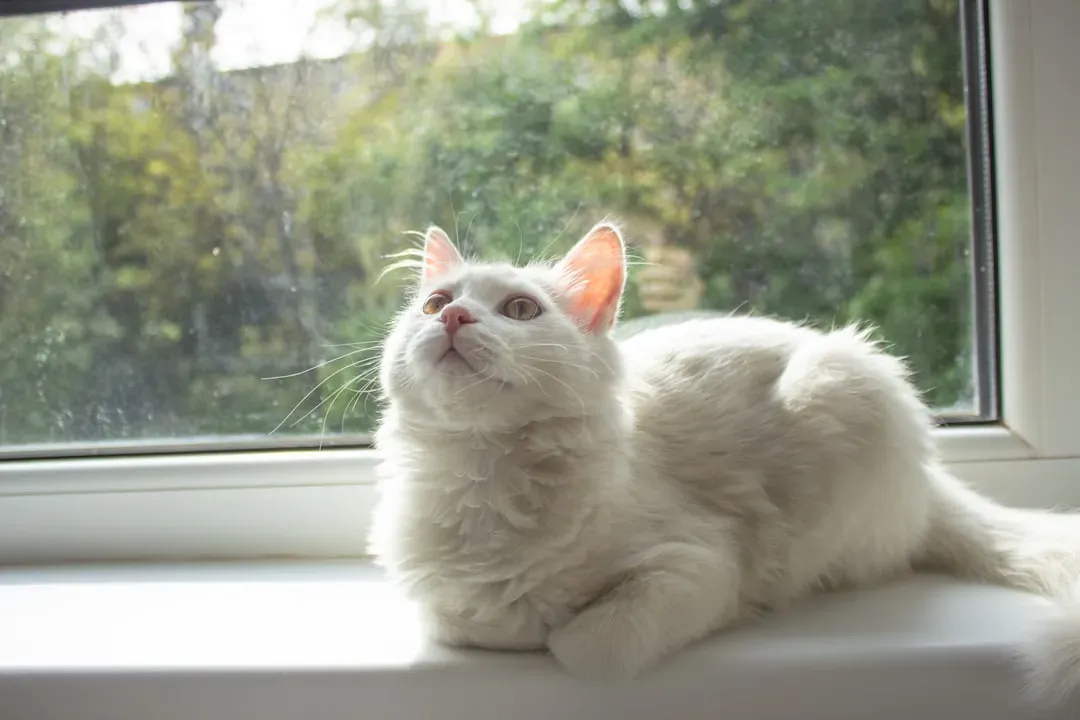
Purring is believed to indicate a positive emotional state, but cats sometimes purr when they are ill, tense, or experiencing traumatic or painful moments. It has also been suggested that purring can act as a soothing mechanism and can promote healing. So while purring is often a sign of contentment, treating it as a reliable indicator of happiness alone can mislead you.
Scientists discovered that purrs are stable and uniquely identifiable, while meows change dramatically depending on context. Domestic cats have evolved highly flexible meows as a way to communicate with humans. What makes the purr especially interesting is its physical consistency across individual cats. Domestic cats are small, and researchers had puzzled over how these animals manage to generate the low-frequency vocalizations, typically between 20 and 30 hertz, involved in purring. Such frequencies are usually only observed in much larger animals, such as elephants, which have far longer vocal cords. The next time your cat purrs, know that you’re witnessing a genuinely remarkable biological feat.
What the Tail Is Actually Saying
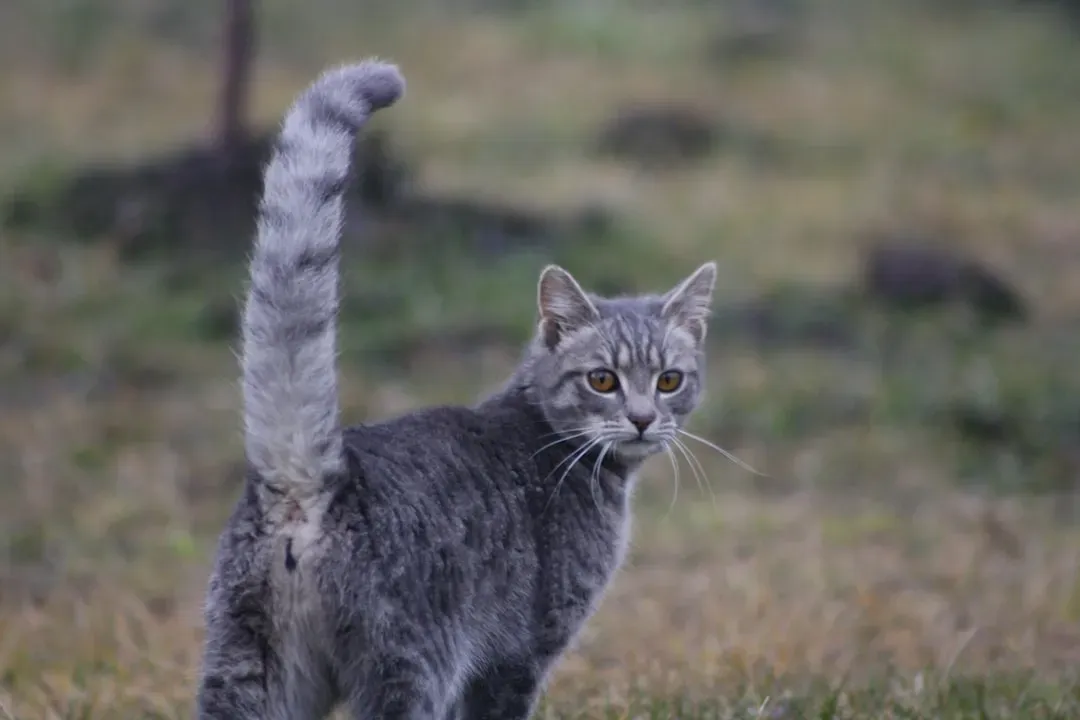
The tail position is a well-known way that cats communicate visually. Generally, the tail-up position, where the tail is held vertically in the air at a right angle to the ground, signals friendly intent when a cat approaches another cat, animal, or person. A raised tail greeting is essentially the feline equivalent of a warm hello. In this relaxed posture, the ears are normally pricked up and the whiskers are relaxed.
A tail tucked between the back legs is often a sign that a cat is anxious or fearful, whereas a tail held out, moving slowly side-to-side across the body may signal frustration. There’s also an important escalation signal to watch for. In more extreme cases, the tail may be held up and puffed out by raising the hairs to make the cat’s silhouette appear larger. When a bushy tail is combined with an arched back and sideways stance, this is a hostile, distance-increasing signal to other cats. Context matters greatly here, so you’ll want to read the tail alongside other cues before drawing conclusions.
The Language Living in Your Cat’s Ears
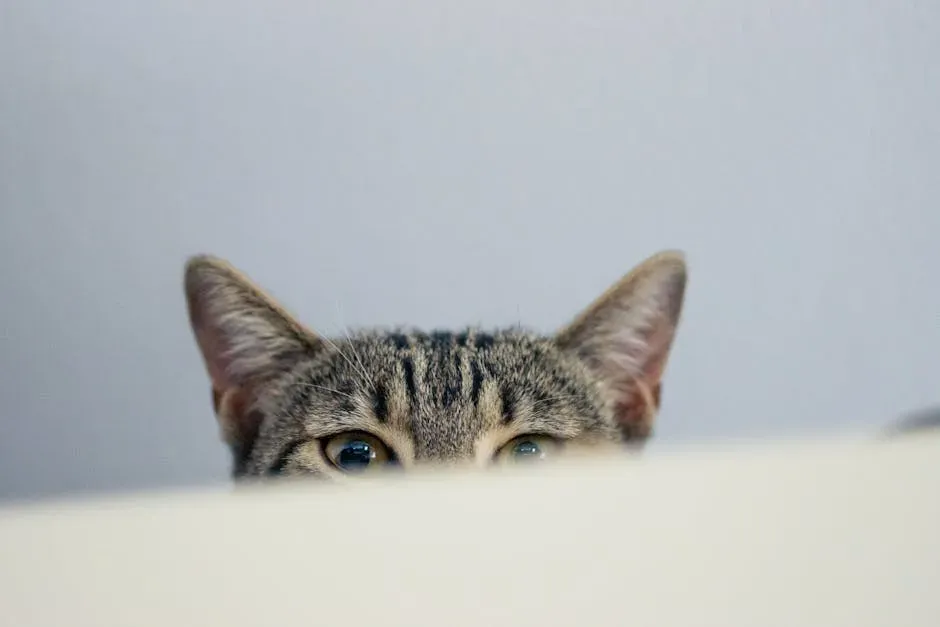
Cat ears rotate independently and can shift position rapidly, making them one of the fastest channels of feline communication. Forward-facing ears in a neutral, relaxed position signal contentment. When the ears push further forward and become alert, your cat is curious or focused, gathering as much sound information as possible before deciding how to react. This is a useful thing to notice, because a cat with forward-alert ears hasn’t decided anything yet.
Ears rotated sideways into what’s sometimes called “airplane mode” indicate fear or nervousness, telling you the cat is uncomfortable and may lash out if pushed. Ears flattened fully backward and pinned low against the head are the strongest warning signal: back off, or expect a bite or scratch. Reading your cat’s ears in combination with its tail and eyes gives you a surprisingly detailed picture of what it’s trying to say at any given moment.
The Slow Blink: A Gesture That Science Has Now Confirmed
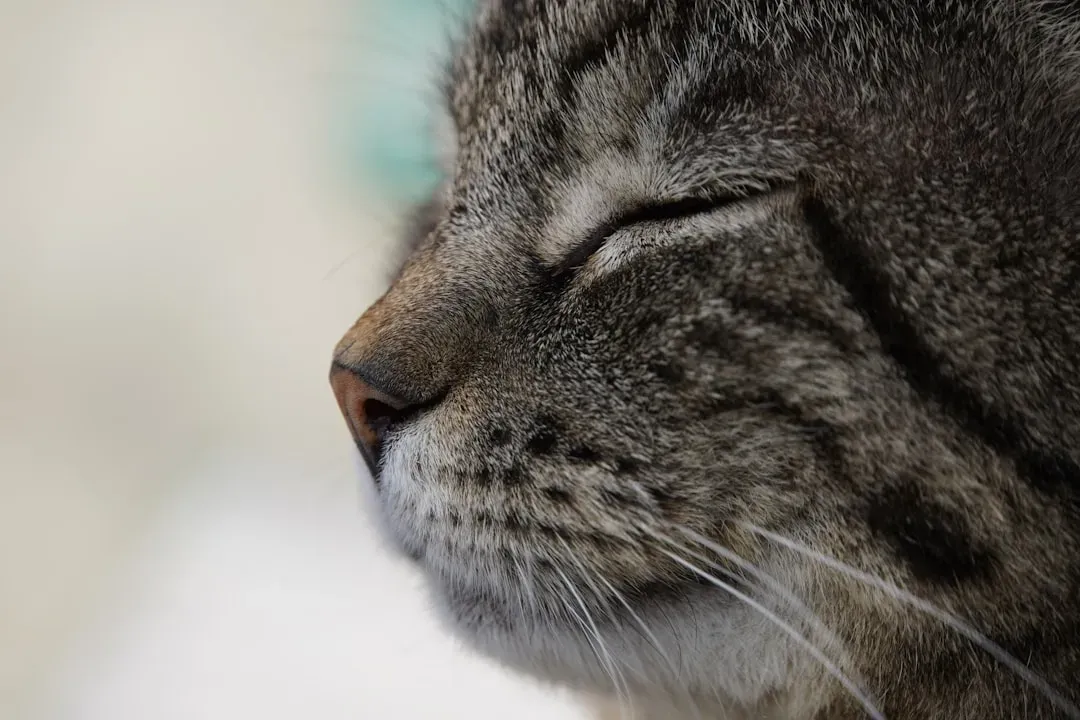
Research has examined the communicatory significance of a widely reported cat behavior involving eye narrowing, referred to as the slow blink sequence. Slow blink sequences typically involve a series of half-blinks followed by either a prolonged eye narrow or an eye closure. Cat owners had suspected for years that this gesture meant something positive, and now there’s solid scientific backing for that intuition.
In one experiment, cat half-blinks and eye narrowing occurred more frequently in response to owners’ slow blink stimuli toward their cats compared to no owner-cat interaction. In a second experiment, cats had a higher propensity to approach an experimenter after a slow blink interaction than when the experimenter had adopted a neutral expression. The practical takeaway is simple: cats that responded to human slow blinking were rehomed quicker from shelters than cats that closed their eyes less, suggesting that the use of slow blinking may have given cats a selective advantage during the domestication process.
Scent Marking and Head Bunting: The Chemistry of Affection
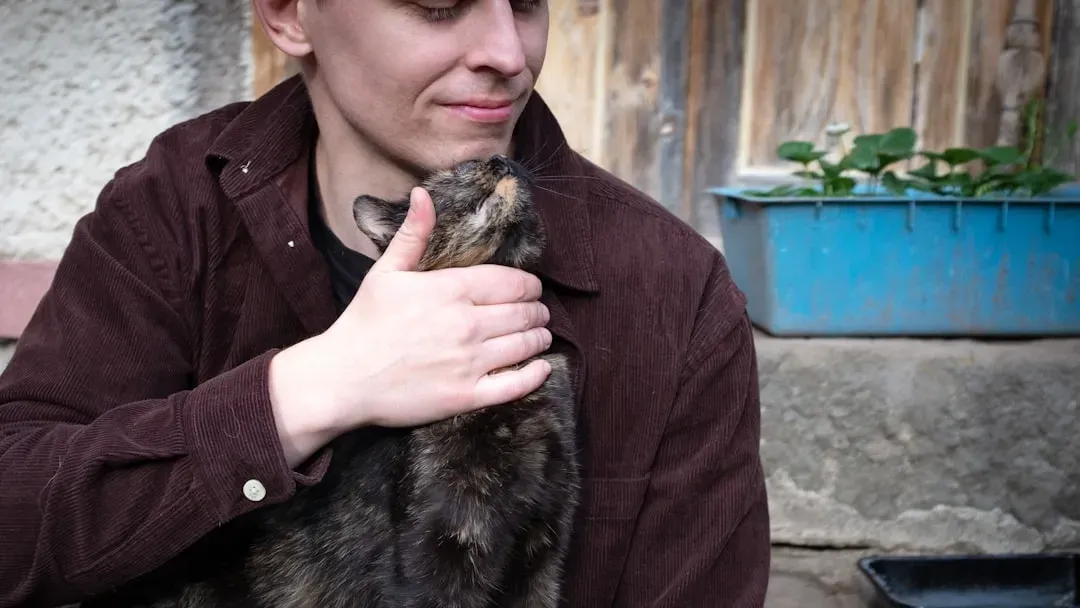
When your cat rubs its face against your hand or bumps its forehead into your chin, it’s doing more than showing affection. Cats have scent-producing glands along their forehead, chin, lips, and cheeks. By rubbing these areas against you, they deposit chemical markers that identify you as part of their social group. It’s a form of communication directed both at you and at any other cat that might later catch your scent.
Headbutting and rubbing are forms of cat communication that allow cats to mark their territory by transferring scent from glands located around their cheeks and jaw. These behaviors signal comfort, affection, and familiarity. Bunting is also a sign of trust and affection. When cats bunt their owners, they are reinforcing their bond and expressing a sense of belonging. Among cats, this behavior is often observed in friendly social interactions, especially in multi-cat households. In short, when your cat head-butts you, it’s not being pushy. It’s claiming you in the kindest way it knows how.
Kneading: An Instinct That Never Fully Goes Away
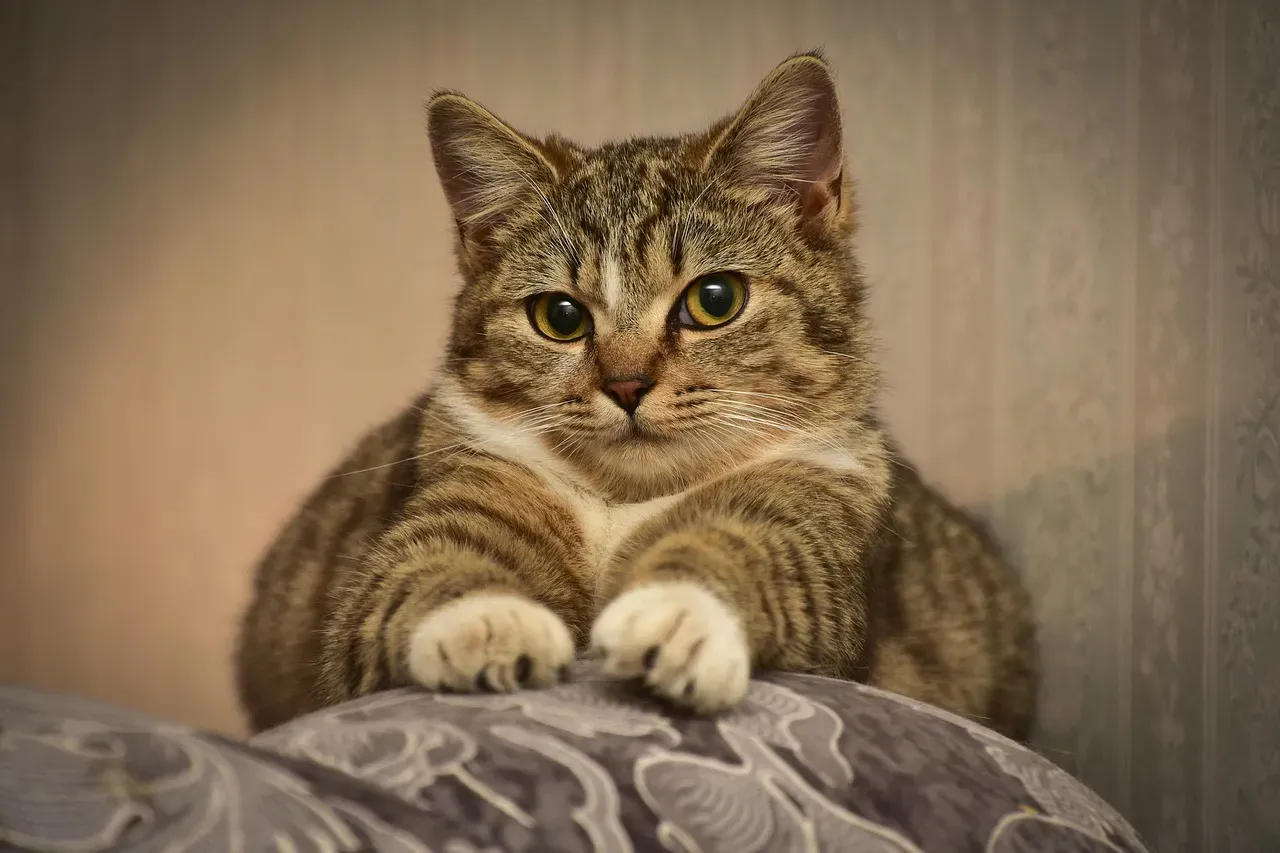
Kneading may have an origin going back to cats’ wild ancestors who had to tread down grass or foliage to make a temporary nest in which to rest. Alternatively, the behavior may be a remnant of a newborn’s kneading of the mother’s teat to stimulate milk secretion. Kneading may also be a form of communication between owner and feline: because of the action’s maternal connection, the behavior may be a communication of affection toward the cat’s human companion.
According to different hypotheses, cats use kneading to mark their territory and communicate through scent signals. Cats have scent glands located in the smooth pads of their paws, and by kneading, they release pheromones onto the surface they’re pressing against. These pheromones function as an aroma marker, letting other cats know that the area is claimed. Cats don’t just knead anyone. They only do it with people they trust, which means they see you as someone who provides comfort and security for them. That’s quite a statement of faith from an animal that chooses its intimacies carefully.
How Cats Combine Signals and Why You Should Pay Attention to Both
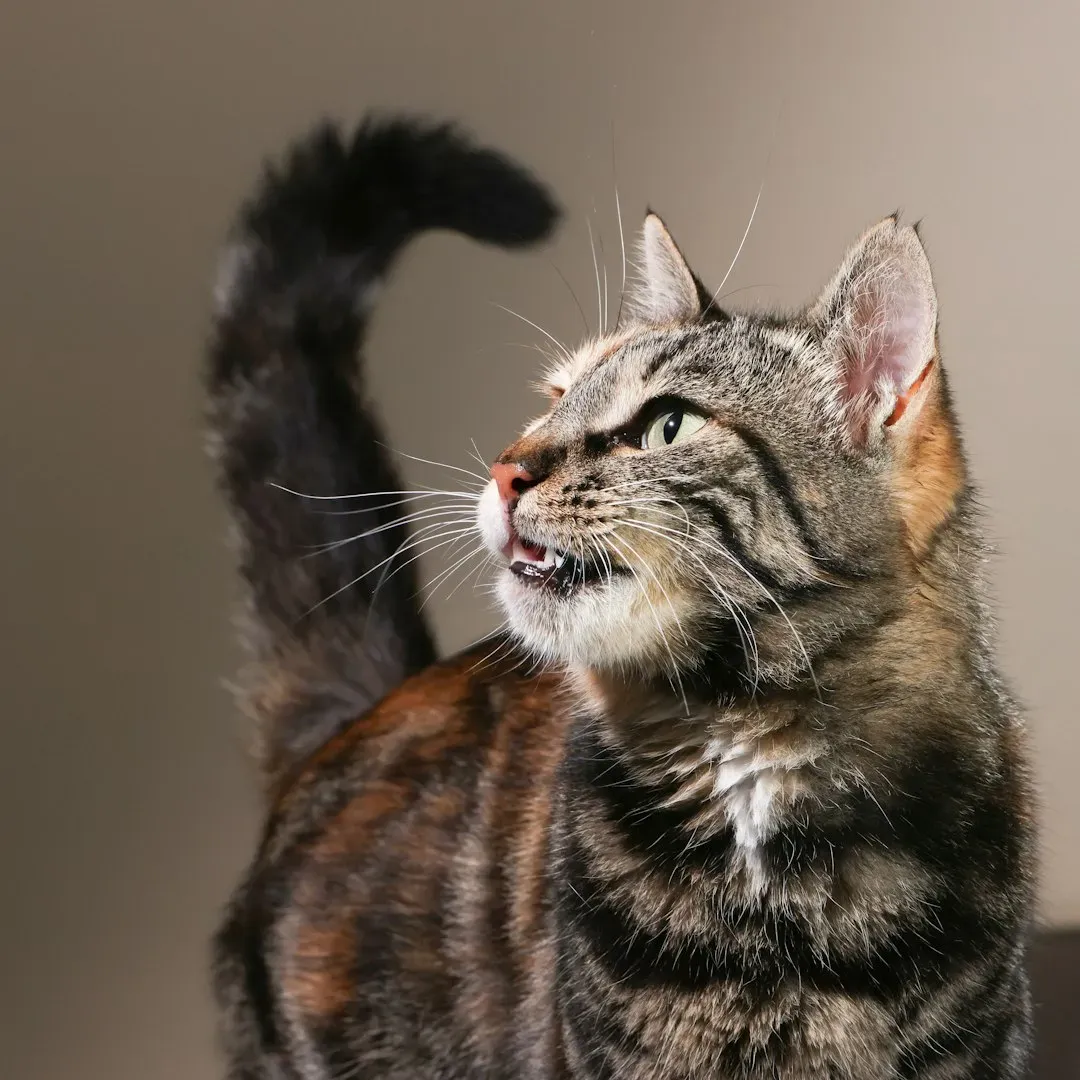
Research reveals that humans tend to misread cats’ cues indicating negative emotional states like stress, discomfort, or threat at an alarming rate of nearly one third of the time. In contrast, people are much better at recognizing when a cat is feeling content and friendly based on their communication signals. The gap is telling. You’re reasonably good at reading happiness, but you may regularly miss when your cat is uncomfortable.
Video clips showing a bimodal expression, meaning both visual and vocal cues together, were identified with the highest accuracy compared to visual-only or vocal-only signals. Contentment returned the highest identification score, followed by solicitation, then predatory behavior. Discontentment was the most difficult behavior to correctly identify. The lesson here is practical: combining visual and vocal cues is by far the most effective method of understanding what your cat is communicating, in both directions. Watch the whole cat, not just what you can hear.
Chattering, Chirping, Trilling, and the Sounds Most People Overlook
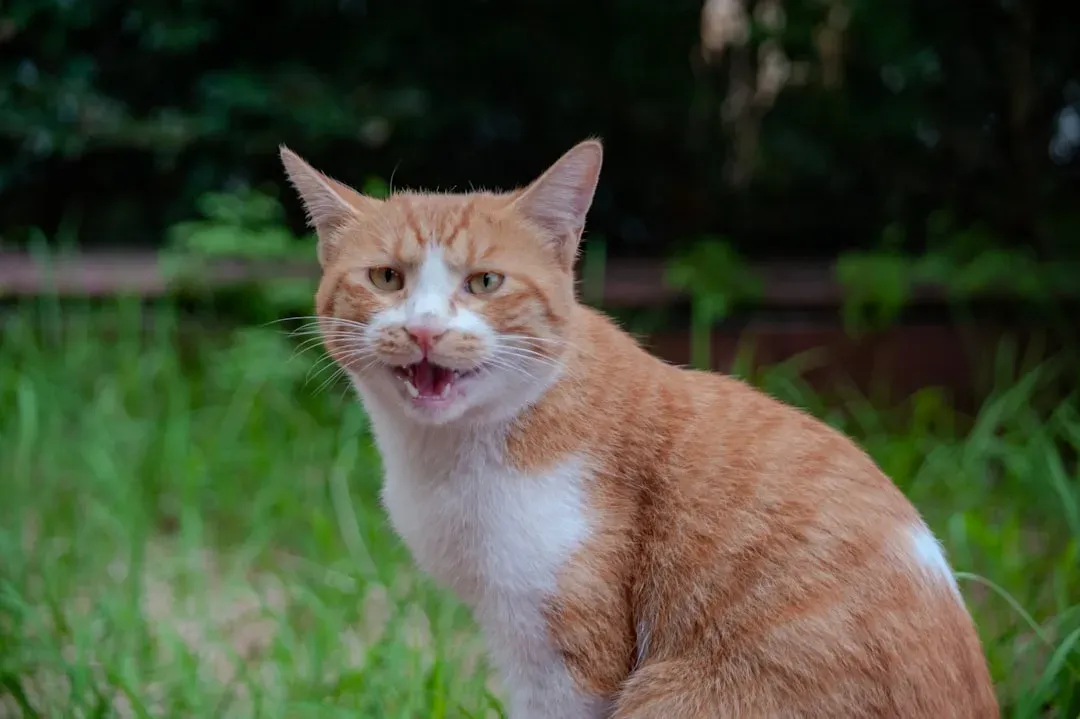
Approximately 20 sounds are produced by adult cats, which include not only the more widely known meows and purrs, but also chirps as contact calls, voiceless chatter as displacement of prey, and trills for greeting. Most cat owners are familiar with meowing and purring, but these lesser-known sounds carry specific and readable meanings if you know what to listen for.
A chirp is a short, high-pitched call that sounds similar to a bird. Chirping and chattering occur when cats spot prey, such as birds, and can also be used to attract the attention of other cats, signaling curiosity or excitement. A trill is produced with a soft voice and sounds like a purr but with a higher pitch. Cats may trill to greet and thank their human family members for something, such as a snack or a pet. It is one of the most common amicable sounds a cat makes. If your cat trills at you when you walk through the door, take it as a genuine compliment.
Conclusion: You’re Not Fluent Yet, But You Can Be
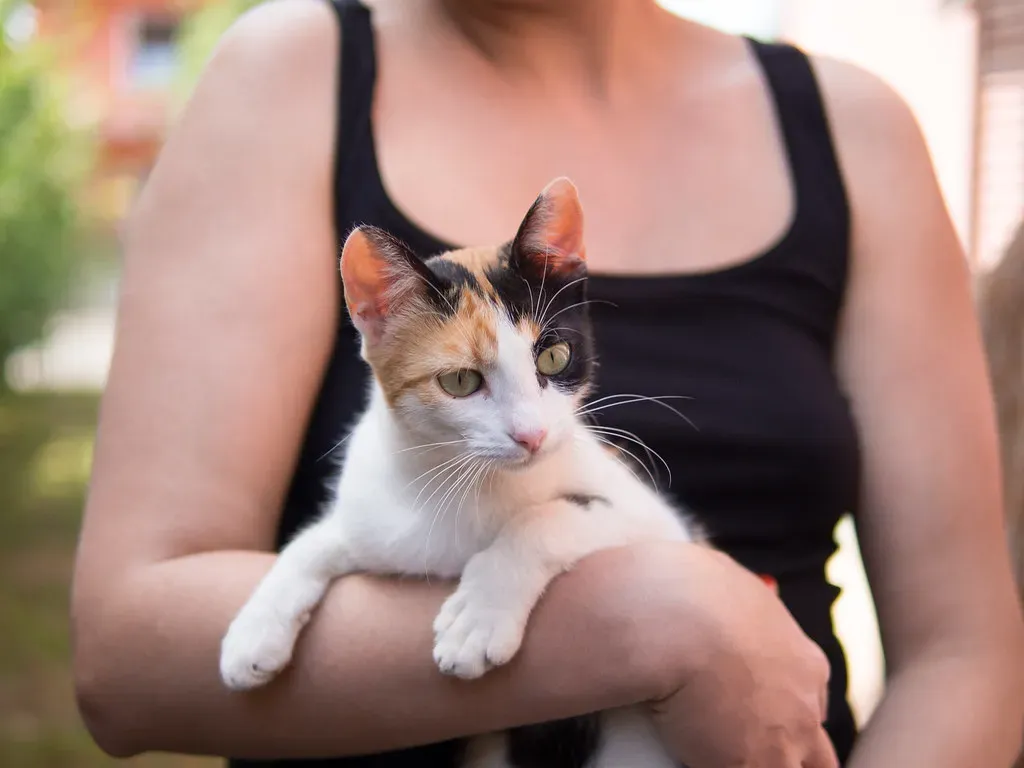
Humans and cats have a long, shared history that has become increasingly close and complex over the past several decades, due to a progressive shift in sentiment toward cats as close companions and family members. This shift has coincided with an increase in cats being kept indoors and a growing appreciation for the human-cat bond. Yet despite this closeness, many people still treat feline communication as a mystery rather than a learnable skill.
Research shows cats adjust their body language and vocalizations when interacting with humans, using more eye contact and meows than they do with other cats. Your cat is already adapting its language for you. The remaining work is yours. Research also discovered that cats become stressed when people pretend they’re not there. When completely ignored, cats showed clear signs of stress such as frequent tail flicking. This confusion likely comes from sensing someone nearby but not understanding why they’re being ignored.
The relationship between you and your cat is already a two-way conversation. It always has been. You’re just now learning to read your half of the exchange. Start with the tail, the ears, and the slow blink, and you’ll be surprised how much your cat has been saying all along.