Ever watched your cat’s tail and wondered what they’re trying to tell you? It’s like they’re speaking a language you can’t quite crack. You might notice your feline friend doing a little swish here, a dramatic puff there, and think it’s all just random movement. Honestly, it’s anything but random. Your cat’s tail is one of their most expressive tools, revealing feelings and intentions you might be missing completely. Let’s dive in and decode what your cat’s really saying when their tail starts talking.
The High and Proud Tail Position
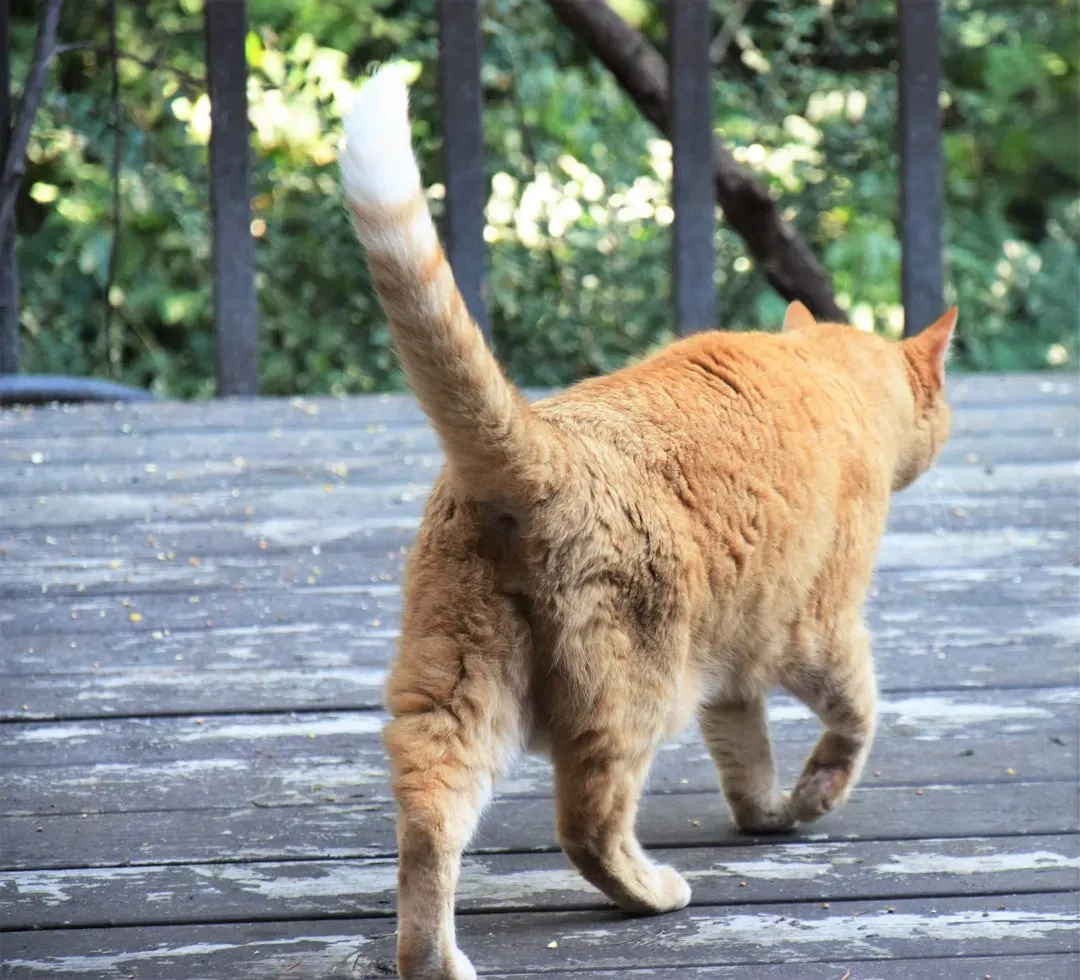
When your cat’s tail is upright, they are feeling social and confident, and are approaching in a friendly manner. Picture your cat strutting toward you like they own the place. That’s confidence radiating from every whisker. This cat tail language indicates a friendly greeting between cats, and it’s how kittens greet their mothers.
If your cat approaches you with their tail up, they are open to an interaction. This is a good time to pet them or play with them. This is your green light for affection. Think of it as your cat saying hello with their whole body. It’s hard not to feel special when they parade toward you with that tail held high, ready for some quality time together.
The Curly Question Mark Tail

Sometimes your cat’s tail looks like a question mark – it stands upright but curls at the end. This cat tail language indicates that your cat is happy and approaching amicably. Let’s be real, this has to be one of the cutest tail positions out there. Your cat is basically asking if you’d like to hang out.
When your cat’s tail is in this position, it means it’s an invitation to interact with your cat. That’s because the question mark-shaped tail position is a cat’s way of asking you, Would you like to play? They’re feeling playful and curious, ready for whatever fun you’ve got planned. Though keep in mind, most cats prefer to be pet around their facial glands on their cheeks, under their chin, and next to their ears.
The Tail Wrapped Around You
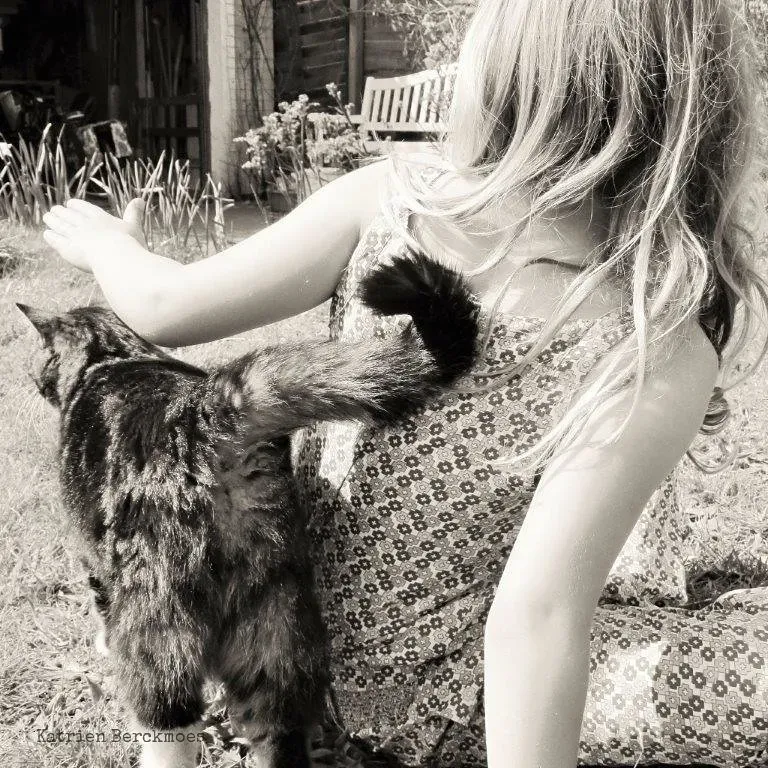
If your cat snuggles up next to you with their tail curled around you, it means you’re part of their in-crowd – they like you a lot! This is basically a kitty hug. When your cat wraps their tail around your arm or leg, you’re witnessing genuine affection in action.
This is a very pro-social tail behavior. In other words, this is one of the ways cats bond and socialize with each other. While walking, cats may intertwine their tails as a gesture of affection and friendship. When resting, a cat may wrap their tail over another cat with whom they are bonded, as an affectionate display as well. You should feel honored. Your cat considers you family.
The Quivering Excited Tail
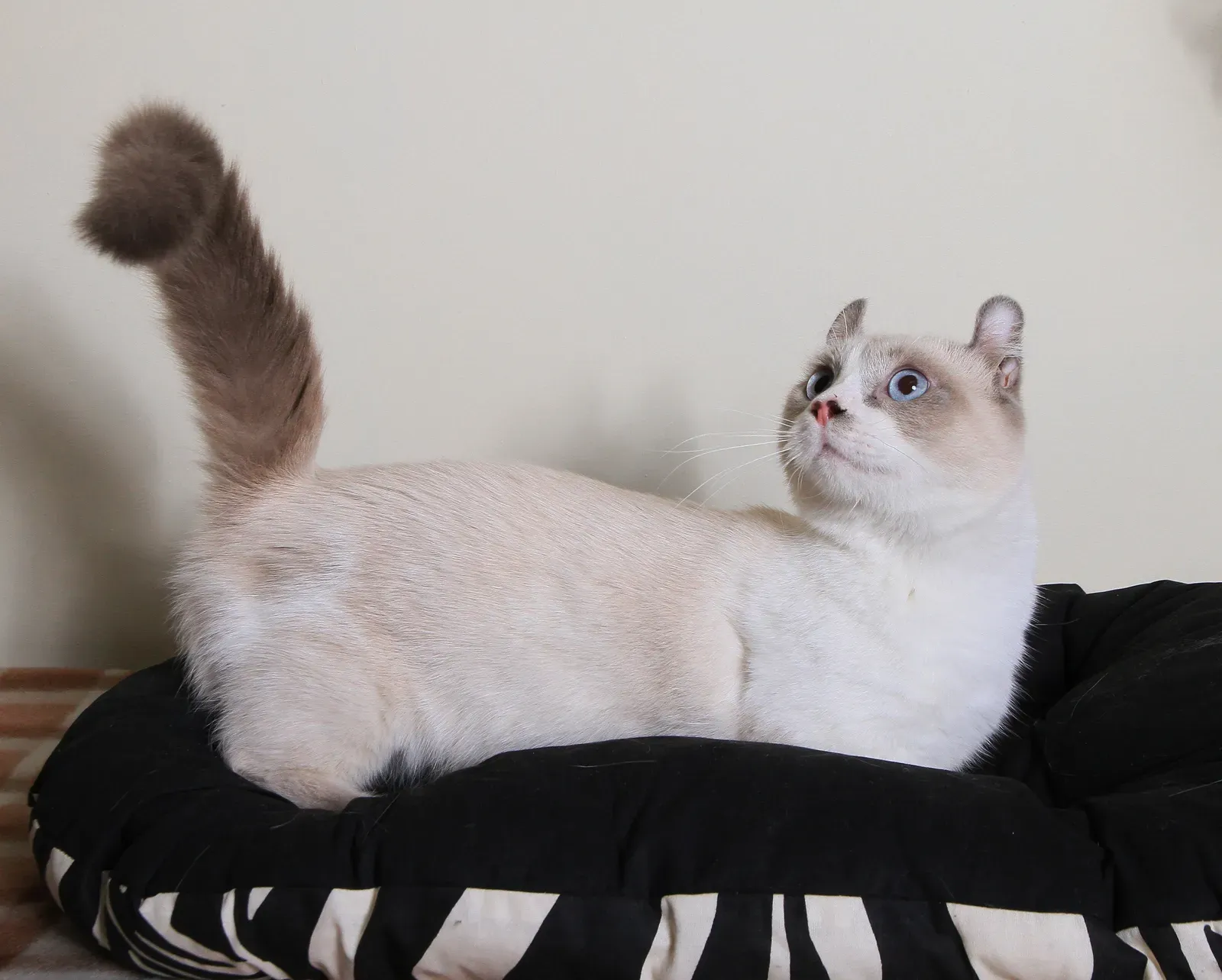
Your cat may quiver their tail when they are especially excited to see you or another cat. You know that moment when you walk through the door and your cat rushes over with their tail standing straight up and vibrating like a little antenna? That’s pure excitement.
The tail quiver is quite possibly the cutest tail action, as it means that they’re excited to see you! Your cat will approach you with their tail high up in the air and the tip will do a little quivering movement, similar to how a rattlesnake shakes their tail. It’s their way of saying they’re thrilled you’re home. Sometimes this movement can look like they’re about to spray, but if there’s no urine involved, it’s just happiness radiating from your feline friend.
The Slow Swishing Focused Tail
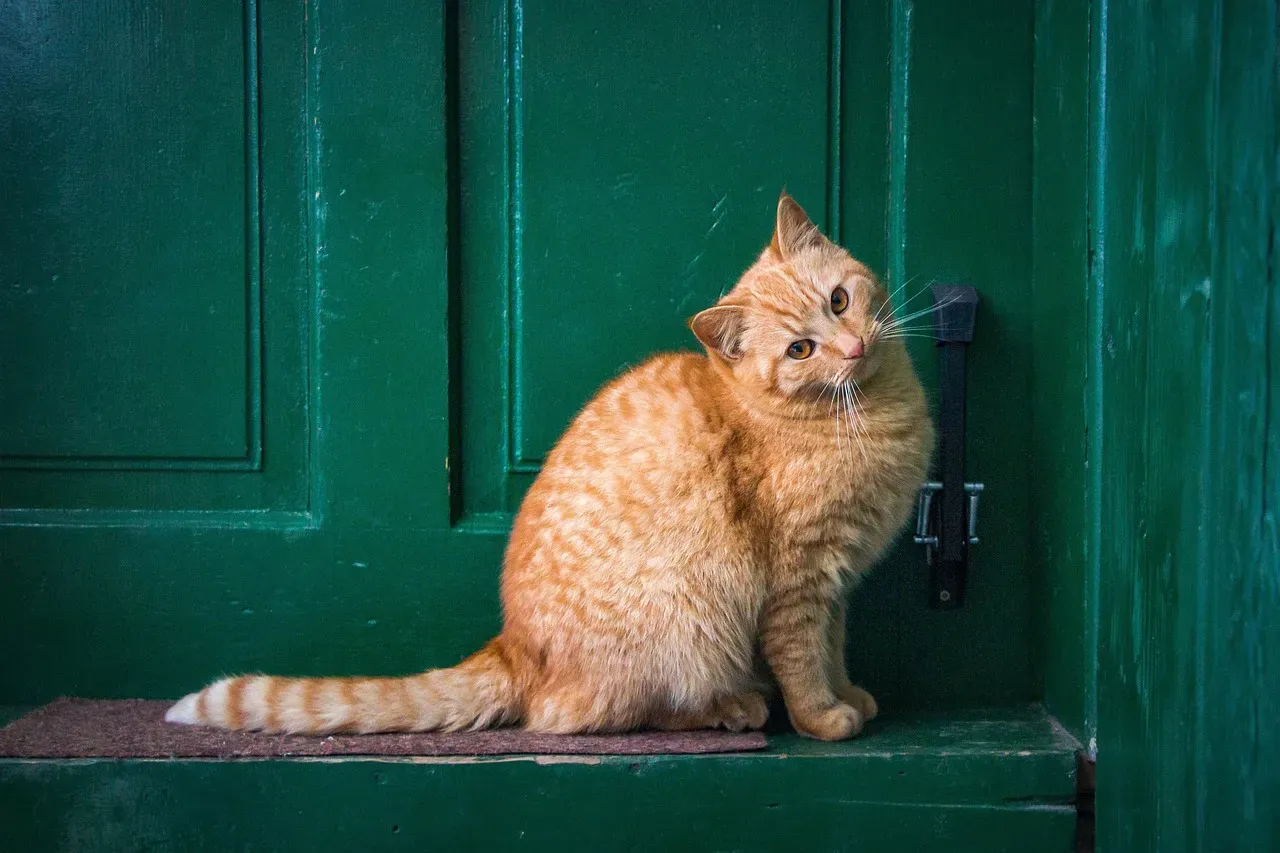
When your cat slowly swishes their tail from side to side, they may be intently focused on something like a toy, another animal in the home, or something outside. They may be about to pounce. This is your cat in hunting mode. Their inner predator has awakened.
When the tail moves in a slow, fluid sweeping motion from side to side, your cat is calmly interested. The Vibe: Alert but relaxed. You might catch them doing this while staring out the window at a bird or eyeing a toy across the room. Engaging in predatory behavior like stalking and pouncing is good enrichment for your cat, so let them continue to engage in whatever is captivating their attention. Let them be the fierce hunter they’re meant to be.
The Twitching Tip of the Tail
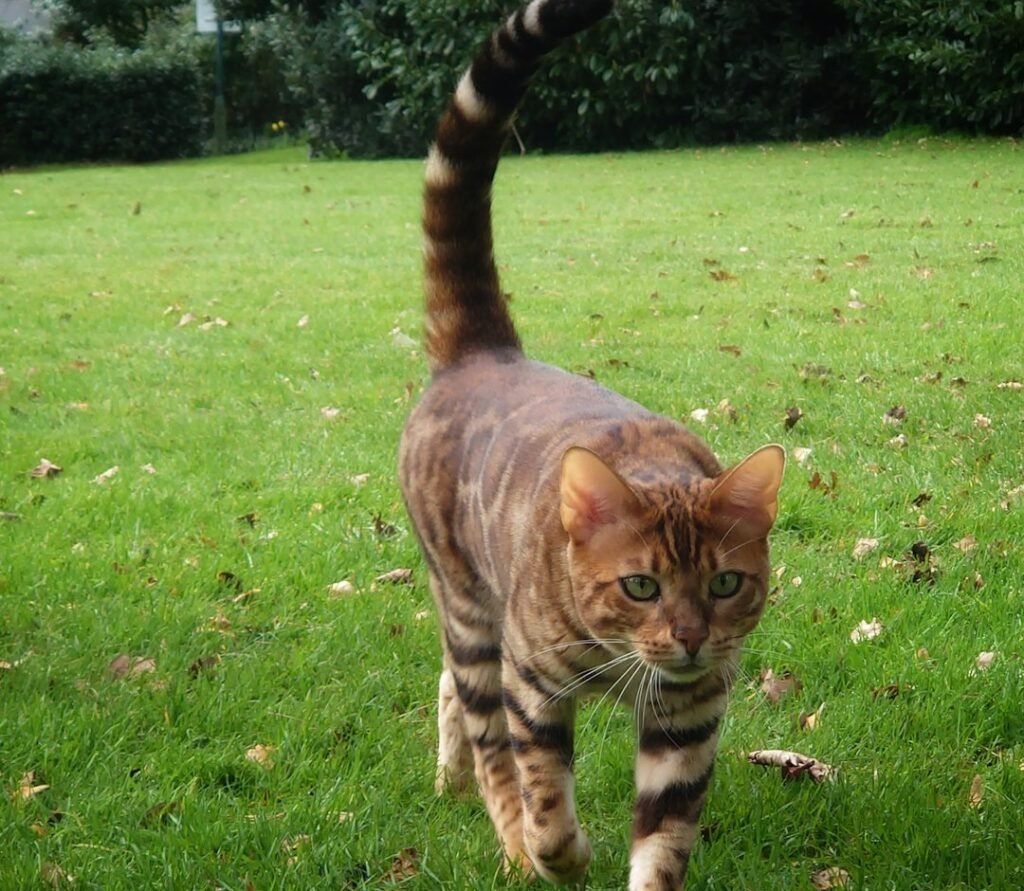
Cats twitch the end of their tails when they are hunting and playing, as well as when they are mildly irritated and frustrated. If they’re not playing or stalking something, then the twitching tail movement probably means that they are annoyed. Here’s where things get tricky. Context matters a lot with this one.
If you focus on their tail, you will see your cat twitching it from side to side. This is a key indicator that they are alert and focused on something that has caught their attention! It could mean they’re concentrating on potential prey. Yet if your cat is sitting next to you and starts twitching just the tip, they might be losing patience. Read the room and watch for other body language cues.
The Thrashing Angry Tail
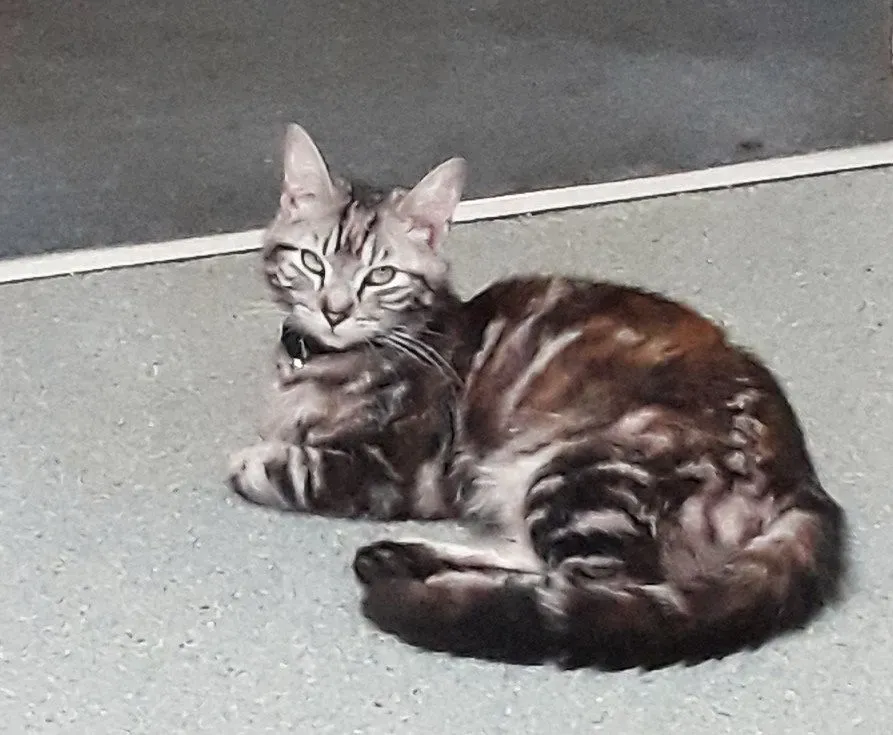
When your cat thrashes their tail or is thumping it on the ground, they are irritated, annoyed, or angry. This tells you that something is bothering your cat. This is your warning signal. Your cat is essentially waving a red flag.
If you are petting your cat and they start thrashing their tail, they are trying to tell you to stop. If you don’t, then the thrashing tail may be a prelude to hissing, growling, swatting, or biting. Seriously, back off when you see this. A tail thumping rhythmically against the floor is another clear form of cat communication. While it might look playful or casual, it typically signals that your cat is bothered – or that they’re highly alert. Ignoring this signal is asking for trouble.
The Tucked and Hidden Tail
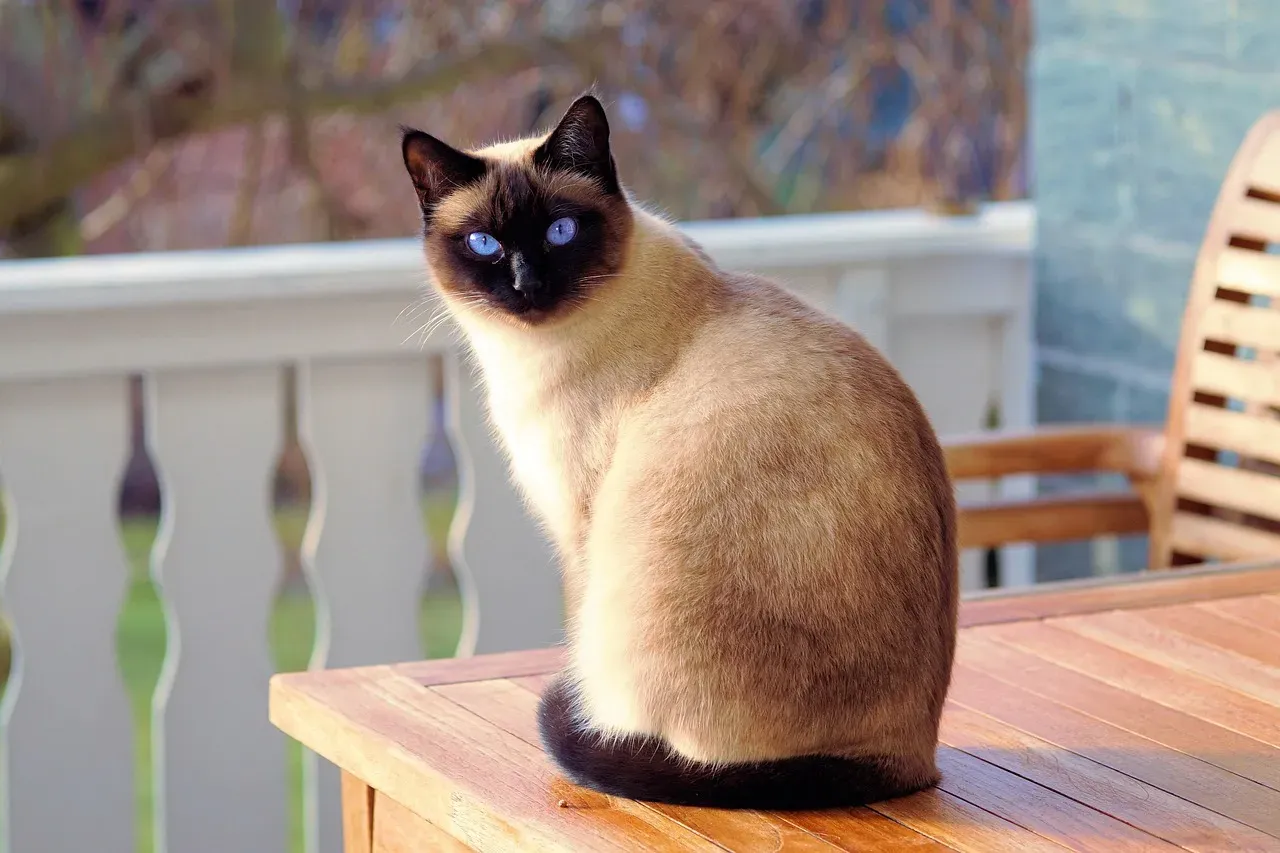
A cat may lower their tail below the level of their back if they are frightened or anxious. If your cat’s tail is tucked between their legs, then they are really scared or may be experiencing pain. This position screams vulnerability. Your cat feels threatened or uncomfortable.
Cats will walk or stand with their tail tucked very close to their body as a sign of submission or fear. If your cat is sitting or lying down with their tail wrapped around their body, then they are frightened, defensive, in pain, or feeling unwell. When you see this, give your cat space and try to figure out what’s causing their distress. If it persists, it might be worth a vet visit.
The Puffed Up Bottle Brush Tail
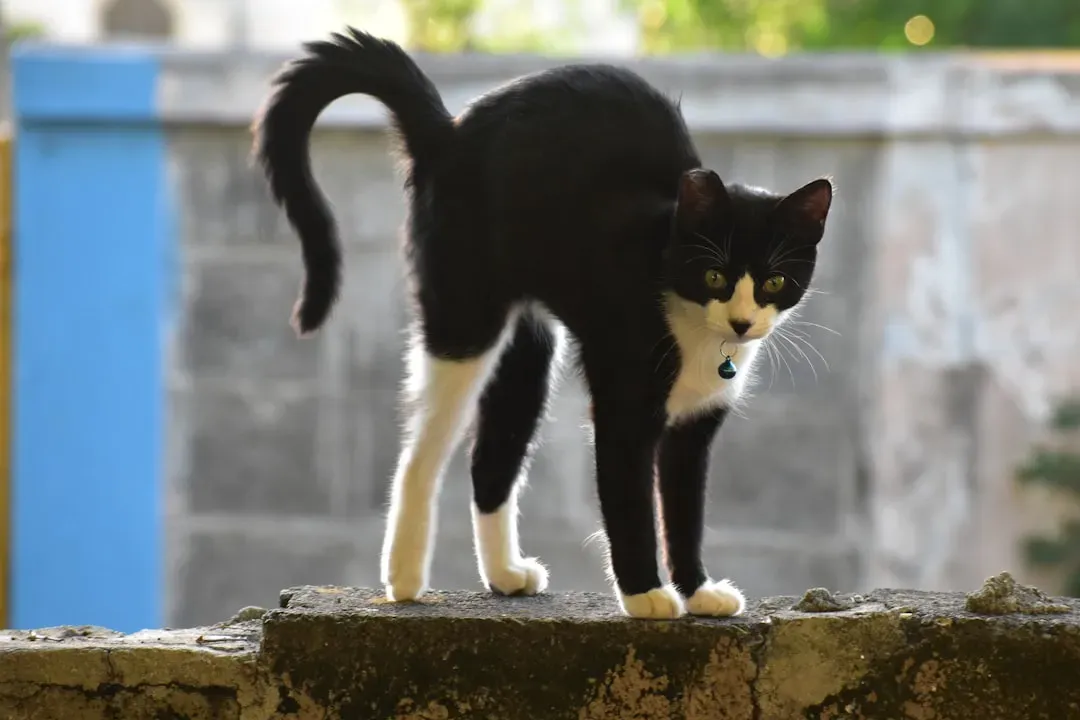
If your cat assumes the quintessential Halloween-cat posture with a puffed tail and arched back, then they are startled or frightened by a sudden, severe threat. Your cat’s hair stands on end (piloerection) so they can appear to be larger. This is fear at its peak. Your cat is trying to look intimidating.
This is a defensive reaction indicating that your cat wishes to be left alone. This tail position is often triggered by feeling threatened, such as by other animals in the yard, approaching dogs, visitors in the home, or sudden noises. A puffed-up tail is a very clear sign that your cat is frightened and perceives that there is a severe threat. This behavior is believed to be the cat’s attempt at looking as big as possible to any prospective predator. Give them distance and remove whatever is causing the panic.
The Tail Wrapped Around Their Own Body
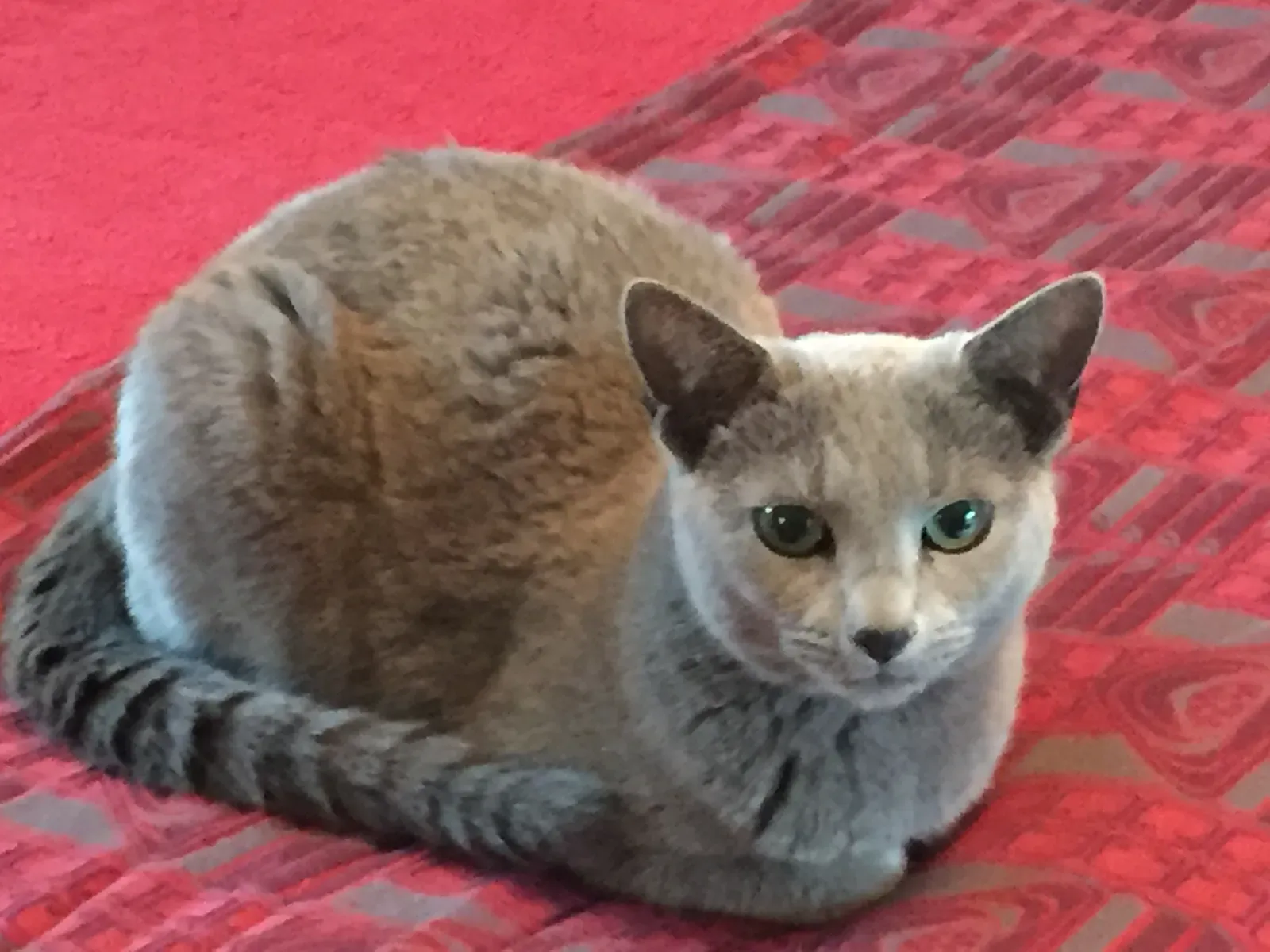
If your cat is sitting or lying down with their tail wrapped around their body, then they are frightened, defensive, in pain, or feeling unwell. This curled position can mean several things, and not all of them are bad. Sometimes cats do this simply because they’re comfortable or cold.
A cat sitting on your lap may curl their tail around themselves for warmth or because it’s just a comfortable thing to do. Still, in general, this tail position is saying the cat would prefer not to interact. A cat who has tucked the tail between the hindlegs is very frightened. Pay attention to the overall situation. If your cat seems relaxed otherwise, they’re probably just cozy. If they seem tense, something is wrong.
Understanding Your Cat’s Complete Message
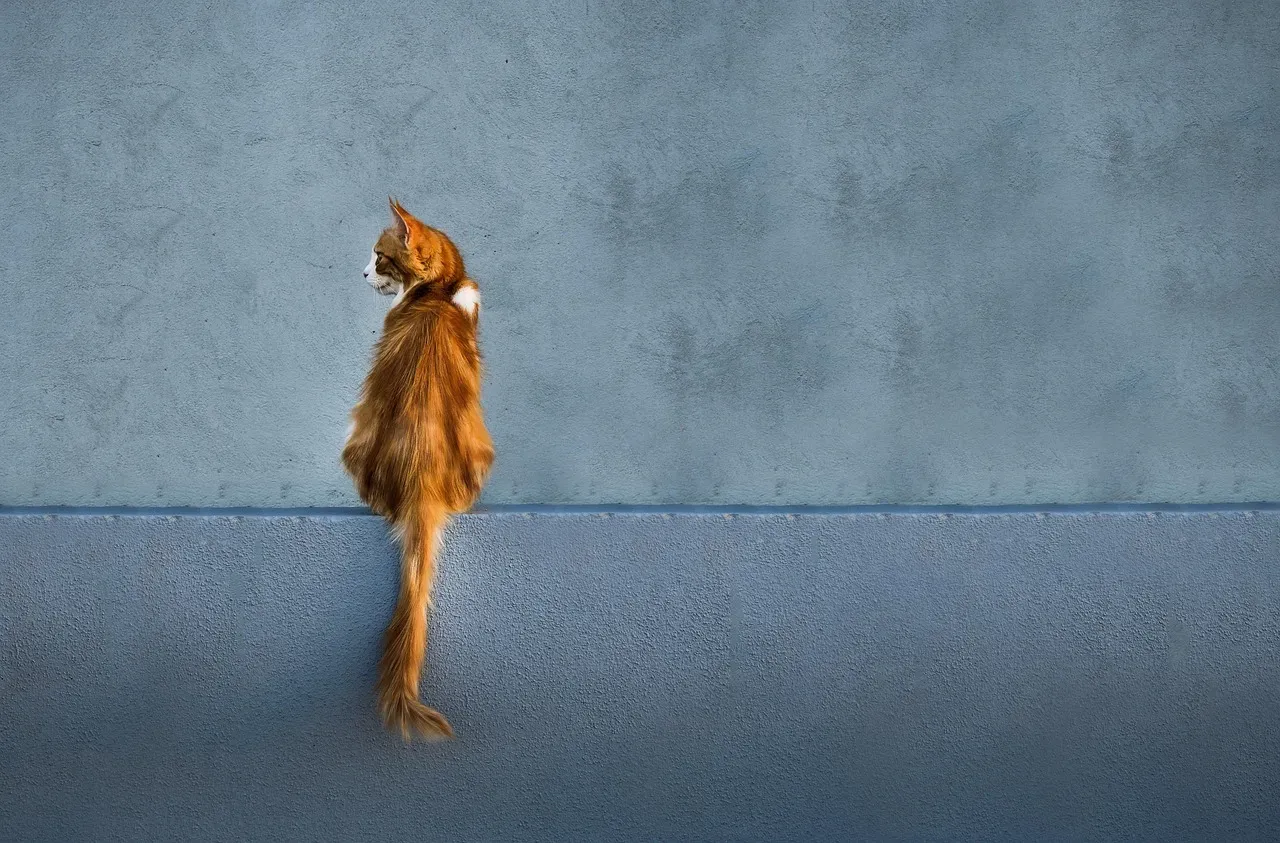
Cats use their tail movements, along with their eyes, ears, and body postures, to communicate. Understanding cat tail language will help you to better understand your cat. The tail is just one piece of the puzzle. You need to look at the whole picture to truly understand what your feline is feeling.
Reading your cat’s body language will help you determine how your kitty feels about particular interactions. This allows you to identify the situations or environments that make your cat happy or cause fear. Reading the tail language of a cat can also help you identify illness and pain more readily. The more you pay attention to these signals, the stronger your bond will become. You’ll start anticipating their needs and responding in ways that make them feel understood and safe. What will you notice about your cat’s tail today? Pay attention and let them know you’re listening.