The relationship between cats and mirrors has fascinated pet owners and scientists alike for decades. Picture your feline friend suddenly stopping mid-stride when they catch sight of another cat seemingly lurking in your hallway mirror. Some cats might be alarmed and puff their fur up, while others might not have a reaction at all. This captivating behavior opens a window into one of the most intriguing questions about feline cognition: do cats truly understand what they’re seeing in their reflection, or are they simply responding to what appears to be another cat?
Understanding how cats perceive mirrors reveals fascinating insights into their psychology, sensory processing, and social behaviors. The story goes much deeper than simple curiosity. It touches on fundamental questions about animal consciousness, self-awareness, and the remarkable ways our feline companions experience the world around them. Let’s dive into this mysterious realm where neuroscience meets everyday cat behavior.
The Science Behind Mirror Self-Recognition
Scientists have used the mirror-self recognition test (also called the MSR or mark test) to assess self-awareness in humans and animals for decades. How the test is run varies slightly from study to study, but MSR tests work by exposing animals to mirrors. Once the animal is used to the mirrors’ presence, the researcher places a marker, like a sticker or a patch of dye, on a part of the animal’s body they can’t readily see (their face or neck, for example).
If the animal investigates the visible mark on their body while looking at themselves in the mirror, they are said to pass the MSR test. In other words, they saw something unusual on their body when they looked in the mirror and reacted in a way that showed understanding that their reflection was their own image. Some animals, such as great apes, elephants, dolphins, and magpies, have passed the MSR test, but many others haven’t.
This test, originally developed by psychologist Gordon Gallup Jr. in 1970, remains the gold standard for measuring self-awareness in animals. However, scientists increasingly question whether this visual-based assessment truly captures the complexity of animal consciousness, particularly for species that rely heavily on other senses.
What Research Reveals About Cats and Mirrors
The scientific evidence regarding cats and mirror recognition presents a fascinating puzzle. While there haven’t been any rigorous mark tests involving cats, one recent study made use of YouTube videos and concluded that cats can’t recognize themselves in the mirror. We found clusters of cat behavior sequences in the YouTube cat responses to mirrors. Nearly half the cats fell into clusters involving aggressive behaviors, which has not been reported previously. This aggression is similar to the first stage of social reaction that many animals who demonstrate MSR go through when first exposed to mirrors, but no further.
Research analyzing YouTube videos showing cats interacting with mirrors and found no evidence supporting self-recognition. Cats displayed five distinct behavioral patterns that all failed to meet mirror self-recognition criteria: mostly confusion, brief investigation, and occasional aggression.
Interestingly, the research landscape suggests that while cats don’t demonstrate traditional self-recognition, their responses are remarkably complex. About half the cats fell into clusters involving exploratory behaviors, one of which, Turn towards, in which cats peered behind mirrors, was consistent with the pattern described by Kraus (1949). Curiosity does not by itself mean cats exhibit self-recognition, but it is consistent with the physical inspection of the mirror exhibited by other species in the process of replacing their social reactions to mirrors with self-directed behavior.
The Three Types of Feline Mirror Reactions
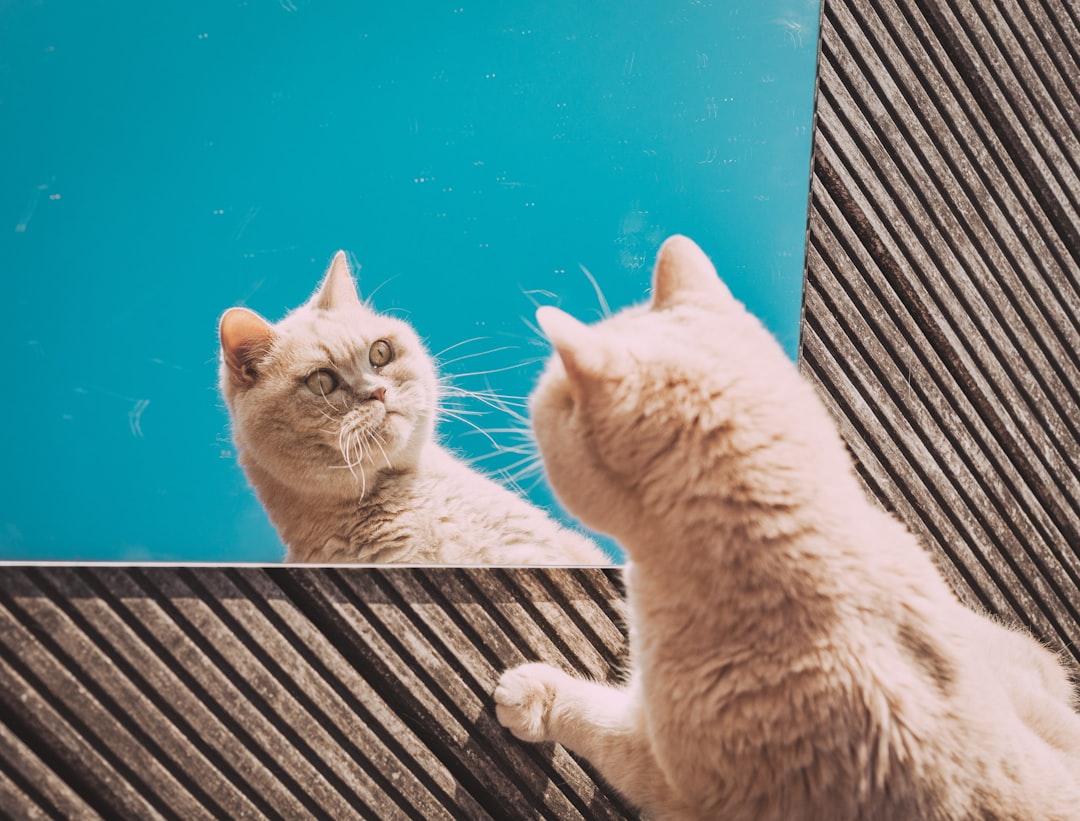
When encountering their reflection, cats typically display one of three distinct behavioral patterns. Many cats exhibit curiosity when they first encounter a mirror. They may approach and inspect it, trying to interact with their reflection as if it were another cat. This behavior suggests that they may not initially understand the nature of mirrors or their reflections.
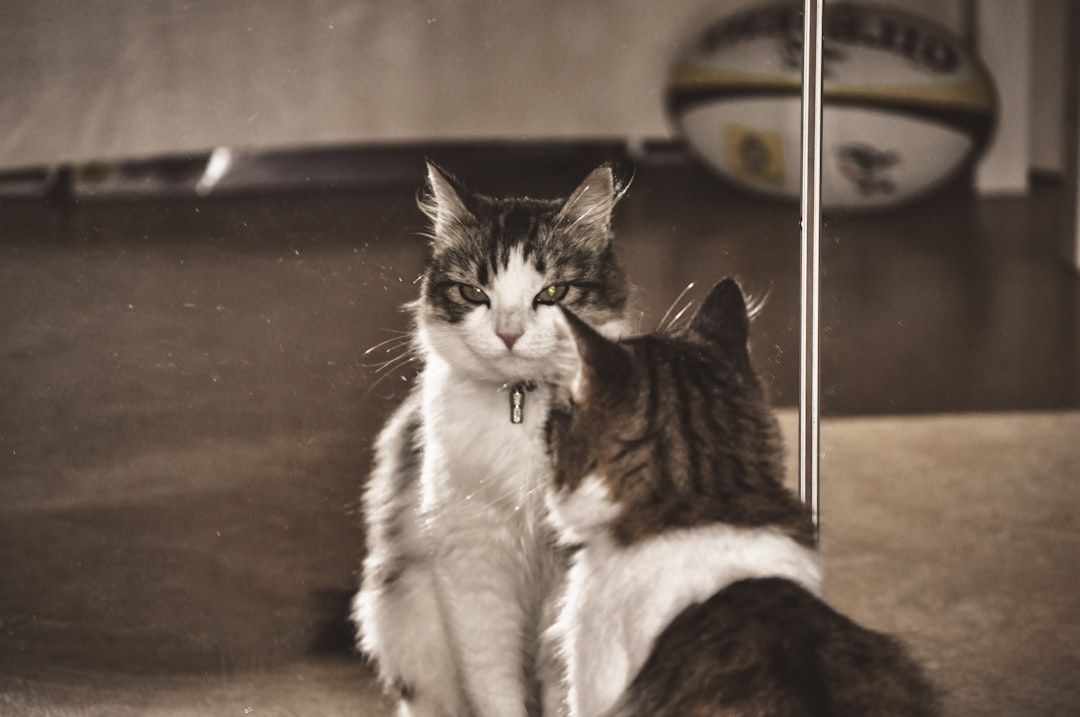
The second common response involves complete indifference. Some cats will simply ignore the ‘other’ cat and walk away. They are fairly independent creatures and although some will endure another cat’s presence – and even become buddies – others may prefer to live their own life. Therefore, when your cat spots their reflection in the mirror, they may turn around and carry on with their day, thinking it’s just another cat.
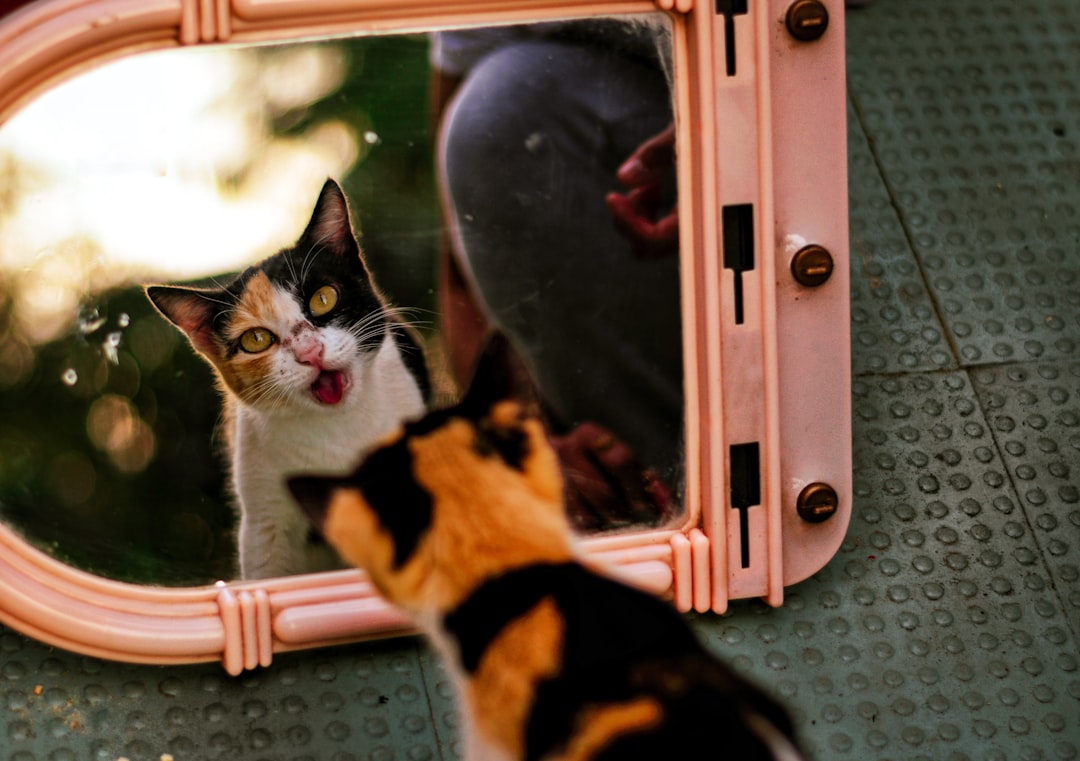
Hostility or aggression towards the mirror reflection is another common reaction, especially in more territorial cats. They might hiss, swat, or pounce at the “intruder.” This behavior could indicate that they do not recognize the reflection as themselves, mistaking it for another cat. According to research, the most common response to a cat seeing their own reflection in a mirror seems to be hostility towards the ‘other’ cat. Watch out for the signs, such as continued staring to display dominance, or dilated pupils and ears that lie flat to their head – likely indicating agitation.
Why Cats Don’t Recognize Themselves: The Sensory Explanation
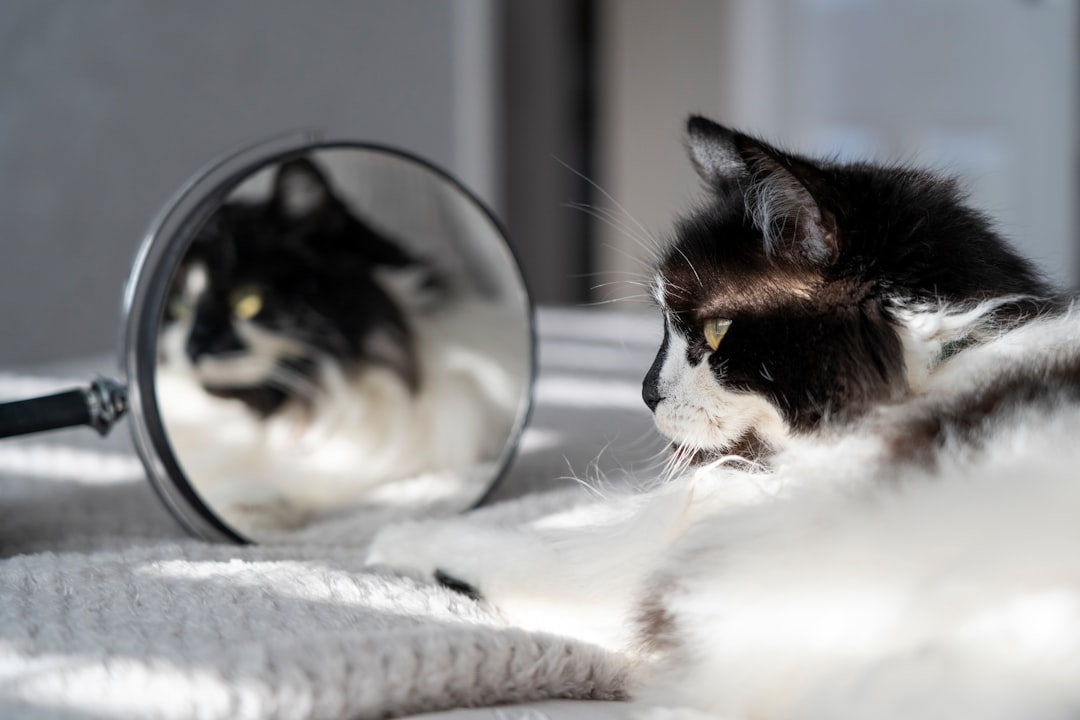
The fundamental reason cats struggle with mirror recognition lies in how they perceive and interact with their world. Cats and dogs, for example, rely on their olfactory sense to identify pieces of their surroundings, such as their home, their pet parents and other pets. Your cat knows who you are not because of facial recognition but because she knows your scent.
Cats don’t usually recognise their reflection due to their reliance on smell and touch; while their vision is good, it’s not their primary way of understanding the world. Since they rely so much on their smell and touch, a reflection doesn’t give them the cues they need to identify themselves; they’re more likely to see it as a strange, invasive cat.
Another cat coming into your territory can take your resources – so, if they truly thought it was another cat, they would most likely be very scared, territorial and stressed. That doesn’t happen with the mirror because there is no scent. This absence of olfactory information creates a confusing situation for cats, where visual input suggests the presence of another feline, but their primary identification system provides no supporting evidence.
The Remarkable Power of Feline Olfaction
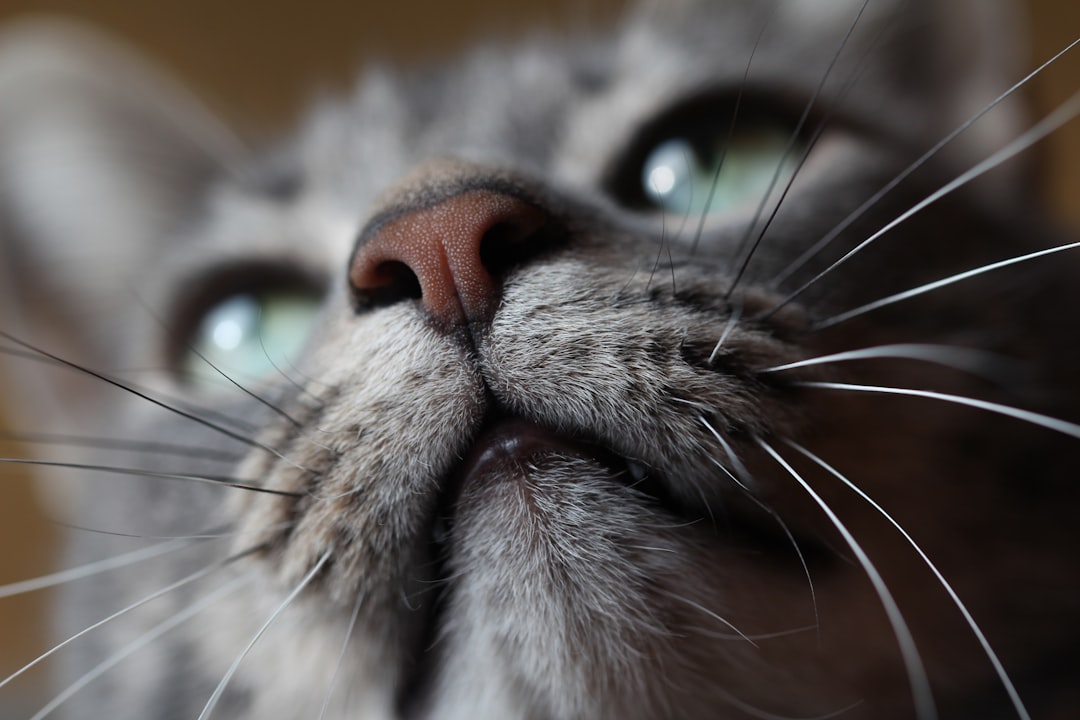
To understand why cats fail at mirror recognition, we must appreciate their extraordinary sense of smell. Your cat has about 45-80 million olfactory receptors, compared to about 6 million in a human nose. She can detect about 200 million individual scents. While dogs may have a stronger sense of smell, cats have more refined sensing.
Mammalian noses have three types of scent receptor proteins. V1R protein receptors help to distinguish one smell from another. Humans have two variants. Dogs have nine. Cats have 30! So they’re not just smelling mice, for instance, but Ralph mouse and Louis mouse. They can distinguish more particulars.
A new study has found that domestic cats can distinguish between their owner’s scent and that of a stranger using their sense of smell alone. When presented with scent samples from familiar and unfamiliar humans, cats consistently spent more time sniffing the unfamiliar scent. This behavior suggests cats may use olfaction to recognize and explore new individuals, much like they do with other cats. The study also observed right-to-left nostril shifts, hinting at brain hemisphere preferences during scent investigation.
Evolutionary Perspectives on Cat Mirror Behavior
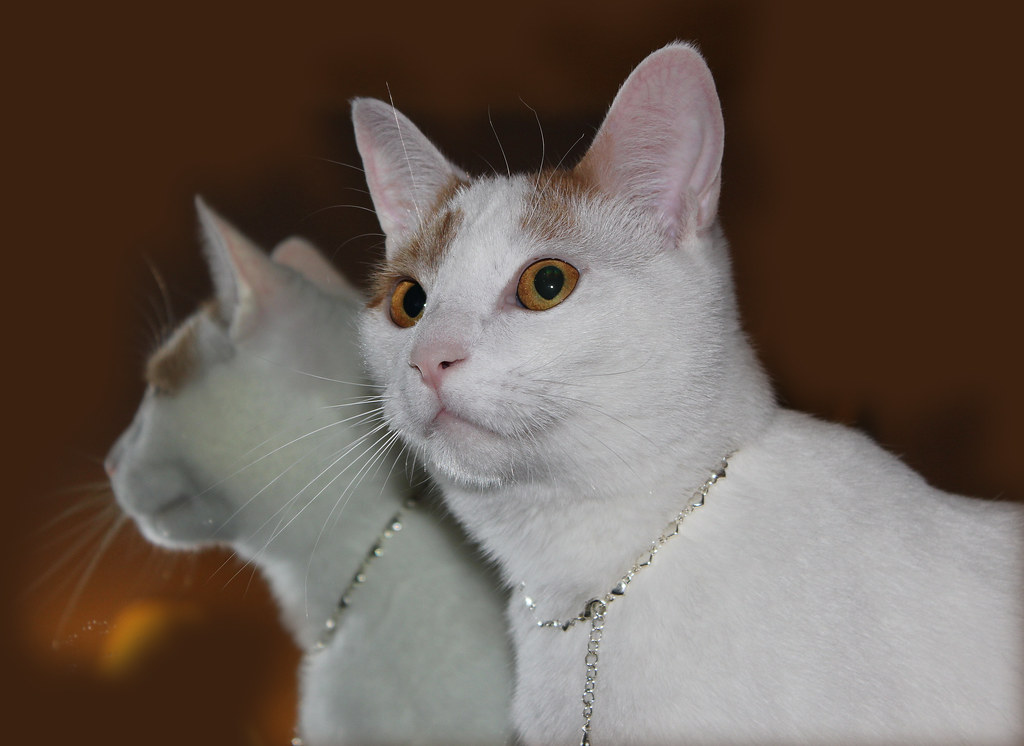
Cats’ evolutionary background as solitary hunters may explain their mirror-related behaviors and responses. Unlike highly social animals, such as great apes, elephants, and dolphins – which need to navigate complex group dynamics and recognize individual members – cats evolved as independent predators, and distinguishing between self and others provided fewer survival advantages. This evolutionary background likely explains why cats haven’t developed the same neural adaptations for self-recognition that we see in species with cooperative behaviors and social hierarchies.
The solitary nature of cats throughout evolutionary history means they didn’t need sophisticated self-recognition abilities to thrive. Unlike highly social species that must constantly navigate complex group dynamics and recognize individual members, cats developed as independent predators. Their survival depended more on territorial awareness, prey detection, and threat assessment than on understanding their own reflection.
This evolutionary perspective helps explain why cats might treat their mirror image as either a potential threat or simply another cat to be ignored. Their brains are wired for practical survival skills rather than abstract self-contemplation.
The Limitations of Mirror Testing for Cats
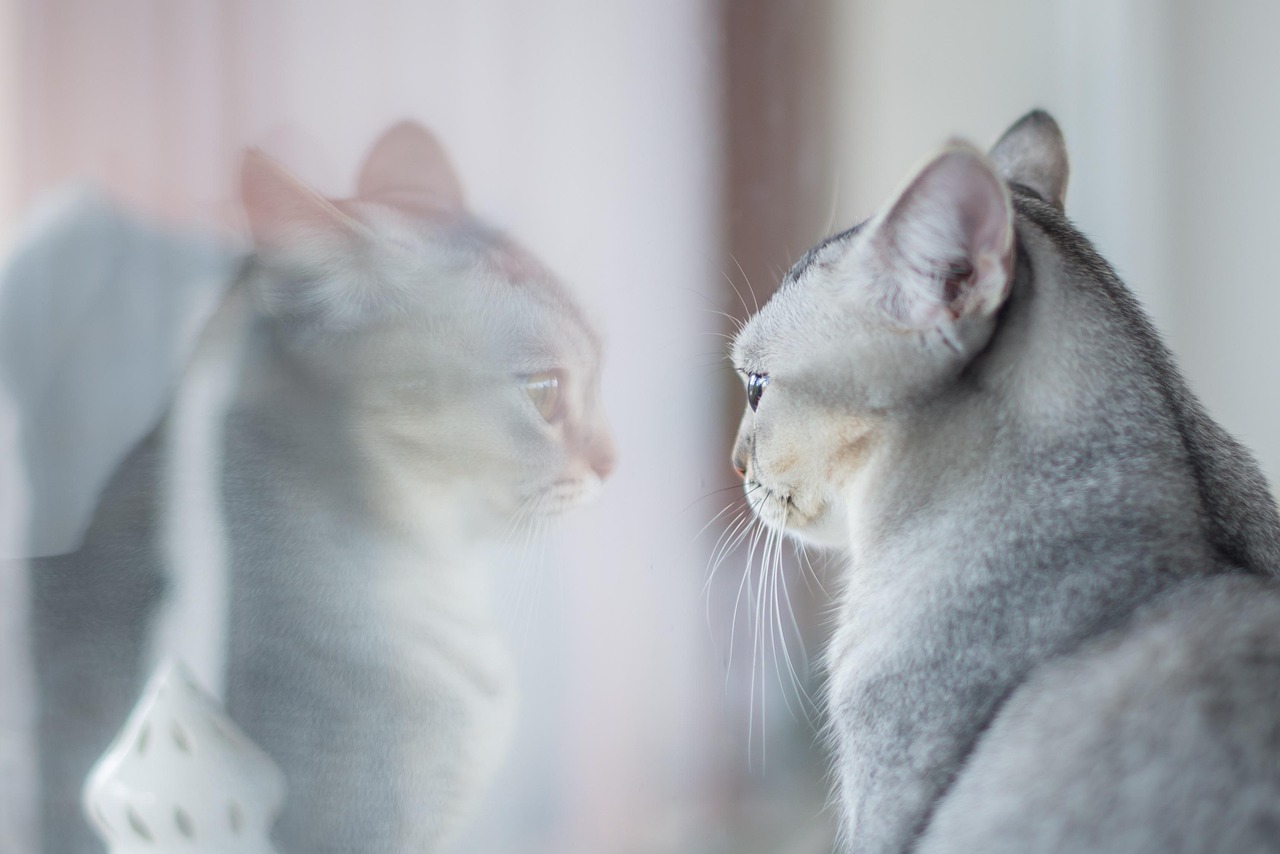
However, it’s important to recognize that these types of tests have limitations. Just because cats don’t appear to understand that their reflection is an image of themselves doesn’t necessarily mean they completely lack self-awareness. Critics of the Mirror Test claim it is biased since some animals, like cats and dogs, rely on their olfactory or hearing senses and don’t know how they look. Indeed, studies conducted with dogs have shown that canines can distinguish their urine from other dogs’ urine. Although there are no similar studies with cats, it’s not far-fetched to assume they would pass the sniff test, too.
The mirror test fundamentally assumes that visual self-recognition is the primary indicator of self-awareness. However, this assumption may be flawed when applied to species that navigate their world primarily through other senses. Critics argue that the mirror test may not be an adequate measure of self-awareness for all species, as it relies on visual cues, which may not be the primary sense for some animals. Consequently, while the mirror test has provided valuable data, it’s important to remember that it may have not been able to capture the complexities of animal consciousness.
Scientists are increasingly developing alternative tests that better align with cats’ natural sensory preferences and behaviors. These include olfactory-based recognition tests and assessments of spatial awareness that don’t rely on visual reflection.
Individual Personality and Mirror Responses
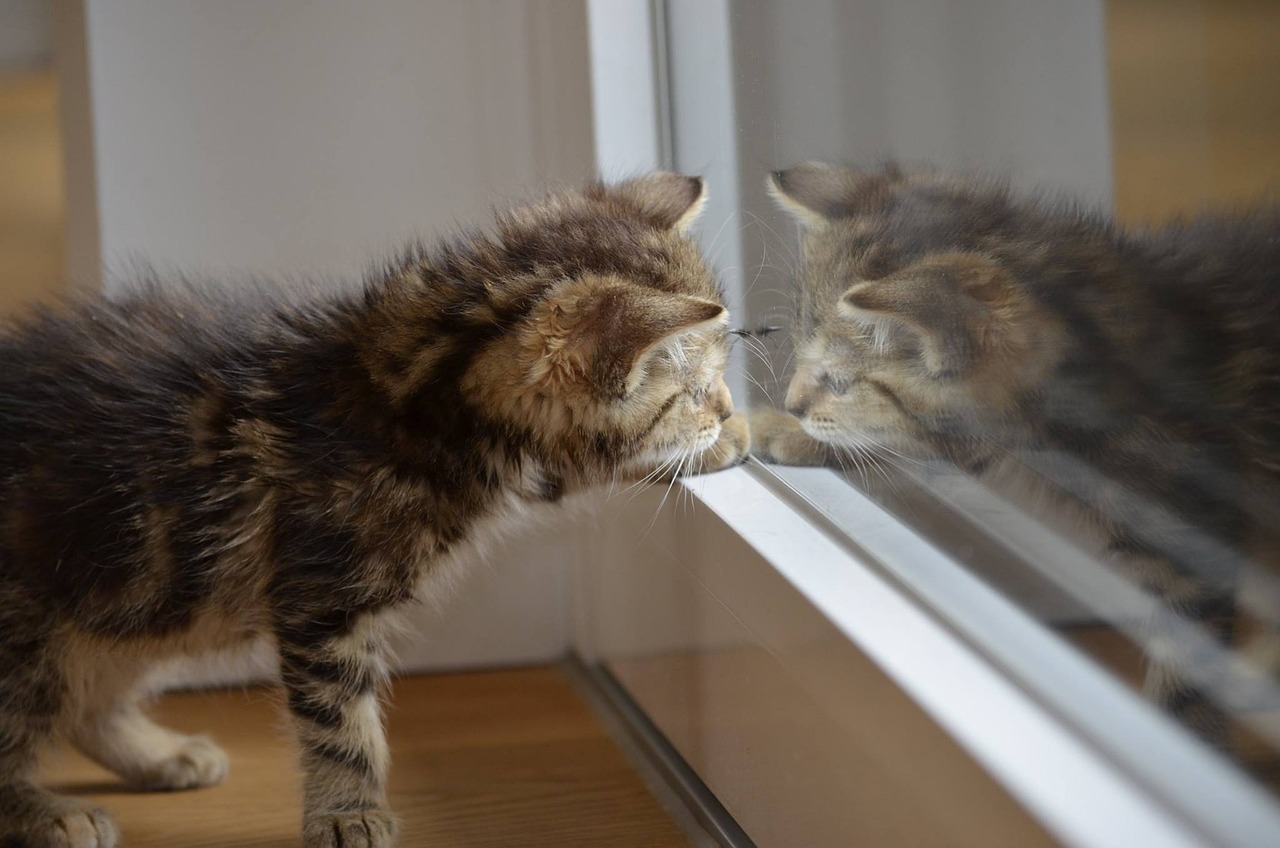
Recent research suggests that individual personality traits significantly influence how cats respond to mirrors. The clustered nature of cat responses may suggest that cat personality, or something like it, influences how cats react to mirrors. Because we gleaned data from pre-existing videos, our analysis cannot determine whether the clusters reported here correlate with measured cat personalities or other categories of behavioral responses.
Cats’ reactions to mirrors can vary depending on a number of factors, including breed and age. Turkish Van cats, for example, reportedly show higher levels of aggression towards other animals according to some behavioral studies. Meanwhile kittens, while in the crucial social development age range of eight to 16 weeks, are more likely to exhibit play responses toward what they believe to be another cat.
Male cats with neurotic personalities tended to sniff each tube repetitively, whereas males with more agreeable personalities sniffed the tubes more calmly. This finding suggests that personality factors beyond simple breed characteristics influence how individual cats process and respond to novel situations, including mirror encounters.
Neurological Insights Into Cat Perception
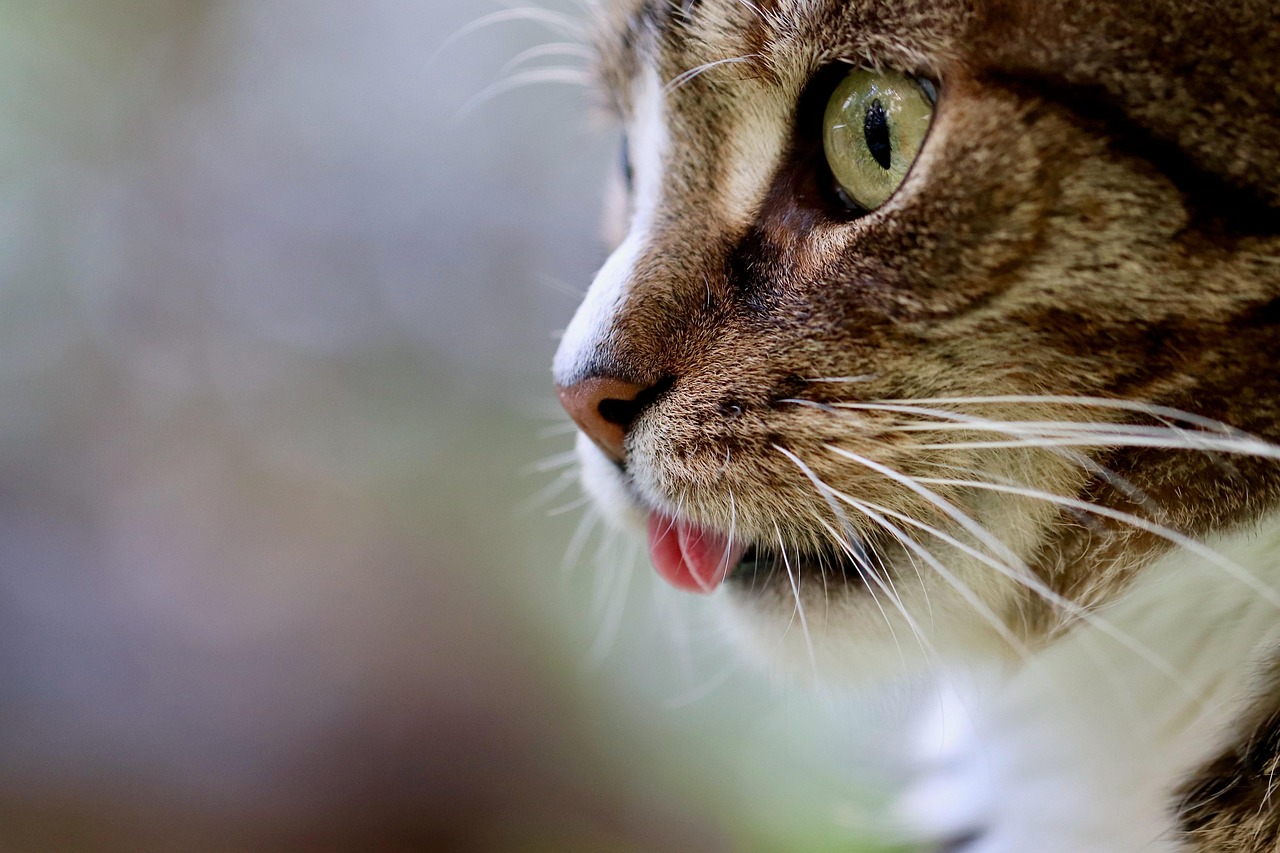
Recent neurological research provides fascinating insights into how cats process sensory information. The brain of a cat shares structural similarities with the human brain, with about 300 million neurons in the cerebral cortex – the section of the brain where complex thought processes, decision-making, and problem-solving take place.
Current neurological research doesn’t distinguish breeds regarding self-recognition abilities in mirror experiments. Mirror exposure timing matters. You’ll find that early life reflections contribute to developmental recognition stages. This suggests that while cats may not demonstrate traditional self-recognition, their neurological capacity for complex processing remains impressive.
The lateralization of brain function also plays a role in how cats process olfactory information. The finding that cats preferred to investigate new smells with their right nostril suggests that they may favor different hemispheres of their brain for different tasks – a phenomenon that has previously been demonstrated in other animals including dogs, fish and birds.
The Broader Question of Feline Self-Awareness
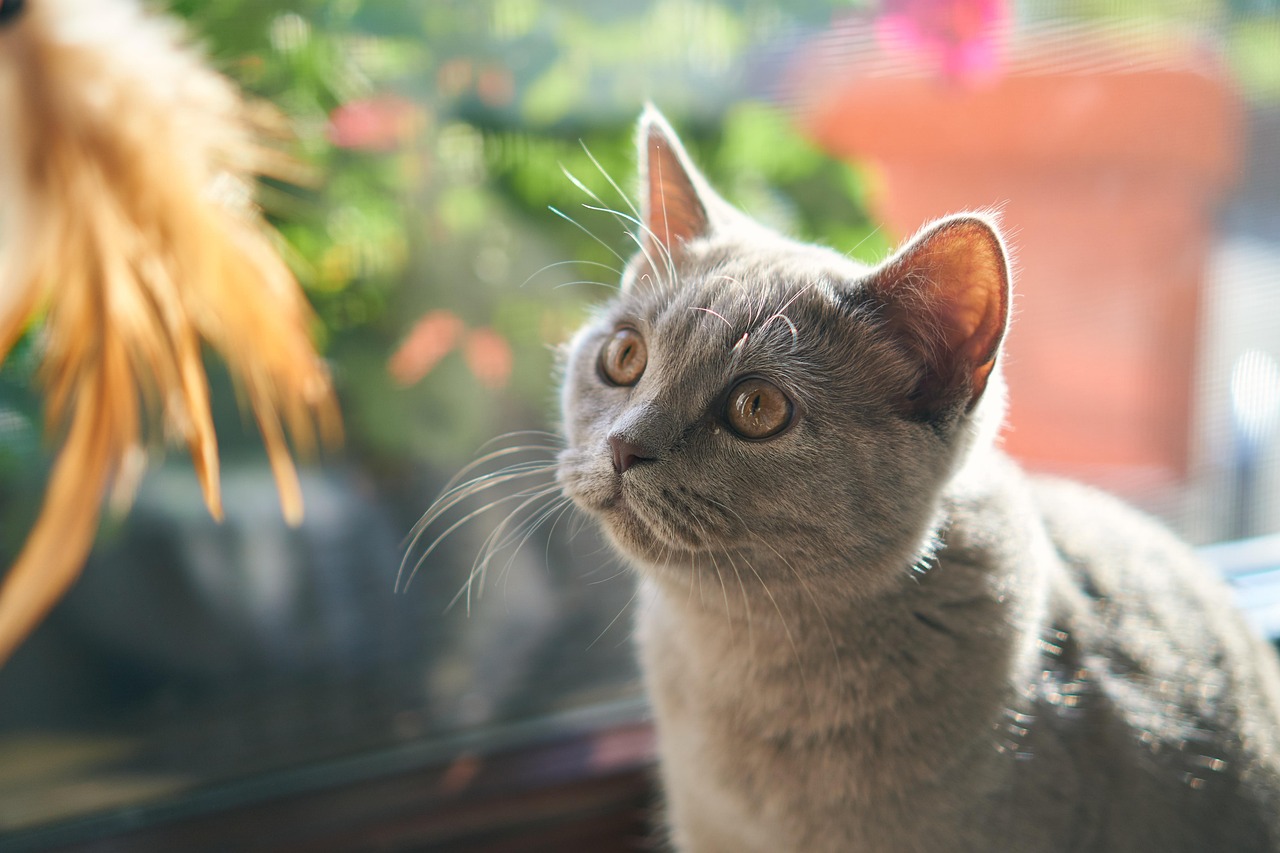
While cats may fail traditional mirror tests, evidence suggests they possess other forms of self-awareness that we’re only beginning to understand. If you believe cats to be quite intelligent, it is worth noting that the feline is still an incredible animal and they show intelligence in many other ways. For example, in controlled experiments, they have shown that they understand the concept of object permanence. They recognize that an object continues to exist even when it is out of sight, which is why if you put one of their favorite toys in the cupboard, they understand that it is still there, potentially even weeks later. They are also known to have long and in-depth dreams, similar to those of humans.
Cat expert and founder of Cat in the Box, notes that just because cats don’t recognize themselves in mirrors doesn’t mean they lack self-awareness entirely. Cats rely much more on scent than sight to recognize other animals, so the mirror test “might not be the fairest test of cats’ cognitive ability.”
While cats may not demonstrate self-awareness like humans or some other animals do, their complex behaviors and interactions with their environment suggest they possess a form of self-awareness unique to their species. This species-specific awareness may be perfectly adapted to their ecological niche and survival needs, even if it doesn’t match human-centric definitions of consciousness.
Conclusion: Understanding Cats Beyond the Mirror
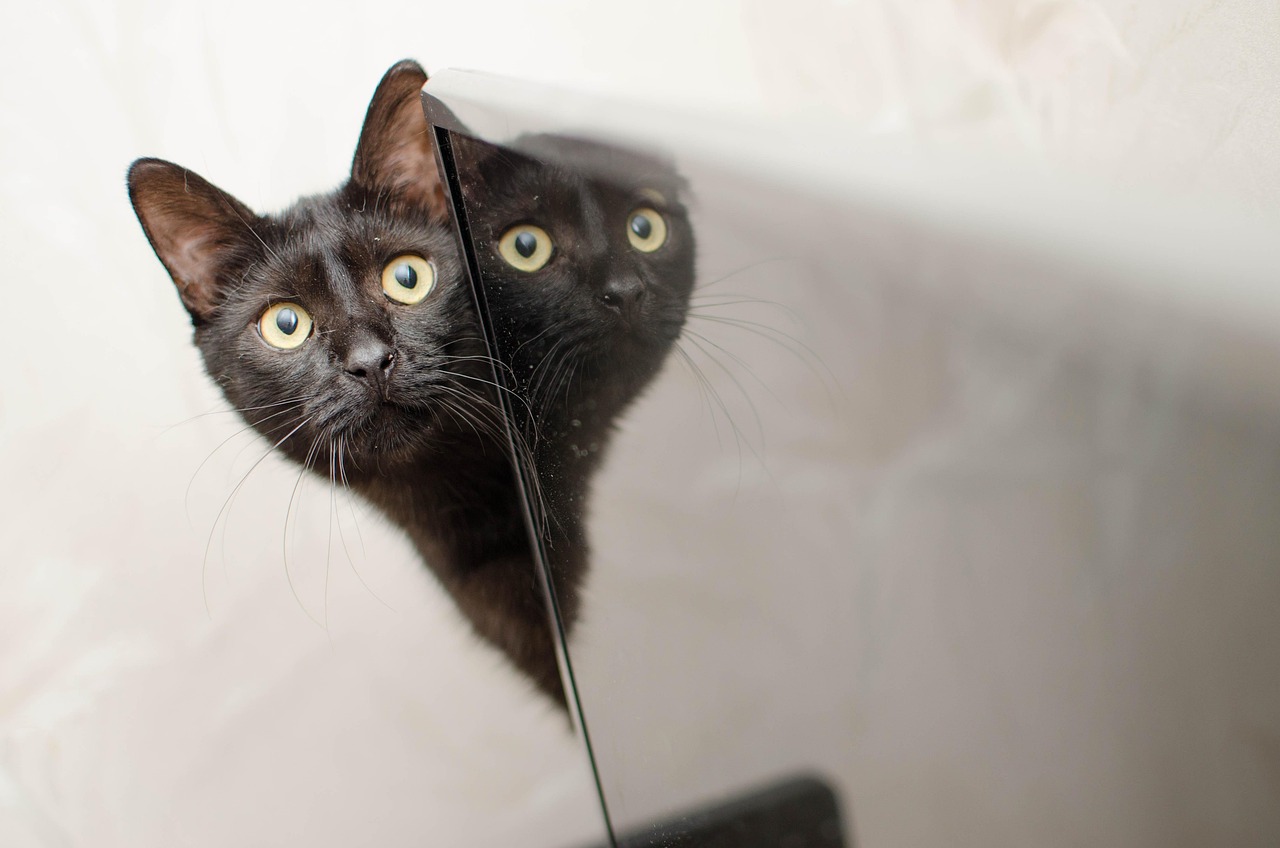
The question of whether cats recognize themselves in mirrors reveals as much about our human assumptions as it does about feline cognition. Despite what you see on TikTok, studies show that cats’ aggressive responses – including hissing, defensive crouching, and territorial displays – make up only about 10 percent of behaviors directed at reflections. The majority of cats react with curiosity rather than fear or what looks to you like a full-blown kitty meltdown. In other words, cats actually don’t freak out that much when they see their own reflections.
Rather than viewing cats as deficient in self-awareness, we might better understand their mirror behavior as perfectly adapted to their sensory world and evolutionary history. Their responses reflect sophisticated cognitive processing that prioritizes the information most crucial to their survival: scent, territory, and social dynamics.
An important thing to remember is that self-recognition in mammals is not a measure of intelligence; it’s simply a test of an animal’s strengths and which senses they rely on the most. Perhaps the real insight isn’t that cats lack self-awareness, but that they experience consciousness in ways fundamentally different from our human perspective.
What fascinates you more about your cat’s behavior around mirrors? Tell us in the comments.