You’ve probably seen it countless times. Your sweet, lazy furball who’s been snoozing peacefully all afternoon suddenly transforms into a mini tornado at 2 a.m. Racing from room to room, leaping onto furniture, eyes wide with what looks like pure chaos. You’re exhausted, half-awake, wondering if your cat has finally lost their mind. Here’s the thing though: what if those midnight sprints aren’t random at all? What if your feline companion has secretly discovered the perfect workout plan while you’re just trying to sleep?
Let’s be real, cats are mysterious creatures with behaviors that often leave us scratching our heads. Those late-night energy explosions might actually be more calculated than you think. While it looks like pure madness, there could be some serious fitness benefits hiding beneath all that fur-flying frenzy.
The Science Behind Those Wild Midnight Sprints
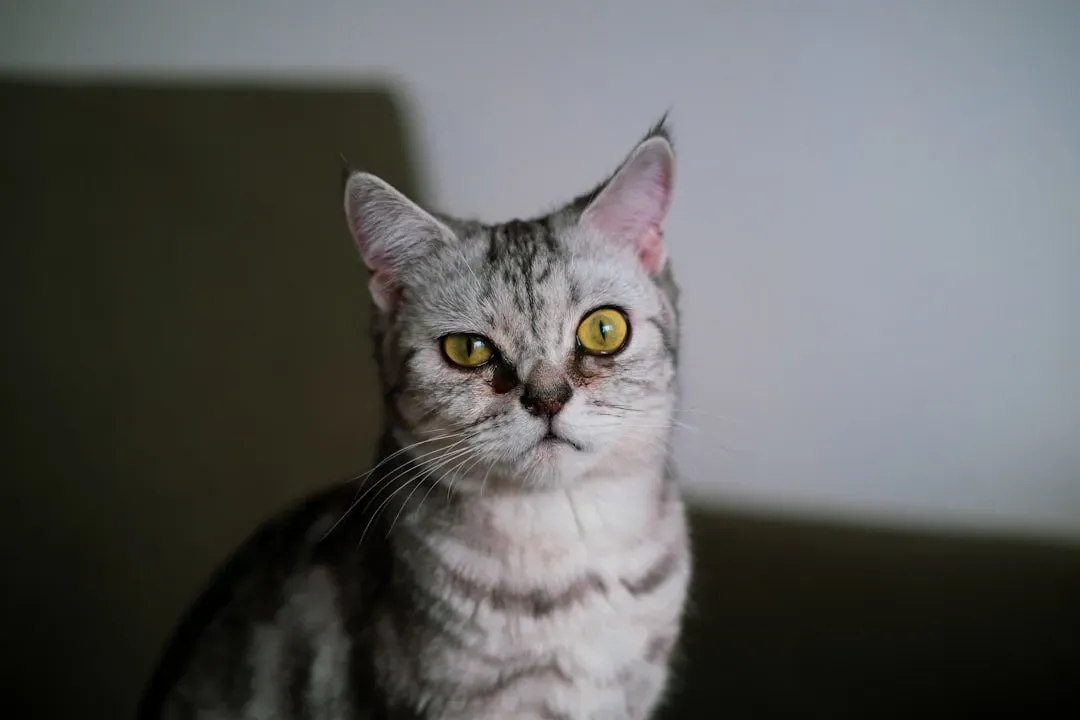
Your cat’s sudden bursts of hyperactivity have an official name: Frenetic Random Activity Periods, or FRAPs. These random bursts of energy occur in cats in which they run frenetically, commonly in circles, and usually last a few minutes or less. It sounds fancy, but most of us just call them zoomies.
These episodes aren’t accidents or signs that something’s wrong with your pet. While these energetic outbursts might be startling in the moment, they’re perfectly normal feline behavior. Think of it as your cat’s version of hitting the gym, except their gym is your entire house and the membership is free.
Your Cat Is Actually a Fitness Enthusiast in Disguise
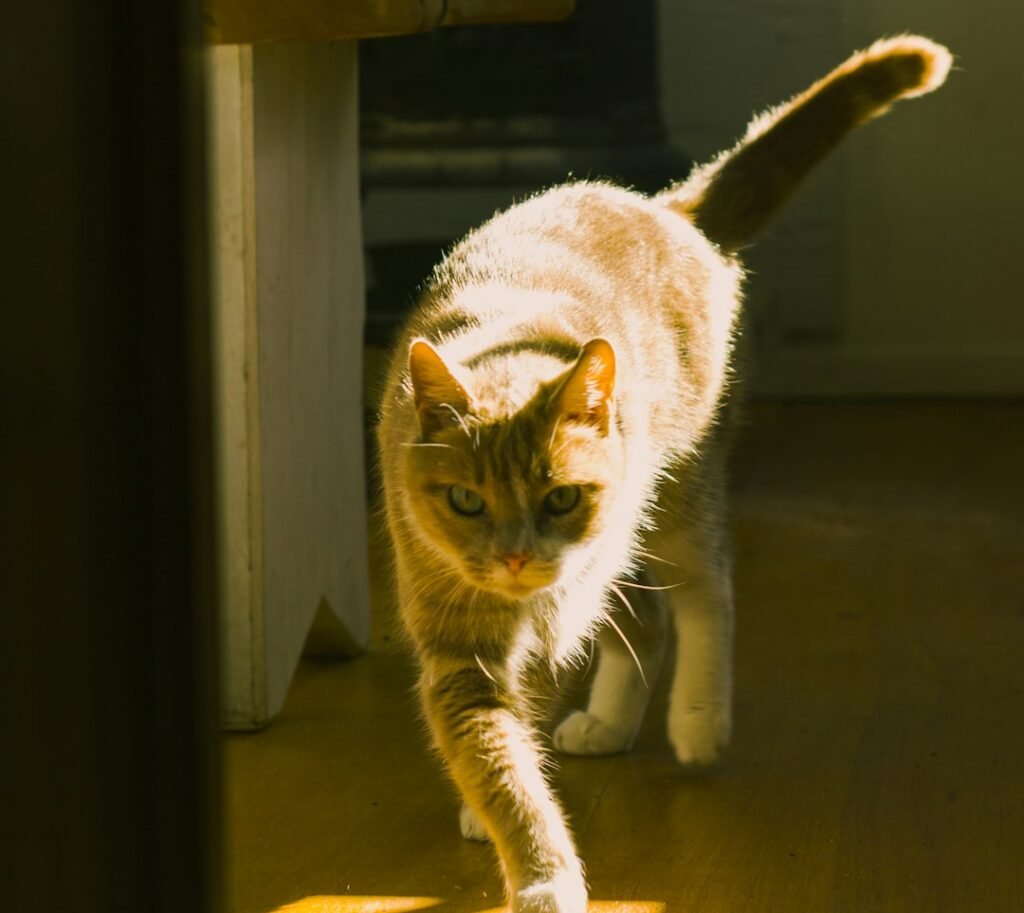
These high-speed sessions aren’t just fun – they benefit your cat’s health, may release endorphins causing a pleasurable or euphoric response, and these bursts of activity can strengthen muscles, boost cardiovascular health, and support overall well-being. Honestly, when you look at it this way, your cat might be more committed to fitness than most humans.
This type of activity helps to burn off excess energy and calories, which can help prevent obesity and other health issues, and regular exercise can also help to improve a cat’s muscle tone, coordination, and overall physical health. Your kitty isn’t just running around aimlessly. They’re building lean muscle, improving their heart health, and maintaining flexibility all at once. Who knew chaos could be so productive?
The Dawn and Dusk Connection You Need to Know
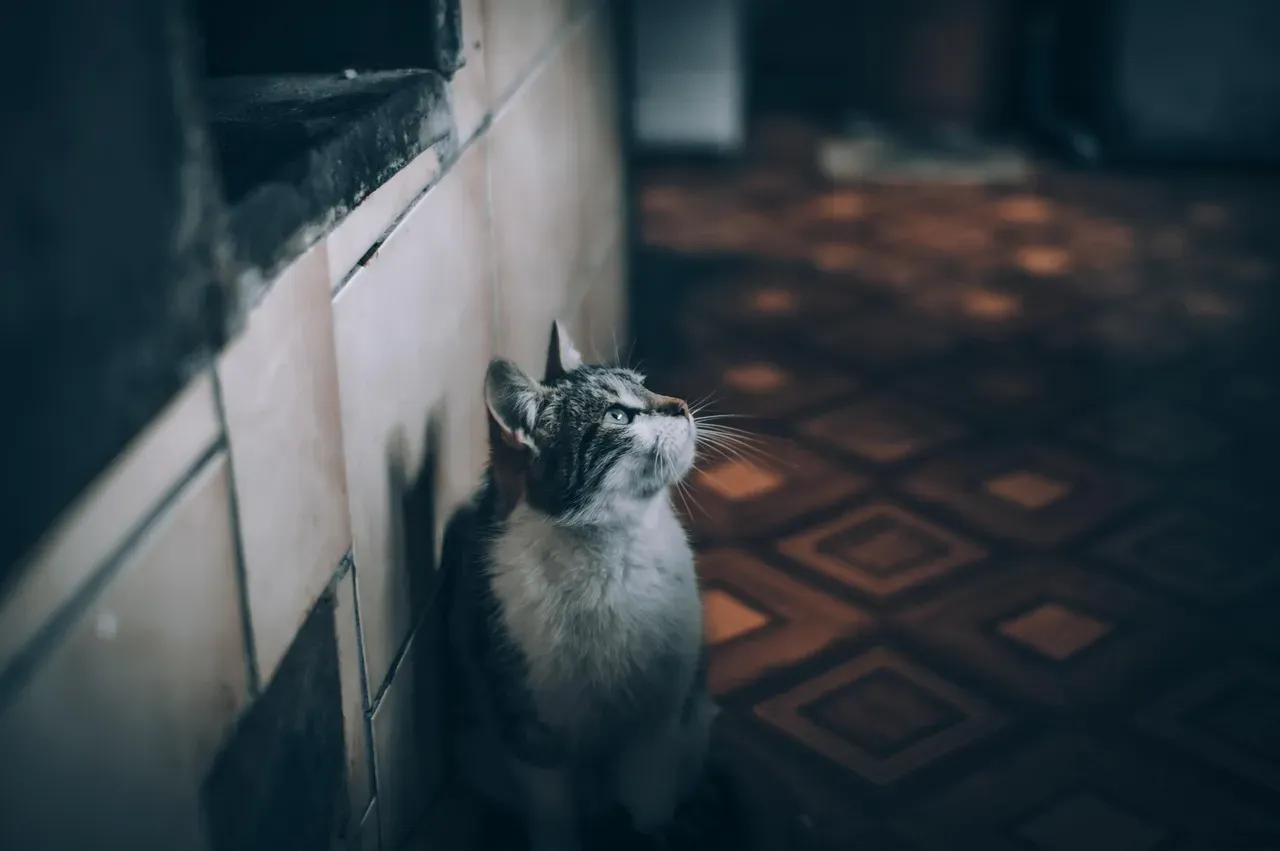
Cats are crepuscular because they have evolved to hunt at dusk and dawn, when birds and mice are very active, and cats evolved to take advantage of this by developing the ability to see in low-light conditions. This explains why your cat decides that 5 a.m. is the perfect time for parkour practice.
Cats are most active at dawn and dusk, so it’s no surprise that many pet parents notice zoomies happening during the early morning or evening hours. Your cat’s internal clock is still tuned to their wild ancestor’s schedule. Even though they don’t need to hunt anymore, that biological programming remains strong.
Those twilight hours aren’t random choices for activity. It makes sense for the predator to be most active at those same times, and while domestic cats living in your home may no longer depend on hunting prey, they still have the natural instincts to be most active at dusk and dawn.
Why Your Living Room Becomes a Racetrack at Night
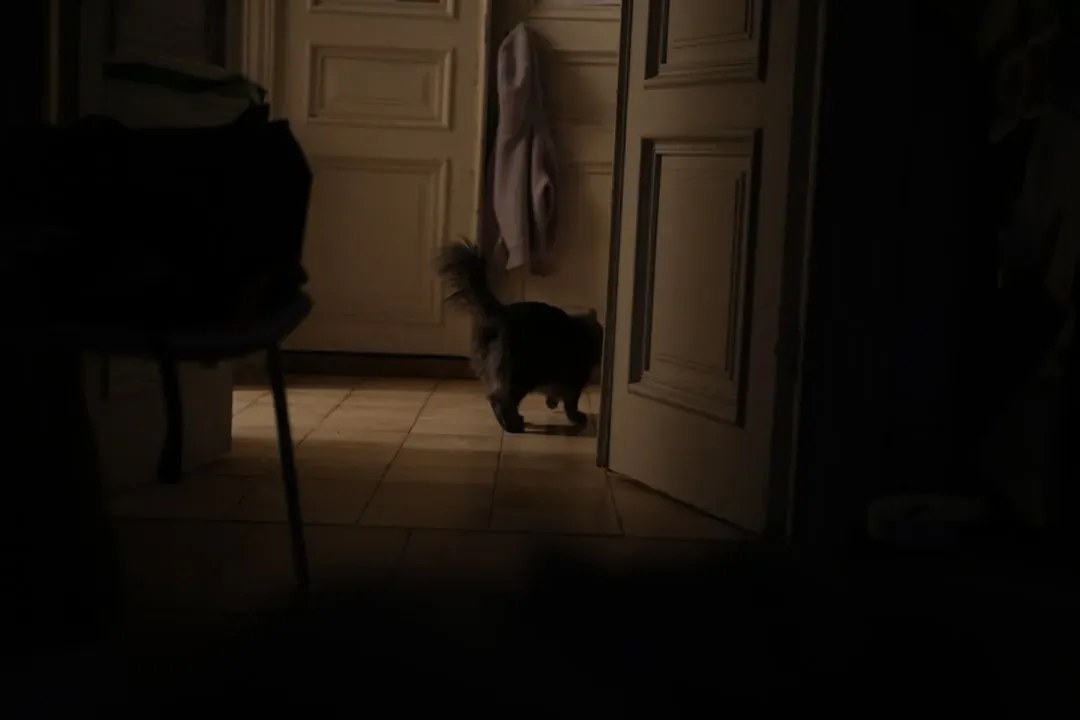
Cats sleep for an average of 13 to 14 hours a day, which leaves plenty of stored energy for when they’re awake, and if they haven’t expended enough energy during the day, they may have zoomies at night. It’s simple math really. More sleep equals more energy to burn.
The most common reason cats experience the zoomies is pent-up energy, as cats rest and sleep for a majority of the day to conserve energy for short, very active periods, and without intentional exercise and activity, your kitty will need to find a way to get that extra energy out. Indoor cats especially need an outlet for all that stored power.
Your furniture, hallways, and that stack of boxes in the corner? They’re all part of an elaborate obstacle course your cat has designed. The zoomies transform your peaceful home into their personal CrossFit arena.
The Mental Workout Hidden in the Madness
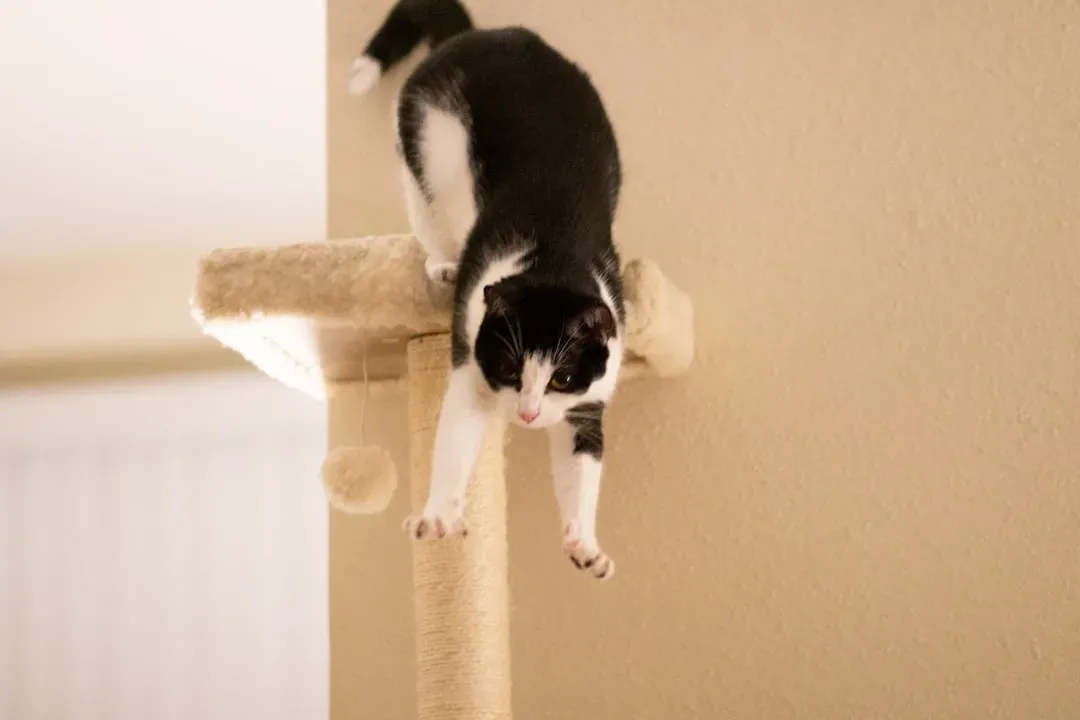
Zoomies can also provide mental stimulation for cats, as when a cat is running around, jumping, and climbing, they are engaging in activities that require them to use their brains, and this type of mental stimulation can help to keep a cat’s mind active and engaged. It’s not just physical exercise happening during these episodes.
Your cat is simultaneously working on problem-solving, spatial awareness, and reaction time. These moments let indoor cats act out their natural hunting instincts and keep their athletic skills sharp. Every leap, every turn, every sudden stop is training their brain to calculate distance, trajectory, and timing.
Honestly, it’s hard to say for sure, but this mental component might be just as important as the physical workout. Boredom can lead to behavioral problems in cats, so these energetic bursts serve a dual purpose.
Hunting Instincts Meet High-Intensity Interval Training
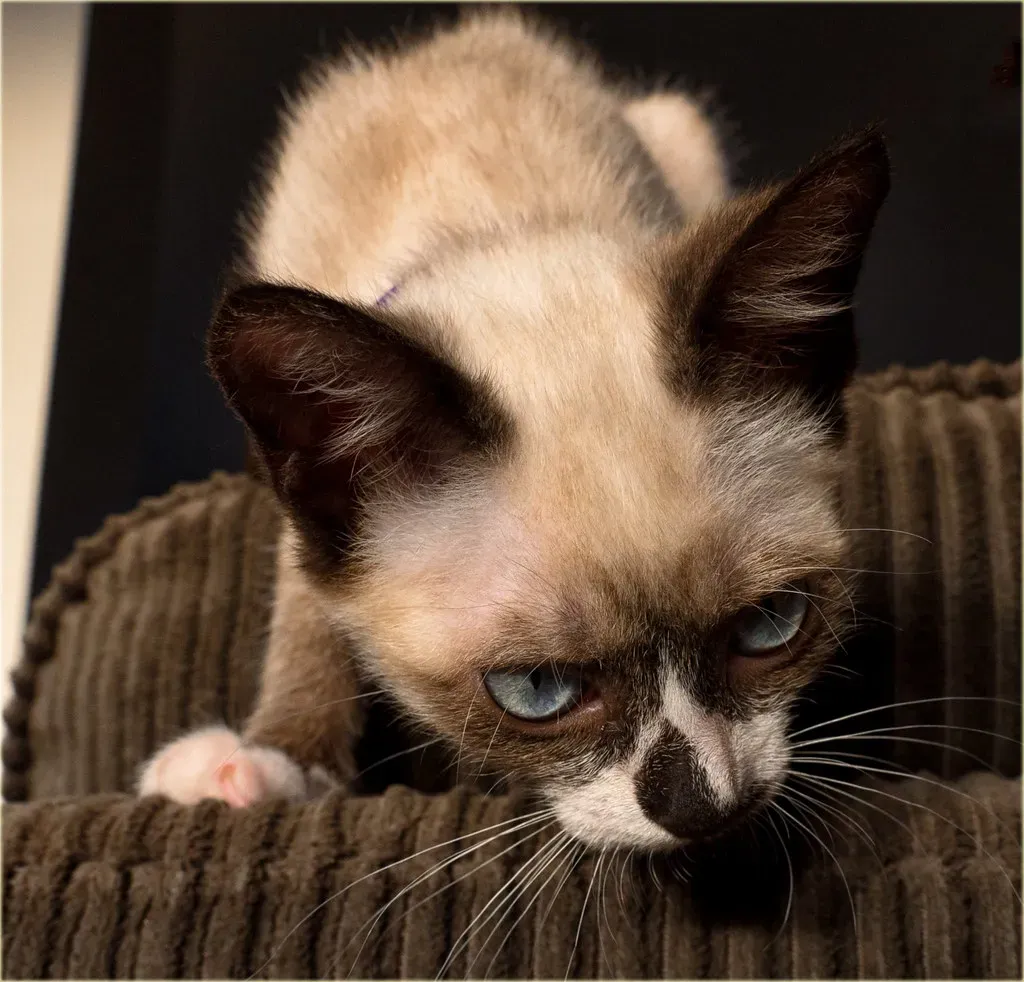
Zooming behavior is often how cats engage their inner predator, and these play periods allow cats to hone their survival instincts – think stalking, pouncing and pursuing. Your domesticated fluffball is channeling their wild side, practicing skills their ancestors needed to survive.
Cats are ambush predators and they conserve energy for multiple short bursts when hunting. Sound familiar? That’s basically the concept behind high-intensity interval training that humans pay gym memberships for. Your cat discovered HIIT naturally.
These sprint sessions mimic the hunting cycle perfectly. Short, explosive movements followed by rest periods. Most cats can’t sustain the zoomies for more than a minute or so, and as cats age, the FRAPs often get shorter and less frequent, as it’s such a high-intensity expulsion of energy. Maximum effort, brief duration, massive benefits.
Post-Meal Victory Laps Are Real Exercise
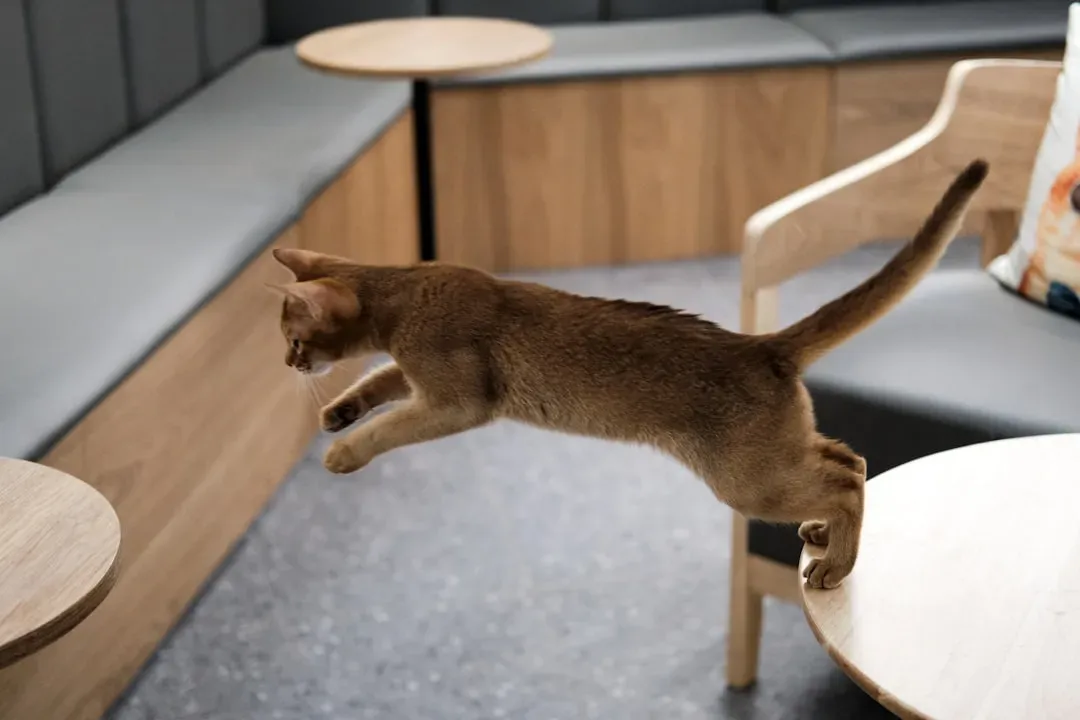
Some cats get a rush of energy after mealtime or sleeping, as cat food and sleep both provide fuel, and when it comes to food, they provide a burst of calories that gives them the spark to tear through anything they need to. That crazy behavior after dinner isn’t random celebration.
Think about how hunters behave in nature. After a successful hunt and meal, there’s often a burst of activity. Your cat is following that same pattern, even though their “hunt” involved you opening a can. Their body responds to the calorie influx with energy to burn.
Cats tend to sleep after a big meal, so try feeding your cat their main meal just before your bedtime to encourage them to sleep through the night. The post-meal zoomies are actually part of a natural cycle that you can work with rather than against.
Building Muscle Through Midnight Chaos
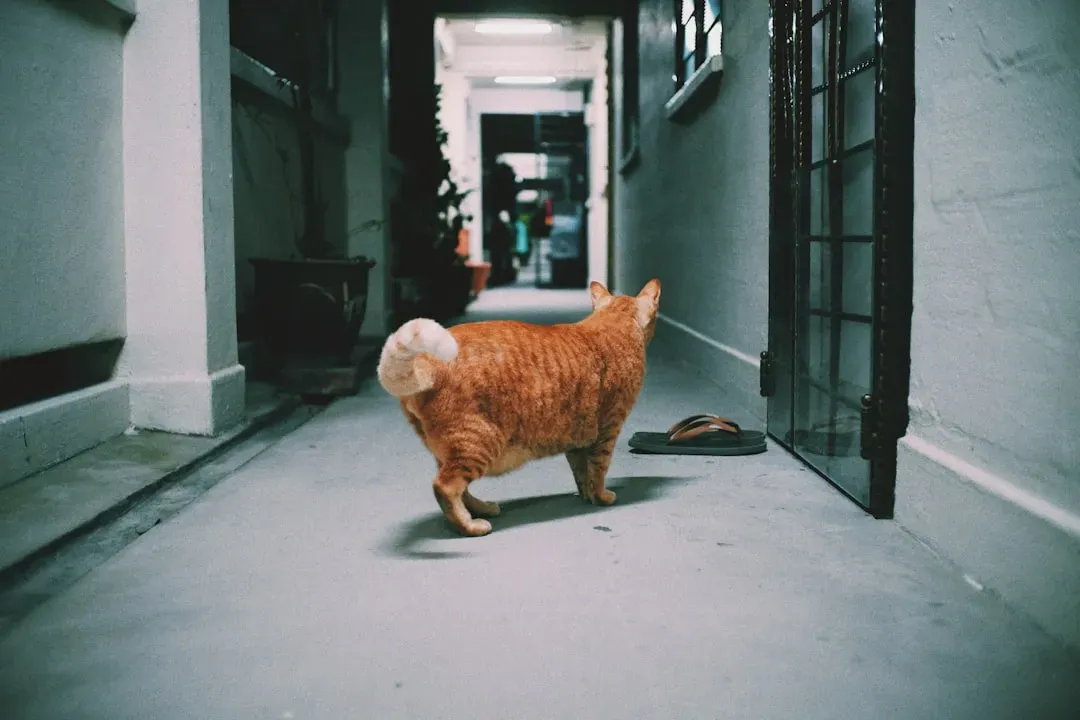
Every sprint builds leg muscles. Every leap strengthens their core. Every sharp turn works their flexibility and balance. This type of activity helps to burn off excess energy and calories, which can help prevent obesity, and can also help to improve a cat’s muscle tone, coordination, and overall physical health.
Your cat is essentially doing plyometric exercises without even knowing it. Those sudden jumps onto furniture? Explosive power training. The rapid direction changes? Agility work. The full-speed sprints down the hallway? Cardio and speed conditioning.
Let’s be real, most people struggle to maintain this level of commitment to fitness. Meanwhile, your cat naturally incorporates strength training, cardio, flexibility work, and coordination drills into their daily routine. They’re living the balanced workout life we all aspire to achieve.
Age Affects the Intensity but Not the Benefits
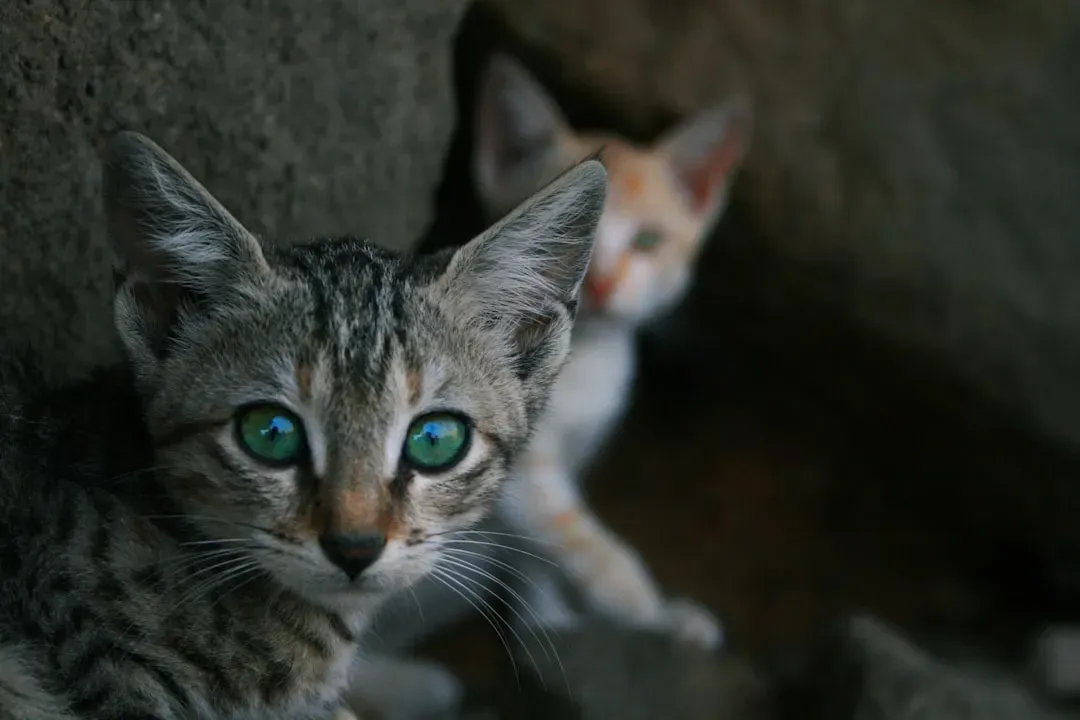
Young cats, especially kittens, tend to have frequent and intense zoomies due to their high energy levels and rapid growth, and these bursts of activity help practice essential skills like agility, coordination, and motor control. Younger cats are basically in training mode, building the foundation for lifelong fitness.
Cats of all ages can experience zoomies from pent-up energy, but the behavior may be more common in younger cats and kittens who have more energy to expend. That doesn’t mean older cats give up their workout routine entirely though.
Even as cats enter their senior years, they may still experience zoomies, though typically less often due to age-related changes, and if your senior cat starts zooming around after receiving pain medication, it could be a positive sign that their treatment is working. The workout continues throughout their life, just adapted to their capabilities.
The Social and Emotional Fitness Factor
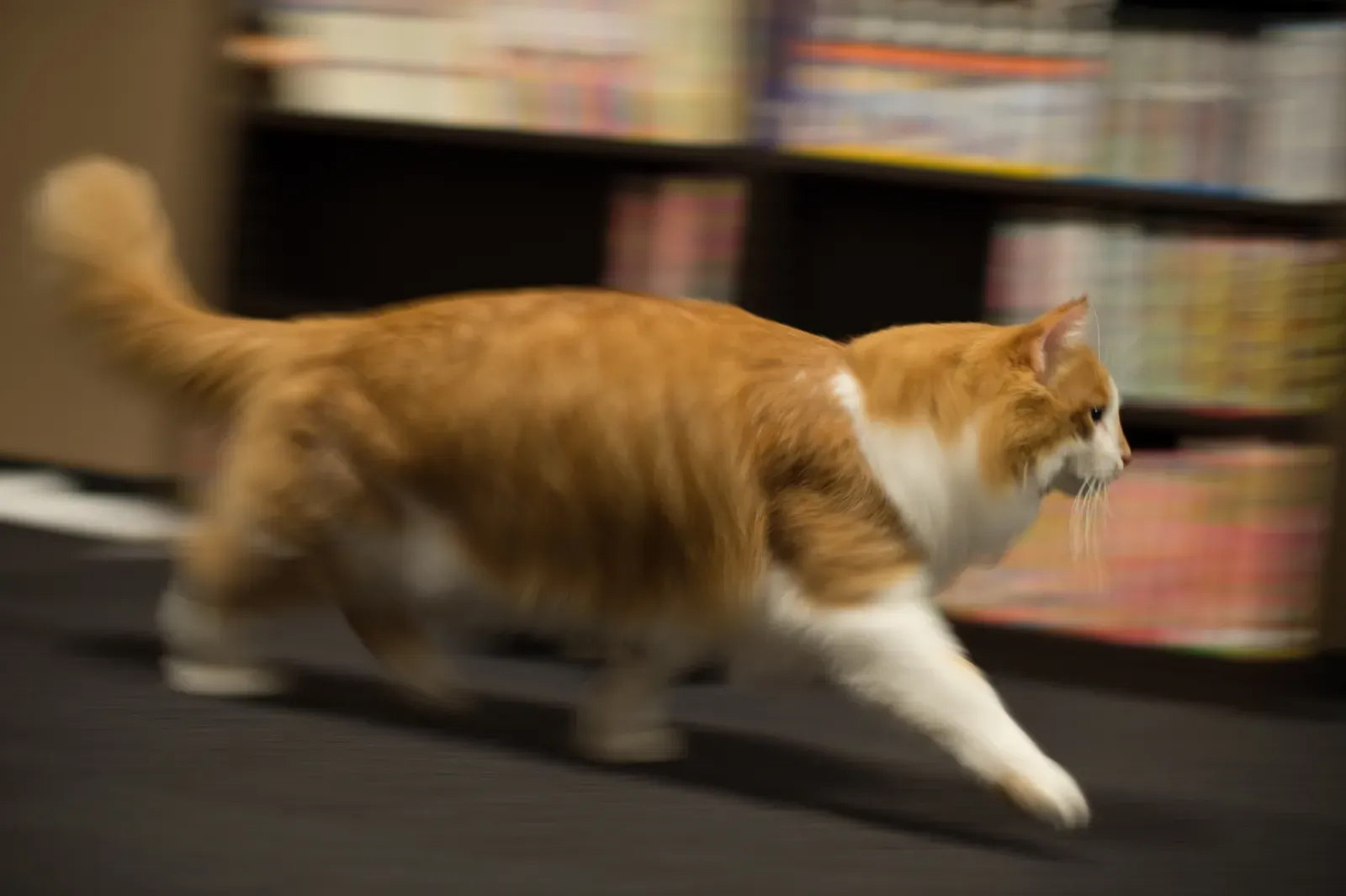
Mentally, zoomies are very important, as during these energetic moments, cats get to relax and feel better emotionally, and these play sessions help keep boredom and anxiety away, making cats happier overall. Physical health isn’t the only benefit happening here.
The emotional release during zoomies is like stress relief for cats. Zoomies provide a healthy outlet for your cat to release pent-up energy, which is beneficial for their mental and physical stimulation needs. It’s their version of going for a run to clear their head after a stressful day.
When cats engage in these bursts, they’re practicing self-care in their own unique way. The endorphin rush, the satisfaction of movement, the freedom of expression – all of these contribute to overall wellbeing. Your cat isn’t just working out their body; they’re maintaining their mental health too.
Turning Zoomies Into a Training Schedule
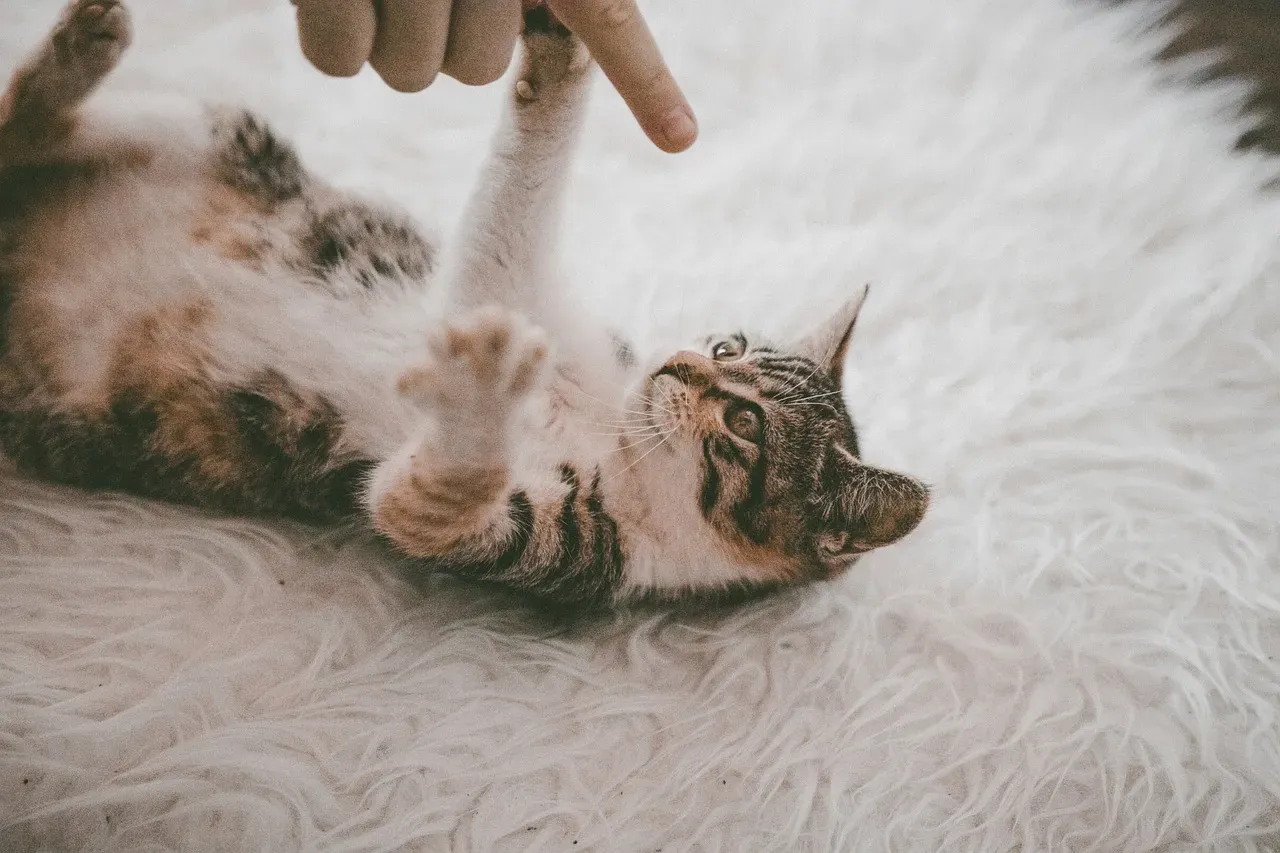
Here’s the thing: you can actually work with your cat’s natural workout tendency rather than fighting it. You can schedule 15-minute interactive play sessions twice daily, which can tire up your cat and they won’t have the energy to race around the house in the wee hours of the night.
Break out the feather and string and aim to engage in at least two 15-minute interactive play sessions per day, as playtime is just as much mental exercise as it is physical, and it’s important to play in a way that allows kitty to stalk and plan. You become their personal trainer essentially.
Strategic timing makes all the difference. Increasing a cat’s daytime activity by providing them with food puzzles or enrichment can help calm a cat down before bedtime, and giving cats an interactive play session in the early evening with a feather wand or other toy can help your cat settle down. Channel that energy during daylight hours when everyone’s awake.
Conclusion: Respect Your Cat’s Fitness Journey
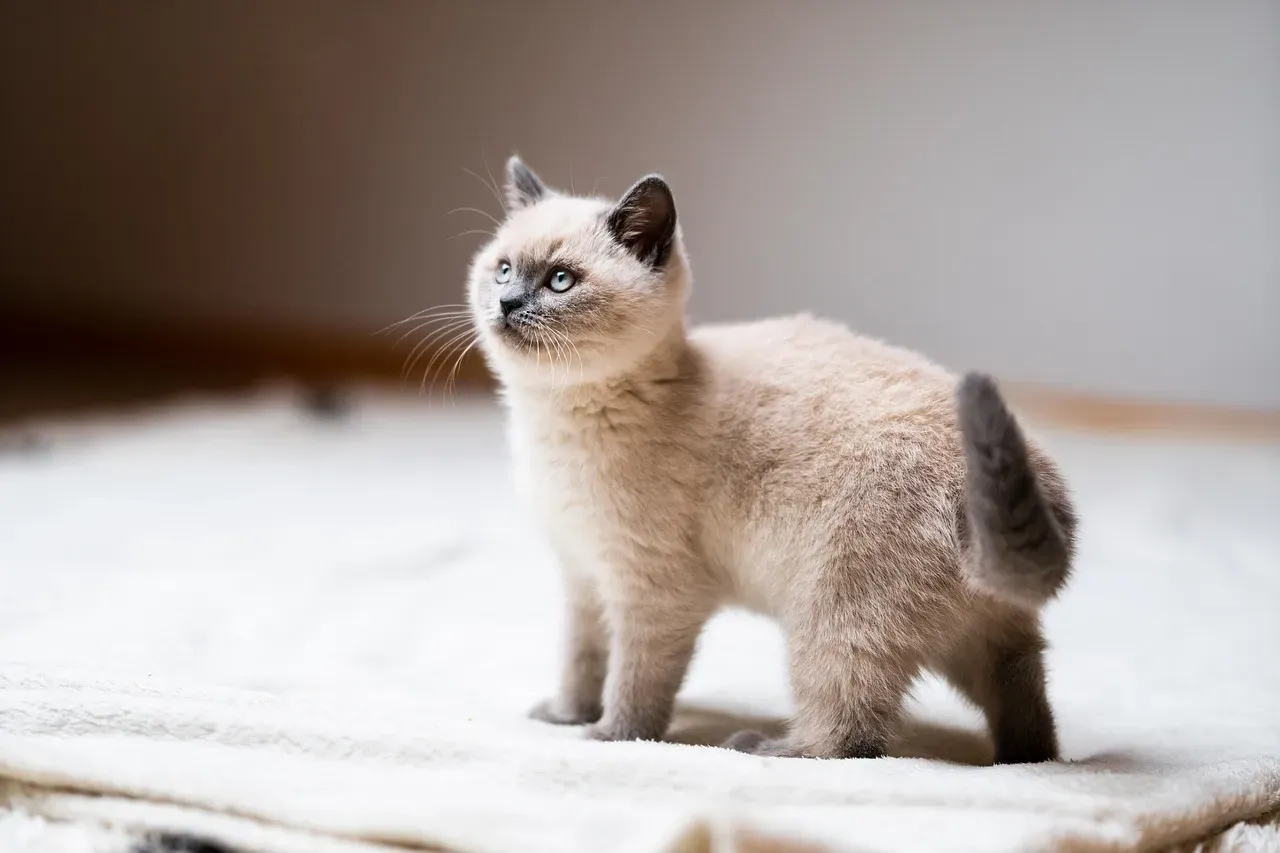
Overall, zoomies are a healthy – and often entertaining – phenomenon that comes with being a cat parent, and as long as your cat shows normal, playful behavior during these sessions, you can relax and enjoy the show. Your cat has figured out what works for their body without expensive equipment or gym memberships.
Those midnight races aren’t disruptions to your peace. They’re evidence that your cat instinctively knows what their body needs. They are considered good because they allow cats to release pent-up energy and engage in playful behavior, and cats sleep a lot during the day, so zoomies are a way for them to burn off excess energy, and they are also a way for indoor cats to compensate for the lack of outdoor activity.
Next time your cat launches into their 3 a.m. workout session, maybe view it differently. They’re not being difficult or crazy. They’re maintaining their health, working their muscles, sharpening their mind, and honoring instincts that have served felines well for thousands of years. Did you ever think your couch potato cat was secretly a fitness guru? What’s your cat’s favorite zoomie route through the house?