You’ve probably caught your feline friend perched atop the refrigerator, staring down at you with an almost judgmental expression. Perhaps you’ve walked into the living room only to find your cat surveying the scene from a bookshelf, looking completely at peace several feet above ground level. It’s tempting to write this off as just another quirky cat behavior. Here’s the thing though: what your cat is doing up there might be far more sophisticated than you realize.
That seemingly odd fascination with elevation isn’t random at all. There’s actually something methodical happening in that furry little head. Let’s dive in and discover what your cat really knows that you might be missing.
The Ancient Blueprint Still Running the Show
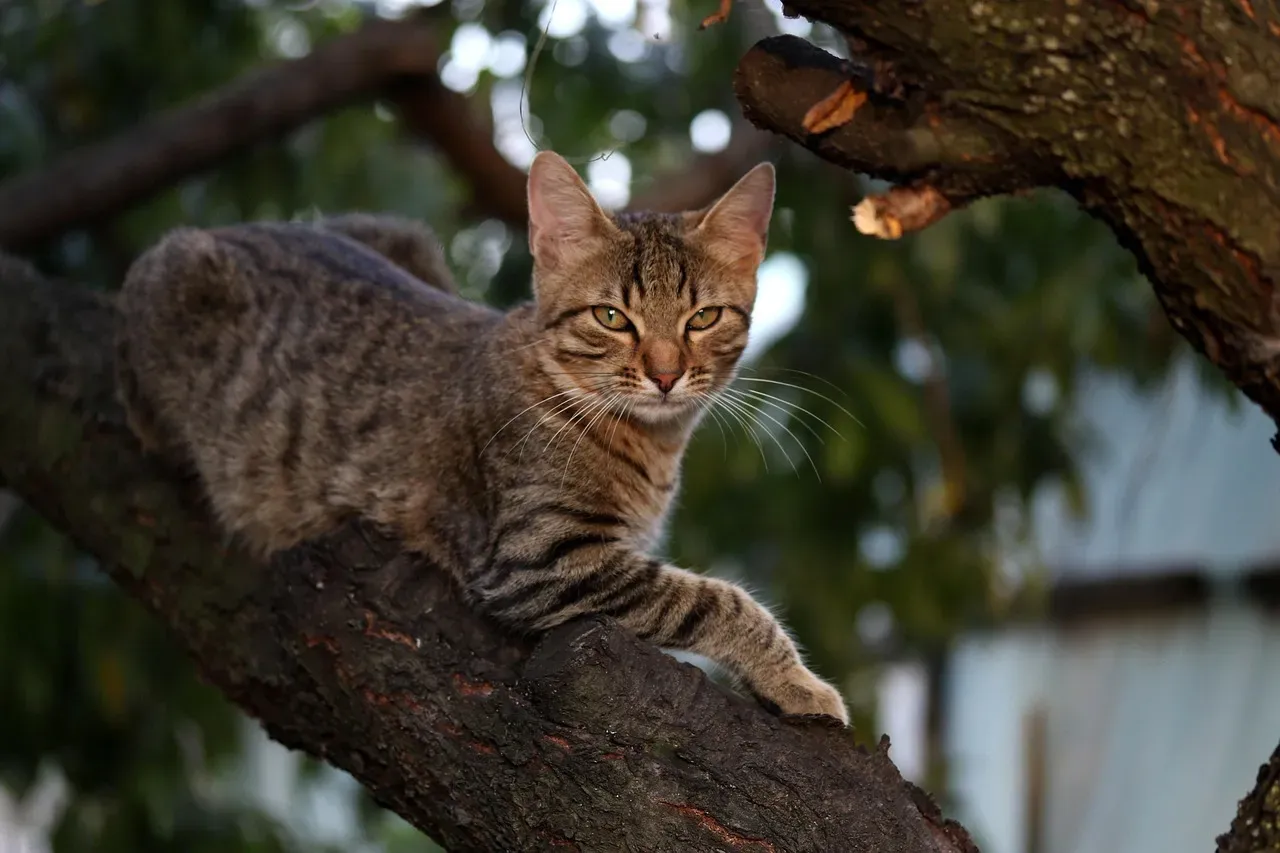
Your cat’s ancestors climbed trees to escape predators and gain vantage points to look for prey, and this need to climb is deeply rooted in your cat’s genetic makeup. Even though your pampered house cat doesn’t face the same dangers their wild cousins do, they still seek out high places even in homes where they know they’re safe because their wildcat instincts remain ingrained and determine many of their actions. This isn’t some learned behavior they picked up from watching too many nature documentaries.
Think about it like this: your cat is essentially running on ancient software that hasn’t received many updates in thousands of years. From elevated locations, cats can observe their surroundings for food and protect themselves from attack by larger predators. The impulse to climb feels as natural to them as breathing, honestly.
The Strategic Advantage of Seeing Everything First
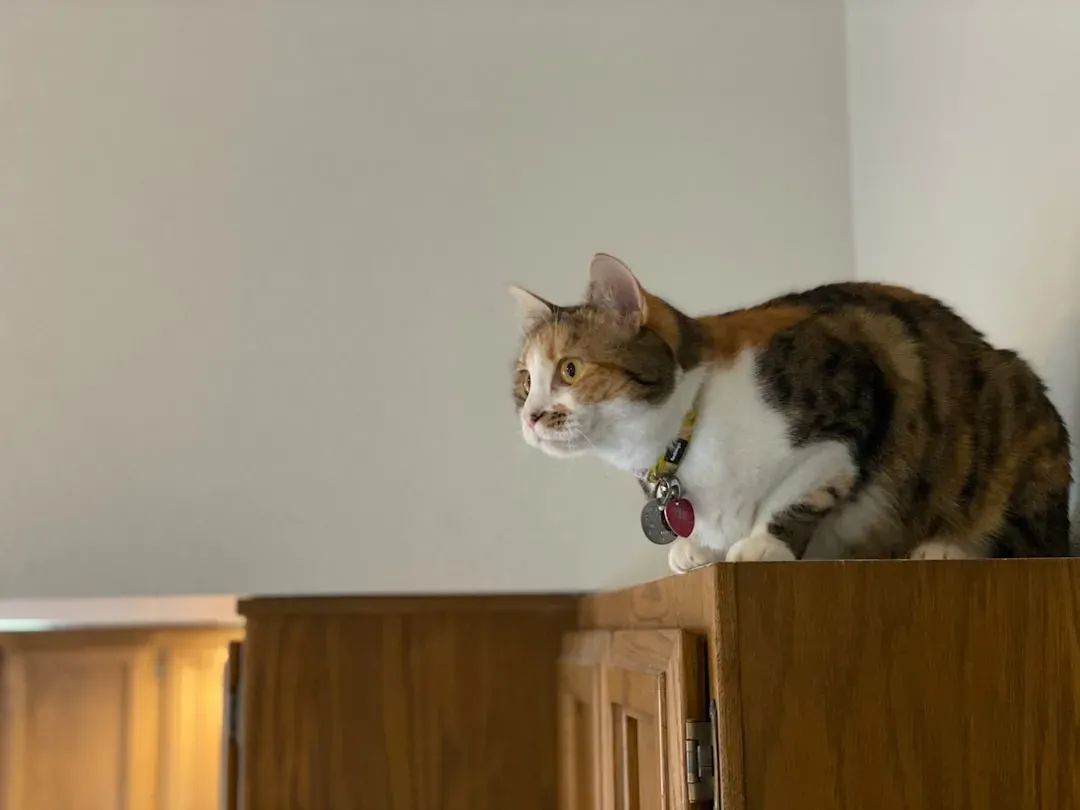
The higher up your cat is, the more visual advantage and warning time they have, allowing them to easily see anyone approaching. It’s like having a security camera system built right into their instincts. In the wild, high places offered safe vantage points to watch for predators and prey, and from up above, cats could spot movement below without being easily seen themselves.
Your cat isn’t just sitting up there for the view. Cats are territorial creatures, and height allows them to assert dominance over their environment by claiming the highest point in a room to survey their territory. There’s a calculated purpose behind every elevated perch they choose. Hanging out in a cat tree or window perch to watch bird activity outdoors is essentially the feline version of reality television, providing constant mental stimulation.
How Your Cat Maps the World from Above
Cats have mental representations about their out-of-sight owner linked to hearing the owner’s voice, indicating a previously unidentified socio-spatial cognitive ability. This means your cat isn’t just passively watching from their high perch. They’re actively creating mental maps of who’s where and what’s happening. Felines are natural observers, and checking out their environment from up high engages their minds, which prevents boredom and behavioral issues.
Cats have well-developed complex cognition and must negotiate various obstacles in their three-dimensional spatial environment. From their elevated throne, they’re constantly updating their understanding of the household dynamics below. It’s honestly impressive when you realize how much processing power goes into that seemingly lazy lounge on top of your wardrobe.
The Psychology Behind the Perch
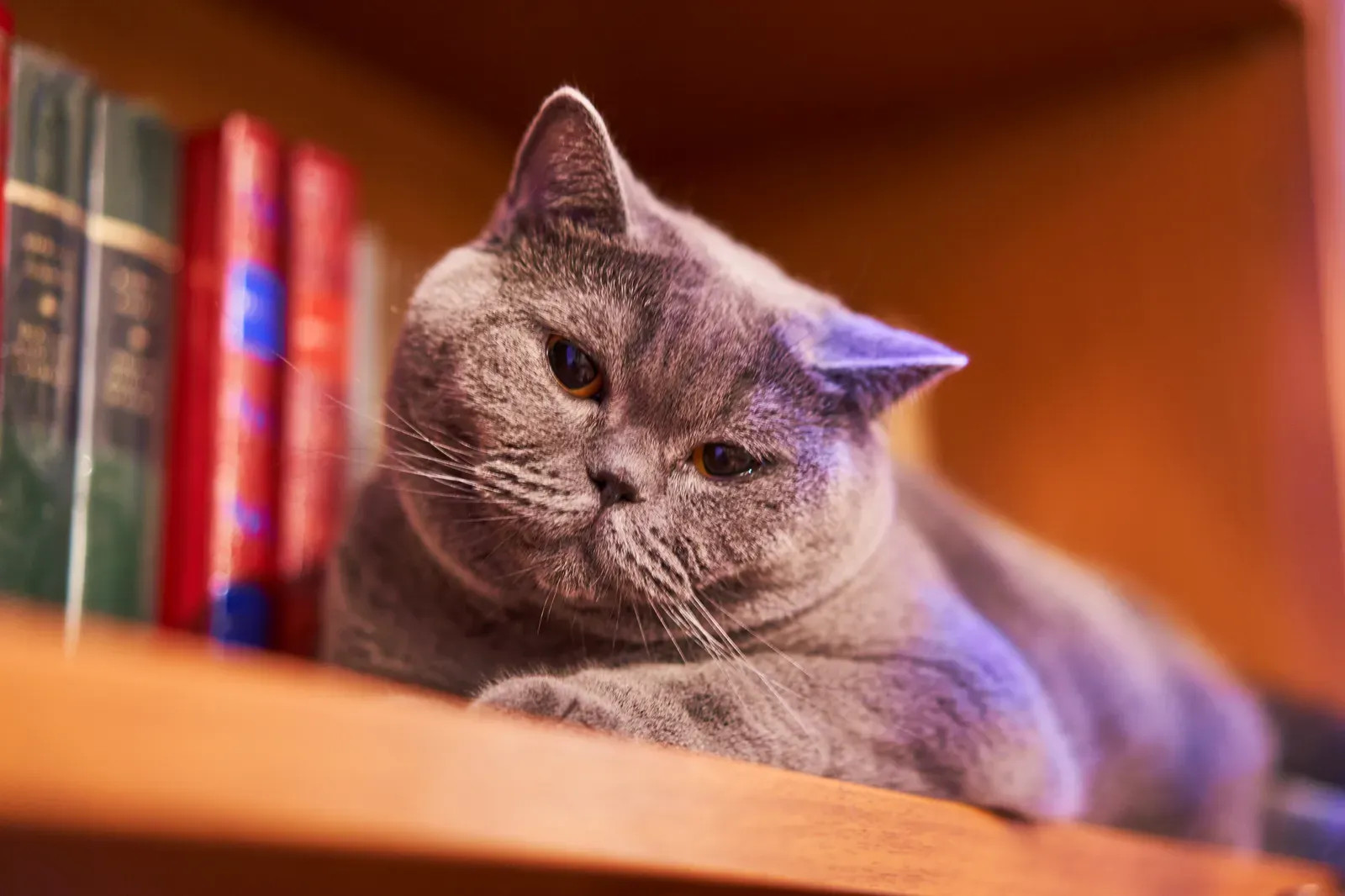
Cats are naturally cautious, and elevated areas provide a refuge where they can observe their surroundings without feeling vulnerable, because height equals safety and reduces the chance of being surprised by threats. Let’s be real: even in your perfectly safe home, your cat still operates under ancient survival protocols. Elevated areas provide comfort and reduce stress by giving cats a secure space away from noise, foot traffic, and other pets.
Climbing and perching provide mental enrichment because cats are curious animals, and exploring vertical spaces satisfies their need for stimulation. That bookshelf isn’t just furniture to your cat. It’s a fortress, an observation deck, and an entertainment center all rolled into one.
Territory Management from the Top Down
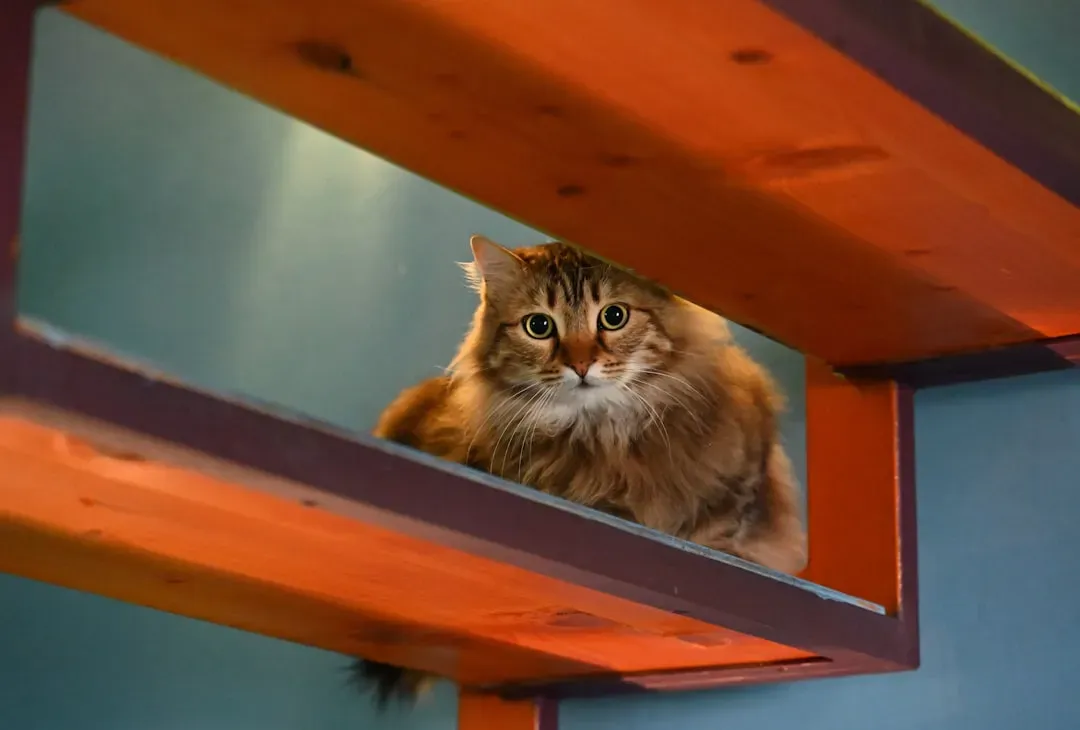
Cats don’t measure their territory by square footage but also by height, so creating vertical space enlarges your cat’s living area by a lot. This is particularly fascinating because it means your small apartment could feel like a mansion to a cat with proper vertical access. In multi-cat households, high places serve to expand available territory so cats can avoid conflict, with one cat claiming floor spaces while another claims elevated spaces.
In multicat environments, vertical space eases tension because a more timid cat has adequate warning of a potential opponent entering the room, and a more assertive cat can claim the highest spot as a show of status. Your cats have basically worked out a complex social hierarchy right under your nose, or rather, right above your head.
The Hunting Simulator in Your Living Room
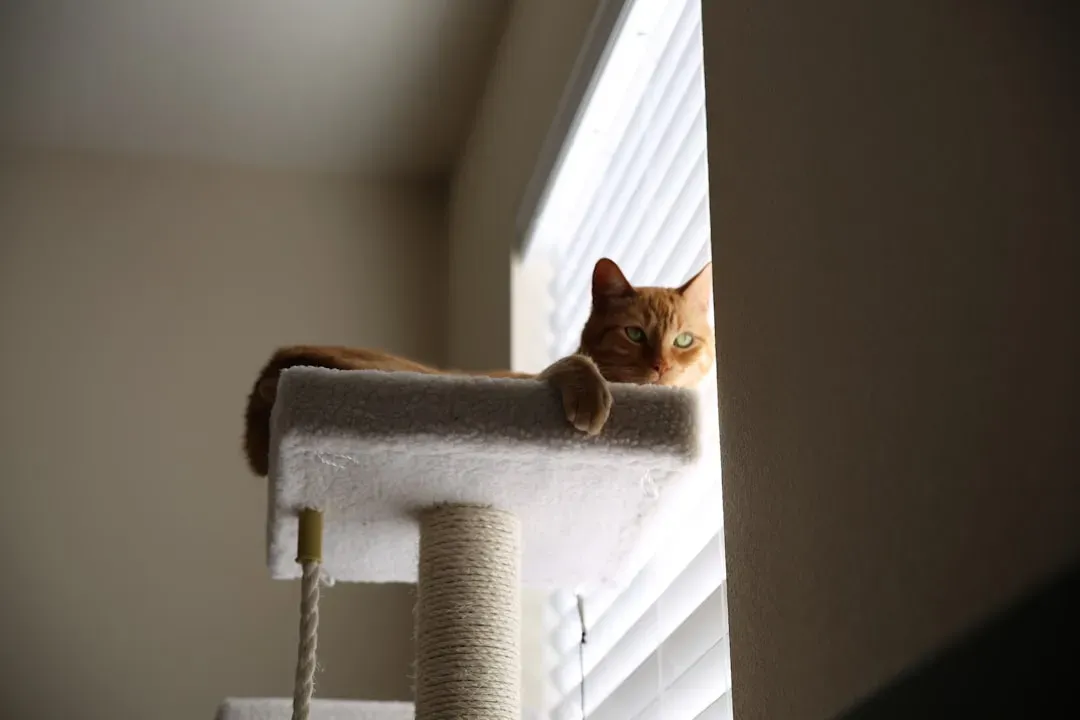
Vertical vantage spots emulate hunting and let cats enjoy the natural predatory sequence of pouncing, stalking, and chasing. Even though your cat’s dinner comes from a can, cats find hunting itself so exciting and rewarding that they continue to hunt even when they have no need to, which is why well-fed cats will often kill prey and leave it. Those elevated perches serve as perfect staging areas for imaginary hunts.
Cats climb into high places not just for alone time but also to better survey their environment for potential prey. Watch your cat closely next time they’re up high. You’ll probably notice their eyes tracking movement, their ears swiveling to catch sounds, their entire body poised in readiness. The hunting instinct is genetically conditioned and manifests in their typical ambush technique: waiting, observing, striking.
The Physical and Mental Workout You Didn’t Know About
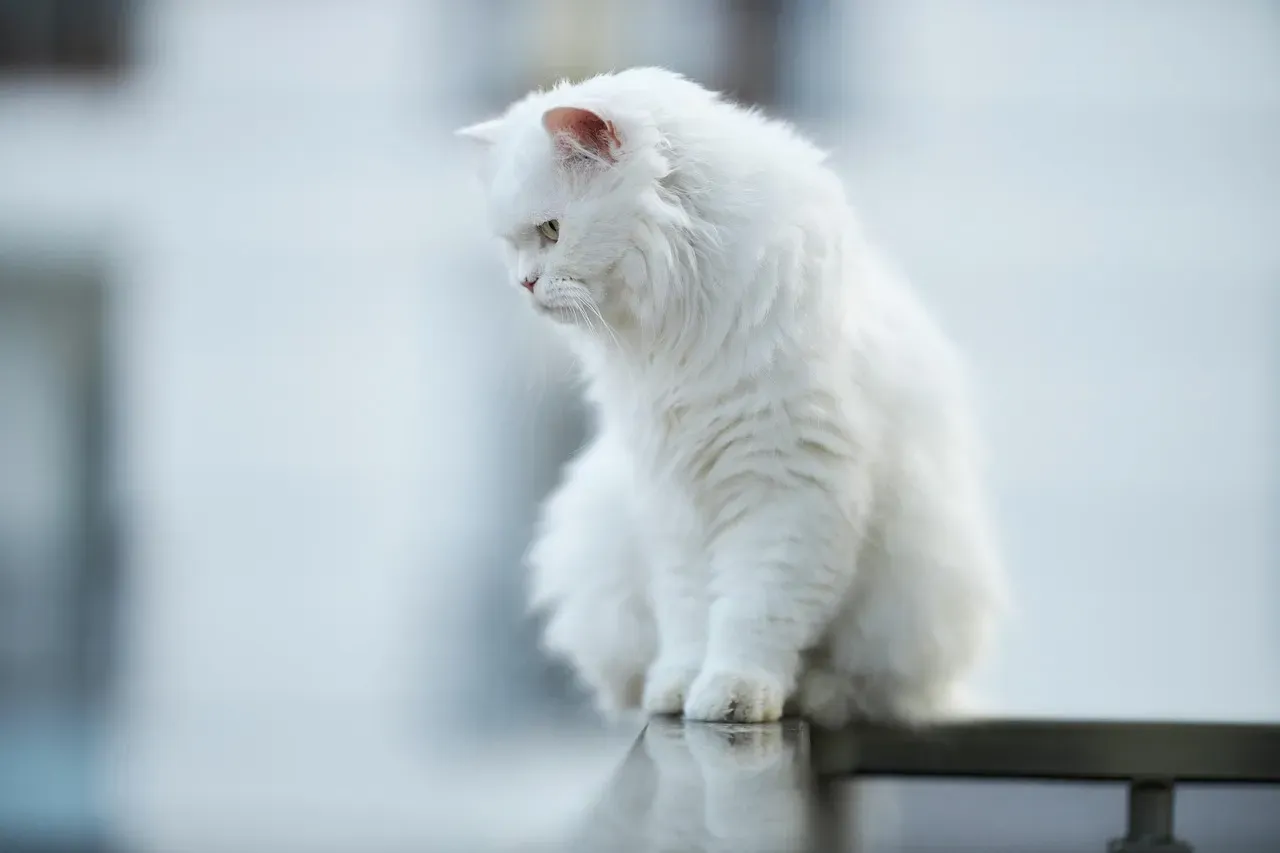
Climbing and jumping between perches provides much-needed exercise that helps keep cats agile, toned, and healthy, and lack of activity can lead to obesity and other health problems. Your cat’s vertical adventures aren’t just mental exercise. Vertical territory offers cats an opportunity to climb and get exercise, with playing up and down a cat tree being good for feline muscles.
Going vertical boosts your feline’s physical health since their routine now includes jumping, balancing, and climbing vertical structures. It’s hard to say for sure, but cats might actually have figured out the perfect home gym concept long before humans did.
Why Heat-Seeking Meets Height-Seeking
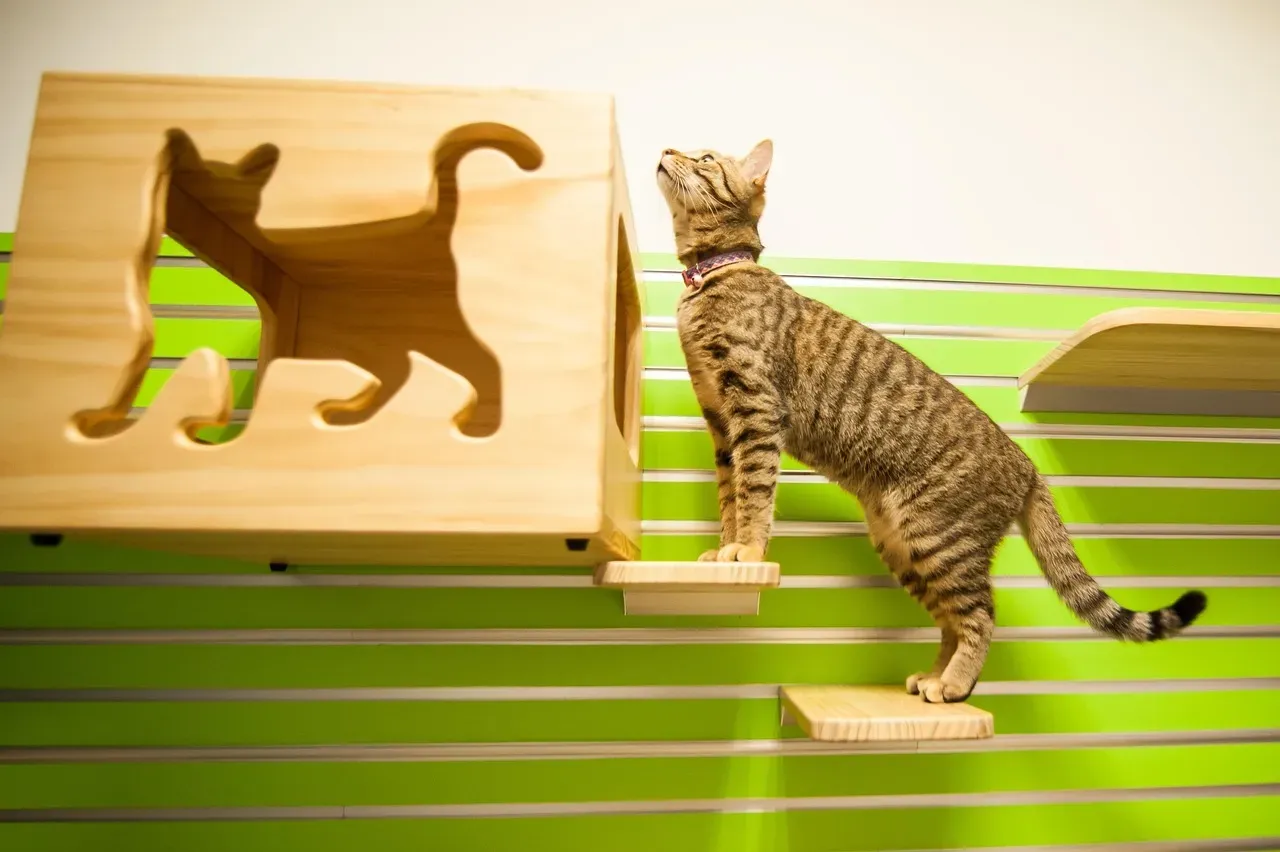
High places provide warm locations for cats to rest because warmer air rises, so cats might prefer the tops of appliances, cat trees, and bookshelves over cold floors. This is actually a brilliant piece of physics meets biology. Your cat isn’t just seeking elevation for observation purposes. They’re also chasing comfort in the most efficient way possible.
This preference for warmth can be especially true during winter when it’s colder in many places. So that spot on top of your refrigerator? It’s prime real estate offering both thermal comfort and tactical advantage. Your cat has basically found the penthouse suite of your home, complete with underfloor heating and panoramic views.
The Confidence Builder You Never Considered
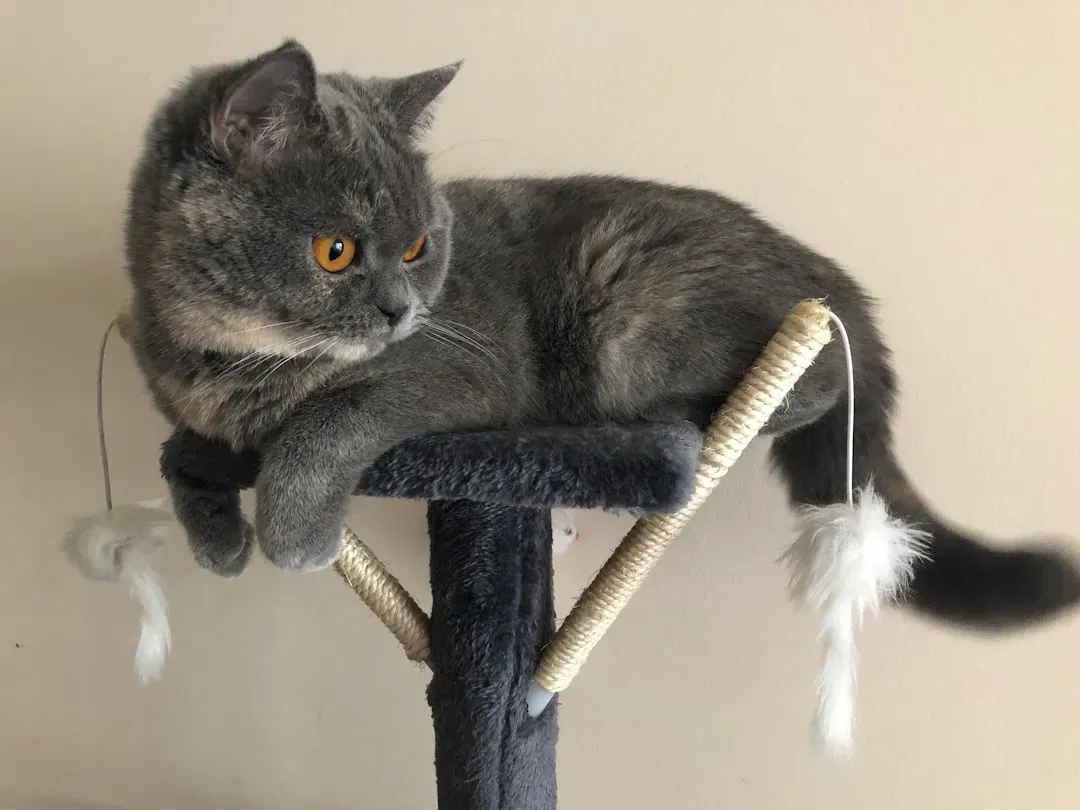
Perching at different heights gives cats new views that keep their environment interesting and allows them to engage in natural behaviors like watching the action below, which stimulates their mind and reduces boredom. There’s something empowering about having the high ground. Cats are better able to survey space and check for possible threats from elevated positions, avoid interactions with others more easily, and surveying the world promotes confidence.
Cats instinctively seek elevated vantage points for security, territory marking, and environmental observation. When your cat is up high, they’re not hiding from the world. They’re mastering it. That confident posture you see isn’t arrogance. It’s genuine self-assurance born from having complete situational awareness.
What This Means for Your Home Setup
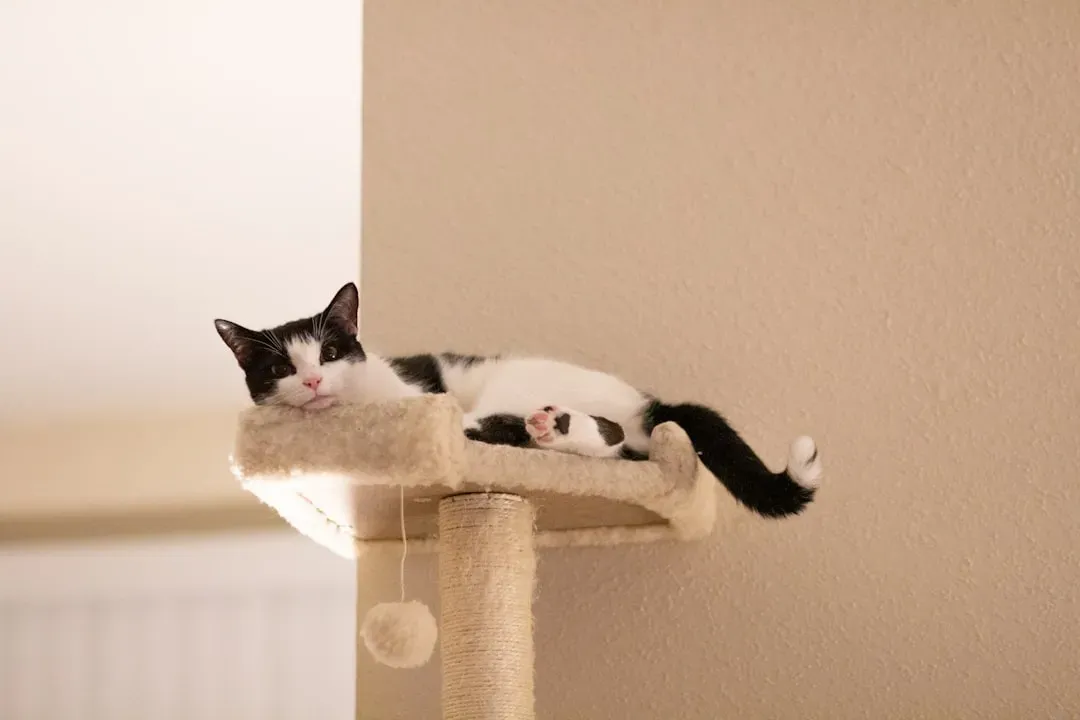
Preference for high places is part of a cat’s genetic makeup, and high perches are a key resource every cat needs to feel safe and secure. Honestly, if you’re not providing vertical space for your cat, you’re essentially asking them to live in a two-dimensional world when they’re hardwired for three dimensions. If we don’t create environments rich with vertical territory options, cats will often create their own, sometimes knocking down potted plants in the process.
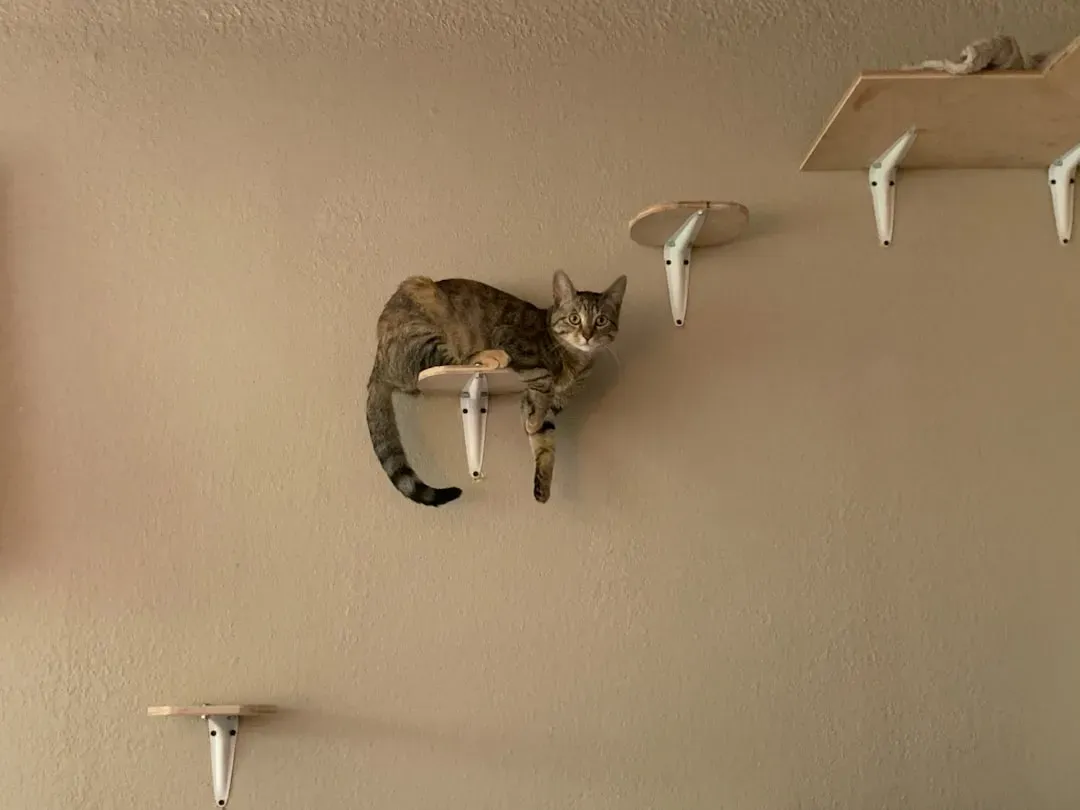
Even in a small apartment you can significantly increase the size of your cat’s space by incorporating vertical space, giving them the ability to exercise, snooze, climb, play and watch the world from above. Your cat isn’t asking for much, really. Just a few strategic perches, and suddenly their entire quality of life improves dramatically.
The Bigger Picture About Smaller Felines
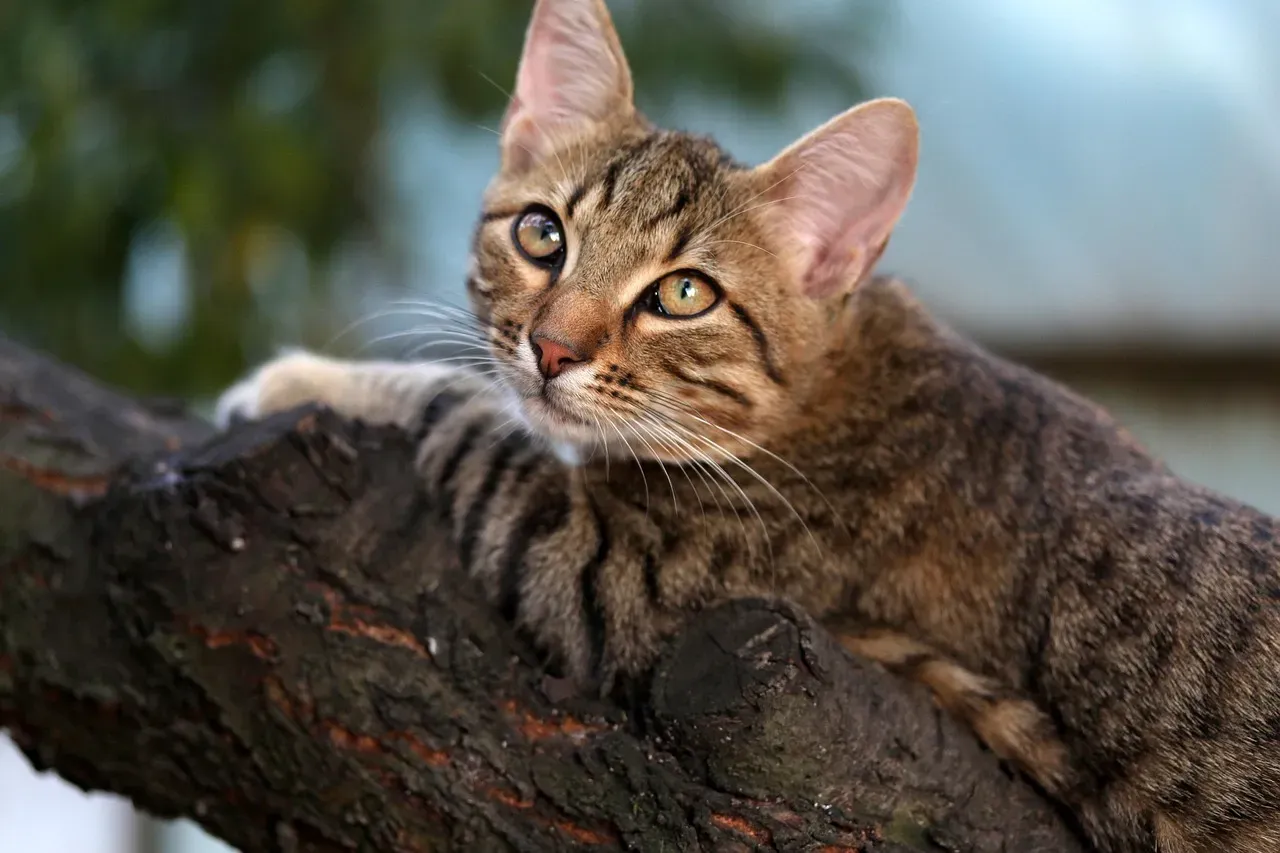
What if we’ve been underestimating what our cats are capable of all along? A study in the Journal of Feline Medicine and Surgery found that providing vertical space in shelters significantly reduced stress levels in cats by allowing them to engage in natural behaviors such as climbing and observation. This isn’t just interesting trivia. It’s evidence that vertical access is fundamental to feline wellbeing.
An adult cat’s intelligence is comparable to that of a two to three year old child, since both learn through imitating, observing, and experimenting, and cats are capable of learning human-like behaviors simply by watching their owners. That cat perched on your bookshelf isn’t just watching you. They’re studying you, mapping their environment, maintaining their territory, exercising their body, and satisfying thousands of years of evolutionary programming all at once. Pretty impressive for what you thought was just napping with a view, right?
Your cat’s obsession with high places turns out to be a masterclass in spatial awareness, strategic thinking, and environmental management. Next time you find your feline friend gazing down at you from the top of the cabinet, remember: they’re not being aloof or weird. They’re being brilliant. What does your home look like from your cat’s elevated perspective? Maybe it’s time to see things from their point of view.