You know the scene well. Your cat is lounging peacefully on the windowsill, soaking up the afternoon sun, when suddenly something flips. Without warning, they shoot across the room like a furry missile, eyes wide, ears back, tearing from one end of your house to the other with such intensity you’d swear they’ve seen a ghost. Then, just as quickly as it started, they return to calm, curling up as if nothing happened. We all laugh it off as the zoomies, that hilarious burst of chaotic energy that makes cats so endearing.
Yet have you ever stopped to wonder what’s really going on behind those wild eyes? Sure, most of the time these frantic sprints are harmless fun. Your cat’s just blowing off steam after a long nap, right? That’s what we’ve been told. The thing is, these seemingly random episodes might not always be as innocent as they appear. What if those zoomies are trying to tell you something more important about your cat’s wellbeing?
The Science Behind the Sudden Sprint
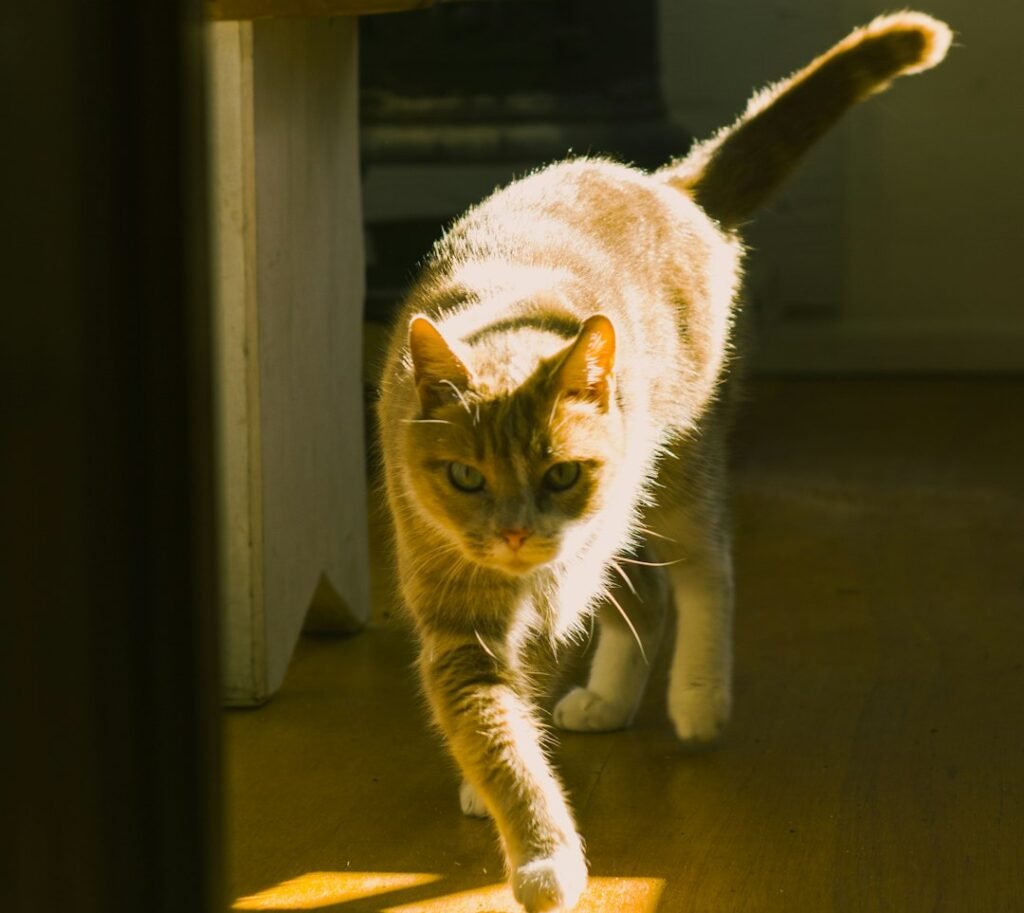
When your cat suddenly transforms from calm companion to hyperactive acrobat, they’re experiencing what veterinarians call Frenetic Random Activity Periods, or FRAPs. Let’s be real, that’s quite a mouthful for what most of us simply call the zoomies. These episodes are typically a healthy way for cats to release pent-up energy, especially after spending hours in that deep, restorative sleep state.
Cats sleep anywhere between 12 to 16 hours a day, storing up massive amounts of energy during those extended snooze sessions. Think of it like a pressure valve that needs releasing every so often. When a cat has been inactive and suddenly feels energized, playful zoomies often occur. During these normal episodes, you’ll notice your cat’s body language looks relaxed even amid the chaos – ears forward or neutral, tail upright, maybe even some playful chirps or meows.
When Nighttime Becomes Prime Time
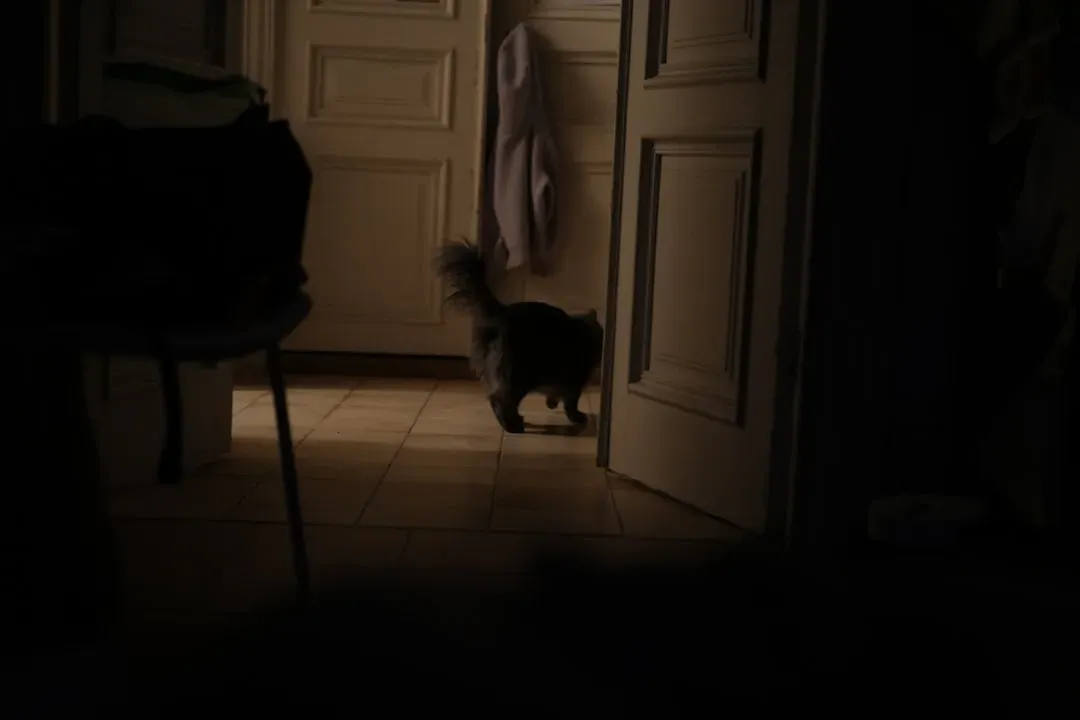
Here’s the thing about timing. If your cat regularly launches into turbo mode at three in the morning, there’s actually a biological reason for it. Cats aren’t nocturnal but crepuscular, meaning they’re naturally most active at dawn and dusk due to their biological need to hunt during cooler times of day. Your domesticated fluffball still carries these ancient instincts deep in their DNA.
Cats are crepuscular animals whose behavior traces back to wild ancestors who hunted during these times to take advantage of cooler temperatures and the movement of prey. Even though your cat’s hunting consists of stalking toy mice rather than real ones, their internal clock hasn’t gotten the memo. Cats sleep for roughly 13 to 14 hours a day, leaving plenty of stored energy for when they’re awake, and if they haven’t expended enough energy during the day, they may have zoomies at night.
The Dark Side of Those Darting Dashes
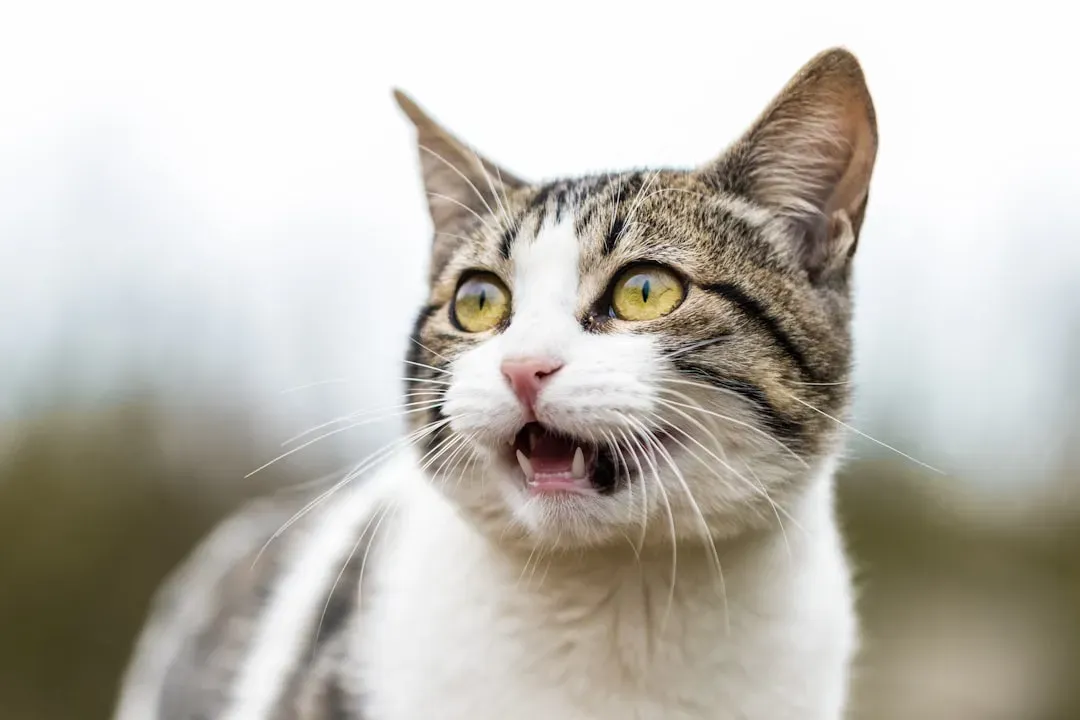
Now here’s where things get more complicated. Not all zoomies spring from joy and excess energy. Anxiety or distress can trigger zoomie-like behavior, though these episodes typically look different from playful ones, with anxious cats often appearing uncoordinated or frantic. The distinction matters more than you might think.
Cat anxiety symptoms can include excessive grooming, hiding, changes in appetite, and increased vocalization, and if you notice these behaviors alongside frequent zoomies, your cat might be experiencing stress. Keep an eye on your cat’s body language – a lowered tail, exposed claws, and flat ears are all signs of distress. Honestly, the difference between a happy zoom and a stressed-out scramble can be subtle, which is why paying attention to these details becomes crucial.
Post-Bathroom Blitz: Relief or Red Flag?
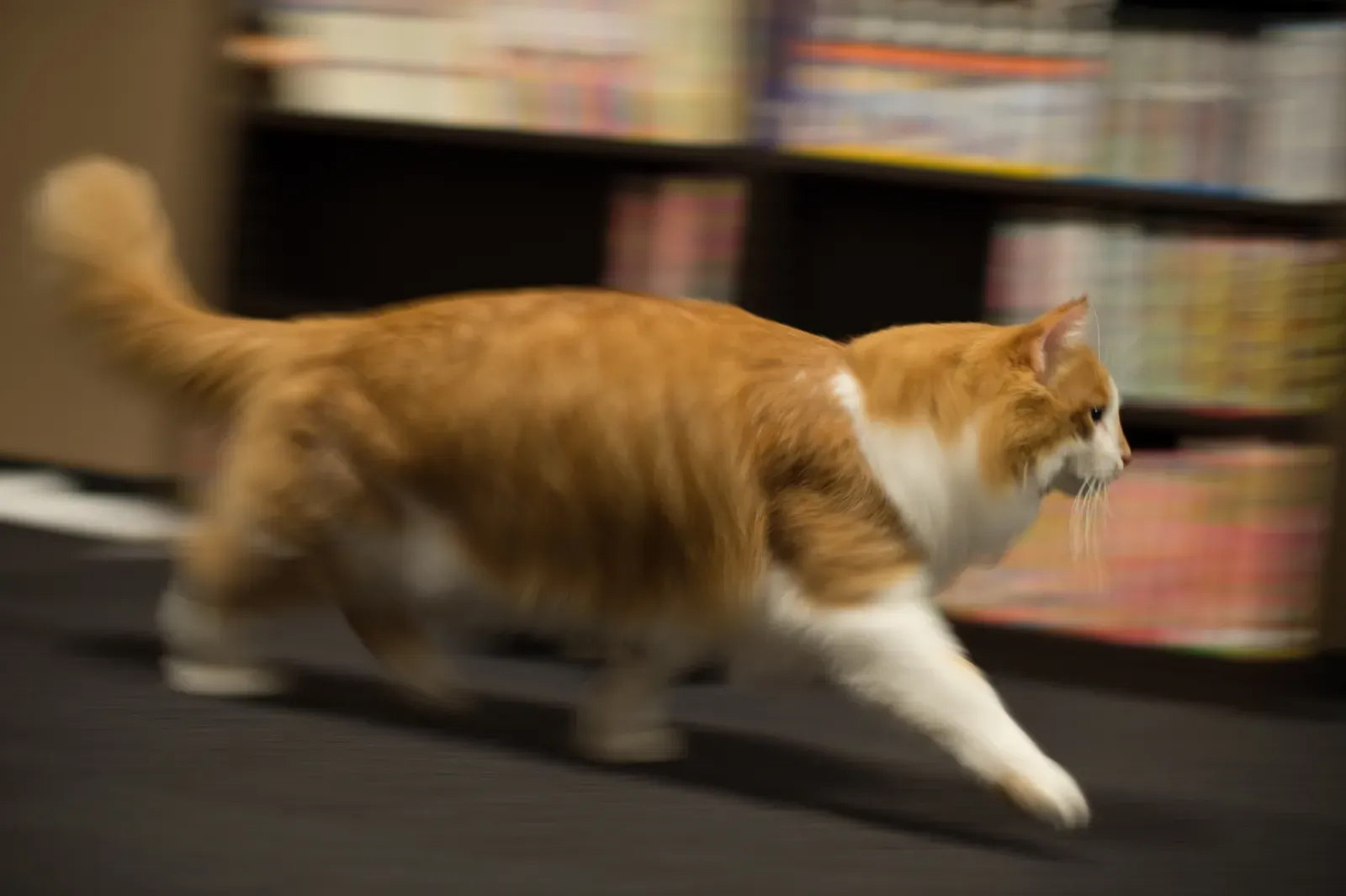
Many cats get zoomies after pooping, a phenomenon sometimes called “poophoria” or “crapnfrap”. I know it sounds ridiculous, yet this peculiar behavior has sparked genuine scientific curiosity. Several theories attempt to explain this bathroom-related burst of energy.
Peeing and pooping provide predators with a scent to track, so cats may simply be zooming away from the litter box to leave that vulnerability behind and put distance between their scented waste and themselves. Another theory suggests a connection to the vagus nerve and feelings of relief. The truth is, researchers aren’t entirely certain. What matters more is recognizing when post-bathroom zoomies might signal something wrong. If your cat gets zoomies after pooping, pay attention to signs of constipation such as discomfort, vomiting, defecation outside the litter box, or changes in stool, especially if this is a new behavior.
Hidden Health Problems Masquerading as Playfulness
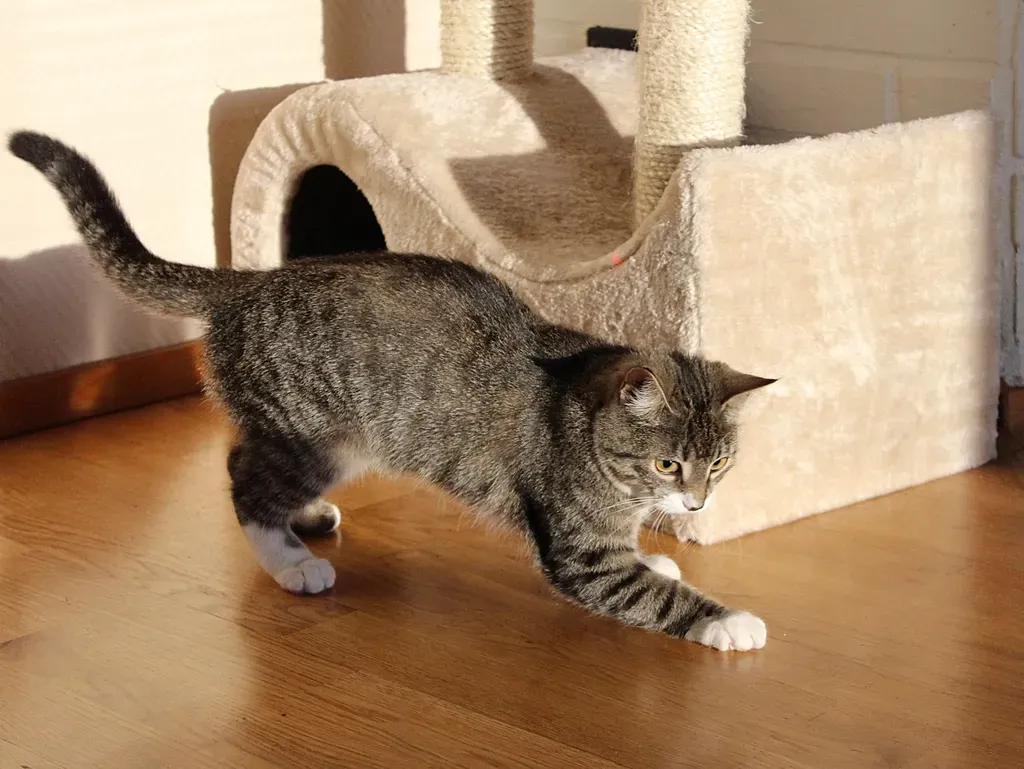
This is where things get serious. Sometimes what looks like harmless hyperactivity actually masks an underlying medical issue that needs attention. Above average levels of activity may indicate an underlying health condition such as hyperthyroidism, which increases energy levels in older cats. If your previously calm senior cat suddenly starts racing around like a kitten, that’s worth investigating.
Sudden changes in zoomie behavior might signal underlying health conditions like hyperthyroidism or mobility problems. If your cat has fleas or itchy skin, racing around may be their way of trying to escape the feeling. Think about it – if something was constantly biting or irritating your skin and you couldn’t scratch it properly, you’d probably want to run around frantically too. If your cat is suffering from irritation stemming from allergies or fleas, they may race around to escape the unpleasant feeling, so zoomies should be monitored if their activity is not consistent with their normal behavior.
Pain Speaking Through Paws
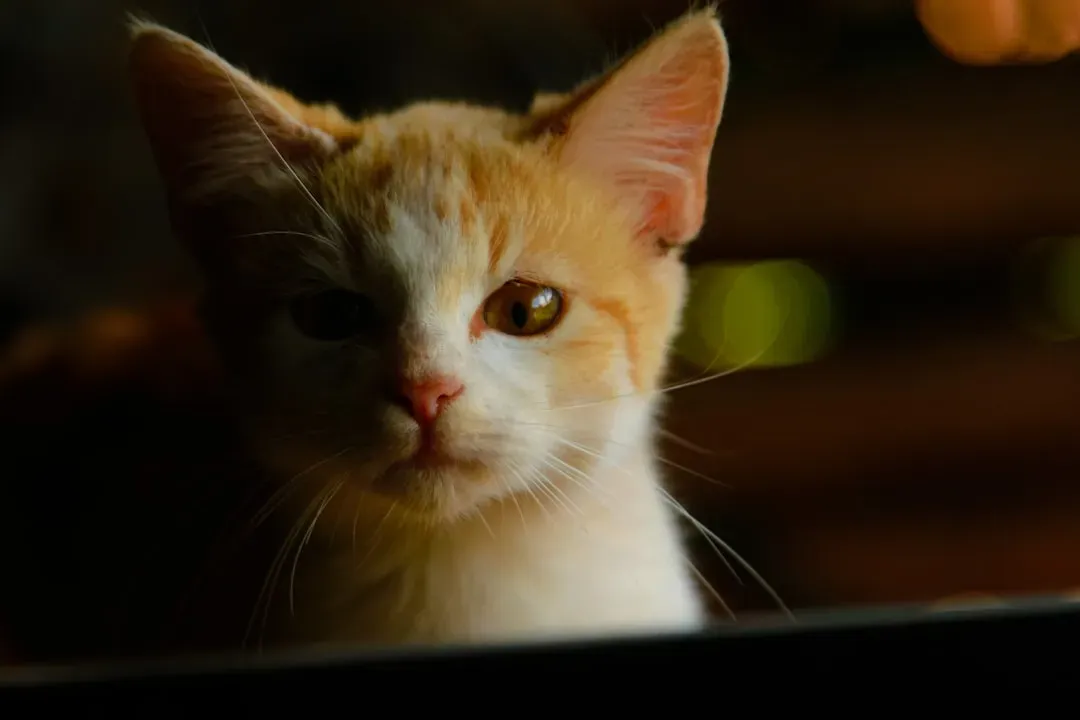
Pain can be tricky to spot in cats – they’re masters at hiding discomfort. While acute pain is a far less common reason for cat zoomies, it’s important to know when the behavior may indicate your kitty is in pain, and if you suspect pain is the culprit, get them to the vet as soon as possible. The challenge lies in distinguishing between healthy energy release and pain-driven behavior.
Watch for other telltale behaviors of discomfort like irritability, scratching, or excess licking, and if a cat engages in licking a particular area repeatedly in addition to zooming around, it may indicate pain or anxiety. An aging cat may be losing their eyesight or hearing, which could cause them to run when startled or surprised. These sensory losses can make the world feel unpredictable and frightening, triggering frantic running as a stress response rather than playful release.
Boredom’s Desperate Cry for Help
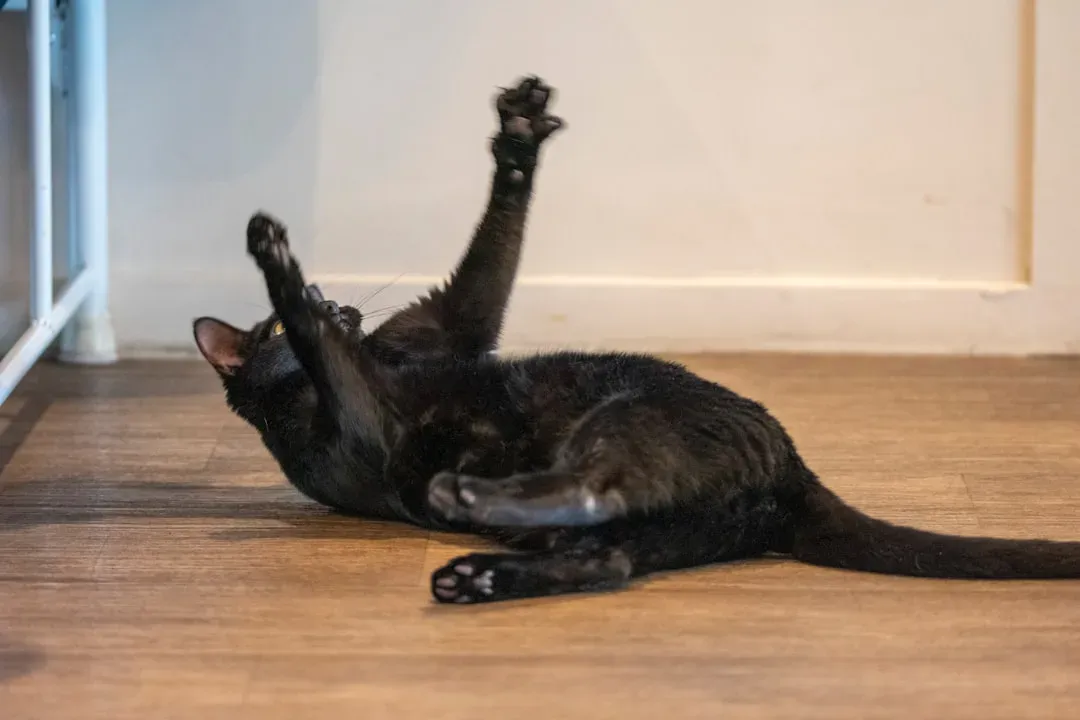
Indoor cats face a unique challenge. Zoomies are caused when your cat experiences a buildup of excess energy and can be a sign that your cat isn’t getting enough physical or mental stimulation, which is most common in indoor cats unable to practice their natural hunting skills. Your home, comfortable as it is, lacks the sensory richness of the outdoor world.
Living inside is safe for a house cat but far less interesting than surviving in the wild, so some indoor cats are desperate for something to break up the monotony and make up their own fun time in the form of zoomies to combat their pent-up energy. It’s honestly quite sad when you think about it – imagine being a finely tuned predator with nowhere to hunt, nothing to stalk, and no territory to patrol. An occasional burst of frapping is quite normal, but if your cat is getting the zoomies on a daily basis, this could be a sign that they are under-stimulated and frustrated.
Stress Signals Hidden in Hyperactivity
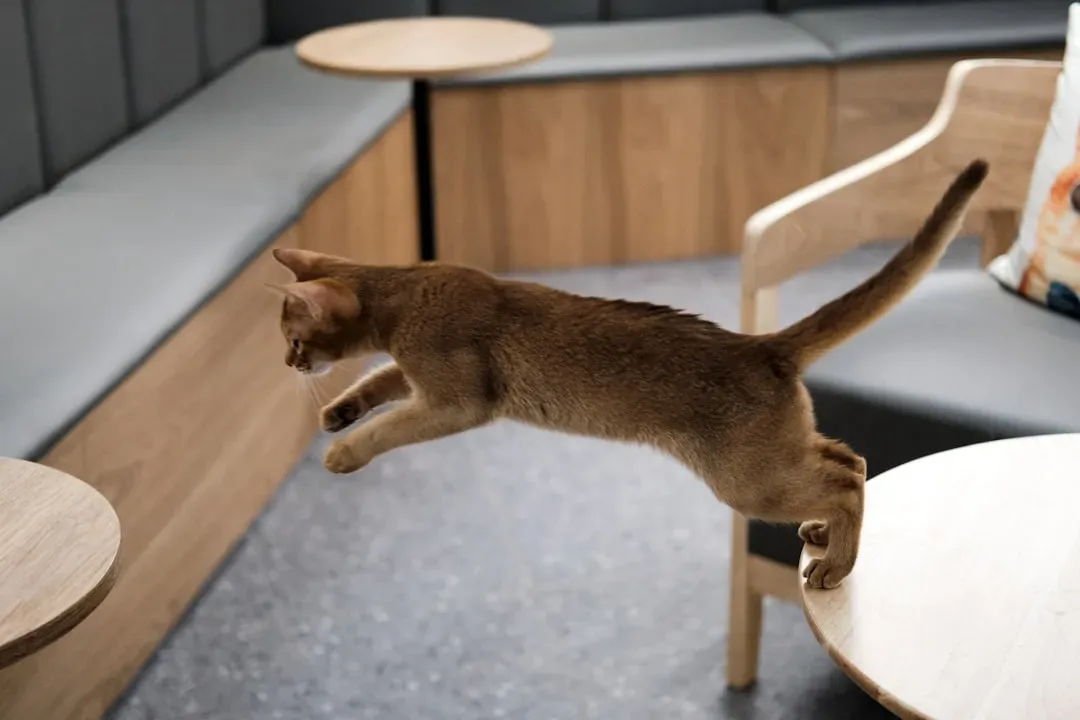
Environmental stressors can absolutely trigger excessive zoomies. Stress, anxiety, and environmental changes can trigger hyperactive episodes, and new pets, moving furniture, or changes in routine might cause your cat to display unusual energy levels as they process these changes. Your cat might be trying to cope with upheaval in the only way they know how – through frantic movement.
On occasion, cat zoomies can be a sign of anxiety or stress, and cats may exhibit high-energy bursts as a way to release pent-up tension or nervous energy, especially in response to specific triggers like loud noises or changes in their environment. Common stressors include changes in the home environment, new pets or people, loud noises, and insufficient stimulation. Sometimes the trigger isn’t obvious to us humans, which makes detective work necessary.
The Age Factor: When Zoomies Change Meaning
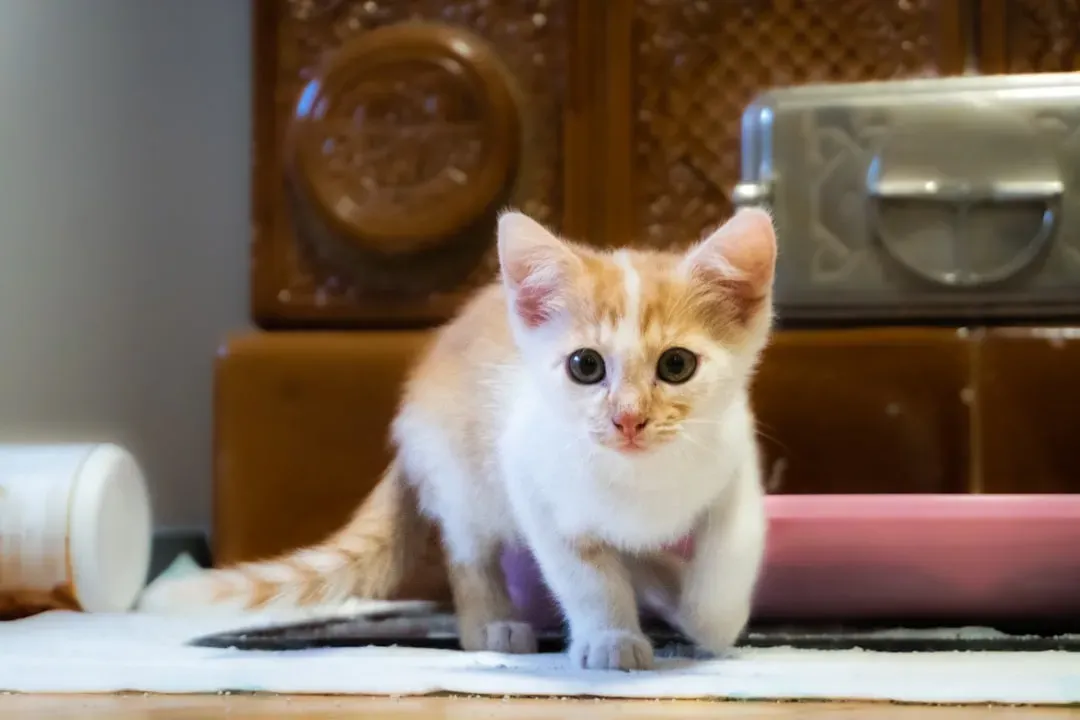
FRAPs can happen to cats of all ages, though they’re especially common in kittens and younger cats. Kittens practically overflow with energy – their zoomies are expected, normal, and usually hilarious to watch. Adult cats zoom less frequently but still experience these bursts periodically. Senior cats, however, present a different story.
Even as cats enter their senior years, they may still experience zoomies though typically less often due to age-related changes like decreased muscle mass and arthritis, and if your senior cat starts zooming around after receiving pain medication, it could be a positive sign that their treatment is working. Conversely, if your older cat suddenly develops intense, frequent zoomies they never had before, that deserves veterinary attention. Even older cats can get zoomies though it’s less common, and in seniors, sudden bursts of activity can sometimes be a sign of discomfort such as joint pain or hyperthyroidism rather than just playfulness, so if your senior cat’s zoomies are new or unusually frequent, it’s worth having them evaluated.
Transforming Chaos Into Constructive Play
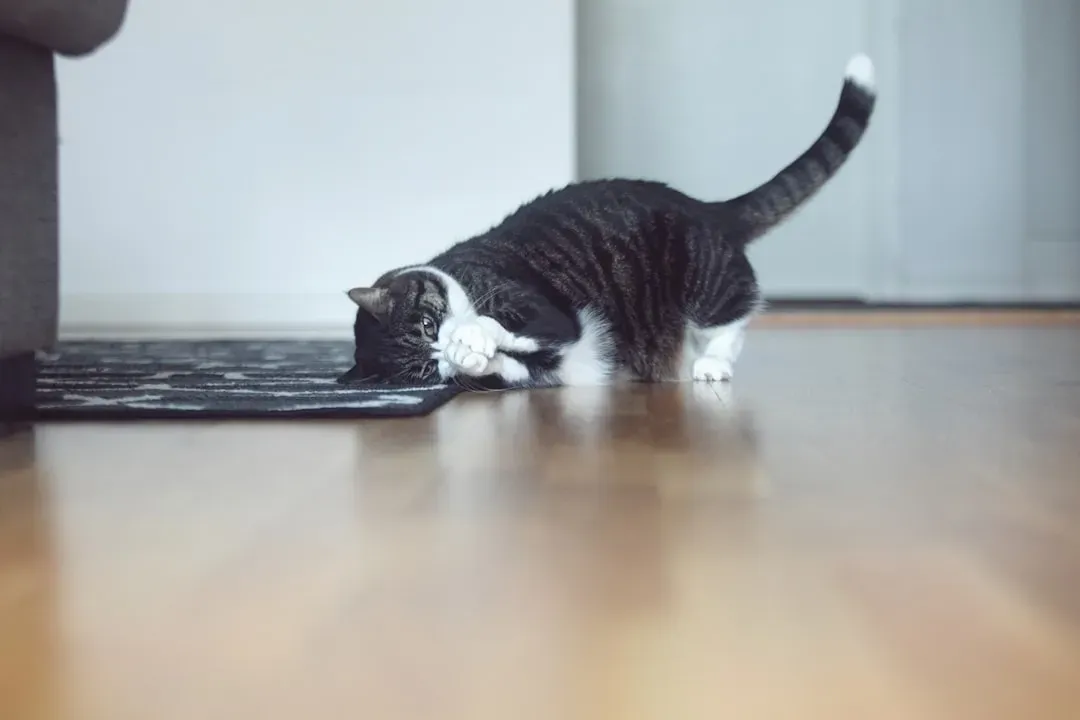
So what can you actually do about problematic zoomies? The solution often lies in providing better outlets for that explosive energy. If a cat frequently engages in the zoomies, it’s probably an indication that the cat needs more exercise, so make sure your kitty is getting regular playtime. Structure matters more than you’d expect.
Aim to engage in at least two 15-minute interactive play sessions per day, and it’s important to provide mental exercise and satisfaction so don’t just exhaust the cat but play in a way that allows kitty to stalk and plan. This mimics the natural hunting sequence – spot, stalk, chase, pounce, catch – that satisfies deep instinctual needs. Toys that move unpredictably work best. Feather wands become birds, toy mice become prey. To prevent cat boredom when you’re not home, leave out toys for mental stimulation plus a cat scratching post so your kitty can stretch their muscles, and you can even turn on the television to treat your cat’s senses.
Knowing When To Seek Professional Help
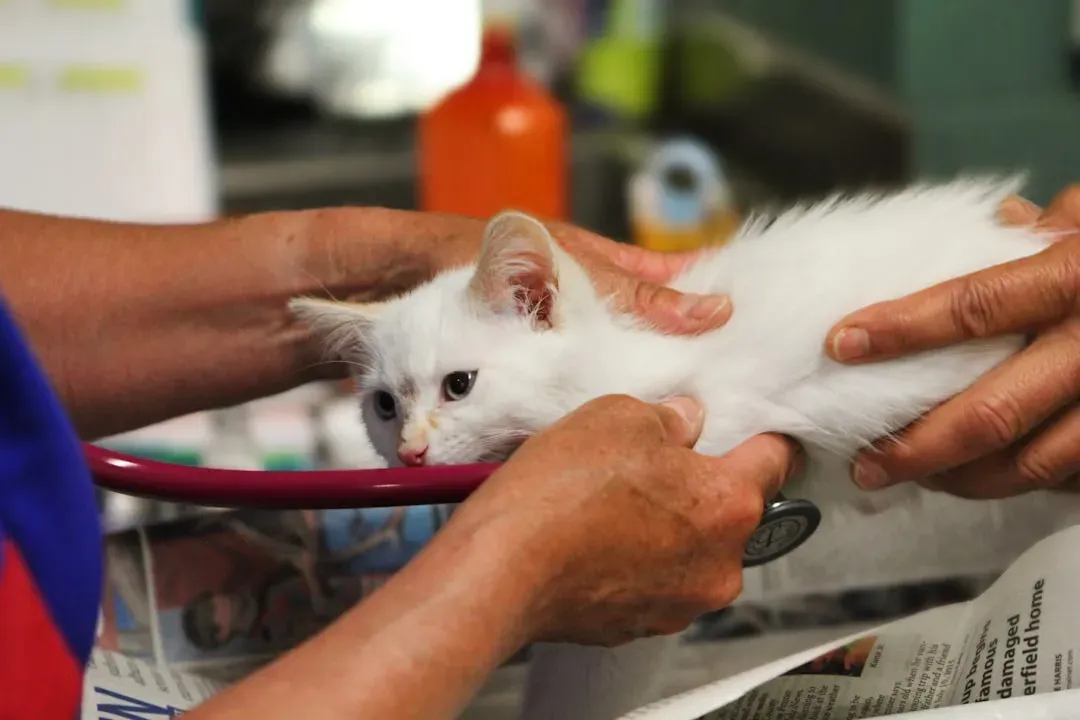
A more concerning type of zoomies comes with other symptoms including excessive scratching or overgrooming, loud or unusual vocalizations during zoomies, straining or discomfort in the litter box, changes in eating or drinking habits, and general restlessness or signs of anxiety and stress. These combinations demand veterinary evaluation because they often point toward medical rather than behavioral causes.
Even if your cat isn’t clearly exhibiting signs of pain, if cat zoomies are ongoing after regular exercise, it’s time for a veterinary appointment. Trust your instincts here. You know your cat better than anyone. If something feels off, if the zoomies seem different somehow, if your gut tells you this isn’t just playful energy, listen to that intuition. If your normally languorous and leisurely kitty suddenly begins zooming about – especially if they seem anxious or unable to calm down from the burst – there could be an underlying medical cause that needs checking out.
Finding Balance Between Wild and Well
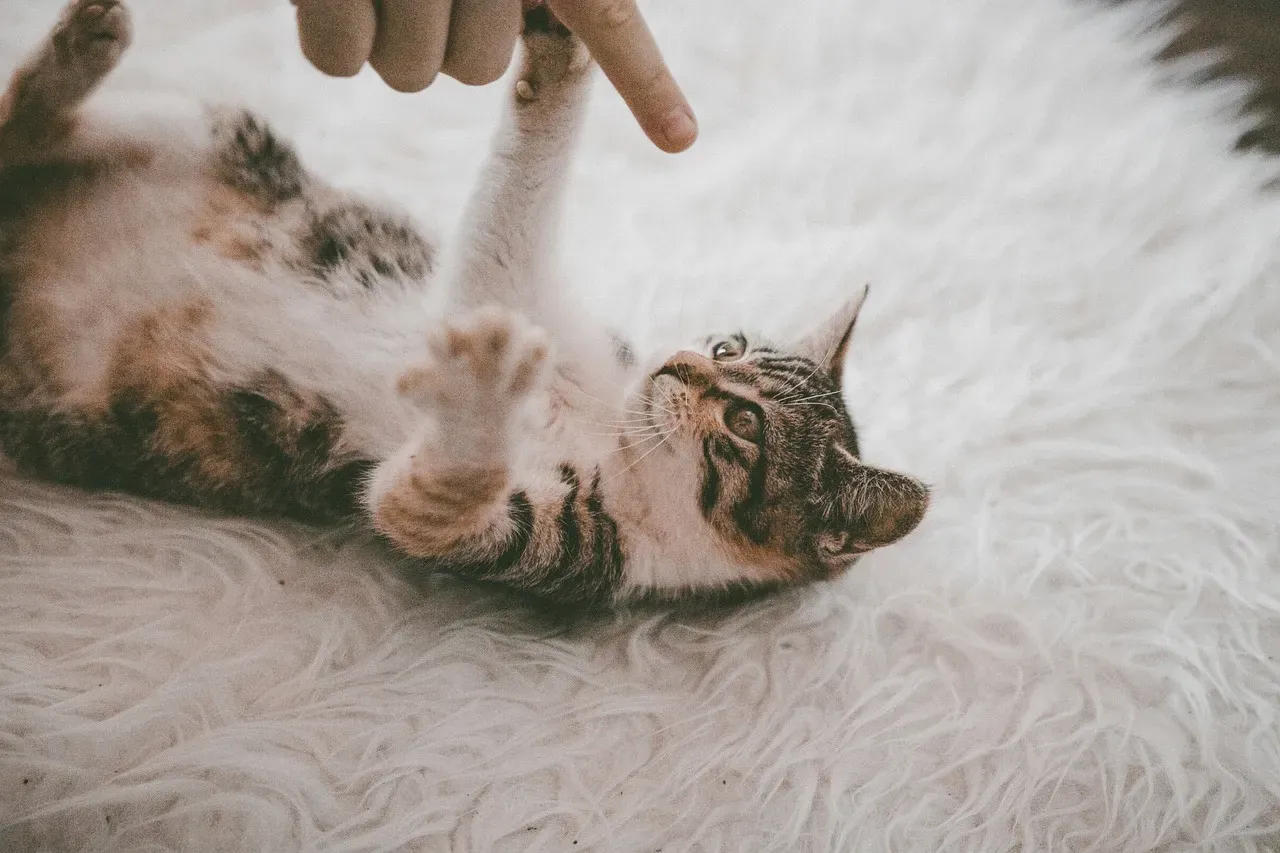
For most cats, zoomies are a sign of a healthy, happy animal who has energy to burn, and while they might startle you the first few times, zoomies are a great reminder that cats have a playful side no matter their age. The key lies in understanding context, frequency, and accompanying behaviors. Normal zoomies should be relatively brief, leave your cat seeming satisfied afterward, and occur without signs of distress.
Creating an enriched environment helps immensely. Multiple perches at different heights let cats survey their territory. Window views provide entertainment. Puzzle feeders engage hunting instincts. Scratching posts offer appropriate outlets for energy and territorial marking. Regular interactive play sessions scheduled before your bedtime can help align your cat’s active periods with times when you’re awake and available. What works brilliantly is understanding your individual cat’s needs and adjusting your home environment accordingly.
Those wild midnight sprints through your hallway might be nothing more than your cat being wonderfully, perfectly cat. Yet they could also be subtle signals that something needs attention – whether that’s more playtime, environmental enrichment, stress reduction, or medical care. The difference between harmless fun and hidden problems often comes down to observation, understanding context, and trusting your knowledge of what’s normal for your specific feline companion. What did you notice the last time your cat got the zoomies? Did their behavior seem playful or distressed?