Ever notice how your cat seems to have a completely different meow when they’re demanding breakfast versus when they’re greeting you at the door? It’s not your imagination. Your feline friend has been quietly developing a personal language designed just for you, full of subtle variations that most people overlook. Think of it like a secret code between the two of you, except you might not have realized you’ve been learning it all along.
Here’s the fascinating part: cats don’t really meow at each other as adults. This vocalization is reserved specifically for people. They’ve essentially invented an entire communication system tailored to get through to us humans, who are apparently too oblivious to pick up on their other signals. So what exactly are they trying to tell you with all those different sounds? Let’s dive in and crack the code.
The Evolution of Feline Chatter
Cats probably first encountered humans roughly 10,000 years ago when people began establishing permanent settlements. Those early settlements attracted rodents, which naturally drew cats looking for an easy meal. The less fearful cats that could tolerate being around humans had a serious survival advantage.
What’s really interesting is that unlike dogs, which were bred by humans for specific traits, cats essentially domesticated themselves. They chose us, not the other way around. House cats meow both more frequently and specifically at human beings, indicating that vocalization is a learned behavior stemming from domestication. Since humans are unlikely to perceive and understand pheromones, cats have evolved to be more expressive in utilizing auditory messages.
Why Your Cat Only Talks to You
Adult cats tend not to meow to other cats because they can effectively communicate in other ways through scent, body language, touch, and facial expressions. Think about it. When was the last time you saw two adult cats having a meowing conversation? Probably never. They have far more sophisticated ways of communicating with their own species.
Cats try to communicate with their humans using these same methods, but frankly, they’ve learned that we’re not very good at picking up on these subtle signals. Which is why cat behaviorists believe cats use meowing as a more effective way to communicate with people. Essentially, they’ve dumbed down their communication style for us. Honestly, it’s a bit humbling when you think about it.
Decoding the Pitch Perfect Meow
Higher-pitched meows often indicate a sense of urgency or distress, while lower-pitched meows are associated with contentment or a more relaxed state. It’s like the difference between someone calmly asking for something versus desperately pleading. The emotional intensity comes through loud and clear once you know what to listen for.
A positive meow, like in a greeting or if your cat wants to be fed, will rise in pitch towards the end. A distressed meow, like traveling in a cat carrier or going to the vet, will fall in pitch. Pay attention next time your cat vocalizes. That upward lilt at the end? That’s optimism. The downward slide? Not so much.
The Length and Frequency Factor
Short meows typically mean hello, while longer meows often indicate requests or demands. High-pitched meows might signal distress, while low-pitched meows can indicate displeasure or anger. Your cat has basically figured out that volume and duration matter when trying to get your attention.
Rapid, continuous meows usually indicate a strong need for attention or a persistent request. If your cat is giving you the machine gun version of meowing, they’re not messing around. They want something, and they want it now. Cats learn what works and what doesn’t to get our attention, especially when they want something. A cat may experiment with different meowing sounds to determine which one tugs at your heartstrings more effectively.
The Greeting Meow Versus the Demand Meow
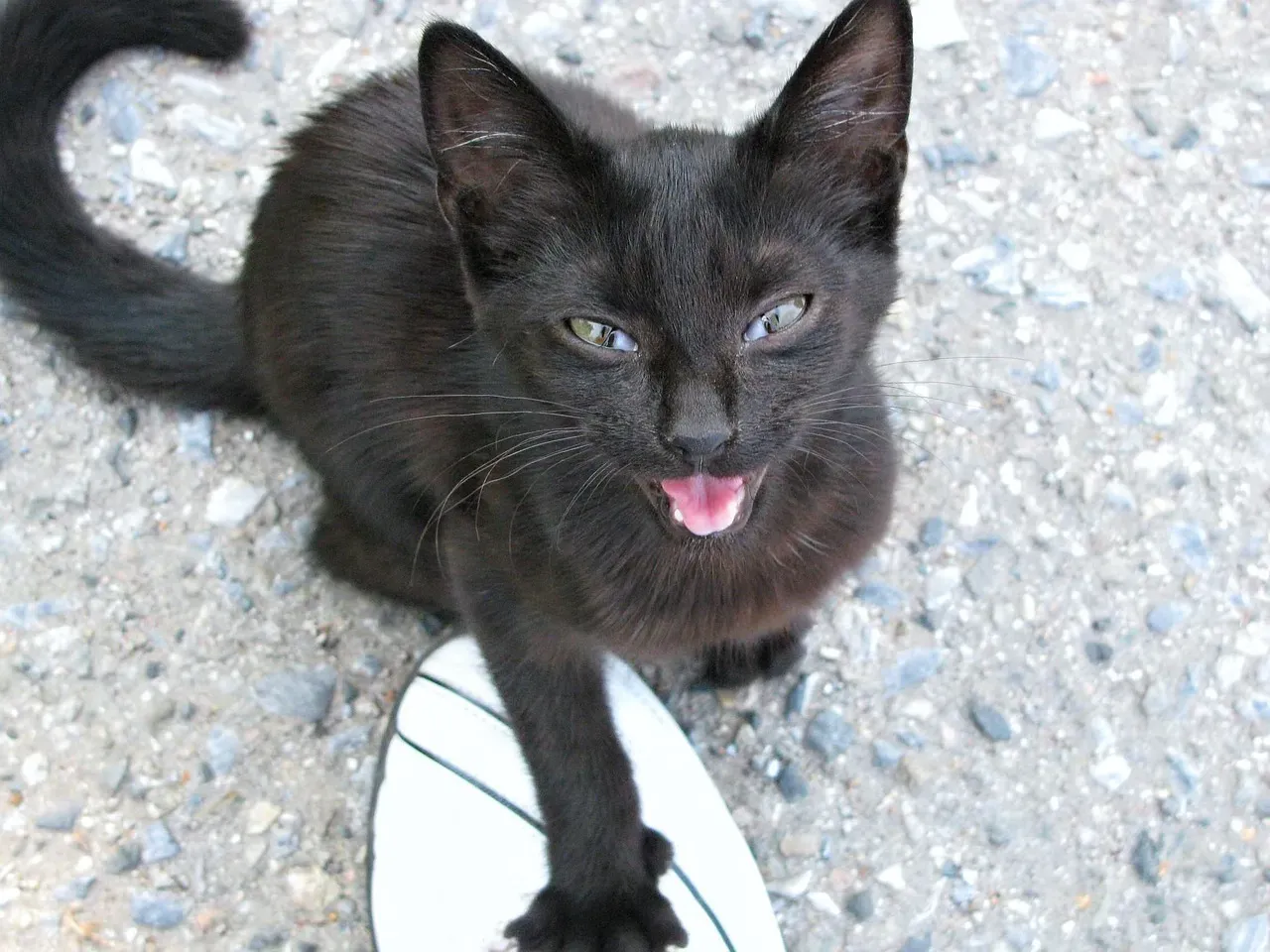
Short, cheerful meows are typically used as friendly greetings. These brief vocalizations, often accompanied by an upright tail and forward-pointing ears, signal that your cat is happy to see you and wants to interact. It’s their version of saying hello, and it usually comes with a little personality flourish depending on the cat.
When your cat delivers a soft, high-pitched meow that almost sounds like a whimper, it’s usually a sign of their need for attention or affection. On the other hand, a cat may use a loud and persistent meow to express their hunger or request something specific. The difference is pretty obvious once you start paying attention. One says “I’d love some pets,” the other screams “Feed me immediately or face the consequences.”
The Gender Communication Gap
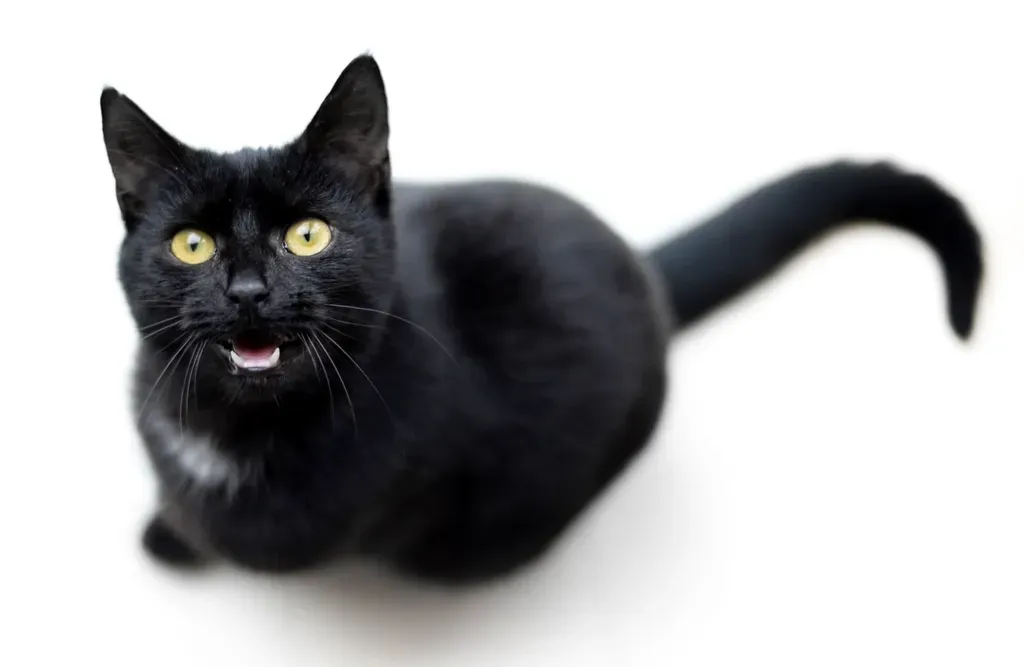
Here’s something that might surprise you. On average, cats produced 4.3 meows in the first 100 seconds of greeting men compared to just 1.8 with women. That’s more than twice as many vocalizations for the guys. Why would cats discriminate like this?
Because male caregivers tend to talk less to their cats and are generally less attentive, the cats adjust their communication to get their attention. This difference could prompt cats to use vocal signals more actively to elicit responses from male caregivers. Your cat has basically figured out that men need more explicit instructions. They’re not being rude, they’re being practical.
The Silent Meow That Speaks Volumes
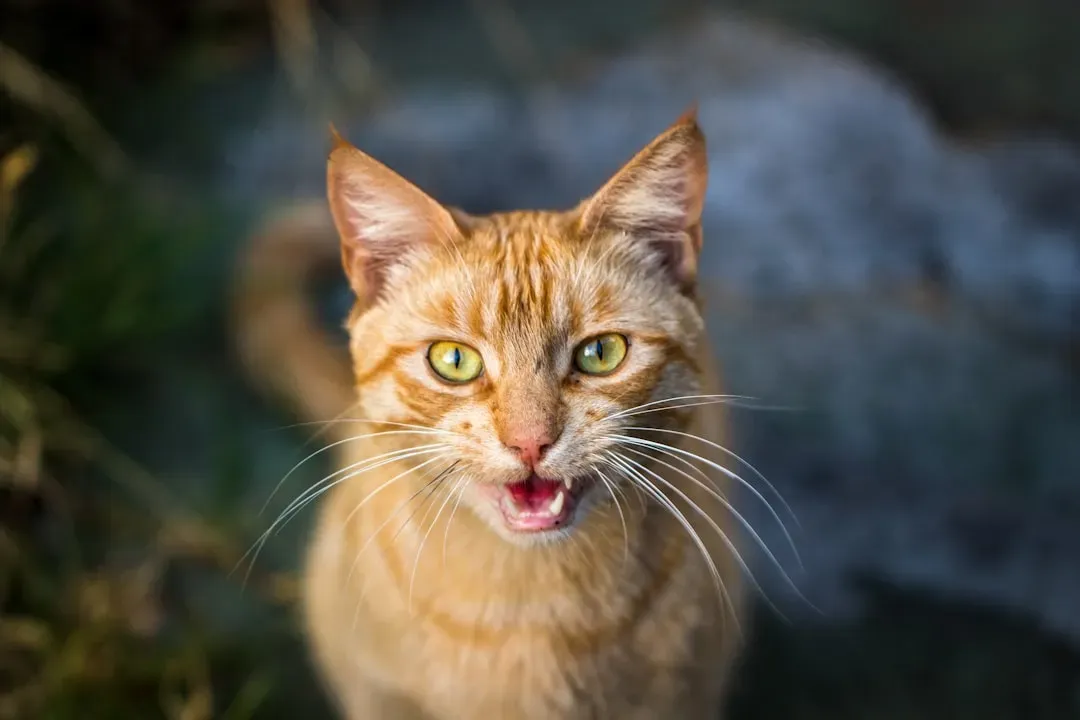
A meow can even be silent, where the cat opens its mouth but does not produce any sound. If you’ve ever seen this, you know exactly what I’m talking about. Your cat opens their mouth, appears to be meowing, but nothing comes out. It’s almost comically adorable.
Some experts believe this silent meow is actually a sign of trust and affection. Your cat is giving you the ultimate compliment by attempting to communicate in a way that’s so subtle, only someone really paying attention would notice. It’s the feline equivalent of an inside joke between close friends.
Beyond the Basic Meow
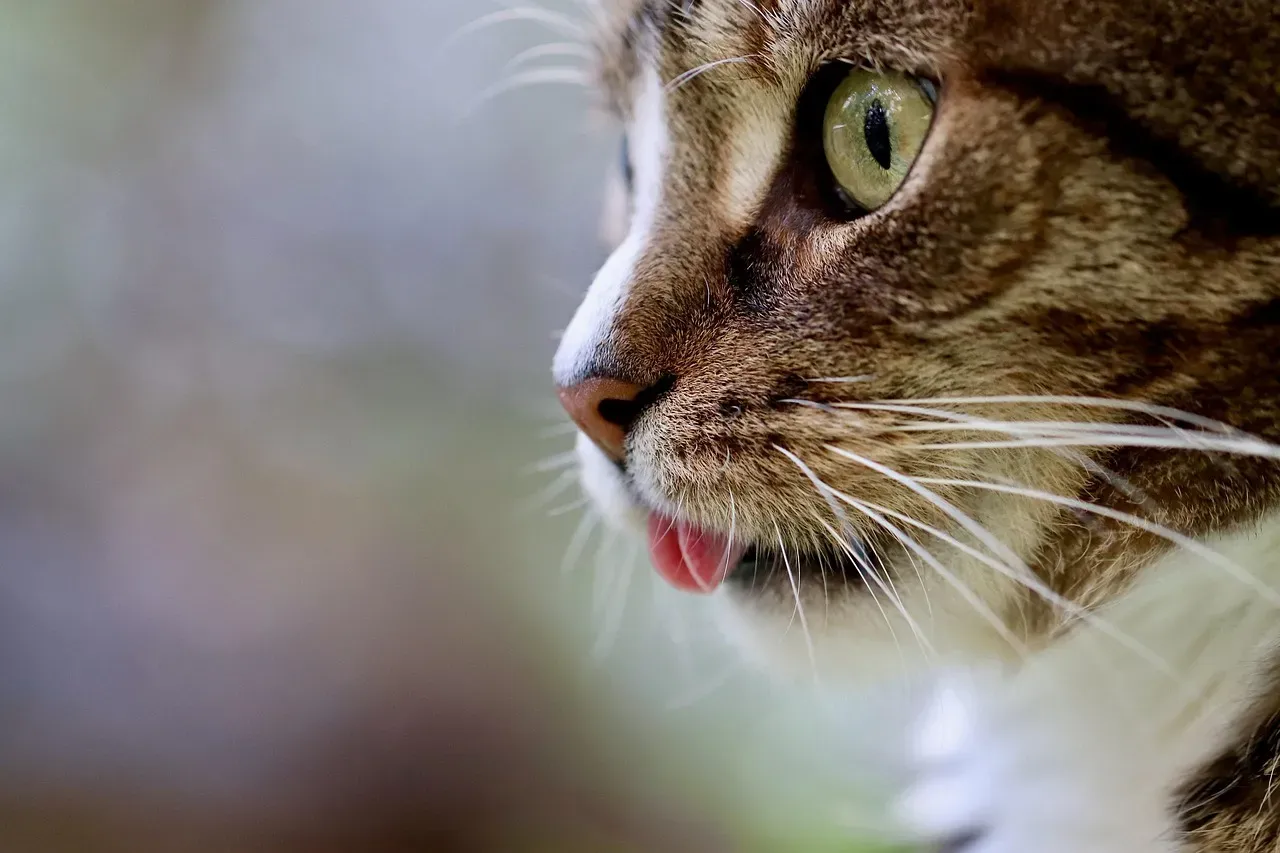
The chirr or chirrup sounds like a meow rolled on the tongue. It is commonly used by mother cats to call their kittens inside the nest. Kittens recognize their own mother’s chirp, but they do not respond to the chirps of other mothers. When your adult cat uses this sound with you, they’re essentially treating you like family.
Cats sometimes make excited chirping or chattering noises when observing or stalking prey. These sounds range from quiet clicking sounds to a loud but sustained chirping mixed with an occasional meow. This is your cat’s hunting voice, and it usually happens when they’re watching birds through the window. It’s a mix of excitement and frustration at not being able to reach their target.
The Personalized Vocabulary
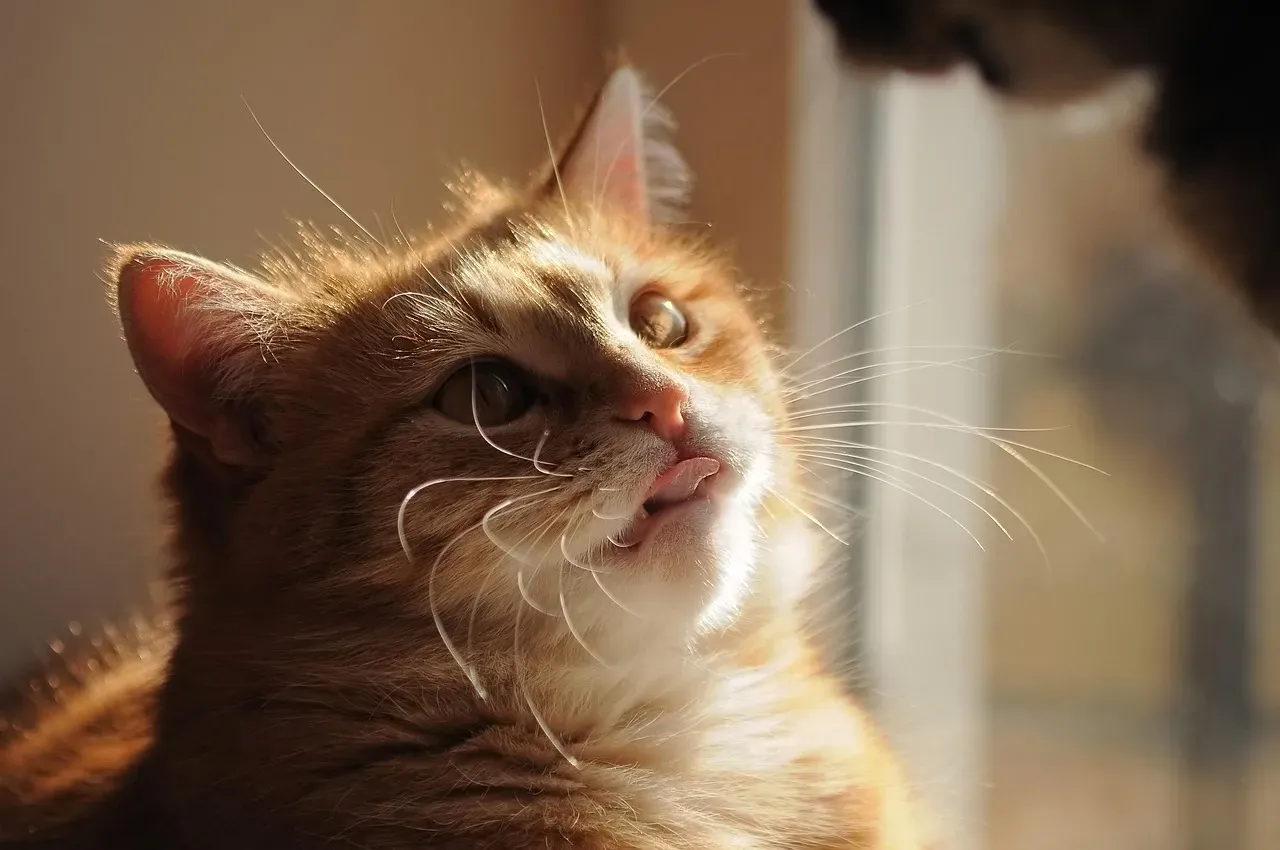
Since cats customize their meow in accordance to their owners, applications utilize separate profiles rather than a shared generic database. Users can create new labels to assign recordings to, improving the prediction accuracy as it familiarizes itself with the individual cat-specific model. Every cat develops their own unique dialect based on what works with their particular human.
Cat-human pairs learn together to develop a mutual understanding of one another. Your cat’s meow for “hungry” might be different than your neighbor’s cat, and you’re more likely to respond with food if your cat uses that same sound every time, thus building an association. You’ve been trained, whether you realized it or not. Your cat has been conducting behavioral experiments on you this whole time.
When Meows Signal Trouble
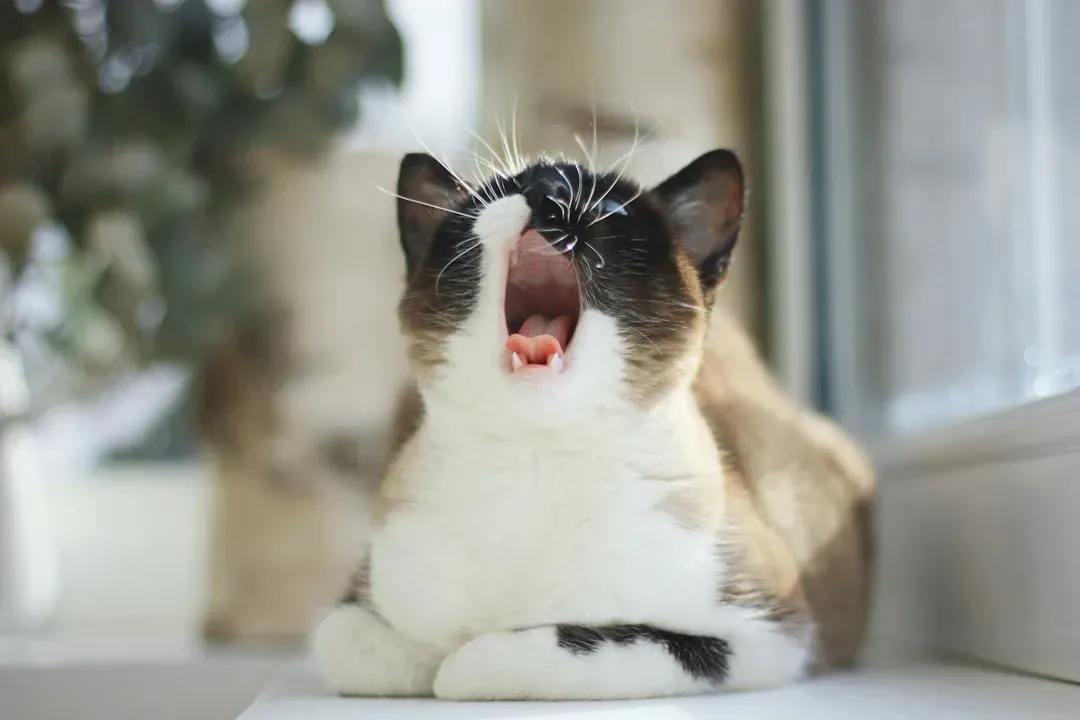
Sometimes a cat meow can indicate anxiety, boredom, frustration, or even illness, particularly if it’s lower-pitched and more drawn out compared to the short, high-pitched meow that often signifies a greeting or a want. If your cat is meowing more than usual or if their meows start to sound different, call your veterinarian. Changes in vocalization patterns can be your first clue that something’s wrong.
Cats can also become increasingly vocal as they age. Two possible reasons for this are age-related dementia and deteriorating eyesight. A cat who feels anxious or confused may meow to seek reassurance. Hearing loss can also cause a kitty to vocalize louder than usual because they can’t determine their volume. If your senior cat suddenly becomes a chatterbox, it’s worth getting them checked out.
Understanding Your Cat’s Unique Language
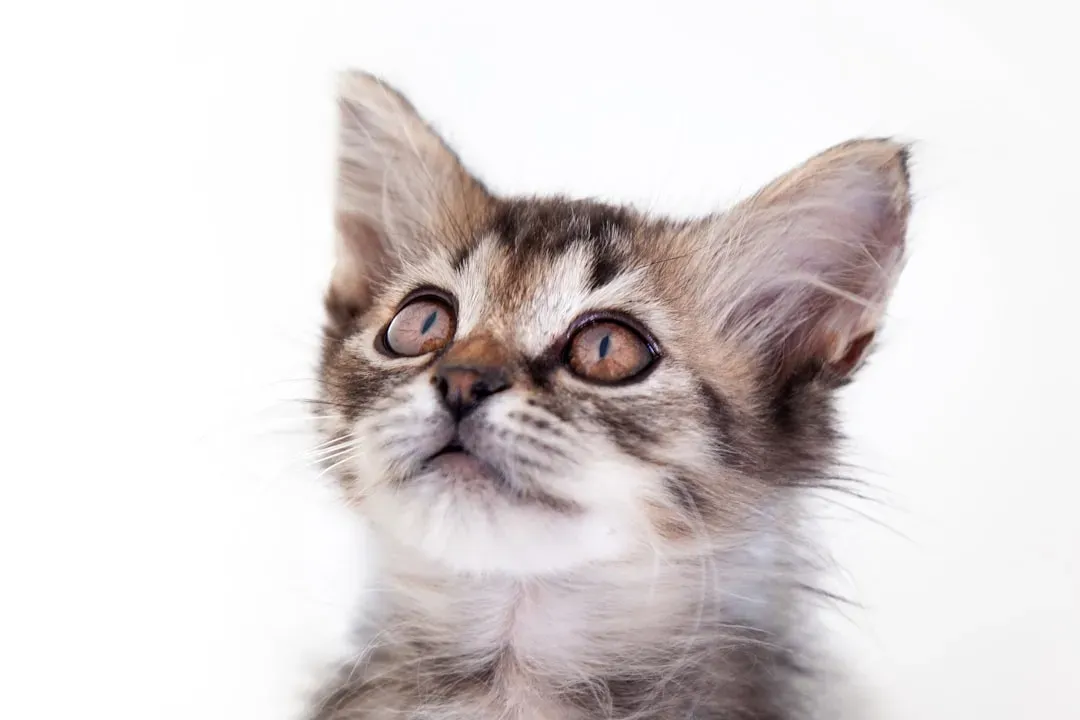
The truth is, your cat has spent years perfecting their communication strategy with you specifically. Although meowing is mainly a human-directed vocalization and should represent a useful tool for cats to communicate emotional states to their owners, humans are not good at extracting precise information from cats’ vocalizations. We’re not exactly acing this test, folks.
Female participants and cat owners showed a higher ability to correctly classify the vocalizations emitted by cats. A high level of empathy toward cats was significantly associated with a better recognition of meows. The more you care and the more time you spend with your cat, the better you become at understanding their unique vocabulary. It’s a skill that develops over time, like learning any new language.
Your cat’s meows aren’t random noise. They’re a carefully crafted communication system that’s been thousands of years in the making, refined specifically for your ears. Every trill, chirp, and plaintive cry is your cat trying to bridge the species gap and connect with you. The next time your feline friend starts their vocal performance, take a moment to really listen. You might be surprised by how much they’re actually saying. What secret messages has your cat been sending you that you’ve only just started to understand? Share your cat’s unique vocalizations in the comments.