You’ve spent years learning your cat’s quirks. The way she flicks her tail when annoyed, the precise meow that means dinner is late. But there’s one language cats speak that many of us miss until it’s almost too late – the subtle signals they give when their time is drawing near. Let’s be real, our feline friends are experts at hiding what’s happening inside. They don’t complain, they don’t ask for help in obvious ways. Still, if you know what to look for, your cat is actually telling you a lot about how she’s feeling. These signs can be heartbreaking to witness, yet recognizing them gives you the chance to offer comfort, dignity, and love when it matters most.
The Disappearing Act: Why Cats Seek Solitude
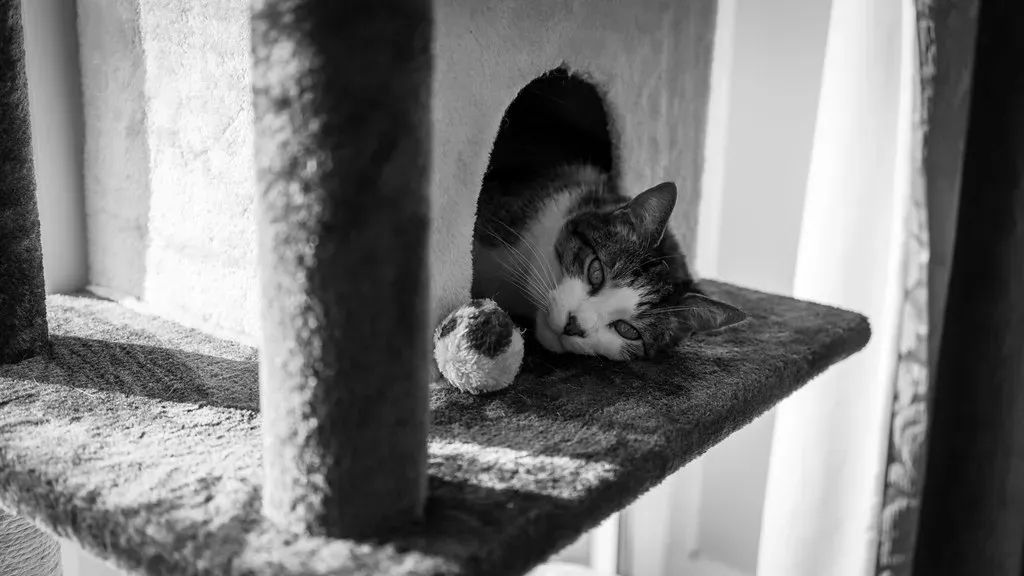
When death approaches, many cats begin hiding or seeking solitude in unusual places. This isn’t about avoiding you or rejecting your love. It’s actually a survival instinct inherited from their wild ancestors, where showing weakness could attract predators.
Your normally social cat may suddenly choose a quiet corner of the closet, a spot under the bed, or even disappear into the garage. Dying cats often secret themselves away somewhere safe and quiet, as an innate instinct to protect themselves from predators that would target a weak animal. It’s hard to say for sure, but this behavior seems hardwired into their DNA. Even though your home is safe, that ancient instinct kicks in when they feel vulnerable.
Changes in Appetite and Thirst
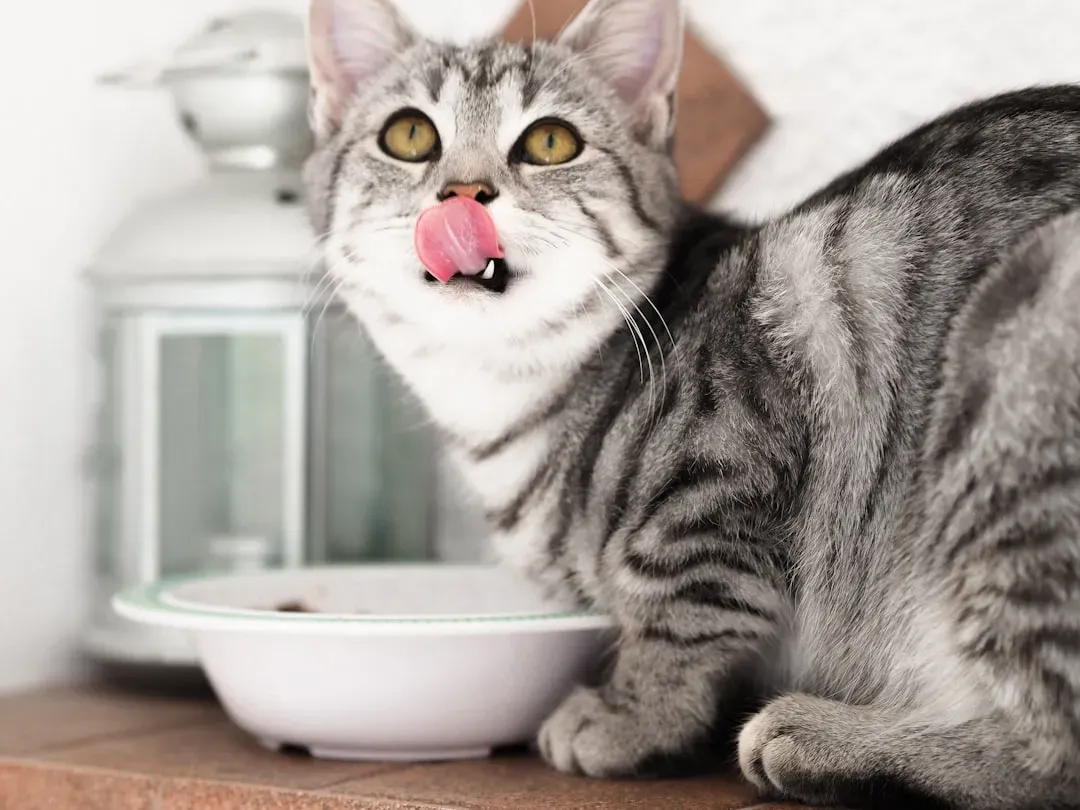
Cats nearing the end of life often stop eating, show a loss of appetite, and might also lose interest in food and water. This can be one of the earliest red flags. You might notice your cat turning her nose up at her favorite treats or barely touching the food you’ve carefully prepared.
As your cat’s health deteriorates, she will lose interest in things she once enjoyed, may turn her nose up at her favorite treats, and may even stop purring when petted. Honestly, watching this happen can feel devastating. You try everything – different flavors, warming the food, adding something special – but nothing seems to work. The body is simply shutting down, and eating becomes less important to them.
Dramatic Weight Loss That Seems to Happen Overnight
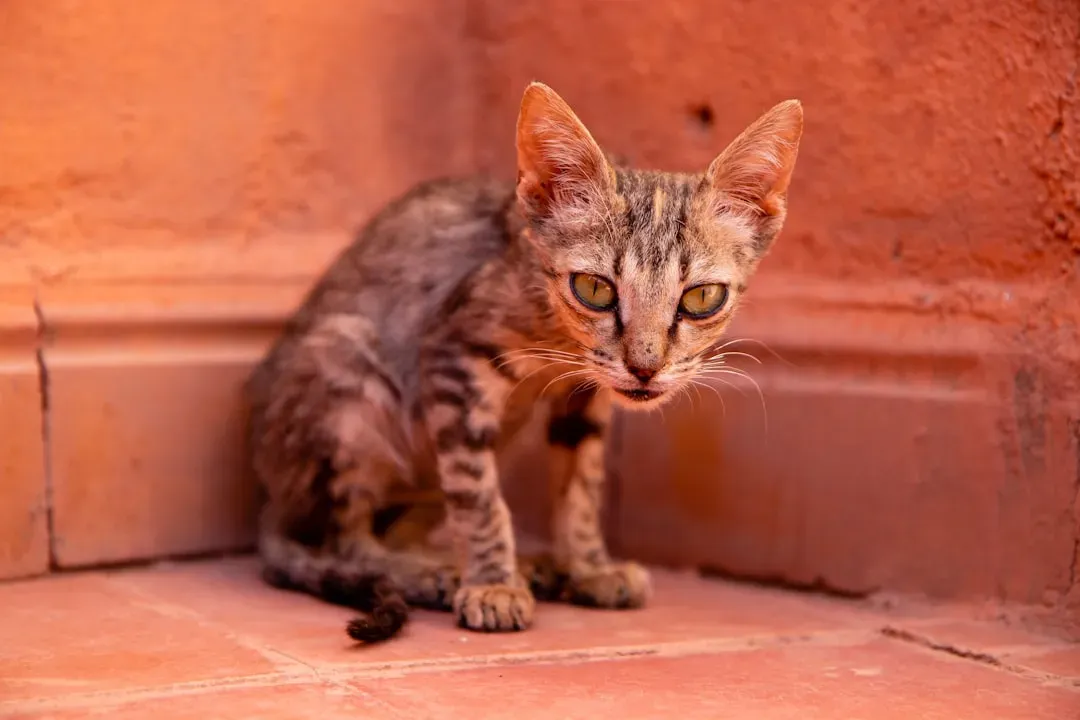
Rapid weight loss is a concern in any cat at any age, especially in older cats or those with chronic illness, as a sudden drop in condition can indicate that the last days are approaching and that the body is shutting down. You might pick up your cat one day and suddenly realize how light she feels, how you can feel every bone beneath her fur.
This isn’t just about skipping a few meals. Common signs a cat is dying include weight loss, lethargy, vomiting, loss of appetite, reclusiveness or hiding, and a decline in alertness. The body is no longer able to maintain itself properly, and muscle mass simply melts away. It’s shocking how quickly it can happen once the process truly begins.
Lethargy and the Long Sleep
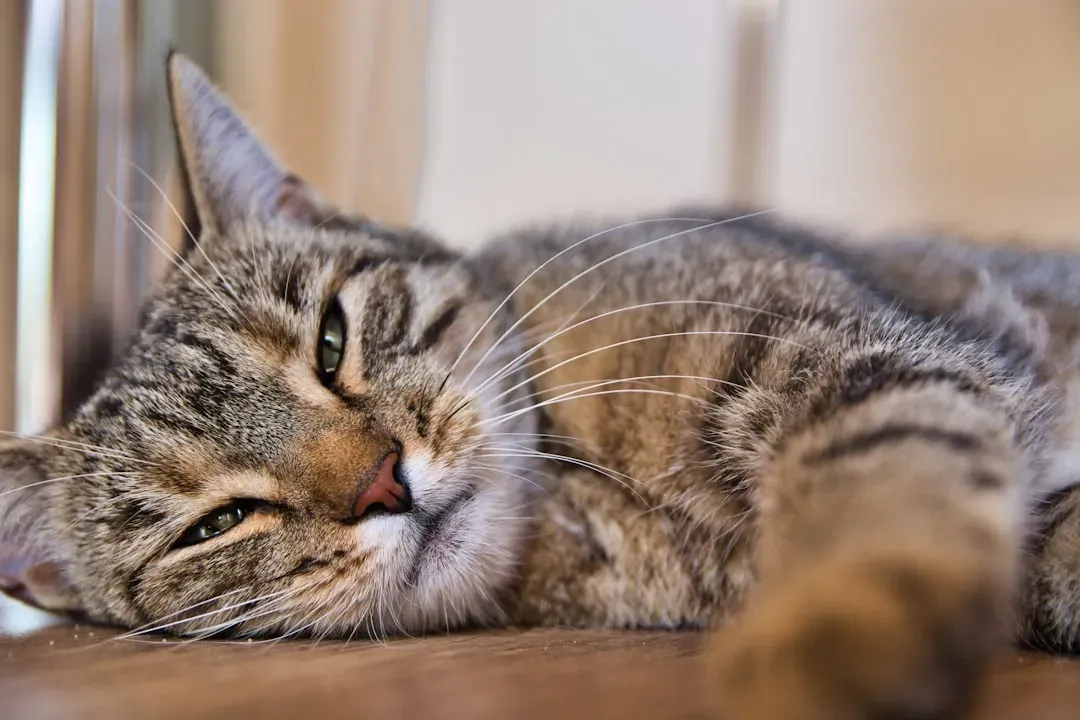
A cat nearing the end of life often appears too tired to move, may stop walking, struggle to reach their litter box or food bowl, and sleep more than usual. Your once playful companion who chased feather toys with abandon now barely lifts her head when you enter the room.
Lethargy and decreased alertness can be signs your cat is dying or is not feeling well, and an elderly cat might not be all that active normally. There’s a difference between normal senior cat sleepiness and this profound exhaustion. When your cat stops responding to favorite toys or doesn’t even seem interested in watching birds through the window anymore, something deeper is happening. The body is conserving every ounce of energy it has left.
Behavior Shifts You Can’t Ignore
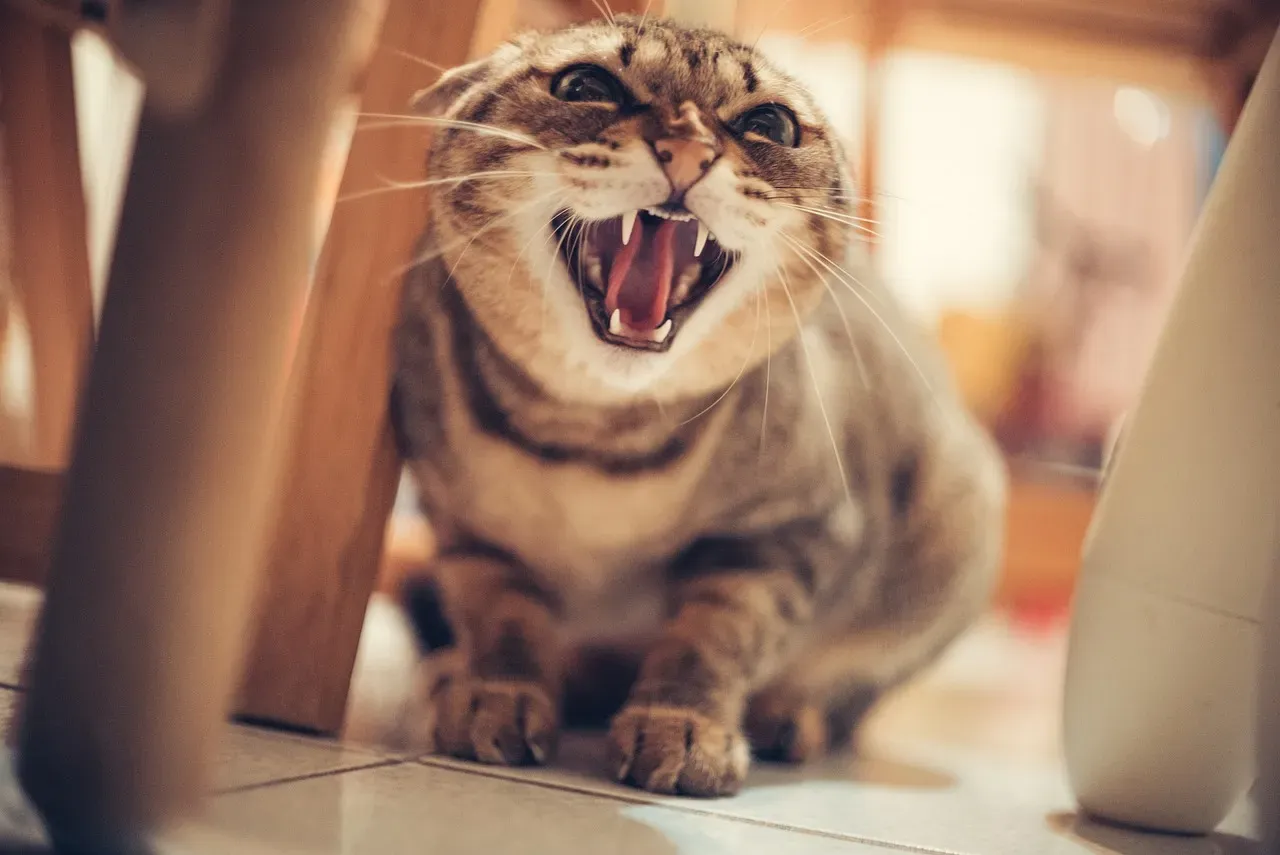
A dying cat’s behavior might change significantly as they approach the end, and although these changes might not be the same for every cat, they might include irritability, with your kitty becoming more prone to hissing, growling or lashing out. Some cats become uncharacteristically aggressive when touched, while others transform into velcro cats who won’t leave your side.
Cats will often become more affectionate as they approach their last days, wanting more attention than normal and being more vocal. It’s hard to predict which way your cat will go. She might suddenly follow you from room to room, seeking constant reassurance, or she might hiss when you try to comfort her because everything hurts. Neither response means she loves you any less.
Grooming Becomes a Distant Memory
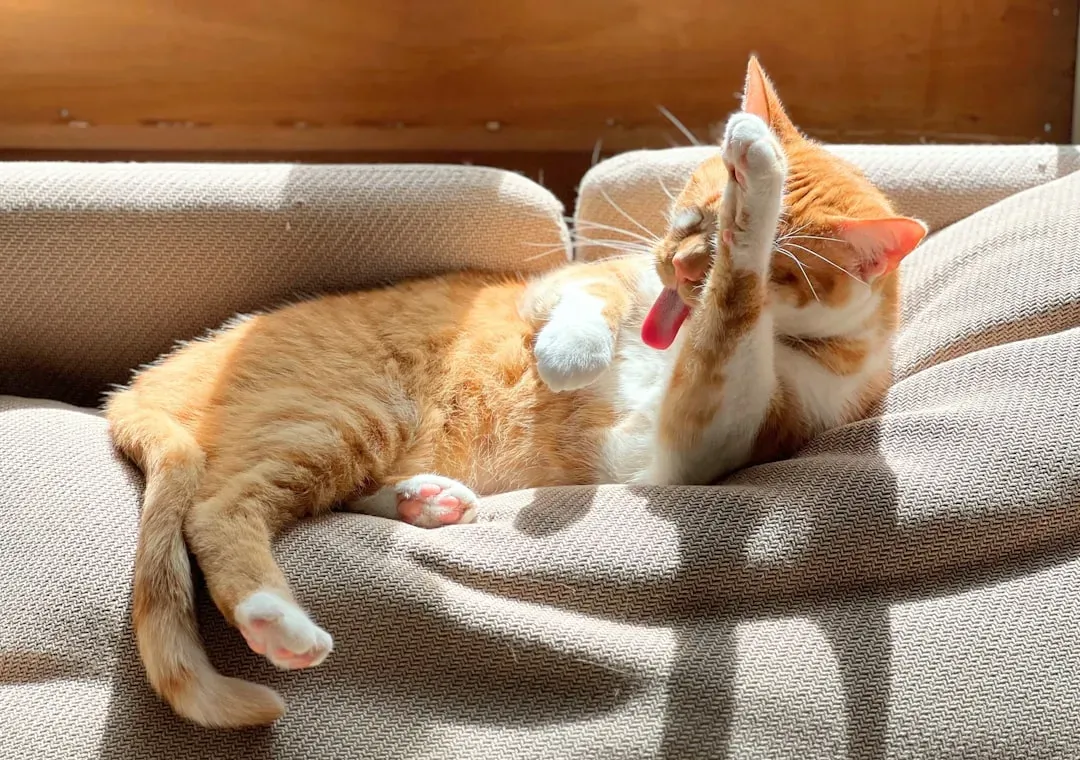
Cats approaching the end show avoidance of grooming or a messy, unkempt coat. Cats are fastidious creatures by nature, spending hours each day meticulously cleaning themselves. When that stops, it’s a glaring signal that something is very wrong.
When cats don’t feel well, they frequently stop grooming themselves, which leads to a greasy, scruffy-looking coat. You might notice mats forming in her fur, especially around the hindquarters. Her coat loses its shine and begins to look dull and lifeless. She simply doesn’t have the energy or the interest to maintain her usual standards of cleanliness.
Unusual Vocalizations or Eerie Silence
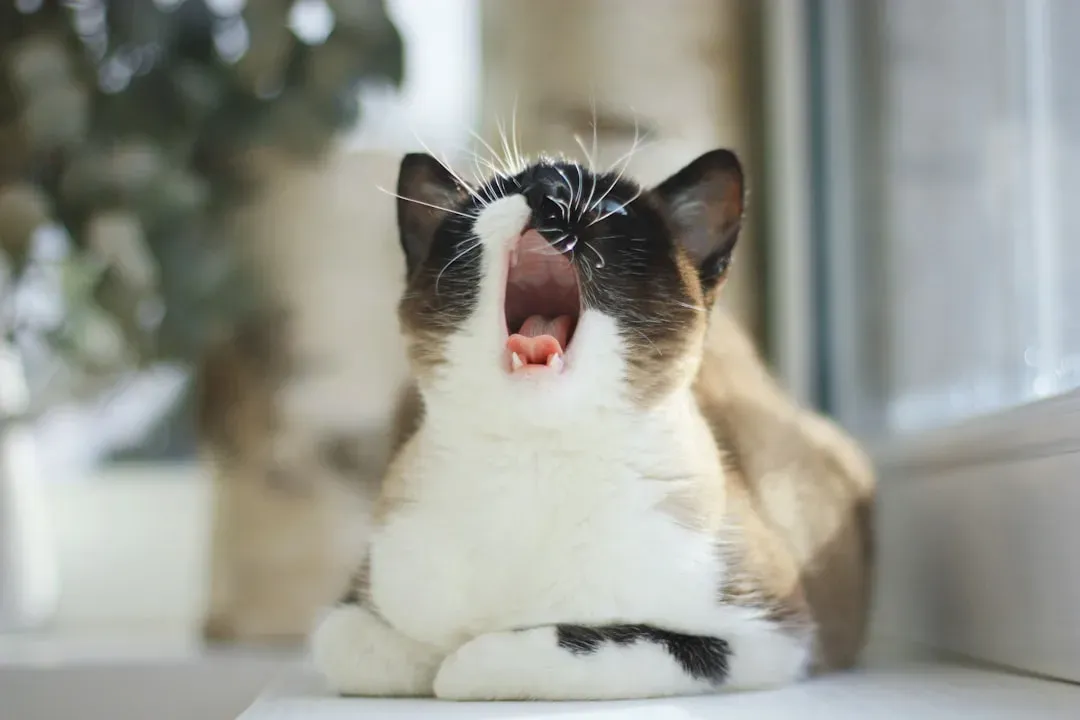
Changes in vocalization can include yowling, meowing excessively, or silence. Some cats become incredibly vocal in their final days, crying out at odd hours, especially at night. This can indicate discomfort, confusion, or even cognitive dysfunction similar to dementia in humans.
Increased vocalizing can occur when confused cats express their distress through yowling and other loud vocalizations. Other cats go completely silent, as if they’re conserving every bit of energy. That persistent meower who always had something to say suddenly becomes a ghost, padding silently through the house. Both extremes should concern you.
Temperature Regulation Problems
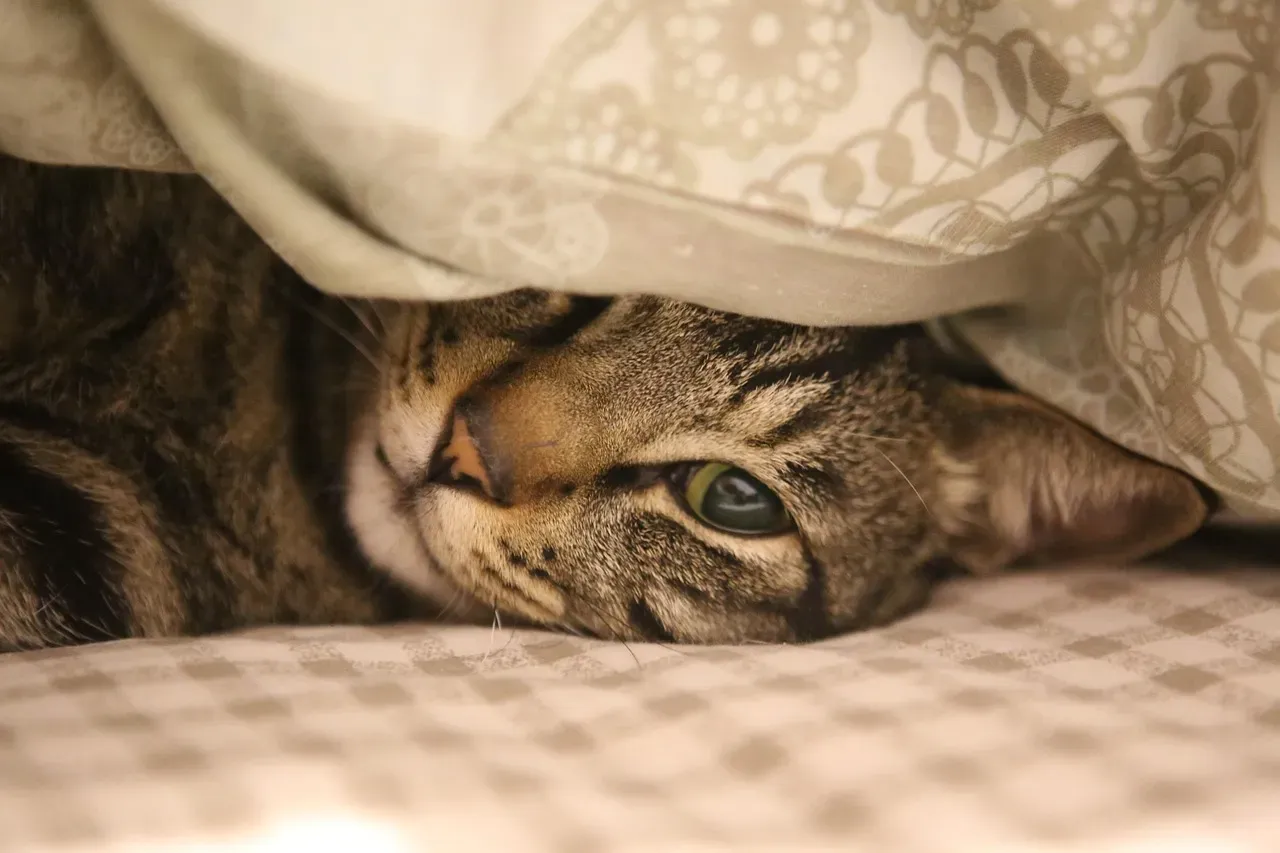
Senior cats increasingly have trouble regulating their body temperature, and even when provided with a warm bed and environment, cats nearing death often have a low body temperature. You might notice your cat seeking out warm spots more desperately than usual – sunbeams, heating vents, or curled up against your body at night.
You may notice that your cat’s limbs feel cool to the touch. When you pick her up, her paws and ears might feel unusually cold. The body’s systems are failing, and maintaining normal temperature becomes increasingly difficult. Providing soft, warm bedding becomes one of the most important comforts you can offer during this time.
What You Can Do When You Notice These Signs
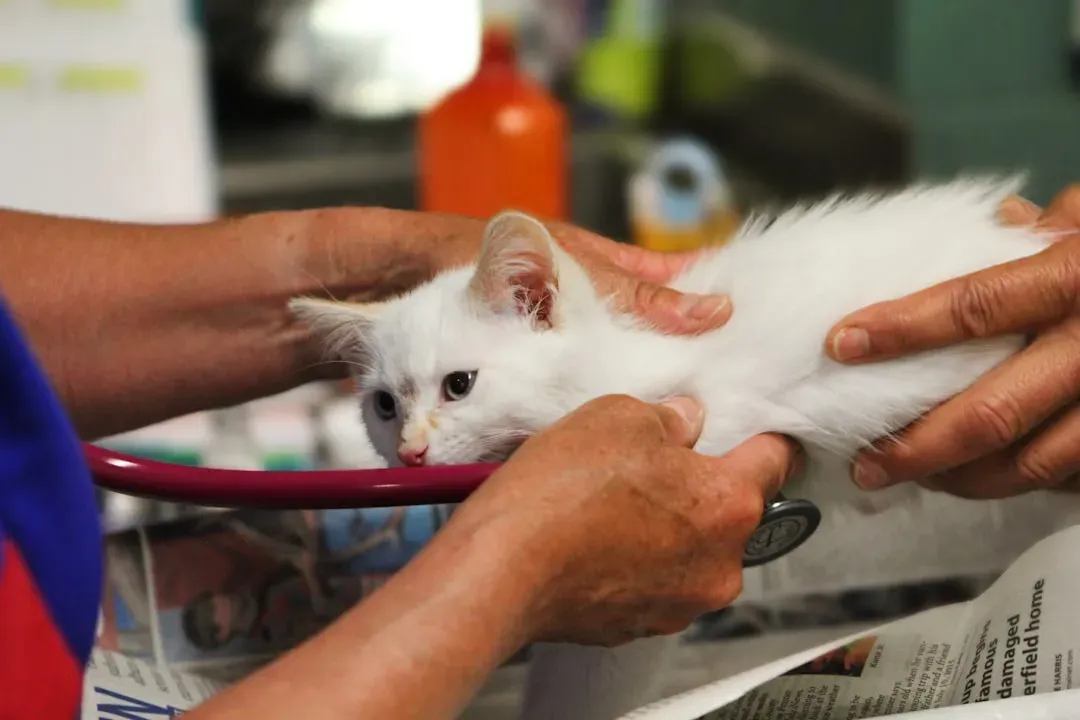
If you notice physical symptoms or an obvious change in behavior, contact your vet immediately, as it’s important to speak with your vet as soon as you notice the first signs that your cat may be dying. Don’t wait and hope things will improve. Your veterinarian can help you understand what’s happening and discuss options for keeping your cat comfortable.
You can keep your cat warm, with easy access to a cozy bed or a warm spot in the sun, help her out with maintenance grooming by brushing her hair and cleaning up any messes, and offer foods with a strong odor to encourage her to eat. Create a peaceful environment where she feels safe. Some cats want to be close to their people during this time; others prefer privacy. Honor whatever your cat seems to need. Speak softly to her, let her know she’s loved, and that it’s okay to let go when she’s ready.
The truth is, recognizing these signs doesn’t mean you’ve failed your cat. It means you’re paying attention. You’re present for her in the most difficult moment of her life. Whether you choose hospice care at home or humane euthanasia to prevent suffering, what matters is that you’re there, offering comfort and love until the very end. Did you notice any of these signs in your cat? What helped you through that difficult time?