You get up for thirty seconds to grab a glass of water, and by the time you turn around, your cat has already settled into the exact spot you just vacated. Curled up, blinking slowly, looking entirely too comfortable. It’s one of those small feline moments that almost every cat owner knows, and it rarely gets old.
What’s actually happening, though, goes a lot deeper than mild inconvenience or quirky cat behavior. Your spot holds something your cat genuinely values, and understanding why can shift the way you see your whole relationship with your pet.
Your Scent Is the Main Attraction
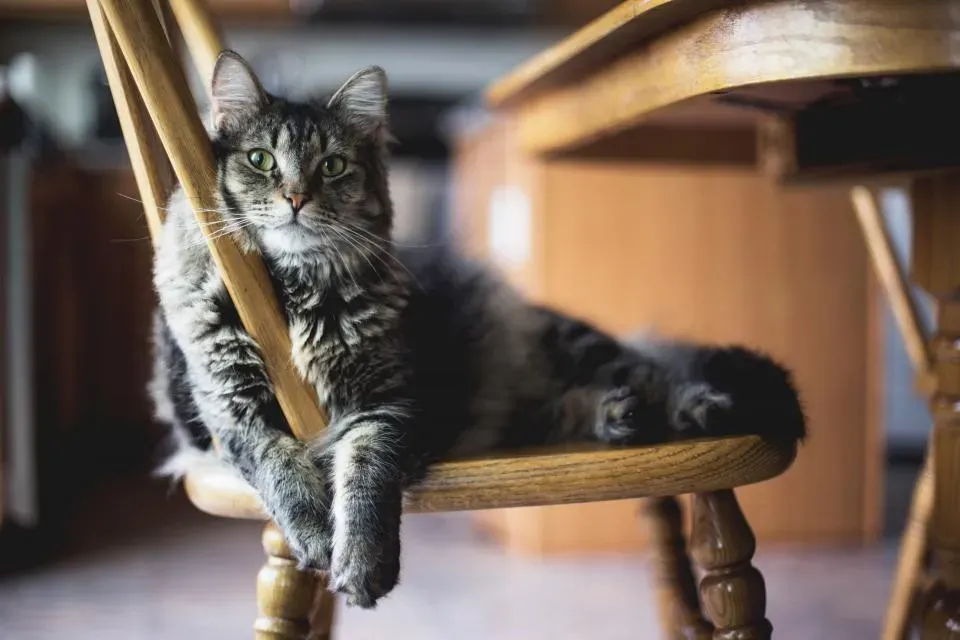
When you sit in the same place for a while, you leave behind something your cat finds deeply comforting: your scent. Cats are serious about their sense of smell. They can pick up on scents you don’t even realize are there, and they associate different scents with different feelings. If you and your cat have a good relationship, they most likely relate your scent with feelings of safety and contentment.
When your cat steals your seat, part of the draw is the warmth from your body and the comfort of your smell. It’s not random. When you sit in a particular spot, you leave behind your scent. This scent is comforting to cats, and they are naturally drawn to areas that smell like their owners. Your chair, your couch corner, your side of the bed – all of it becomes a kind of olfactory signature that your cat recognizes as yours.
Science Confirms They Know Your Smell
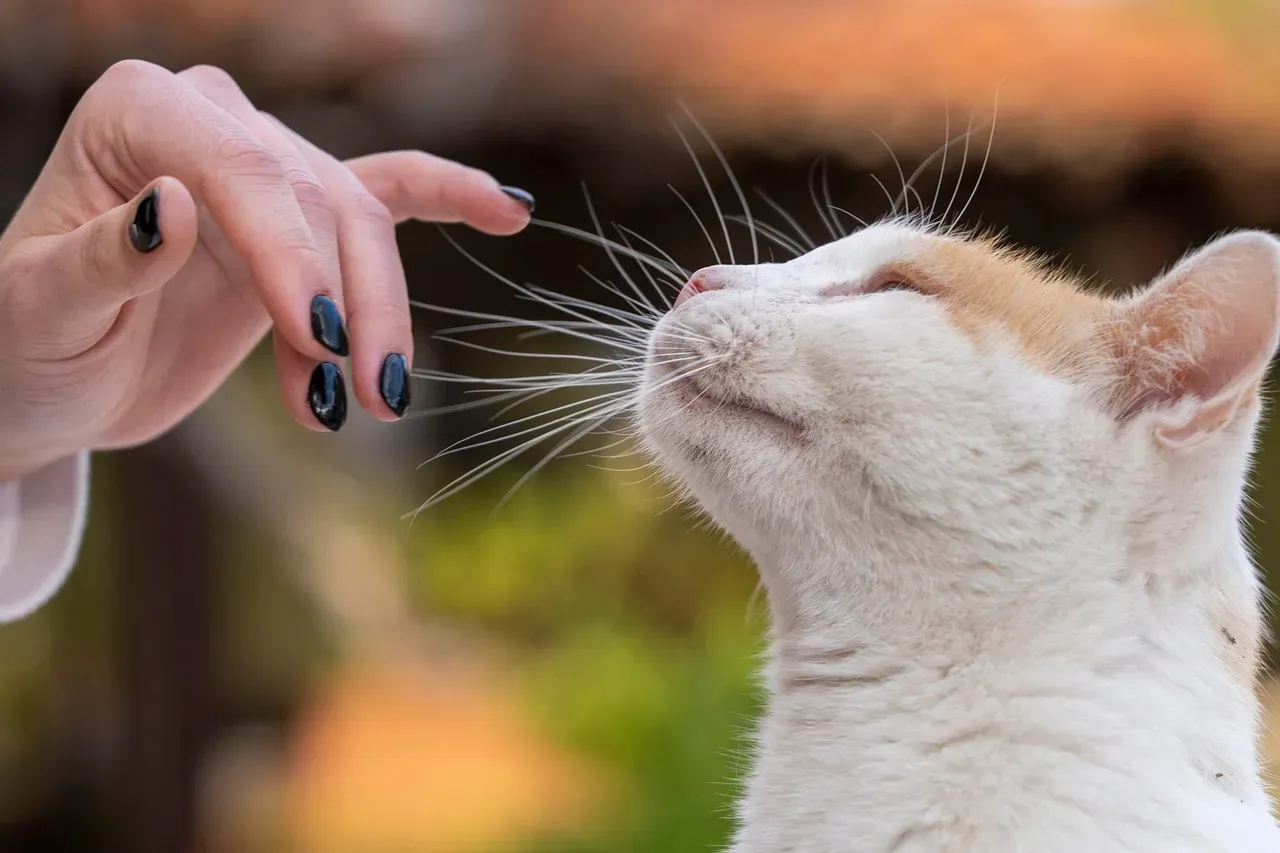
Domestic cats respond differently to the odor of their owner than that of an unfamiliar human. Cats spend longer sniffing the odor of a stranger than that of their owner, suggesting that they can identify familiar humans based on smell alone, according to a study published in the open-access journal PLOS One by Yutaro Miyairi and colleagues at Tokyo University of Agriculture. That’s a meaningful distinction – your cat isn’t just responding to “human smell” in general, but to you specifically.
Olfaction is one of the most sophisticated senses in cats and plays a fundamental role in their interactions with both their environment and fellow felines. Prior research has extensively documented cats’ use of smell in identifying territory, recognizing other cats, and facilitating intraspecies communication. The newer research simply extends that framework to include you as part of their known world – a familiar and trusted presence identified through scent alone.
Scent Marking: You’re Being Claimed
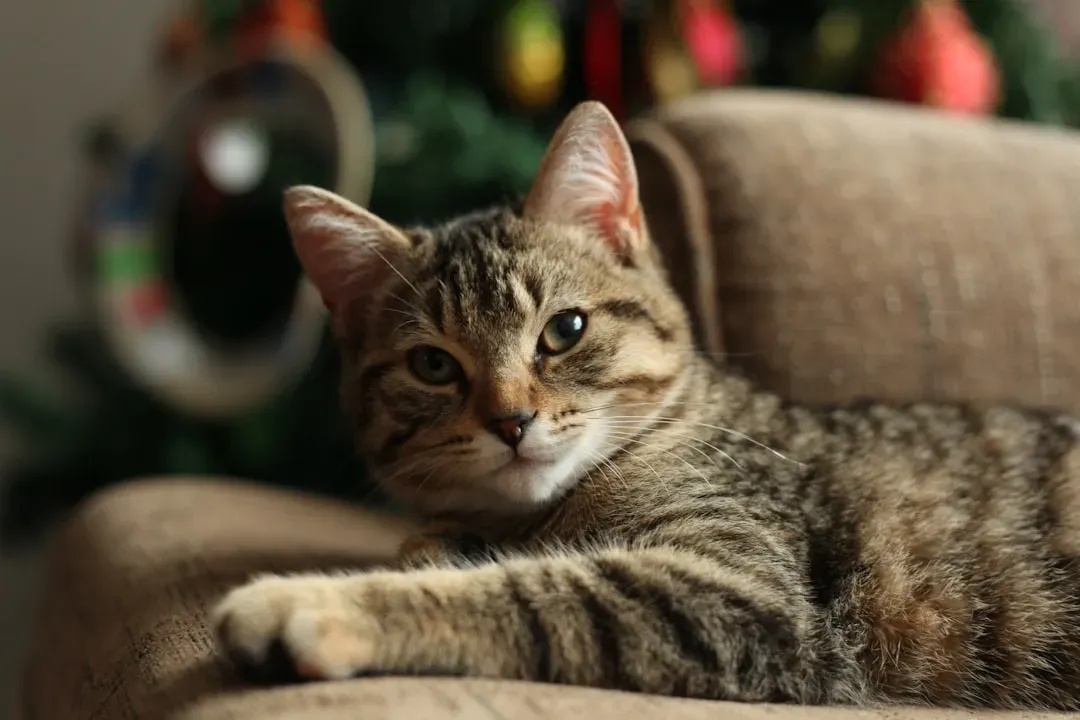
When your cat jumps into your spot, they’re not just seeking warmth – they’re also engaging in important scent-marking behavior. Cats have scent glands in their faces, paws, and flanks that they use to mark their territory and create a familiar environment. By claiming your seat, your cat is mixing their scent with yours, creating what they perceive as a shared territory. This behavior helps them feel secure and strengthens their bond with you, as scent plays a crucial role in feline social relationships.
Your cat will also be mingling your scent with theirs, which is an important part of cat behavior with bonded family members. Think of it less as theft and more as a small declaration. Friendly cats will often rub on and groom each other, mixing their scents. Scent is primarily how cats recognize each other, and physical contact through rubbing helps to create a “group scent,” reassuring all the cats in the home that you belong together. Your spot becomes part of that shared territory.
Warmth Matters More Than You Think
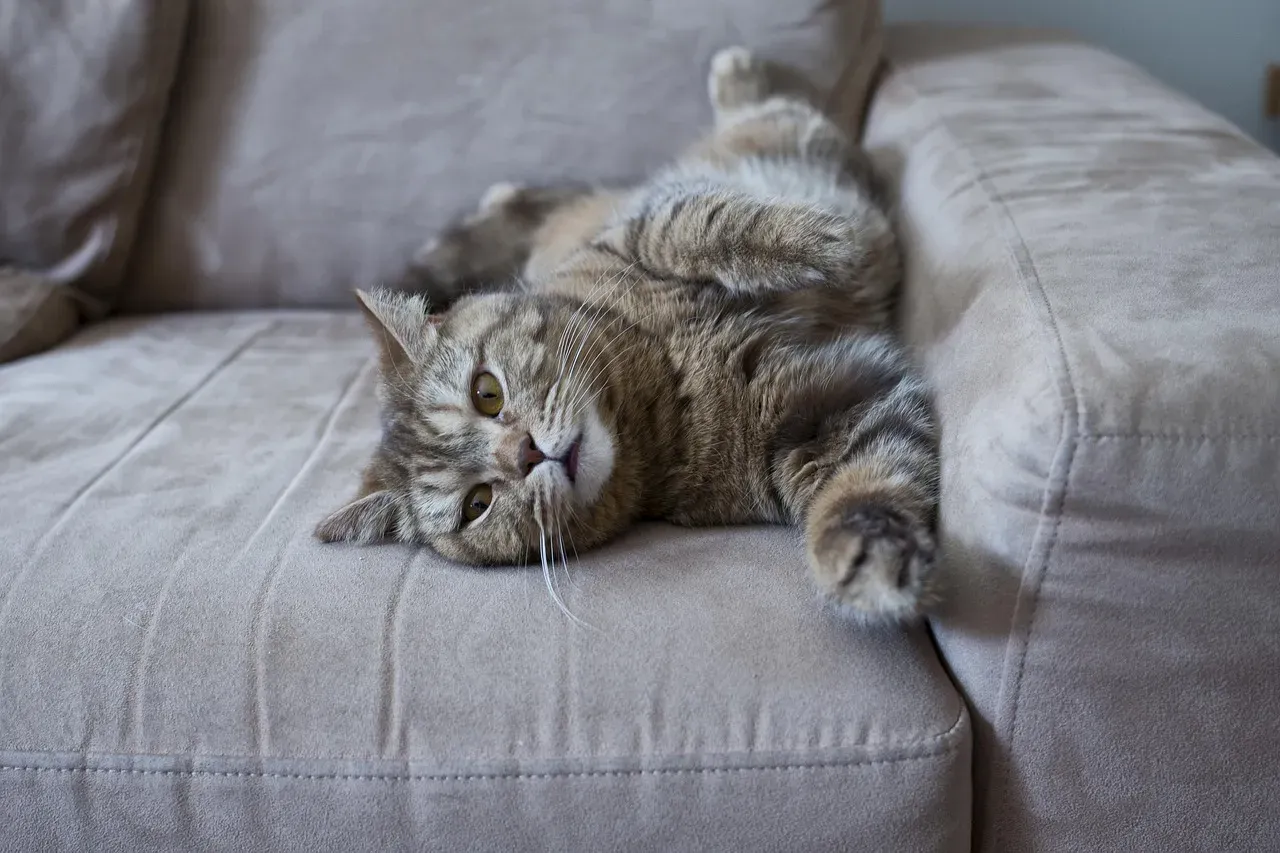
Our domestic cats originated as wild cats, found in the African savannahs, and despite this being many, many generations ago, most cats still love warm places. Think of the usual cat haunts: sunny spots, curled up near heaters, under a blanket in a cozy bed – and of course, anywhere that has been nicely warmed up by your body heat. Your vacated seat is essentially a pre-warmed nest, ready to use.
The body temperature of a cat drops when they sleep, as the body shuts down non-vital functions, and cats naturally gravitate toward a warm sleeping area to counteract this. Cats have very sensitive paws, which can sense temperature changes and easily detect warm areas, and they are always quick to take advantage of a cozy place to nap. A cat’s natural body temperature is 102°F, which is significantly warmer than our body temperature of 98.6°F. So what feels comfortably warm to you is perfectly cozy to them.
Elevated Positions Make Them Feel Secure
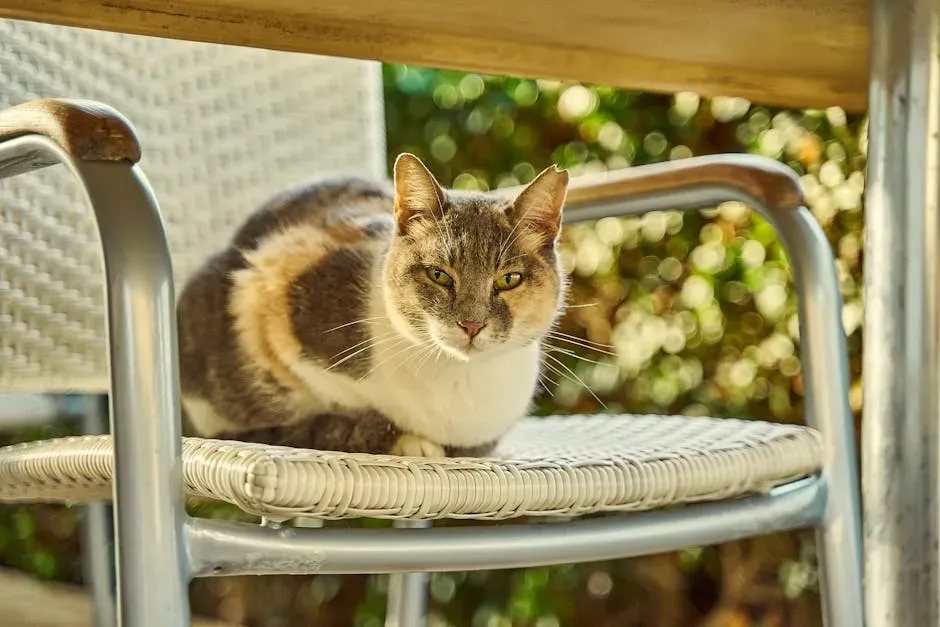
Cats instinctively want to be high up to get a better view of what’s going on around them. It makes them feel safer and allows them to be more observant. It’s unusual for many cats to rest on the ground, as higher areas of the home seem more appealing to them. We usually sit on chairs or couches that are elevated above the floor, which your cat naturally finds comfortable to rest on.
Cats might be drawn to heights because it makes them feel less vulnerable to predators on the ground. Being higher up gives them an advantage in spotting potential predators or observing prey from below. By occupying your seat, they can keep an eye on the household activities while feeling safe and secure in their elevated position. It gives them a sense of control and allows them to monitor their environment efficiently. Your chair isn’t just warm – it’s a strategic location.
Attention-Seeking Is Part of the Game
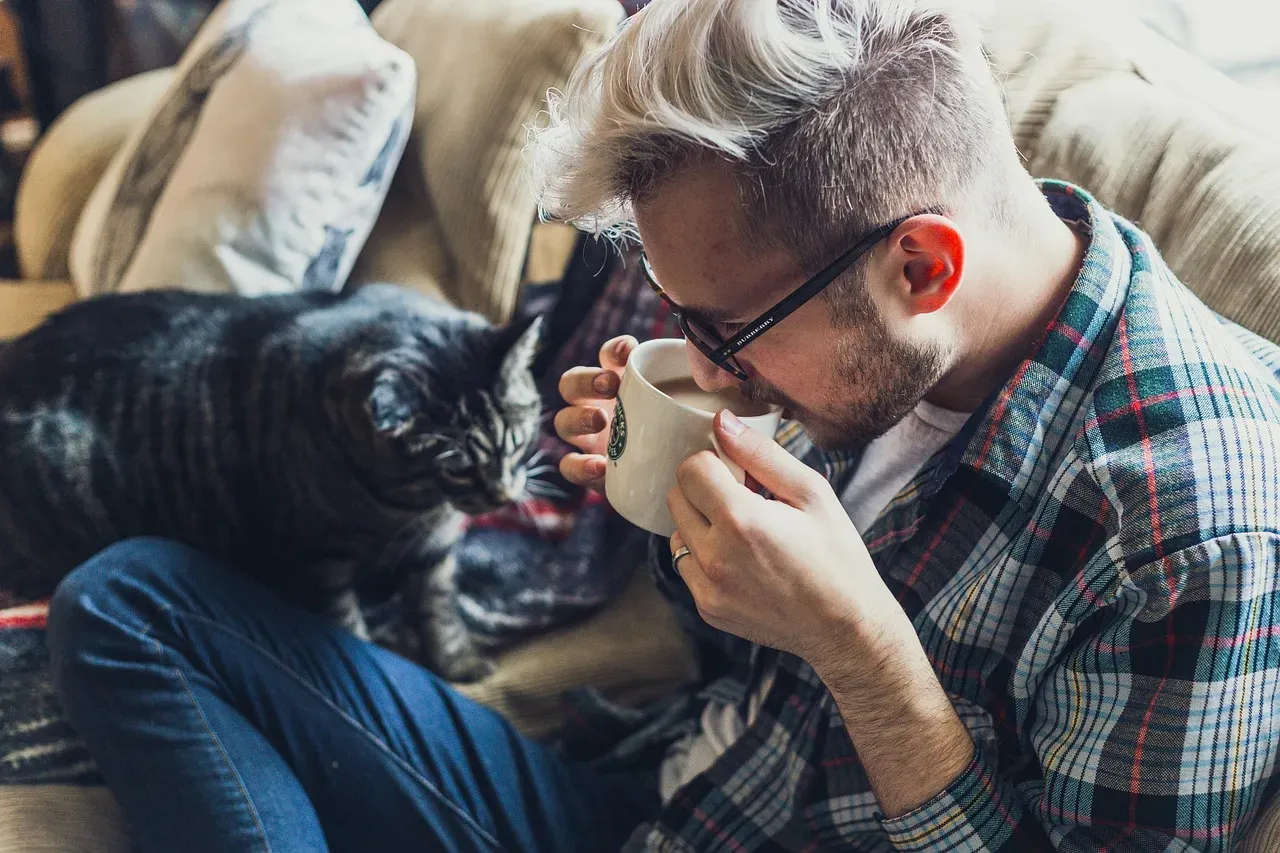
Another likely explanation for why your cat steals your seat is that they’re trying to get your attention. Cats learn quickly which behaviors earn them desirable reactions. If you usually pick your cat up or pet them after they steal your spot, you’re reinforcing their behavior. If it happens often enough, your cat is more than capable of connecting the dots. You stand up, they steal your seat, and they get your attention. It’s a predictable chain of events with a desirable outcome for an attention-seeking cat.
When a cat wants your attention, they will come up with unique ways to get it. This could explain why they take your seat when they want something, as they know it can get your attention. Your cat might not be communicating that they want to be petted, but also communicating a specific want or need. Watch whether the timing is consistent – you might want to consider this reason if your cat only steals your seat at a specific time, such as feeding or playtime.
It’s a Sign of Deep Social Bonding
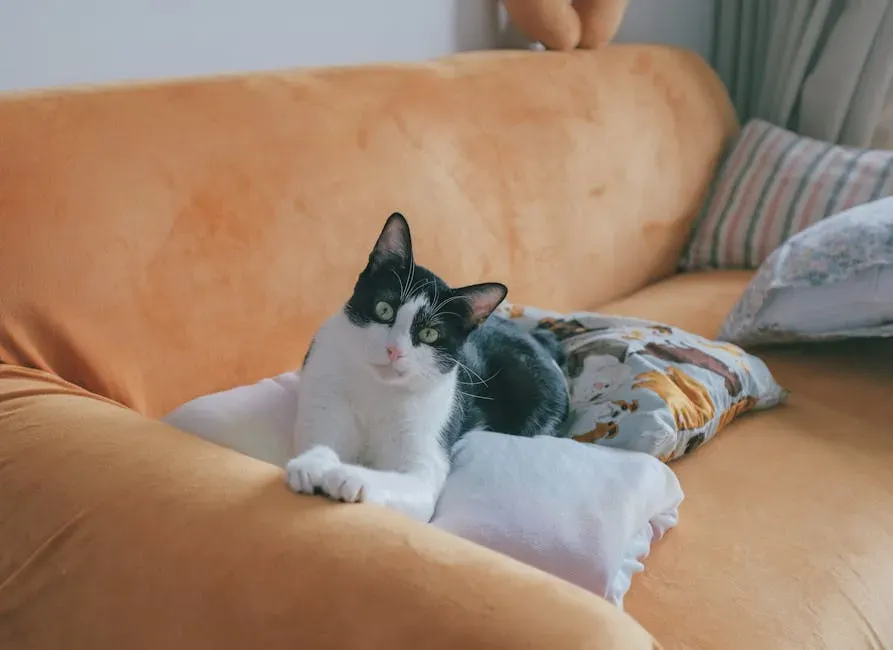
Your cat stealing your seat could also be a sign of affection and bonding. Cats are creatures of routine, and they often enjoy being close to their owners. Your seat holds your scent and the warmth of your presence, so when they occupy it, they can feel closer to you even in your absence. It’s their way of maintaining a connection and seeking comfort from your lingering presence.
Research shows a preference of indoor cats to stay close to their caretakers in beds, sofas, and similar spaces, since most cats are allowed to move freely inside the house. This behavior is mentioned by other authors as indicative of a positive cat-caretaker relationship, since cats remain more relaxed near their caretakers or in places where the caretaker’s scent is more prominent. When your cat gravitates to your spot, it’s a quiet signal that you are their anchor.
Texture and Routine Play a Role Too
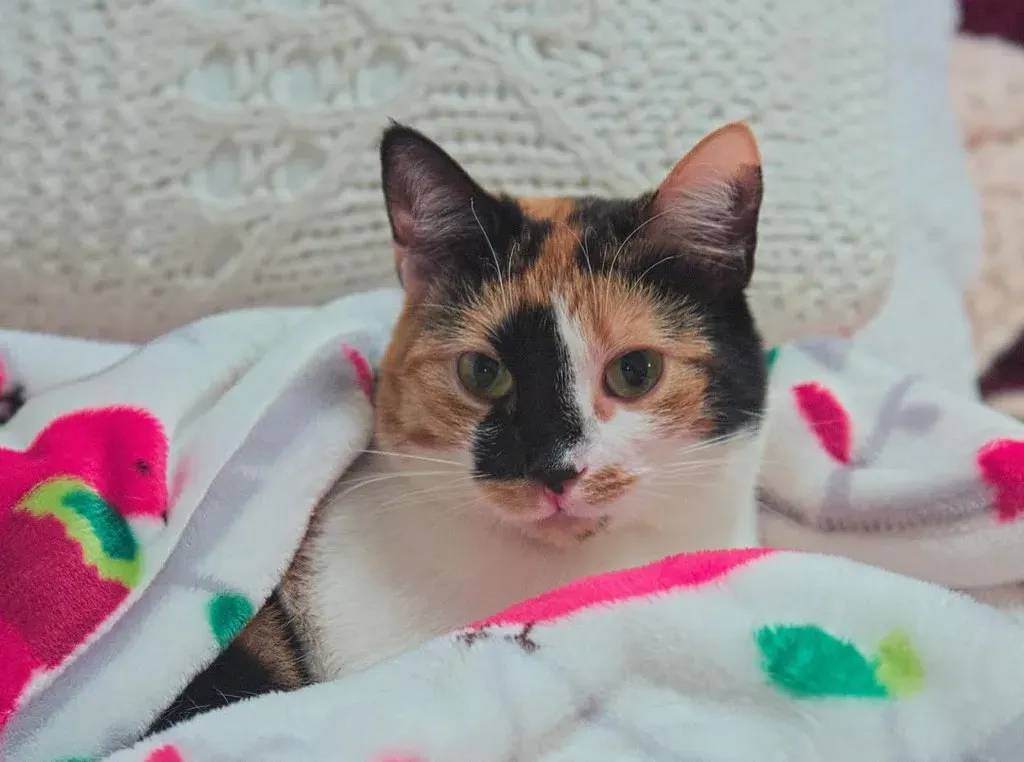
Texture plays a role in this behavior. If you’ve just settled in with a cozy blanket or soft pillow, it’s particularly inviting for the cat. Many cats specifically seek out certain materials they like to lie on – similar to how we have our favorite blanket. It’s rarely just one factor pulling them to your spot – it’s a combination of warmth, smell, comfort, and familiarity all layered on top of each other.
Cats love routines. Naturally, this includes habits they enjoy. In many cases, animals also have their favorite spots for napping. The behavior can strengthen over time as cats associate positive experiences with these places. Once your cat figures out that your seat is reliably warm, safe, and smells like you, returning to it becomes a habit woven into their daily rhythm.
What You Can Do If It Bothers You
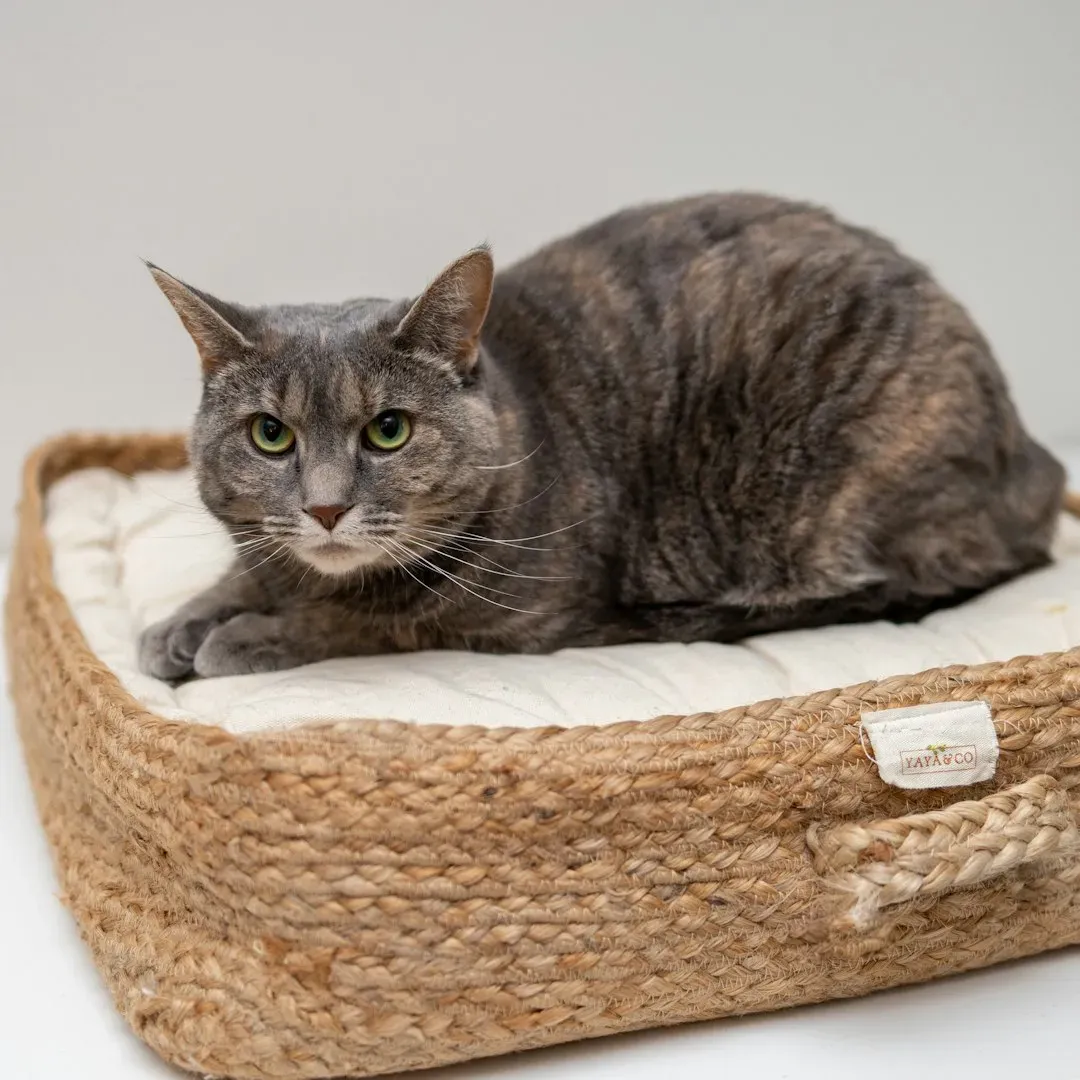
It is perfectly normal cat behavior to steal your seat when you get up – they are attracted to the warmth, the safety, and the smells and pheromones associated with these warm spots. That said, if you’d prefer to keep your spot, there are practical ways to redirect the behavior without upsetting your cat. Providing alternative warm, comfortable spots nearby with cozy beds or heating pads and encouraging their use with treats and positive reinforcement can help. Never punish your cat for this natural behavior.
If you’re desperate to keep your seat, you could try offering your cat a different warm spot with a heating pad on the lowest setting or a bed set up next to the heater. Placement is everything – the closer the alternative is to where you usually sit, the more appealing it becomes to your cat. You can provide them with alternative cozy spots like a cat bed, blanket, or a designated perch where they can relax and observe their surroundings comfortably. Often, they just want to be near you.
Conclusion
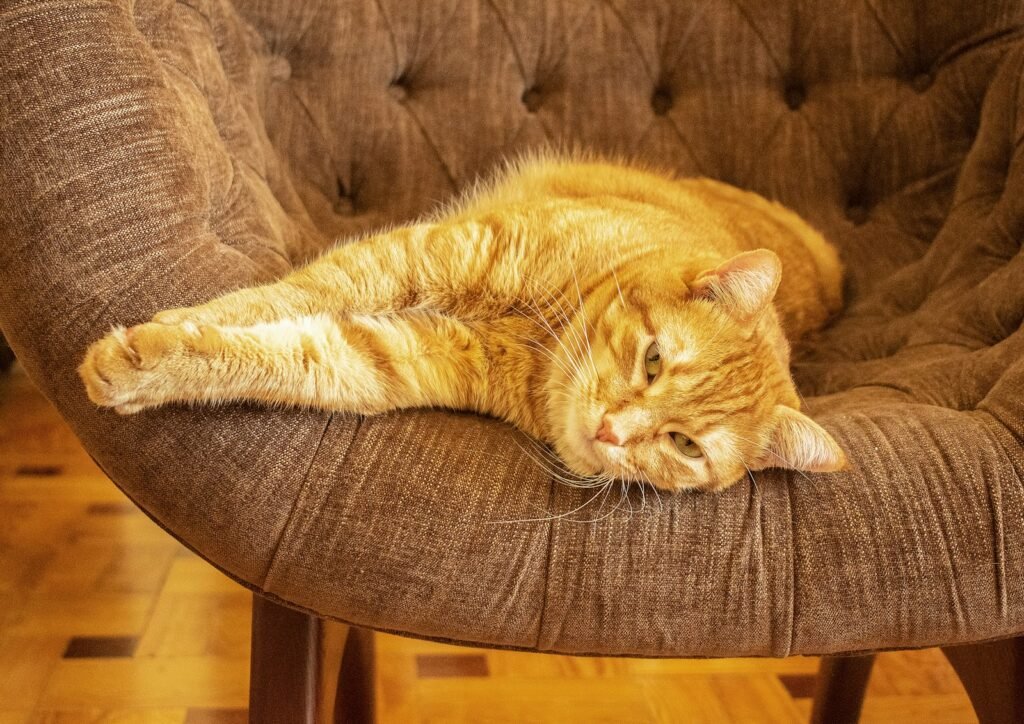
There’s something quietly telling about a creature who could sit literally anywhere – the windowsill, the top of the bookcase, the floor – choosing to sit exactly where you just were. It’s not indifference or defiance. Your cat’s seat-stealing habit is often a sign of affection and trust. By choosing spots where you frequently sit, they’re demonstrating their desire to be close to you and their comfort with your presence.
Cats are often seen as independent, aloof creatures, but many form deep, lasting bonds with their favorite humans. This special connection involves a feline identifying a particular person as a trusted companion and source of comfort. The stolen spot is a small, everyday expression of that bond. Next time you come back to find a cat curled up in your place, looking entirely unbothered, maybe the most accurate reading is the simplest one: you’ve been claimed, and that’s actually a compliment.