You’ve probably noticed your feline friend staring intently at a dripping faucet or pawing at droplets with surprising concentration. This behavior might seem puzzling, especially considering the widespread belief that cats hates . However, the reality is far more complex and fascinating than you might expect.
Your cat’s relationship with reveals intricate layers of instinct, curiosity, and sensory processing that date back thousands of years. While some cats indeed show reluctance toward getting wet, many display an almost magnetic attraction to moving that goes beyond simple thirst. Let’s dive into the captivating reasons behind this curious feline behavior.
The Ancient Hunter’s Instinct
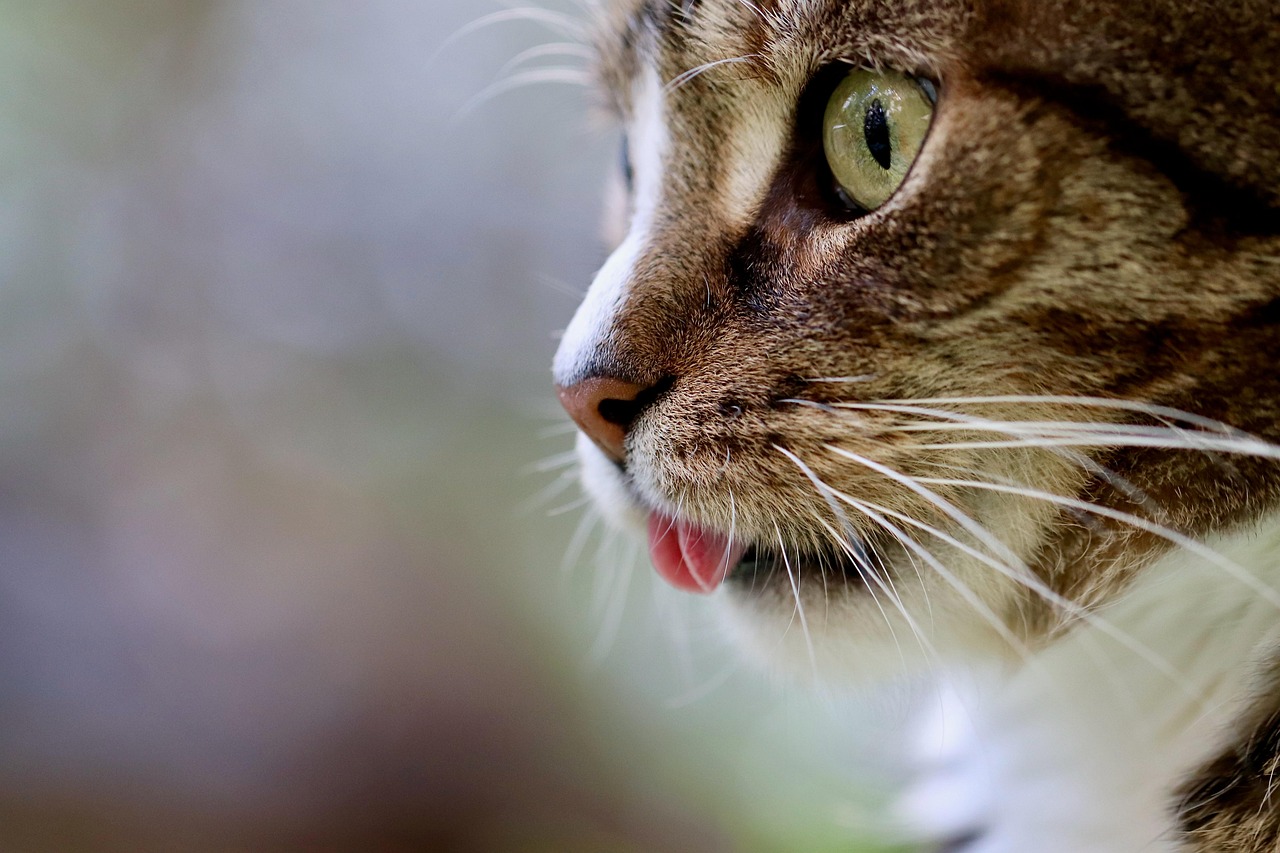
Your cat’s fascination with stems from deeply embedded hunting instincts that have remained unchanged for millennia. In the wild, cats rely on their exceptional ability to detect movement, and flowing triggers these same predatory responses that helped their ancestors survive.
When you observe your cat batting at droplets or tracking the movement of liquid in a glass, you’re witnessing ancient programming in action. The unpredictable patterns of moving mimic the erratic movements of small prey, activating your cat’s natural hunting sequence. This explains why your feline companion might spend considerable time “hunting” streams from faucets or fountains with the same intensity they’d show toward a mouse.
Sensory Overload in the Best Way
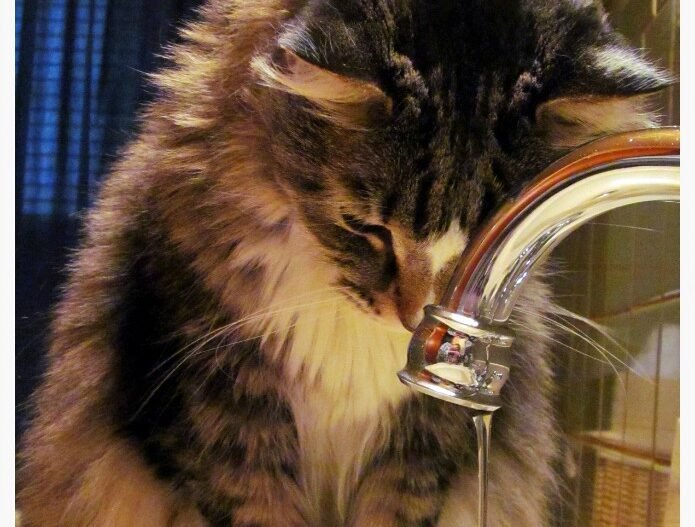
Your cat experiences through multiple heightened senses simultaneously, creating a rich sensory experience that captivates their attention. The sound of trickling , the visual movement patterns, and even the subtle vibrations all combine to create what amounts to feline entertainment.
Cats possess incredibly sensitive hearing that allows them to detect frequencies far beyond human capability. The gentle bubbling or flowing sounds of provide acoustic stimulation that many cats find irresistible. Additionally, their exceptional vision picks up on the light reflections and refractions in moving , creating a mesmerizing visual display that can hold their attention for extended periods.
Temperature and Texture Preferences
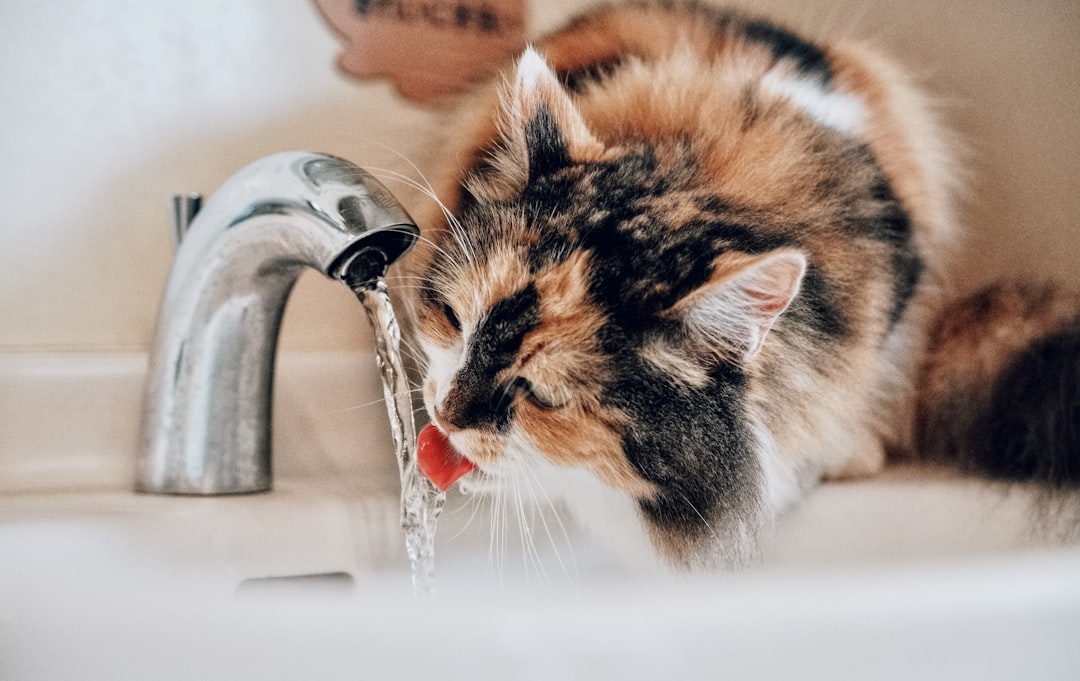
You might notice your cat shows distinct preferences for temperature and presentation, revealing sophisticated sensory discrimination abilities. Many cats prefer cool, fresh and will actively seek out newly filled bowls or running taps over stagnant that’s been sitting for hours.
The texture sensation of against their sensitive paw pads provides valuable information about their environment. Your cat’s paws contain numerous nerve endings that can detect subtle changes in temperature, pressure, and surface tension. This tactile exploration helps them assess whether is safe to drink and satisfies their natural curiosity about different textures and sensations.
Evolutionary Drinking Strategies

Your cat’s ancestors developed sophisticated strategies for locating and consuming safe sources in challenging environments. Moving typically indicates freshness and safety, while stagnant might harbor bacteria or other dangers that could threaten survival.
This evolutionary programming explains why your modern house cat might ignore a full bowl while showing intense interest in a dripping faucet. The movement and sound of flowing signal quality and safety on an instinctual level. Many cats will actually cup their paws to drink from running taps, demonstrating an inherited technique that maximizes their ability to consume fresh, clean efficiently.
Individual Personality Variations
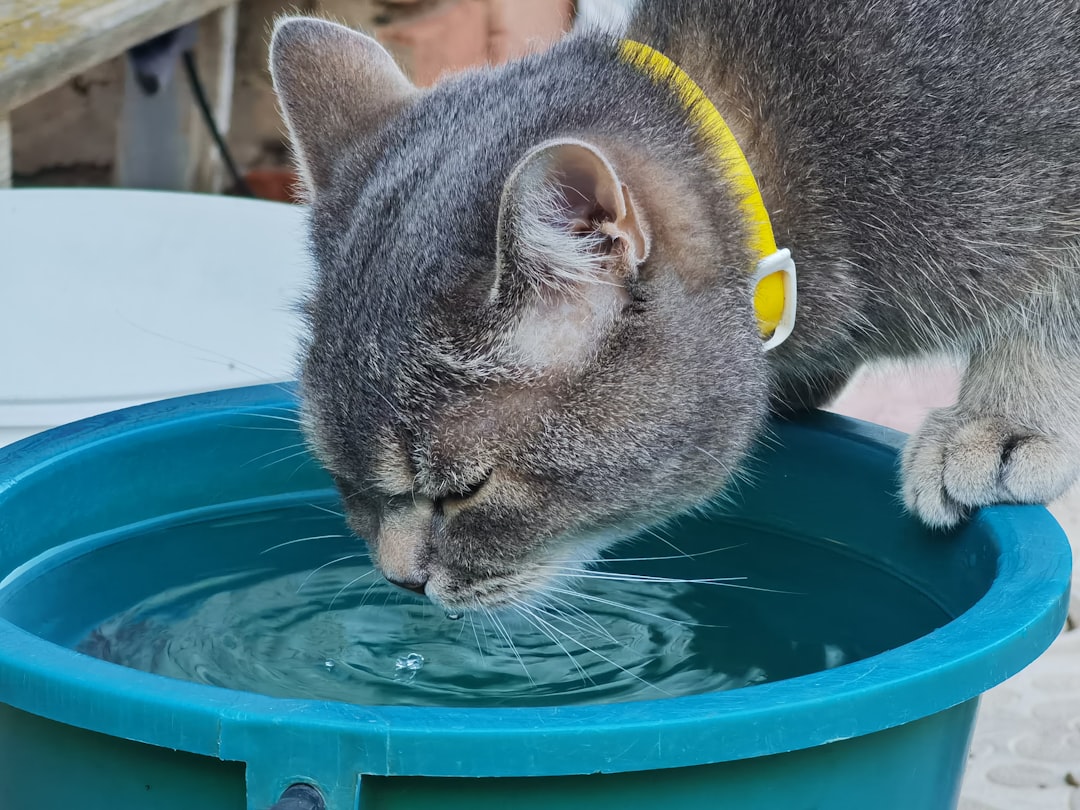
Just like humans, your cat has unique personality traits that influence their relationship with . Some cats develop what can only be described as obsessions, spending significant portions of their day interacting with various sources throughout your home.
Certain breeds show stronger fascination tendencies than others, though individual personality often trumps genetic predisposition. You might have a cat who methodically tests every source in your house, while another shows only passing interest. These personality differences reflect the complex interplay between genetics, early experiences, and individual temperament that makes each cat truly unique.
The Science of Hydration Needs
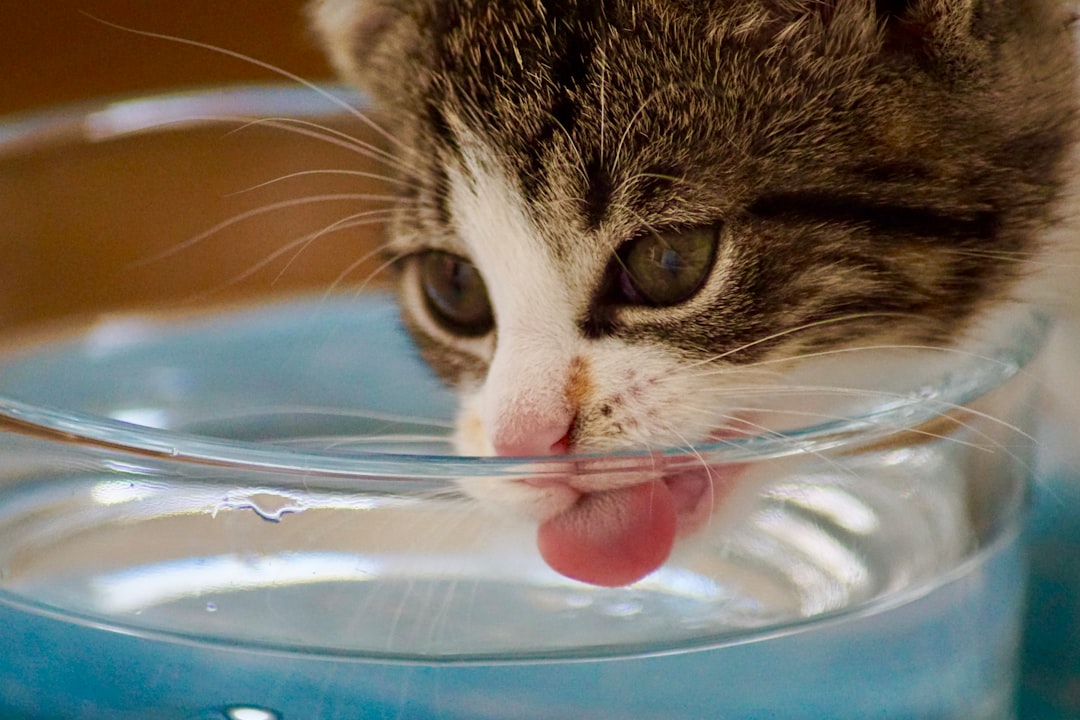
Your cat’s body composition requires careful attention to hydration, and their fascination often reflects biological necessity rather than mere curiosity. Cats have relatively low thirst drives compared to other animals, having evolved from desert-dwelling ancestors who obtained most moisture from their prey.
Modern house cats eating primarily dry food need to consciously seek out additional sources to maintain proper hydration levels. Your cat’s interest in faucets, fountains, and other sources might indicate their body’s sophisticated attempt to meet hydration needs that weren’t fully satisfied by their regular food and bowl routine.
Environmental Enrichment and Mental Stimulation
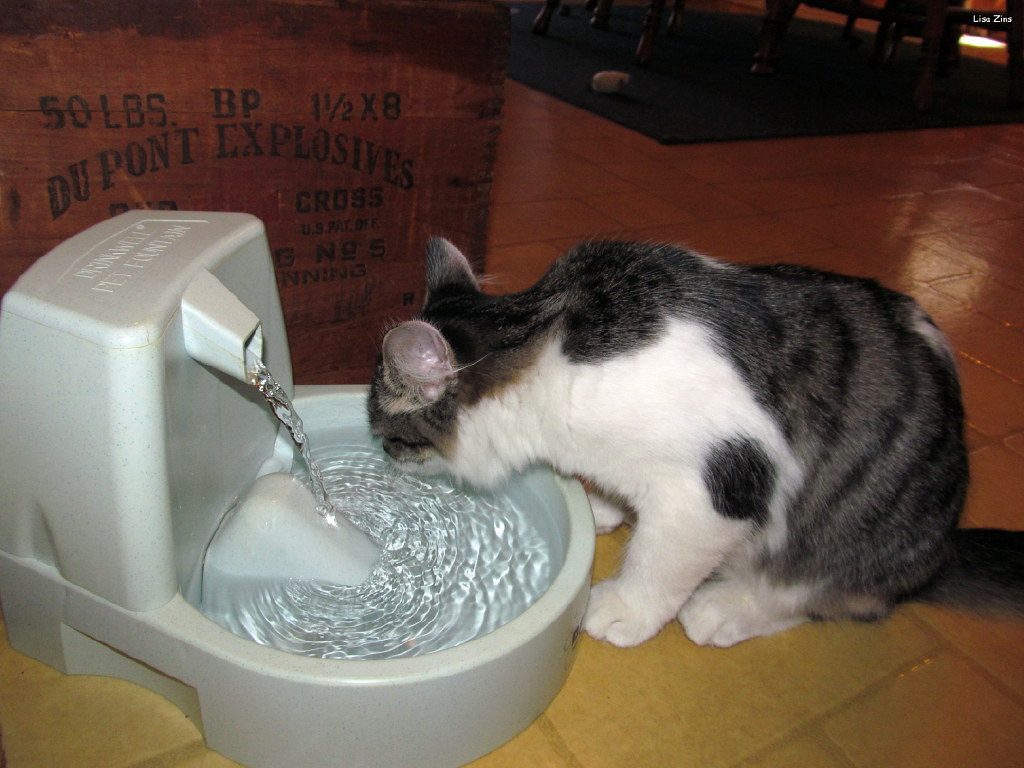
interaction provides valuable mental stimulation that helps prevent boredom and promotes psychological wellbeing in indoor cats. Your cat’s brain requires regular challenges and novel experiences to maintain optimal cognitive function, and play offers both physical and mental engagement.
The unpredictable nature of movement creates ongoing problem-solving opportunities that exercise your cat’s mind in beneficial ways. Whether they’re figuring out how to drink from a particular faucet or attempting to “catch” droplets, these activities provide the kind of enrichment that keeps indoor cats mentally sharp and emotionally satisfied.
Communication and Social Behavior
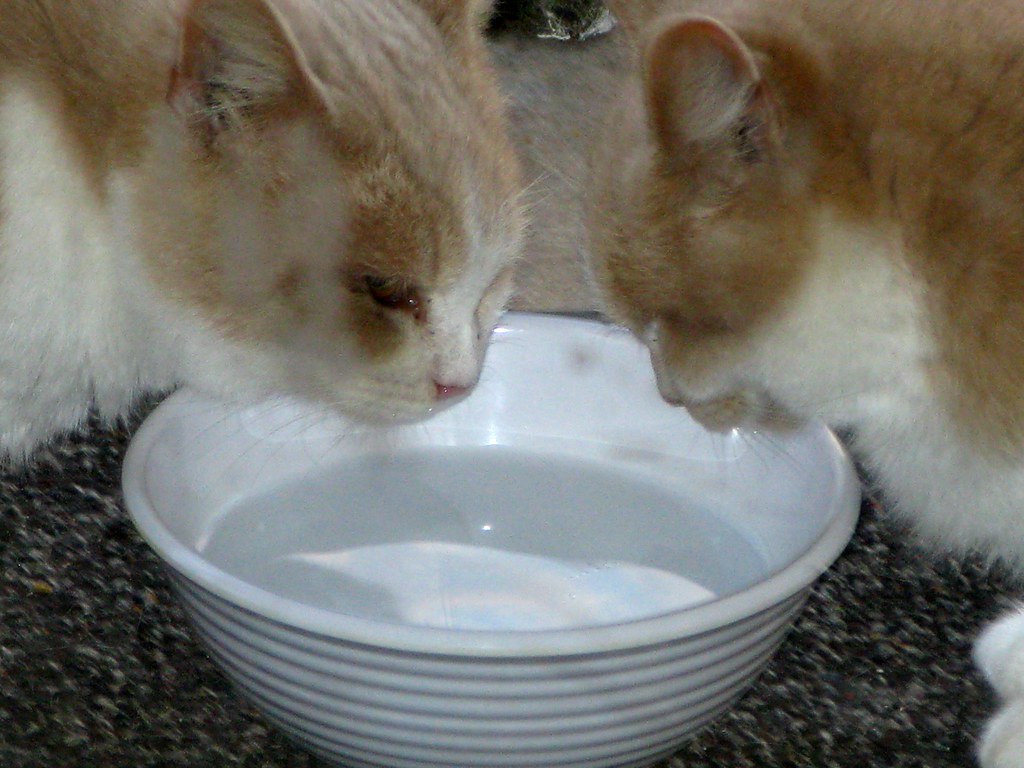
Your cat’s -related behaviors sometimes serve as communication tools, particularly in multi-cat households where resource competition might influence drinking habits. Some cats use dramatic interactions to signal their presence or establish territorial claims over preferred sources.
Additionally, cats often learn -related behaviors through observation, either from their mothers during kittenhood or from other cats in the household. If you’ve introduced a new cat who shows intense fascination, don’t be surprised if your other cats begin displaying similar behaviors. This social learning demonstrates the sophisticated ways cats adapt their behaviors based on environmental observations and social dynamics.
Conclusion
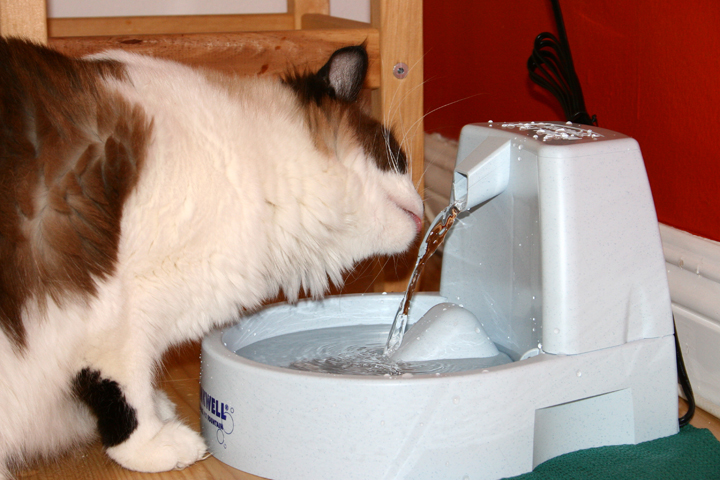
Your cat’s fascination with reveals the remarkable complexity of feline behavior and the intricate ways ancient instincts manifest in modern domestic life. From hunting reflexes to sensory stimulation, hydration needs to social communication, interaction serves multiple important functions in your cat’s daily experience.
Understanding these behaviors helps you appreciate the sophisticated inner world of your feline companion while also providing insights into how you might better meet their environmental and psychological needs. What aspects of your cat’s behavior have you noticed that might reflect these fascinating underlying motivations?