Domestic cats often retreat to quiet corners when they feel unwell, a behavior rooted in their evolutionary past that leaves many owners puzzled about their pet’s health.
The Survival Instinct at Play
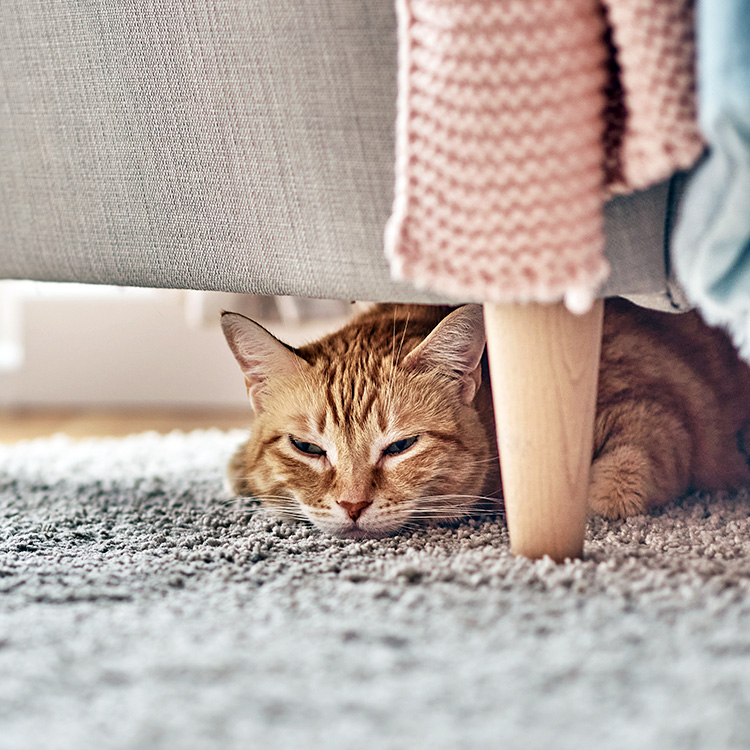
In the wild, cats that displayed signs of weakness became easy targets for predators, so they learned to mask illness to survive. This ancient drive persists even in safe home environments, where a cat might hide under furniture or in closets rather than seek comfort from its family. Veterinary experts note that this instinct makes early detection challenging, as cats avoid drawing attention to their discomfort.
Owners frequently report their cats vanishing for hours or days during bouts of illness, only to reappear when feeling slightly better. Such patterns stem from the animal’s need to conserve energy and avoid perceived threats. Understanding this behavior helps explain why routine check-ups remain essential for catching problems before they worsen.
Subtle Indicators of Hidden Health Issues
A cat’s shift from playful to withdrawn often signals the start of an illness, though it may go unnoticed amid daily routines. Lethargy appears as reduced activity, with the cat spending more time sleeping in secluded spots. Changes in eating habits, such as refusing food or drinking more water, can also hint at underlying conditions like kidney disease.
Other clues include altered grooming, where a once-meticulous cat neglects its coat, or vocal changes like softer meows. Veterinary clinics emphasize that these signs, combined with hiding, warrant immediate attention. For instance, a cat that avoids interaction or shows reluctance to move might be experiencing pain from arthritis or dental issues.
Common Reasons Cats Mask Their Discomfort
Predator avoidance tops the list of why cats hide sickness, as vulnerability invites danger in their ancestral mindset. Stress from household changes, such as new pets or rearranged furniture, can exacerbate this tendency, making a sick cat seek isolation even more urgently. Additionally, chronic conditions like diabetes or hyperthyroidism progress quietly because cats prioritize appearing strong.
Recent observations from pet health resources highlight five key factors driving this behavior:
- Evolutionary survival mechanisms that prioritize concealment over seeking help.
- Energy conservation during illness, where hiding allows rest without interruption.
- Avoidance of overstimulation, as touch or noise can heighten discomfort.
- Territorial instincts that discourage showing weakness in familiar spaces.
- Individual personality traits, where shy cats hide more readily than outgoing ones.
These elements combine to create a facade of normalcy, delaying diagnosis in many cases.
Steps Owners Can Take for Early Intervention
Regular veterinary visits, ideally twice a year for adult cats, provide the best chance to uncover hidden issues through bloodwork and exams. Owners should track daily behaviors, noting any deviations like sudden hiding spells or appetite shifts. Creating a calm environment reduces stress, encouraging cats to emerge without feeling threatened.
When a cat hides persistently, gentle coaxing with familiar scents, like a worn shirt placed nearby, can offer comfort without forcing interaction. Professional advice from sources like the VCA Animal Hospitals stresses observing for clusters of symptoms rather than isolated ones. Prompt action often leads to simpler treatments, improving outcomes for feline companions.
Key Takeaways
- Cats hide illness due to deep-seated instincts, not stubbornness.
- Watch for subtle changes like lethargy, grooming lapses, or isolation.
- Schedule routine vet exams to detect problems early and ensure a healthier life.
As cats continue to master the art of concealment, attentive owners play a crucial role in bridging the gap between instinct and care. By staying vigilant, you can help your feline friend navigate health challenges more effectively. What signs have you noticed in your cat that prompted a vet visit? Share in the comments below.