You’re in the middle of an important video call. Your boss is droning on about quarterly projections, and you’re trying your absolute best to look engaged and professional. Then it happens. Your cat saunters into frame, plops down on your keyboard, stretches luxuriously, and gazes up at you with those enormous, impossibly sweet eyes. Everyone on the call melts. Your professional demeanor? Gone.
If you’ve ever owned a cat, you know this scenario all too well. They have an uncanny, almost supernatural ability to turn on the charm precisely when you’re busiest, most stressed, or least able to give them attention. It’s adorable, yes. It’s also utterly maddening.
So what’s really going on here? Are cats secretly geniuses who’ve cracked the code to human psychology, or is there something deeper at play? Let’s dive in.
They’re Masters of Observation

Cats are pretty smart, and they quickly learn how to make you heed their call. Here’s the thing: your cat watches you constantly. They notice patterns you don’t even realize you have. When you sit at your desk, when you pick up your phone, when you’re cooking dinner – all of these activities register in their feline brain.
What makes this particularly fascinating is that cats are creatures of habit who rely on predictability and consistency in their daily lives. Yet they’ve also learned that humans are less predictable. You work irregular hours, you get distracted, you sometimes forget the scheduled playtime. So your cat adapts, watching for moments when you’re occupied to maximize their chances of getting your attention.
Inconvenient Moments Mean You’re Actually There
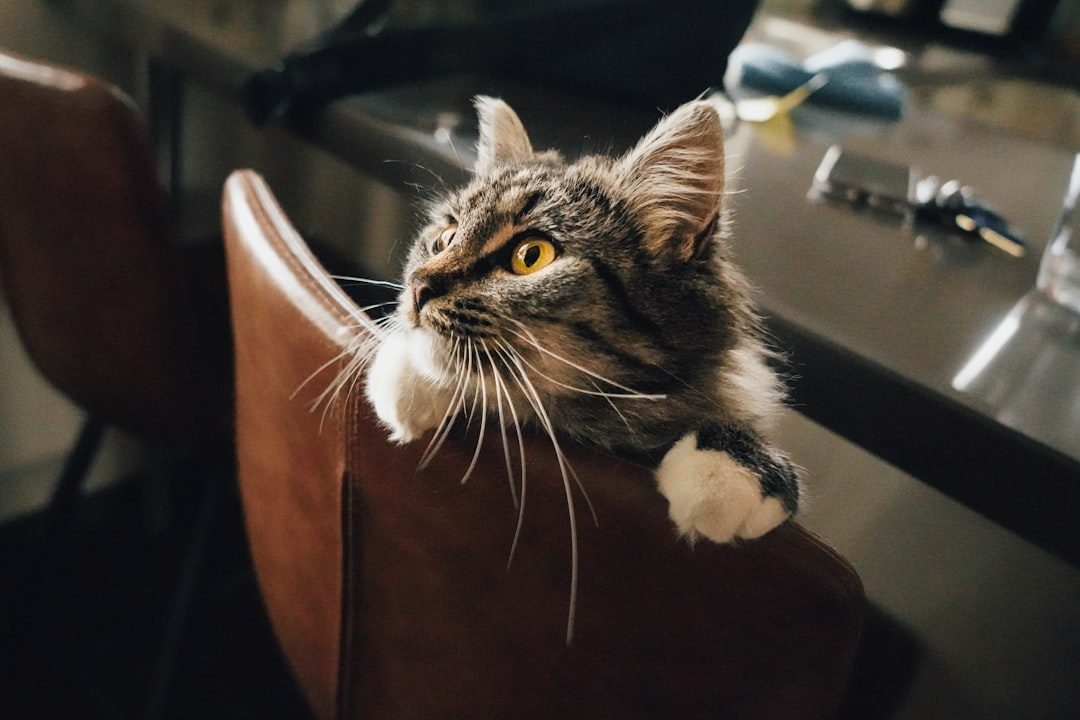
Think about when your cat becomes most demanding. It’s rarely when you’re lounging on the couch with nothing to do, right? If your cat always seems to want to play every time you are on the phone, you probably need some help. The truth is, your cat chooses these moments because you’re present and engaged – just not with them.
When you’re busy, you’re stationary, focused, and creating an environment that screams “perfect time for interaction” to a cat. You’re not rushing out the door or moving around unpredictably. Your furry friend uses this foolproof move only when you’re nearby; if you’re not around, there’s no point. Clever cats will locate the item you most treasure and slowly but deliberately push it to the edge of the table. They know exactly what they’re doing.
Honestly, it’s hard not to admire their strategy. They’ve figured out that your attention is a limited resource, and they’re competing with your laptop, your phone, or your cooking for a slice of it.
You’ve Been Training Them Without Realizing It
Let’s be real here. Most cat parents reinforce the very behavior they don’t like because they acknowledge the cat for displaying attention-seeking behavior. When the cat jumps on the table and starts meowing it’s common for the cat parent to acknowledge the kitty’s presence. Even if you’re scolding them, you’re still giving them exactly what they want: your undivided attention.
It doesn’t take long for any behavior to become ingrained. About 20 repetitions of a behavior will teach a cat the consequences of his behavior. So if you’ve stopped what you’re doing to pet your cat, move them off your keyboard, or even just look at them twenty times, congratulations – you’ve trained them perfectly. Your cat now knows that being adorable at inconvenient times works.
It may not be quite the attention your cat originally wanted, but any reaction reinforces the behavior. They’re playing a long game, and they’re winning.
Boredom Drives Them to Seek You Out
Cats are naturally inquisitive creatures that need both mental and physical stimulation to stay happy. They may resort to disruptive behaviors if caregivers do not meet their welfare needs with enough engagement and interaction. When you’re working or occupied, your cat might simply be bored and looking for entertainment.
Indoor and solo cats, in particular, can feel bored and lonely without the stimulation of rotated, interactive toys, scratching posts for physical activity, and windows viewing the outdoors to look out of. If your cat doesn’t have enough to do during the day, they’ll wait until you’re available – even if you’re technically busy – to initiate interaction.
Picture it from their perspective. They’ve napped for six hours, watched birds through the window, and now they’re ready for action. You just happen to be on an important call or trying to finish a work deadline. Tough luck.
Stress and Anxiety Make Them Clingy
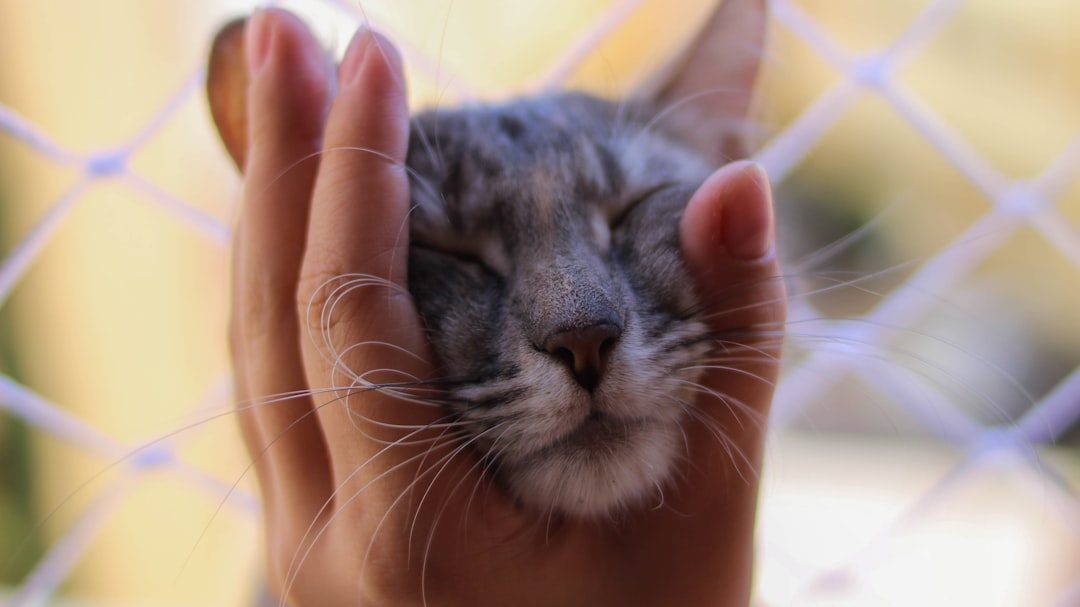
Sometimes, the inconvenient cuteness isn’t about manipulation at all. Attention-seeking behavior is common when cats are feeling stressed, fearful, or anxious. Cats can show stress or anxiety behavior in many different forms, and becoming more clingy, or attention-seeking is one of them. When your world feels chaotic or unpredictable, your cat might be seeking comfort.
The cause could be stress or anxiety as a result of a lack of structure or routine, a lack of attention, fear, boredom, frustration, previous ill-treatment, or they may be suffering separation anxiety. If you’ve been particularly busy lately, working longer hours or traveling more, your cat may be reacting to the disruption in their routine. Their adorable attention-seeking is actually a coping mechanism.
I know it sounds crazy, but your cat might be using cuteness as emotional support. They’re not trying to sabotage your productivity – they’re just trying to feel secure.
They Know Exactly How to Push Your Buttons
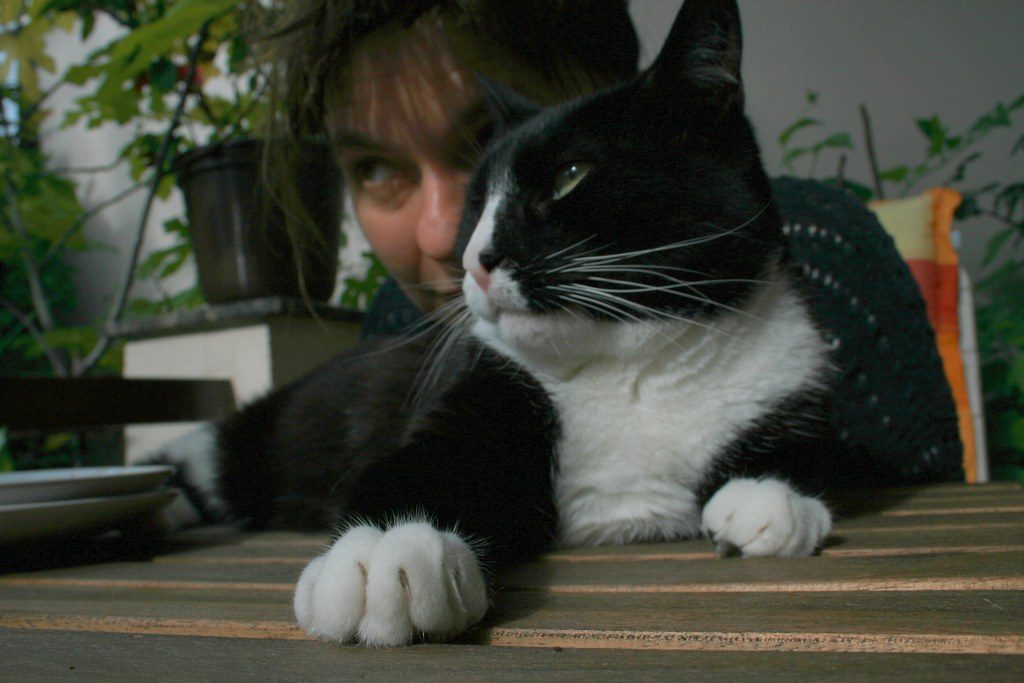
Cats have refined their communication with humans over thousands of years. They’ve learned which behaviors get the strongest reactions. Meowing is what cats do the most for attention – you can’t ignore it. They know this. They also know that flopping over to show their belly, purring loudly, or making those impossibly cute chirping sounds will melt your resolve.
Attention-seeking behaviors may include excessive vocalization, destructive scratching, pawing or tapping, and deliberately knocking items off surfaces within your view. Notice the “within your view” part? Your cat isn’t knocking things over when you’re not around. They’re doing it precisely because they know you’ll react.
The vast majority of their adorable antics are calculated moves designed to capture your attention. They’ve studied you like a scientist studies a lab rat, and they’ve perfected their technique.
Inconsistent Routines Create Demanding Behavior
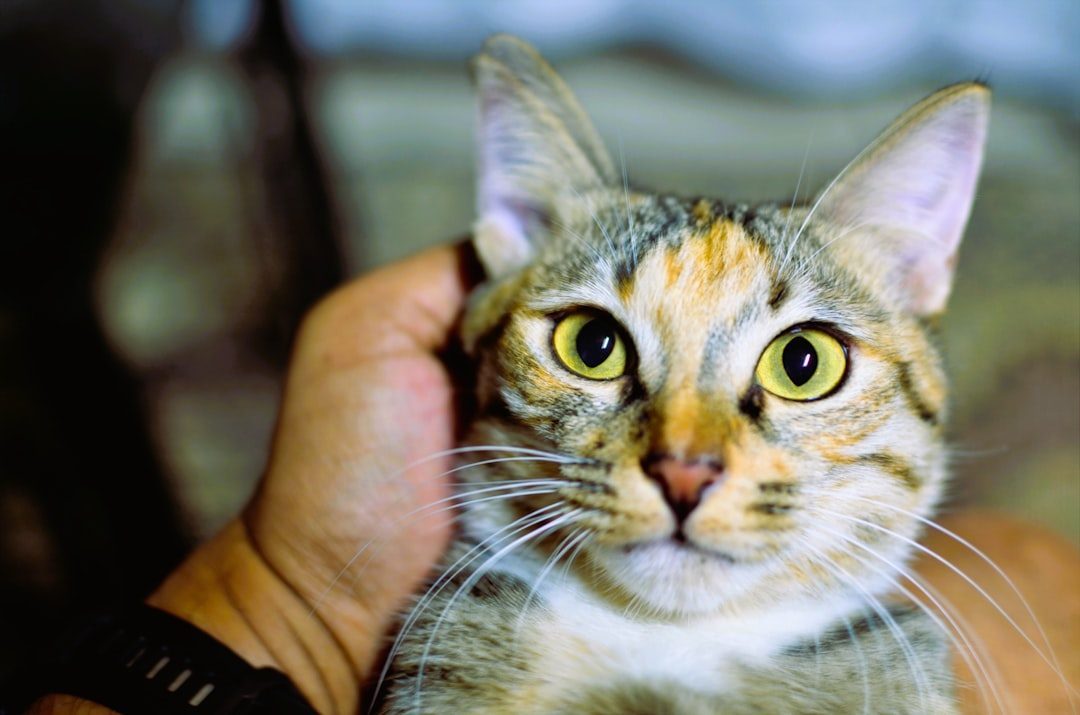
If you aren’t consistent in the cat’s feeding schedule, litter box cleaning, playtime, or even when you come home at the end of the day, it can create the need for attention-seeking behavior. When cats don’t know when to expect interaction, they become more insistent about demanding it on their own terms.
Provide your cat with structured attention rather than more attention. Schedule two or three play sessions a day (to total 15-30 minutes) and a couple of short “quiet-attention” times for cuddling, petting, massage, grooming, or whatever activities your cat enjoys. Your cat will be less likely to be pushy and demanding if he knows that he will be getting attention at regular times each day.
Without that structure, your cat takes matters into their own paws. They’ll interrupt your meeting, climb on your book, or sit directly on your laptop because they’ve learned that’s the most effective way to force you to pay attention.
The Evolutionary Advantage of Cuteness

There’s a reason your cat’s adorable behavior is so effective – it’s literally evolved to be that way. Cats form attachments to households that regularly feed them. Over thousands of years of domestication, cats that were better at eliciting positive responses from humans were more likely to be cared for and, therefore, survive.
Your cat’s big eyes, soft fur, and endearing behaviors aren’t accidents. They’re the result of generations of cats learning what works on humans. When your cat chooses the most inconvenient moment to be adorable, they’re drawing on an ancient playbook that’s been refined over millennia.
They’ve essentially hacked your brain. Those big eyes trigger nurturing instincts. That soft purr releases feel-good hormones. You literally cannot help but respond, even when you’re trying to concentrate on something else.
Breaking the Cycle (Or Learning to Live with It)
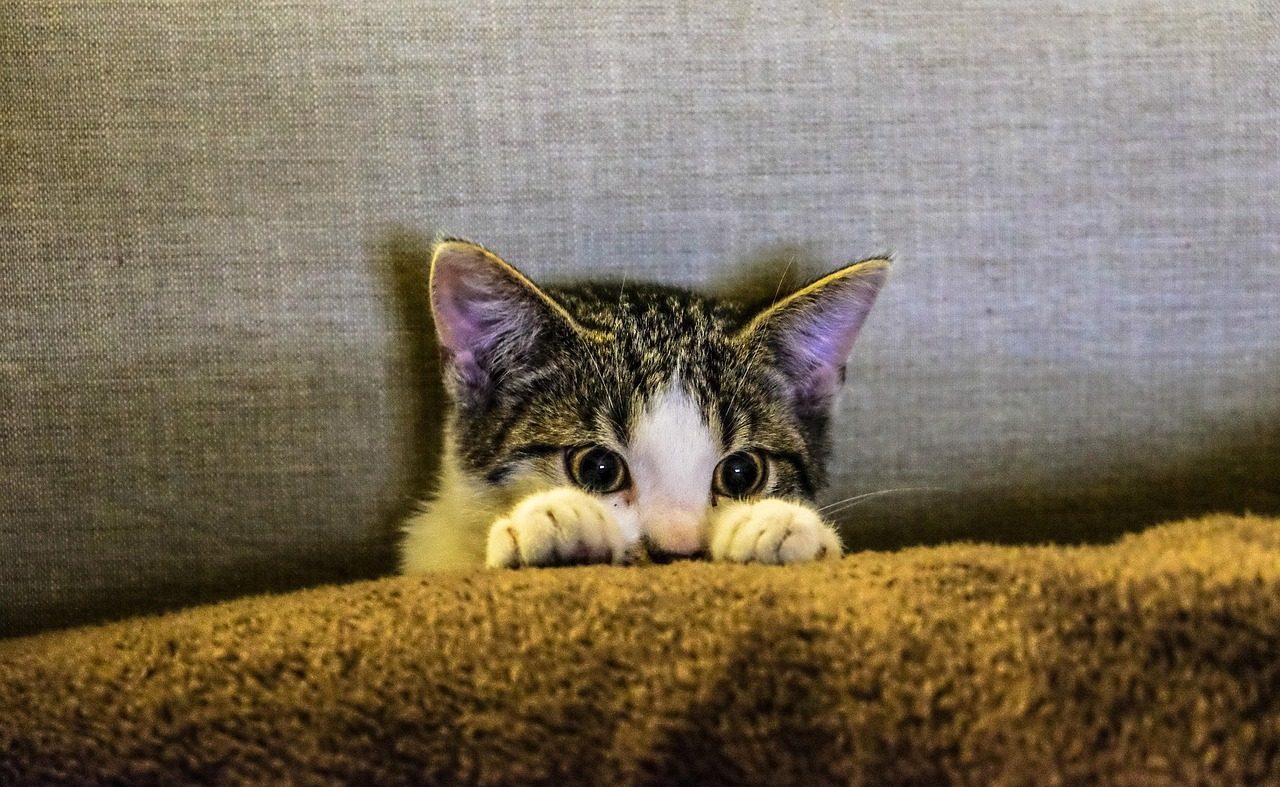
Ignoring your cat when they engage in disruptive attention-seeking rituals can be effective, though it requires consistency and patience. By not reacting to their display of negative behaviors (like knocking things over or excessive wailing), you reinforce to them that these antics won’t get them the desired outcome. This is easier said than done, especially when they’re being irresistibly cute.
Cats thrive on routine. By setting aside predictable times each day for engagement, be it play, feeding, grooming, or affection, you can help reduce their urge to demand attention in the first instance. Give them what they need before they have to ask for it in inconvenient ways.
Still, let’s be honest – part of living with a cat means accepting that they’ll occasionally hijack your Zoom call, interrupt your reading, or demand cuddles at three in the morning. That’s just part of the deal. They’re not being malicious; they’re being cats.
Conclusion
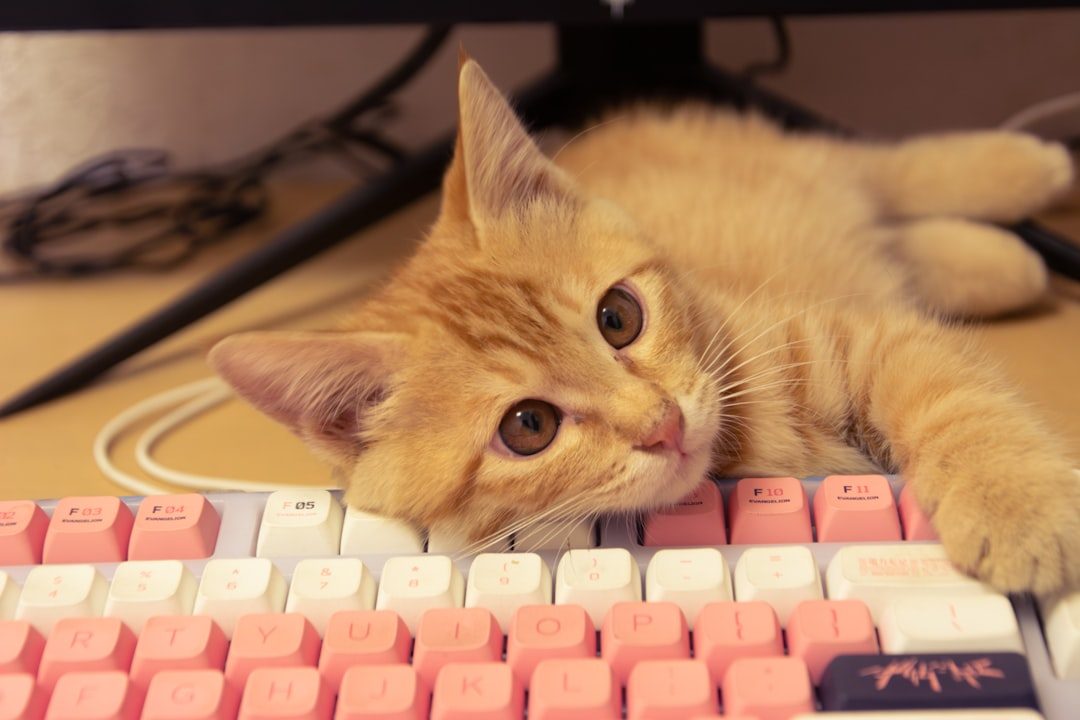
So Because they’re intelligent, observant creatures who’ve learned exactly what works to get your attention. They know when you’re busy, and they know that’s when you’re most likely to be available physically, even if not mentally. They’ve been trained by your reactions, driven by boredom or stress, and equipped with evolutionary advantages that make their cuteness nearly impossible to resist.
The next time your cat interrupts your important task with an adorable display, remember: they’re not trying to annoy you. They’re just trying to connect with you in the only way they know how. What do you think – is your cat secretly a genius, or just adorably opportunistic? Tell us in the comments.