You’ve probably noticed your feline friend suddenly transforming into what looks like a miniature Halloween decoration, back curved skyward and tail puffed up like a bottle brush. It’s hard not to crack a smile when your cat does this, even though it might signal something far more complex than you’d think. This iconic pose isn’t just for show. It’s deeply rooted in your cat’s survival instincts and has more meanings than you might expect.
There are various reasons, and you need to put it into context with the rest of their body language to work out what they are trying to tell you. Whether your cat is feeling threatened, excited, playful, or simply stretching after a long nap, that curved spine serves a purpose. Let’s dig into this fascinating behavior and find out what your cat is really trying to say when they strike that dramatic pose.
The Anatomy Behind the Arch
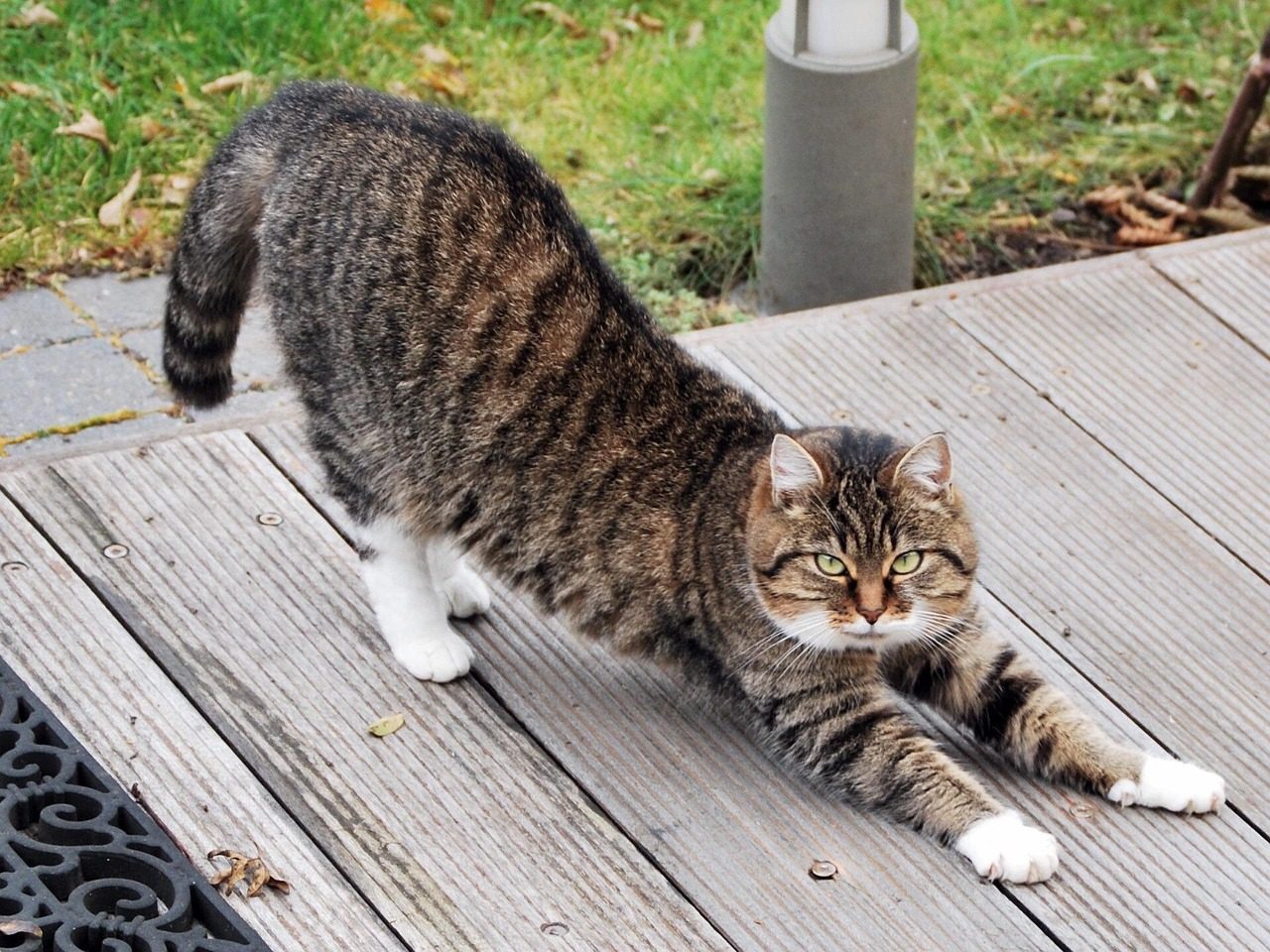
Cats have a spine that contains nearly 60 vertebrae (humans only have about 34) which fit together loosely, giving them that incredible flexibility. This remarkable skeletal structure is what makes your cat capable of twisting, bending, and contorting into positions that would send any human straight to the emergency room. The elastic cushioning between their vertebrae allows them to arch dramatically, creating that distinctive curved silhouette that’s become so iconic.
This flexibility isn’t just for show. Cats have elegant bodies and elongated spines, which they need to flex and extend to keep their tendons and muscles in top shape. Think of it like your cat’s built-in yoga routine, designed by evolution to maintain peak physical condition. Their remarkable spinal structure enables them to navigate tight spaces, land gracefully from heights, and execute those lightning-fast movements when chasing prey.
The Classic Fear Response
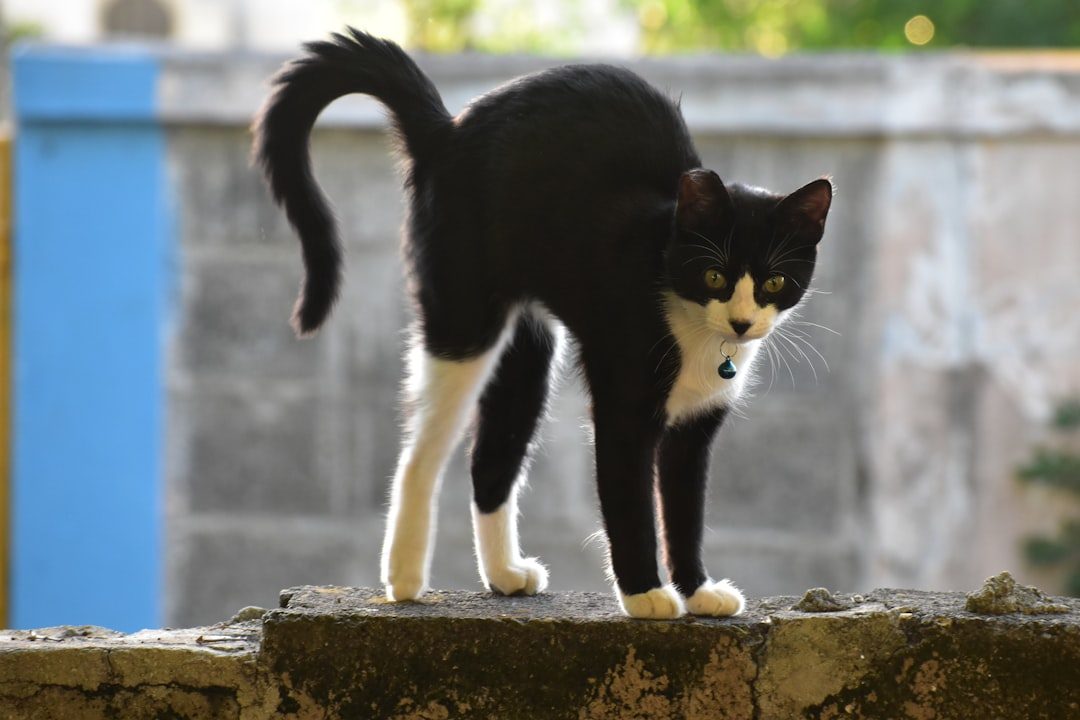
One of the most common, and most recognisable, reasons why s is because they feel threatened. The “Halloween cat pose” is a classic pose of a startled cat. It includes an arched back, fur standing up on end, an erect tail bristled like a brush, legs straightened, standing tall, ears flattened, and pupils huge and round. This dramatic display is your cat’s attempt to appear larger and more intimidating to whatever has spooked them.
When a cat becomes frightened, there is an automatic release of adrenaline and the tiny muscles around the hairs respond by contracting and making the hair stand erect. A similar reflex makes them arch their back. This involuntary response, called piloerection, happens without your cat consciously deciding to look bigger. It’s pure instinct kicking in. The raised hair combined with that arched spine creates an optical illusion that makes your cat look almost twice its actual size.
Stretching After a Good Snooze
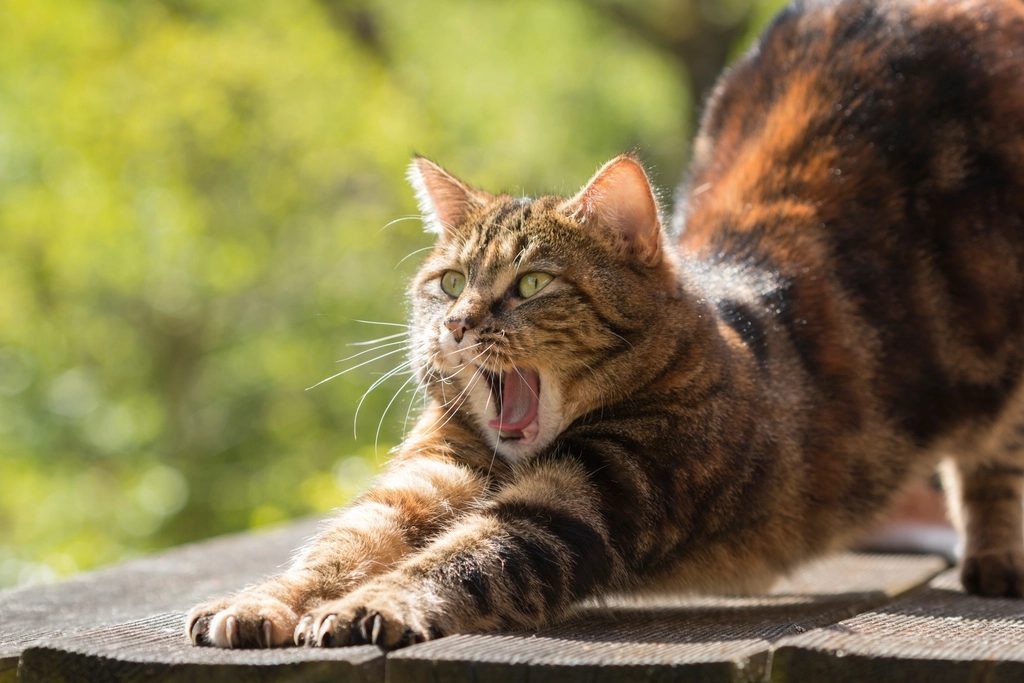
Let’s be real, cats sleep a ridiculous amount. So when they finally decide to grace you with their wakeful presence, that arch is often just a satisfying full-body stretch. Cats spend a significant part of their day sleeping, often curled up tightly. Stretching and arching their back helps them loosen up their bodies and get moving.
A full-body stretch, where a cat extends their front legs forward, arches their back, and pushes out their back legs, is the most common form. It usually occurs after waking up or after lying down for an extended period. This type of stretch helps realign the spine, loosen the muscles, and stimulate circulation. You’ll probably notice this happening first thing in the morning when your cat emerges from their favorite sleeping spot. Sometimes it’s accompanied by a big yawn or that adorable little chirping sound they make.
Playful Pouncing and Mock Attacks
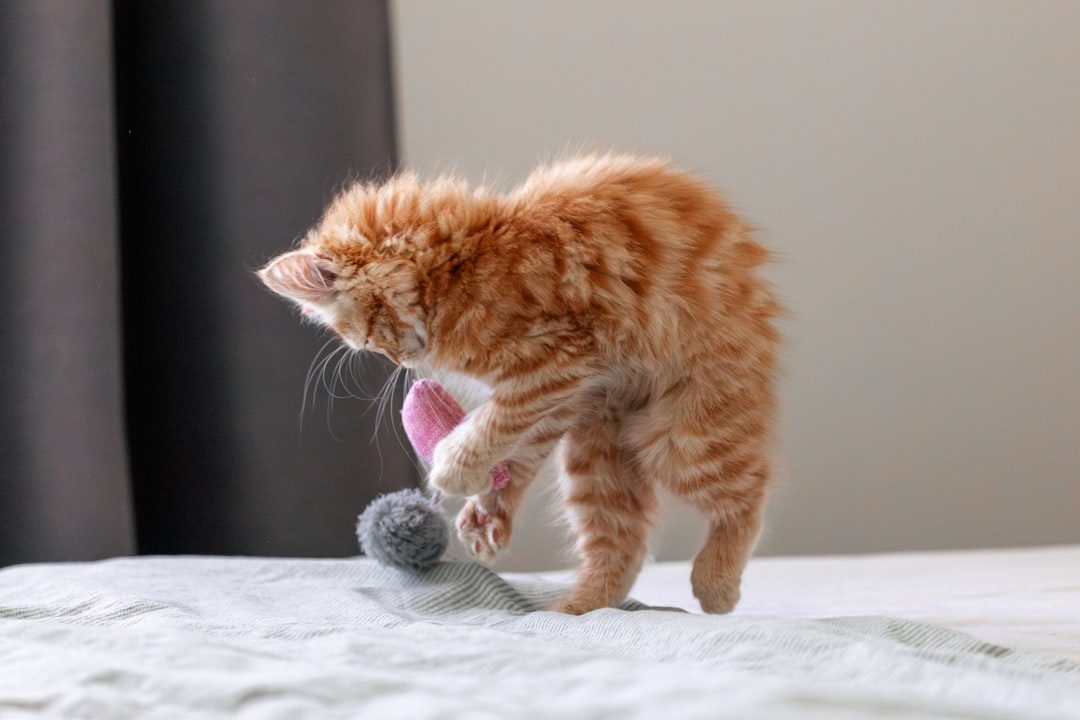
s because they’re playing. This behaviour is most common in kittens and young cats. They tend to do this with their backs arched, similar to the “Halloween cat” pose, but their hair is not standing on end and their tail is shaped like a teapot handle. You’ll know the difference between play and fear because a playful cat doesn’t have that puffed-up fur or those flattened ears.
You’ll know a cat with an arched back is feeling playful rather than fearful or aggressive if they pounce towards you and not away. Watch the direction of their movement. A scared cat backs away or sideways, while a playful one bounces forward with excitement. Kittens especially love to practice their hunting skills with this exaggerated pose, hopping sideways and forward in that hilarious crab-walk style that never gets old.
Showing Affection and Seeking Attention
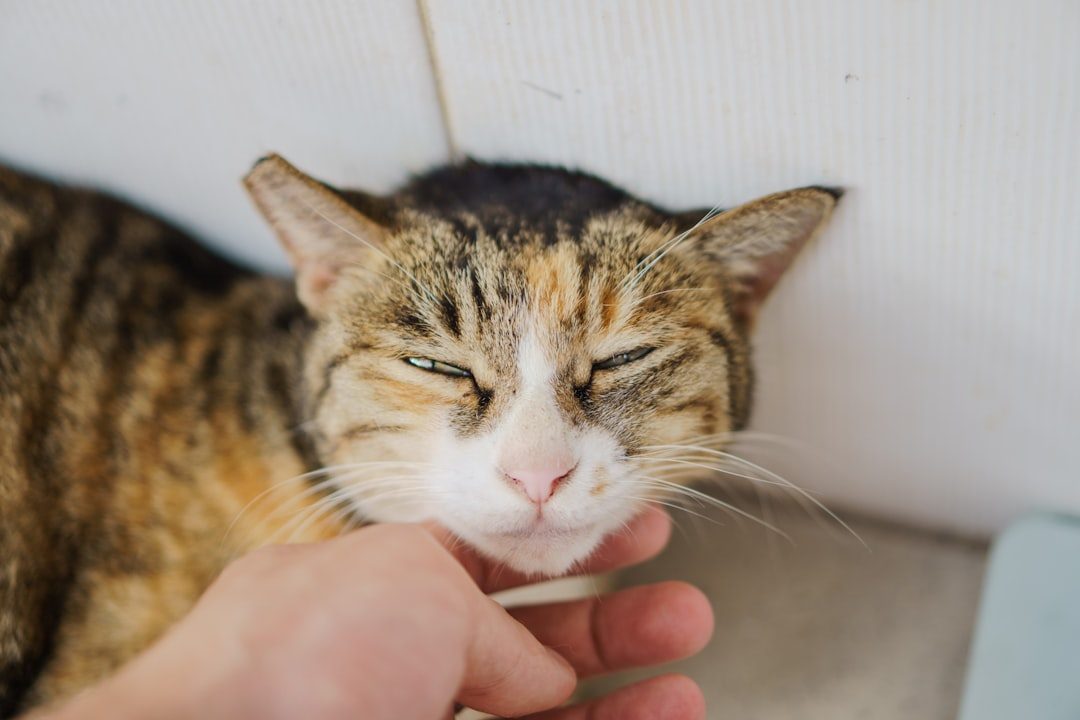
When s while being petted, it’s a sign they enjoy the sensation. They are trying to push into your hand. This is actually one of the sweetest reasons your cat might arch their back. When they press upward against your palm, they’re asking for more pressure, more contact, more of that good stuff.
Some cats may arch their back when they are greeting their favourite humans. They may also purr, meow, rub against your legs or point their tail upwards with a slight curve at the top. This is your cat’s way of saying “hello” and showing affection. If your cat approaches you with a gentle arch and starts rubbing against your legs, consider yourself honored. That’s feline affection in its purest form, and it means your cat feels completely comfortable and safe with you.
Defensive Posturing and Territorial Warnings
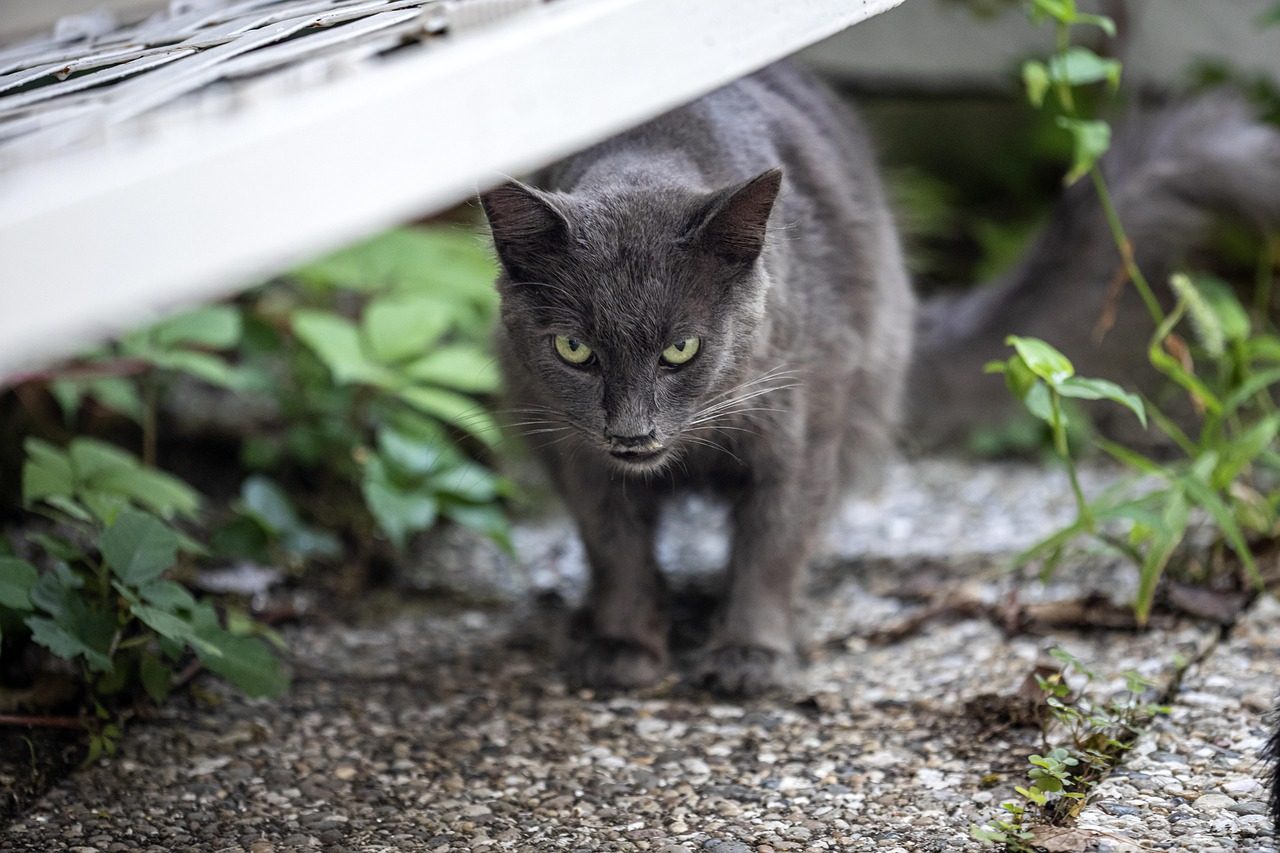
Cats might arch their backs with hair standing up to warn off potential foes. Your cat may display distance-increasing signals when neighboring cats or dogs are nearby. Their positioning sends the message, “Don’t come any closer.” Usually, this behavior arises when your cat feels that they, their territory, or resources are in danger. This is different from the fear response because it’s more assertive and deliberate.
To appear larger and more intimidating, cats raise their fur, arch their backs, and walk sideways with their eyes locked on the perceived threat. In addition, they may hiss, growl, or snarl with exposed teeth. If you see this happening, it’s best to give your cat space and try to remove whatever’s causing the stress. Never try to pick up or intervene directly when your cat is in full defensive mode. Trust me on this one.
Grooming and Body Maintenance
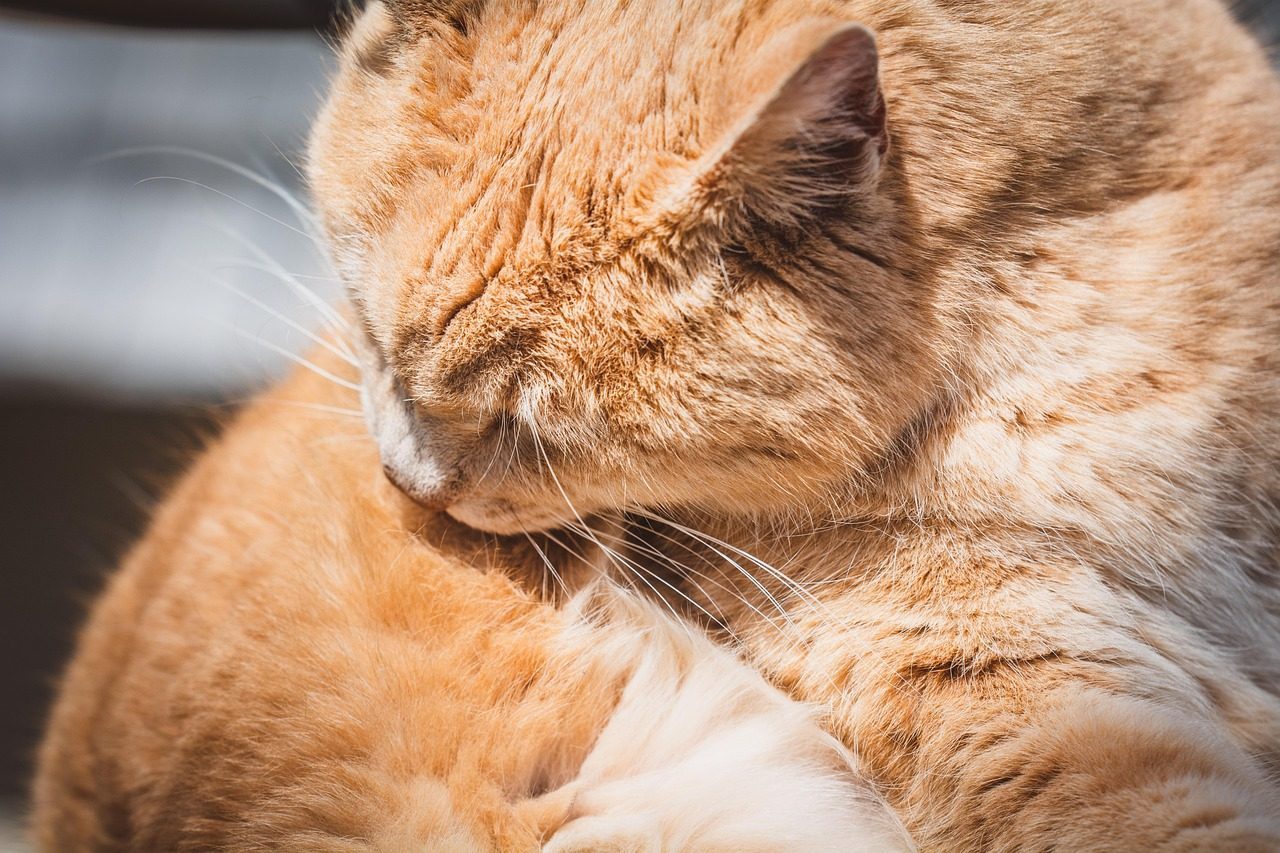
Cats use their flexibility to groom hard-to-reach areas. An arched cat can access more areas of their body, such as around their stomach or the base of their tail. If your cat has an arched back while licking their fur, the behaviour may just be to support their grooming needs. Cats are fastidious groomers, and that remarkable spine flexibility comes in handy when they need to reach those awkward spots.
Sometimes you’ll catch your cat contorted into what looks like an impossibly uncomfortable position, back arched at a weird angle while they meticulously clean their belly or hindquarters. This is completely normal behavior. Their flexible spine allows them to twist and bend in ways that give them access to nearly every inch of their body for grooming purposes.
When an Arched Back Signals Pain
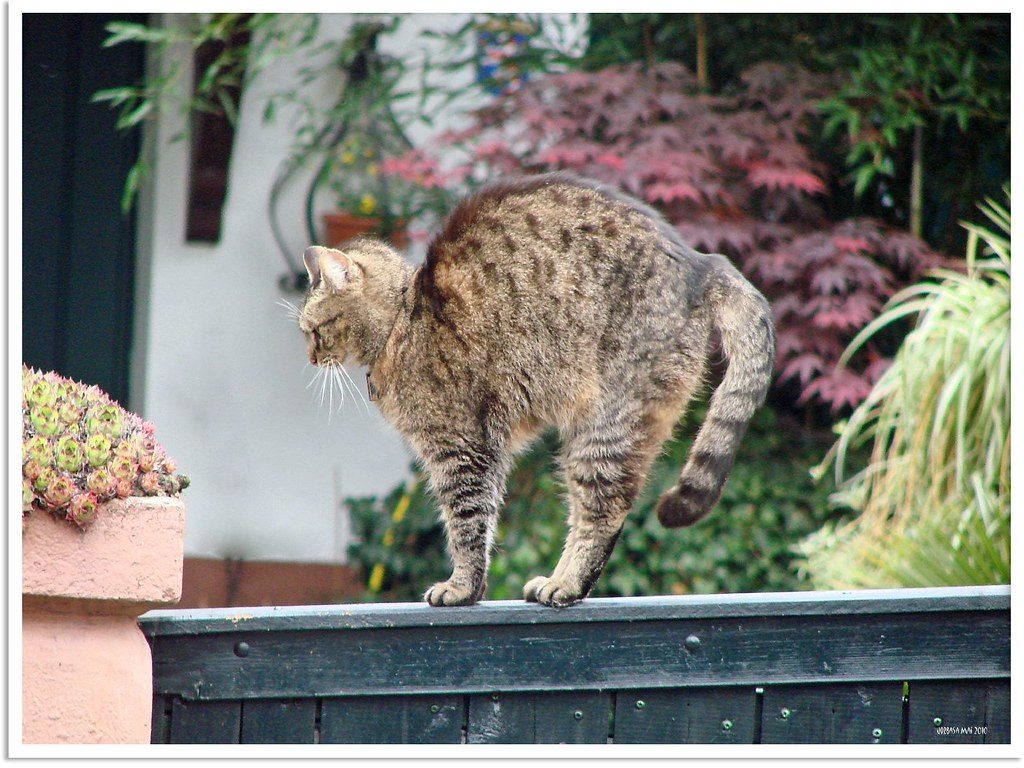
When a cat has an arched or hunched back that doesn’t go back to normal posture, it can indicate pain. This is the one instance where an arched back should genuinely concern you. Unlike the other reasons, a pain-related arch typically persists and looks stiff or tense rather than fluid and natural.
When a cat has back or abdominal pain, they often stand or lie on their side with an arched back, or walk with a stiff gait. Moreover, a cat who’s reluctant to walk up or down the stairs, walks with an arched back, has difficulties getting out of bed, or is experiencing stiff joints or lameness may be suffering from osteoarthritis. If you notice your cat maintaining an arched posture for extended periods, especially combined with changes in appetite, litter box habits, or reduced activity, schedule a vet appointment right away. Cats are masters at hiding pain, so when they do show it, something’s genuinely wrong.
Conclusion
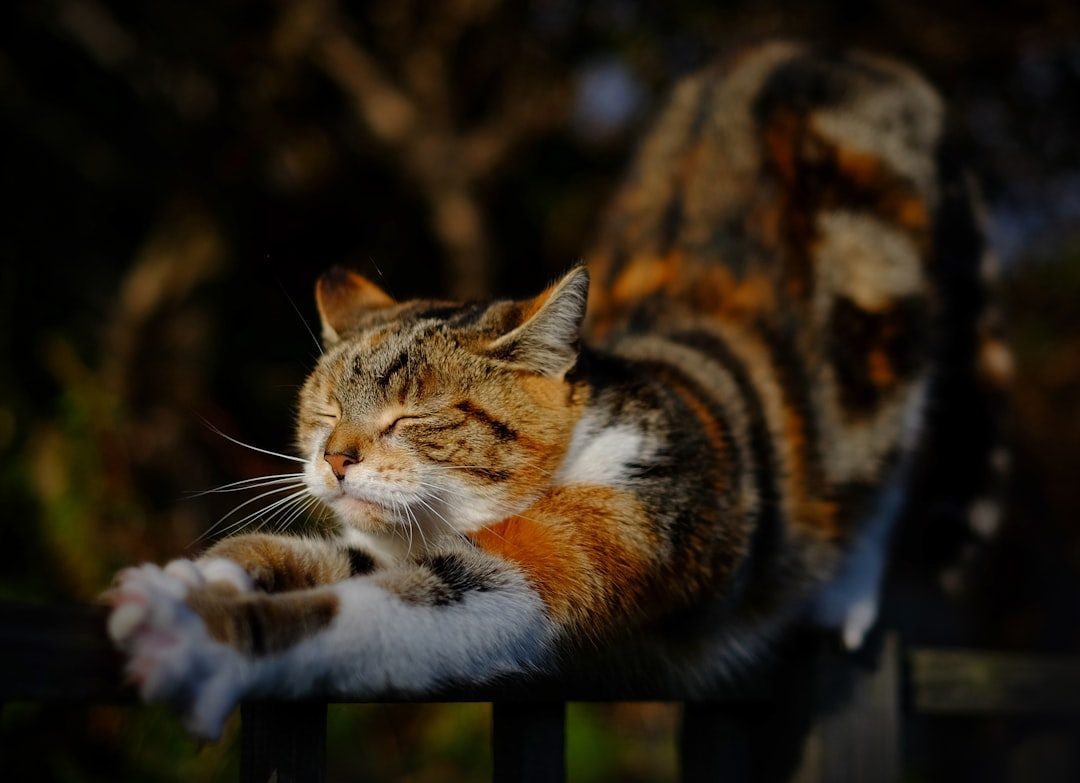
s for all kinds of reasons: some cute, some serious, all totally cat-like. It’s their way of reacting, communicating, stretching, or saying “back off.” Understanding this behavior helps you become fluent in your cat’s unique language and strengthens the bond between you.
The key is reading the whole picture. Look at your cat’s ears, tail, eyes, and overall body tension. Consider the context. Did they just wake up? Is there another animal nearby? Are they approaching you or backing away? These clues tell you whether that arch means fear, joy, playfulness, or something requiring your attention. What’s your cat’s most common reason for arching? Have you learned to read their signals? Share your experiences in the comments below.