You’ve probably noticed that your cat sometimes leaves their droppings exposed in the litter box, completely unburied. This behavior can seem confusing at first, especially when you’re under the impression that all felines instinctively cover their waste. The truth is, there’s far more going on beneath the surface than most people realize. Let’s be real, your cat isn’t trying to annoy you or make your life harder. Their uncovered poop is actually a form of communication, a signal that something in their world needs attention. So let’s dive in and explore what your cat might be trying to tell you.
The Dominance Display You Didn’t Know About
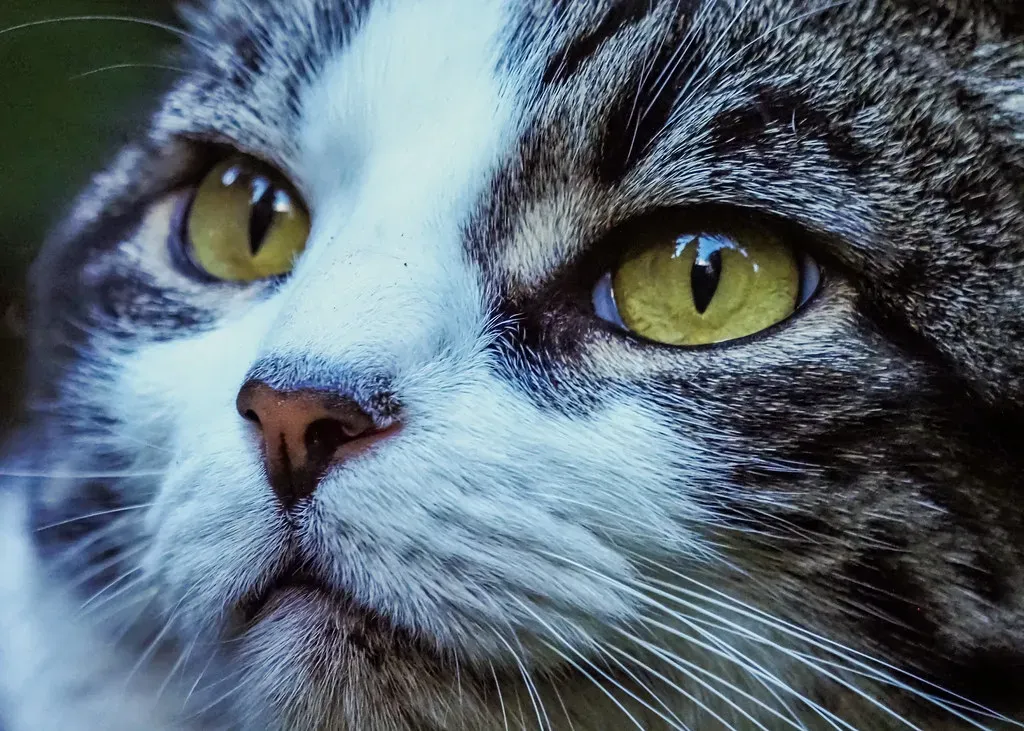
When cats want to express dominance and claim territory, they may choose not to as a signal to other individuals that they don’t feel threatened, and that the territory belongs to them. Think of it as your cat planting a flag in their domain. In multi-cat households or areas where they encounter other animals, cats may leave their poop uncovered as a way to assert dominance, ensuring their scent lingers and reinforcing their presence.
Research shows that in a group of feral cats, the dominant cat leaves its waste uncovered to mark its territory, while subordinate cats cover their waste as an act of submission. This hierarchy is deeply ingrained in feline behavior. You might notice this particularly when introducing a new pet to your household or when stray cats wander near your home, triggering your cat’s territorial instincts.
Your Litter Box Setup Is All Wrong
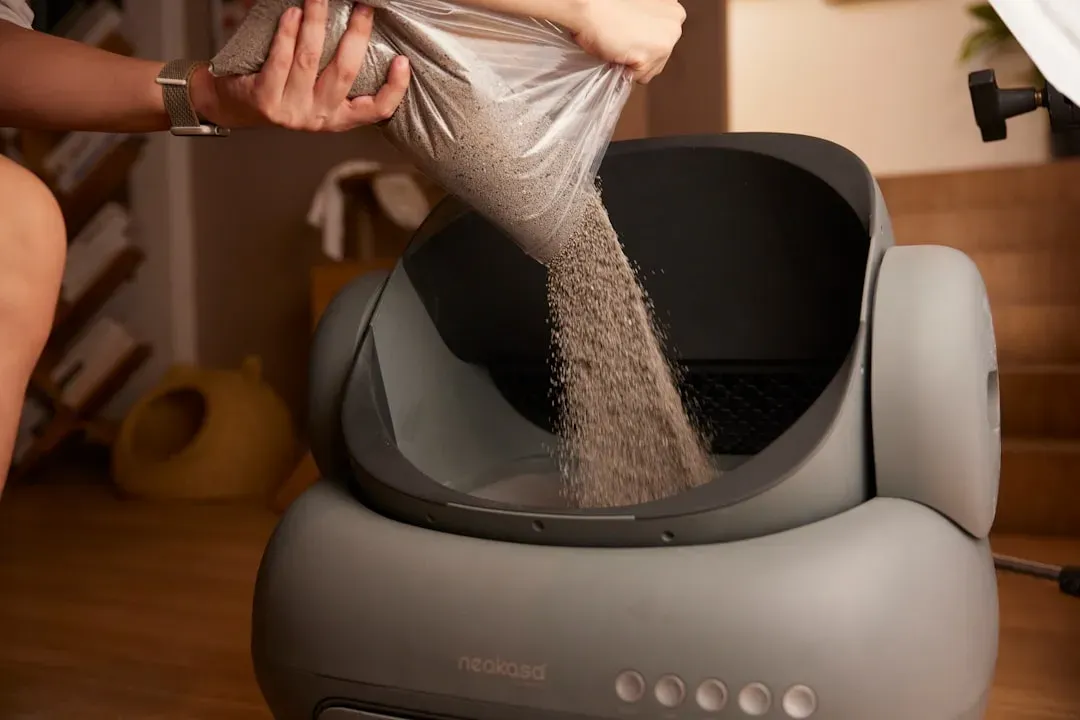
Your cat may refuse to bury their poop due to something about the litter box setup, such as the type of litter used or the size or location of the box. Cats are notoriously particular creatures. If your cat doesn’t like stepping on the litter, they won’t want to dig around in it to bury their poop.
The size matters more than you might think. If the litter box is too small, your cat may have a hard time finding room to dig and scratch properly to cover the poop. If the litter box is in a busy area or is in another cat’s territory, your cat might not feel comfortable staying in the litter box long enough to bury their poop. Think about it from your cat’s perspective: would you want to use a cramped, exposed bathroom in a high-traffic hallway?
They Never Learned the Behavior
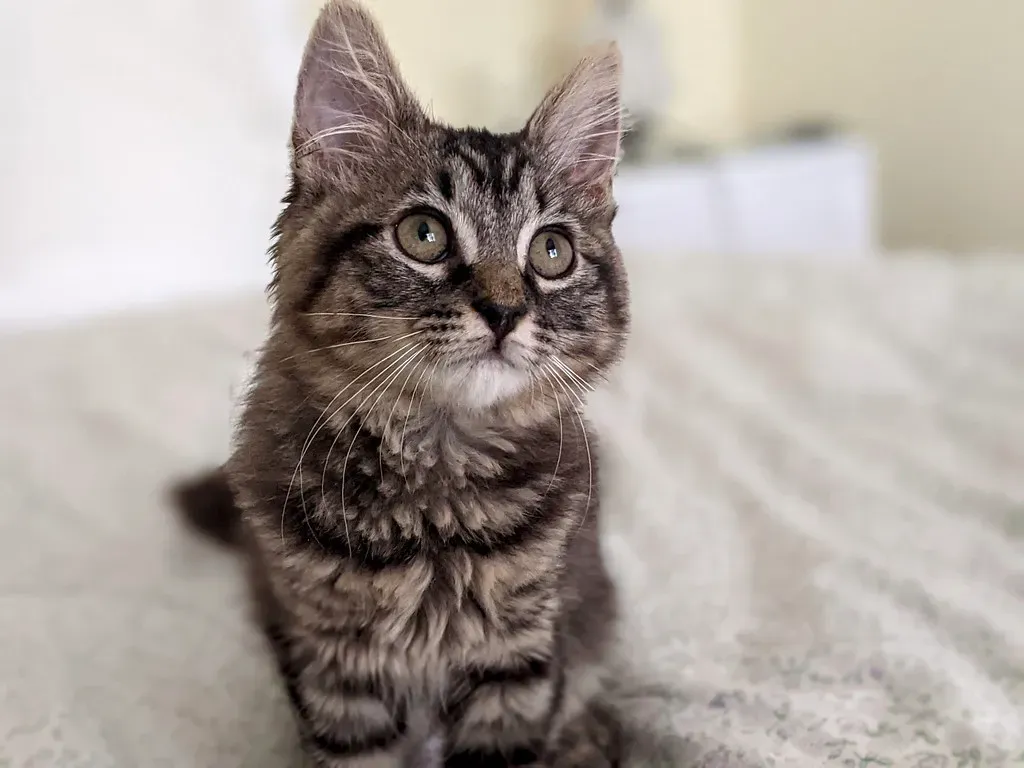
If a cat’s mother never buried her poop, then the cat won’t learn to and will carry this behavior into adulthood. It’s really that simple sometimes. It is normal for kittens not to , as usually their mothers show them how to by setting a good example, but not all of them learn it really well.
Cats who are separated from their mothers very early must learn this skill without observing their mom, so some kittens are still learning to be poop coverers and may not do it all the time or even at all. Here’s the thing: burying waste isn’t necessarily hardwired into every cat’s brain. Many wild cats to conceal their scent from predators and competitors, though social dynamics can influence this behavior.
Pain and Health Issues Are Holding Them Back
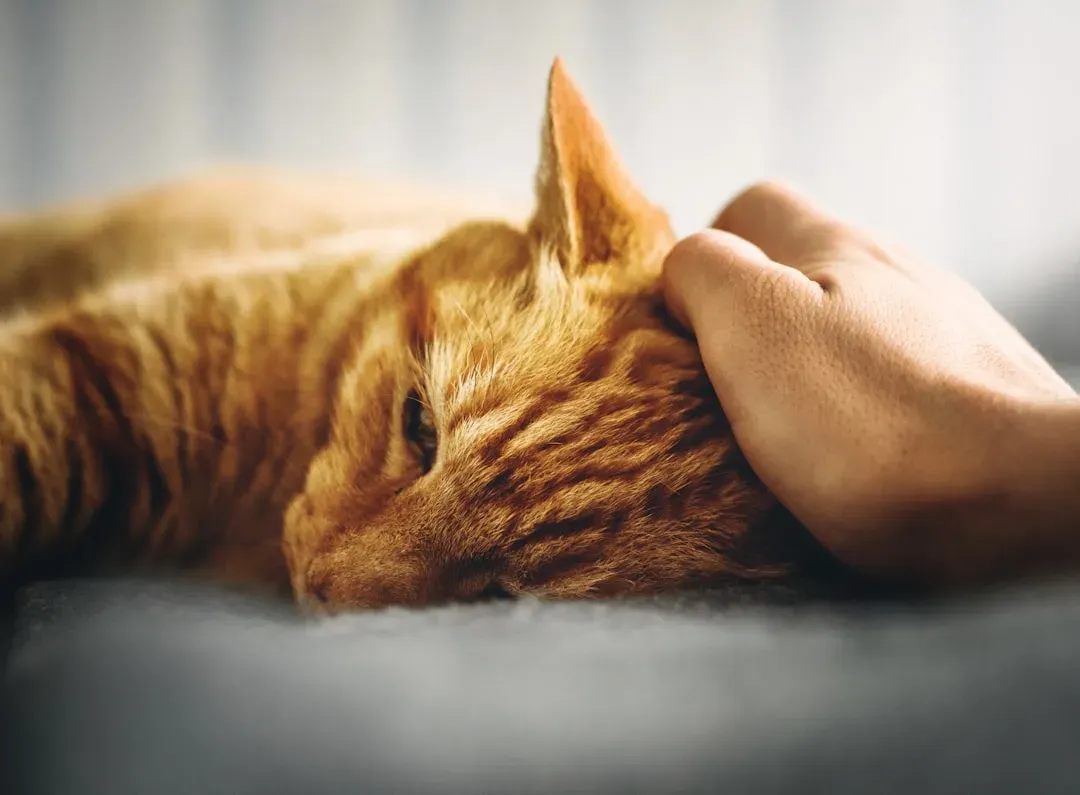
Pain, illness, or injury can make it difficult for a cat to , as cats experiencing pain when defecating are likely eager to get out of the litterbox as soon as possible since they associate being there with pain. This is honestly one of the most important reasons to pay attention to. Older cats that suffer from joint pain such as arthritis may stop covering their poop because it hurts.
Chronic constipation, diarrhea, inflammatory bowel disease or other gastrointestinal problems could make the litter box an unpleasant experience, resulting in this behavior change. If it causes them pain to , either because of an issue in a joint or an injury to a paw, they may skip this step even though it is usually part of their bathroom routine. You need to watch for other symptoms like lethargy, changes in appetite, or vocalization during bathroom visits.
Stress and Anxiety Are Taking a Toll
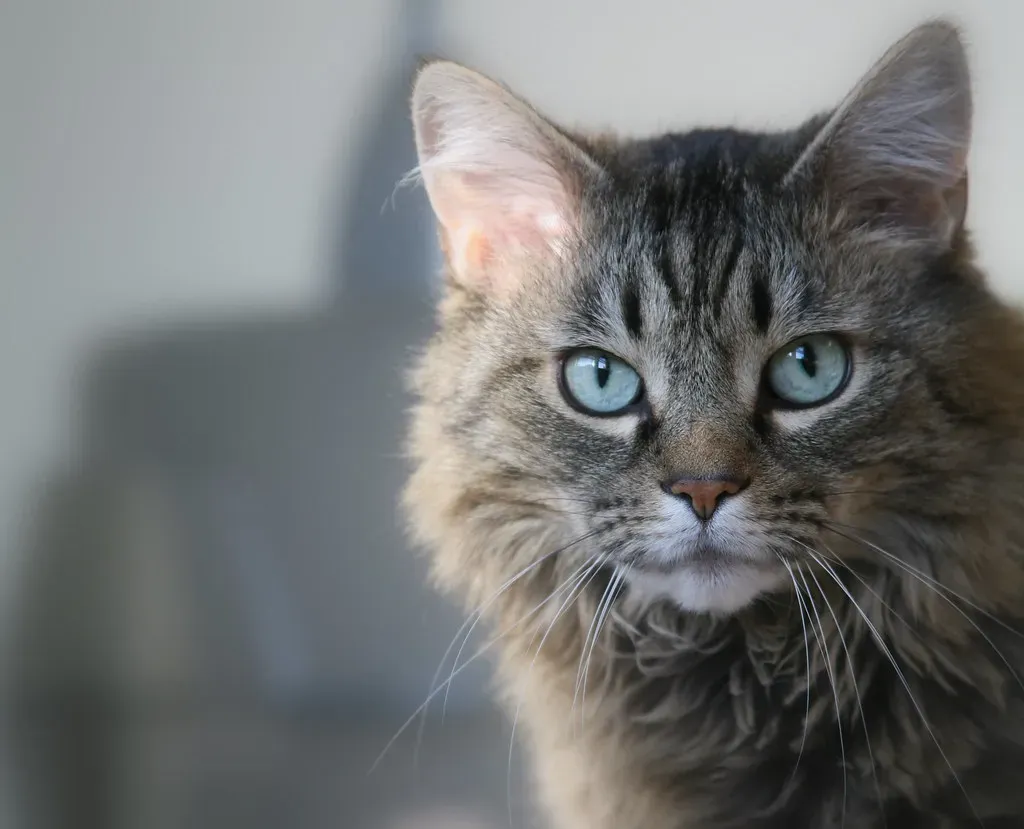
Stress can cause a cat to stop covering their poop, and the stress may be associated with the litter box itself or totally unrelated. I know it sounds crazy, but cats are surprisingly sensitive to environmental changes. A new cat or dog in the household, a new baby, loud sounds from a house remodel, tension between family members, house guests, a change in your work schedule, or even a new delivery person who rings the bell instead of knocking can all cause stress in cats.
When cats are experiencing a stressful situation, they may stop performing normal behaviors, including covering their poop, as cats could become stressed by new family members, loud noises, or moving. Cats might not want to linger in the litter box to when they feel threatened, so they can return to hiding as soon as possible. The list of potential stressors is practically endless, which can make pinpointing the exact cause frustrating.
They Feel Too Safe (Yes, Really)
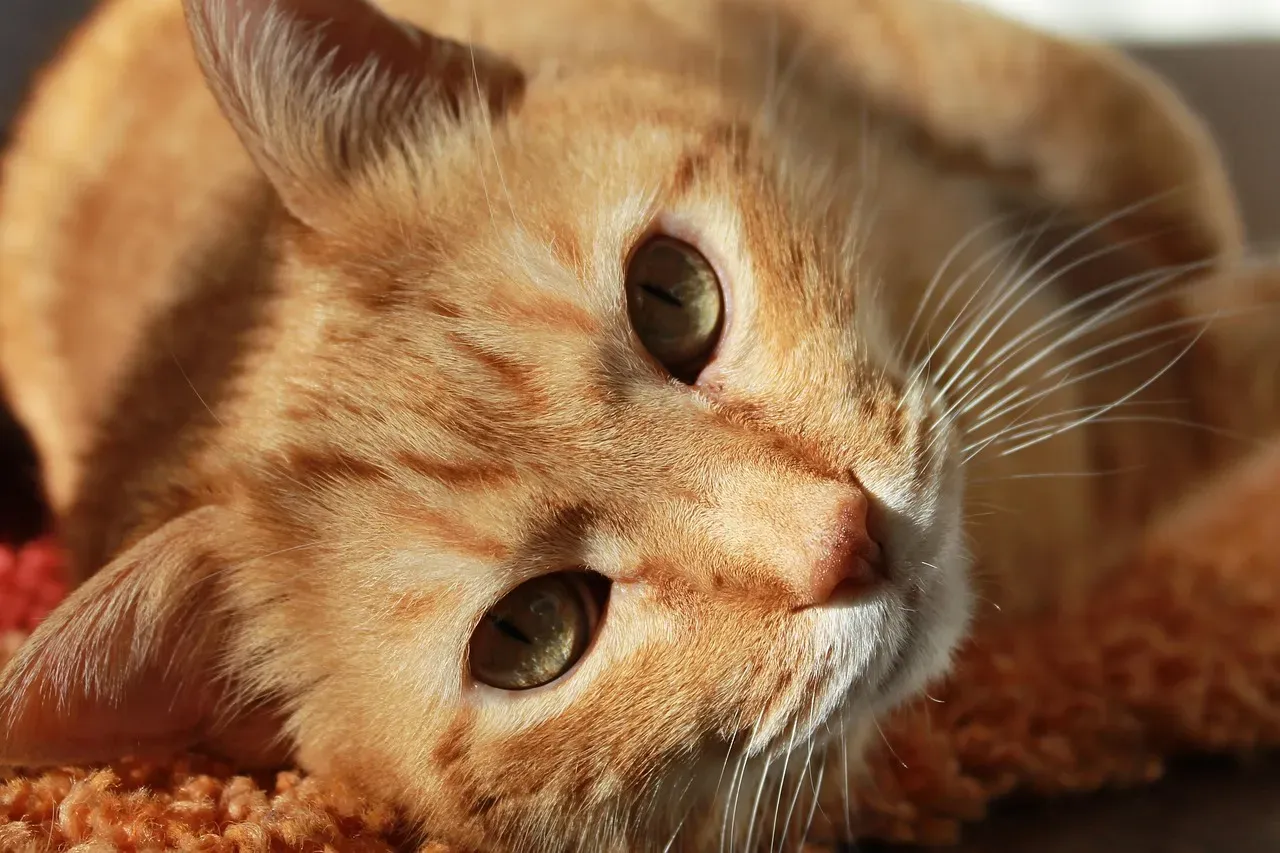
Your cat may just feel safe enough in the household that their instinctual drive to hide their scent is just not as strong, and sometimes house cats can be a little lazy. This might sound counterintuitive given everything else we’ve discussed about stress and anxiety. Cats in the wild, especially cats living in a social group with a more dominant member, will bury their poop, but domestic cats descended from these wild cats still retain that urge to with litter, showing respect to you as the most dominant member of the social group.
However, some cats genuinely feel so secure in their environment that they simply don’t perceive any threats worth hiding from. They’re comfortable, they’re confident, and frankly, they just can’t be bothered. If your cat has always been healthy and happy but has never been keen on covering their poop, it could just be their style, and as long as it’s not linked to stress, illness or environmental factors, it may not be a cause for concern.
Location, Location, Location
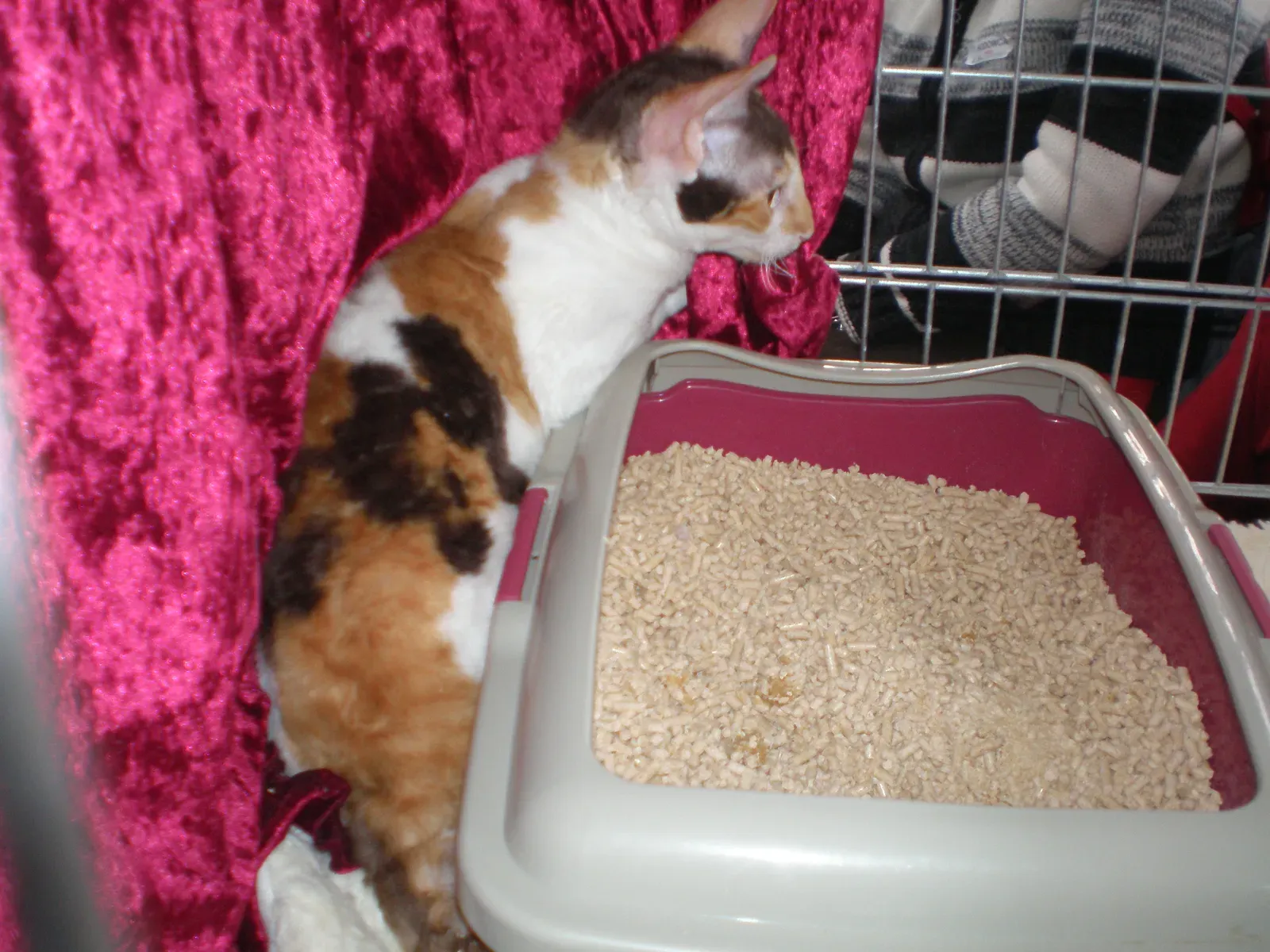
Problems with the litter box will be among the most typical reasons that your cat starts refusing to cover their feces, as correctly placing a litter box is already an art and cats tend to have strict requirements for where they are willing to do their business. You need to think strategically about placement. If their litter box is in a place where they do not feel comfortable being vulnerable, bad behaviors can arise, including refusing to use the litterbox or not covering their poop after using it because they want to get out of there.
Swift fleeing may occur when restroom facilities are positioned in high human traffic areas like hallways, causing the cat to feel startled and vulnerable. Your cat needs privacy and security. Nobody wants to use a bathroom that feels exposed or where they might get interrupted mid-business. Give them a quiet corner away from the washing machine, foot traffic, and other disturbances.
Age-Related Changes Are Normal
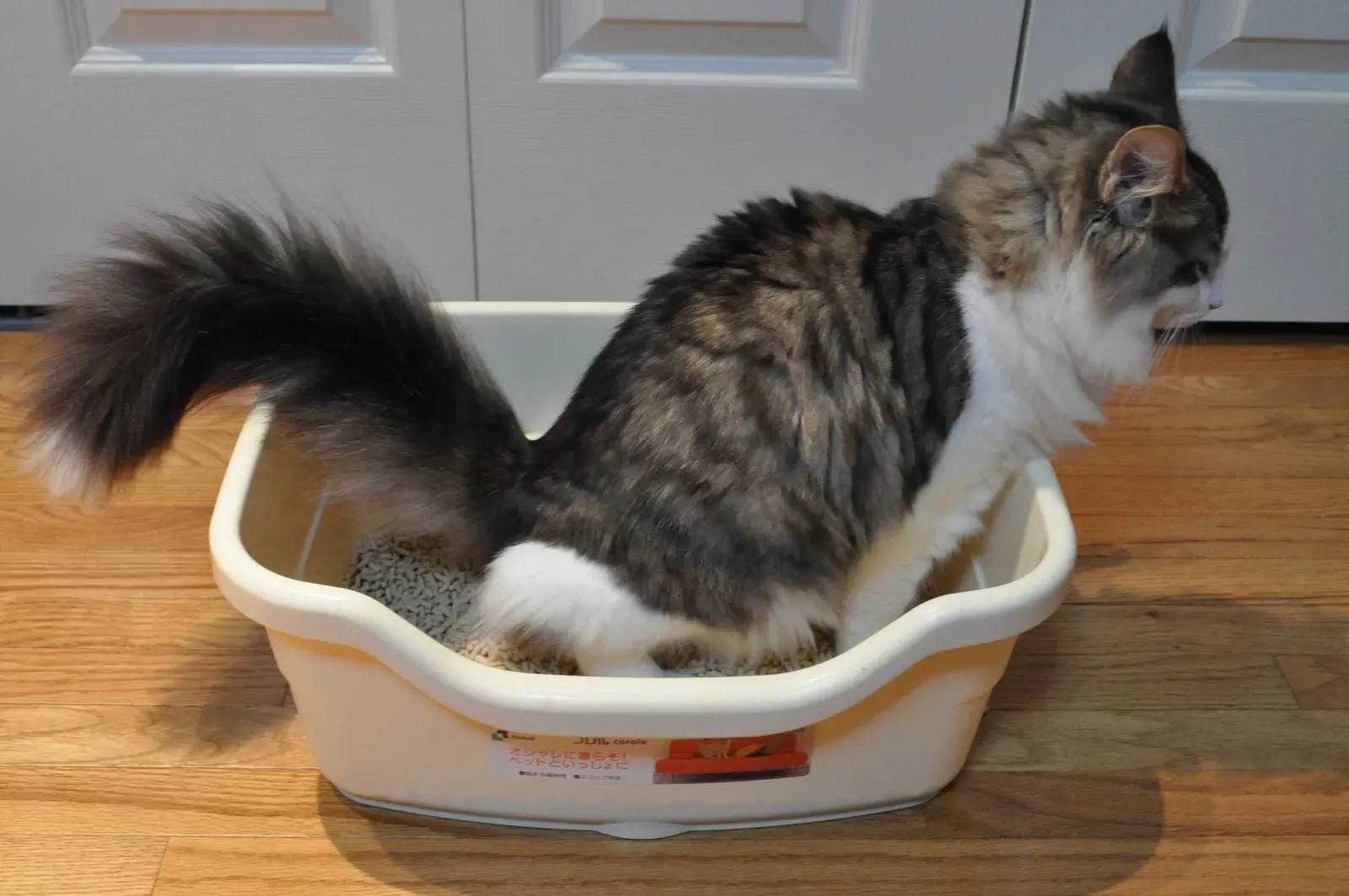
Aging is a natural process accompanied by several behavioral and physical changes like cognitive decline and degenerative joint disease which can impact litter box access, usage and poop coverage, especially if a geriatric pet must climb stairs or jump to get inside a tall privy. Getting older is tough for cats just like it is for humans. Elderly cats may also stop covering their poop due to discomfort from arthritis or due to the cognitive decline that can happen with geriatric kitties older than twelve years.
Sometimes senior cats simply lose interest in maintaining the same meticulous bathroom habits they once had. Their joints ache, their minds aren’t as sharp, and the effort required to dig and cover seems overwhelming. It’s hard to say for sure whether this stems purely from physical discomfort or if cognitive changes play a role, but the result is the same. Be patient with your aging companion. They’re doing their best with the body and mind they have.
What You Can Do About It
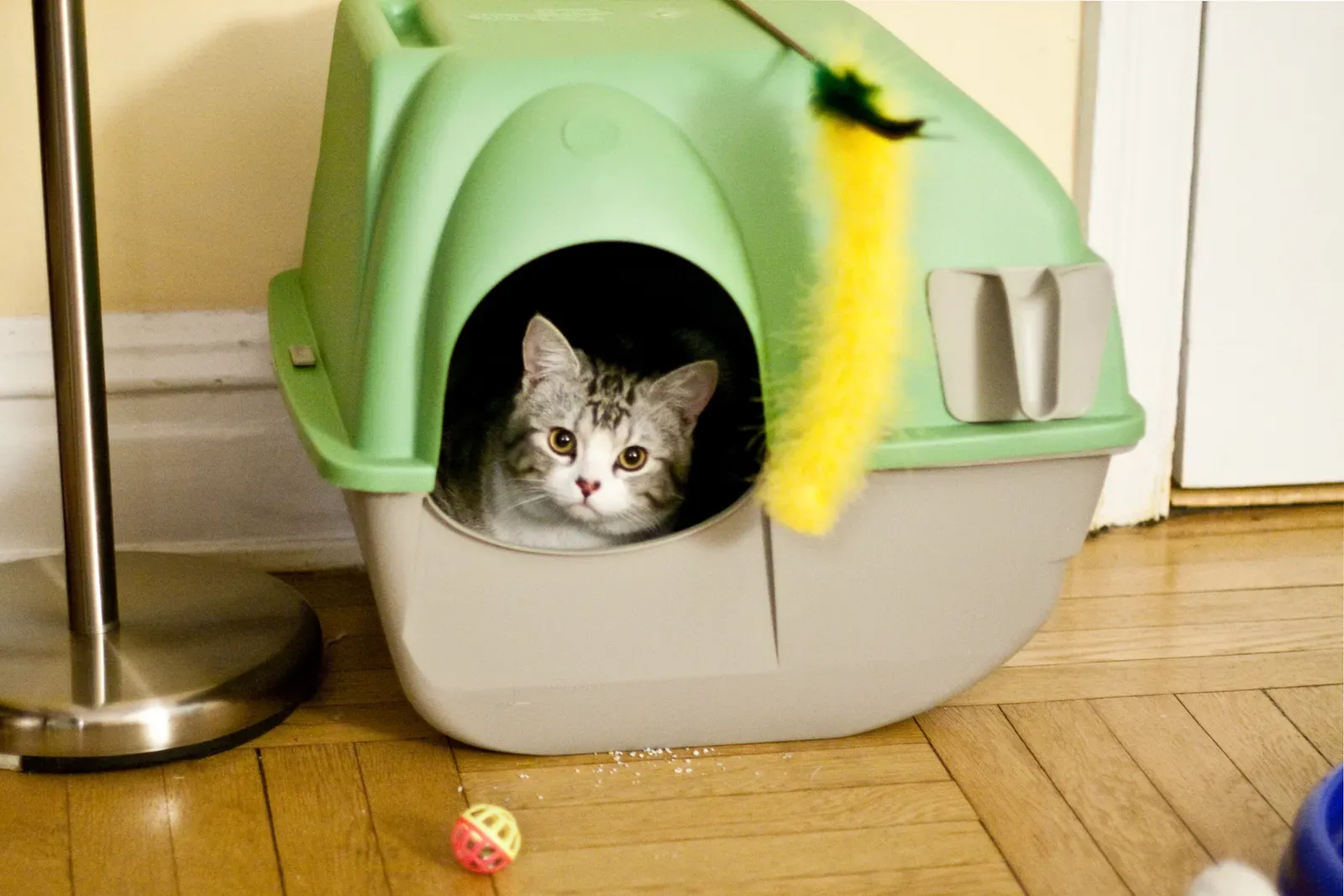
Depending on the underlying cause, it may be possible to encourage your cat to , such as treating the underlying disease if your cat stops covering their poop due to an illness, helping them feel better enough to again. Start by ruling out medical issues with a veterinary checkup. Use positive reinforcement by rewarding your cat when they use the litter box correctly, using treats or affection to encourage them to .
Experiment with different litter types, box sizes, and locations until you find what works for your particular cat. If your cat is experiencing stress and anxiety, address that with calming medications or supplements, increased playtime and mental stimulation, or setting up calming spaces where they can decompress. Consider having one litter box per cat plus an extra, all placed in different quiet locations throughout your home. Some solutions require patience and experimentation, but most uncovered poop situations can be improved with the right approach.
Whatever the reason behind your cat’s uncovered deposits, remember that they’re not doing it out of spite or to upset you. Their behavior is driven by instinct, comfort levels, health status, or environmental factors beyond their control. Pay attention to what your cat is trying to communicate through this behavior, and you’ll likely discover the solution hiding in plain sight. What do you think about it? Has your cat ever gone through phases of covering and not covering their waste?