Ever watched your neighbor’s Ragdoll literally melt into their arms while your own tabby barely acknowledges your existence? You’re not imagining things. Cat breeds genuinely do vary in how intensely they connect with their humans, and the reasons stretch far deeper than simple quirks of personality. From ancient genetic blueprints to modern breeding programs, a complex web of factors shapes whether your feline friend becomes your shadow or maintains a polite distance. Let’s be real, understanding these differences can transform your relationship with your cat.
Some personality traits are more common in specific cat breeds, but that’s just scratching the surface. These variations aren’t random accidents of nature. They’re the product of thousands of years of evolution, deliberate human selection, and fascinating biological processes that scientists are only beginning to fully understand. Your cat’s bonding style reflects a story written in both DNA and experience.
The Ancient Blueprint: How Domestication Set the Stage
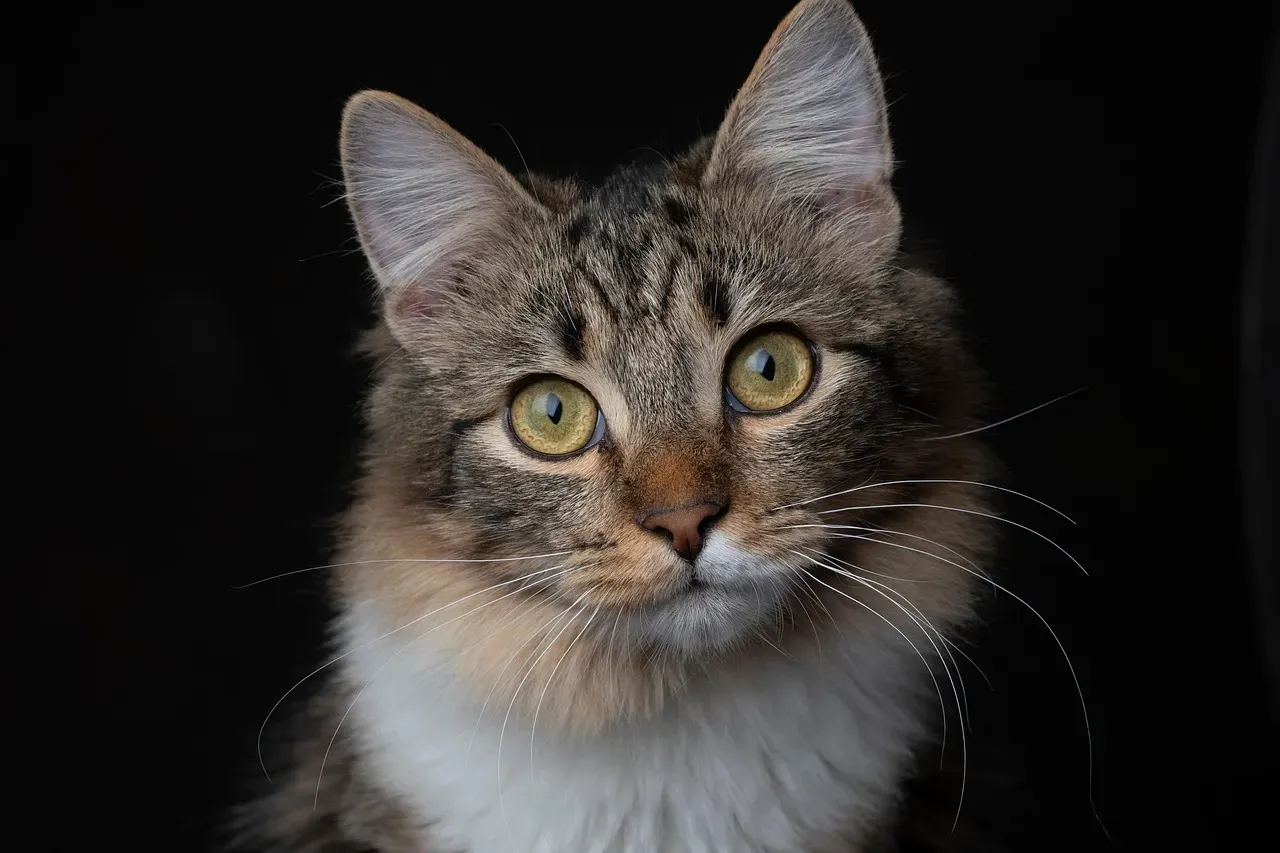
Cats began their unique relationship with humans around ten thousand to twelve thousand years ago in the Fertile Crescent, but here’s the thing that makes felines so different from other pets. People more or less allowed cats to domesticate themselves. Domestic cats evolved simply through natural selection, as friendlier and more docile cats thrived in close contact with humans.
This self-domestication process created something unique in the animal kingdom. Unlike dogs, which humans actively bred for specific tasks over roughly the same timeframe, cats maintained far more of their wild independence. Cats became a domesticated companion of humans without changing much; domestic cats look similar to wildcats, but they aren’t solitary, tolerating both humans and other cats.
Those few cats that happened to have the right temperament to live permanently within human settlements generated the new subspecies that eventually became the pet cat of today, with tolerance of humans being essential to allow these cats to exploit both the prey and the shelter available within these early villages. That ancient selection for tolerance, rather than active affection, still echoes in modern cat behavior. Some breeds have retained more of that ancestral aloofness, while others have been nudged toward deeper human connections.
Genetics: The Foundation of Feline Personality
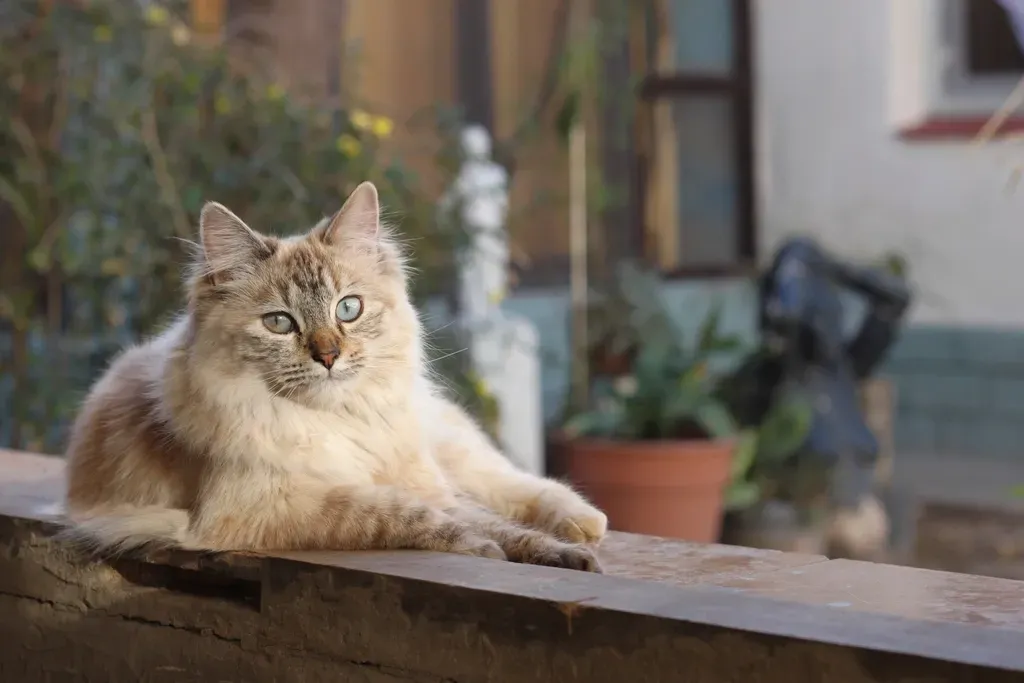
Think genetics don’t matter much? Think again. Differences in cat behavior are inherited, with all of the behavior traits studied being moderately or highly heritable, and personality factors composed of not only phenotypically but also genetically correlated traits. The heritability of temperament among cats ranges from point four to point five three indicating that genes do play a role in a cat’s personality.
Genetics play a fundamental role in shaping a cat’s behavior, with each breed having its own genetic makeup which influences their temperament, activity level, and social tendencies. It’s hard to say for sure, but the genetic component appears significantly stronger than many people realize. Certain breeds carry genetic markers that predispose them to seek out human interaction more actively than others.
Interestingly, substantial genetic variation exists within breed populations. Your individual Ragdoll might not match the typical Ragdoll blueprint at all. Still, breed differences suggest a genetic background for personality, giving you a reasonable starting point when choosing a companion, even if individual variation always adds an element of delightful unpredictability.
Ragdolls: The Velcro Cats
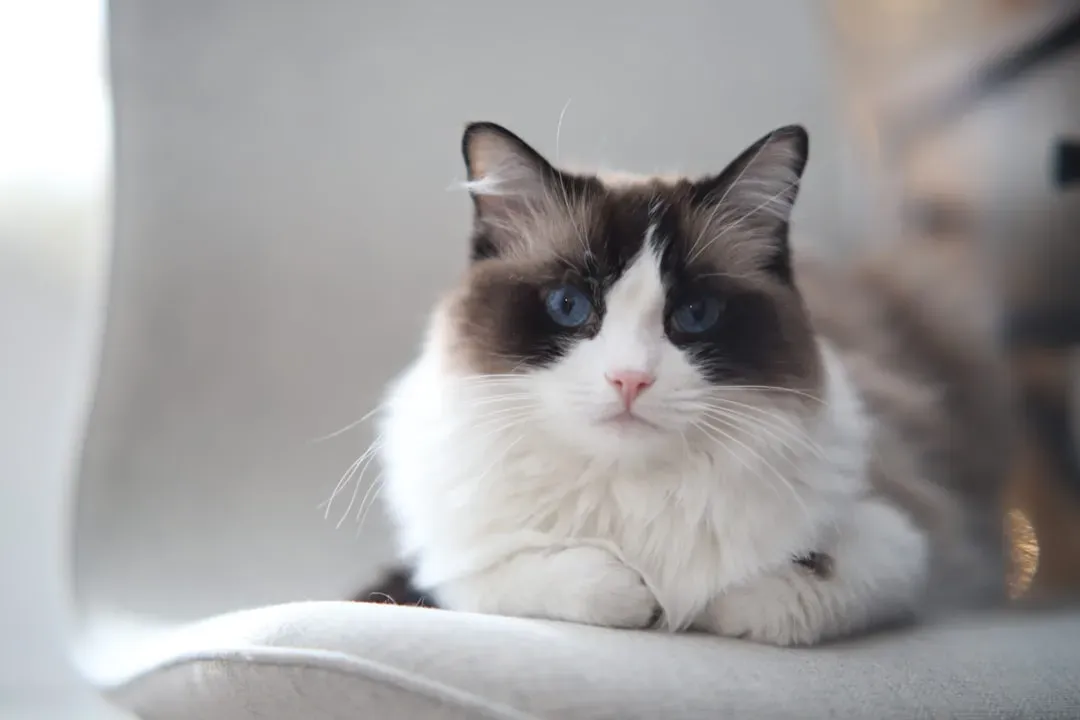
Let’s talk about the poster children for feline devotion. Ragdoll cats are soft, floppy piles of love, famous for their mellow and affectionate nature. These large cats often go limp when held, hence their name, and are known to bond deeply with families.
These felines are known for being docile and affectionate, with the more attention they get, the happier these kitties are. These laid-back cats love to follow you wherever you go and are great lap cats known to greet family members at the door. Their bonding style isn’t just about proximity though; it’s about a genuine desire for physical closeness.
Ragdolls are among the felines who are least aggressive and docile toward other animals, making them ideal for multi-pet households. Their temperament reflects centuries of selection for companionship traits that prioritize human interaction above nearly everything else. Honestly, if you want a cat that acts like your personal emotional support animal, Ragdolls deliver.
Siamese: The Conversationalists
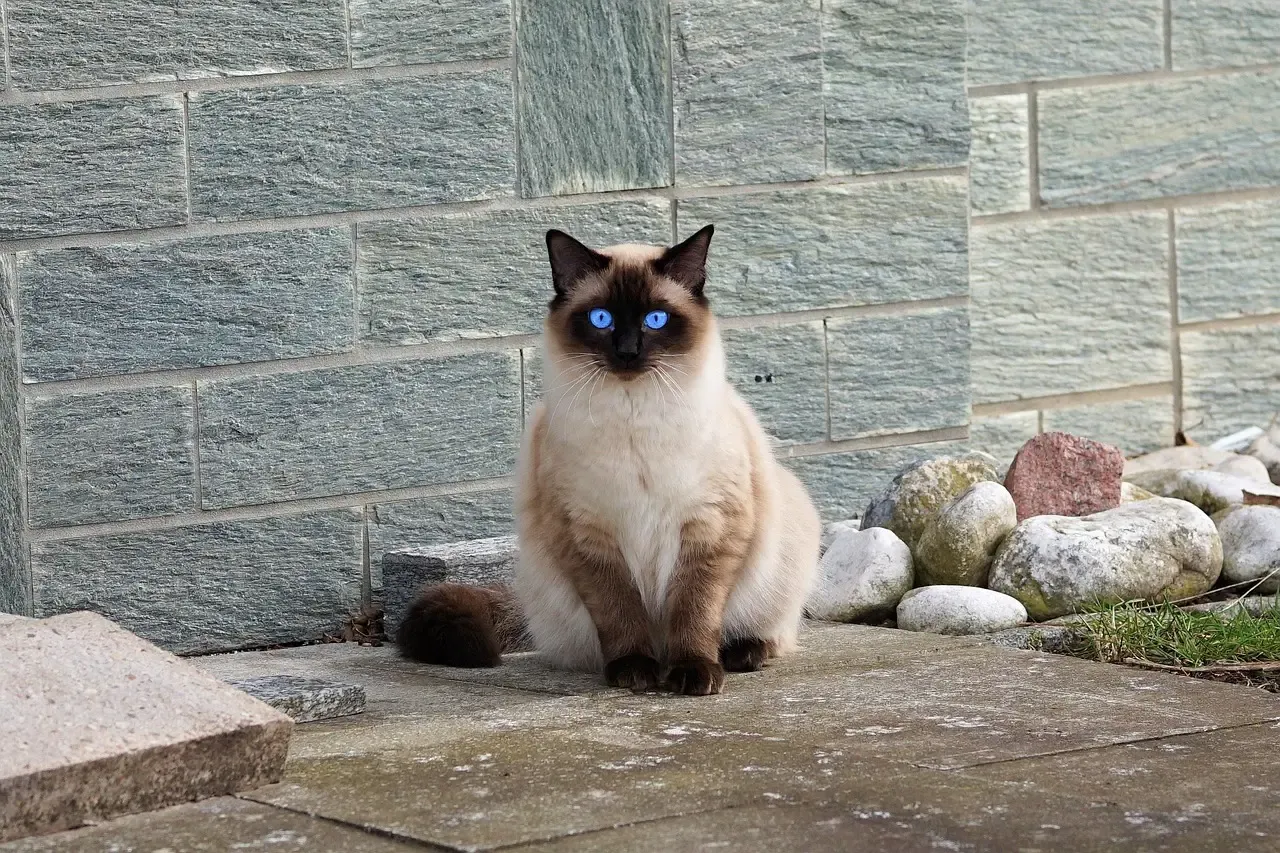
Siamese cats are famously social and known for forming intense bonds with their humans, preferring active involvement in household life and rarely shying away from attention. Many Siamese cats form deep attachments to their owners and prefer not to be left alone for long periods, often choosing to stay near their favorite person whether that means sitting beside them or moving from room to room.
Communication is a hallmark of the Siamese personality; these cats are vocal and expressive, often responding to their owners with a wide range of sounds. This back-and-forth interaction creates something closer to conversation than simple companionship. Your Siamese doesn’t just tolerate your presence; they demand engagement, dialogue, involvement in your every activity.
The Siamese were more playful but demanding of their owners. They’re not content to simply exist in your space. They want to participate, comment, and occasionally boss you around. Their bonding style is intense, vocal, and utterly unmistakable.
Maine Coons: The Gentle Giants
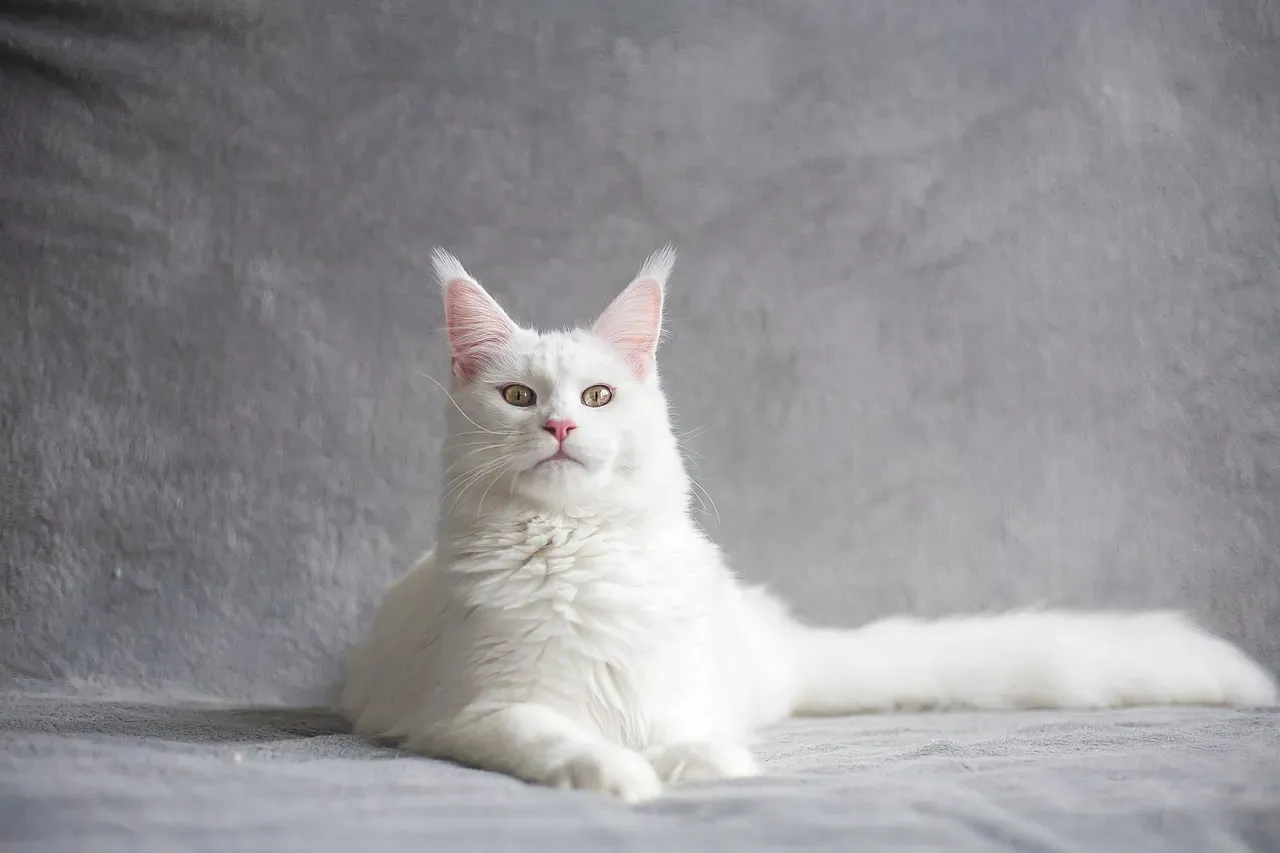
Maine Coon cats are arguably one of the most affectionate cat breeds around, known for their friendly and social personalities which make them ideal pets for families with kids or other animals. The Maine Coon rightfully earns the title as a gentle giant, with the previous world record holder for the longest cat being a Maine Coon who was a longtime therapy animal at a senior center.
Maine Coons are known for being sociable without being overly demanding, often choosing to stay near their owners, following at a relaxed pace rather than constantly seeking attention. These cats love interacting with people and will often follow their owners around the house, seeking attention and affection. Their size might intimidate at first glance, but their temperament is remarkably accommodating.
What sets Maine Coons apart is their balanced approach to bonding. They’re present without being clingy, affectionate without being overwhelming. Maine Coon cats are generally happy to cozy up beside you or tag along during your daily activities. That companionship style appeals to people who want connection without constant demands.
British Shorthairs: The Independent Companions
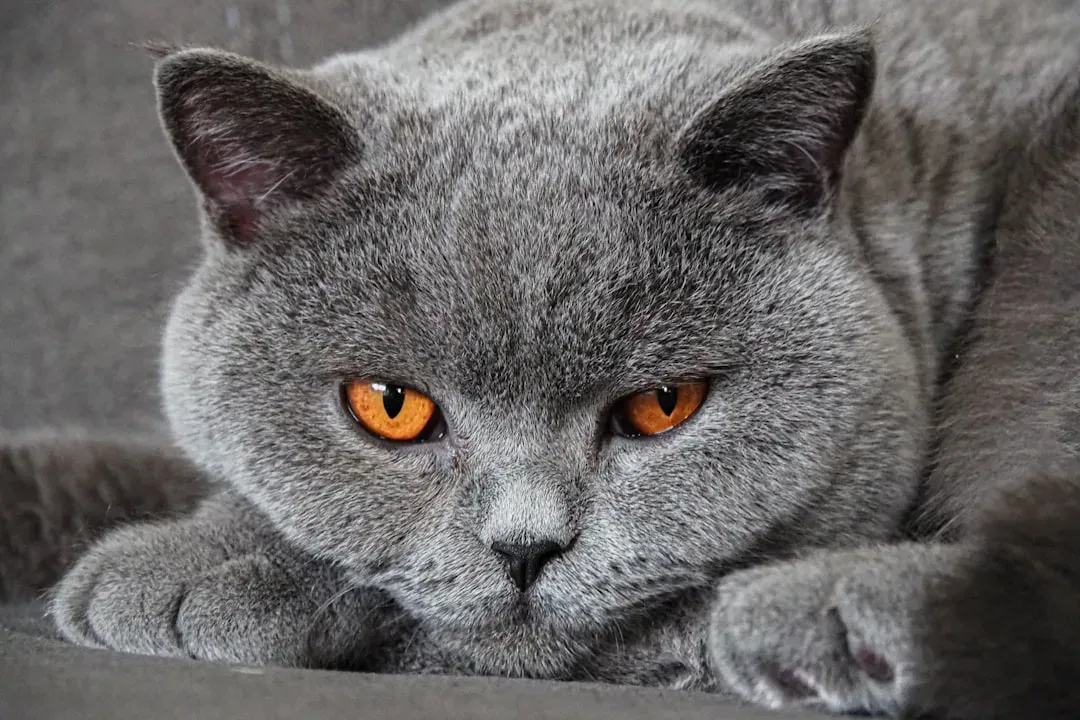
Not all breeds crave constant interaction. Independence in British Shorthairs shows up as confidence rather than distance; they enjoy human company but prefer sitting beside you instead of on your lap, offering quiet companionship without constant demands for attention or reassurance. The British Shorthair is a rather mellow cat, happy to snooze the day away while you’re at work; even when awake, British Shorthairs are content to hang out by themselves when alone and will gladly warm your lap when you come home for the day; they are affectionate but never demanding.
This breed gets along well with both people and other animals, making them a wonderful addition to almost any home; though they enjoy playing, they aren’t a hyperactive breed, with these cats tending to be pretty calm and laid back. British Shorthairs had the highest probability for decreased contact to people.
Their bonding style reflects a different philosophy entirely. Connection doesn’t require constant physical touch or vocal interaction. Sometimes a dignified presence in the same room counts as quality time. For people who respect boundaries and appreciate subtlety, British Shorthairs offer meaningful companionship without overwhelming neediness.
The Critical Window: Early Socialization
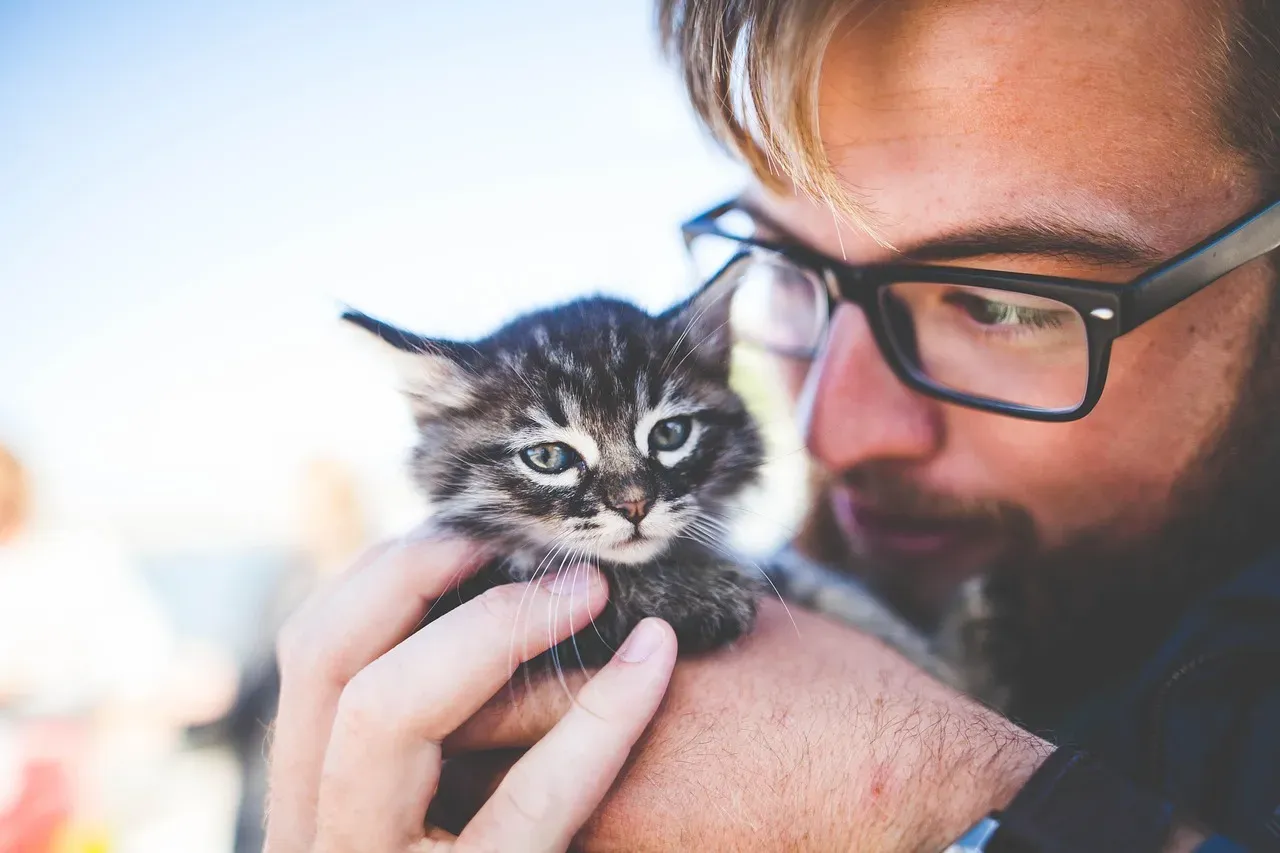
Here’s something that might surprise you. The early life socialization of a kitten from between two to twelve weeks of age is often said to be crucial for raising a friendly and bold cat. The first eight to sixteen weeks of a kitten’s life can greatly influence their personality and demeanor, during this period kittens tend to be fearless in exploring the world around them.
The development of cats’ temperaments is dependent on genetics and environmental effects, the latter characterized as pre-natal factors and post-natal effects. Genetics do play a part in a cat’s temperament, but early experiences when they are kittens will also influence their character; if they have plenty of positive exposure to living with humans and other pets at an early age, this will also have a positive impact on their personality as they grow older.
Kittens that are exposed to humans and handled gently within their first few weeks of life typically grow up more comfortable and trusting around people; this period is crucial for developing positive associations with humans which can result in more affectionate behavior as adults. Even the most genetically predisposed affectionate breed can become aloof without proper early handling. Conversely, breeds typically known for independence can become surprisingly bonded if socialized intensively during that critical window.
The Father Factor: Paternal Influence on Bonding
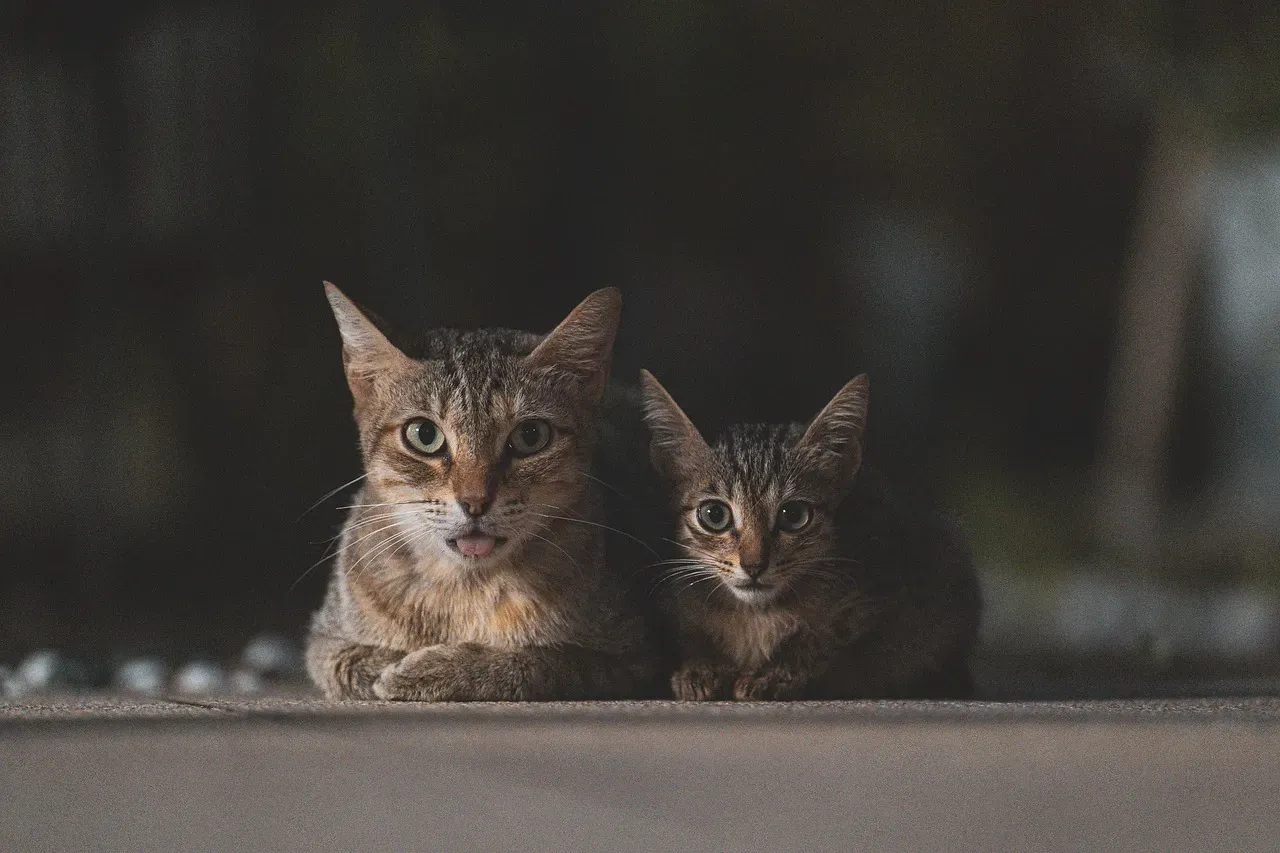
Most people assume kittens inherit personality primarily from their mothers, but research tells a different story. Studies have shown that kittens may inherit important traits primarily from their father, including things like boldness and stress levels; kittens born to friendly fathers have been shown to display friendlier demeanors toward humans than those born to unfriendly fathers, regardless of their level of early life socialization.
Cats inherit personality and physical traits from both their mother and father, but some believe that these traits are more strongly influenced by the father’s genes. This paternal influence adds another layer of complexity to predicting bonding potential. Knowing a kitten’s father’s temperament provides valuable insight into how that kitten might interact with humans throughout their life.
The implications are significant for breeders and adopters alike. Selecting breeding males with friendly, engaged temperaments helps perpetuate strong bonding traits across generations. For those adopting kittens, asking about the father’s personality provides as much useful information as observing the mother’s behavior.
Breed-Specific Bonding Differences: What Research Reveals
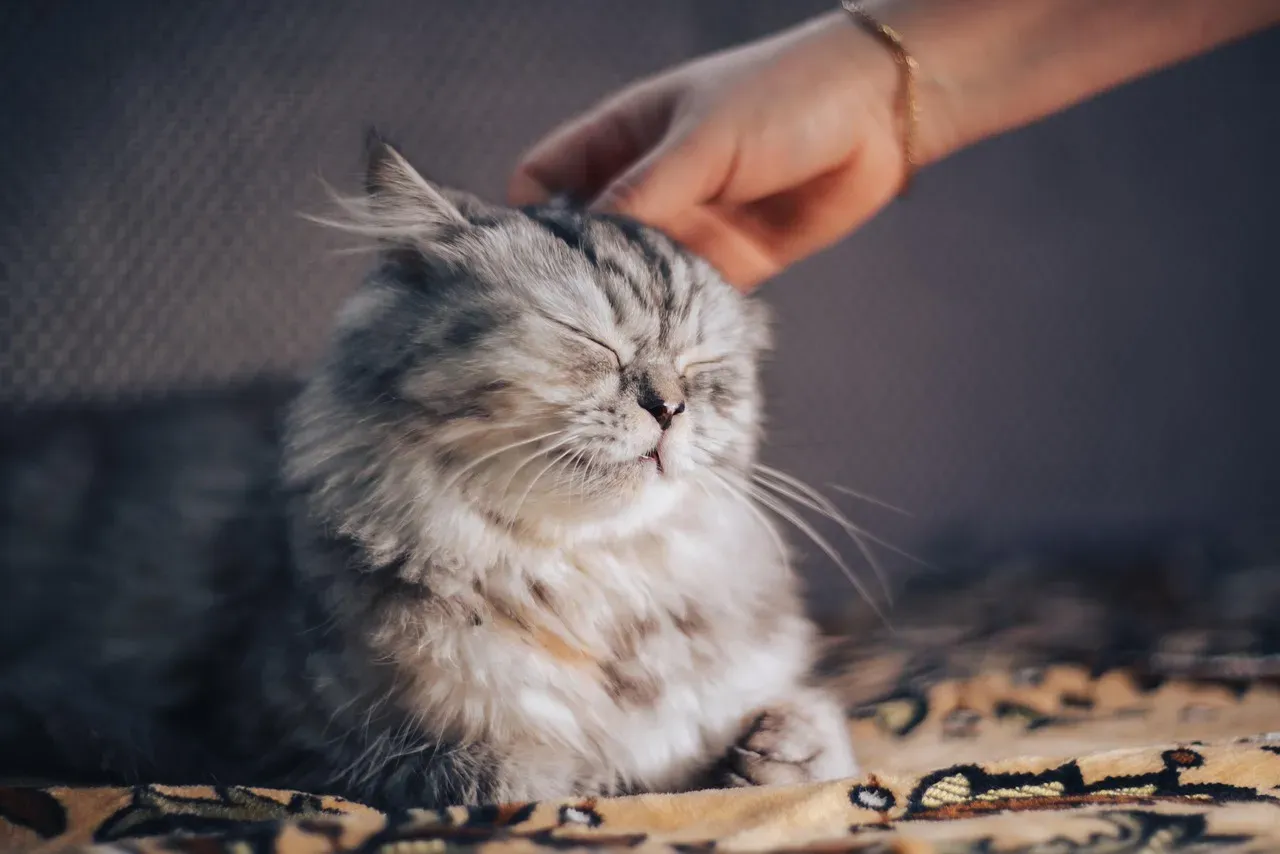
Seven discovered factors include fearfulness, activity/playfulness, aggression toward humans, sociability toward humans, sociability toward cats, excessive grooming and litterbox issues. Differences between breeds in social behavior show British Shorthairs had the highest probability for decreased contact to people whereas Turkish Vans were the most likely to display aggression towards people; in contrast British Shorthairs as well as Persians had the lowest probability for aggression.
In fearfulness, Russian Blue scored the highest and Abyssinian the lowest; in aggression toward humans, Turkish Van scored the highest and American Curl the lowest. A Balinese kitty will likely form one extremely strong bond with someone in the household, followed by other bonds that are strong but not as determined.
Certain breeds like Siamese and Siberian are known to form deep attachments to a single family member, especially for cuddling or care when ill. However, it’s not a breed trait so much as a state of mind that creates a one person cat. These patterns provide guidance but never guarantee individual outcomes.
Environmental and Human Factors
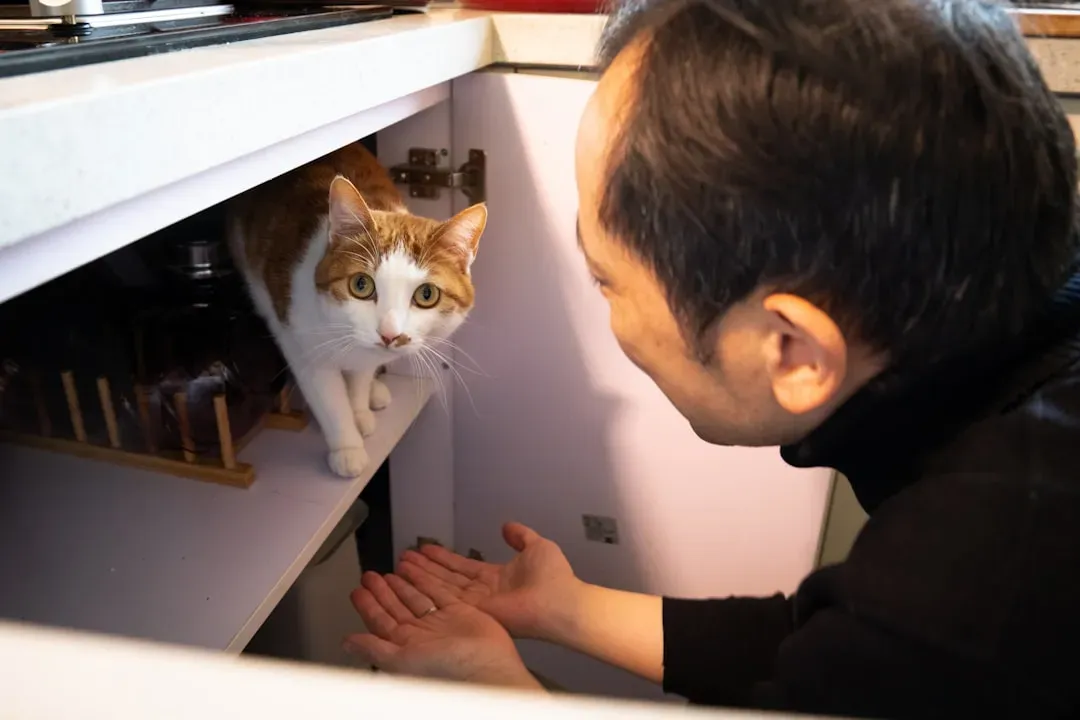
The way a cat’s personality develops, whether male or female, is down to a complex interaction between the genetics and temperament of the cat’s parents, their own DNA and their experiences during development and in adulthood. Environmental factors play a crucial role in shaping a cat’s personality; early experiences, socialization, and the quality of care provided by their human companions all influence a cat’s behavior; cats that are exposed to positive experiences and regular interactions during their early development stages are more likely to grow up confident, well-adjusted, and sociable.
The initiation and the initiator of social interactions between cats and humans have been shown to influence both the duration of the interaction bout and total interaction time in the relationship; compliance with the interactional wishes of the partner is positively correlated between the cats and the humans over all human-cat dyads examined. Your behavior shapes your cat’s bonding style as much as their breed does.
While early life socialization tends to have a strong impact on a cat’s personality, their experiences later in life will continue to shape their behavior and demeanor; an outdoor cat left to fend for itself will tend to be more territorial and aggressive than their comfortably-housed counterparts; it is easier for a cat who was raised in a loving home environment to feel safe and comfortable which may lead to a more affectionate and social personality. Environment never stops mattering.
Making the Right Match: Choosing Your Bonding Companion
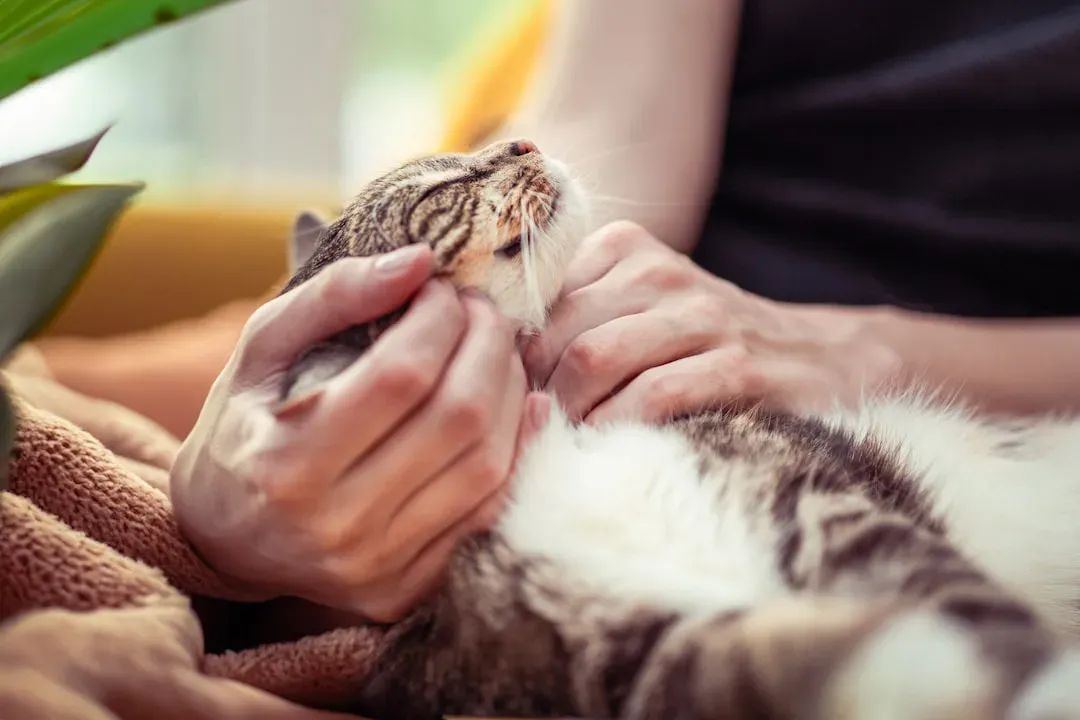
Personality traits result from a combination of genetics, the environment, and socialization. The vast majority of pet cats in the United States are mixed breed cats, of which there is no typical behavioral blueprint. Affectionate behavior in cats often depends on the individual pet’s personality; if you’re looking for the friendliest pet, consider adopting from a shelter where many loving mixed-breed cats are waiting for a home; the best cat breeds for cuddling are those that align with your lifestyle and the amount of time you can dedicate to your pet.
Genetics and breed may just give some cats a paw up; a cat is not a person but she is still an individual; sometimes how friendly they are is simply part of their personality. Even though a breed may be described as a friendly breed or an independent breed, that trait may be obvious in one cat and less so in another.
Understanding breed tendencies provides a starting point, not a guarantee. Breeding programs using personality as a main selection criterion could lead to less unwanted behavior and thus improve cat welfare; friendliness of the cat is associated with higher owner satisfaction, attachment, and quality of bond with the cat as well as a lower likelihood to find the cat troublesome or problematic. Match your expectations, lifestyle, and interaction style with the breed characteristics that complement them best.
So here we are. Cat breeds bond differently because they carry different genetic blueprints, experience varying socialization windows, inherit traits from different parents, and respond to the unique environments you provide them. Some cats will follow you everywhere, demanding conversation and cuddles. Others will offer dignified companionship from a respectful distance. Neither approach is wrong; they’re just different expressions of the same fundamental feline nature shaped by thousands of years of history. The real question isn’t which breed bonds most deeply, but rather which bonding style matches what you’re looking for in a companion. What matters most to you in a relationship with your cat?