You’ve probably noticed it before. Some cats follow their owners from room to room like devoted shadows, while others maintain a polite distance, content with occasional head bumps. If you’ve ever wondered why certain feline friends seem hardwired for cuddles while others prefer their independence, you’re not alone. The truth is, not all cats are created equal when it comes to forming attachments with humans.
The reasons behind these differences are fascinating and go far beyond simple personality quirks. From genetic blueprints passed down through generations to early life experiences that shape their social skills, cats develop their bonding styles through a complex mix of nature and nurture. Understanding what makes some breeds more affectionate than others can help you find the perfect feline companion for your lifestyle. Let’s explore the surprising science behind why your cat might be a velcro kitty or a more independent spirit.
Genetics Play a Starring Role in Cat Affection
Your cat’s DNA isn’t just responsible for their coat color or eye shape. Research has confirmed that behavior traits studied in cats are moderately or highly heritable, and personality factors like extraversion, fearfulness, and aggression are composed of both phenotypically and genetically correlated traits. Think of it like this: just as some people are naturally more outgoing while others are introverts, cats inherit tendencies toward sociability or independence.
Studies show that cat breeds have diverged behaviorally, indicating that differences in cat behavior are inherited. This means when breeders select cats with friendly, people-oriented personalities to produce the next generation, those traits get passed along. Some cats may be predisposed to seeking out close human bonds, while others may be more independent, with certain breeds such as Siamese and Burmese cats known for their affectionate and social personalities. The genetic component explains why you’ll consistently find certain breeds topping the lists of most affectionate cats.
The Critical Socialization Window Shapes Future Bonds
Here’s something that might surprise you. The best time to socialize a kitten is from two to seven weeks of age, when kittens are most open to new experiences and thirsty to learn. This brief window is absolutely crucial for determining how your cat will interact with humans for the rest of their life. Miss it, and you might end up with a cat who never quite warms up to people.
Kittens who are well-socialized with humans during their critical developmental period between two to nine weeks of age are more likely to form strong bonds with people, and if a kitten is handled gently and frequently during this time, they learn to associate humans with positive experiences. However, if a kitten misses out on this early socialization, they might grow up to be more wary of people, forming a bond with just one person they trust. It’s hard to overstate how important these early weeks are.
The quality of interaction matters too. While breed characteristics play a significant role in a cat’s affectionate nature, individual personality and early socialization are equally important, and a well-socialized cat from any breed can become a loving companion.
Breed-Specific Bonding Superstars
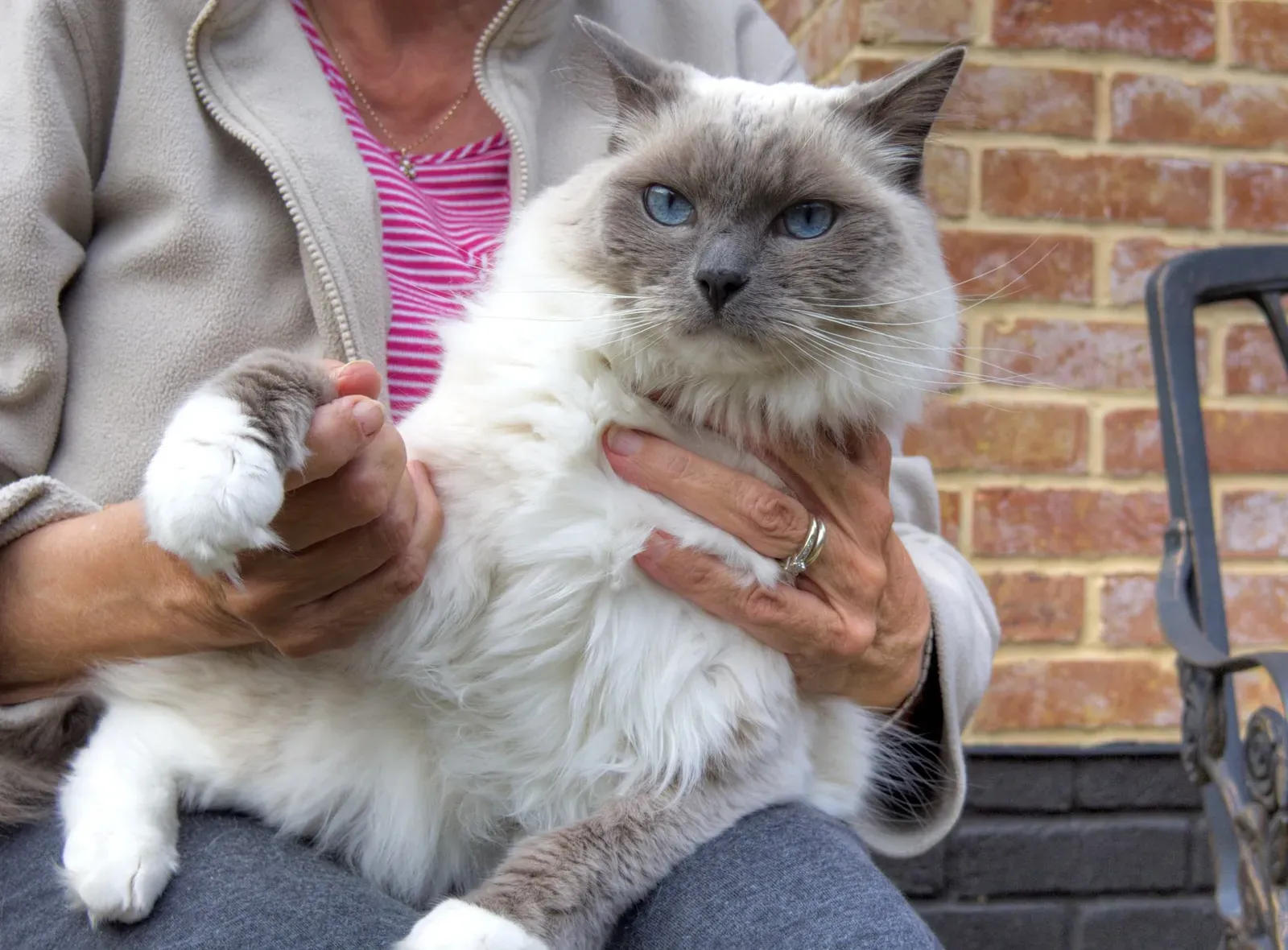
Let’s be real: some breeds are just naturally better at the whole bonding thing. Ragdolls, Maine Coons, and Siamese cats particularly stand out for their ability to develop deep, lasting bonds with their human family members. These aren’t just random observations from cat lovers; they’re consistent patterns seen across the breeds.
Russian Blue cats are calm and smart kitties who can be shy at first but grow to be playful and loving once they feel comfortable, and they tend to bond deeply with just one person and become experts at reading their pet parent’s emotions, demonstrating unwavering loyalty to their chosen human. Meanwhile, Scottish Folds are so affectionate they really don’t like being left alone, preferring to be curled up on or against their beloved owner at all times. Each breed brings its own unique flavor of devotion to the relationship.
The Oxytocin Connection in Cat-Human Bonding
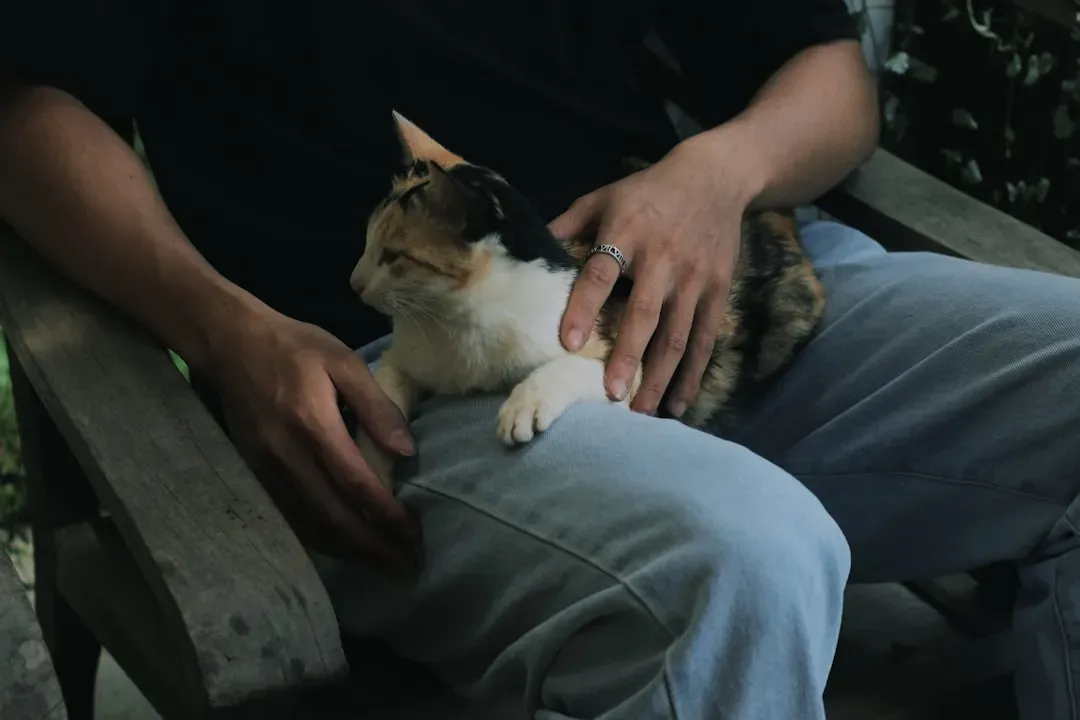
There’s actual chemistry happening when you cuddle with your cat. Oxytocin release during free owner-cat interaction varies in cats of different attachment styles, with oxytocin increasing in securely attached cats whereas it tends to decrease in cats with an anxious attachment. Oxytocin, often called the “love hormone,” is the same neurochemical that bonds mothers to their babies.
Overall, securely attached cats initiated more interactions, showed more approach-hovering behavior and fewer escape attempts, and their owners exhibited less forced interactions in comparison with owners of insecurely attached cats. The fascinating part? This creates a feedback loop. When your cat feels secure and approaches you willingly, both of you experience oxytocin surges that strengthen your bond even further. Forced interactions, though? Those actually work against bonding.
Attachment Styles Aren’t Just for Humans
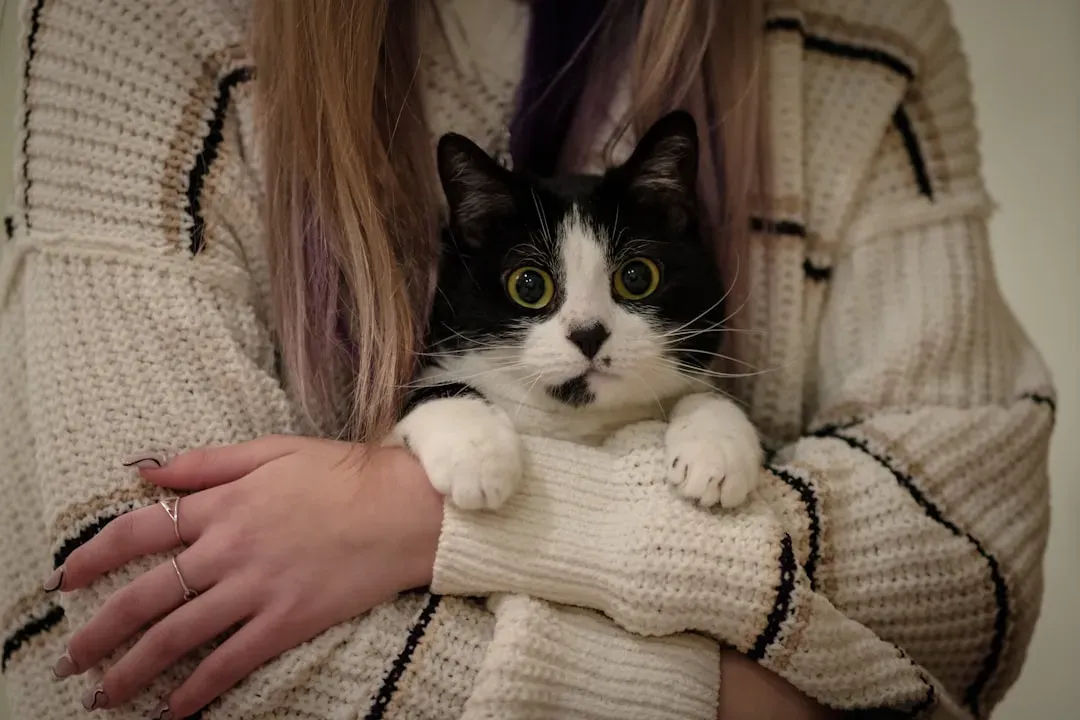
You might think attachment theory only applies to people, but cats form distinct attachment styles too. Through generations, most kids – roughly sixty percent – seem securely attached to their caregivers, and the same could be true of kittens and their people, with roughly sixty percent of infants or pets falling into the secure camp. This remarkable parallel suggests deeper emotional lives in our feline companions than many people realize.
Ambivalent kittens became anxious attention seekers during their trials, glued to the owner’s lap and engaging in a spinning behavior, while avoidant kittens spent a lot of time shirking their owners’ touch. The good news? Understanding your cat’s attachment style can help you respond to their needs more effectively.
Consistency and Routine Build Trust
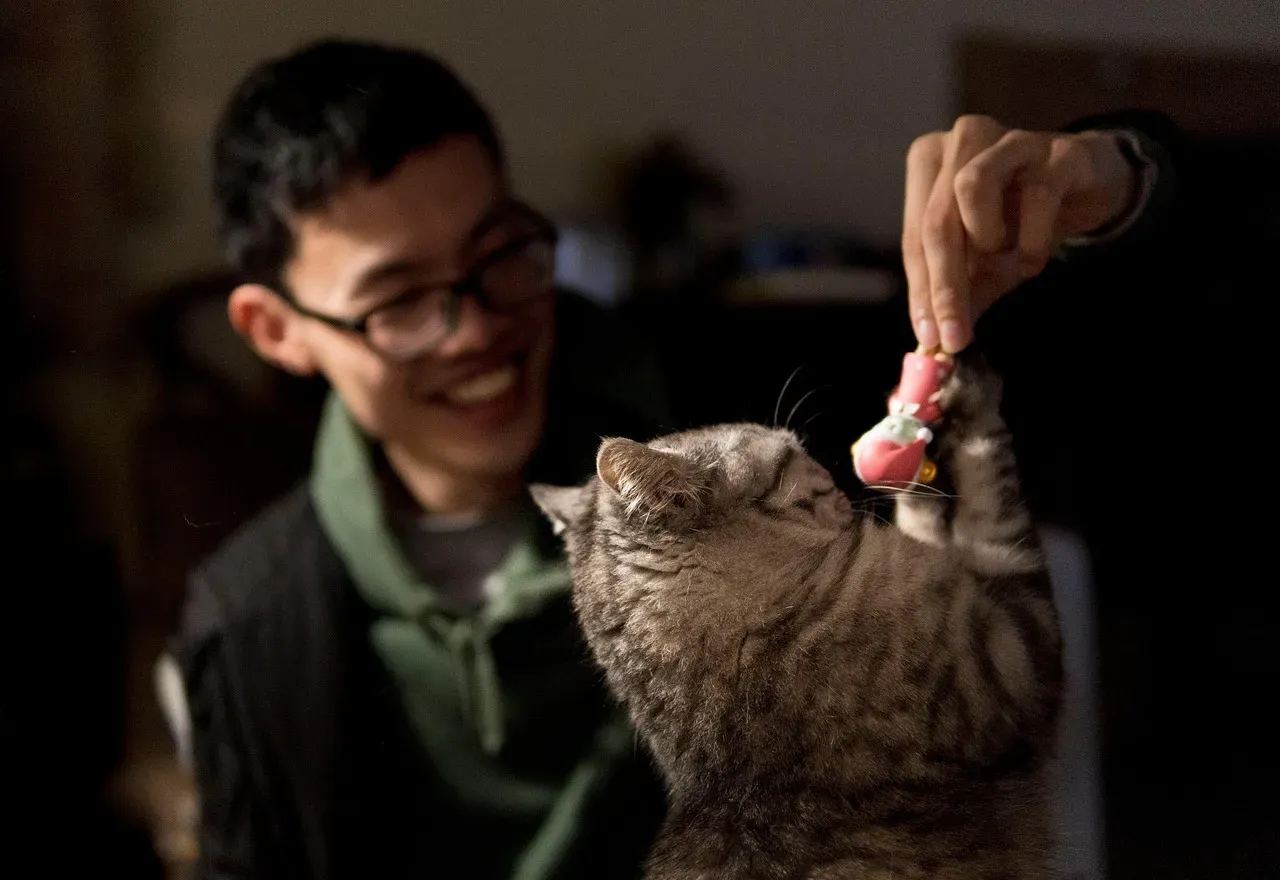
Cats are creatures of habit, honestly more than most people appreciate. Cats thrive on routine, and when one person consistently provides food, shelter, and attention, a cat is likely to form a bond with that individual, because this consistency builds trust and security. It’s not just about who feeds the cat; it’s about the quality of interactions.
It’s not just about who feeds the cat, but about the quality of interactions, and a person who takes the time to play, groom, and talk to their cat is more likely to become their chosen human, creating a foundation for a lasting relationship. This explains why some cats seem to “belong” to one particular family member even when everyone in the household loves them equally. The person who invests consistent, quality time typically wins the cat’s heart.
Breed Differences in Vocal and Social Communication
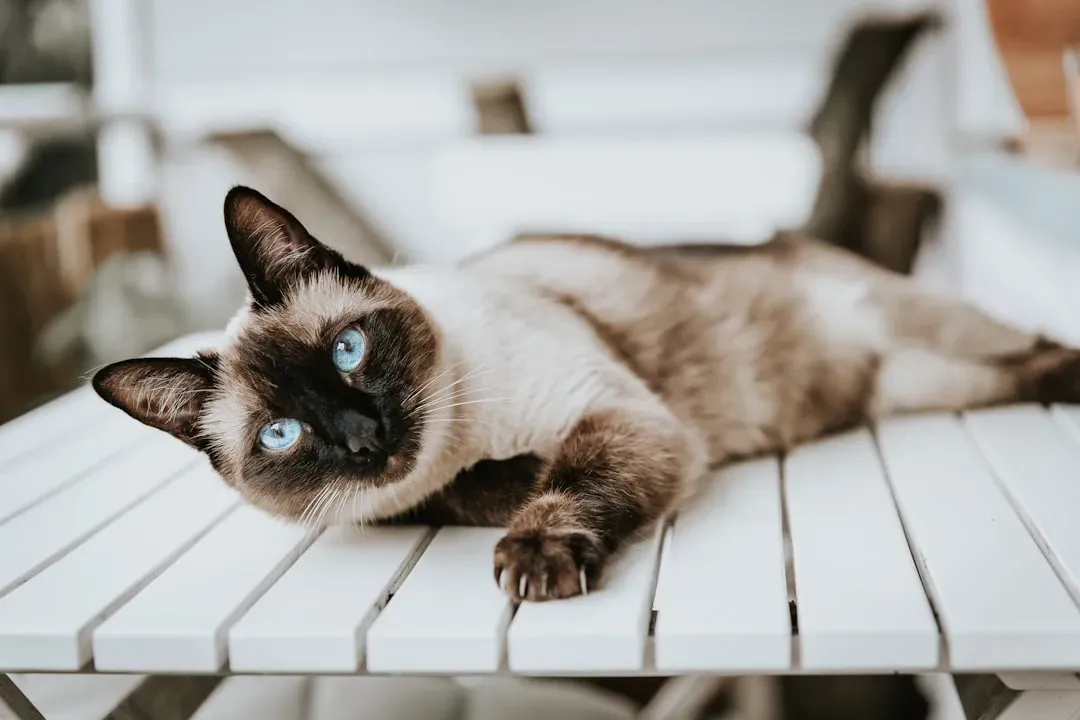
Some breeds are naturally chattier and more demanding of interaction. Siamese cats are very vocal companions, love getting attention, give lots of affection, and develop strong bonds with their pet parents. Their distinctive meows aren’t just noise; they’re actively communicating their desire for connection.
Siamese cats are known for their friendly, sociable and affectionate nature, and they are a loving and trusting breed that will often bond strongly with their family. Compare this to breeds like the British Shorthair, which are more reserved in their communication. Although quiet, British Shorthairs are affectionate and form strong bonds with their humans, enjoying cuddling but never demanding attention through constant meowing, instead using soft purrs and gentle meows to convey their affection. Different breeds simply have different conversation styles.
Environmental Factors Can Amplify or Diminish Bonding
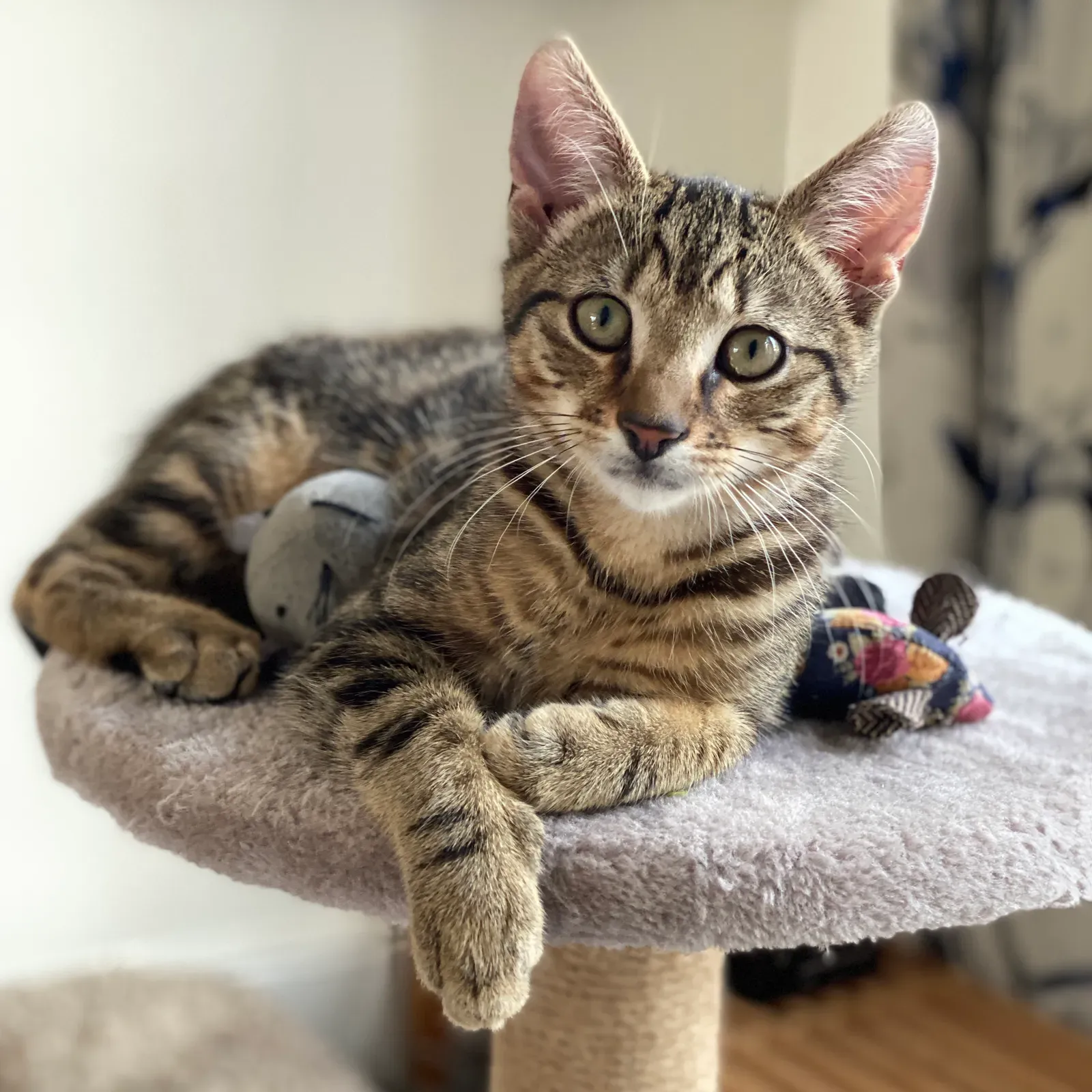
Even the most naturally affectionate breed can struggle with bonding in the wrong environment. While genetics play a role in a cat’s personality, the environment in which they grow up can also significantly impact their behavior, with a cat that grows up in a loving and nurturing environment more likely to be friendly and social, while a cat in a chaotic and stressful environment may be more anxious and reactive.
A cat’s personality and behavior can be significantly influenced by their human companions and living environment, with studies indicating that cats often mirror their owners’ personality traits, and environmental enrichment, social interaction, and consistent routines playing crucial roles in developing positive behaviors. This means your own energy and household dynamics directly affect how bonded your cat becomes to you. Calm owners tend to have more relaxed, affectionate cats.
Physical Traits and Temperament Connections
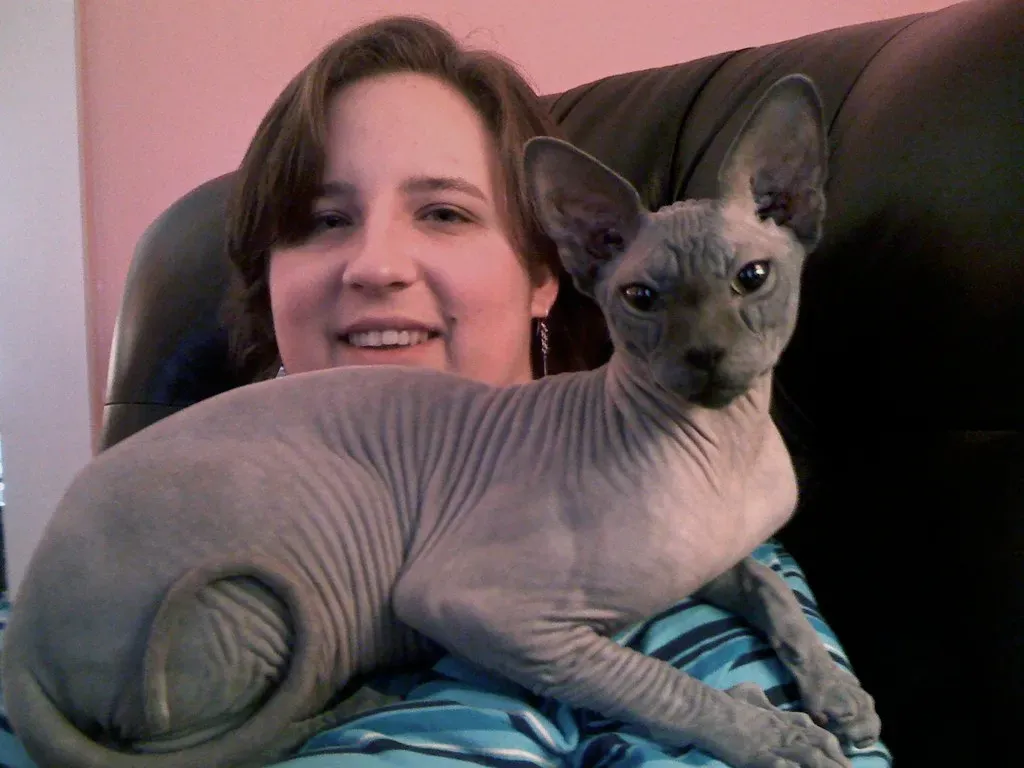
Sometimes a breed’s physical characteristics actually correlate with their bonding tendencies. The fact that the Sphynx doesn’t have any hair means it can get a bit chilly, and its owner’s body heat is just the ticket for it to warm up, meaning there will always be cuddles, plus this breed of cat just naturally loves snuggles and play. Their lack of fur creates a practical need that reinforces their already affectionate nature.
Maine Coons are known as the gentle giants of the cat world, and these massive, fluffy cats are surprisingly gentle and love nothing more than being close to their human family. Their large size might seem intimidating, but it comes packaged with an incredibly sweet temperament. Physical traits and personality often go hand in hand in these carefully bred lines.
Breed-Specific Attention Needs Vary Dramatically
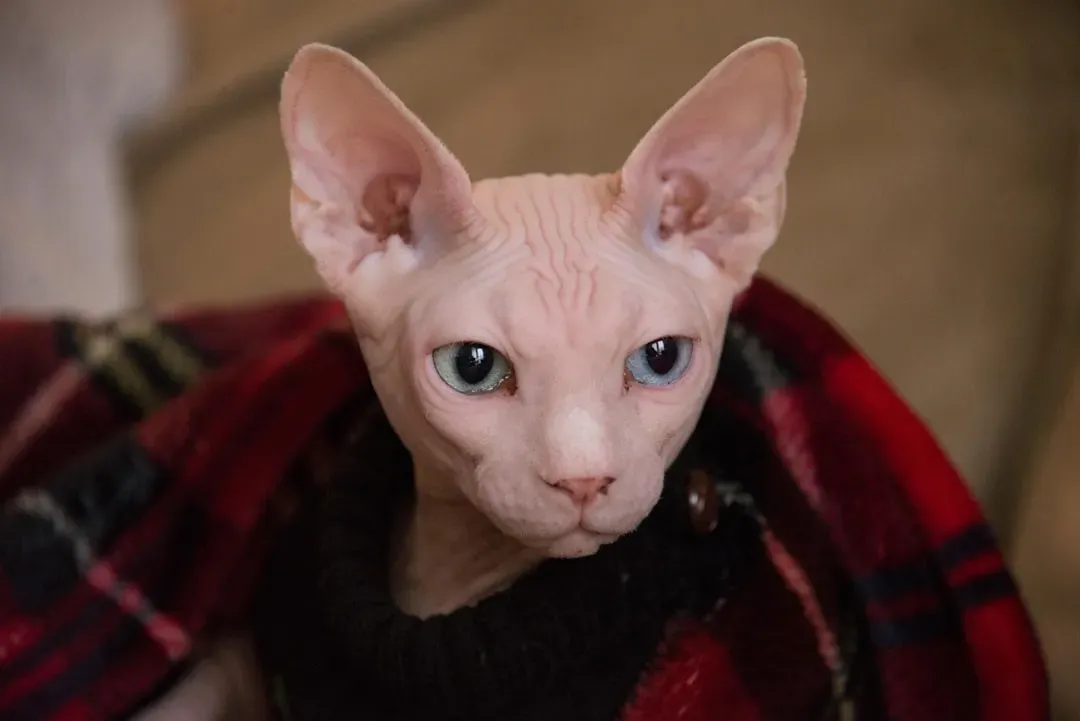
Not all affectionate breeds require the same level of attention, which is something to consider carefully. Prospective Siamese, Burmese, and Sphynx parents should set aside plenty of time because these breeds typically crave more attention. These are not cats you can ignore for hours on end without consequences.
Cats like Burmese and Bombay thrive on human interaction and can become anxious if left alone for extended periods, and these breeds typically do best in homes where they receive plenty of attention and potentially have a companion pet. If you work long hours away from home, a more independent breed might be a better match, even if they’re still affectionate on their own terms. Matching the breed’s needs to your lifestyle is crucial for both your happiness and theirs.
The Power of Early Positive Experiences
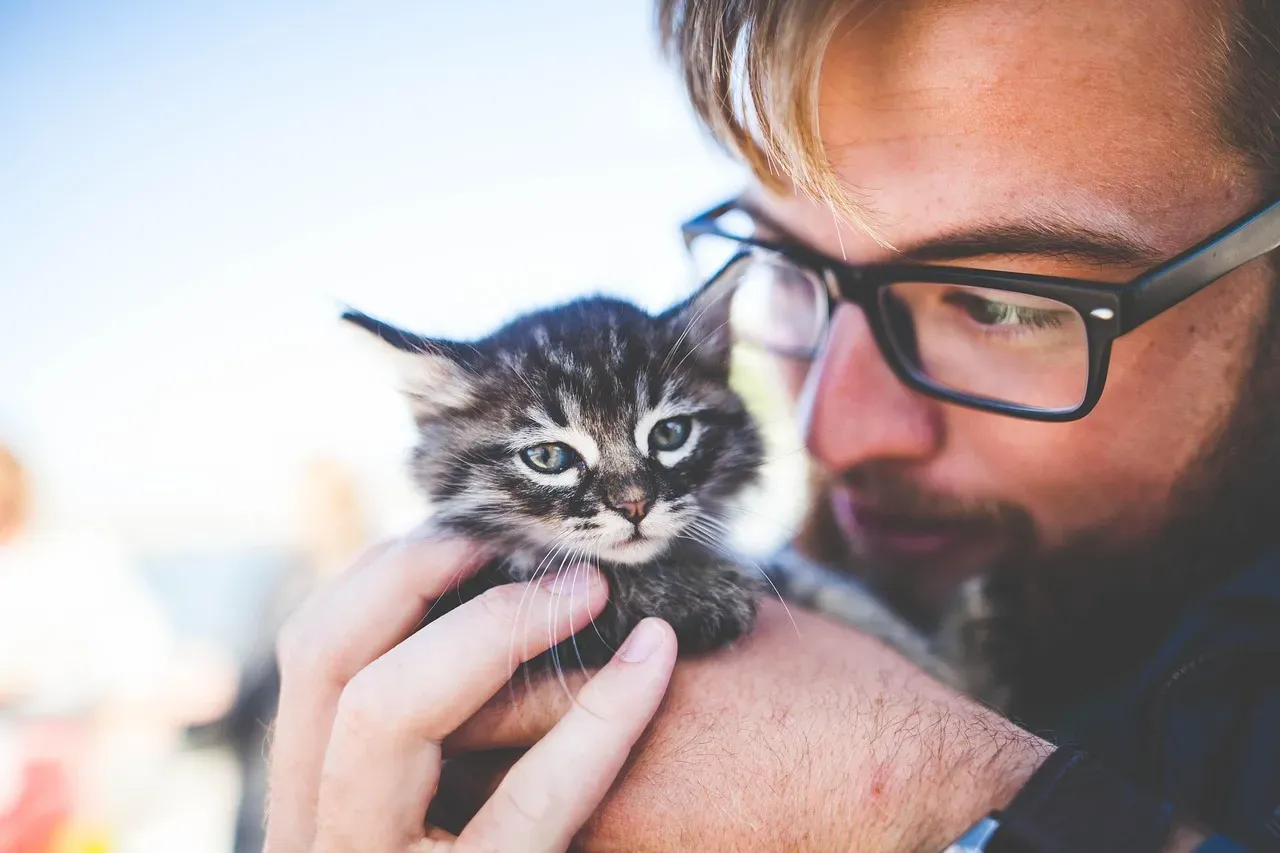
The impact of those first weeks cannot be overstated. When kittens are handled and played with by more people between the third and ninth weeks, they are not just more friendly, but people seem to feel a closer bond with them, so it affects human attachment to the cat too. This creates a beautiful reciprocal relationship where both human and cat feel more connected.
For a cat to live comfortably in your home, it’s preferable for them to experience positive interactions with people when they are a kitten. This doesn’t mean overwhelming the kitten with constant handling, but rather ensuring gentle, positive exposure to various people, sounds, and situations. The key word here is positive. One traumatic experience during this sensitive period can create lasting fear responses that interfere with bonding for years to come.
Understanding why some cat breeds bond more deeply with their owners reveals a beautiful complexity in feline nature. It’s never just one factor, but rather a symphony of genetics, early experiences, breed characteristics, and environmental influences working together. Whether you’re living with a velcro Ragdoll or a more reserved Russian Blue, recognizing what shapes your cat’s bonding style helps you meet them where they are. The breeds known for deep bonding aren’t necessarily “better” cats; they’re simply wired differently, with genetics and careful breeding enhancing their natural inclination toward human companionship. The most important thing? Respecting your cat’s individual personality and providing consistent, positive interactions that allow trust to flourish naturally. What’s your experience been with different cat breeds and their bonding styles?