You leave the kitchen, and your cat is right behind you. You walk to the bathroom, shut the door, and within seconds there’s a paw sliding under the gap. For anyone who shares their home with a cat, this scene is almost daily life. It’s endearing, occasionally baffling, and sometimes just a little too much when you’re trying to have five minutes to yourself.
The thing is, this behavior is far more layered than it might seem at first glance. Cats follow their pet parents for many reasons, including hunger, curiosity, affection, attention, or stress, and in most cases it’s a normal behavior. Understanding what’s actually driving your cat’s little shadow act can completely change how you respond to it.
Your Cat Sees You as Their Safe Base
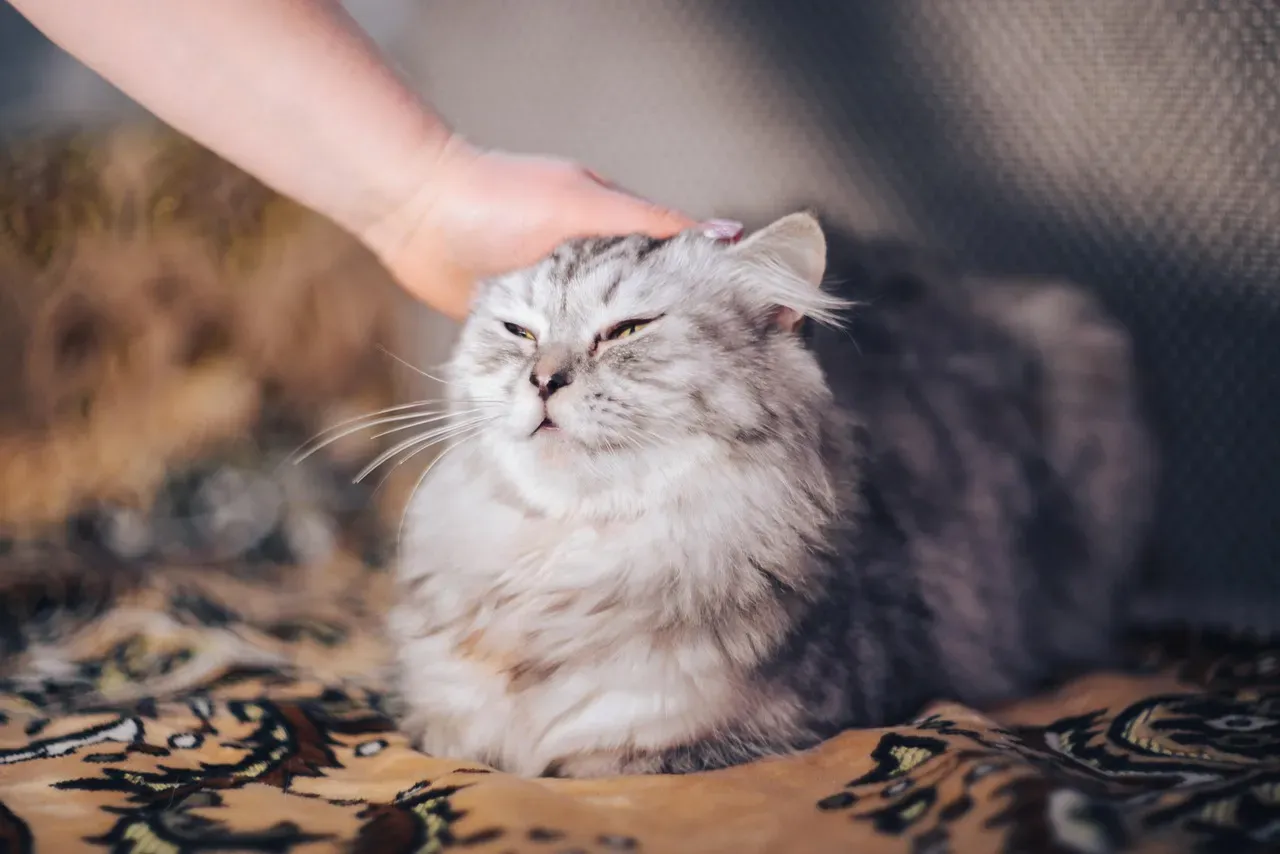
At their core, cats are both predators and prey. Despite their confidence, domestic cats retain ancient survival instincts that drive them to seek safe zones, including familiar spaces and trusted companions. You are one of those safe zones. Your presence carries a kind of environmental certainty that your cat actively seeks out.
When your cat follows you, it might be because you represent security. Your scent, voice, and presence act as a reassuring anchor in their world. In moments of uncertainty, like when guests arrive, loud noises occur, or furniture is moved, many cats instinctively gravitate toward their owners for protection. You’re not just a person to them. You’re a landmark.
It’s a Genuine Sign of Attachment
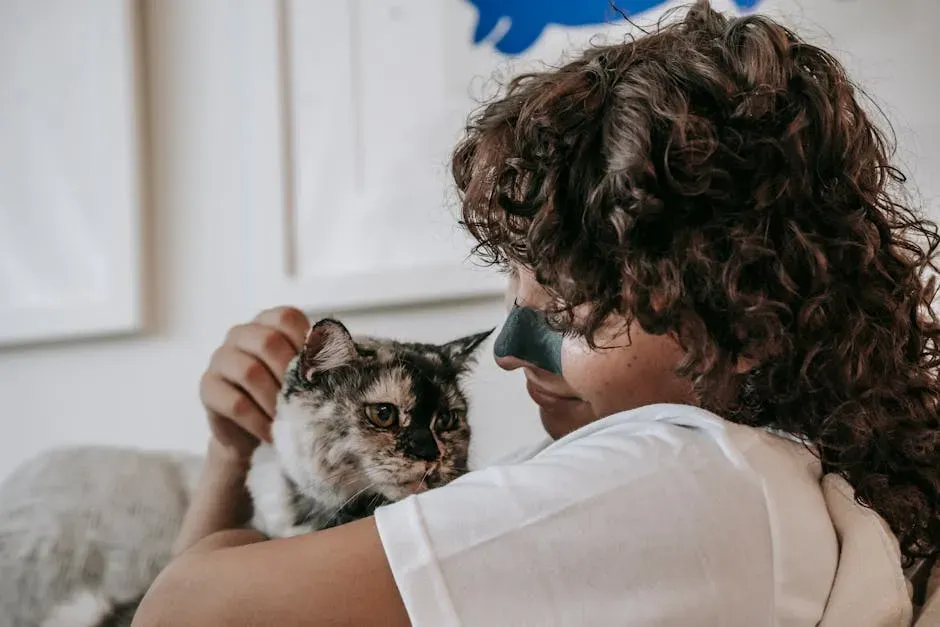
Research challenges the old stereotype of cats as aloof loners. Studies now show that many cats form secure attachments to their owners, similar to dogs and human infants. That persistent trailing through the house is less about clinginess and more about a real emotional bond that’s been quietly building since the day you brought your cat home.
In a study by Oregon State University, researchers found that over roughly two thirds of cats exhibit a secure attachment style similar to human infants and dogs. When their owners leave, securely attached cats may show mild distress but quickly calm down upon their return, a clear indicator of trust and emotional bonding. Following you room to room is simply one way that bond shows up in daily life.
The Oxytocin Connection
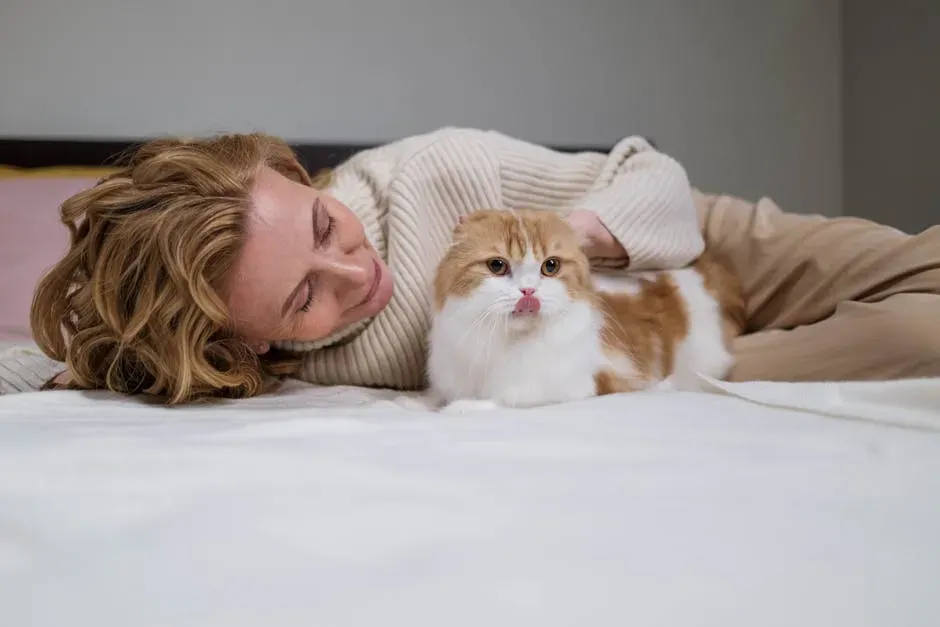
Close contact with their human may release oxytocin, a hormone that promotes positive feelings in your cat. Your cat can feel assured and protected by your presence. This is the same bonding hormone that plays a role in human relationships, which makes it all the more interesting that it shows up in cat behavior too.
Oxytocin release during free owner-cat interaction varies depending on attachment style. An increase in oxytocin was observed in securely attached cats while it tended to decrease in cats with an anxious attachment. In other words, if your cat follows you in a calm, relaxed way, it’s likely that the experience is genuinely rewarding for them, not just habit.
Pure Curiosity is Also a Very Real Reason
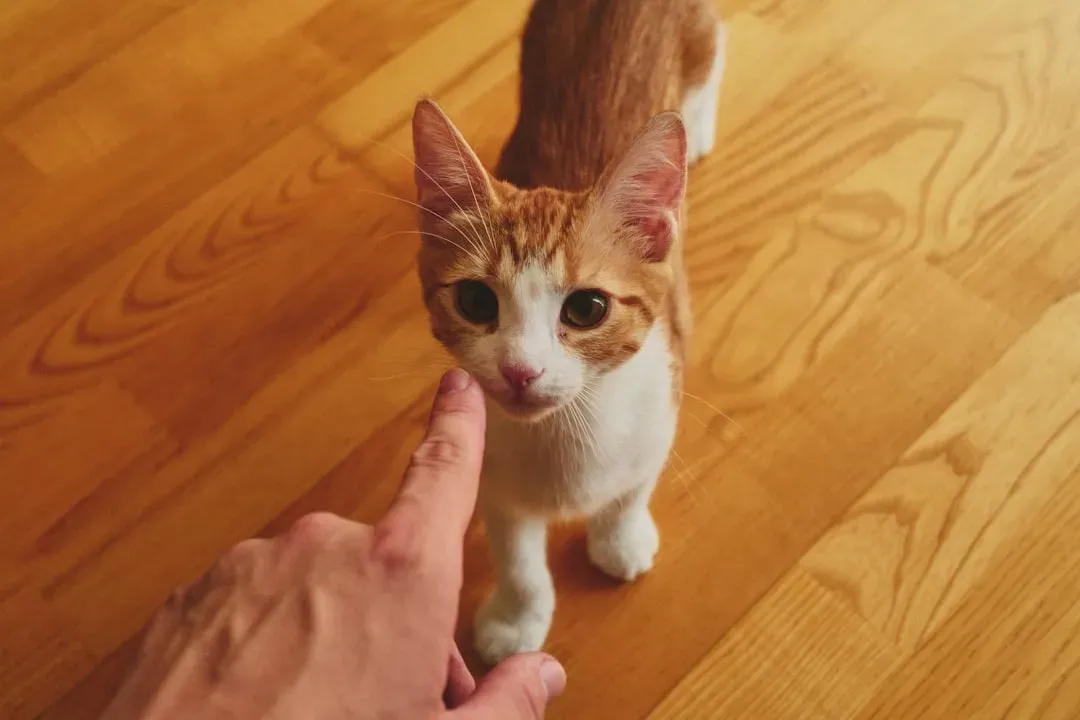
Many cats like to follow their owners around because they are naturally curious. They love to explore every nook and cranny, and they’re curious about what you’re doing, especially if you go into a room or open a cabinet they don’t usually have access to. From your cat’s point of view, you are essentially a moving source of interesting events.
When your cat follows you everywhere, they might simply be investigating what you’re doing and ensuring nothing in their domain changes without their knowledge. This surveillance behavior is particularly evident when you enter new rooms or spaces that are typically off-limits. Your cat’s following behavior helps them maintain awareness of their environment and any potential changes that might affect their territory. It’s part instinct, part nosiness, and honestly, both are very on-brand for a cat.
Why Your Cat Follows You Into the Bathroom Specifically
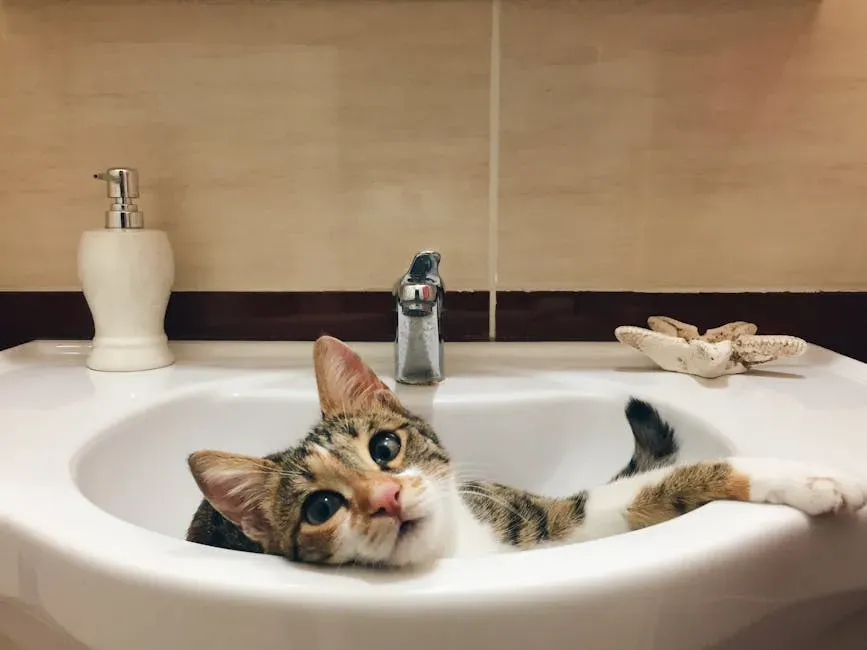
It’s a common scenario for many cat owners. You go to the bathroom to do your business in private, only to notice that your feline friend has snuck in with you. Rather than being a fascination with your bodily functions, it’s more likely that your cat is curious about what’s inside the “mystery” room that they are often locked out of. They’ve taken the opportunity to have a look around.
There’s also an older, more instinct-driven explanation. The acts of urinating and defecating are vulnerable times for cats. They must remain stationary, and the smell of urine and feces may attract predators. So your cat may want to stay with you in the bathroom to protect you. It sounds almost sweet when you frame it that way.
Hunger is Often the Most Honest Motivator
One of the main reasons your cat may be following you around is to let you know they’re hungry or that their food bowl is empty. Cats are impressively strategic about this. They learn your patterns fast, and they know exactly when you’re likely to make a move toward the kitchen.
A common reason your cat is following you around is because they think dinner time may be coming up or they are hoping for a tasty treat. They’ll usually keep their owners in sight, waiting for them to head for the kitchen where they know all that delicious food lives. The moment that cat food is served is an exciting one for any feline. Naturally, they don’t want to miss it. If the following ramps up sharply around mealtimes, your cat is being very clear with you.
When Following Signals Stress or Anxiety
Anxiety, and particularly separation anxiety, can significantly influence a cat’s following behavior. Anxious cats typically follow their people to assure themselves of their caregiver’s presence. By shadowing your every step, these cats cling to a sense of safety and security. The behavior itself might look identical to affectionate following, but the underlying cause is quite different.
Unlike healthy following behavior, anxiety-driven cats who follow you around will often have distressed or excessive vocalization, restless movement, noticeable changes in appetite, and agitated body language like a hunched posture or swishing tail. Big changes like new family members or moving can make a cat even more clingy as they try to figure out what’s going on. Watching your cat’s body language, not just their feet, tells you a lot.
Breed Personality and Individual Temperament Play a Role
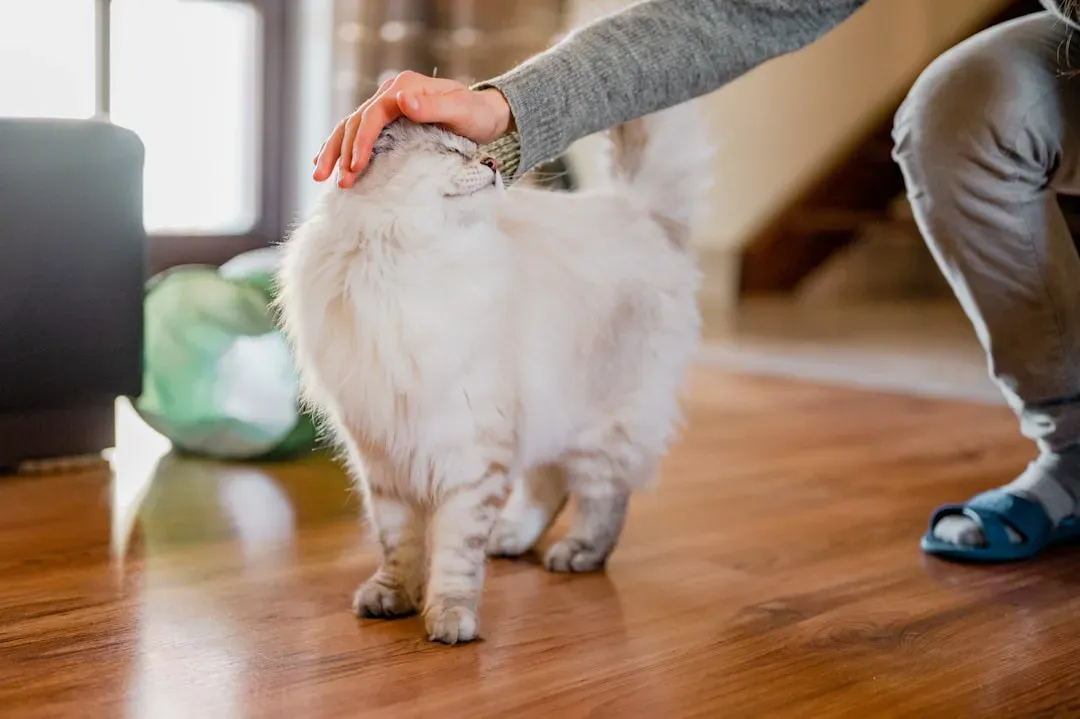
Certain breeds are more affectionate and need human contact. Siamese, Ragdolls, and Abyssinians are some of the most affectionate cat breeds, although this often depends more on their individual personality than their breed. Breed tendencies give you a starting point, but every cat is still its own creature.
Certain breeds have been selectively bred for specific temperaments over generations. Oriental breeds like Siamese and Burmese were bred to be companion animals, resulting in cats that crave human interaction. On the flip side, breeds that developed more naturally, like Norwegian Forest Cats, tend to maintain more independent streaks. Still, none of this is fixed. All cats have their own individual personality, so any type of cat may become attached to their owner.
When Should You Actually Be Concerned?
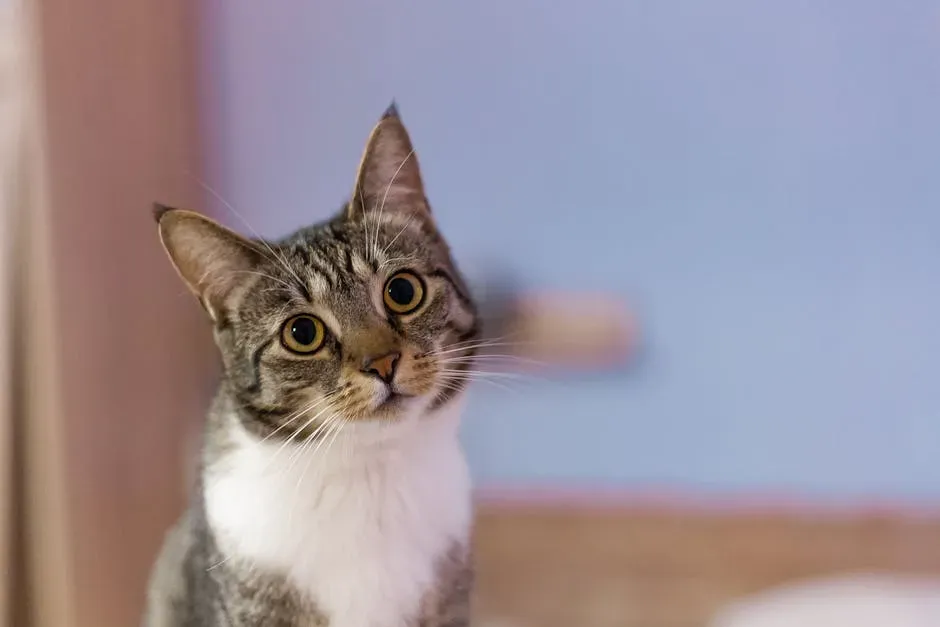
If there haven’t been any changes to your cat’s routine or disruptions to the household and they’ve suddenly decided to stick to you like glue, they might be sick or in pain. Several medical issues could cause a cat to follow their caregiver more than usual, including thyroid problems, hearing or vision loss, or cognitive dysfunction in older cats. A sudden shift in behavior is always worth noting.
While following behavior is usually normal and healthy, excessive clinginess might sometimes indicate underlying issues. Separation anxiety, stress from environmental changes, or physical discomfort can cause cats to become more dependent on their owners’ presence. If your cat’s following behavior suddenly intensifies or is accompanied by other changes in behavior, appetite, or energy levels, it’s worth consulting with a veterinarian to rule out any medical concerns. Trusting your instincts as an owner matters here. You know your cat’s baseline better than anyone.
Conclusion
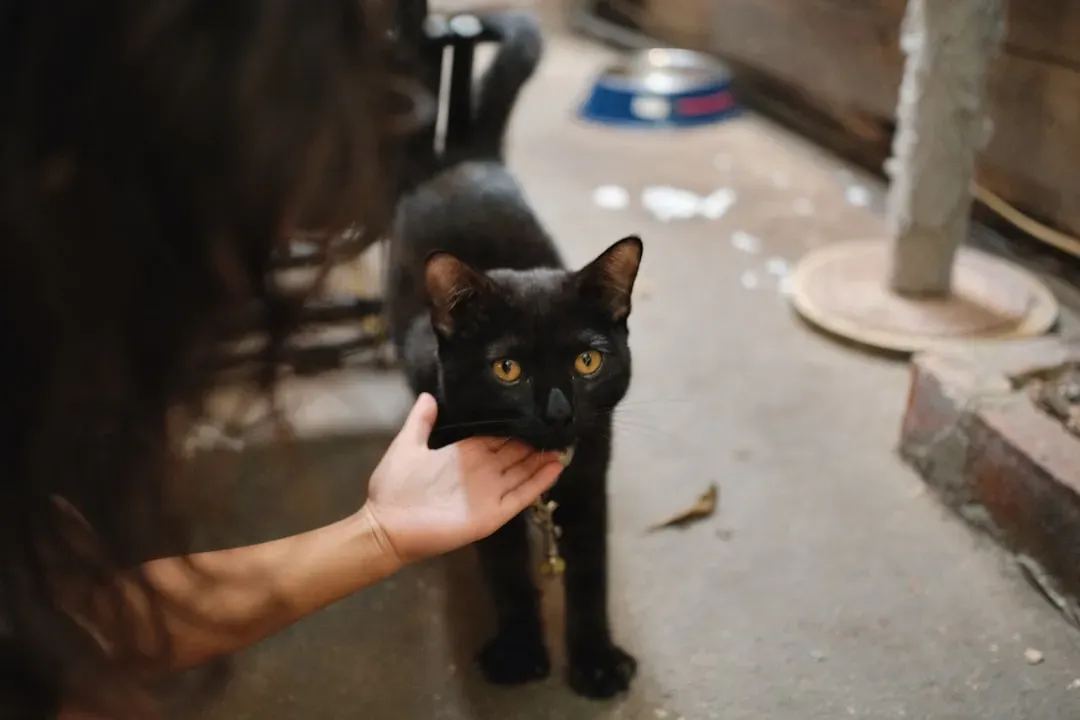
Your cat trailing you from room to room is rarely random. Cats rarely do anything without reason. When your feline friend trails behind you from room to room, it’s not random; it’s deeply rooted in instinct, emotion, and learned behavior. Whether they’re hungry, curious, anxious, or simply happy in your company, the behavior carries a real message.
Whether your cat follows you everywhere or barely acknowledges your existence, their behavior reflects a complex mix of genetics, early experiences, and individual personality. There’s no right or wrong way for a cat to show affection. The shadow that pads behind you down the hallway is, in its own quiet way, a form of trust. Worth appreciating, even when you just wanted a moment alone.