#1 Mountain lions are built for concealment, not confrontation
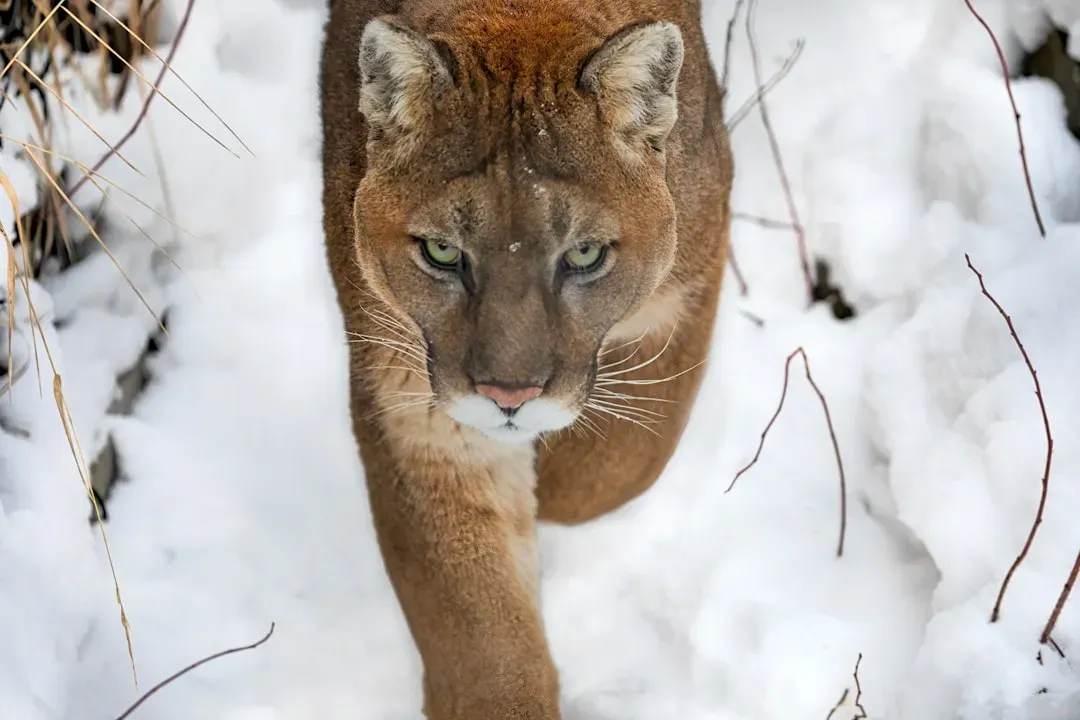
Cougars did not evolve to chase things down in the open the way wolves do. Mountain lions are considered “ambush” predators, meaning that typically they sit and wait for prey to pass, and then pounce, quickly, and with force. That single fact shapes almost everything about how they move through a landscape, including how they react when a hiker wanders by.
Staying hidden is not a trick they perform occasionally. It is their entire hunting strategy, refined over thousands of years. As one wildlife filmmaker who studies these cats put it, “Mountain lions spend their lives trying not to be seen. They don’t want to be understood.” Watching from cover costs them nothing and reveals nothing about their location, which is exactly how they prefer it.
#2 Fear of humans runs deeper than most people assume
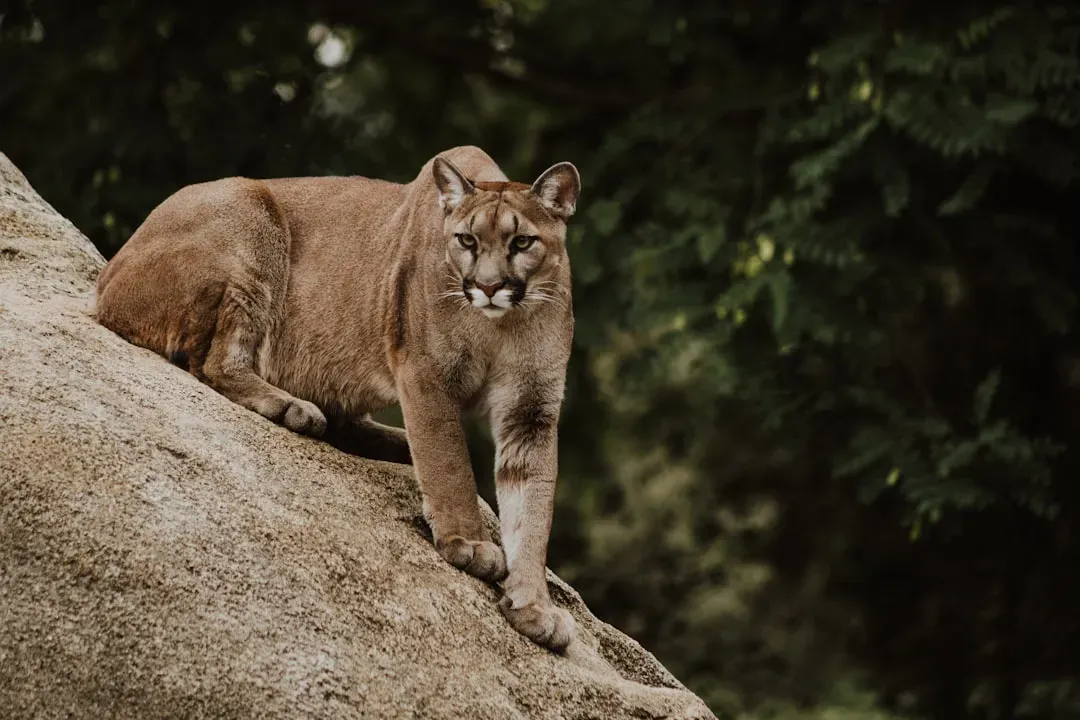
It would be easy to assume a lion watching a hiker is sizing up a meal. Research suggests something closer to the opposite. Research published in Current Biology supports the notion that mountain lions are aware of human activity and generally avoid it, an idea long summarized in the Santa Cruz Mountains adage that if you see a mountain lion, it is not hunting you.
Researchers compared six years of GPS data from 36 mountain lions in the Santa Cruz Mountains, stretching from Santa Cruz County to San Francisco, against trail data from the fitness app Strava. The pattern that emerged was consistent avoidance, not attraction. A lion sitting still and watching is often simply waiting out a threat it has no interest in engaging.
#3 They are far more common near trails than sightings suggest
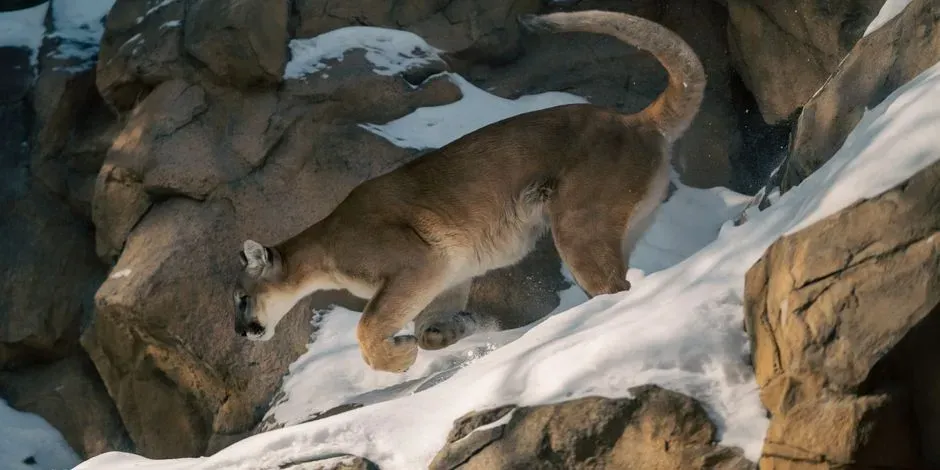
One of the more striking findings from recent trail camera and GPS collar studies is just how frequently lions and humans cross paths without either side realizing it, at least on the human end. Researchers have found that hikers and bikers in some parks come surprisingly close to lions without ever knowing it, a real demonstration of how good the lions are at avoiding people, since staying unnoticed is simply part of their natural behavior.
A separate account describes a wildlife biologist who sat beside a busy Utah trail for three hours watching a young female mountain lion while joggers passed by repeatedly, completely unaware that one of North America’s most powerful predators was hiding just feet away. It took another passerby stopping to ask what she was looking at before anyone on the trail realized what had been watching them the entire time. That kind of proximity, invisible and uneventful, appears to be closer to the rule than the exception.
#4 Watching is often about caution, not calculation toward attack
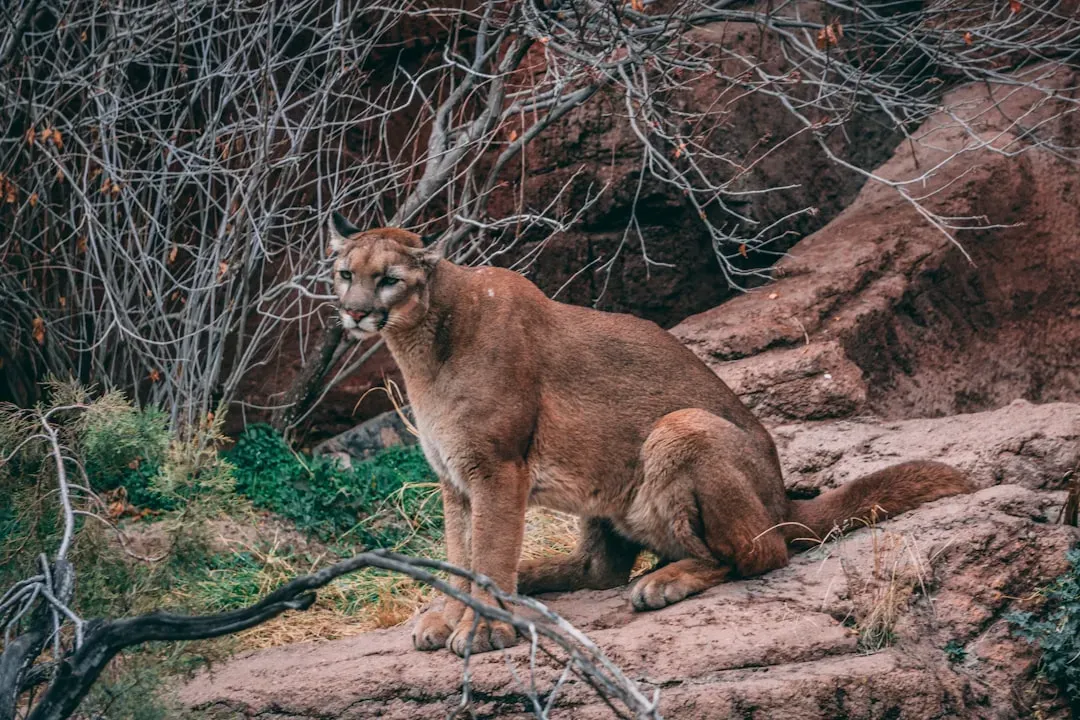
Wildlife officials are careful to push back on the language people use after these encounters. Reporting that describes a mountain lion as having stalked, hunted, or tracked a person is almost never accurate, since the vast majority of sightings involve humans or mountain lions running into each other by chance, or people entering higher risk situations. A cat holding still in cover is frequently doing nothing more dramatic than assessing an unfamiliar presence before deciding whether to move.
Injury is the real cost a lion weighs in that moment, and it is a steep one. Predators like mountain lions cannot afford an injury, because if they are hurt they cannot hunt effectively, defend a territory, or seek water and shelter, and injured wild animals starve. Watching from a safe distance lets a lion gather information about a hiker’s size, speed, and awareness without risking anything at all.
#5 Kittens and cached kills change the entire equation
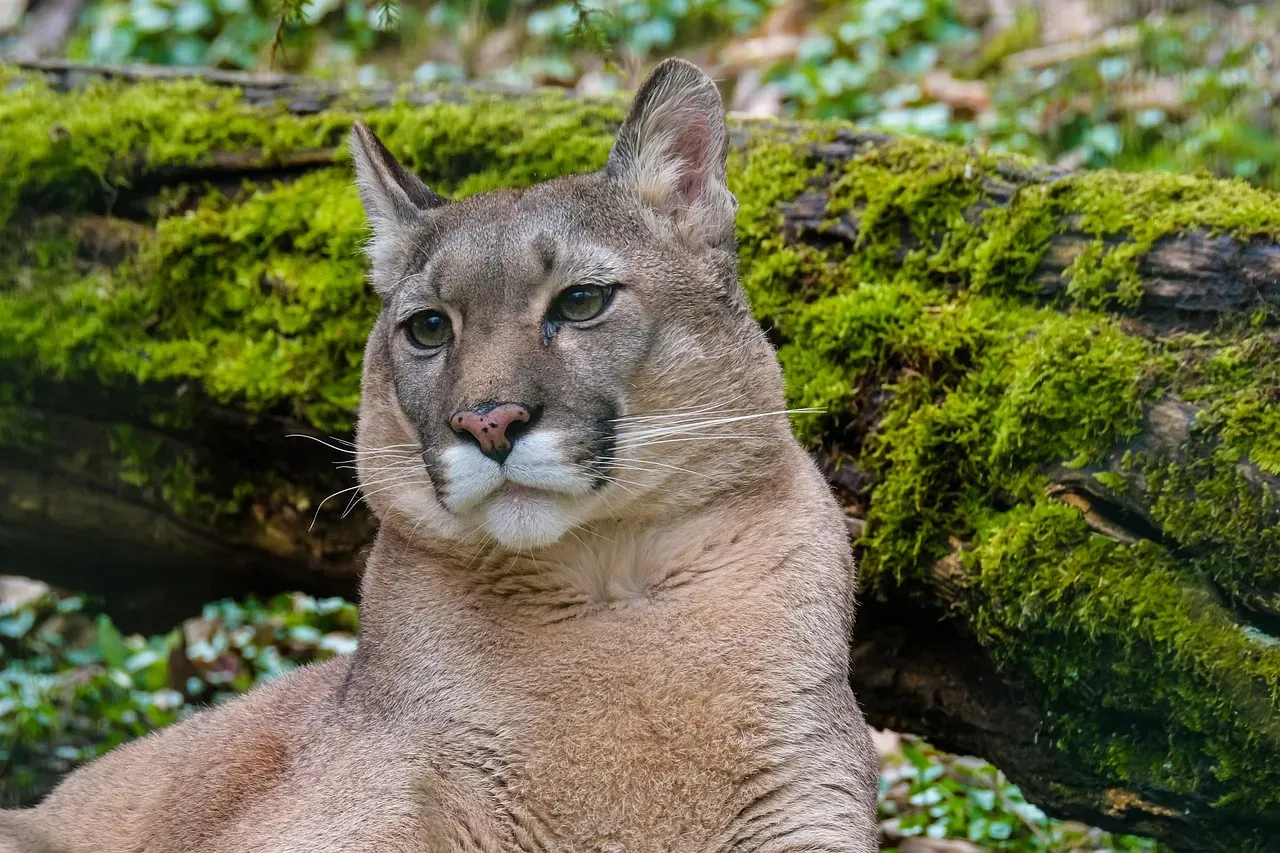
Not every watchful lion is simply curious. Some are guarding something. It matters whether a lion feels cornered, separated from its kittens, or protective of a cached kill, since if a lion does not take an easy exit, kittens or a cache may be the reason. In these cases, a lion may linger nearby, tracking a hiker’s movements closely until the person is safely out of range.
A widely discussed video from a Utah trail illustrates this well. During a recent encounter, a mother lion followed a hiker as he backed away slowly, yelled at her, and remained large, even making bluff charges to keep him moving backward, before turning and fleeing back to her young once he was far enough away. A researcher who reviewed similar footage concluded the animal was a mother protecting nearby kittens, behaving defensively rather than aggressively, with the person treated as a potential risk entering sensitive territory rather than as prey. In moments like these, watching is a form of vigilance, not preparation for an attack.
#6 Body language reveals whether it is curiosity or something more serious
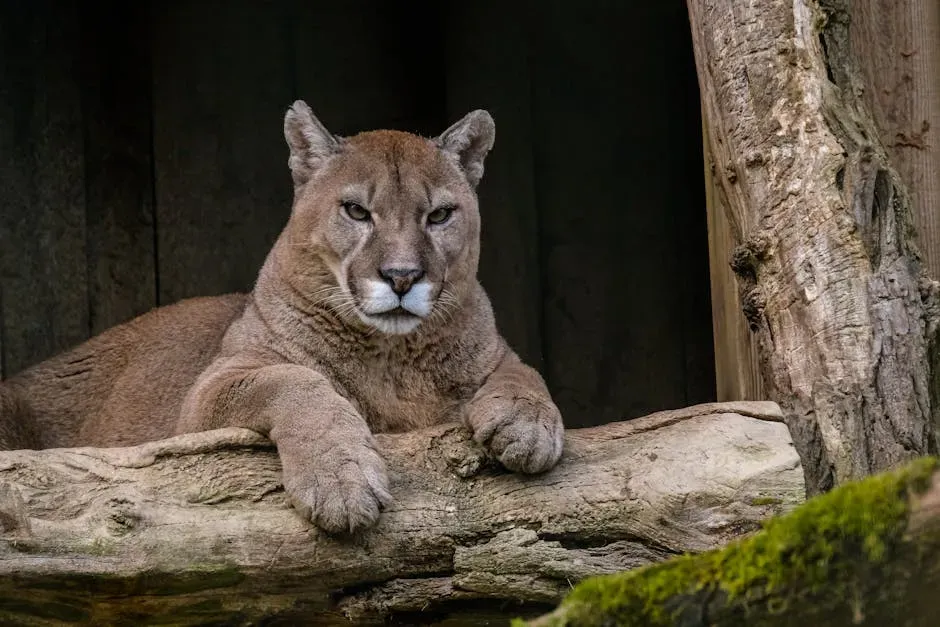
Not all watching means the same thing, and wildlife groups encourage people not to over-interpret a lion that lingers. If a lion does not run immediately upon being noticed, that does not automatically mean danger, since it may simply be curious or may even view the person as a potential threat itself. The direction a lion faces can also be telling.
Lions generally will not turn their back on something they view as dangerous, because they know from their own hunting behavior that predators attack from behind, so a lion that holds its ground rather than fleeing is often a sign the person already has the advantage. That single behavioral cue, a cat choosing to face rather than flee, tends to say more about the animal’s read on the situation than almost anything else a hiker might notice.
#7 Hunger and habitat pressure can shift the pattern
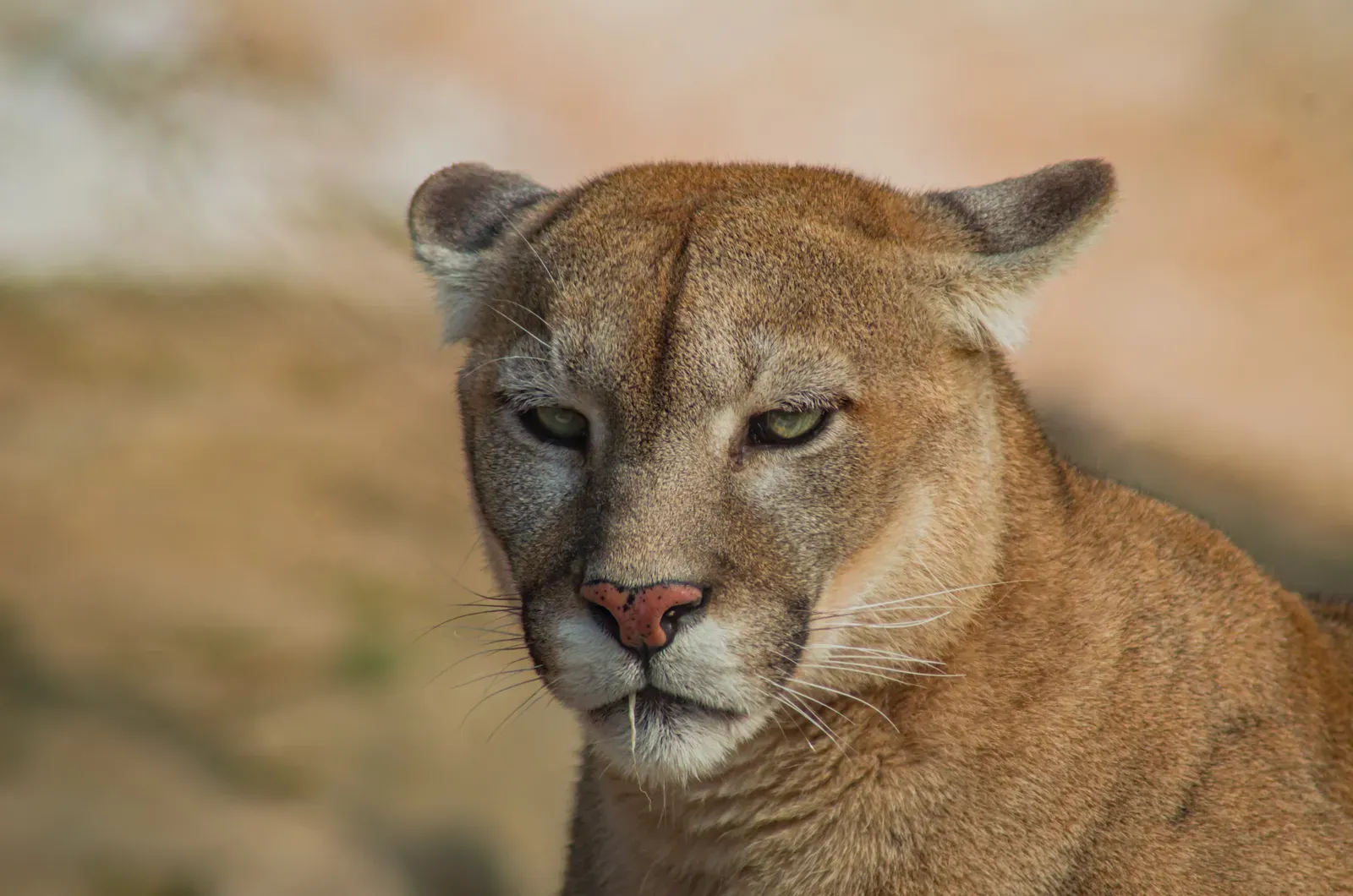
Avoidance is the default, but it is not absolute, and researchers have found that an empty stomach changes the math. In a Colorado study using GPS collars fitted with accelerometers, previous research had shown that big cat predators intentionally avoid people out of fear, while other research found that predators prefer to spend time in prey-rich areas, two explanations that did not line up neatly. The missing piece turned out to be hunger itself.
Animals that had not eaten in more than four to seven days showed little to no avoidance of higher housing densities. A well-fed lion watching from cover is almost certainly just being cautious. A lion that has gone many days without a kill may be weighing its options a little differently, which is part of why wildlife agencies keep repeating the same basic advice about hiking in groups, making noise, and keeping children close on trails known to hold lion populations.
Final thoughts
Kristina is a young writer from India. An arts graduate and an avid content creator, Kristina is passionate about animals and wildlife. She enjoys exploring topics related to pet care, animal behavior, conservation, and nature, combining thorough research with engaging storytelling.