You’re lying on the couch, peacefully petting your cat, when suddenly they wrap their front paws around your wrist. Before you know what’s happening, their back legs start rapidly thumping against your arm like a furry little jackhammer. What just happened? Welcome to the world of the bunny kick, one of the most fascinating and sometimes painful behaviors your feline friend can display.
This distinctive action, which resembles a rabbit’s powerful kick, is deeply rooted in cats’ natural instincts and serves multiple important purposes in their behavioral repertoire. Understanding why your cat does this can transform those moments from confusing or even frustrating encounters into opportunities to better connect with your pet. Let’s dive into the mystery behind those rapid-fire kicks.
The Ancient Hunting Technique Behind the Kick
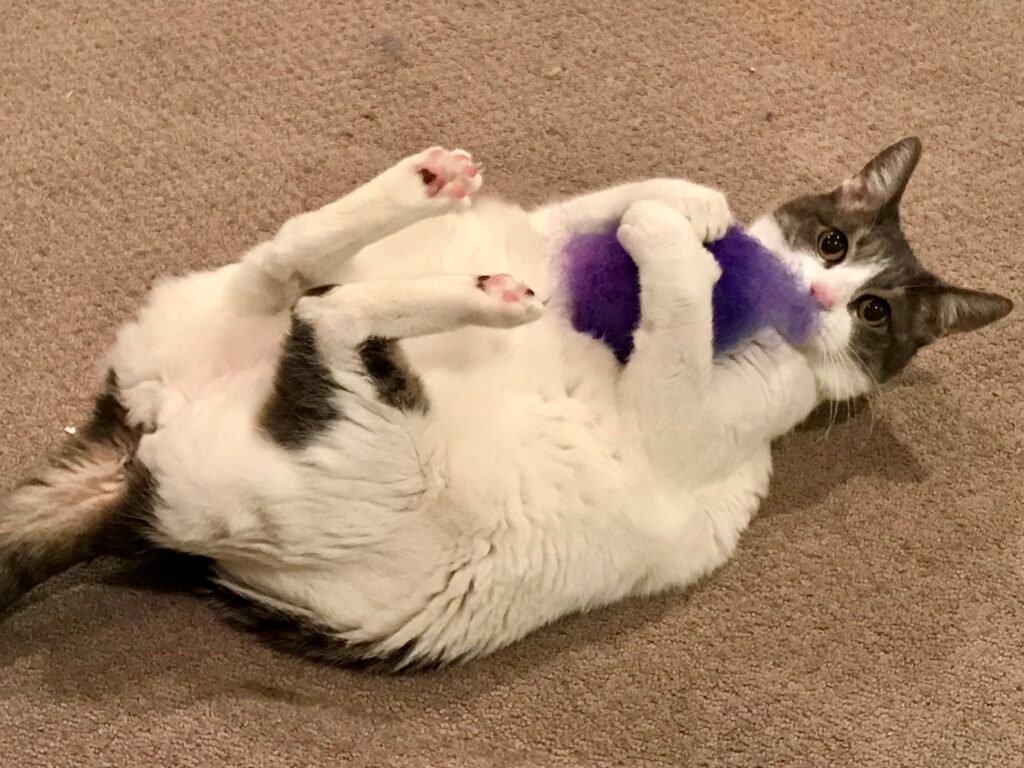
At its core, the bunny kick is a hunting and self-defense mechanism that cats have retained from their wild ancestors, where cats use this powerful kicking motion to subdue larger animals while protecting their vulnerable belly area. Picture a wild cat in the savanna capturing prey. They need to immobilize their target quickly while keeping themselves safe from retaliation.
In the wild, cats use the bunny kick to capture their prey just before killing it. By wrapping their front paws around an animal’s neck, they can then bite their jugular with their mouth and make a fast kill, and by kicking their back legs, they can then claw at the animal’s abdomen and may be able to disembowel them. Honestly, it sounds intense when you think about it this way. Your adorable house cat carries these same instincts, even if the only thing they’re hunting is a catnip mouse.
It’s All Fun and Games During Playtime
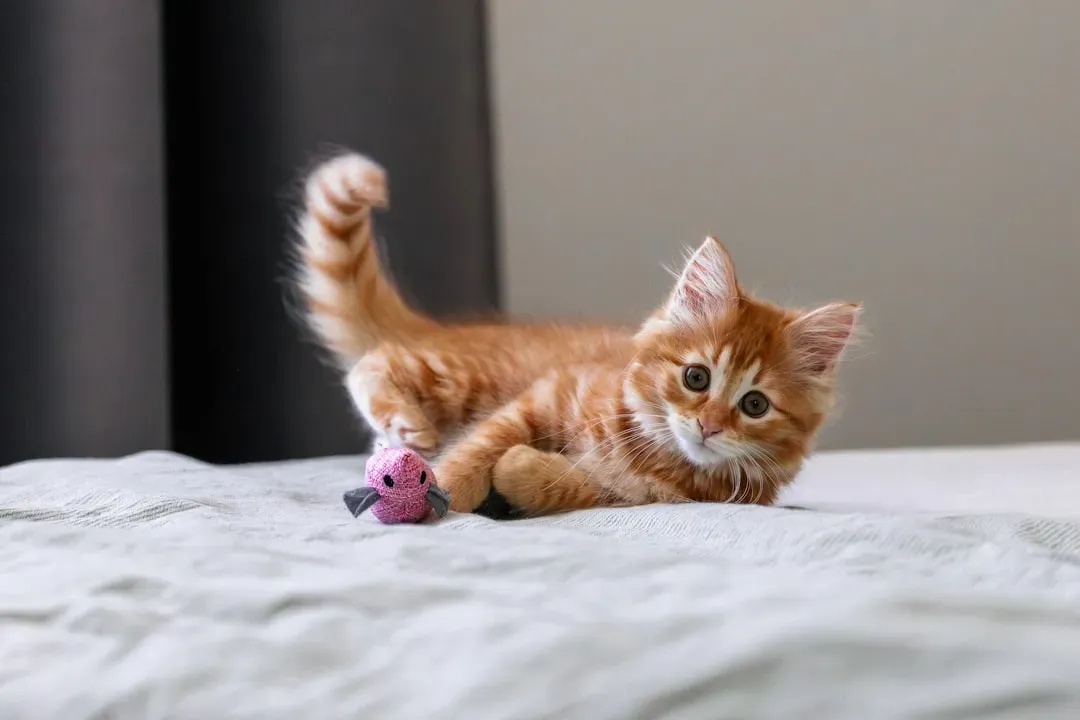
Kittens learn how to bunny kick during early play with their mothers and littermates, mimicking capturing prey in the wild. When your cat grabs their favorite toy and goes to town on it with those back legs, they’re essentially practicing their hunting skills. It’s like a workout and entertainment rolled into one.
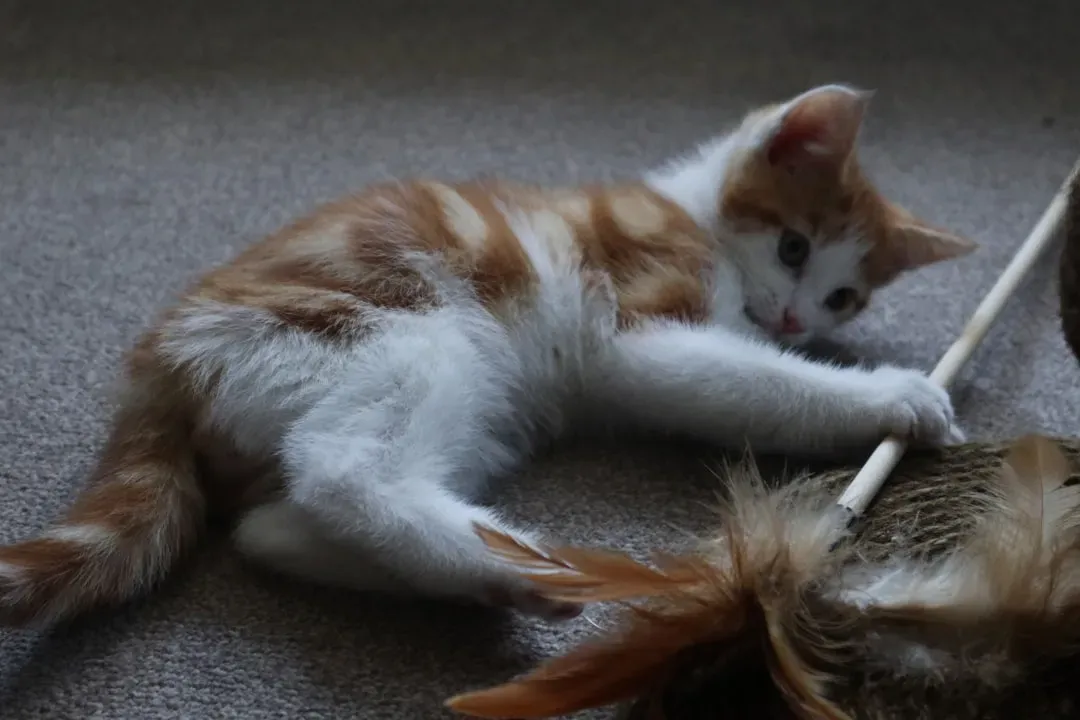
Playful bunny kicks often occur when cats interact with toys, especially longer items they can grab and hold, and this behavior helps cats practice their hunting skills and expend energy in a healthy way. You’ve probably noticed that certain toys really get your cat going. Those elongated, stuffed kicker toys exist precisely because cats naturally want to grab, bite, and kick things. Bunny kicking is often accompanied by pouncing, biting, and batting during play with toys or mock fights with other cats.
When Defense Mode Kicks In
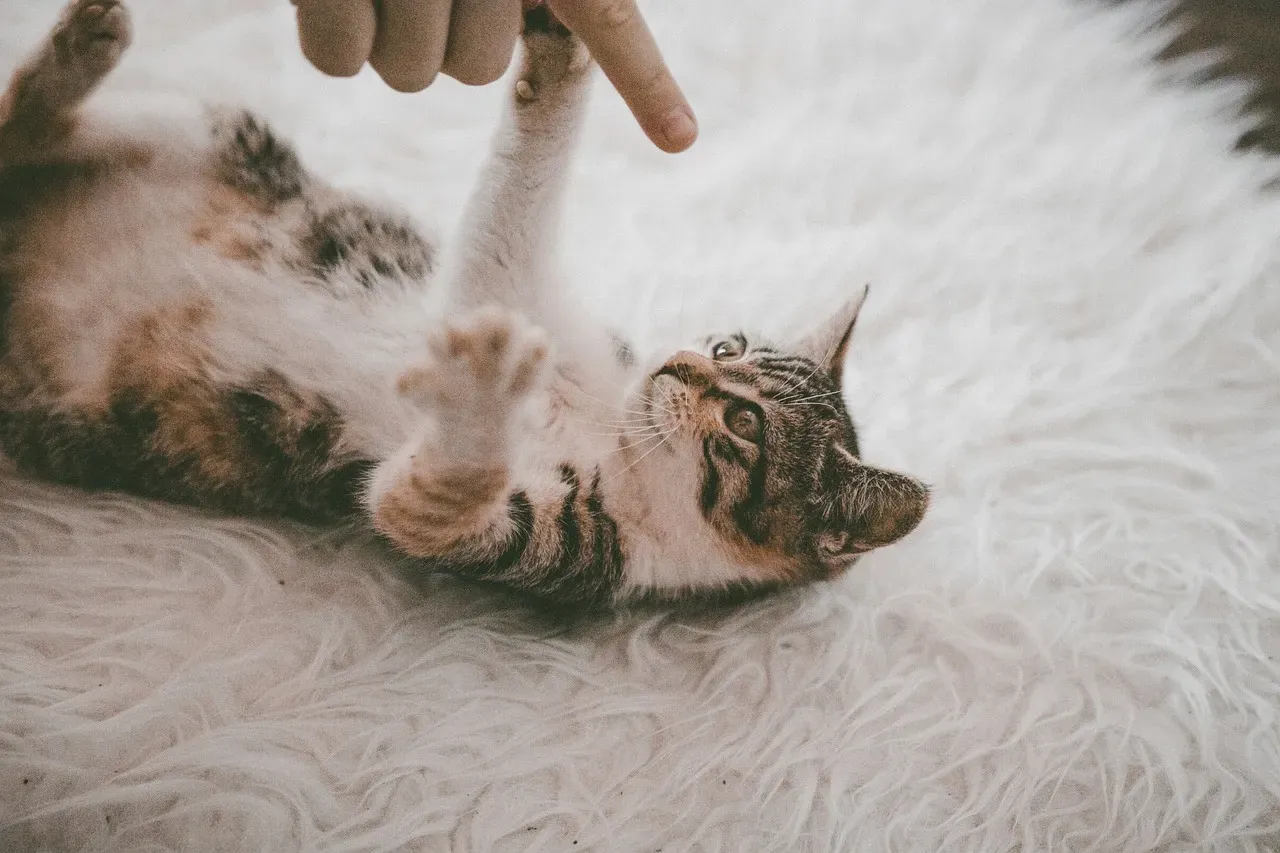
The bunny kick, when done in a battle situation, is a defensive behavior, and when threatened, a cat may roll onto his back to show an opponent that he doesn’t want to do battle but if the fight continues, he will engage all deadly weapons which include not just teeth, but the claws on all four feet. Think of it as your cat’s ultimate self-defense move.
If pushed onto their back, a cat’s belly is exposed, which is an extremely vulnerable position for them to be in, and natural instincts set in, and the cat will engage the muscles in their rear legs to come up to kick and scratch fiercely at their attacker with sharp claws. When a cat is lying on their back with all four paws and claws on display, either in play or real-life battle, their opponent doesn’t stand a chance. It’s their way of saying, “I may look vulnerable right now, but I’ve got all my weapons ready.”
The Belly Rub Trap You Should Know About
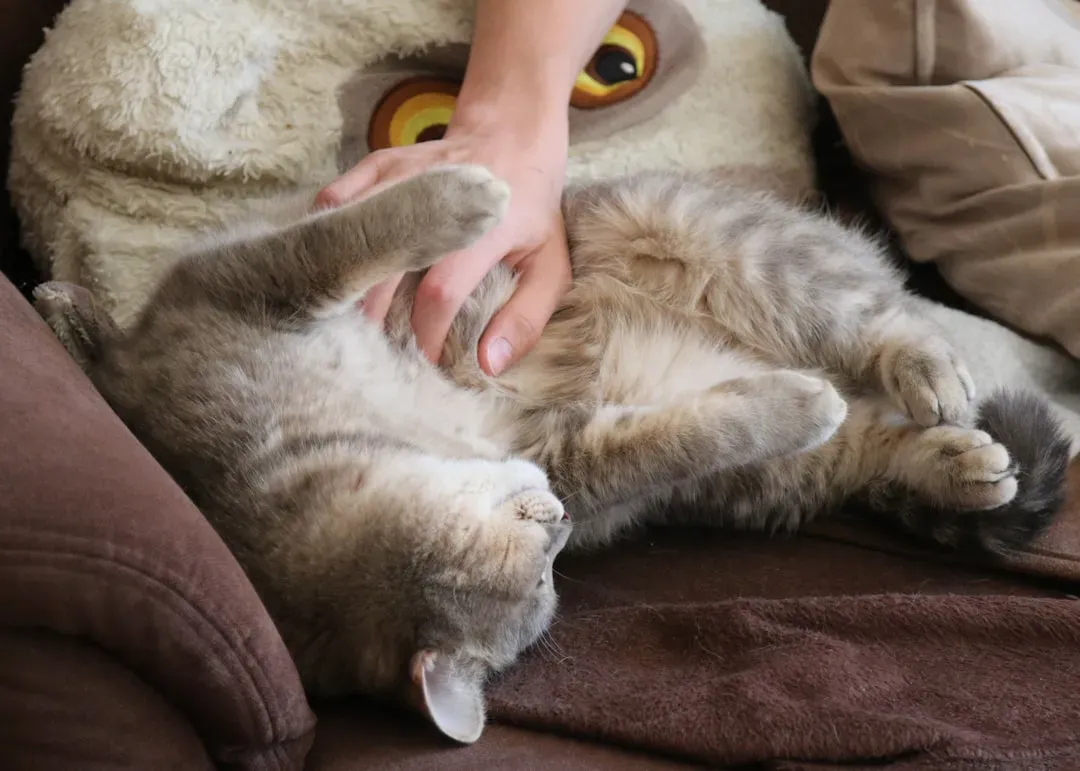
Here’s the thing about belly rubs. When your cat rolls over and exposes their fluffy tummy, it looks like an invitation. They’re just relaxing, but we take this as an invitation to pet their belly, which can trigger their defensive mode as they grab and bunny-kick your hand.
For the most part, many cats don’t like to have their stomachs touched and doing so will trigger an immediate defensive reaction where they will grab your hand and then kick with the hind legs. Your cat isn’t being mean or trying to hurt you. A cat’s undercarriage is a sensitive area, and when we try to pet them there, they often feel uncomfortable due to such vulnerability. So that exposed belly? It’s less of an invitation and more of a trust signal that doesn’t necessarily mean “touch me here.”
Recognizing When Play Turns Too Rough
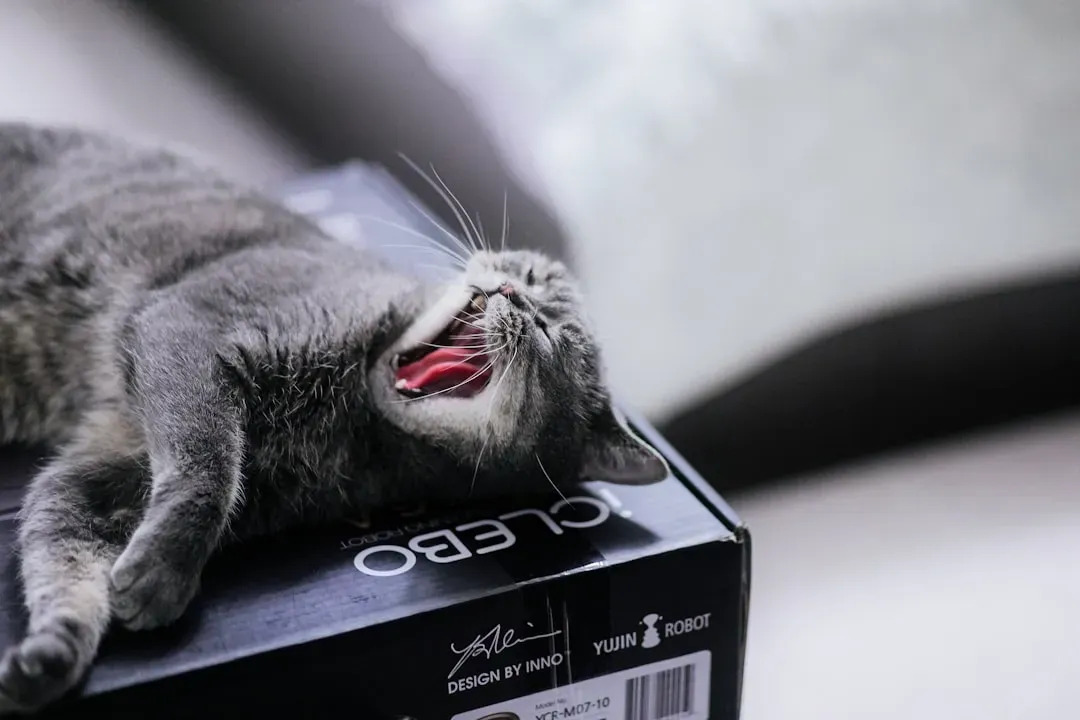
If your cat abruptly switches to bunny kicking you, or their playmate, it might be a sign of overstimulation, which is their way of saying, I’m enjoying this, but it’s getting a little too much. Let’s be real, we’ve all been there. One minute you’re having a great time, and the next your cat seems to flip a switch.
Watch for signs like tail lashing, dilated pupils, flattened ears, or tense body posture, as these indicators suggest your cat is overstimulated or feeling defensive rather than engaging in playful behavior. If their ears are flattened against their head or their pupils are dilated, your cat is ready to rumble. Learning to read these signals can save your arms from looking like you got into a fight with a rosebush.
Why Your Cat Kicks You Instead of Toys
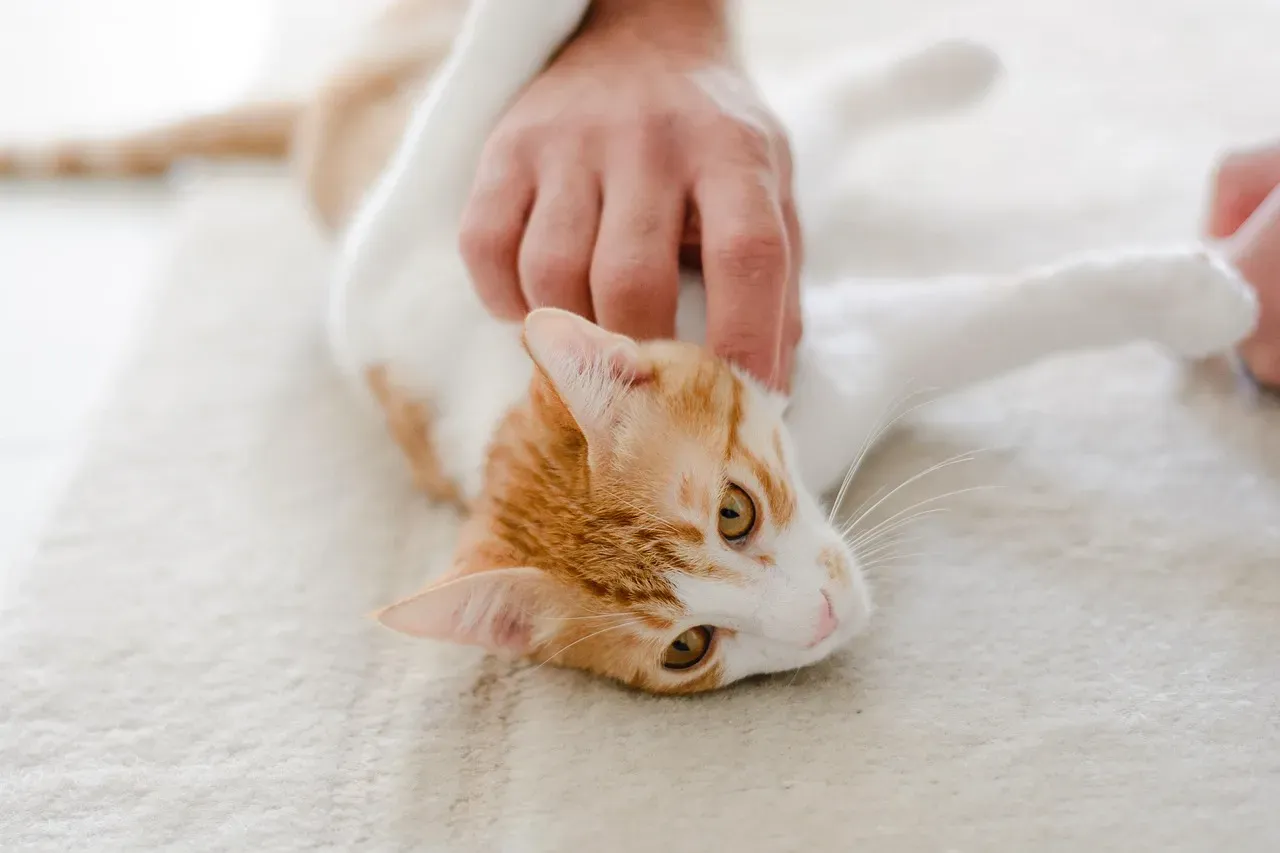
You may be playing with your cat when he rolls over, grasps your hand or wrist with the front paws and then rakes the back legs down your arm, and this is seen more often when cat parents use their hands to wrestle with their cats in play, as the cat may kick out of enthusiastic playtime, but your hand and arm may become more of an opponent than a toy because of the movements made toward your cat and the size of your hand versus the size of a typical cat toy.
When we put our arm near the cat to pet them and they are in a playful mood, it makes a good replacement for a prey animal, as our wrist is like a neck and our hand like an arm, and the cat should know we are not a threat, but it may still exercise this behavior as a form of play. So essentially, your arm becomes the stand-in actor when no suitable toy is available. Not exactly the role you signed up for, right?
The Power Behind Those Rapid Kicks
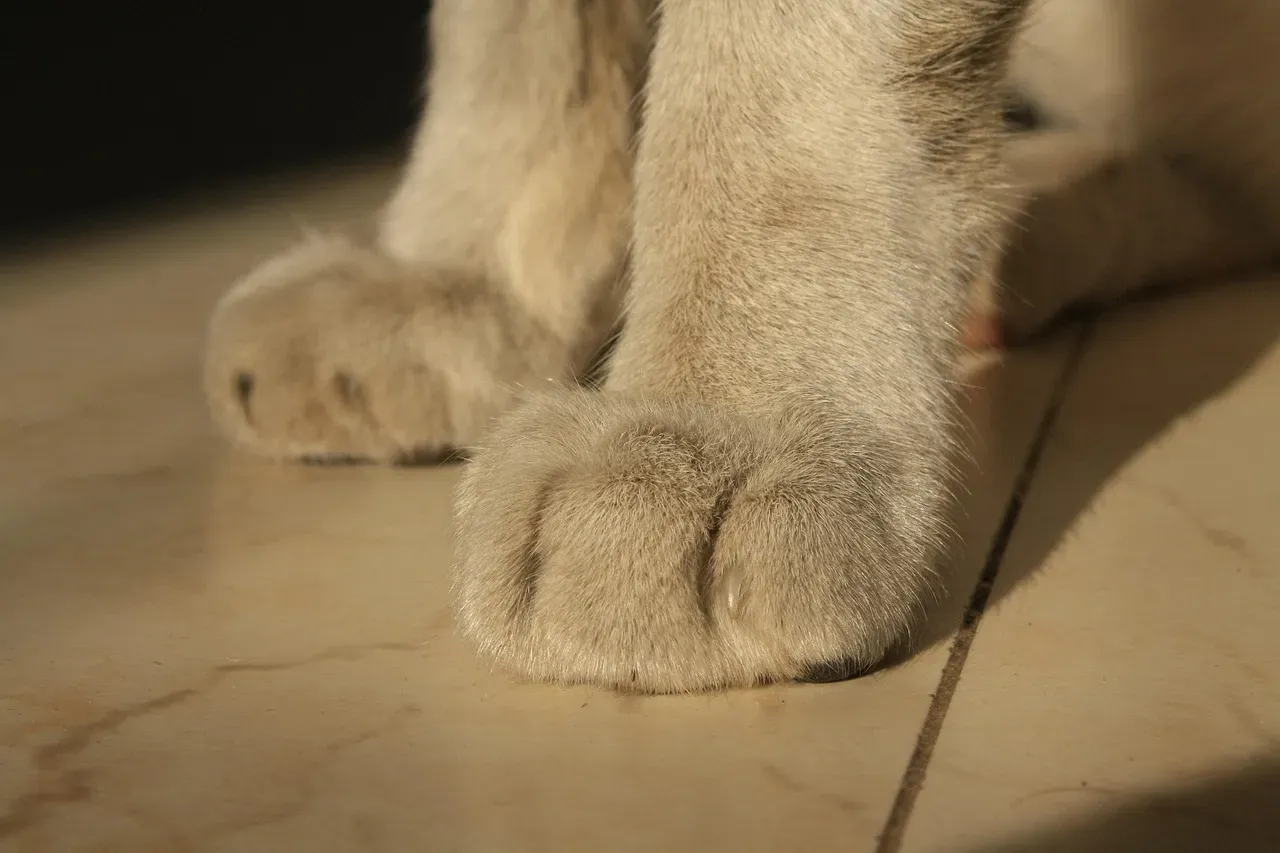
When holding prey or an attacker with their front legs, cats have their back legs free to use all of their force and avoid being attacked on their stomach, and the claws on their back paws only add to the damage from each blow. Cats are surprisingly strong for their size, and those back legs pack serious power.
A cat’s powerful back legs and sharp claws propel predators away from their bodies, giving cats a chance to fight or run. Even during gentle play, you can feel the strength behind those kicks. A paunch on their belly called the primordial pouch also protects their internal organs from other cats’ kicks. Nature really designed cats to be efficient little fighters, complete with built-in armor.
How to Redirect This Natural Behavior
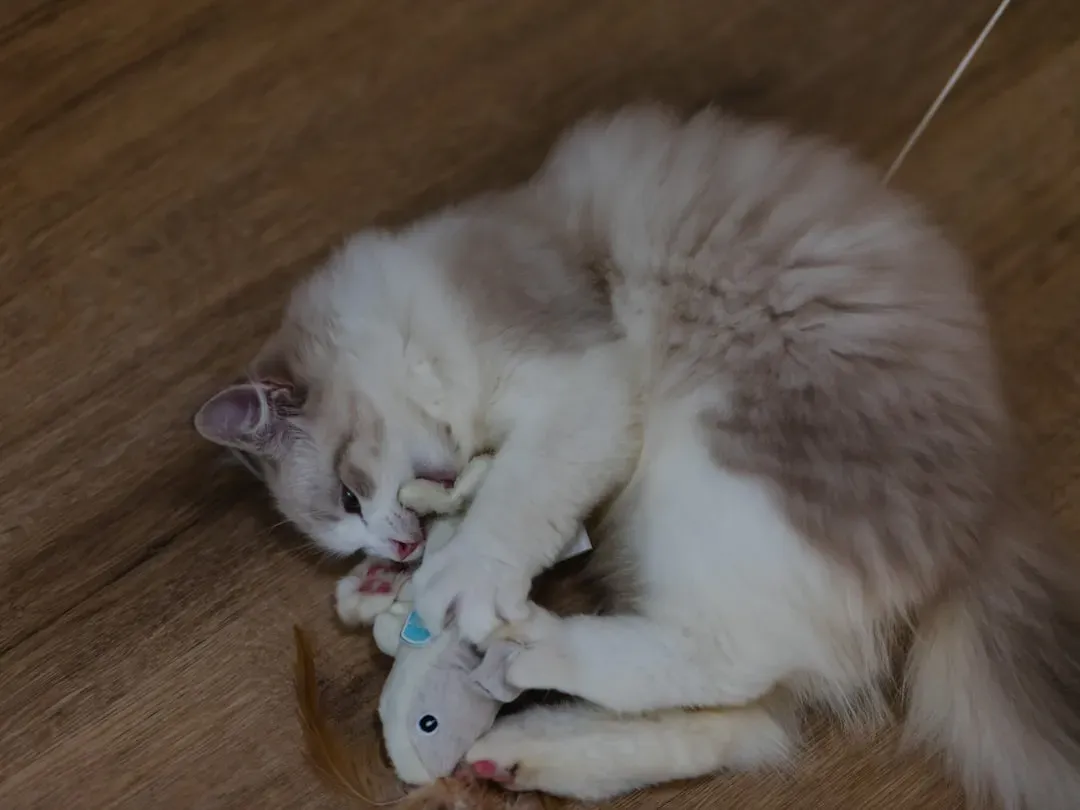
Your job is to redirect their bunny kicks to more appropriate targets, and once the bunny kicking starts, stop whatever interaction triggered it and offer an appropriate outlet for their hunting instincts, like a kicker toy, stuffed animal, or a feather wand that mimics fleeing prey. The key word here is redirect, not punish.
Bunny kicking is a natural behavior for cats, and it’s not fair to punish them for acting on their instincts. The most popular kicker toys are often oblong in shape and filled with tantalizing catnip, and they’re perfect for cats who like to lie on their side while gnawing, biting, and bunny kicking. Investing in proper toys means your cat gets to express themselves naturally while your limbs stay intact.
Understanding Multi-Cat Bunny Kick Dynamics
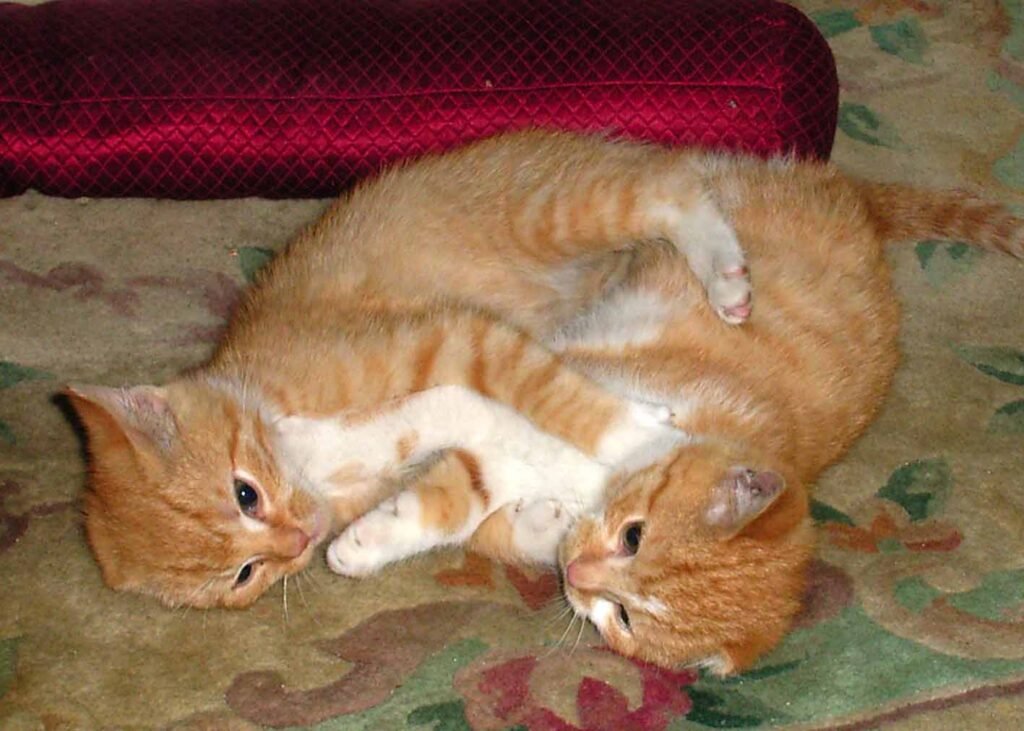
Cat companions may engage in hind leg kicking as they wrestle with each other, and you’ll know it’s play and not aggression because they will display inhibited kicking without intending to injure each other, as biting and kicking will not have the level of ferocity that would be seen if the cats were engaged in a true battle. Watching cats play together can be quite the spectacle.
During playtime you shouldn’t hear growling, hissing, or screaming, and you’ll also see the cats taking turns being the mock aggressor. It’s actually pretty adorable when you realize they’re basically practicing their survival skills together while bonding. Right from the beginning, kittens will interact with their litter-mates in an exuberant manner, and they use play-wrestling and play-kicking both as entertainment, practice for future hunting, and a form of social bonding.
What You Should Never Do During a Bunny Kick
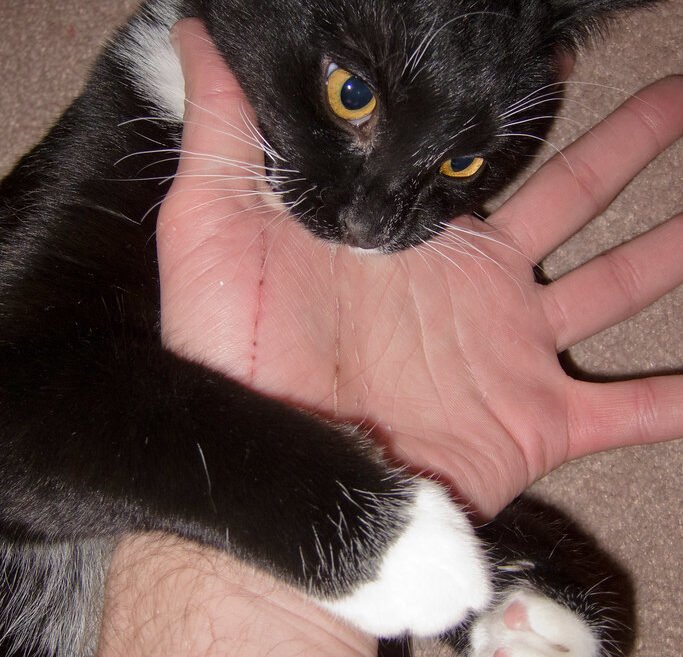
You’re in pain and all you want to do is pull your hand or foot away, but movement is exciting to a cat, and yank your hand, and your kitty may just dig her claws in deeper. I know it sounds crazy, but staying still is actually your best bet in that moment.
Yelling or striking your cat will only lead to a breakdown of your relationship and cause your cat fear and stress, and of course, stressed cats are more likely to behave aggressively in the future. When your cat bunny kicks you, removing yourself from the situation right away is recommended, and if you are injured, quietly get up and walk away. Your cat isn’t trying to be malicious. They’re just being a cat, doing what millions of years of evolution programmed them to do.
Conclusion: Embracing Your Cat’s Wild Side
This instinctive behavior is so deeply ingrained that even well-fed house cats regularly display it during play, demonstrating how natural hunting behaviors persist in domestic settings, and the bunny kick serves as a crucial outlet for these inherent predatory drives. Your sweet, pampered house cat is still carrying the legacy of their wild ancestors with every kick.
Bunny kicking is generally considered a normal part of play, so it’s OK to let your cat enjoy their playtime and hone their natural instincts, however, monitor for signs of aggression or distress. By understanding what triggers this behavior, providing appropriate toys, and learning to read your cat’s body language, you can keep both of you safe and happy. Does your cat have a favorite kicker toy, or do they prefer turning your forearm into their personal punching bag? What strategies have worked for you?