You know the moment: you settle on the couch, your cat hops up, curls into a perfect loaf… and parks themself exactly two inches beyond your fingertips. Not far away, not in your lap, but in that suspicious little no‑pet zone. It can feel a bit like emotional whiplash: do they want you, or not?
When you look closer, that just‑out‑of‑reach spot is not random at all. It’s a sweet spot where your cat balances comfort, instinct, and trust in you. Once you understand what’s going on in that fluffy head, this slightly maddening behavior starts to look a lot more like a quiet love letter in cat language.
They Feel Safe Near You, But Not Trapped On You
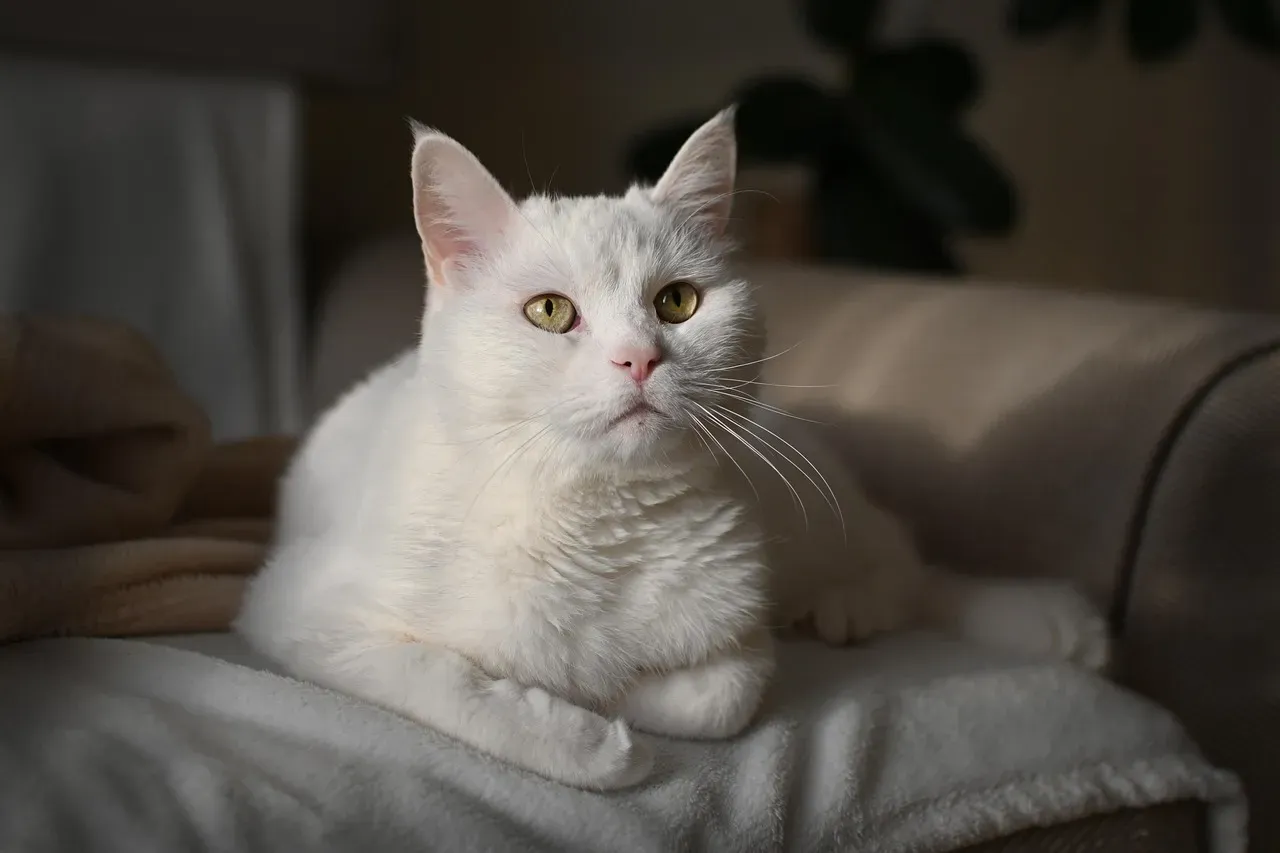
Your cat may love you, but they also really love having an easy escape route. Sitting beside you instead of on you lets them enjoy your warmth, scent, and presence without feeling pinned down. From your cat’s point of view, your lap can feel like a tiny island with high walls, while the space beside you is a wide‑open field with a couple of exits.
Instinctively, cats are both hunters and prey, which makes them experts at positioning themselves where they can relax and still bolt if anything feels off. By settling right next to you, they get to keep one paw in “snuggle mode” and one paw in “flight mode.” When you see them lying close but not touching, you’re most likely watching their safety radar and their affection run in parallel.
They Want Affection, But On Their Own Terms
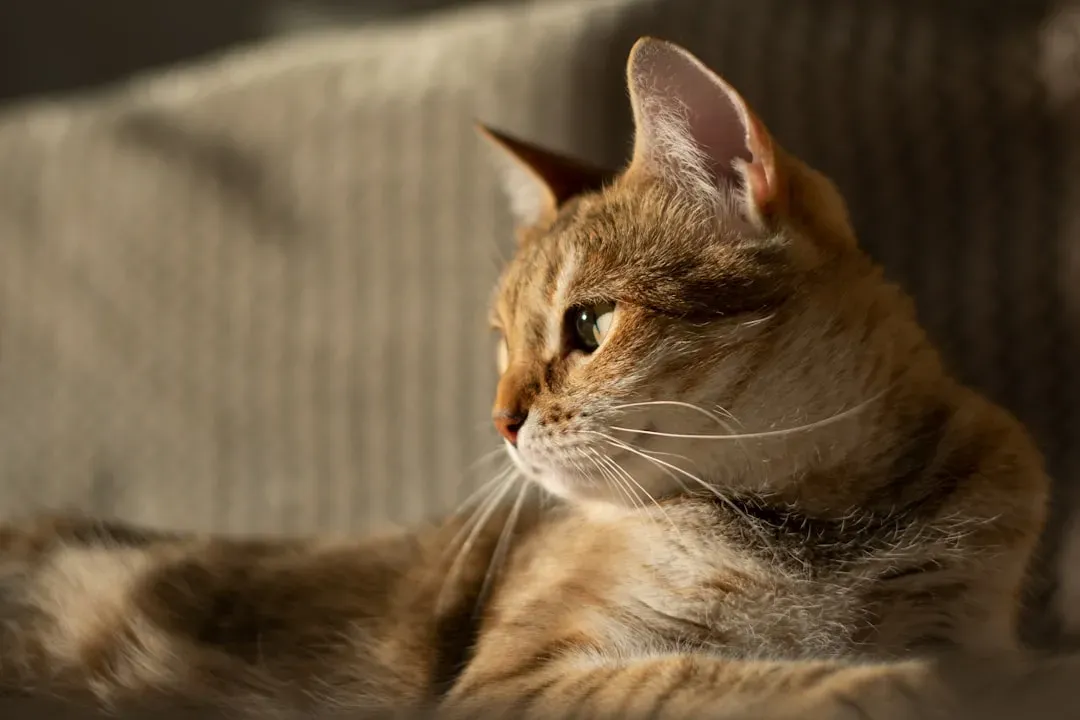
When your cat parks themself just beyond easy reach, they’re quietly negotiating the rules of contact. They want to be near you, hear you breathe, maybe even feel a bit of your body heat, but they’re not quite in the mood to be petted every time you move your hand. That space is their way of saying, “I’m here with you, but let me decide when and how we touch.”
If you wait, you’ll often notice that your cat eventually inches closer, flops a paw toward you, or bunts your hand with their head when they’re ready. In a way, that little gap is a door they keep partially open. When you respect the boundary instead of forcing cuddles, you’re basically proving that you can listen to cat etiquette, which, over time, actually makes them more likely to choose your lap willingly.
They’re Guarding You While Still Watching the Room
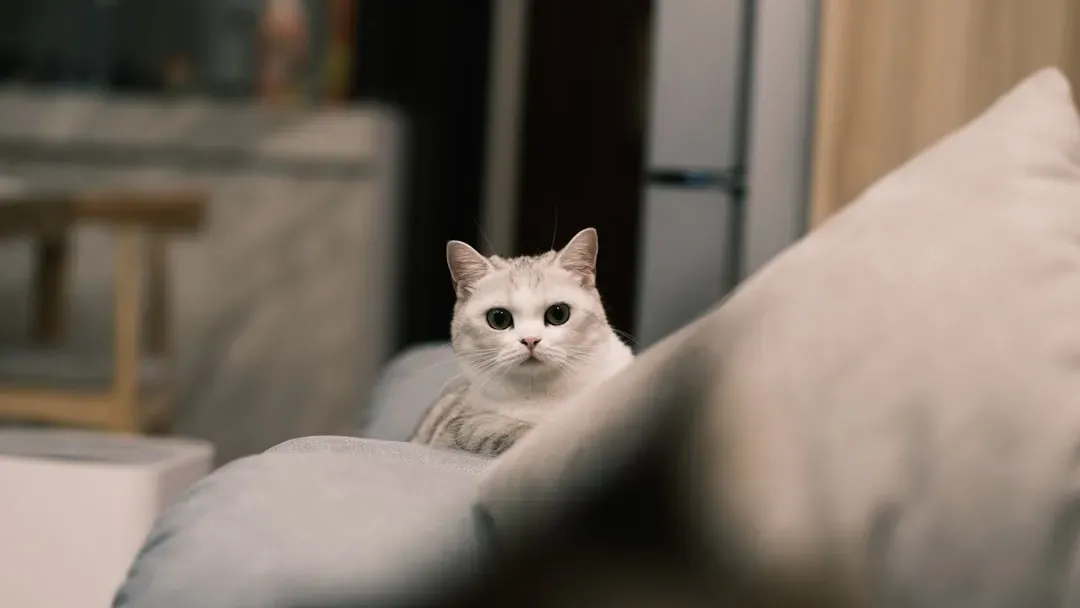
Sitting beside you gives your cat a front‑row seat to everything going on around you. From that spot, they can keep an eye on doors, windows, other pets, and the TV, all while staying within quick jumping distance of you. It’s a bit like when you sit near the aisle in a theater so you can enjoy the movie and still have a fast exit.
In multi‑pet homes, this side position can be strategic. Your cat may sit where they can physically place themselves between you and another animal, or where they can keep a rival in their peripheral vision. To you it might seem like they’re avoiding your hand; to them, they’re doing crowd control and security duty, with you at the center of their little patrol zone.
They Crave Warmth and Comfort, Not Constant Touch
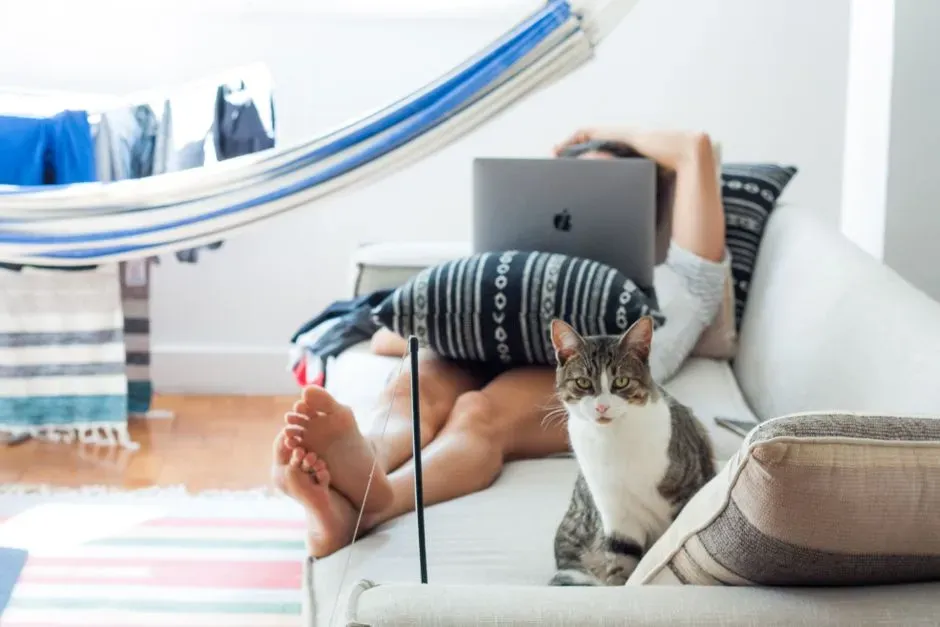
Your body gives off heat, and your couch or bed holds it, so the area around you becomes a cozy micro‑climate. Your cat may sit beside your hip or leg because that’s the warmest and most comfortable patch without the unpredictability of your moving arms and hands. Think of it as basking near the campfire instead of standing right in the smoke.
Some cats are also genuinely touch‑sensitive. A hand that shifts, scratches, or pats can be a bit overstimulating for certain nervous systems. By curling up in the warmth bubble next to you instead of pressed against you, your cat gets the comfort and security of your presence without the risk of sensory overload. You’re the heated blanket; the space is the adjustable setting.
They’re Testing and Deepening Their Trust in You
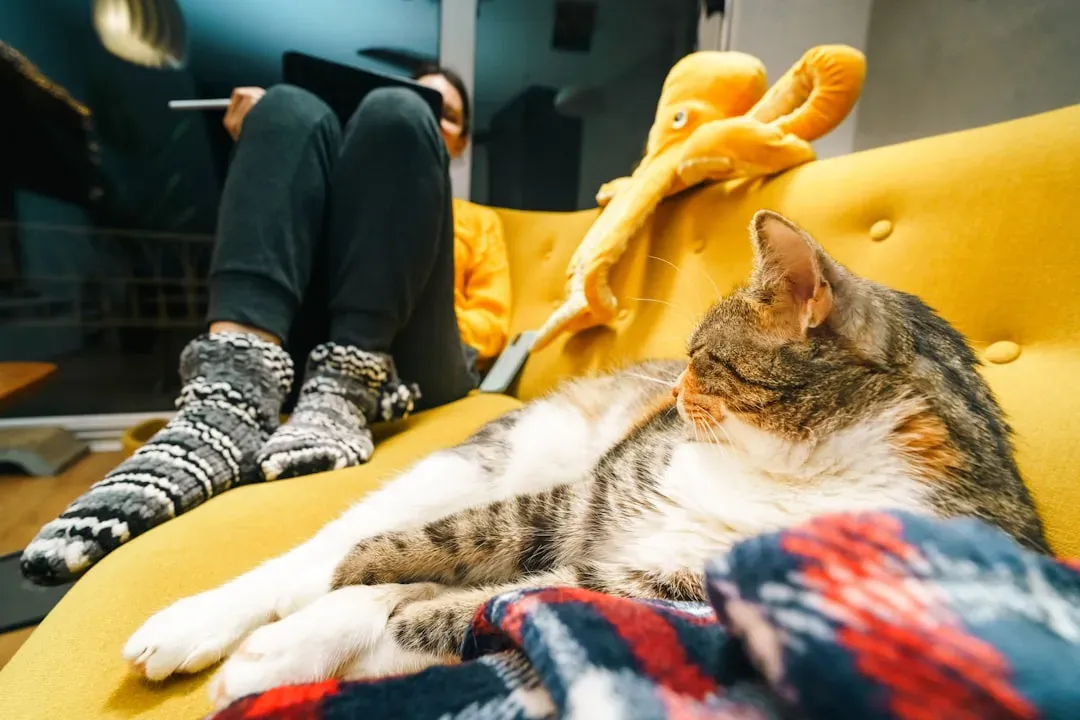
For a lot of cats, especially rescues or shy personalities, that “just out of reach” distance is actually a huge trust step. Instead of hiding under the bed or across the room, they choose to rest where you could reach them if you wanted to. That choice means they believe you’re safe enough to be near, even if they’re not ready to surrender their full body to your lap yet.
Over time, you’ll probably notice that the distance shrinks in stages. First they lie a few feet away, then one foot, then brush your leg, then maybe tentatively place a paw on you. When you let them set the pace and never punish them for retreating, you become the predictable anchor in their world. That near‑but‑not‑touching position is their way of saying, “I’m still thinking about it, but you’re winning me over.”
They’re Marking You as “Theirs” Without a Full Cuddle
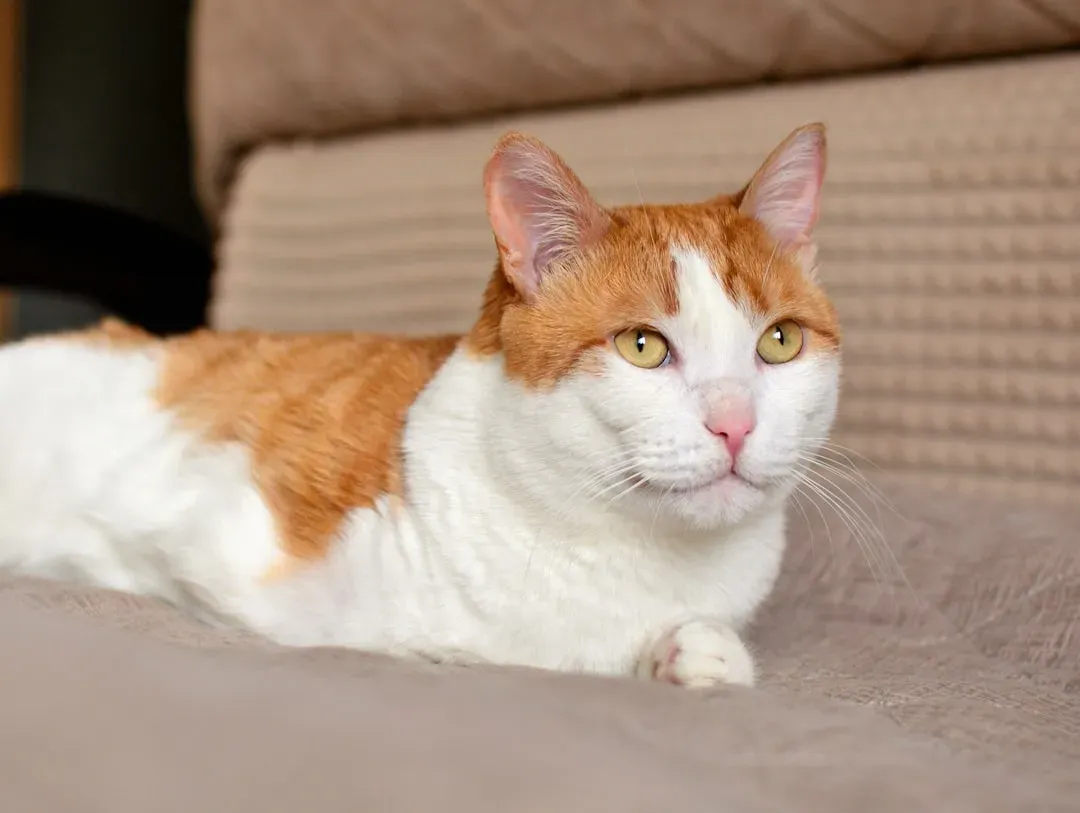
Even when your cat is not in your lap, they’re often rubbing their scent onto you and your space in sneaky ways. By settling next to your thigh or shoulder, they can transfer scent from the glands on their cheeks, flanks, and tail area to you and whatever you’re sitting on. To a cat, this is like quietly labeling you as part of their social group, no grand gestures needed.
You might notice that before or after sitting just out of reach, your cat strolls past and lightly brushes your leg, face, or chair. That’s them updating the “you smell like us” marker. They don’t have to be wrapped around your neck to claim you; all they need is consistent close contact, a few purposeful rubs, and some shared territory. In their world, you’re basically co‑signing a roommate agreement made of scent.
They’re Balancing Independence With Connection
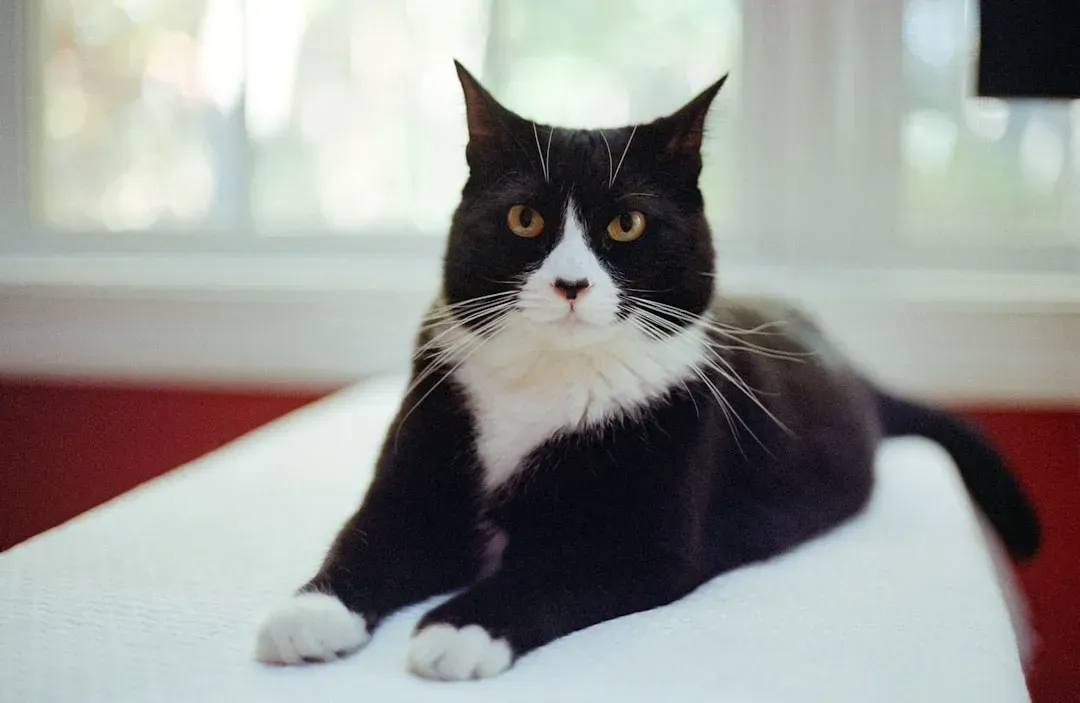
Your cat’s whole personality is a tug‑of‑war between wild independence and social bonding. Sitting beside you instead of in your arms is how they split the difference. They get the emotional security of being with you, while maintaining the psychological comfort of feeling like their own creature, not your plush toy. It’s a very cat way of saying, “I love you, but I also love being me.”
If you pay attention, you’ll see that this balance shifts through the day. In the morning they might hover nearby while you work, then at night they suddenly decide your chest is the only acceptable pillow. When you allow for both modes without guilt or pressure, you give your cat the freedom to be close to you because they want to be, not because you insist on it. That freedom is often what turns a standoffish cat into a surprisingly affectionate one.
They Might Be Protecting Sensitive Spots or Past Hurts
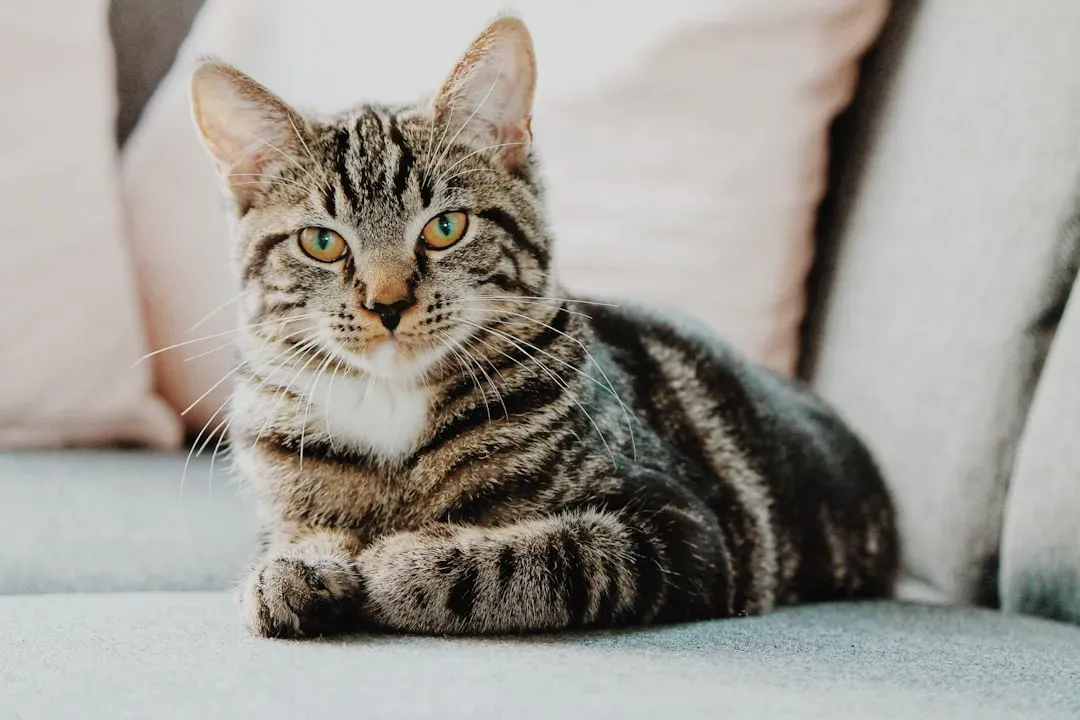
If your cat consistently stays just out of reach, especially on one side of their body, they may be quietly protecting an area that feels sensitive. Past injuries, arthritis, skin irritation, or sore joints can all make touch uncomfortable, even when your cat wants to be near you. From their perspective, sitting beside you but not under your hand lets them enjoy your company without bracing for unexpected pressure on a tender spot.
You may also be dealing with emotional echoes from earlier experiences. A cat that learned humans can be rough, loud, or unpredictable might instinctively keep a small safety zone until time proves otherwise. If you notice flinching, twitching skin, or annoyance when you pet certain areas, it’s worth speaking with a vet and tweaking how and where you touch them. Respecting that invisible fence can slowly rewrite a whole history of “hands might hurt” into “hands are safe and gentle.”
They’re Reading Your Body Language As Much as You Read Theirs
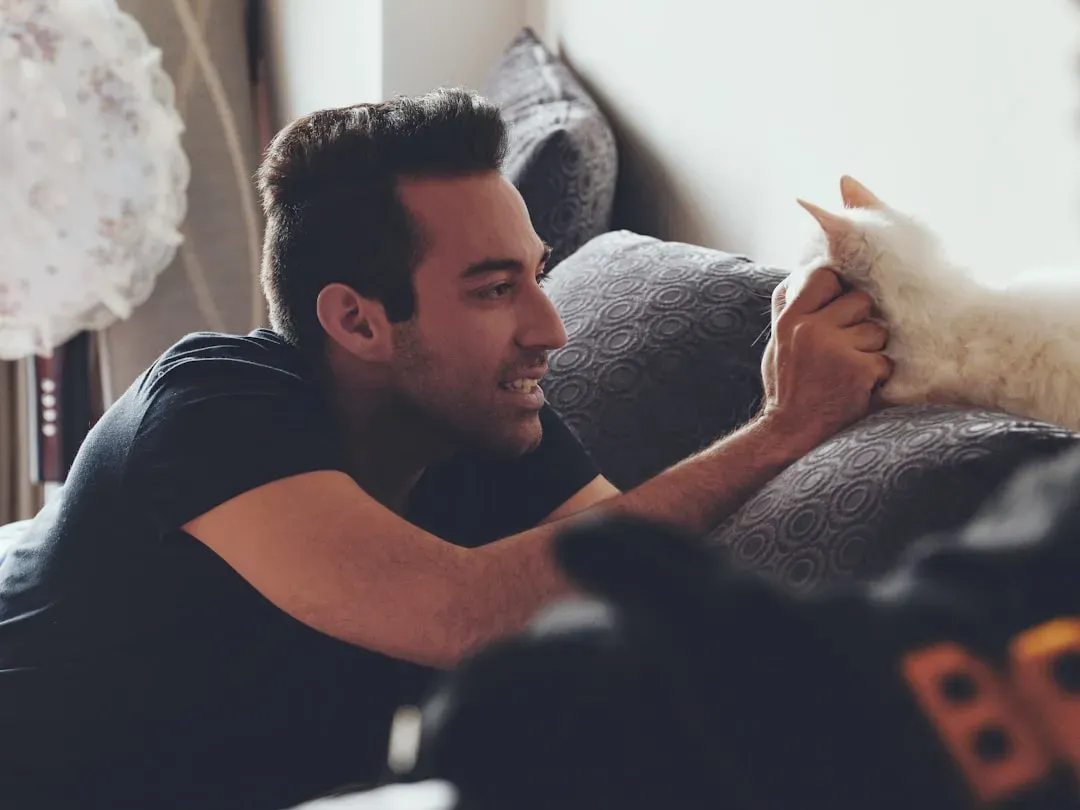
Your cat is constantly watching how you sit, move, and react. If you tend to fidget, shift positions, or suddenly stand up, your lap might look like a moving train to them, while the cushion next to you feels like a stable platform. Even things you barely notice – like tapping your foot or glancing at your phone – can signal to your cat that you’re not fully still, so the edge of your personal space becomes the compromise.
When you intentionally become calm and predictable, you’ll often see your cat drift closer on their own. Try sitting still for a while, keeping your hands low and relaxed, and letting them make the first contact. Over time, they’ll form a mental picture of you as a safe, steady place to rest. That slight distance they keep at first is just their way of collecting data on how your body behaves when they’re within cuddle range.
How You Can Gently Encourage Closer Cuddles

If you’d secretly love more full‑on couch snuggles, you can nudge things in that direction without pushing your cat past their comfort zone. Start by rewarding any small moves closer: when they choose to lie against your leg or nudge your hand, respond with calm petting in their favorite spots and a soft voice. You’re teaching them that choosing your body as a resting place leads to good things, not overwhelming attention.
You can also invite, rather than grab. Pat your lap lightly, keep a soft blanket there, or sit in one specific “cuddle spot” at the same time every day. Over weeks, those rituals become little signals that say, “Here’s your safe nest if you want it.” If your cat still prefers the just‑out‑of‑reach position, that’s okay too. You’re not failing; you’re just living with an animal whose love language is quiet proximity instead of full‑body hugs.
Conclusion: That Tiny Gap Is Bigger Love Than You Think
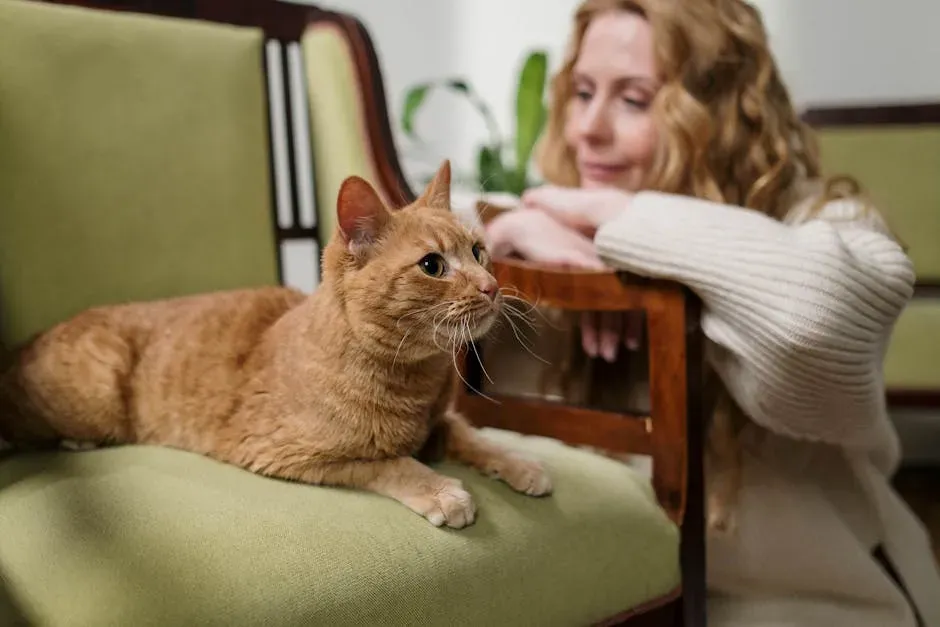
The next time your cat settles , try seeing it as a carefully chosen compromise instead of a rejection. In that exact spot, they’re blending safety, control, habit, and affection in a way that makes sense to their instincts, even if it tugs at your human heart a little. You’re close enough to matter deeply, but not so close that they lose the freedom they value so much.
When you meet your cat in that space – literally and emotionally – you stop chasing them for proof that they love you and start recognizing the quieter proof that’s already there. The soft snore at your side, the slow blink across the cushion, the way they always choose your room even when there are emptier, quieter options elsewhere. In their language, that little distance is not them pulling away; it’s them staying, again and again. Knowing that, does that two‑inch gap feel different now?
Kristina is a young writer from India. An arts graduate and an avid content creator, Kristina is passionate about animals and wildlife. She enjoys exploring topics related to pet care, animal behavior, conservation, and nature, combining thorough research with engaging storytelling.