Have you ever woken up with a face full of fur, struggling to breathe under the warm weight of your feline companion? You’re not alone in this peculiar experience. Cats have some truly bizarre habits, and this one has left countless pet owners baffled, amused, and sometimes a little sleep-deprived.
But here’s the thing. When your cat chooses to sleep , there’s actually a lot more going on beneath that soft, purring surface. This isn’t just some random quirk or an attempt to annoy you at three in the morning. This behavior tells a fascinating story about trust, instinct, warmth, and the deep emotional bond between you and your furry friend.
The Warmth Factor Is Real
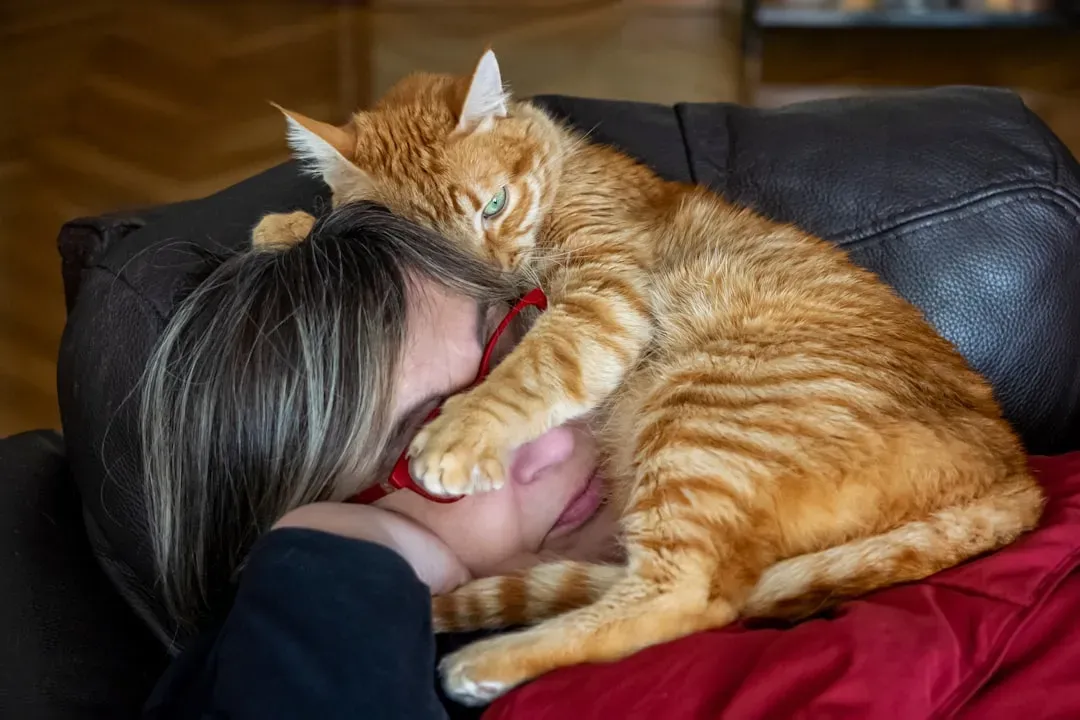
Your head radiates body heat all night, making it one of the warmest places on the bed. Think about it for a second. While the rest of your body is tucked snugly under blankets, your head is usually the only exposed part. For a creature that naturally seeks warmth, this is like finding the perfect heated pillow.
A cat’s normal body temperature is 102 degrees Fahrenheit, considerably higher than our 98.6-degree average. Maintaining that temperature takes effort, especially when they’re resting. Cats don’t have the luxury of pulling a blanket over themselves, so they seek external heat sources instead.
Human heads release a consistent amount of heat, creating an ideal temperature zone that cats find irresistible, especially during cooler nights, mirroring the cozy comfort they experienced as kittens when huddling with their mothers and siblings. Your pillow becomes their own personal warming station.
Trust Beyond Measure
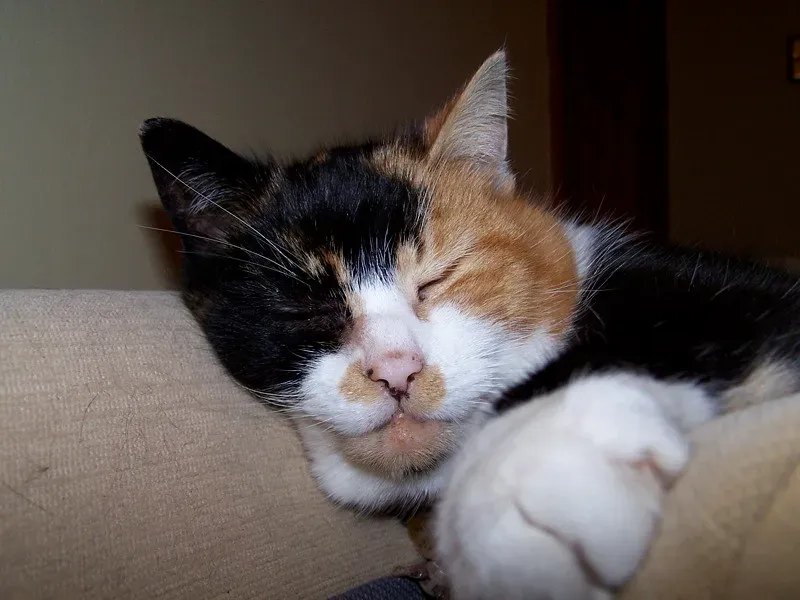
When a cat sleeps on your head, it’s an indication of trust, since a cat is most vulnerable to predators when they are sleeping, and they’re trusting you to keep them from harm. Let’s be real, this is huge. Cats are both predators and prey animals in the wild, which means they’re naturally cautious about letting their guard down.
Sleep represents the most vulnerable state for any animal. In the wild, sleeping is a vulnerable time and leaves animals open to being attacked by predators. So when your cat parks itself on your head for a nap, it’s essentially saying, “I trust you completely with my safety.”
When your cat chooses to sleep by your head, they’re demonstrating a profound level of trust, and choosing to rest near your face shows they consider you a safe and reliable presence in their life, indicating a strong emotional bond.
Scent Marking and Territory Claims
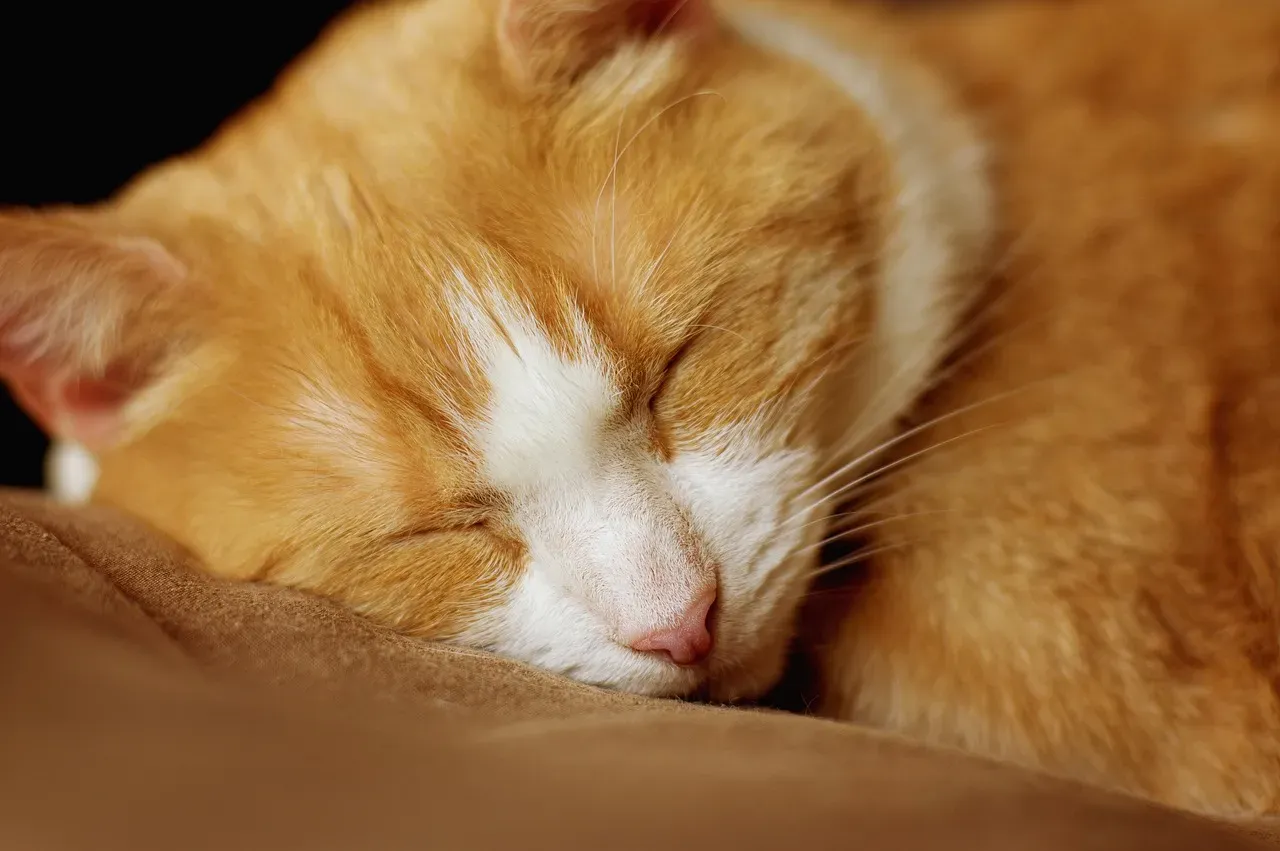
Here’s where things get interesting. Cats have scent glands that release pheromones, mainly found around the head including the cheeks, under the chin, on the forehead, and at the corners of the mouth. When your cat rubs against your head or pillow, they’re not just being affectionate.
When your cat sleeps with you and rubs their face on you or your pillow, they are leaving a scent that marks you as theirs! It sounds possessive, but it’s actually quite endearing. They’re claiming you as part of their social group.
Your head produces the strongest scent due to hair, breath, and skin oils, making it a natural comfort zone for your cat, with the familiar aroma reassuring them and creating a feeling of safety and trust. Your scent brings them comfort in the same way a favorite blanket might comfort you.
Stability and Minimal Movement
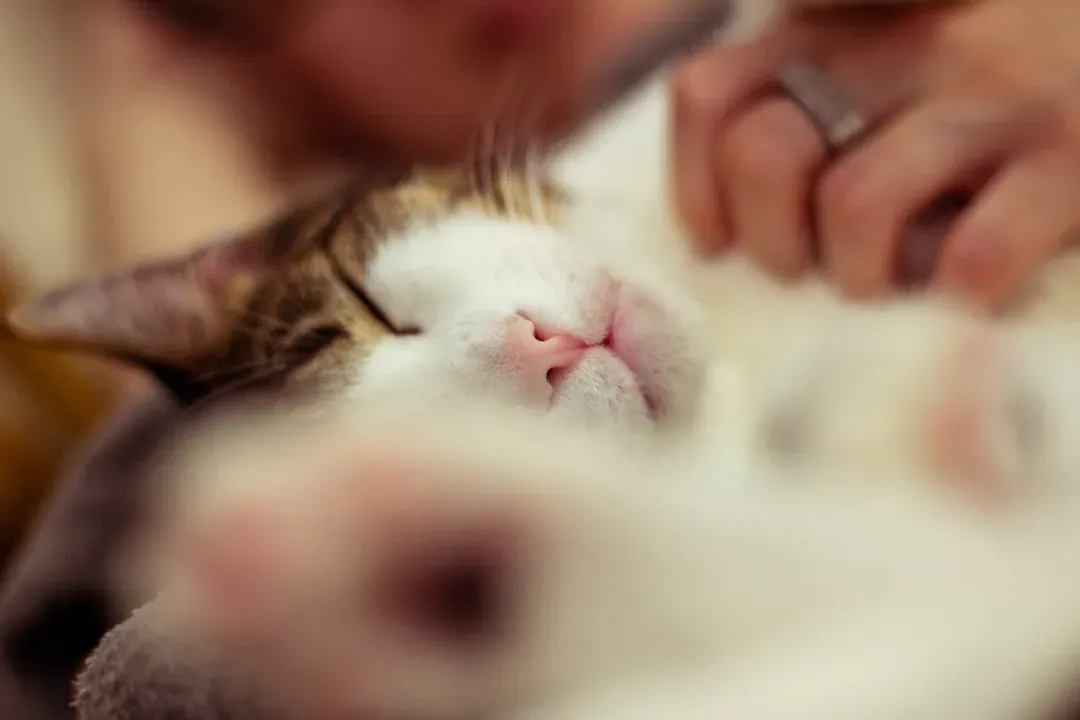
The top of your head is relatively stable compared to other parts of your body, making it an ideal spot for uninterrupted sleep, and since cats are sensitive to movement during their rest periods, your head provides a secure platform. Think about how much you toss and turn at night.
Your legs might kick. Your arms flail around. Your torso shifts from side to side. Your head also tends to move less than other body parts, like your legs or feet, making it an ideal spot for uninterrupted rest. For a cat that values undisturbed sleep, your head is the obvious choice.
Honestly, if you were a cat, wouldn’t you choose the spot least likely to suddenly shift and dump you onto the floor? Cats are practical creatures, after all.
Monitoring and Easy Access
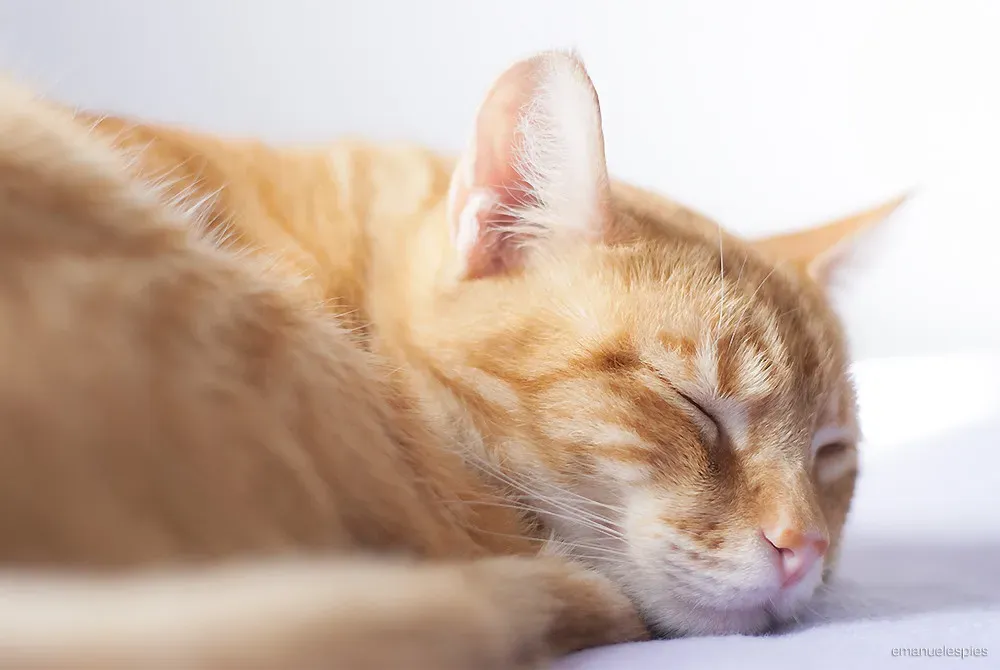
Sleeping by your head gives your cat easy access to you, and poised by your head, a cat can easily reach out and wake you for food, attention, or other needs. Let’s not pretend this isn’t partially strategic. Your cat knows exactly what it’s doing.
Other cats may prefer to sleep on your head to keep closer tabs on you, so in case you get up in the middle of the night, they will feel the motion and your absence so they can follow you, and positioning themselves at your head ensures the cat can also easily wake you up.
It’s hard to say for sure, but your cat might just be a tiny, furry control enthusiast. They want to know where you are at all times, and what better vantage point than right on top of your head? Plus, when breakfast time rolls around at five in the morning, they’re perfectly positioned to pat your face until you get up.
Deep Emotional Bonding
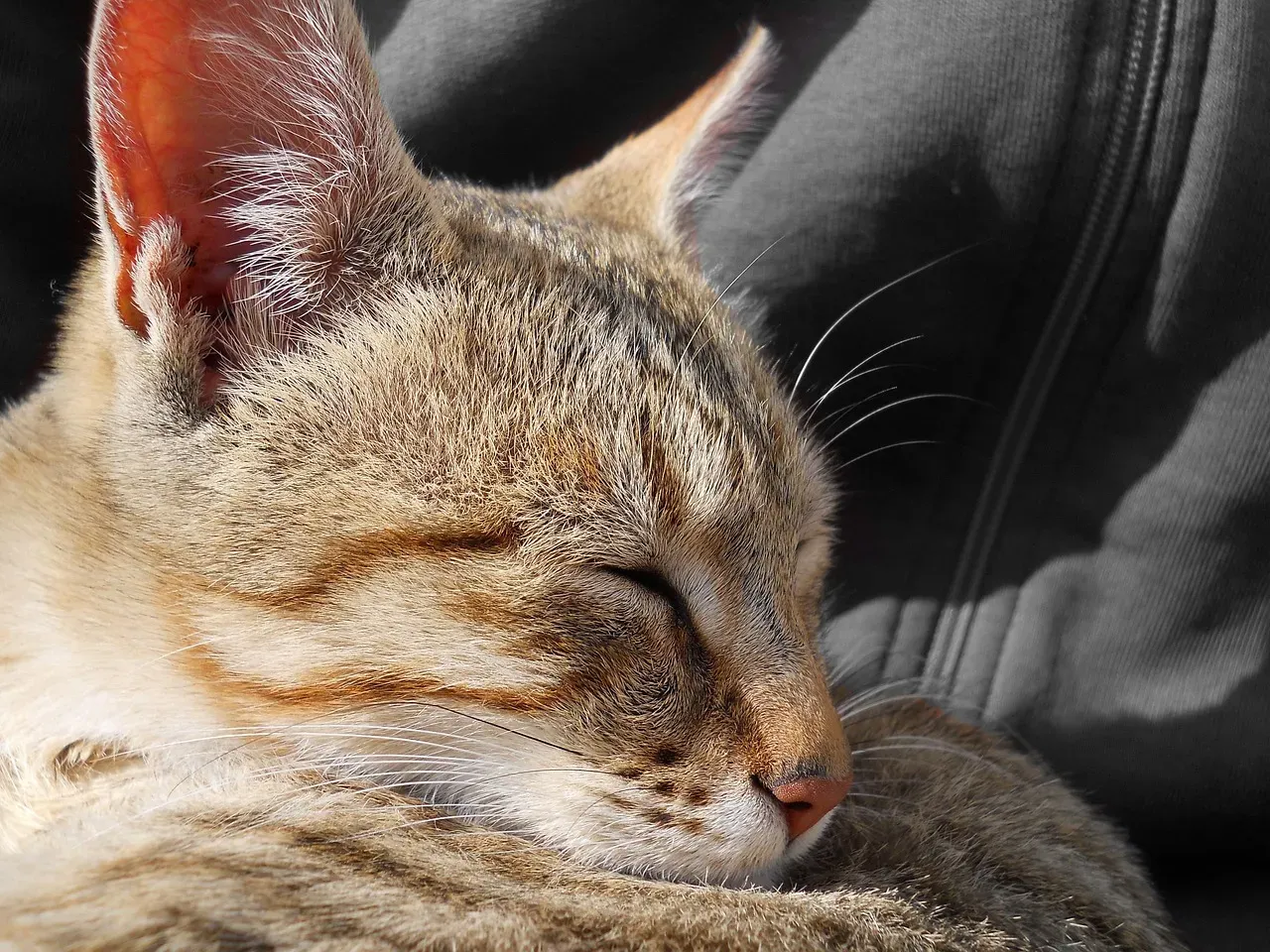
You should be flattered when your cat wants to sleep on your head – this is a clear sign that your cat prefers your presence. This isn’t just about warmth or convenience. There’s genuine affection at play here.
If , it’s likely expressing affection and choosing to be near its favorite person, and this behavior can be a form of snuggling or a way to share personal space, with sleeping in close proximity being one of many signs your cat loves you.
If a cat is sleeping on your chest, it’s likely because it enjoys the sound of your beating heart and feels safe, with a cat’s oxytocin levels higher when bonding and being social. The same principle applies when they’re perched on your head. They’re seeking connection with you.
One of the benefits of allowing a cat to sleep on your head is the strengthening of the human-animal bond; it builds a deeper and stronger relationship.
Instinctive Wild Behavior
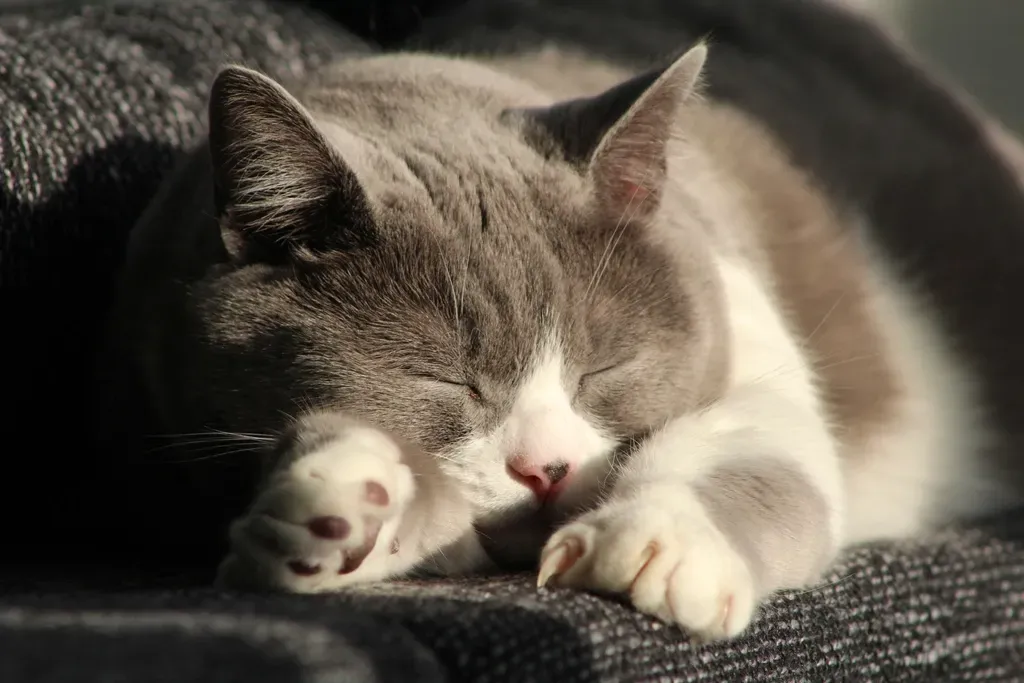
In the wild, cats often sleep in places that let them remain alert while still getting rest, with a cat sleeping on your head likely choosing that spot for warmth and security, and cats instinctively seek safe, cozy places to rest. Even your pampered indoor cat carries these ancient instincts.
Wild cats would seek elevated positions that offered both protection and a good view of their surroundings. Your head represents a high point on the bed, giving your cat a sense of elevation and security. This instinctive behavior is deeply rooted, even if your indoor cat doesn’t face real threats, with many cats preferring to sleep where they can monitor their surroundings and quickly react if needed.
It’s actually quite fascinating when you think about it. Thousands of years of domestication haven’t erased these survival instincts. Your cat is essentially living out its evolutionary programming while simultaneously enjoying your body heat.
Dealing With the Head-Sleeping Habit
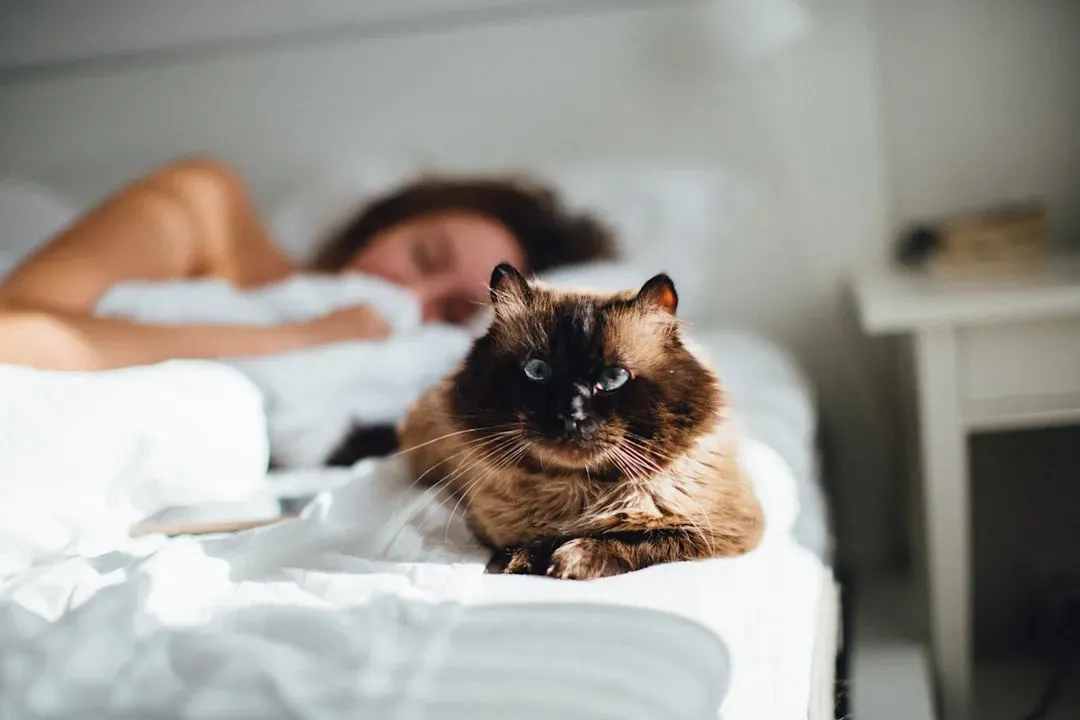
Now, not everyone finds this behavior charming at four in the morning. Some people who are allergic to cats can be tolerant of their presence in the house, but prolonged close contact with a cat on their face may aggravate their symptoms, causing them to wake up to itchy eyes, sneezing, and congestion.
If you’re looking to prevent your cat from sleeping on your head, create alternative cozy sleeping locations nearby by placing a soft pillow or small blanket close to your bed to offer a warm, comfy spot that satisfies the cat’s need for body heat and proximity.
A heated cat bed can be an easy way to redirect your furry friend off your face and bed if your kitty is motivated by warmth. The key is providing an equally appealing alternative rather than simply rejecting your cat outright. You want them to feel loved while also protecting your own sleep quality.
Conclusion
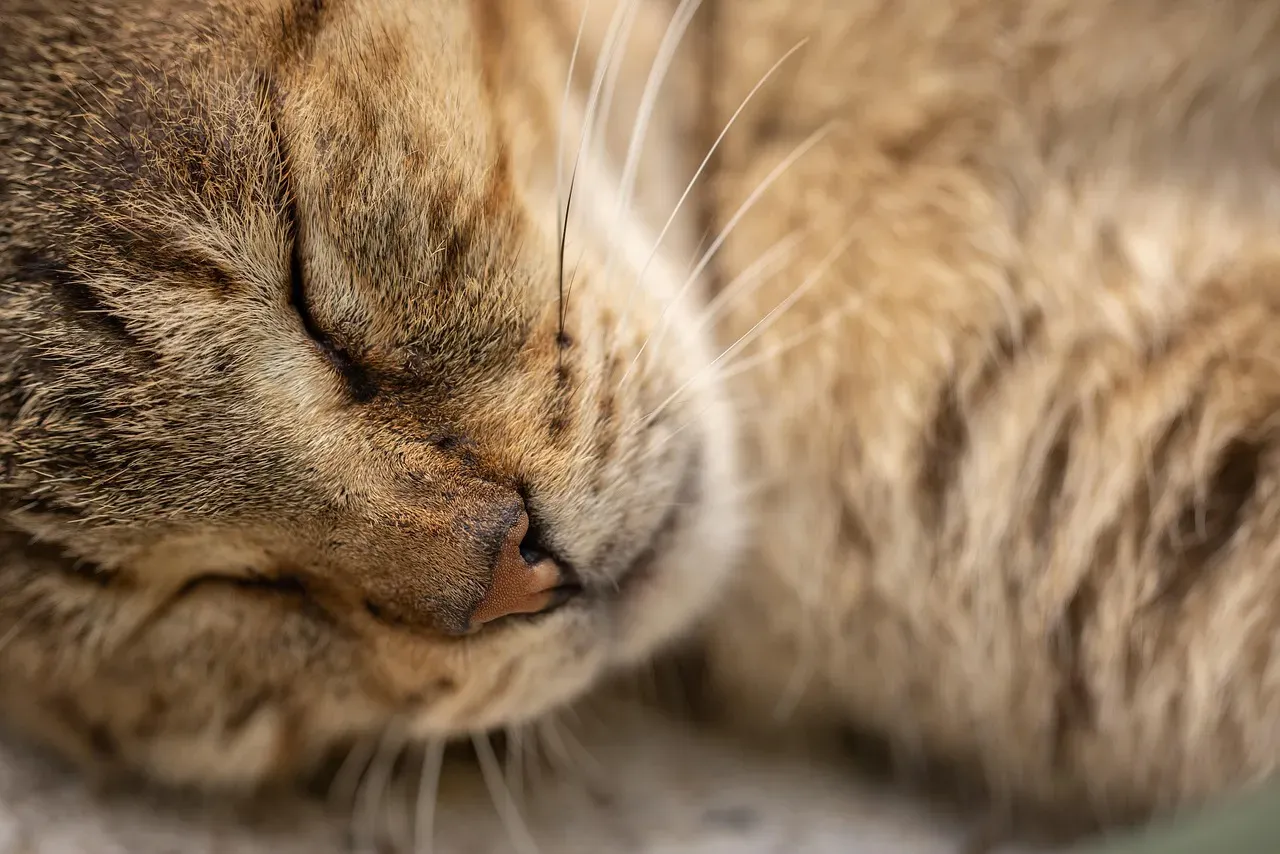
Your cat sleeping on your head is far from a random annoyance. It’s a complex behavior rooted in biology, instinct, trust, and genuine affection. From seeking warmth and stability to demonstrating profound trust and bonding with you, this quirky habit reveals just how deeply your cat values your presence in their life.
Whether you embrace this nightly ritual or gently redirect your feline to a heated bed nearby, understanding the reasons behind this behavior helps you appreciate the unique bond you share. Your cat sees you as safety, warmth, family, and home, all rolled into one.
What do you think about your cat’s head-sleeping habit? Does it annoy you or make you feel special? Share your experiences in the comments.