You’ve probably seen it happen a hundred times. Your cat is lounging peacefully on the couch, looking like a statue of feline serenity. Then, out of nowhere, those eyes dilate. The ears flatten back. Within seconds, your once-calm companion transforms into a furry tornado, ricocheting off furniture like a pinball and racing through your home at speeds that would make a racecar driver jealous. Welcome to the world of cat zoomies.
Most cat owners laugh it off or chalk it up to their pet being a bit bonkers. Maybe you’ve wondered if your cat ate something weird or if they’re just bored. Here’s the thing though: those wild bursts of energy aren’t random acts of chaos. They’re actually something far more wonderful than you might think.
The Science Behind the Speed Demon
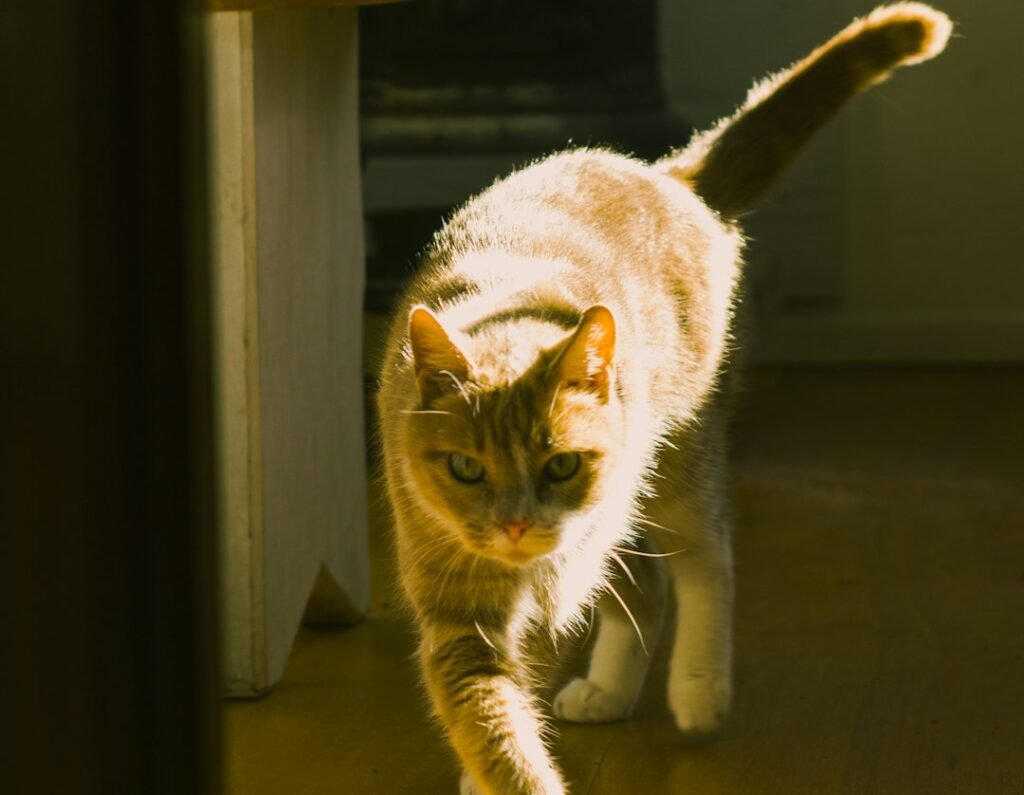
Cat zoomies have an official scientific name: Frenetic Random Activity Periods, or FRAPs for short. Sounds fancy, right? These energetic outbursts are perfectly normal feline behavior, despite how startling they might seem when your cat suddenly launches off the back of your sofa at three in the morning.
Zoomies are a sign of a healthy, energetic, and happy cat, meaning they’re comfortable and feel safe enough in their environment to let loose and play. Think about it this way: a stressed or frightened cat wouldn’t waste precious energy sprinting laps around your living room. They’d be hiding under the bed instead. The fact that your cat feels secure enough to zoom means you’re doing something right.
It’s Not Just About Burning Calories
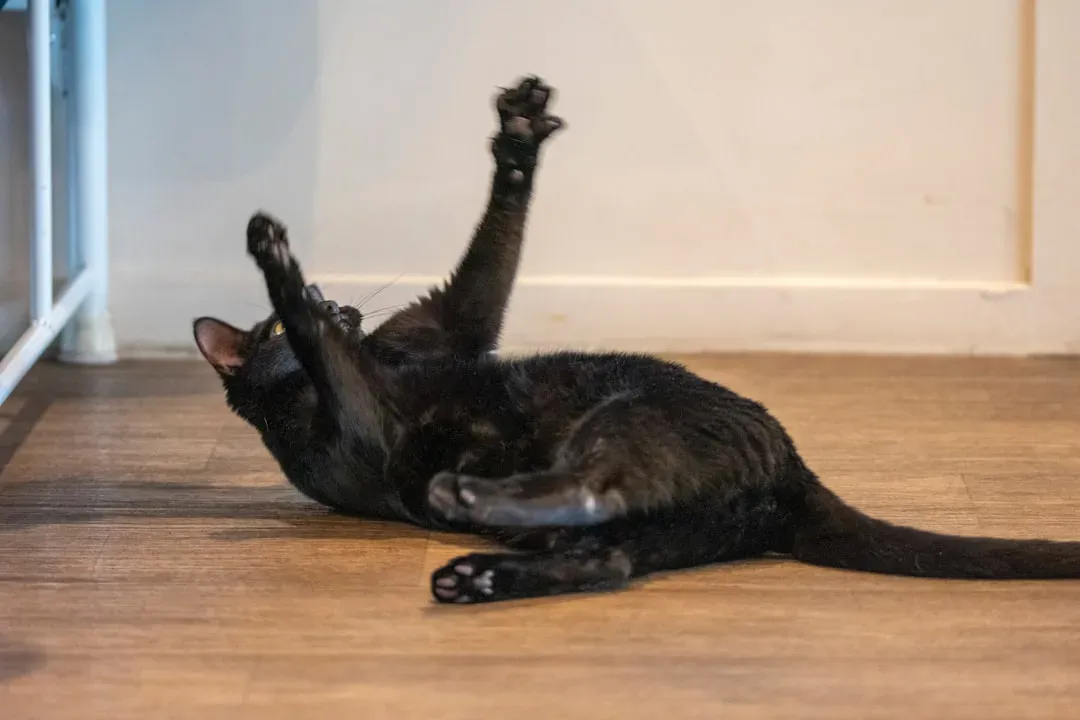
Let’s be real here, cats sleep for roughly half to two-thirds of every day. Anywhere between twelve to sixteen hours a day is spent in dreamland, conserving energy like little furry batteries. When they finally wake up, they need to shake off that grogginess and get their systems running again.
FRAPs may release endorphins, causing a pleasurable or euphoric response, and from a physical standpoint, these bursts of activity can strengthen muscles, boost cardiovascular health, and support overall well-being. Your cat isn’t just running around mindlessly. They’re experiencing genuine pleasure, maybe even a natural high from the rush of movement and the thrill of the chase, even if that chase is purely imaginary.
The Inner Predator Comes Out to Play
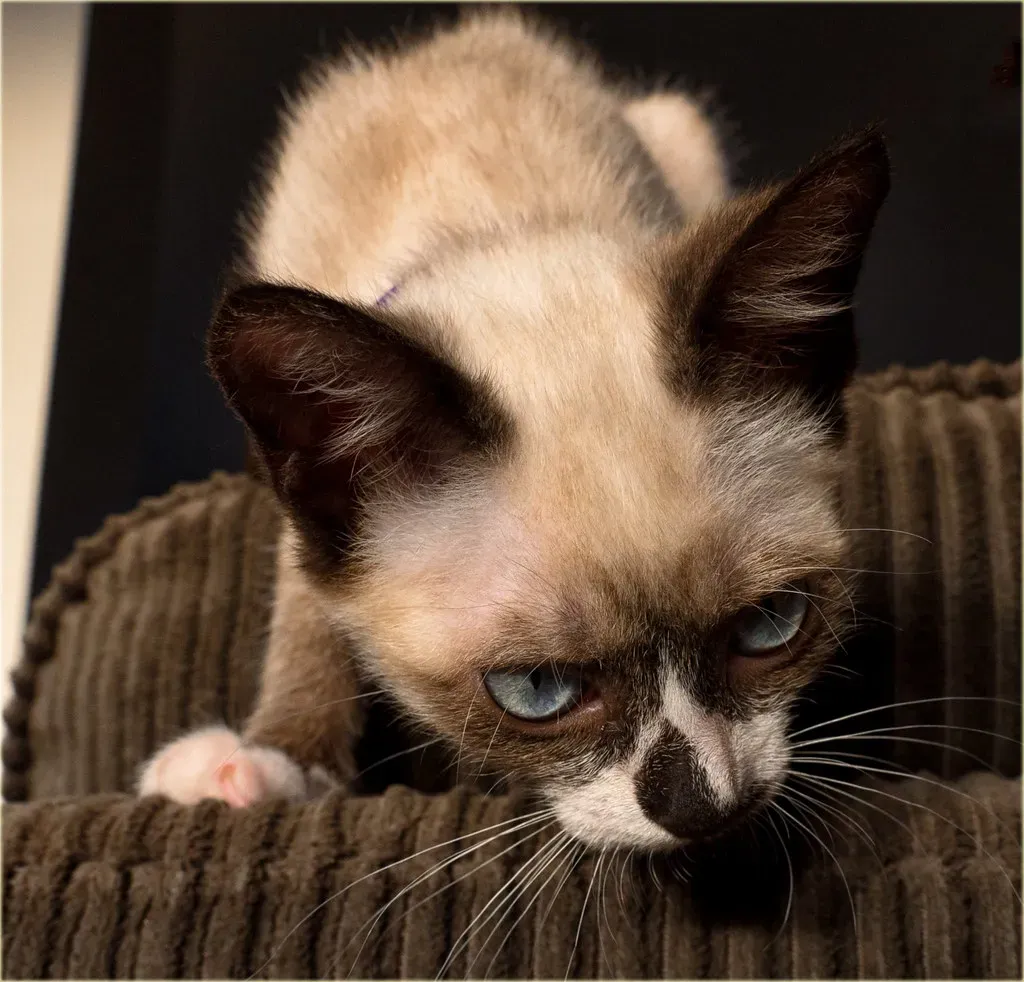
Cats are predators by nature, and even if they live indoors, they still have bursts of energy hardwired into their behavior – in the wild, a cat would stalk prey, chase it, and then rest. Your pampered house cat might not need to hunt for survival, yet those ancient instincts remain very much alive.
Zoomies may originate from cats’ natural predatory instincts, as the bursts of activity with their sudden sprints and sharp turns may represent hunting behaviors. Those wild zigzags across your carpet? Your cat is essentially practicing the art of the hunt, honing skills their ancestors needed to survive. It’s beautiful, honestly, watching a creature that’s never had to catch a meal in their life still driven by the call of their wild heritage.
Timing Is Everything in the Cat World
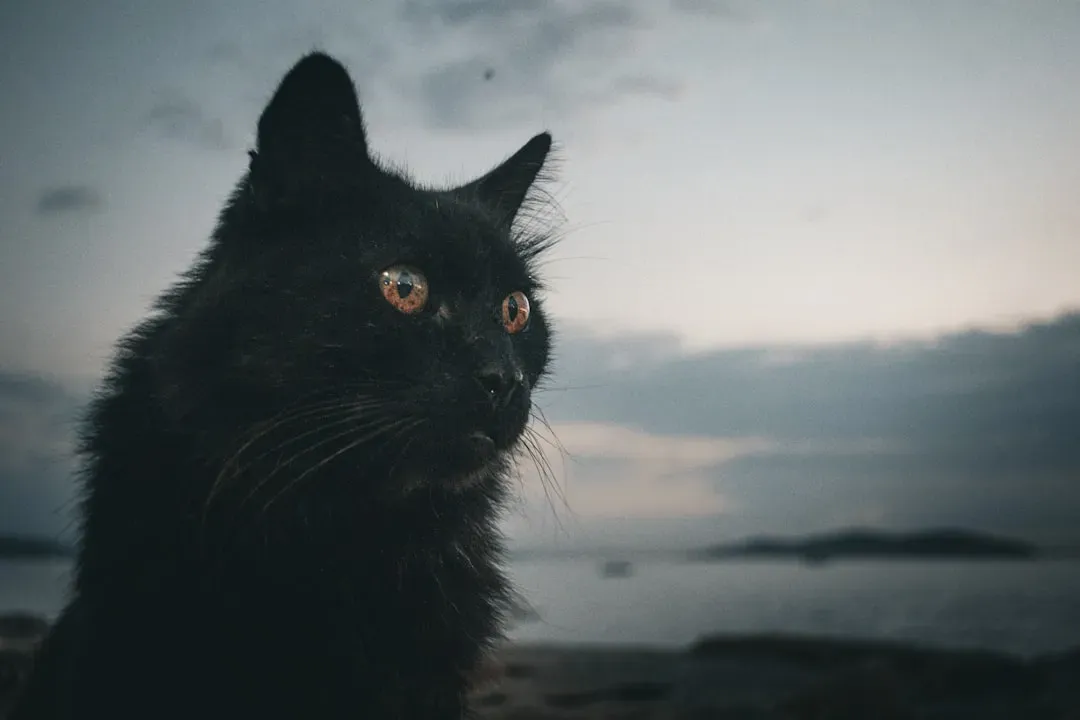
Since cats are crepuscular, meaning they are most active at dawn and dusk, it’s no surprise that many pet parents notice zoomies happening during the early morning or evening hours. If you’ve been rudely awakened by the sound of your cat galloping down the hallway at five in the morning, now you know why.
Cats are most active at dawn and dusk as this is when they would hunt, and they spend most of the hours a day napping, so by nighttime they’re full of energy and ready to hunt or play. It’s frustrating when you’re trying to sleep, I know. Your cat, though? They’re just following millions of years of evolutionary programming that says this is prime hunting time.
The Post-Bathroom Victory Lap
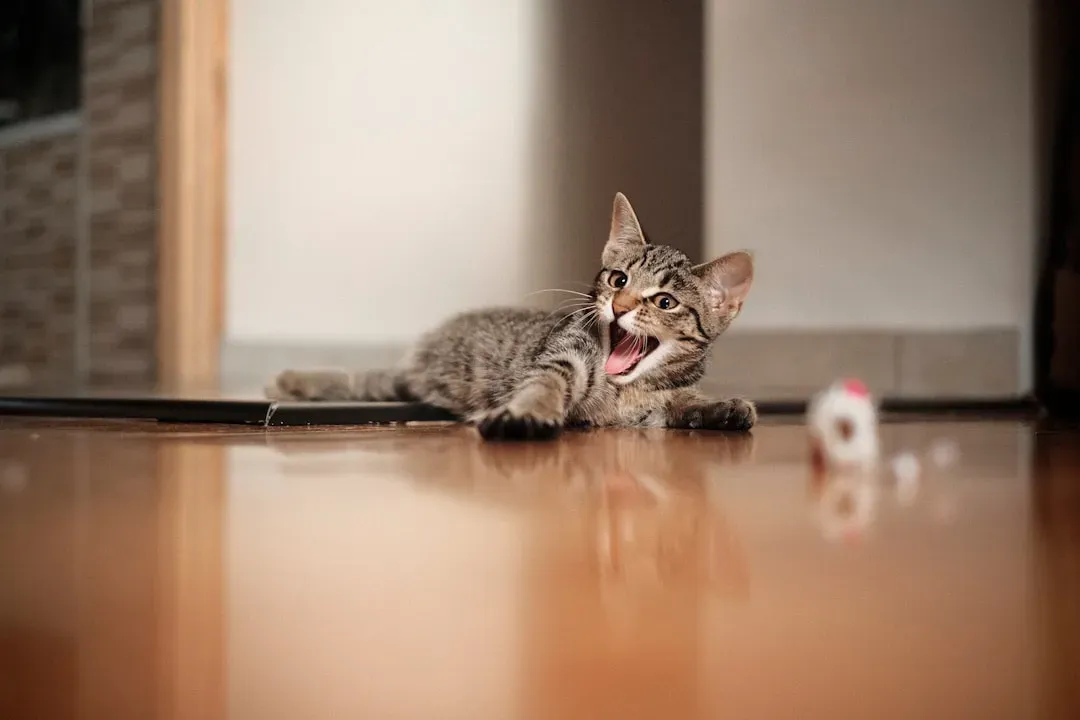
Have you noticed your cat tearing around the house immediately after using the litter box? You’re not imagining things. Defecating stimulates the vagus nerve, which can lead to a feeling of release or relief, and depending on the cat’s personality, that might lead to excitement and zoomies.
The relief from a completed poo can stimulate this nerve and cause a burst of euphoric and ecstatic feelings that send your cat careening around the house. Yeah, your cat might literally be experiencing a euphoric bathroom high. It sounds bizarre, yet it’s completely natural. Some researchers even call it “poo-phoria,” which is both hilarious and oddly fitting.
Happiness Has a Speed Limit (Spoiler: It’s Really Fast)
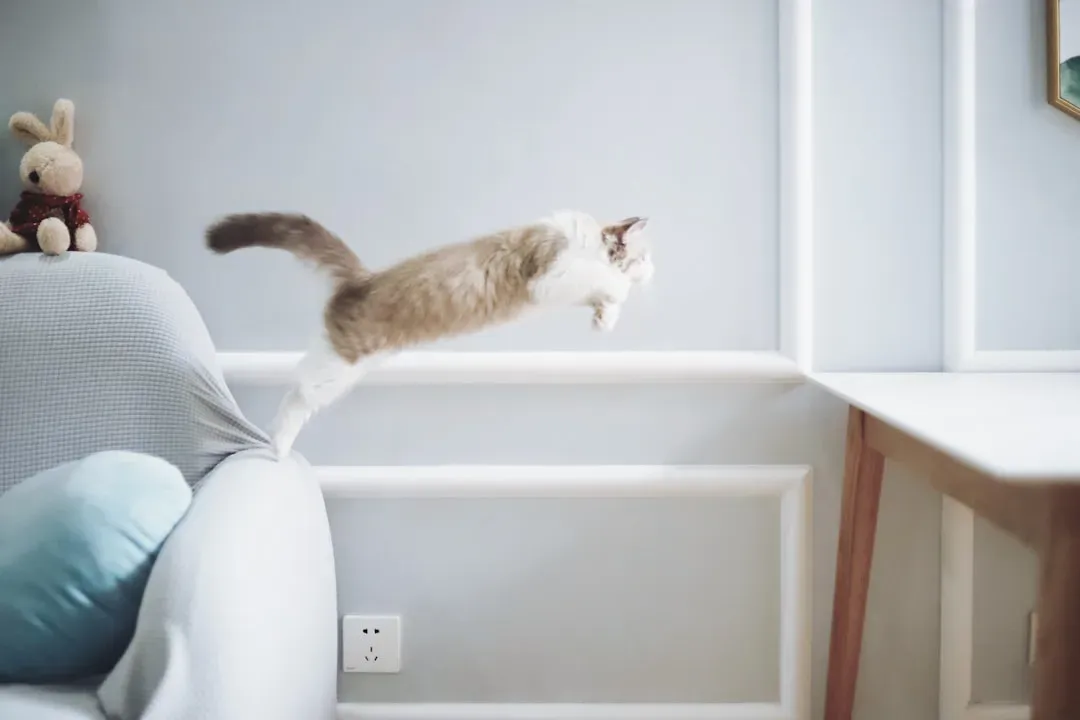
Sometimes, zoomies are simply a sign of pure happiness and excitement – you might notice your cat getting the zoomies when you come home from work, or right before mealtime, or after a particularly fun play session. These aren’t just energy releases. They’re celebrations.
When you see your pet enjoying a burst of the zoomies, take it as a heartwarming display of their happiness and playfulness. Your cat is essentially throwing a one-animal party, and you’re invited to watch. It’s their way of expressing unbridled joy in the only language they know: pure, unfiltered speed.
When Joy Looks Different from Stress
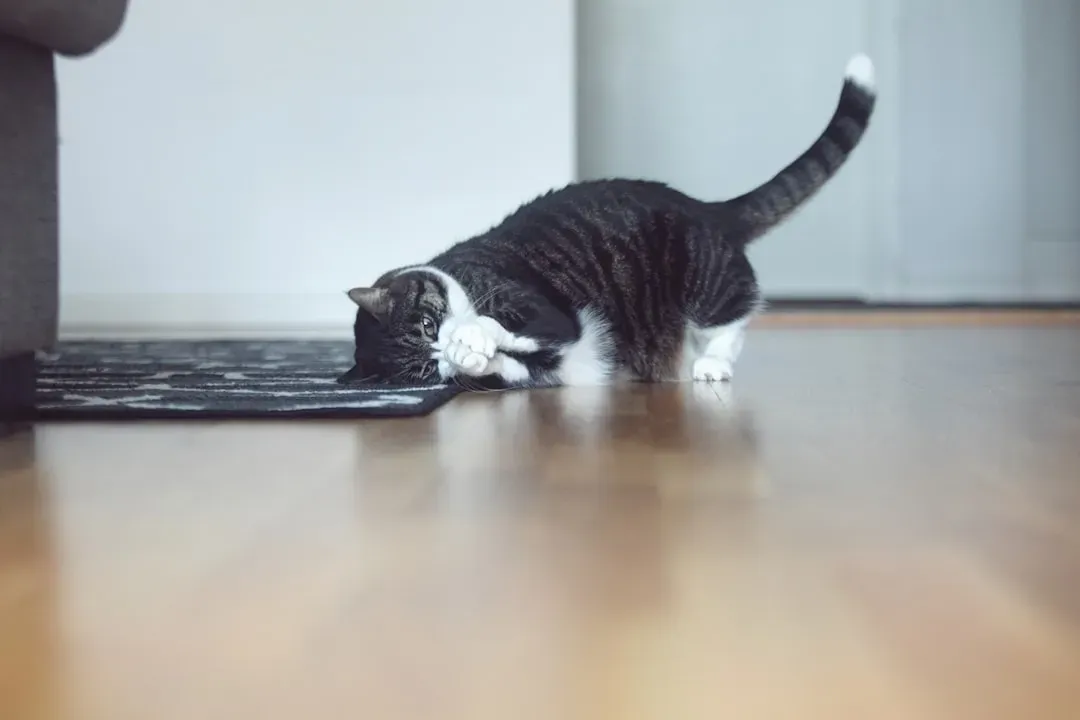
Playful zoomies often occur when a cat has been inactive and suddenly feels energized, and in these cases, the cat will typically show relaxed body language: ears in a neutral or forward position, tail upright or gently swishing, and possibly making playful sounds like chirps or meows. That’s the joyful version you want to see.
Anxiety or distress can trigger zoomie-like behavior, though these episodes typically look different from playful ones – anxious cats often appear uncoordinated or frantic during these moments. If your cat’s body language shows flattened ears, a puffed tail, or rigid posture, that’s a different story entirely. Pay attention to the signals. A happy cat looks loose and fluid during their zoom sessions, not tense or panicked.
Keeping the Joy Safe and Sound
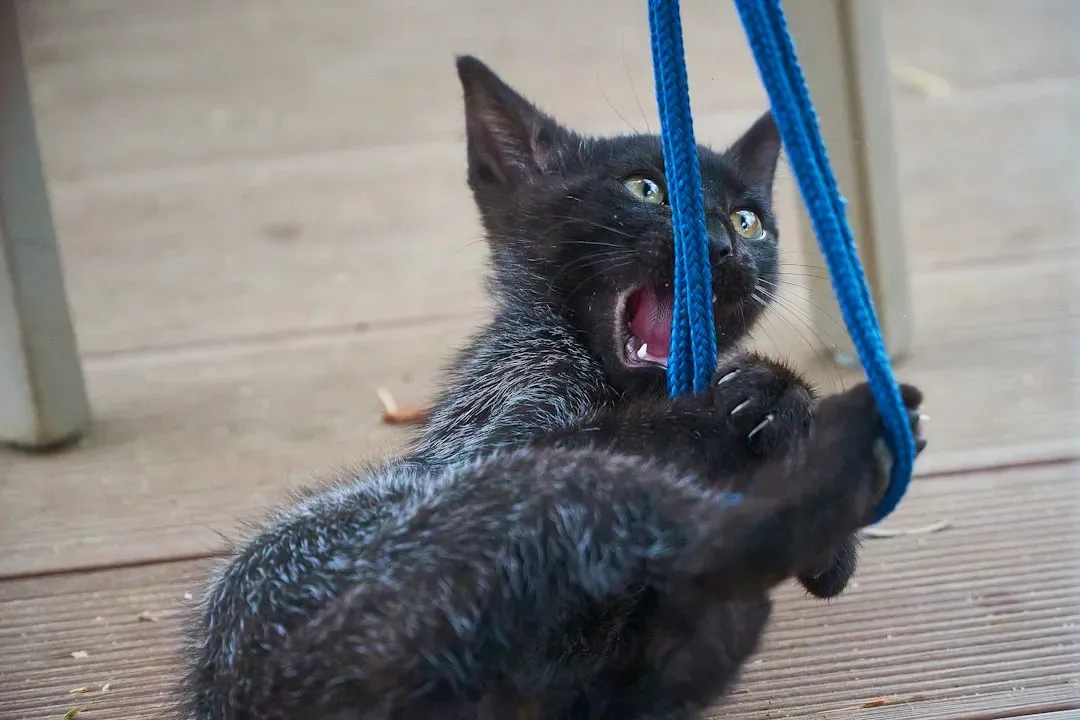
The key to a happy and healthy cat is daily enrichment and exercise, as research has shown that play isn’t just fun – it’s an important indicator of animal welfare, and cats who engage in a variety of games and interact regularly with their guardians tend to have better quality of life and stronger human-animal bonds.
In most cases, you don’t have to do anything if your cat gets the zoomies except take a funny video or two, and you can try tossing your cat a toy if they seem interested. Just make sure your home is a safe racetrack. Move fragile objects out of their favorite zoom path, secure anything that could topple, and let them have their moment of pure, unfiltered feline bliss.
Conclusion
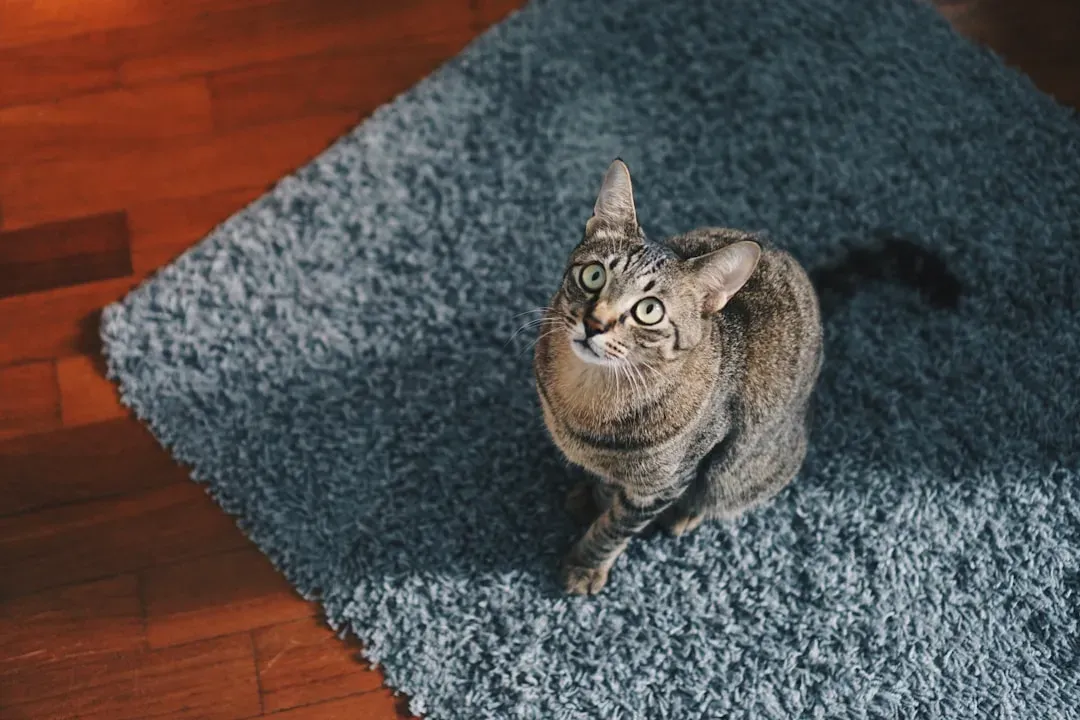
The next time your cat goes from zero to sixty in your living room, try shifting your perspective. Those aren’t just random bursts of chaotic energy. They’re expressions of contentment, security, and genuine happiness. Your cat feels safe enough in your home to unleash their inner wild predator, celebrate the simple pleasure of movement, and experience those endorphin-fueled rushes that make life worth living.
Zoomies are a healthy and often entertaining phenomenon that comes with being a cat parent, and as long as your cat shows normal, playful behavior during these sessions, you can relax and enjoy the show. So what do you think? Will you see your cat’s midnight marathons differently now? Share your funniest zoomies story in the comments below.