You’ve probably witnessed it. One minute your cat is lounging peacefully, the picture of serenity. The next, they’re tearing through your living room like a tiny, furry rocket, bouncing off furniture with wild eyes and an expression that suggests they’ve just discovered the meaning of life. If you’ve ever wondered what on earth is happening during these frantic episodes, you’re not alone.
These moments, when your cat takes off running seemingly out of nowhere, have a scientific name: frenetic random activity periods (FRAPs). Most people just call them the zoomies. They’re hilarious, occasionally destructive, and surprisingly revealing about your cat’s emotional state. Let’s explore what’s really going on when your feline friend loses their mind in the best possible way.
The Science Behind Those Wild Sprints
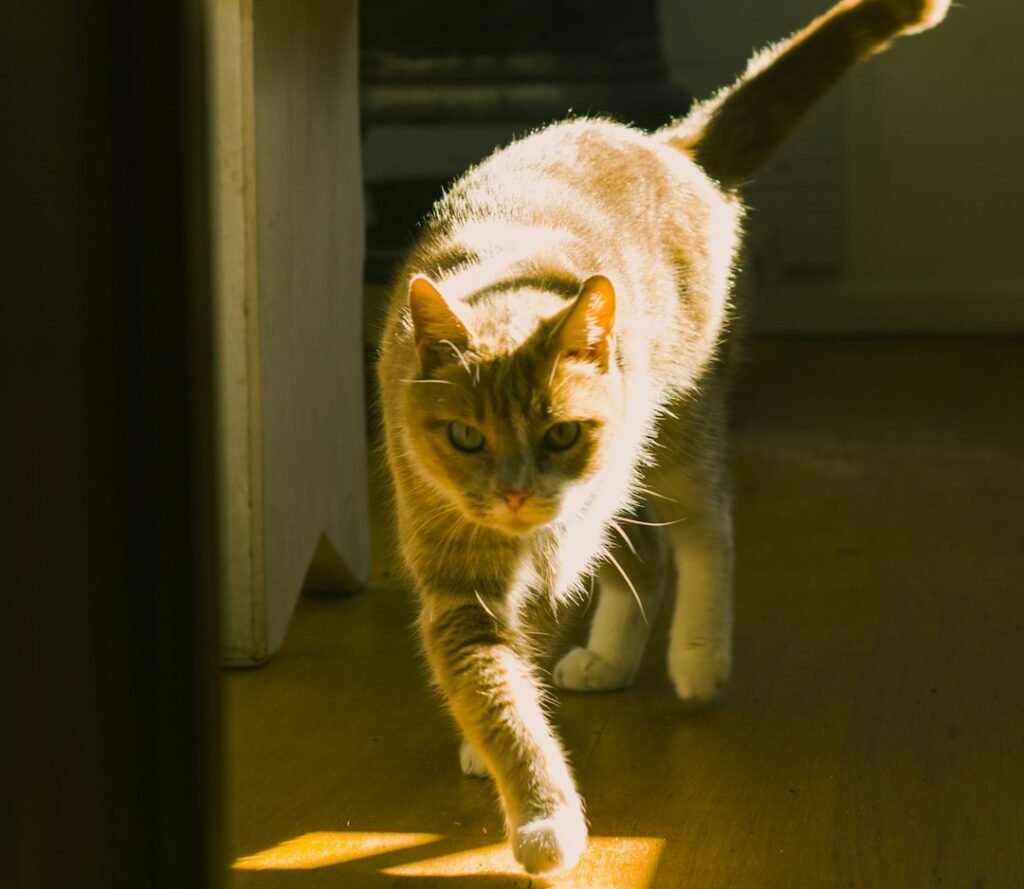
Rather than seeing zoomies as hyperactivity, it’s best to recognise them as a sign of a healthy and happy cat with energy to expend. There’s something genuinely delightful about this behavior from a biological perspective. While these energetic outbursts might be startling in the moment, they’re perfectly normal feline behavior.
Here’s the thing: your cat isn’t experiencing a breakdown or possessed by some ancient feline spirit. Just like humans need to move after sitting too long, cats need to release pent-up energy – and zoomies provide the perfect outlet. Think of it as your cat’s version of suddenly deciding to do jumping jacks in the middle of a workday.
What makes it even more interesting is that cats aren’t the only animals who get the zoomies – we see this behavior in dogs, rabbits, lions, elephants, and more. It’s one of those universal animal behaviors that transcends species.
A Window into Your Cat’s Happiness
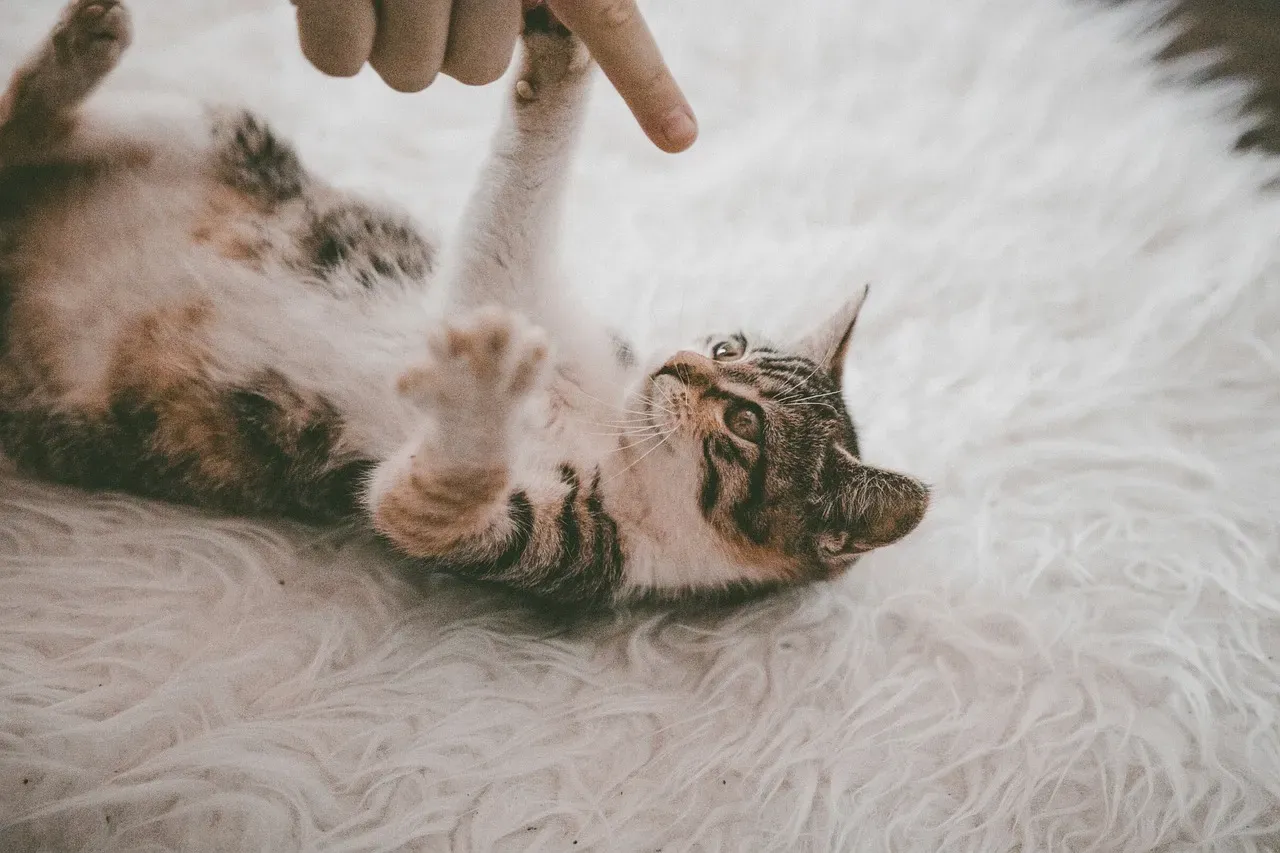
Sometimes, zoomies are simply a sign of pure happiness and excitement. This might be the most heartwarming aspect of the entire phenomenon. When your cat explodes into motion, they’re often expressing pure, unfiltered joy.
The zoomies can be a sign of pure joy and contentment. When your cat is feeling happy and carefree, they may express their elation by zooming around the house. It’s like they’re so overwhelmed with positive feelings that they simply must do something physical about it. Imagine feeling so good that you can’t help but run laps around your house – that’s essentially what your cat is experiencing.
Cat zoomies are a normal and healthy way for felines to release pent-up energy, often signaling they are happy and comfortable. The key word here is comfortable. A stressed or anxious cat typically won’t have playful zoomies. When your cat feels safe enough to let loose like this, it’s actually a compliment to you and your home environment.
The Hunter Within Awakens
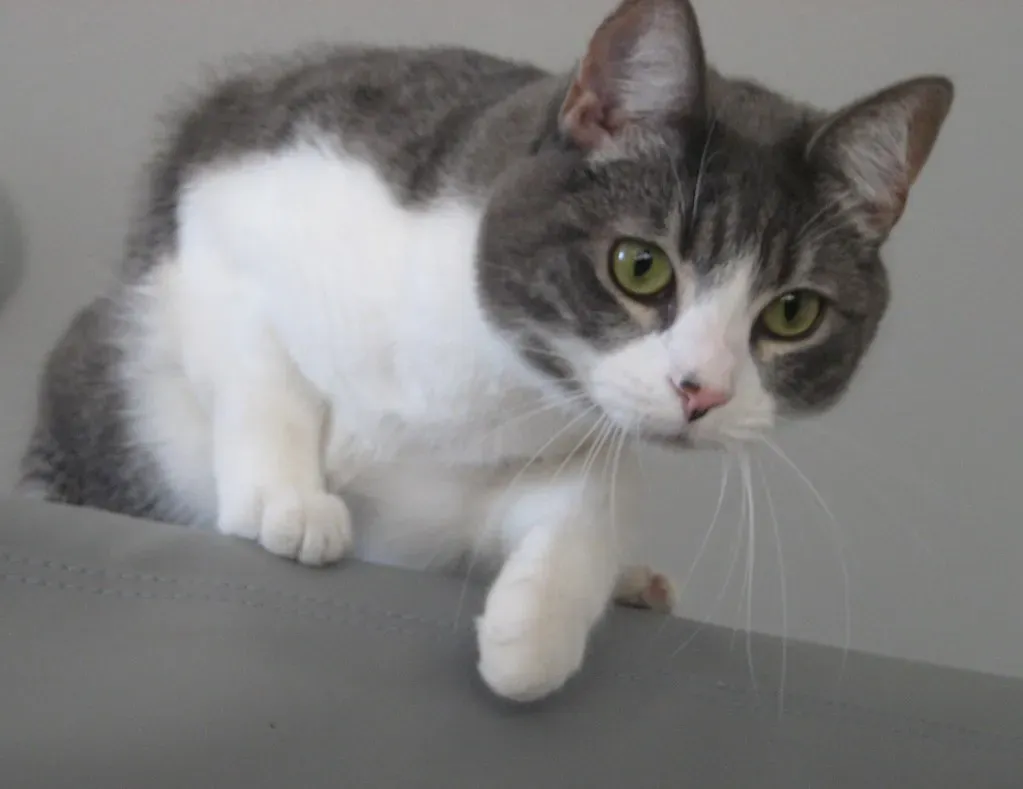
Even the laziest house cat carries the soul of a predator. Frenetic random activity period (zoomies) serves as a way for cats to burn off energy and practice their natural hunting behaviours. Your living room transforms into the Serengeti, and that invisible prey needs catching right now.
Zoomies may originate from cats’ natural predatory instincts, as the bursts of activity with their sudden sprints and sharp turns may represent hunting behaviors. Those sudden changes in direction? That’s your cat practicing their ambush technique. The way they leap onto furniture? Classic pouncing behavior.
Cats are predators by nature, and even if they live indoors, they still have bursts of energy hardwired into their behavior. In the wild, a cat would stalk prey, chase it, and then rest. Indoor cats still feel these natural urges. Without actual mice to chase, they channel that instinctual drive into these spectacular displays of athleticism.
The Twilight Hour Connection
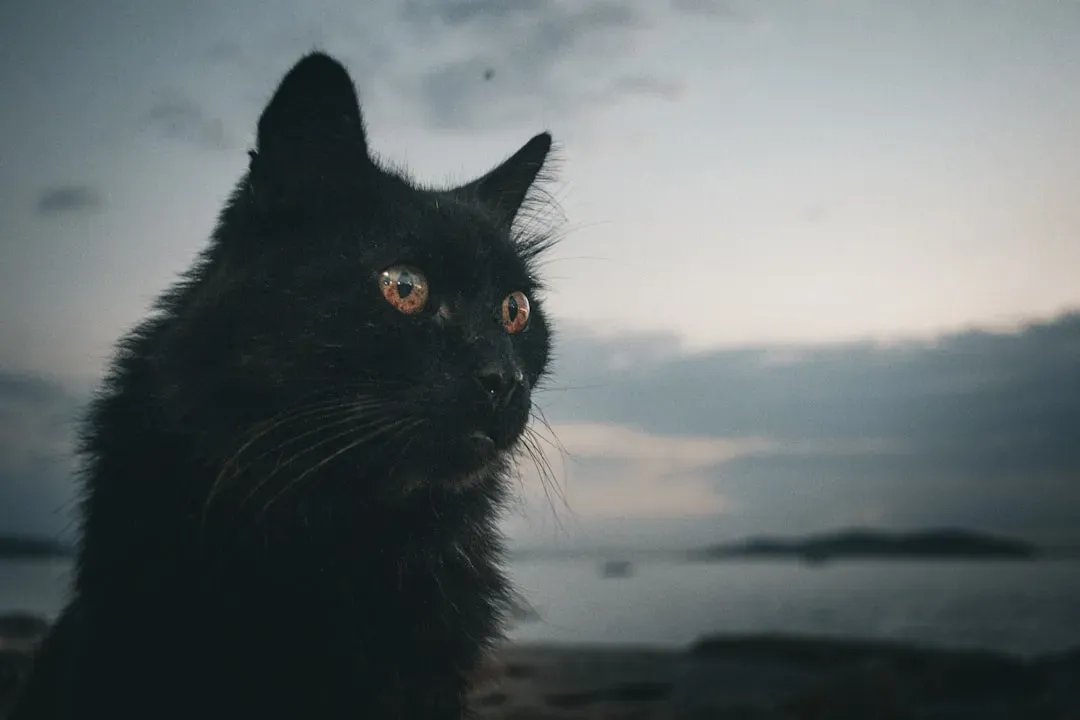
Notice how your cat tends to go bonkers right around dusk or dawn? That’s no coincidence. Since cats are crepuscular, meaning they are most active at dawn and dusk, it’s no surprise that many pet parents notice zoomies happening during the early morning or evening hours.
This pattern goes way back in feline evolution. Cats are naturally most active at dawn and dusk due to their biological need to take advantage of cooler times of day in order to more effectively hunt. Even though your pampered house cat has never had to hunt for dinner in their life, their body clock still runs on ancient programming.
It’s honestly impressive how deeply ingrained these rhythms are. Your cat might be generations removed from their wild ancestors, yet they still feel that primal urge to sprint around at twilight. It’s like having a tiny, furry time traveler in your home.
After the Litter Box Victory Lap
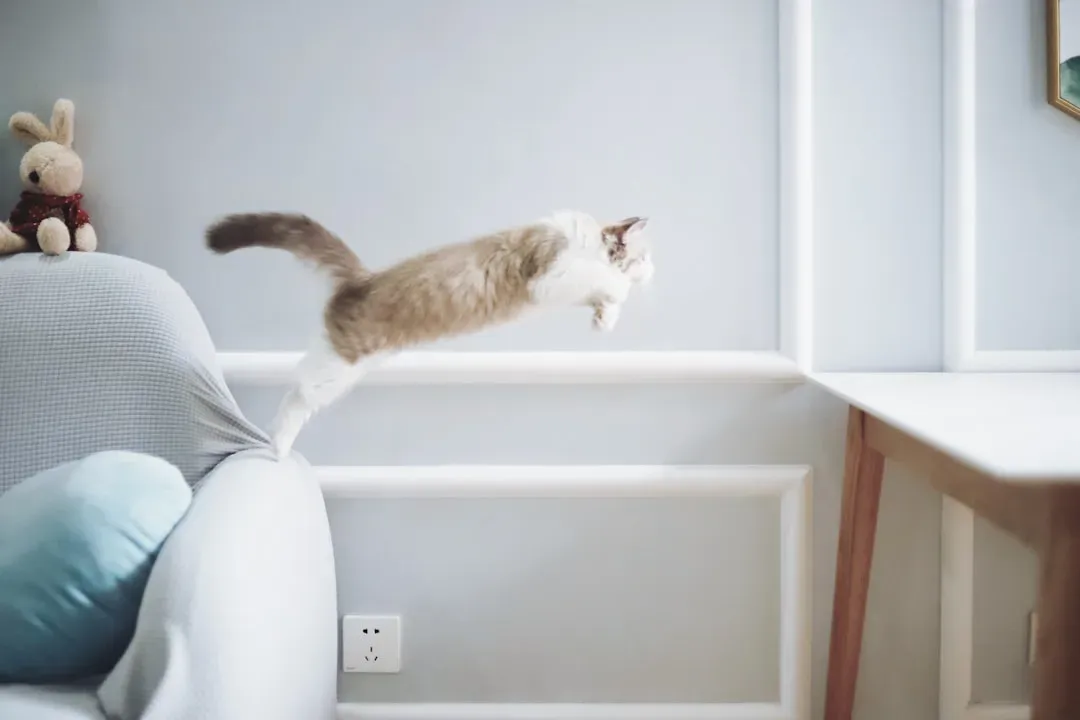
Let’s address one of the strangest zoomie triggers: the post-bathroom sprint. Defecating stimulates the vagus nerve, which can lead to a feeling of release/relief. Depending on the cat’s personality, that might lead to excitement and zoomies. Yes, your cat might be experiencing what some call “poo-phoria.”
A bowel movement can stimulate the vagus nerve, which runs from the brain to the colon. This leads to a feeling of euphoria that sends your cat sprinting around in celebration. It’s almost endearing in a weird way – your cat feels so good that they need to celebrate with a victory lap.
There’s also another theory worth considering. In the wild, leaving behind waste is a tell-tale sign for predators. A cat’s instinct might be to quickly get away from the scene to avoid being found. So that frantic dash might be your cat’s way of putting distance between themselves and potential danger, even though the most dangerous thing in your house is probably that aggressive dust bunny under the couch.
Energy Conservation and Sudden Explosions

Your cat sleeps roughly two-thirds of their life. Cats sleep for an average of 13 to 14 hours a day. That leaves plenty of stored energy for when they’re awake. All that napping isn’t laziness – it’s strategic energy management.
Cats spend so much time napping – especially if they have plenty of alone time. This leads to built-up energy, which eventually comes out in a short, quick rush. Think of it like a pressure cooker. Your cat lies around all day, storing up energy bit by bit, and eventually they hit capacity and need to release it all at once.
The brilliance of this system is that cats are incredibly efficient. Your kitty takes power napping to the extreme, storing up energy for use during her most active periods. While your cat’s bursts of activity may be somewhat short, they are very productive. They conserve energy when nothing interesting is happening, then explode into action when the mood strikes.
Playtime and Social Bonding
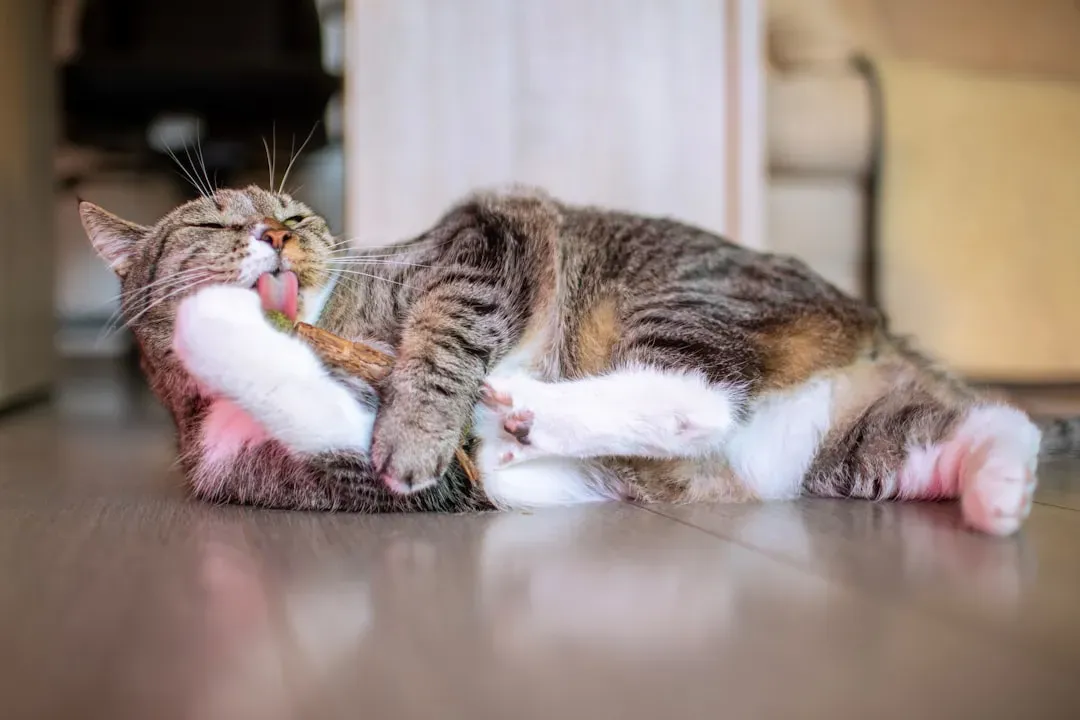
A cat who’s just had an exciting play session or received extra affection may express their happiness with a zoomie burst. Sometimes the zoomies happen because you’ve just had an amazing interaction with your cat, and they’re so hyped up they can’t contain themselves.
These episodes are a way for pets to release pent-up energy, celebrate moments of joy, and engage with their primal instincts. When your cat gets the zoomies around you, they might actually be inviting you to play. Those wide eyes and sudden dashes past you? That could be your cat’s way of saying “Chase me! This is fun!”
I think one of the most beautiful aspects of zoomies is how they can strengthen your bond. When you understand that these wild moments are expressions of happiness and comfort, you start to see them differently. Your cat trusts you enough to be completely vulnerable and silly in your presence. That’s a special thing.
When Zoomies Deserve a Second Look
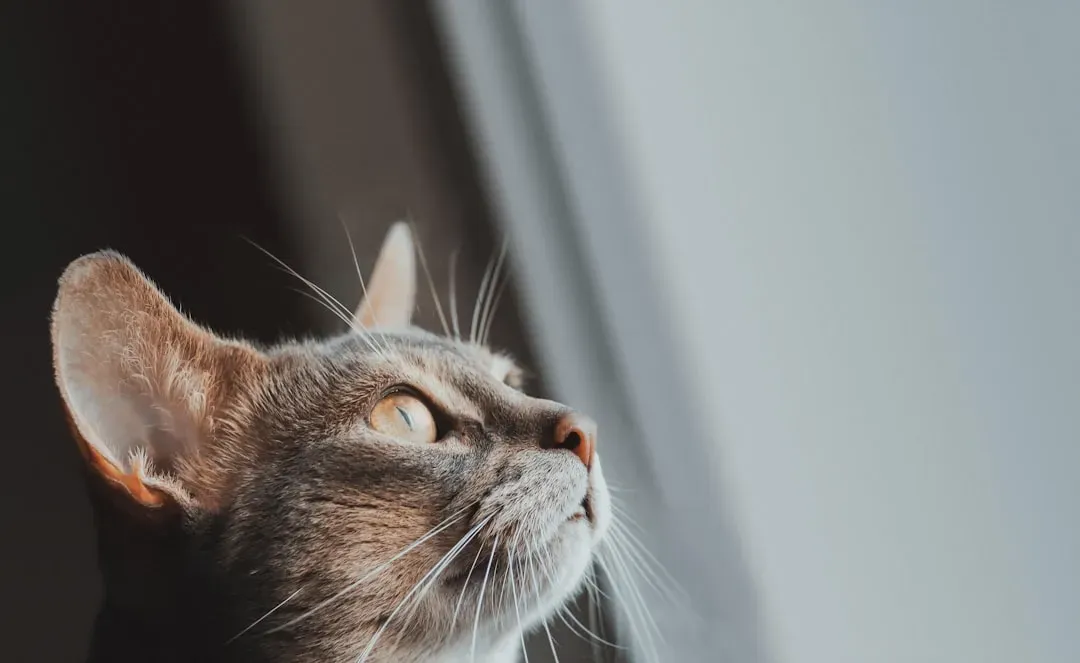
While most zoomies are perfectly normal, occasionally they can signal something more serious. Anxiety or distress can trigger zoomie-like behavior, though these episodes typically look different from playful ones. Anxious cats often appear uncoordinated or frantic during these moments.
Sometimes cat zoomies are the result of stress or pain, so keep an eye on their body language and speak to your vet if you’re concerned. The key is knowing your cat’s normal behavior. If your previously calm cat suddenly starts having intense zoomies, or if your zoomie-loving cat stops having them altogether, that change warrants attention.
Sudden changes in zoomie behavior might signal underlying health conditions like hyperthyroidism or mobility problems. Trust your instincts. You know your cat better than anyone. If something feels off, a conversation with your veterinarian never hurts.
Embracing the Zoomie Moments
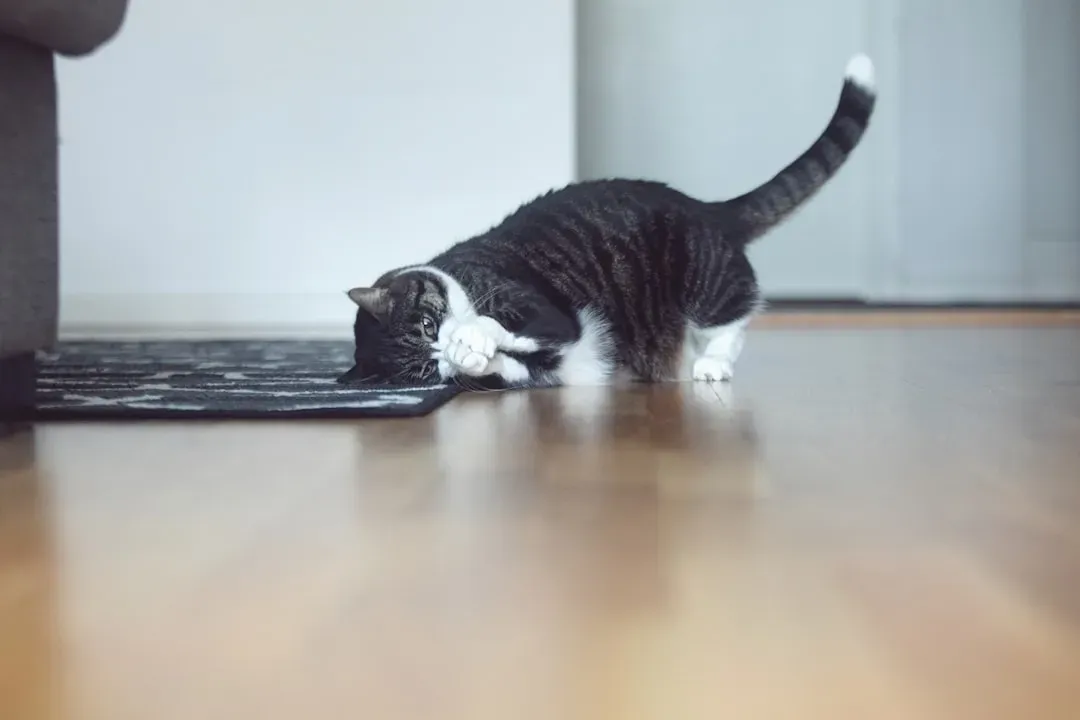
Overall, zoomies are a healthy – and often entertaining – phenomenon that comes with being a cat parent. As long as your cat shows normal, playful behavior during these sessions, you can relax and enjoy the show. Honestly, life would be duller without these unpredictable bursts of feline chaos.
Zoomies are a sign of a healthy, energetic, and happy cat. It means they’re comfortable and feel safe enough in their environment to let loose and play. When you reframe zoomies this way, they become less of a nuisance and more of a gift – a glimpse into your cat’s inner world where joy sometimes becomes so overwhelming it must be expressed through acrobatic sprints and gravity-defying leaps.
The next time your cat transforms into a furry tornado at three in the morning, try to appreciate the moment. Yes, even if they knock over your favorite lamp. These zoomies are your cat telling you, in their own chaotic way, that life is good. What could be better than that?