You watch your cat stretch out in a sunbeam at noon, only to find them sprinting down the hallway at dusk like the house is on fire. You wonder whether there’s any logic to it at all. There actually is, and once you start recognizing the patterns, you realize your cat isn’t chaotic at all. They’re following an internal script that goes back thousands of years.
The cat activity cycle, which moves through play, catch, eat, groom, and sleep on repeat, is an instinctive routine driven by an internal clock. Similar to how the human circadian rhythm influences sleeping and eating patterns, cats have a deeply embedded natural pattern of activities. Understanding it doesn’t just explain your cat’s behavior. It changes how you live alongside them.
The Crepuscular Truth: Why Your Cat Wakes Up at Dawn
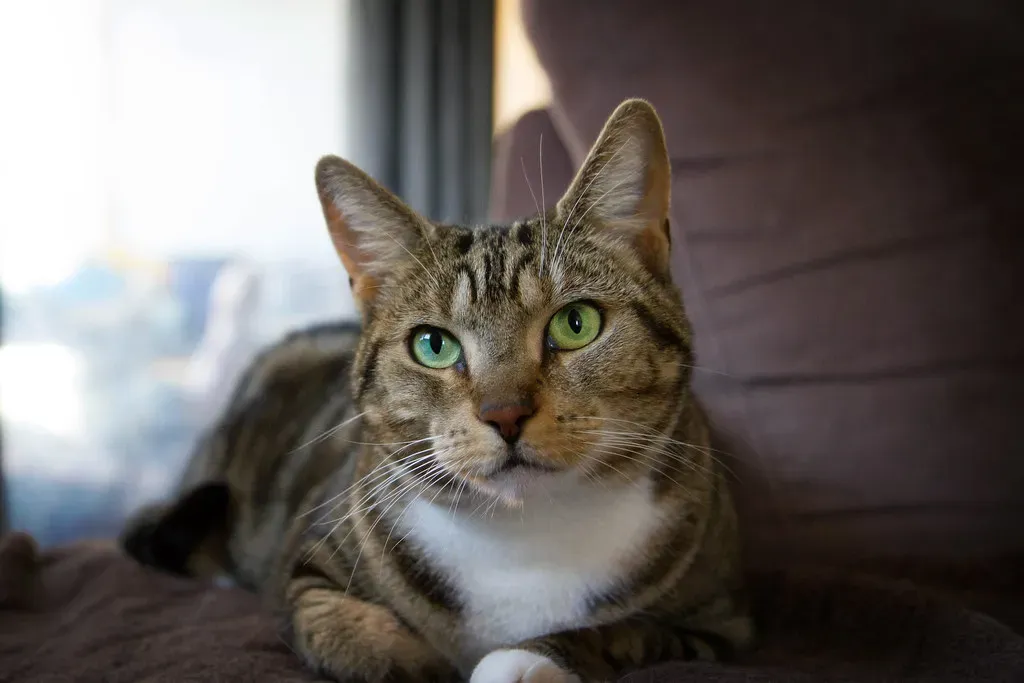
Cats aren’t actually nocturnal. They’re crepuscular, which means they’re most naturally active around dawn and dusk. If your cat zooms around the house at sunrise or right before bed, that’s completely normal. It might feel inconvenient from a human perspective, but your cat is simply doing what millions of years of evolution programmed them to do.
Cats inherit their hunting instincts from wild crepuscular ancestors. In the wild, those twilight hours offered the best opportunity to hunt prey, avoid larger predators, and conserve energy during the day. Even in domestic settings, this innate behavior persists, prompting bursts of energy at seemingly odd hours. The next time your cat head-butts you awake at 5 a.m., know that it’s essentially their version of peak performance hour.
The Sleep Marathon: What All Those Naps Are Really About
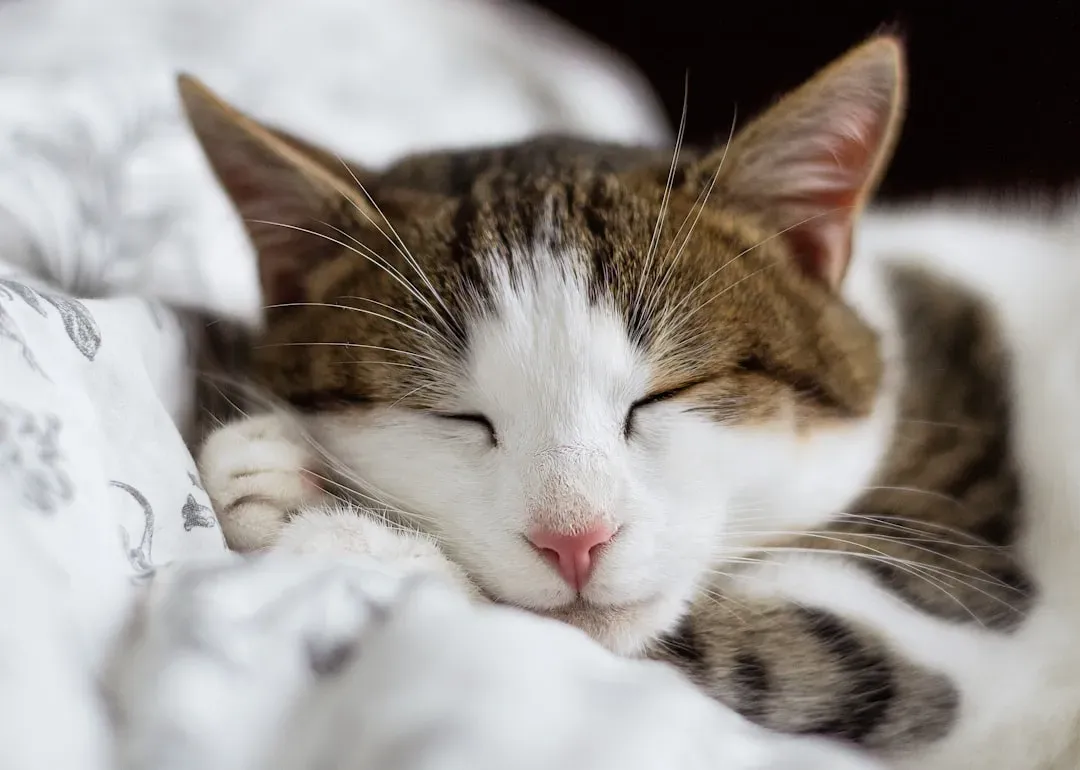
Cats typically sleep anywhere from twelve to eighteen hours out of every twenty-four, with some especially relaxed individuals sleeping up to twenty hours a day. However, that sleep is punctuated with frequent periods of wakefulness in which the cat goes about its daily activities. This isn’t laziness. It’s a form of energetic conservation refined over generations of predatory life.
Because cats are crepuscular, they conserve their energy for those twilight hunting periods. Before being domesticated, cats would have had to expend huge amounts of energy finding, chasing, and killing their prey. Cats have a polyphasic sleep pattern, opting for short naps throughout the day and night rather than a single long sleep like humans. So when you see your cat curled up for the fifth time today, you’re watching a finely tuned recovery system, not a couch potato.
The Hunt, Eat, Groom, Sleep Cycle

Cats have a natural daily cycle where they instinctually hunt, eat, groom, and sleep. It’s very straightforward: a cat catches something, eats it, cleans up after eating, and then sleeps. Once they’ve regained their energy, they want to reproduce that cycle again, and a normal cat will follow it several times each day. This loop is the foundation of feline life, whether your cat lives in the wild or on a cozy apartment couch.
You can build this into your cat’s day by starting with a short play session using a wand toy, followed by a meal from a puzzle feeder. This directly mimics the natural pattern of hunt, eat, groom, and sleep. Playing before feeding isn’t just cute. It’s one of the most aligned things you can do with how your cat is built.
How Your Schedule Shapes Their Routine
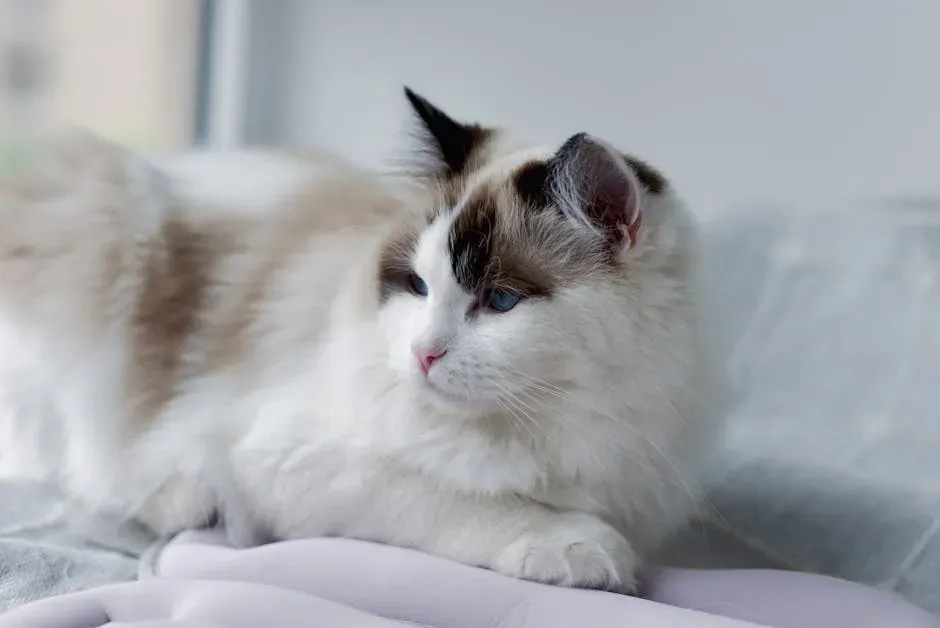
House cats often adjust their schedules around their owners. They may sleep much more during the day while their humans are at work, waking up in the evening to play, socialize, and explore. This adaptability is one of the more underappreciated things about domestic cats. They’re not as rigid as people think.
Your cat’s daily routine may be shaped significantly by your schedule. If your cat is left alone during the day, they may spend most of that time sleeping and become more active once the house is full again. Cats may also sleep more when the weather is colder, during times of stress, or after periods of heightened activity. Their routine is less a fixed timetable and more a responsive relationship with the environment you share.
The Role of Predictability in Your Cat’s Emotional Health
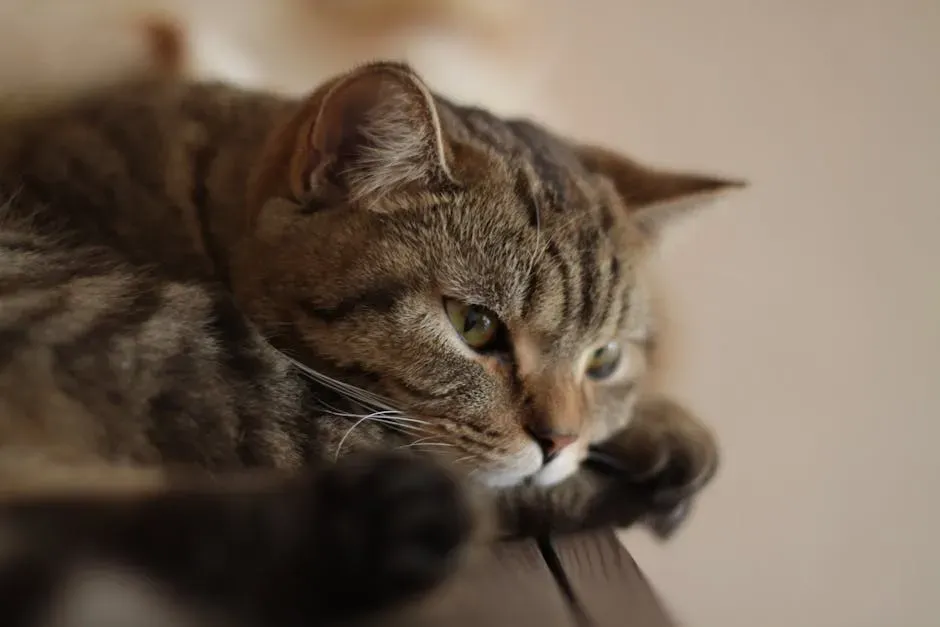
Cats are highly observant animals that rely on environmental cues to feel secure. Sudden changes in their routine can create stress and anxiety, leading to behaviors such as hiding, aggression, or loss of appetite. You might not notice stress building in a cat until it becomes unmistakable, which is why consistent structure matters more than most owners realize.
Cats feel comfortable when they know what to expect, and disruptions to their routine can cause genuine stress. Predictability in their daily life reduces uncertainty and helps them feel secure in their environment. When routines are disrupted, such as during a move, changes in family dynamics, or even a new work schedule, cats may exhibit signs of stress including excessive grooming, vocalization, or changes in appetite. Stability isn’t a luxury for cats. It’s a biological need.
Feeding Schedules and the Snacking Instinct
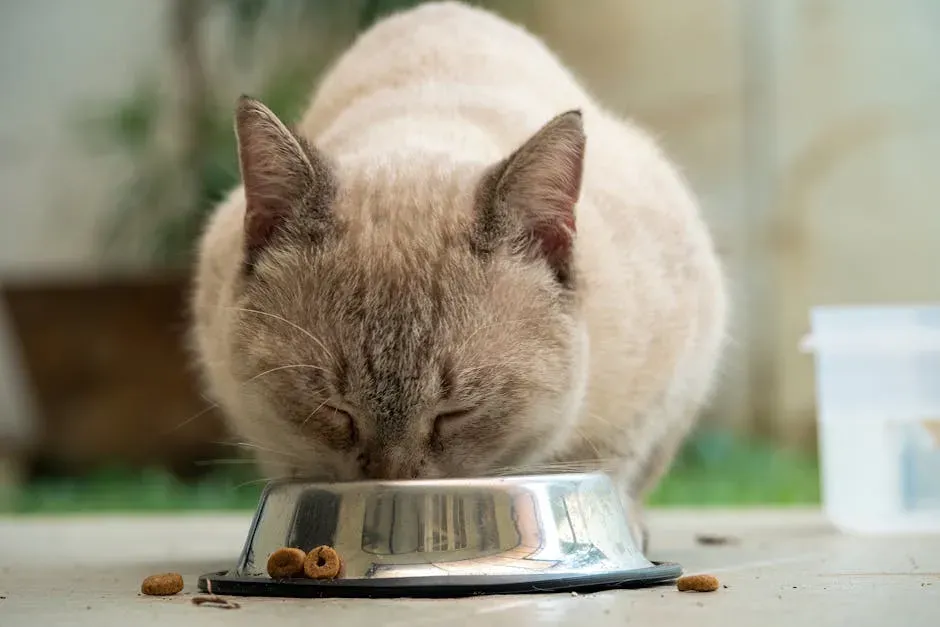
Generally, cats like to eat several times a day. They are natural nibblers and will often prefer several small meals. This tracks directly with how their wild counterparts would eat, taking down small prey throughout the day rather than sitting down to one large meal.
In the wild, cats eat several small meals throughout the day, catching and consuming prey as they go. You can replicate this by feeding your cat multiple small portions throughout the day, rather than one or two large meals. This keeps their hunting instincts engaged and their metabolism active. Feeding your cat at least three times a day is ideal, though consistency matters most. Your cat doesn’t know what day of the week it is, so they won’t be willing to sleep in on the weekends. That last point is worth remembering at 6 a.m. on a Sunday.
Play as a Non-Negotiable Part of the Day
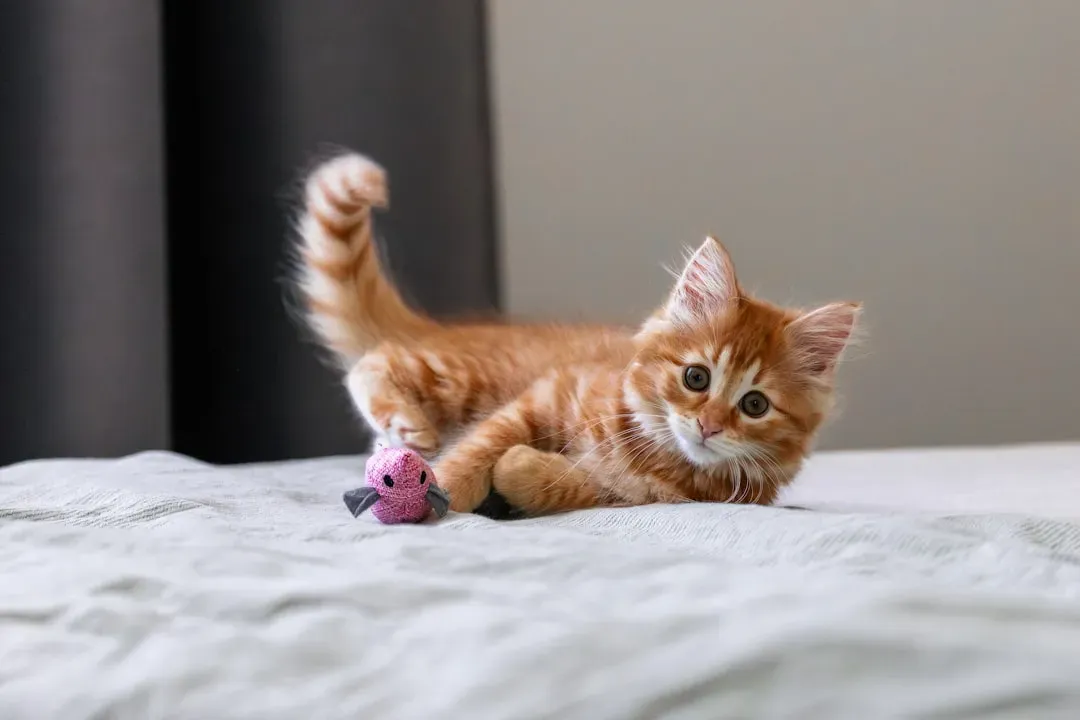
Play time is critical for a cat’s well-being and reduces stress and frustration. The average adult cat needs about thirty minutes of play time daily, and this can be broken into several short sessions instead of one long bout. Think of it less as entertainment and more as a daily requirement, like water or sleep.
A cat’s desire to hunt is not connected to the sensation of hunger. Even well-fed cats will stalk when they see or hear potential prey. Almost anything that moves rapidly or squeaks in a high pitch can trigger this instinctive behavioral response. Feather wands, crinkle balls, and laser pointers all trigger natural hunting instincts. Rotating toys keeps things fresh, and ending sessions with a toy “catch” helps prevent frustration. The goal is to let your cat feel like a successful hunter, even indoors.
Grooming: The Quiet Reset Between Activity Bursts
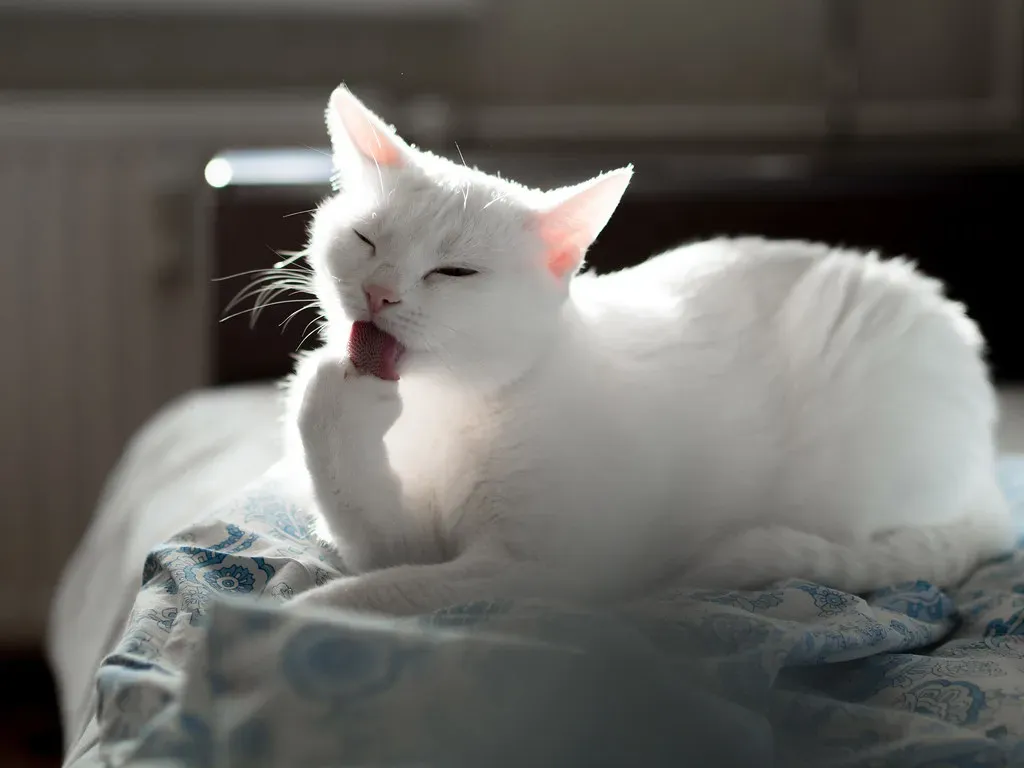
Cats spend up to thirty percent of their day grooming themselves. It’s one of the most consistent anchors in their daily routine, appearing predictably after meals and periods of play as a kind of settling behavior. More than hygiene, grooming is a neurological reset.
Cats are very clean animals and spend a lot of time grooming themselves. This is partly because cats have scent glands that release pheromones other cats can recognize, and grooming helps them manage and regulate that scent. A lack of enrichment can lead to overgrooming, which often stems from boredom or stress. If you notice your cat grooming excessively in areas they don’t usually attend to, that shift in pattern is worth paying attention to.
When Changes in Routine Signal Something More
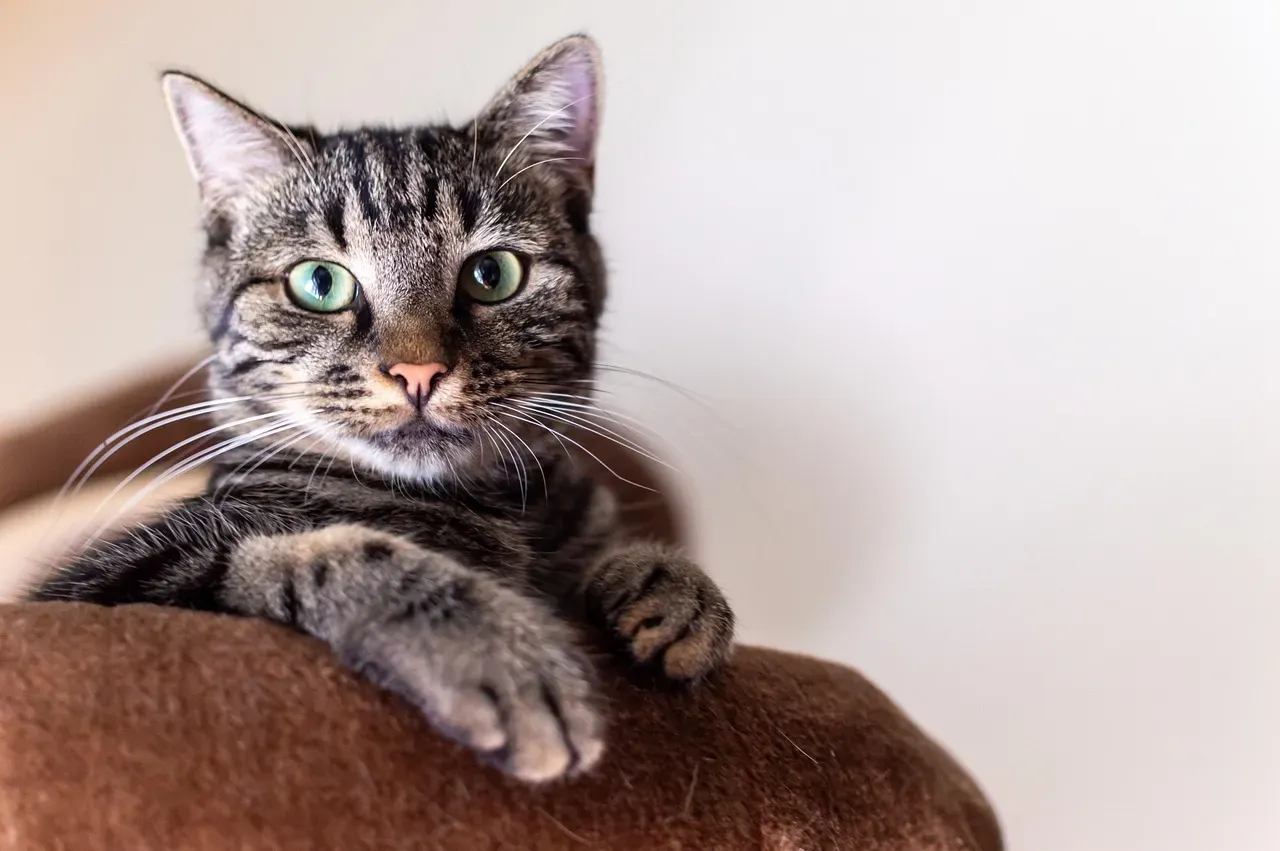
Setting consistent routines can help you identify potential health issues early. By observing your cat’s daily habits and behaviors, you may notice changes in appetite, sleep patterns, or energy levels that could indicate underlying medical conditions. The routine isn’t just good for your cat’s wellbeing. It’s your best diagnostic tool.
If your sleeping cat suddenly begins to rest in new locations or changes their napping schedule significantly, it’s helpful to assess whether anything in the home environment has changed, like construction noise, new pets, or a move. If your cat seems unusually lethargic or disinterested in food or play, even during their usual waking hours, it may be more than just sleep. Health problems can interfere with a cat’s sleep and daily rhythm. Neurological or psychological disorders, including dementia and anxiety, can both disrupt normal sleep cycles in cats. Knowing your cat’s baseline is what makes deviations meaningful.
Conclusion
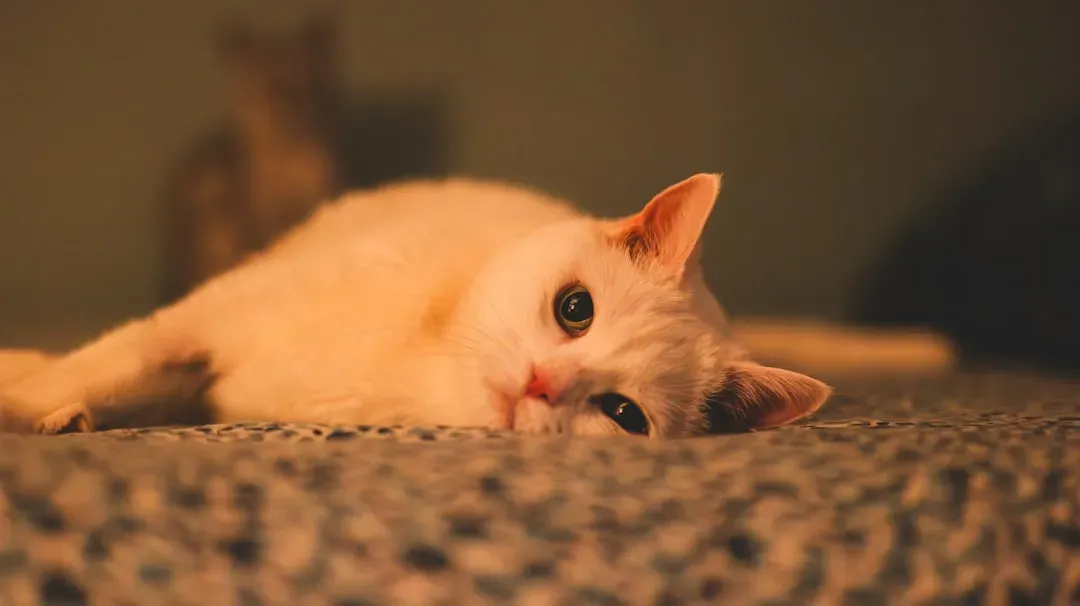
What looks like random wandering, sudden sprinting, and endless napping is actually a highly sophisticated daily rhythm with deep biological roots. Your cat’s day has structure. It has logic. It just doesn’t follow your clock.
Once you start reading your cat’s routine rather than reacting to it, something shifts. You stop seeing the 5 a.m. wake-up as a problem and start seeing it as a cue. You stop guessing what they want and start anticipating it. The truth is, your cat has been operating from a masterclass all along. You just needed the right frame to see it.
Kristina is a young writer from India. An arts graduate and an avid content creator, Kristina is passionate about animals and wildlife. She enjoys exploring topics related to pet care, animal behavior, conservation, and nature, combining thorough research with engaging storytelling.