You’ve probably watched your cat drift from room to room, tracking that perfect patch of light like a furry solar panel on a mission. It’s easy to dismiss this as simple comfort seeking. Your cat just wants warmth, right?
Here’s the thing. There’s so much more going on beneath that blissful, stretched out exterior. That sunbeam isn’t just a cozy resting spot. It’s a biological necessity, an emotional boost, and a link to your cat’s ancient past all rolled into one golden rectangle on your living room floor.
The Ancient Blueprint in Your Modern Cat
Your cat’s ancestors emerged from wild populations in Middle Eastern deserts roughly 10,000 years ago. Think scorching sand, blazing heat, and an environment where warmth was abundant. Cats descended from ancestors in the Middle Eastern desert and African plains, and they maintain a body temperature higher than humans.
This desert heritage isn’t just interesting trivia. It’s encoded in every fiber of your cat’s being. Cats’ ancestors were desert dwellers, and modern cats may instinctively seek out warm spots because it’s deeply embedded in their DNA. Even your pampered indoor cat, who’s never seen a grain of desert sand, carries this evolutionary blueprint. The sunbeam isn’t optional. It’s ancestral memory playing out on your carpet.
Body Temperature That Demands Attention
Cats naturally have a higher body temperature than humans, averaging around 38.6°C or 101.5°F. That’s a significant difference from your own roughly 98.6°F internal thermostat. This means your cat needs to work harder to maintain that elevated warmth, especially in cooler indoor environments.
Sunbathing helps cats regulate their body temperature and conserve energy, helping them stay warm on cold days. Instead of burning precious calories to generate internal heat, your cat simply borrows it from the sun. Sunbathing helps them maintain this temperature efficiently without expending extra energy, which is particularly important since cats spend much of their day sleeping and resting. Let’s be real, your cat has turned energy conservation into an art form.
The Sleep Connection You Haven’t Considered
Cats can sleep for long periods of the day, so maintaining core body temperature is especially important during this time, as snoozing in warm places helps prevent the drop in body temperature that comes with sleep. When your cat curls up in that sunbeam, they’re not just being lazy. They’re solving a physiological puzzle.
During sleep, body temperature naturally drops. For a cat who already needs to maintain a higher baseline temperature, this presents a challenge. The sun’s warmth acts as an external heating source, allowing deeper, more restorative rest without the body having to constantly shiver or metabolically generate heat. Ancient ancestors of today’s domestic felines had to seek heat to bring up internal body temperature during inactivity or sleep, and because of their high sleep needs, an external heat source can yield a much deeper, more productive snooze session.
The Serotonin Secret Behind the Bliss
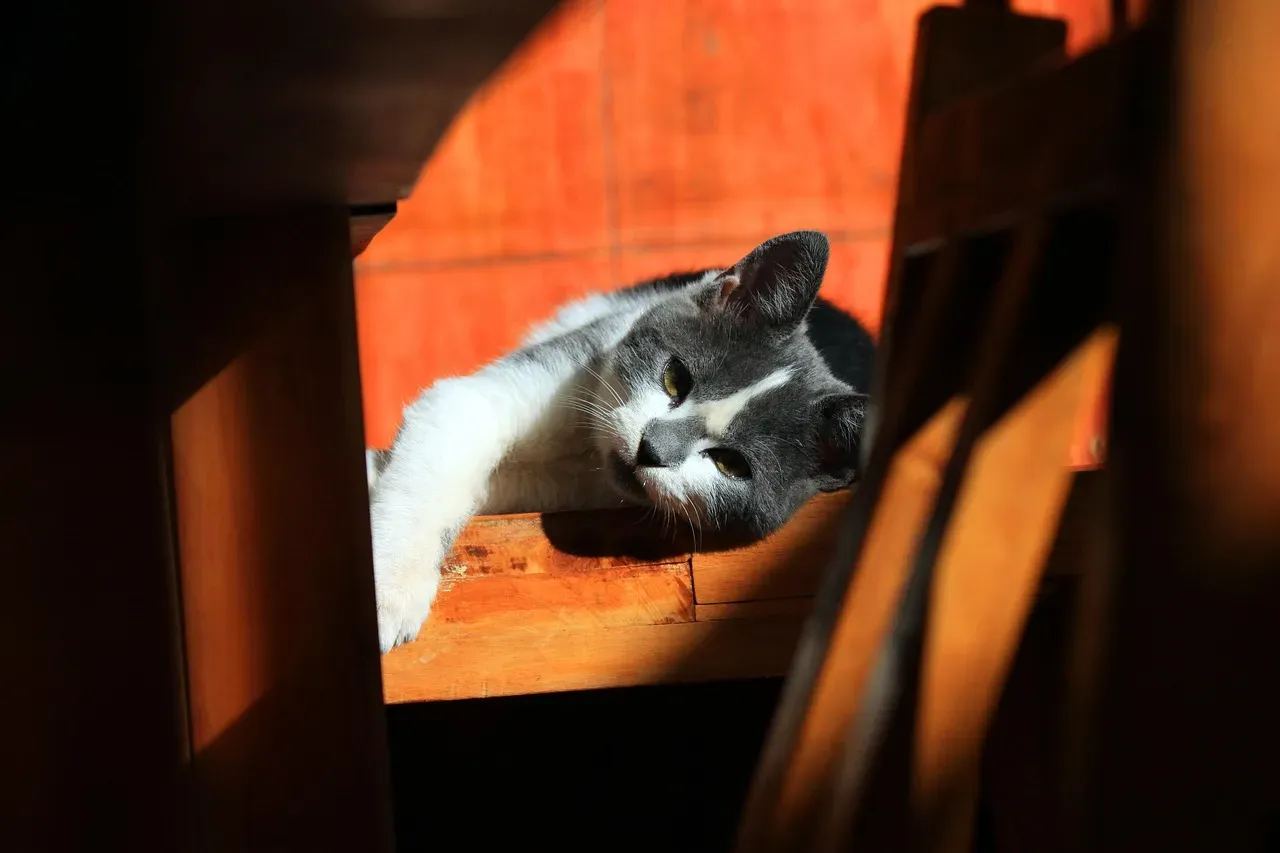
Ever noticed that utterly contented expression on your sunbathing cat’s face? There’s brain chemistry at work here. There seems to be a relationship between serotonin and the amount of available sunshine, and cats probably like sunlight as it can stimulate serotonin production.
Sunlight helps stimulate the production of serotonin, often called the “feel-good hormone,” promoting a sense of calm and contentment in cats. This isn’t just physical comfort. It’s emotional wellbeing wrapped in warmth. Your cat isn’t just heating up. They’re literally boosting their mood through sun exposure, similar to how humans experience seasonal affective benefits from sunlight.
Pain Relief Without a Prescription
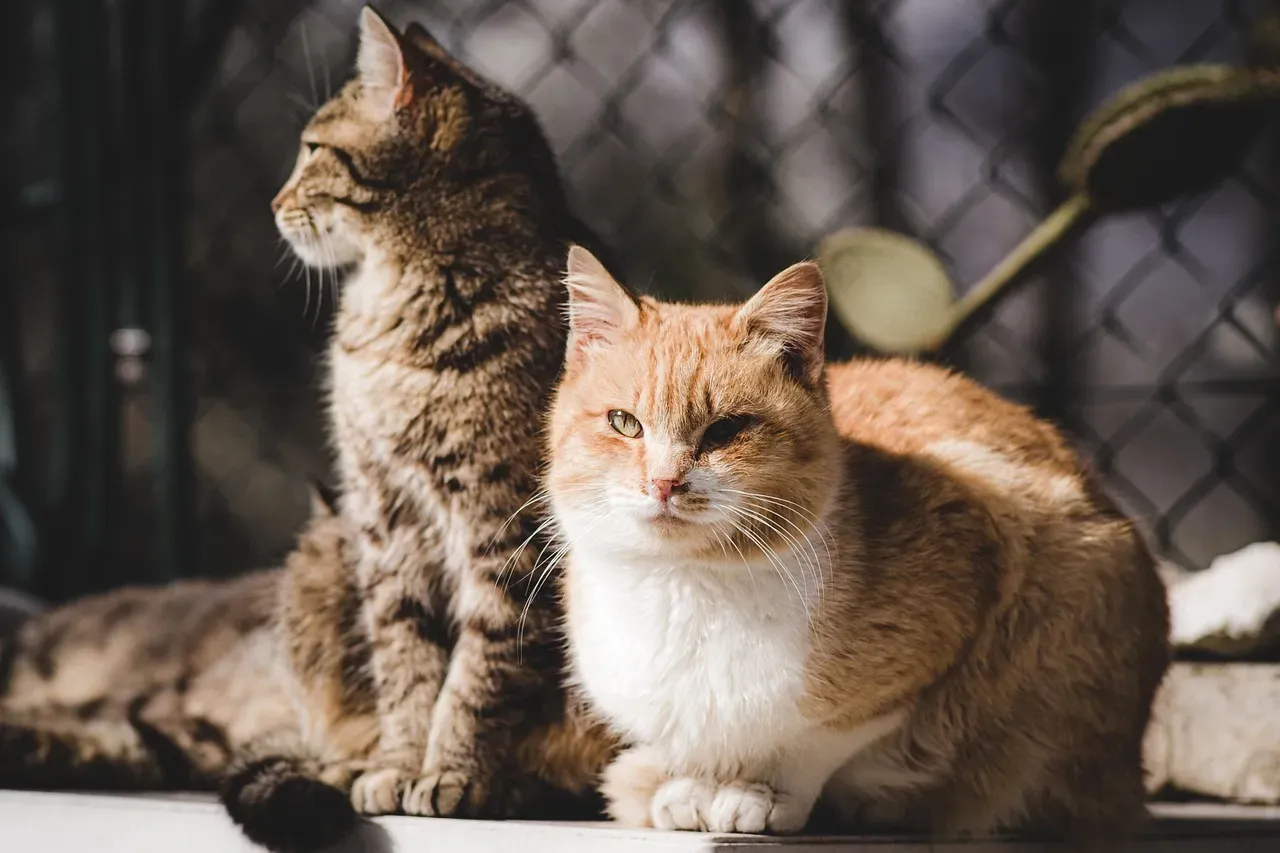
Just like humans enjoy the relief of a heating pad on sore muscles, cats benefit from the gentle warmth of the sun, especially older cats or those with arthritis, as warmth increases blood flow, relaxes muscles, and can ease joint stiffness. If you’ve got a senior cat who seeks sunbeams more frequently, they might be self-medicating.
Cats seek a spot of sunlight because it is so comforting and reduces symptoms caused by osteoarthritis and other health concerns, as natural light and heat can soothe achy limbs and joints. That patch of light isn’t just warmth. It’s nature’s heating pad, increasing circulation and easing discomfort without any pharmaceutical intervention.
The Vitamin D Myth You Need to Forget
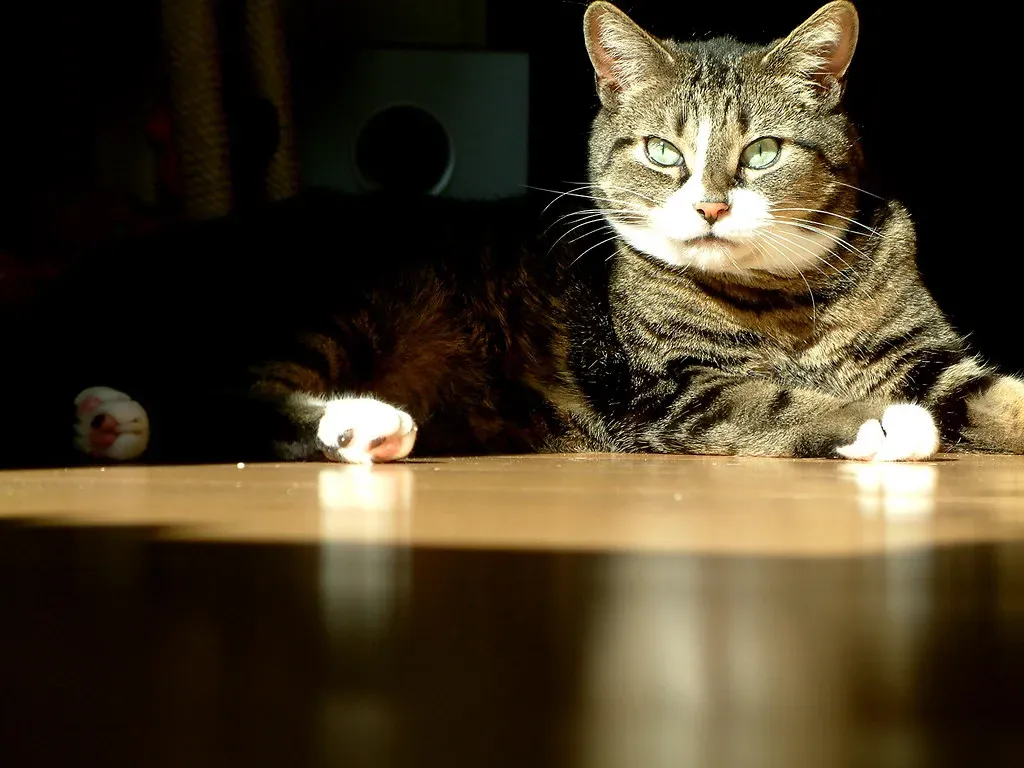
Here’s where things get interesting. You might assume, like most people do, that cats sunbathe to produce vitamin D like humans. You’d be wrong. Dogs and cats are unable to perform cutaneous synthesis of Vitamin D3 through sun exposure due to high activity of 7-dihydrocholesterol-Δ7-reductase enzyme that converts 7-dehydrocholesterol into cholesterol.
Unlike humans, cats don’t produce vitamin D through skin exposure to sunlight, as their fur actually blocks the synthesis process, and instead they absorb this vital nutrient from their diet. So why the sun obsession? Because vitamin D isn’t the point. The warmth, the mood boost, the pain relief, and the energy conservation are what matter. Your cat isn’t confused about biology. They simply have different priorities than you assumed.
Circadian Rhythm and the Dance of Light
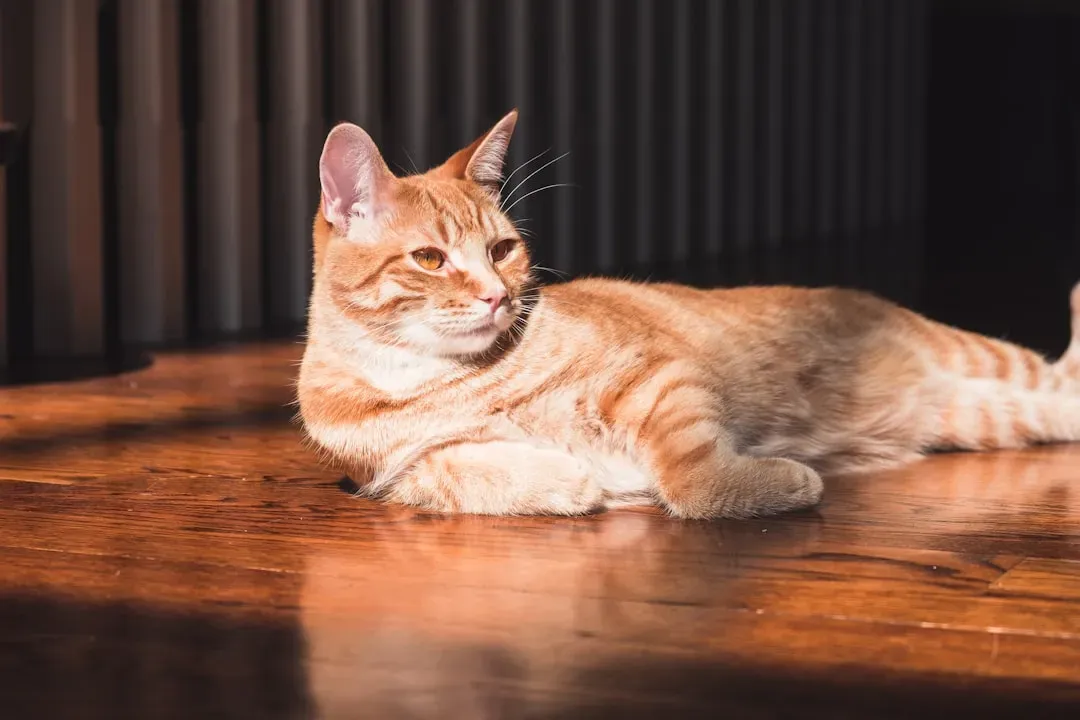
Sunlight is a crucial regulator for circadian rhythm, and for indoor cats that rarely go outside, it’s especially important to regularly experience natural daylight as it signals to the body when it’s day and when it’s night. Your cat’s internal clock needs these light cues to function properly.
Cats are commonly described as crepuscular, active primarily during twilight at dawn and dusk, a pattern confirmed in studies. That sunbeam helps your cat maintain their natural rhythm even when living entirely indoors. It’s not just about comfort. It’s about biological synchronization with the world outside your walls. Without adequate natural light exposure, cats can develop disrupted sleep patterns and behavioral changes.
The Skin and Coat Benefits Hiding in Plain Sight
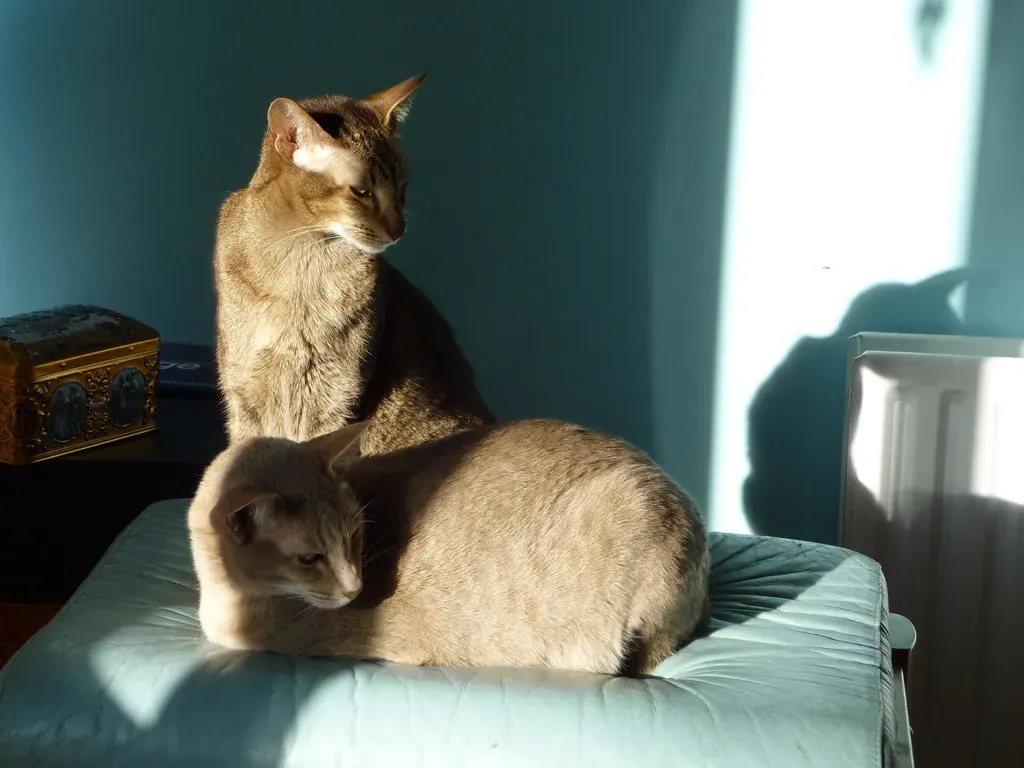
Sunlight has a positive effect on skin and fur, as UV radiation has a mild antibacterial effect that can help reduce germs on the skin, and sunlight stimulates the production of natural oils that keep fur smooth and shiny. Every time your cat stretches out in that beam of light, they’re getting a natural grooming boost.
Sunlight also promotes blood circulation in the skin, an important contribution to cell regeneration and wound healing. It’s like a spa treatment that requires zero effort beyond finding the right spot. Your cat’s obsessive sunbeam tracking isn’t vanity. It’s holistic self-care that their wild ancestors perfected millions of years ago.
When Sunbathing Becomes Dangerous
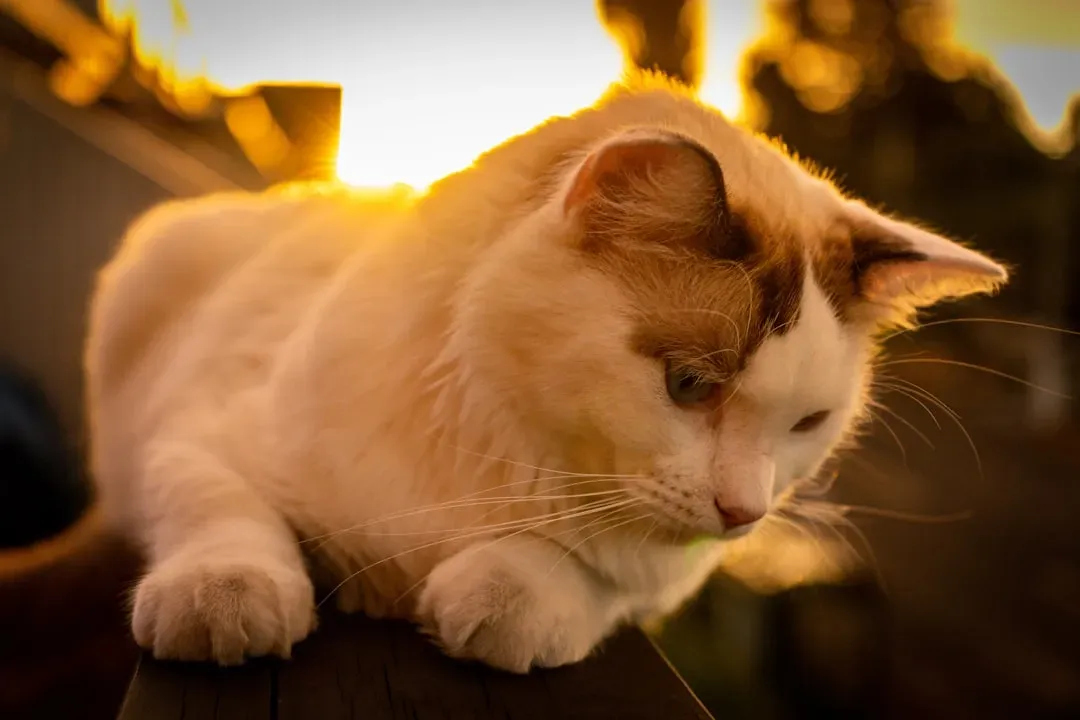
Here’s where we need to get serious for a moment. Cats should not be left unsupervised in the sun as they can be susceptible to heat exhaustion and dehydration, and too much exposure can lead to sunburn and solar-induced skin cancer, particularly common in white cats or those with white patches. That beloved sunbeam can become a hazard.
Cats with white fur, pink skin, or sparse hair are particularly vulnerable to sunburn, and even indoor cats can suffer UV damage through windows. The ears, nose, and other sparsely furred areas are especially at risk. Heatstroke can be very serious if not handled promptly, often seen with dehydration, and can cause a cat to pant, drool, collapse, or become lethargic, with bright red gums indicating the need for immediate veterinary assistance.
Creating the Perfect Balance for Your Sun-Seeking Friend
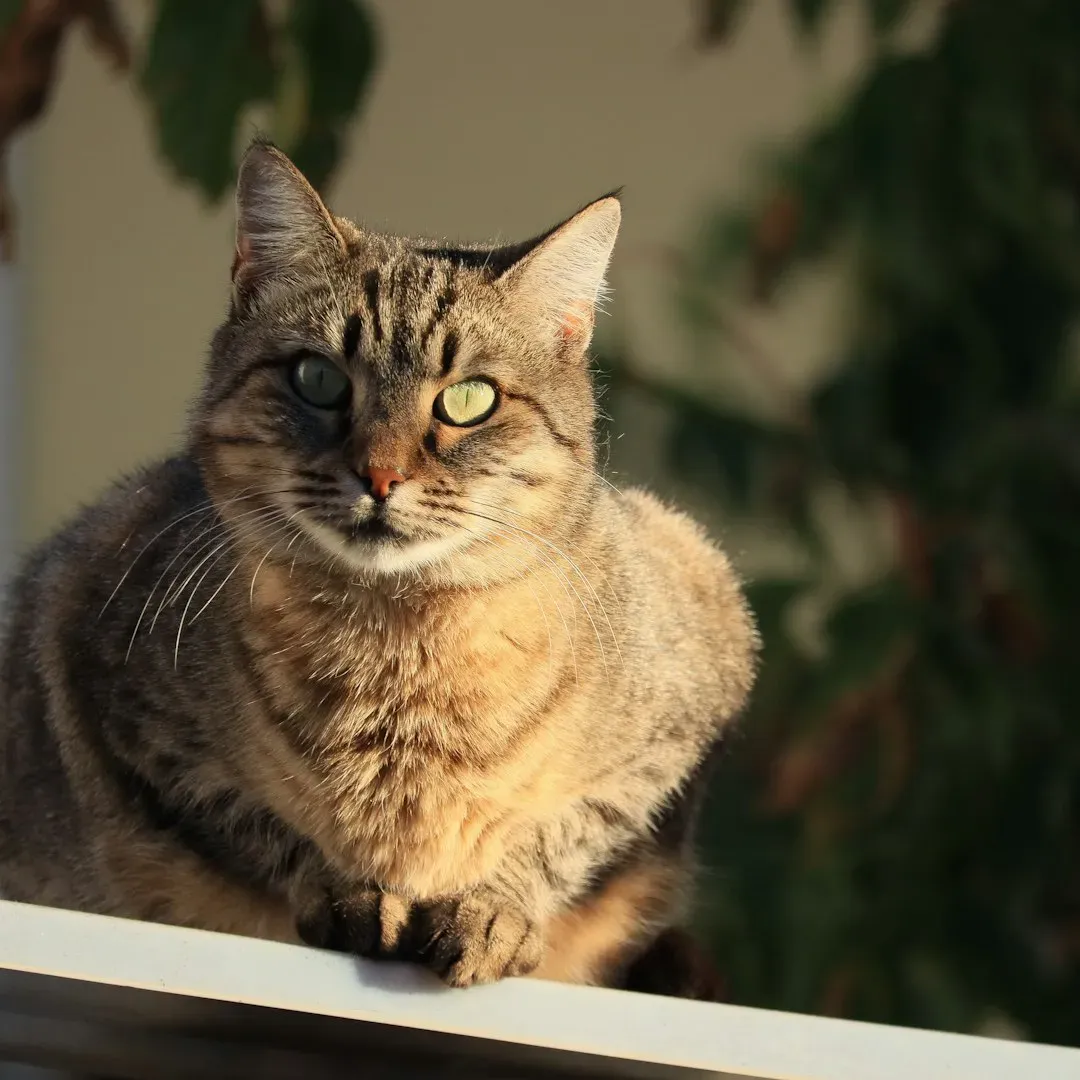
Make sure you provide your cat with a shady spot to retreat to if they get too hot or want to take a break from the sun. Your cat needs options. A single sunny spot without escape routes can become a trap rather than a treat.
Make sure your cat has plenty of fresh water available at all times, and keep the water cool rather than warm. Hydration becomes critical during extended sunbathing sessions. Consider multiple water stations around your home, especially near favorite sunbeam locations. For cats with light colored fur or sparse coats, monitoring sun exposure during peak hours becomes even more important. Think of yourself as your cat’s personal sun safety coordinator.
Conclusion: Respecting the Ritual
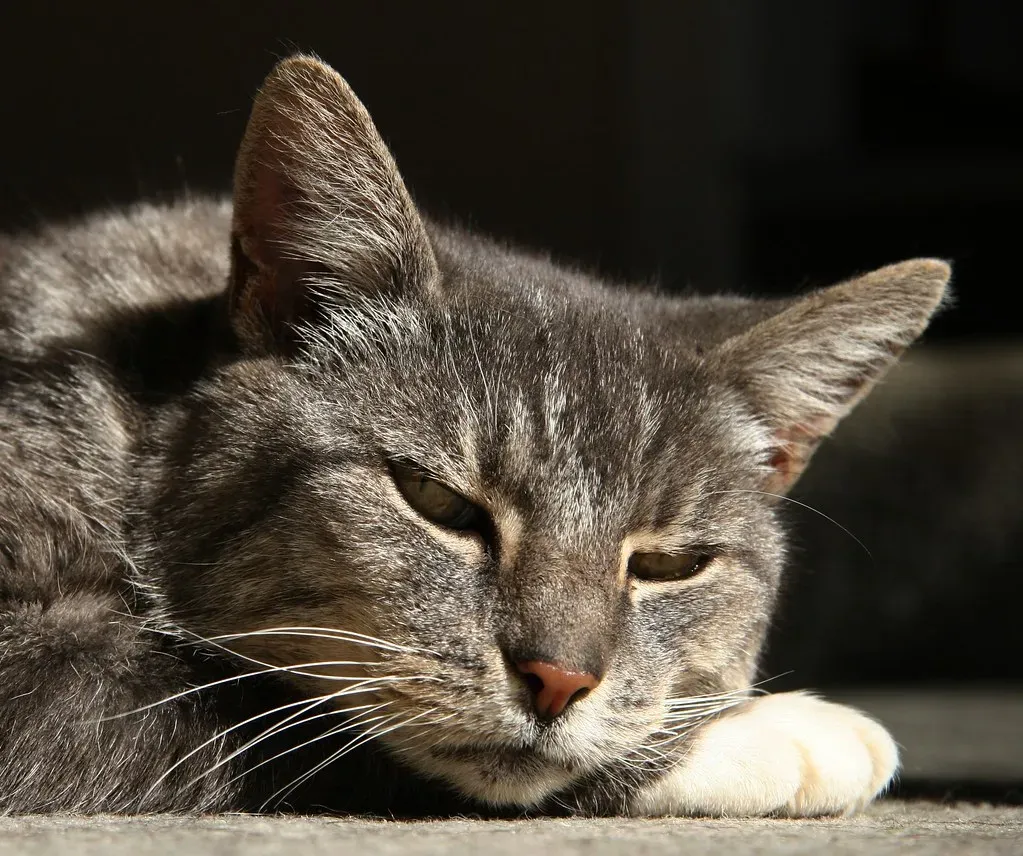
That patch of sunlight your cat claims every afternoon represents millions of years of evolution, complex biology, and emotional wellbeing all intersecting in one warm rectangle. It’s temperature regulation, mood enhancement, pain management, circadian synchronization, and ancestral memory simultaneously.
Next time you see your cat sprawled in that perfect golden spot, you’re witnessing something far deeper than simple comfort seeking. You’re seeing survival instinct, self-care wisdom, and biological necessity all wrapped up in fur and whiskers. Your cat knows something humans often forget: sometimes the simplest pleasures serve the most profound purposes.
What does your cat’s sunbathing behavior tell you about their needs? Have you noticed patterns in when and where they seek the light?