There’s a common assumption that cats simply don’t care. They wander off, ignore you for hours, and return on their own schedule. Many people read this as emotional distance or indifference. In reality, that picture is far more nuanced, and science has been quietly rewriting the story for years.
Your cat’s willingness to roam freely, explore without checking back, or sleep in another room isn’t a rejection. It may be the clearest indicator you have that your relationship with your cat is working exactly as it should. Understanding this shift in perspective can genuinely change how you see every quiet afternoon your cat spends without you.
The Science That Challenged the “Aloof Cat” Myth
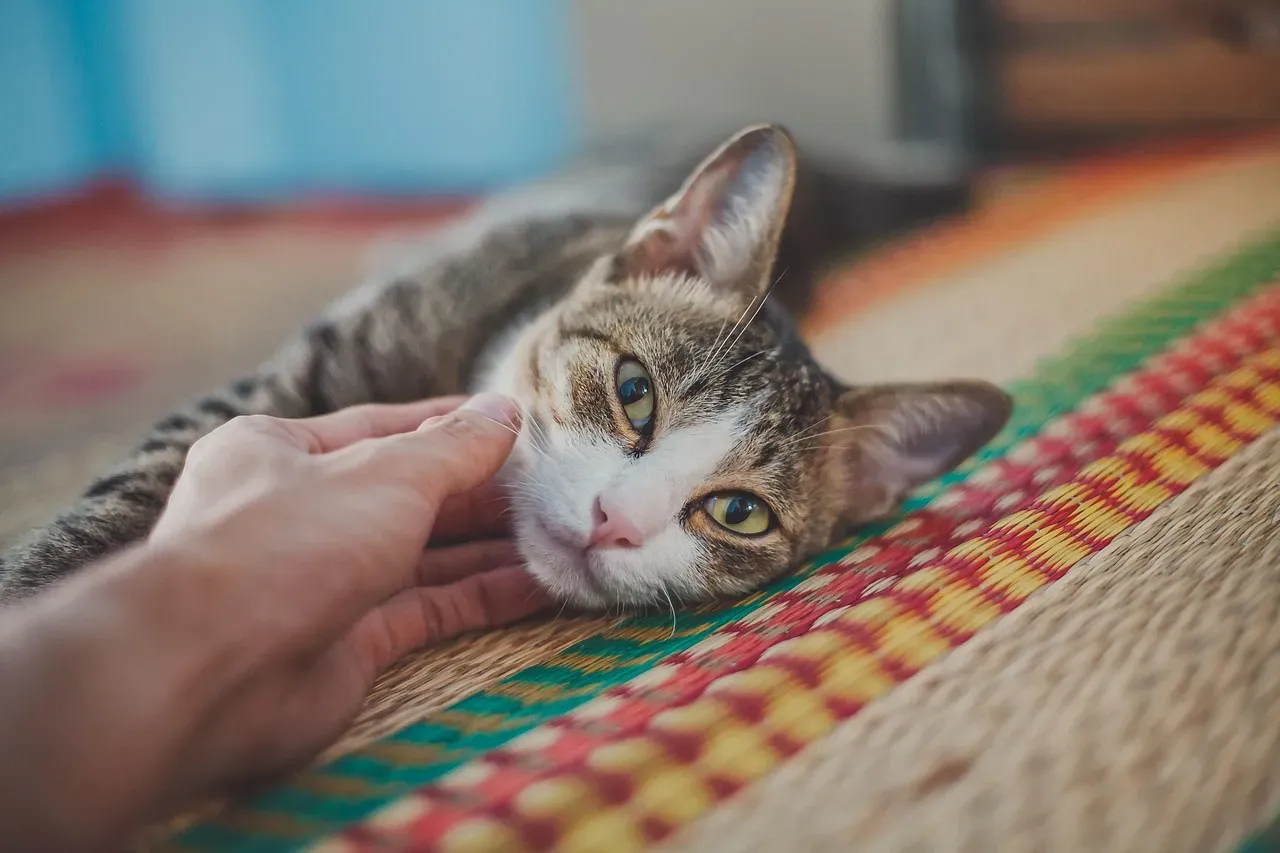
For decades, the dominant cultural narrative painted cats as cold, self-serving creatures who tolerate humans mainly for the food bowl. That narrative started crumbling in a meaningful way around 2019, when researchers at Oregon State University put cats through a version of the same attachment test used on human infants and dogs. The results were striking.
A study from Oregon State University found that pet cats form attachments with their human owners that are similar to the bonds formed by children and dogs with their caretakers. The data supported the hypothesis that cats show a similar capacity for the formation of secure and insecure attachments toward human caregivers as previously demonstrated in children and dogs, with the majority of individuals securely attached to their caregiver.
Researcher Kristyn Vitale noted that insecure cats can be likely to run and hide or seem aloof, and that there had long been a biased way of thinking that all cats behave this way. In fact, the majority of cats use their owner as a source of security. That distinction matters enormously. The cat who wanders freely around your home isn’t detached. It’s the opposite.
What the Secure Base Test Actually Reveals
A test typically used on humans and other primates to measure attachment to caregivers, called the Secure Base Test, has also been applied to cats. During the test, a cat is observed spending two minutes in an unfamiliar room with their guardian, then two minutes in the room alone, and then two final minutes enjoying a reunion with their guardian. Cats are evaluated based on their behaviors during these sessions.
Research found that secure cats greet their owner and then return to relaxed play and exploration, a response known as the Secure Base Effect, while insecure cats do not return to relaxed behavior and either excessively cling to their owner or avoid them. When your cat calmly resumes exploring after you’ve returned, that calm is the point. It means your presence genuinely settled them down.
Independent Behavior as Emotional Confidence, Not Coldness
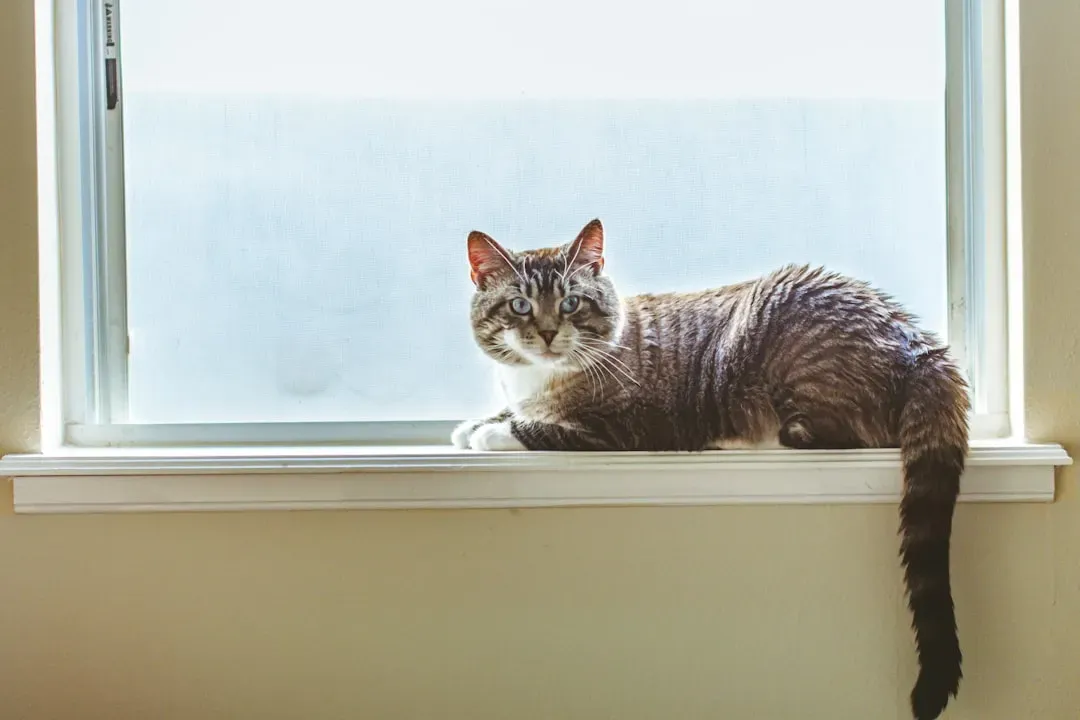
Cats that have developed a trusting bond gradually learn that they can love and trust you without needing to monitor your every step. That’s a level of emotional regulation most pet owners don’t immediately associate with their cat sitting on the windowsill while you work from home. Think of it as confidence rather than indifference.
A cat’s environment has a profound effect on its confidence and mental health. A home that caters to their natural instincts, including climbing, hunting, observing, and resting, provides security and stimulation, making them less reliant on you for entertainment or comfort. In other words, a cat that explores freely isn’t avoiding you. It feels safe enough to be itself.
Secure vs. Insecure Attachment: Knowing the Difference
In attachment theory, secure attachers are comforted by a caretaker’s presence, while ambivalent individuals tend to be clingy and overdependent, and avoidant ones seem disinterested. Disorganized attachers show a mix of contradictory behaviors, seeking attention and then resisting it. Cats fall across this same spectrum, and the category your cat lands in reveals more about the relationship than their surface behavior does.
Cats with insecure attachment show signs of stress such as twitching their tail and licking their lips, and either stay away from the person in an avoidant way or cling by jumping in their lap and not moving, a pattern called ambivalence. Cats with a secure attachment style also show fewer behavioral problems and have lower fear scores compared to insecurely attached cats. A calm, exploratory cat is actually telling you something reassuring.
The Chemistry Behind the Bond
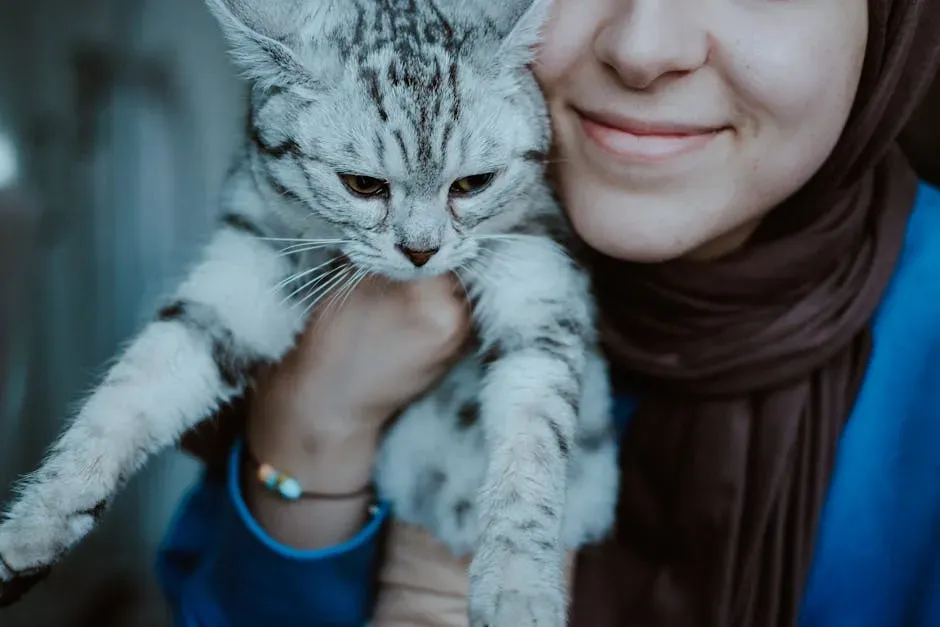
The emotional connection between you and your cat isn’t just behavioral. There’s measurable biology involved. Oxytocin release during free owner-cat interaction varied in cats of different attachment styles. An increase in oxytocin was observed in securely attached cats, while it tended to decrease in cats with an anxious attachment.
Securely attached cats initiated more interactions, showed more approach-hovering behavior and fewer escape attempts, and their owners exhibited less forced interaction compared to owners of insecurely attached cats. That word “forced” is telling. A relaxed, independent cat is also a cat whose owner has learned not to push. Both sides of the bond are shaped by the quality of the relationship.
The Secret Language Your Cat Uses to Say “I Trust You”
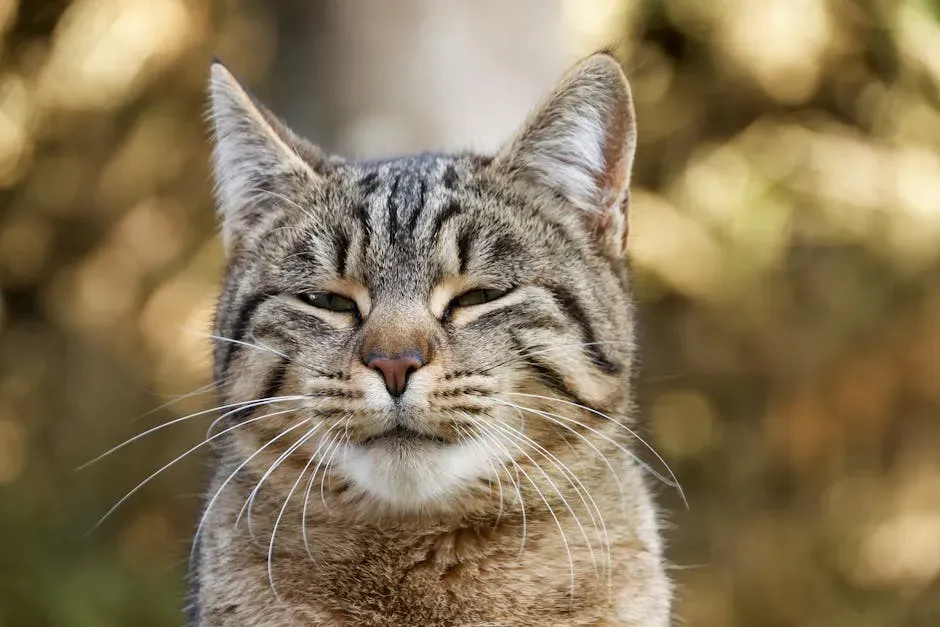
Your cat doesn’t speak, but the signals are everywhere once you know how to read them. Eye narrowing and half-blinks signal relaxation and affiliative intent. Slow blinking is a deliberate communication signal that cats use with trusted individuals. It’s not a sleepy gesture. It’s a considered one.
Slow blinks function as positive emotional communication between cats and humans, according to research by Dr. Tasmin Humphrey at the University of Sussex. In her 2020 study, cats were significantly more likely to approach a person after receiving a slow blink interaction. Physical behaviors like head-butting or bunting, where cats mark you with their scent, are also a sign of trust and a form of ownership. Your cat is quite literally claiming you as theirs.
Why Cats Evolved to Be Different From Dogs
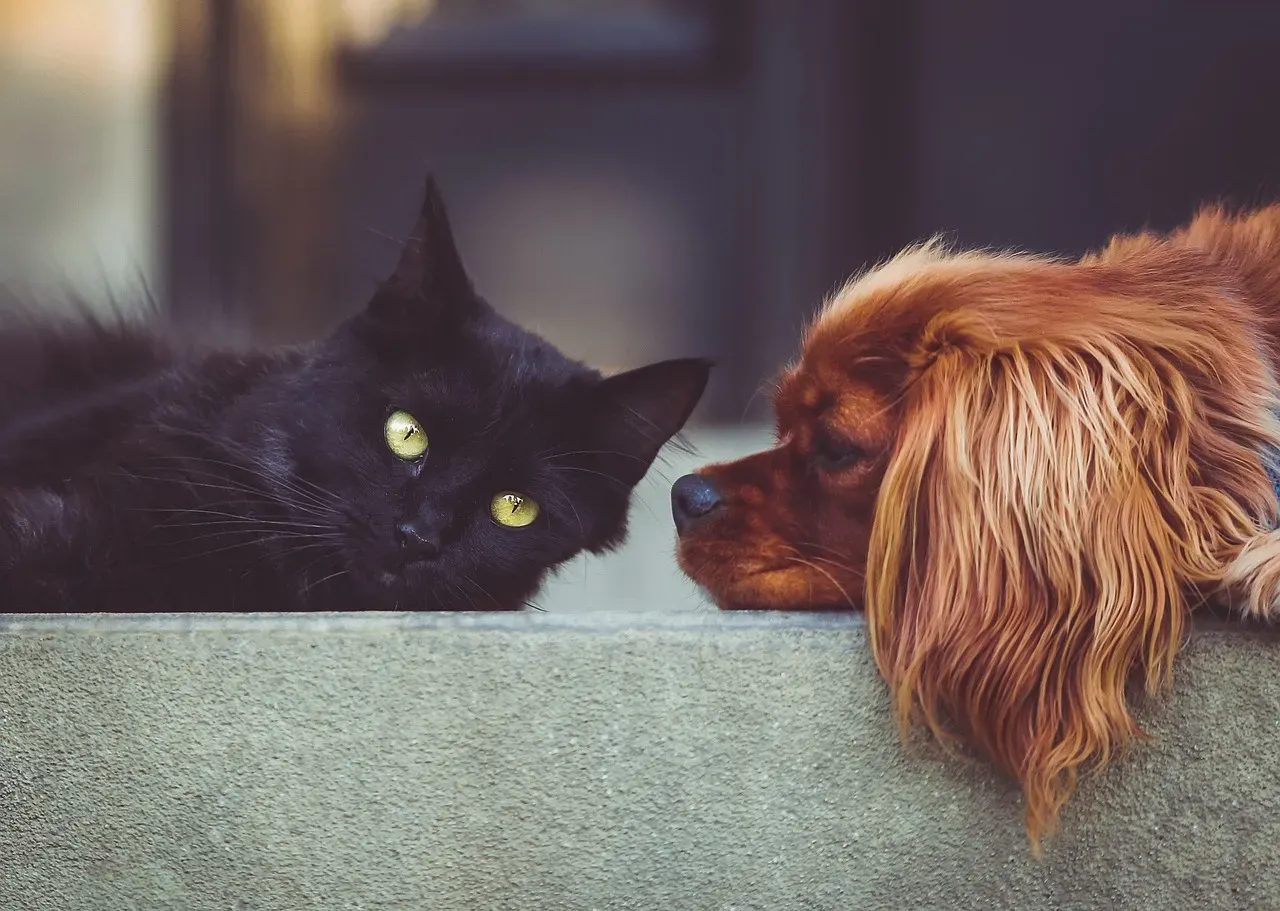
It helps to zoom out a little and look at evolutionary history. Cats are naturally more independent than dogs, having evolved as solitary hunters. This doesn’t mean they don’t form bonds. It simply means their attachment style may be different. Dogs were bred over thousands of years to look to humans for direction. Cats domesticated themselves largely on their own terms.
While it is increasingly recognized that cats are more social and more capable of shared relationships than traditionally thought, research shows that adult cats appear to be more autonomous, even in their social relationships, and not necessarily dependent on others to provide a sense of protection. That autonomy is a feature of feline psychology, not a flaw. While both cats and dogs can form strong bonds with their owners, the way they express that attachment can differ significantly. Dogs are often more demonstrative in their affection. This difference stems from their evolutionary history, where dogs were bred for cooperative tasks, leading to a greater focus on human interaction.
How Routine and Consistency Build a More Secure Cat
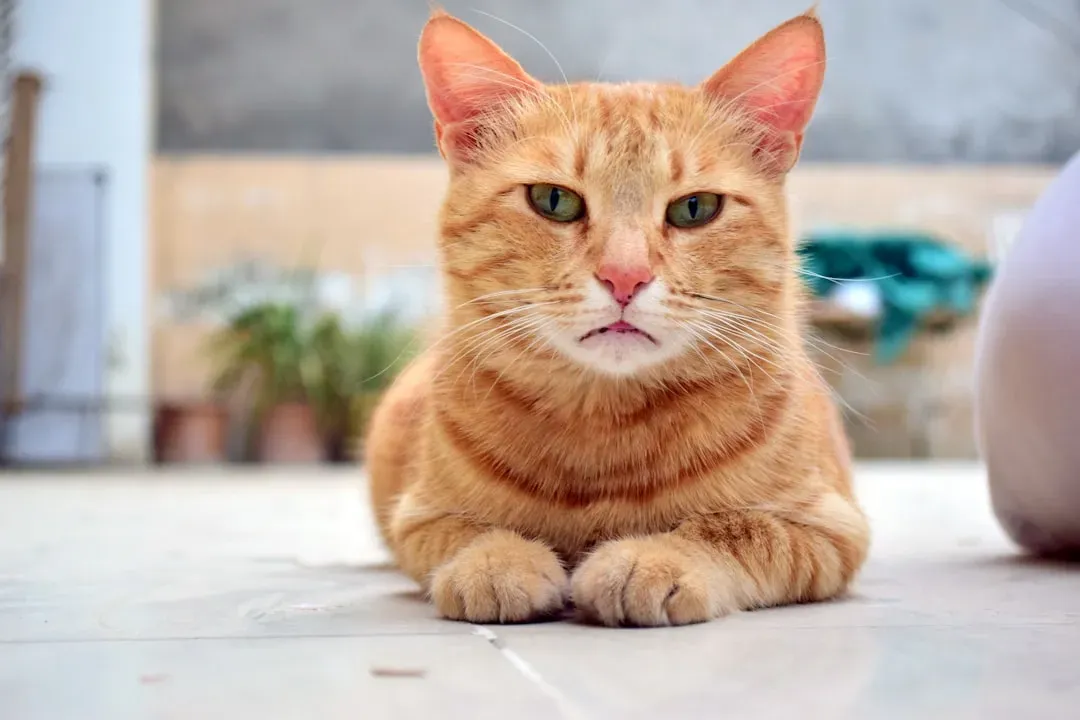
Cats thrive on routine, and establishing a consistent daily schedule can strengthen the bond between you and your feline companion. Regular feeding times, play sessions, and grooming routines create a sense of predictability and security for your cat. This consistency helps build trust, as your cat learns to rely on you for their needs.
A healthy human-cat relationship thrives on mutual trust and space. Teaching independence is not rejection – it’s an act of love that allows your cat to develop resilience and self-confidence. What you’re really doing, through routine and predictability, is giving your cat the steady ground they need to feel free. That freedom, paradoxically, keeps them emotionally closer to you.
What a Truly Bonded Cat Looks Like in Daily Life
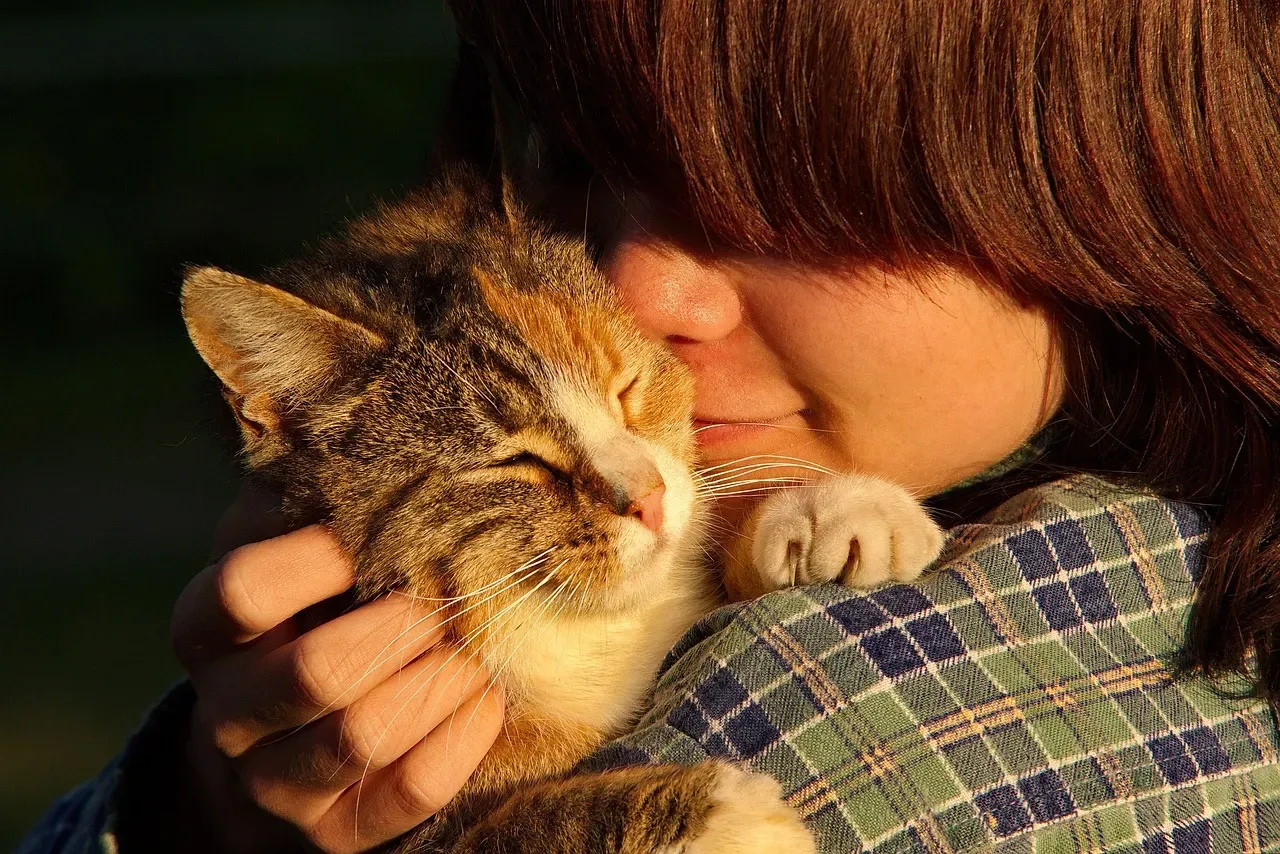
A cat’s behaviors such as following you from room to room, rubbing against your legs, or vocalizing softly are profound demonstrations of loyalty and comfort-seeking. They don’t announce themselves loudly. You have to notice them. Cats are at their most vulnerable when asleep, so if your cat chooses to sleep on or next to you, it’s a significant indicator of trust and affection. This behavior shows that your cat feels completely safe and secure in your presence.
Social grooming, also called allogrooming, is a sign of social bonding and is associated with security. Cats are often solitary animals, but if they live in a bonded pair or group, they will spend time grooming each other. If your cat licks you or grooms you, this is cat behavior indicating trust and love. A cat that grooms you has essentially put you in its inner circle, which, given how selective cats are, is no small thing.
Conclusion: Freedom Is the Highest Compliment
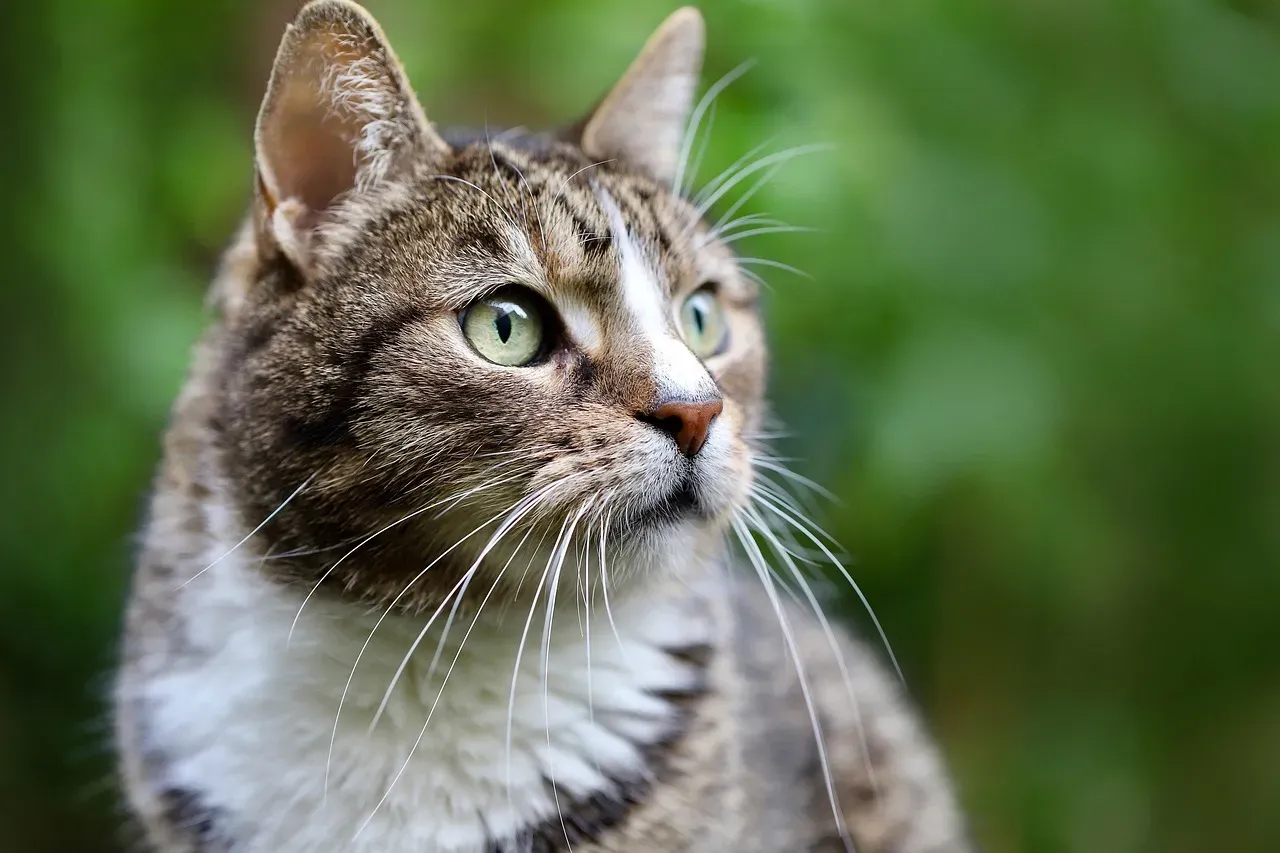
The next time your cat wanders off to nap in another room while you’re home, consider reframing it. That small act of independence, unhurried, unworried, is your cat telling you the environment is safe. You are the reason it feels that way.
Cats that feel emotionally secure know they can be near you without needing to depend on you constantly. This delicate balance allows your cat to live a more peaceful, fulfilling life, one where love is rooted in assurance, not anxiety. The most secure relationships, whether between people or between people and their animals, leave room to breathe.
Your cat’s independence isn’t something to read as distance. It’s a quiet report card on the trust you’ve built together. The fact that they feel free to roam means they always know where home is.
Kristina is a young writer from India. An arts graduate and an avid content creator, Kristina is passionate about animals and wildlife. She enjoys exploring topics related to pet care, animal behavior, conservation, and nature, combining thorough research with engaging storytelling.