It’s 2 a.m. The house is quiet, you’re finally asleep, and then it happens. Something furry launches off your stomach, ricochets off the wall, and goes tearing down the hallway at full speed. Your cat, who spent roughly fourteen hours doing absolutely nothing, has just entered maximum overdrive. Sound familiar? You’re not alone, and honestly, you are not dealing with a weird cat.
There’s a real science behind why your feline companion saves the wildest antics for the dead of night, and once you understand it, the whole spectacle starts to make a strange kind of sense. The answer involves ancient instincts, fascinating biology, and more than a little evolutionary genius. So, let’s dive in.
What Exactly Are the “Zoomies,” Anyway?
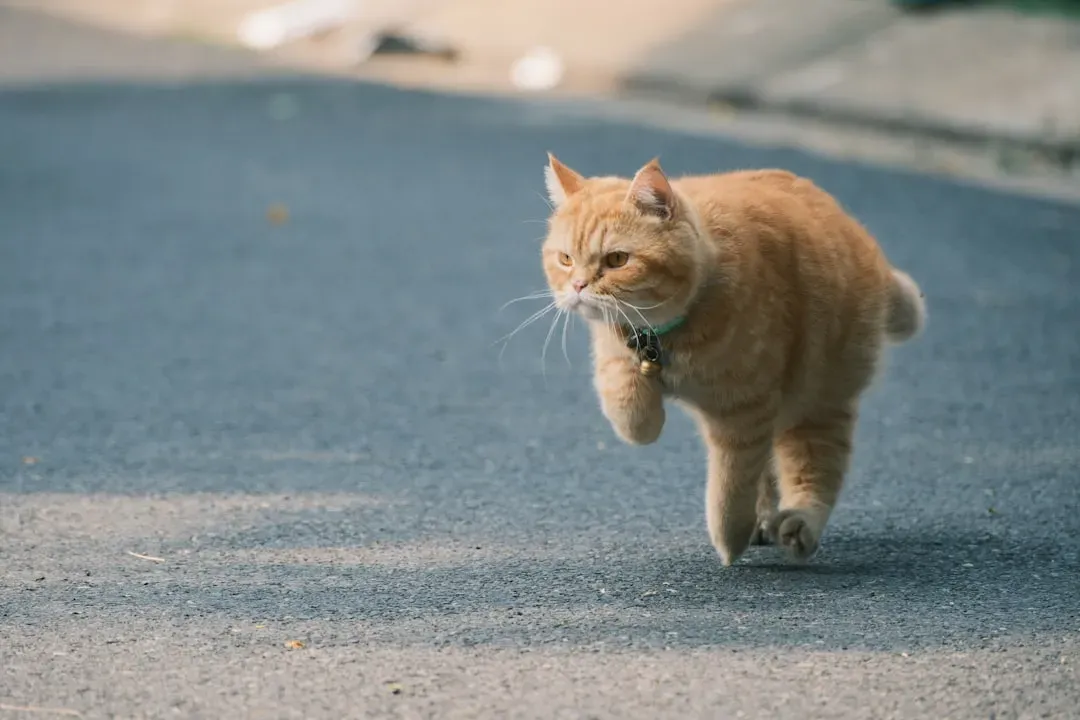
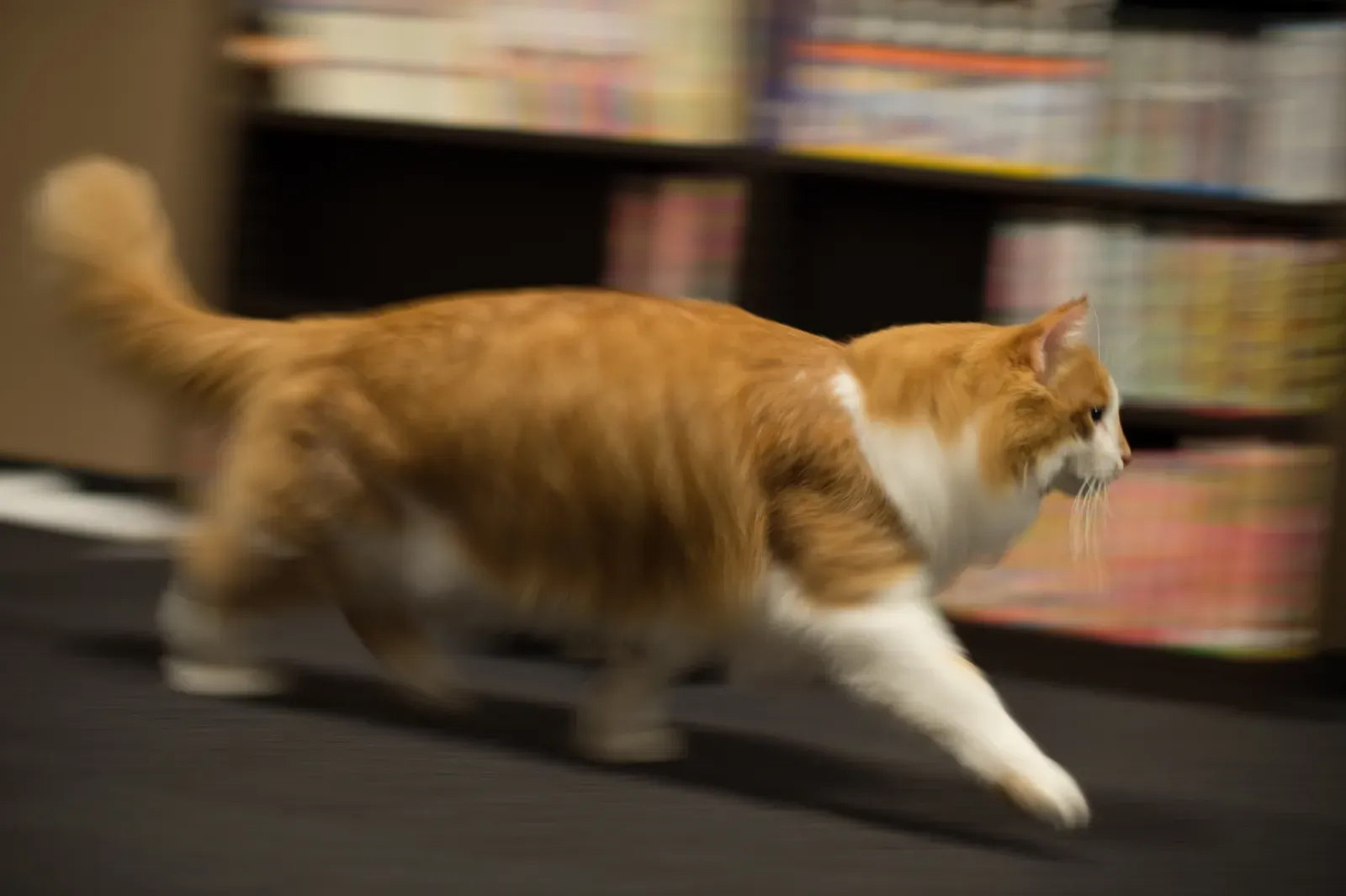
Before you can understand why your cat goes absolutely feral at midnight, you need to know what you’re actually witnessing. Zoomies, also known as Frenetic Random Activity Periods or FRAPs, are those sudden bursts of energy where your cat runs around like they’ve had way too much coffee. It’s a real, recognized behavioral phenomenon, not just your cat being dramatically eccentric.
Your cat might sprint from room to room, leap onto furniture, slide across floors, and generally act like a fuzzy little maniac – and these episodes usually last anywhere from one to five minutes. Short, intense, and seemingly purposeless to you. But to them? Deeply satisfying. Think of it like a kettle finally releasing steam after sitting on the stove all day.
Your Cat Is Not Nocturnal – The Crepuscular Truth
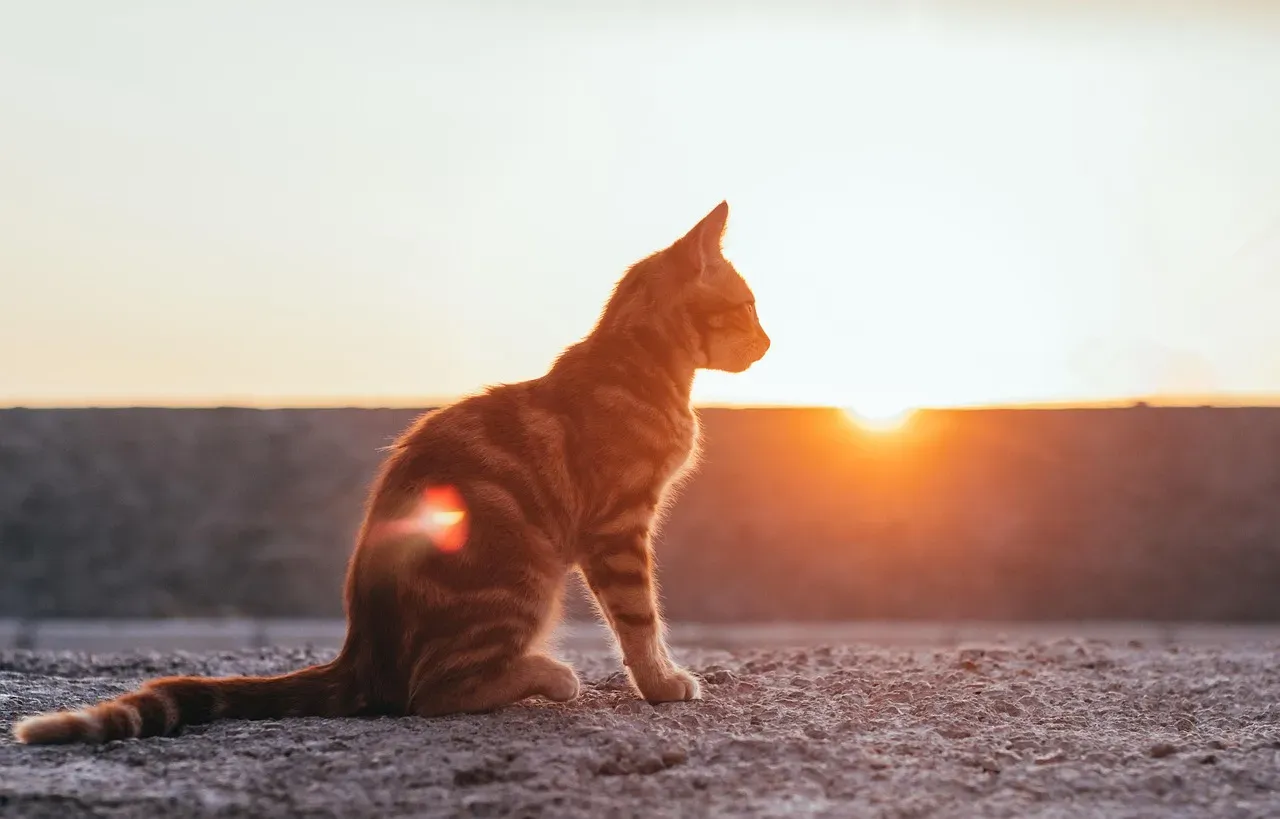
Here’s something that surprises most people. Despite popular belief, domestic cats are not nocturnal. They are crepuscular, meaning they’re most active at twilight, specifically dawn and dusk. The theory is that in the wild, a cat’s prey is most active at these same times. That distinction matters more than you’d think.
Research on free-ranging domestic cats found two distinct peaks of activity: one in the late evening around 9 p.m. and another in the early morning around 5 a.m. So when your cat is doing laps around the living room at midnight, they’re not being erratic. Domestic cats are shaped by thousands of years of hunting at dawn and dusk, and even indoor cats follow these rhythms, alternating between rest and short bursts of movement throughout the night.
The Science of the Internal Clock: Feline Circadian Rhythms
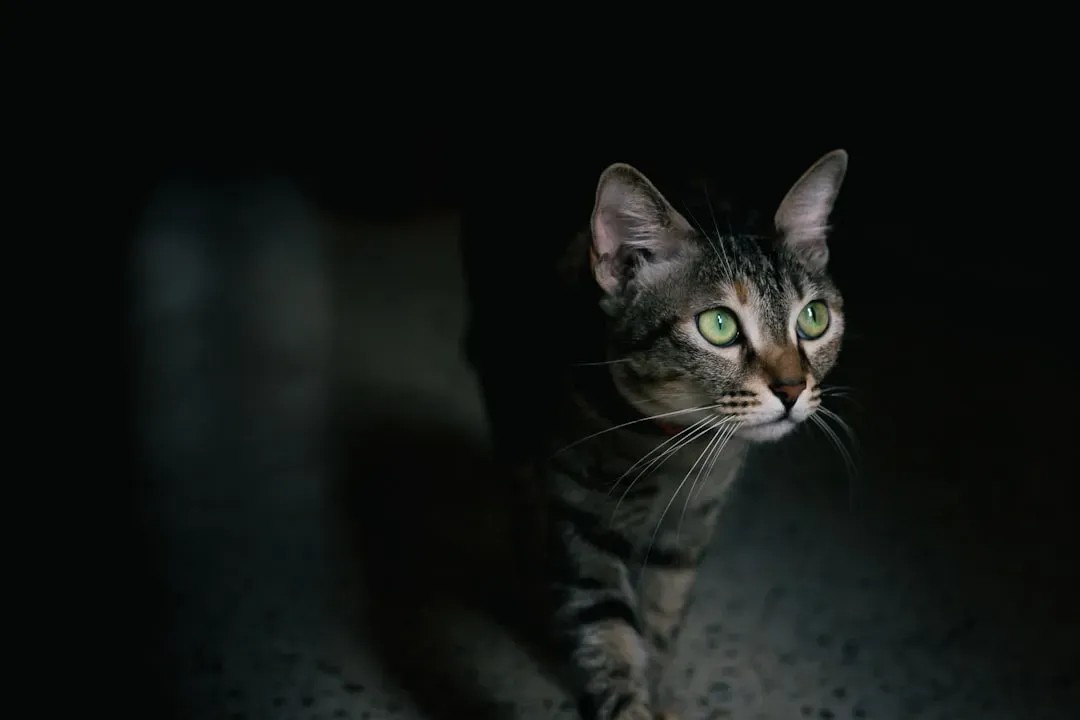
The circadian rhythms of cats support a crepuscular lifestyle, indicating an evolutionary adaptation that enhances their survival as both predators and prey. Their internal clock doesn’t run on human time, and honestly, it never has. You’re not going to reprogram ten thousand years of biology just because you keep the lights on past 10 p.m.
Within the home, the interplay of artificial light, feeding patterns, and environmental conditions significantly alters feline sleep habits and activity levels. Light-intensity cycling, driven by the use of artificial light, can disrupt natural circadian rhythms, altering the behavioral patterns of domestic cats and shifting their periods of heightened activity. In other words, your glowing TV and bright kitchen lights might actually be pushing your cat’s energy surge later into the evening without you even realizing it.
Built for the Dark: Your Cat’s Extraordinary Night Vision
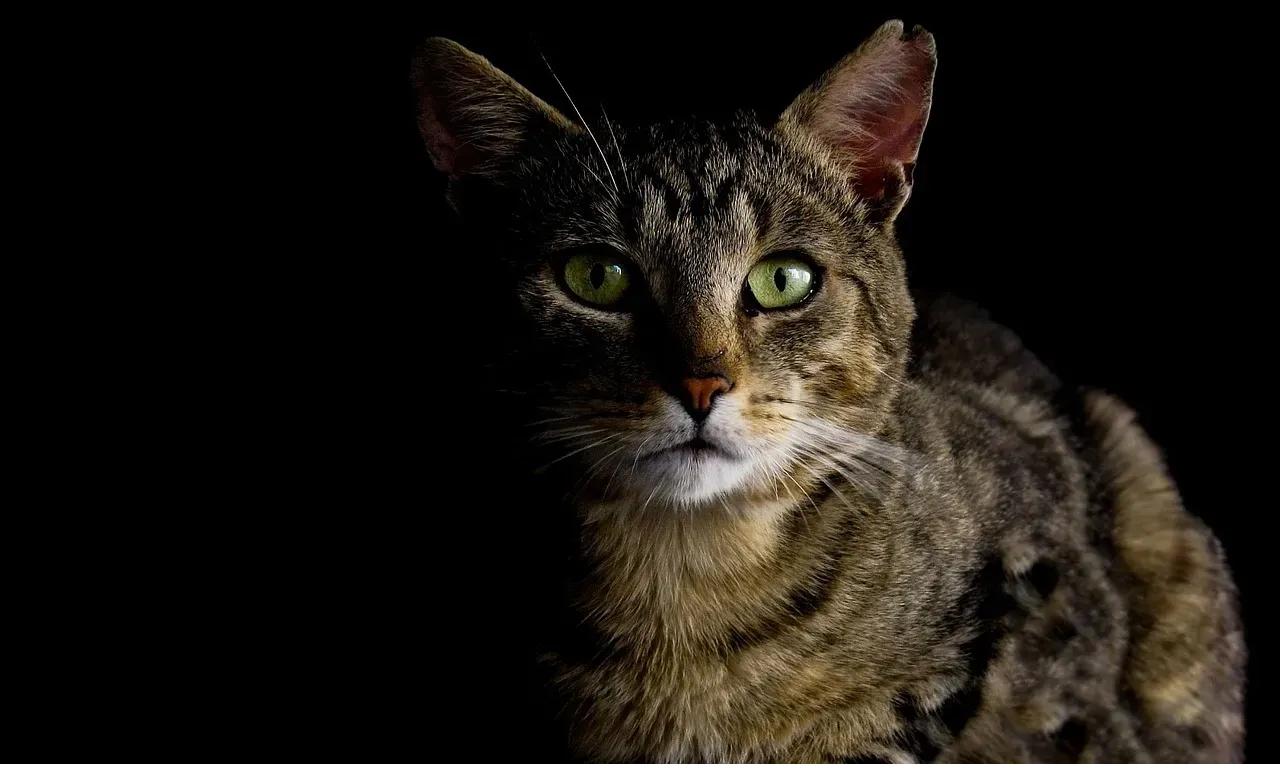
One major reason your cat thrives after dark has nothing to do with mood. It’s pure anatomy. Cats have a reflective layer behind the retina called the tapetum lucidum, which acts like a mirror, and this allows them to see roughly six times better than humans in low light. That eerie glowing-eye effect you see in photos? That’s the same system at work.
The tapetum lucidum in cats is renowned for its brilliance, even inspiring ancient Egyptians to believe it reflected the sun at night. This reflective layer is composed of 15 to 20 layers of cells arranged in a central pattern, a structure denser than that of dogs, resulting in high reflectance nearly 130 times that of humans. Add to that their distinctive vertical-slit pupils, which can dilate dramatically in low light to cover almost the entire visible portion of the eye, maximizing light collection, and you have an animal essentially built to dominate the night.
The Energy Bank: Why All That Daytime Napping Fuels Midnight Madness
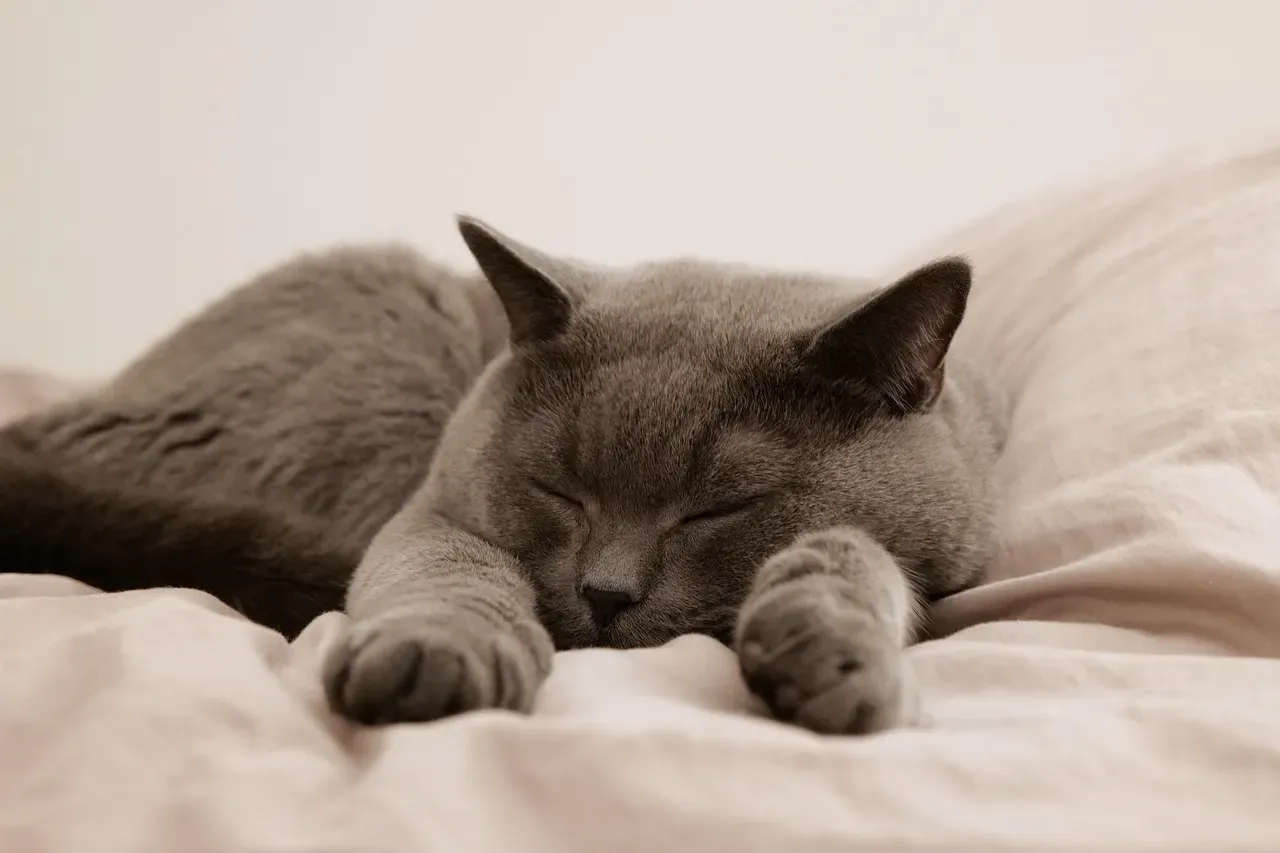
Let’s be real about what your cat is doing during the day. The average cat will sleep anywhere from 12 to 18 hours a day, and roughly forty percent of them will sleep even longer than 18 hours. That’s an enormous amount of rest, and rest means stored energy, building up like water behind a dam.
Cats sleep for an average of 13 to 14 hours a day, which leaves plenty of stored energy for when they’re awake. If they haven’t expended enough energy during the day, they may have zoomies at night. It’s almost laughably simple when you put it that way. Your cat is essentially a battery that charges all day and needs to discharge all at once. One of the most common reasons cats experience these bursts of hyperactivity is the excess energy they’ve stored.
The Hunter’s Heart: Ancient Instincts That Never Went Away
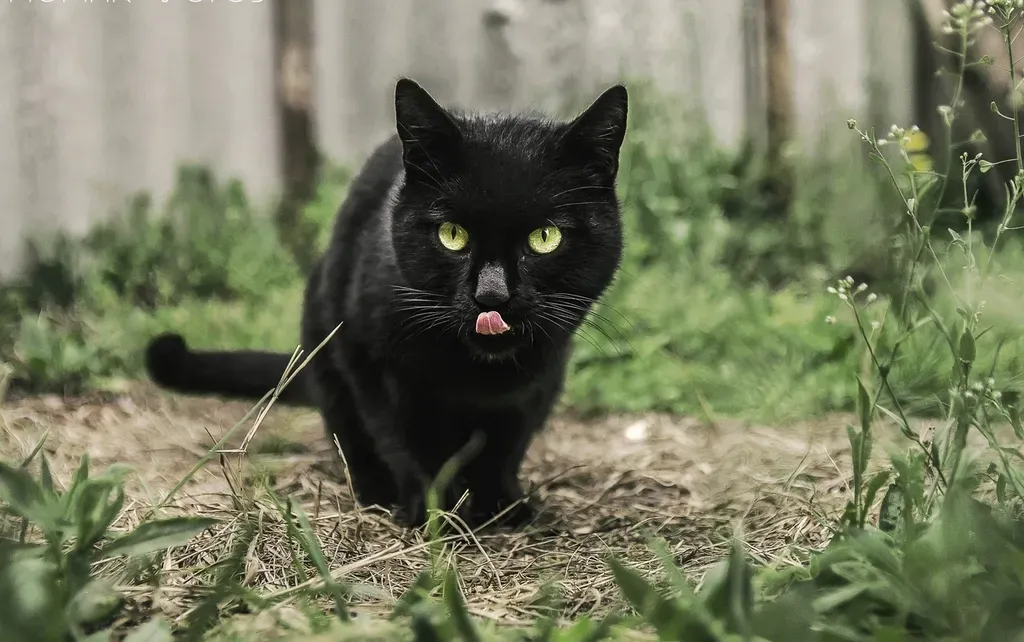
Your fluffy couch companion still carries the instincts of a skilled wild predator. Zoomies are rooted in feline instincts. Cats are predators by nature, and even if they live indoors, they still have bursts of energy hardwired into their behavior. In the wild, a cat would stalk prey, chase it, and then rest. Indoor cats still feel these natural urges, and without hunting opportunities, they sometimes release pent-up energy in a sudden, high-speed dash around the house.
Even well-fed house cats have a prey drive. When they spot a bug, a shadow, or even imagine something moving, their hunting instincts kick in. Zoomies can be a form of hunting practice, complete with stalking, pouncing, and high-speed chases. So when your cat is chasing absolutely nothing across the kitchen floor at midnight, they’re not confused. They’re rehearsing.
Stress, Boredom, and the Indoor Life Problem
Here’s the thing: the modern indoor lifestyle, as safe and comfortable as it is for cats, was never exactly designed around their instincts. If your cat stays indoors, they might not get enough stimulation during the day. Without the excitement of outdoor exploration, hunting, and climbing, indoor cats can get a bit stir-crazy. That’s not a character flaw. It’s a mismatch between their biology and their environment.
Cats are sensitive creatures, and changes in their environment or routine can cause stress and anxiety. This can manifest as increased nighttime activity as they try to cope with their emotions or seek comfort and reassurance from their surroundings. Stress-driven zoomies look slightly different from joy-driven ones. Sometimes zoomies are a way for cats to release nervous energy. If something has stressed them out, like a loud noise, a visitor, or bath time, they might zoom around to shake off those anxious feelings. If your cat’s zoomies seem connected to stressful events and they’re also showing other signs like hiding, excessive grooming, or meowing more than usual, it might be worth looking into what’s bothering them.
When Zoomies Are a Warning Sign: Age and Health Considerations
Most of the time, zoomies are completely harmless and even adorable. Still, there are moments when they’re worth a second look. A cat’s age can impact their activity levels and sleep-wake cycle. Young cats have an abundance of energy and may have more frequent and intense zoomies, and they are also more likely to be active at night. Older cats typically slow down and may sleep more, however some older cats may become more active or vocal at night due to changes in their cognitive function or because of medical issues.
In seniors, sudden bursts of activity can sometimes be a sign of discomfort, such as joint pain or hyperthyroidism, rather than just playfulness. If your senior cat’s zoomies are new or unusually frequent, it’s worth having them evaluated. The same goes for sudden changes in adult cats. If zoomies suddenly appear in an adult or senior cat, or come with crying, panting, staring at walls, or accidents, skip the hacks and call your vet – pain, hyperthyroidism, or cognitive changes can all masquerade as new nighttime crazies.
What You Can Actually Do: Practical Tips to Reclaim Your Sleep
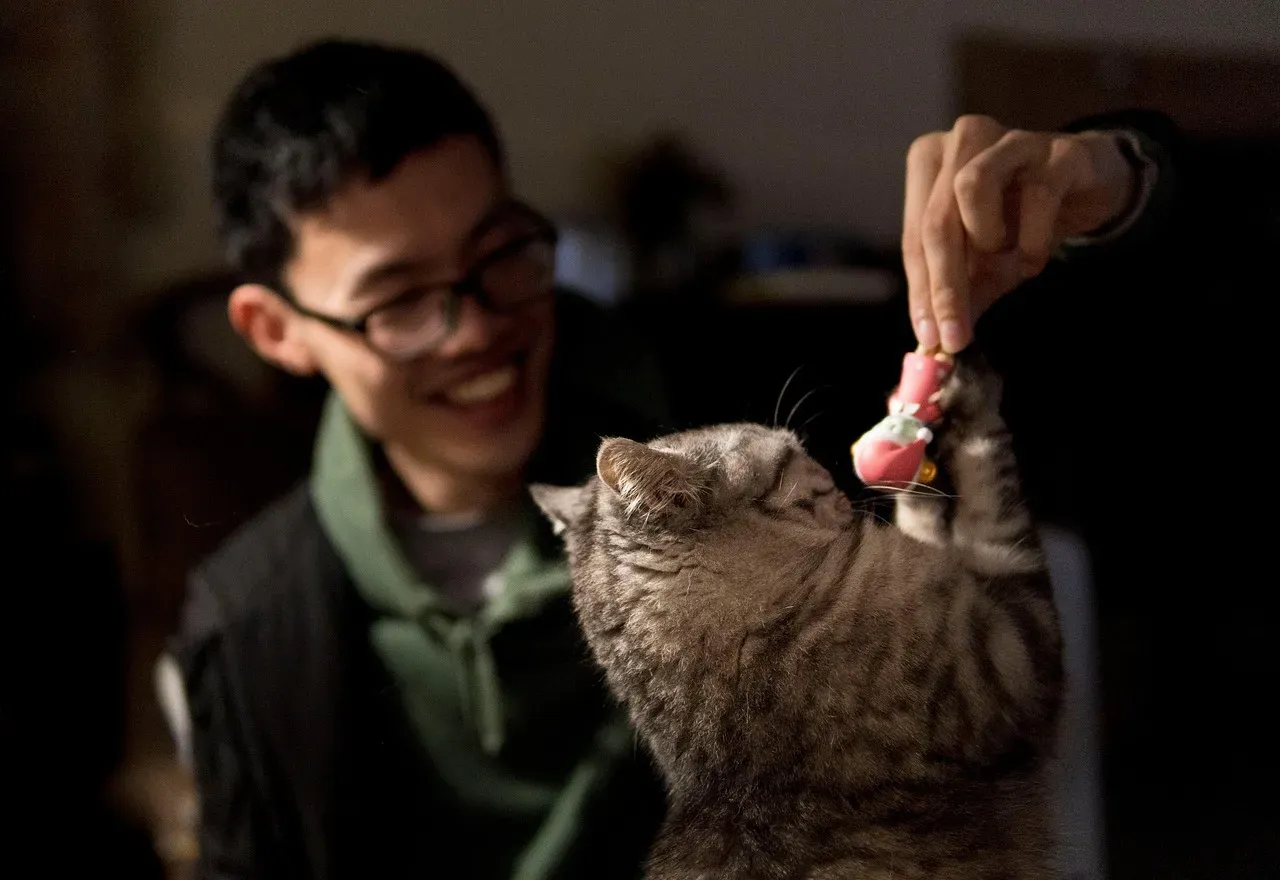
Good news: you’re not completely powerless here. There’s a surprisingly effective strategy that works with your cat’s natural instincts rather than against them. End a play session with a catch and then feed a meal. A cat with a satisfied hunt-eat-groom-sleep cycle sleeps longer. Think of it like the natural rhythm of a wild cat’s night: stalk, chase, catch, eat, groom, sleep. You’re just recreating that sequence in your living room.
A focused 10 to 20 minutes of interactive play before bed can dramatically cut down on 3 a.m. zoomies for many cats, but it only works if you pair it with the right feeding schedule and a calm bedtime routine. On top of that, cats thrive on routine. Feeding your feline companion at the same times each day helps stabilize their energy cycles and may reduce the intensity of nighttime zoomies. Predictability is calming for them, the same way a consistent bedtime routine works for children.
Conclusion: Your Cat’s Chaos Has a Purpose
Uploaded by SunOfErat, CC BY-SA 2.0)
Honestly, once you see the midnight zoomies for what they really are, it’s hard to be annoyed by them. The midnight zoomies are not a flaw in your cat’s design – they’re a feature. Rooted in evolution, driven by instinct, and expressed through joyous abandon, these bursts of energy reflect a cat that feels safe enough to play and confident enough to explore. That’s worth remembering the next time you’re startled awake at 3 a.m.
Your cat isn’t broken, badly behaved, or trying to ruin your life. They’re a tiny, ancient predator living in your home, doing the best they can with millions of years of evolutionary programming. Zoomies release endorphins that improve your cat’s mood and reduce stress. Your feline companion isn’t just burning energy – they’re keeping both their body and mind healthy. Work with their rhythms, tire them out before bed, keep the routine consistent, and you might just find that the midnight madness becomes a lot more manageable. What would you have expected from an animal whose ancestors once made the ancient Egyptians think their eyes reflected the sun itself?