You come home to find a plant nudged off the shelf, a sock relocated to the hallway, and your cat sitting nearby with an expression that reads somewhere between satisfied and indifferent. It’s easy to file this under “bad behavior” and wonder what went wrong. The truth is, most of what looks like feline mischief is something else entirely.
Cats inherit their curiosity from their wild ancestors, who relied on exploration to hunt, find shelter, and stay safe. That curiosity is fueled by instincts related to hunting, territorial awareness, and problem-solving. What reads as naughty to you is almost always purposeful from your cat’s perspective. Understanding the “why” behind these behaviors changes everything.
The Instinct Behind Every Pounce and Prowl
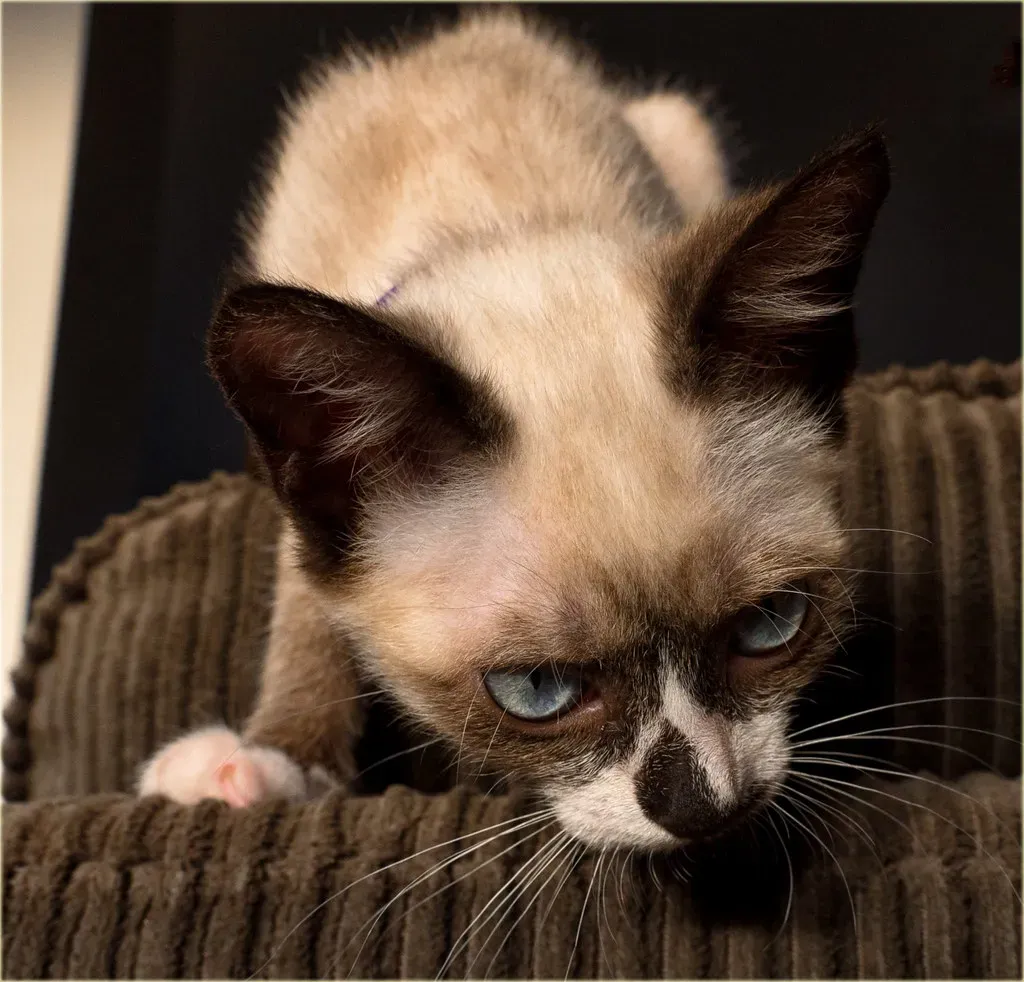
Cats, both domestic and wild, rely on play as a natural part of their development and daily routine. Unlike dogs, who tend to use play for social interaction, cats’ play behavior is deeply connected to their instincts and survival skills. They are natural predators, and in the wild, their play mimics hunting behaviors such as stalking, pouncing, and catching prey. Even domestic cats retain this instinct, and their play is an outlet for these natural urges.
Although your domesticated cat typically does not need to hunt to eat, their prey drive remains strong, often evident in their playful actions such as chasing toys or attacking moving objects. This drive is not solely influenced by hunger; it is an integral part of what makes a cat a cat, providing both mental and physical stimulation and serving as an outlet for their energy. Every pounce on your feet, every sideways leap at a crinkled bag – it all traces back to the same source.
Why Your Cat Knocks Things Over
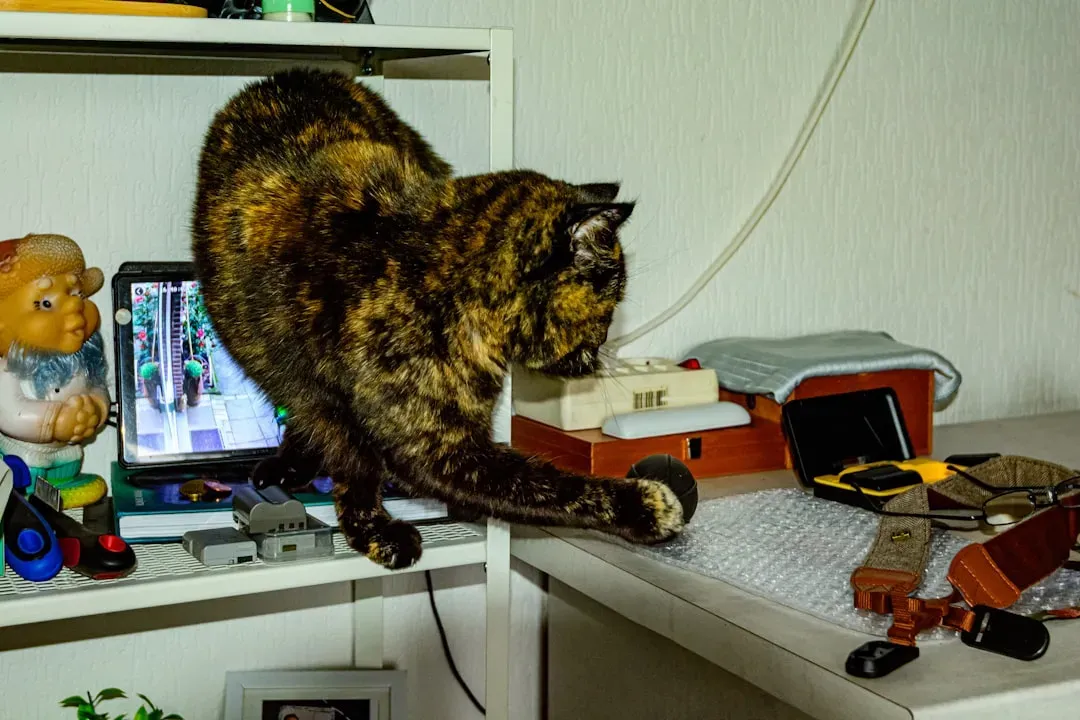
If your cat is pushing stuff off tables or counters, it might be because of curiosity. Knocking things over is part of their way of examining the world around them. They are looking to see how objects move, whether they break, and whether they contain something inside. It’s essentially a form of investigation, not a personal grievance against your favorite mug.
Even well-fed domestic cats retain hunting instincts that shape how they interact with objects around them. This instinct explains why cats push things off elevated surfaces and why cats knock things down during everyday interactions. Pushing items off elevated surfaces often mimics behaviors used in prey evaluation and environmental assessment. Cats do not differentiate between positive and negative attention the way dogs do. A loud response, even scolding, can strengthen the behavior or lead to stealthy continuation of it.
The Midnight Zoomies Are Not Random

Cat zoomies are called frenetic random activity periods, or FRAPs. They’re a normal way for cats to release energy and express instinctive behaviors. Zoomies often happen at dawn or dusk because cats are crepuscular. Those wild laps around the apartment at midnight aren’t chaos for chaos’s sake – they’re a deeply wired response to timing and energy accumulation.
The most common cause of your cat’s zoomies is a build-up of excess energy. As natural predators, cats conserve energy throughout most of the day to use in short bursts during hunting sessions. While this is helpful for surviving in the wild, there’s not much use for it inside the house. These bursts of activity may release endorphins, causing a pleasurable or euphoric response, and from a physical standpoint, they can strengthen muscles, boost cardiovascular health, and support overall well-being.
Hiding in Boxes and Tight Spaces
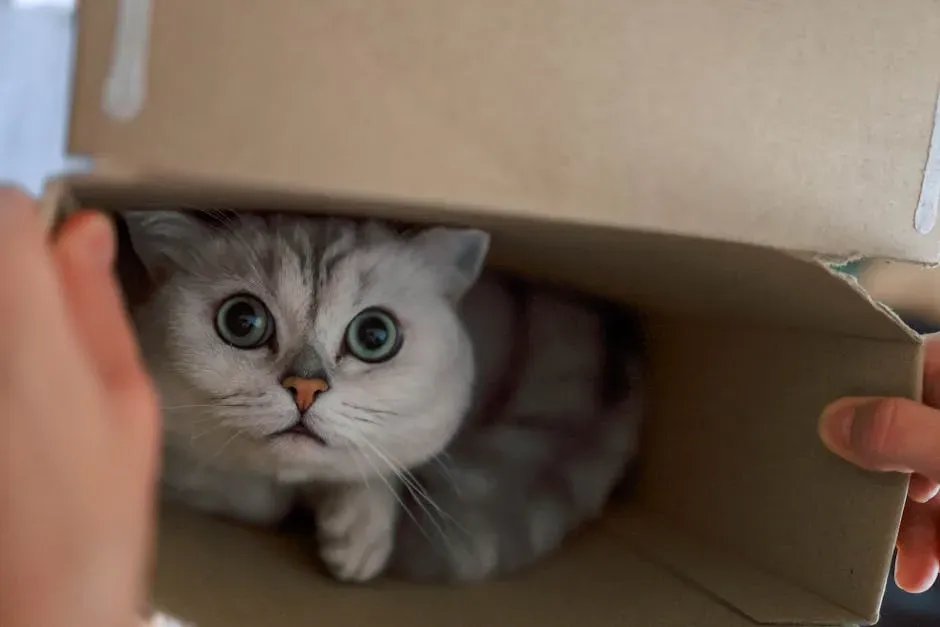
Cats instinctively seek safe, enclosed spaces where they can rest undisturbed or observe without being seen. These secret spots also serve as strategic hideouts – in the wild, such behavior helps cats stay safe from predators or lie in wait for prey. Even domestic cats retain this instinct, which explains their fascination with closets, boxes, and tight corners.
When cats explore, one thing they are looking for is a potential hiding space. The experience of jumping and sliding into a box may resonate with their instinct to find protected spaces in the wild where they are able to see their environment without being seen. Cats naturally seek hiding spots from which to observe potential prey, and providing these spaces supports their hunting instincts. Cat tunnels, cubes, boxes, and covered beds offer privacy and create opportunities for stalking games.
Scratching the Furniture Is Not Spite
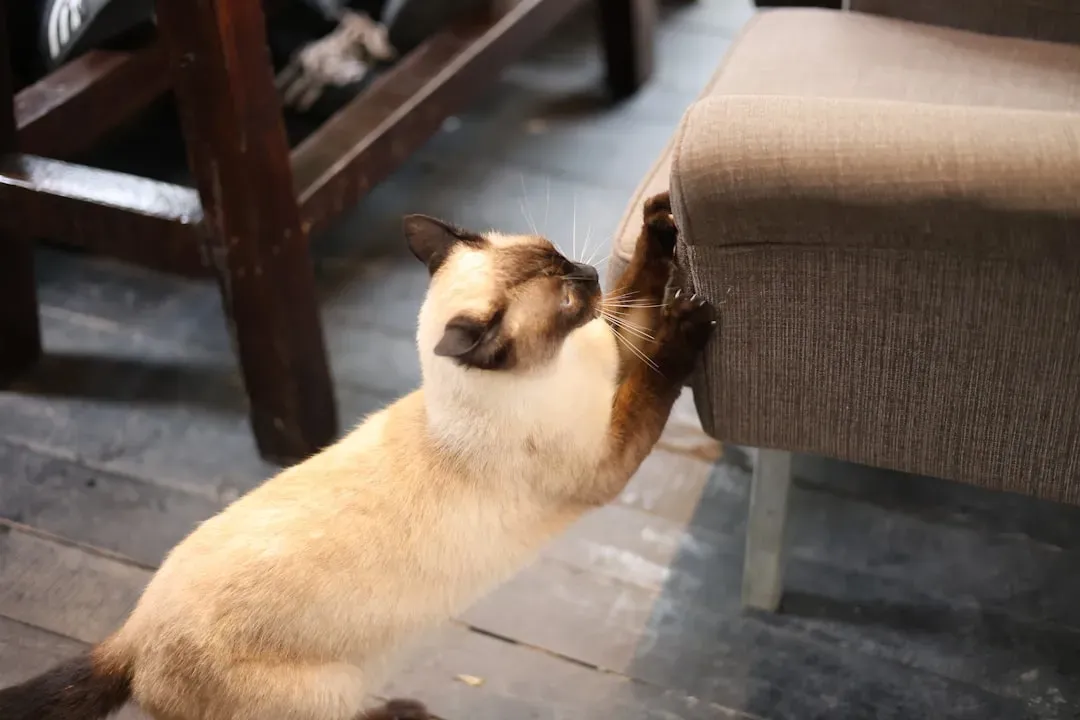
Scratching helps cats maintain the health of their claws by removing the outer sheath and keeping them sharp. Additionally, scratching allows cats to stretch their muscles and maintain their flexibility. It also serves as a way for them to mark their territory, as they leave both visual and scent marks through the glands in their paws.
The foundation of your cat’s scratching behavior is instinctual. They’ve been programmed to do this fundamental thing for all the reasons we’re about to discuss. So, how do you stop your cat from doing something they instinctually need to do? You don’t. You can’t remove their need to scratch. The trick is to give them alternative scratching options that meet those needs just as well as your couch. Redirecting works far better than reprimanding.
Climbing High Is About Security, Not Superiority
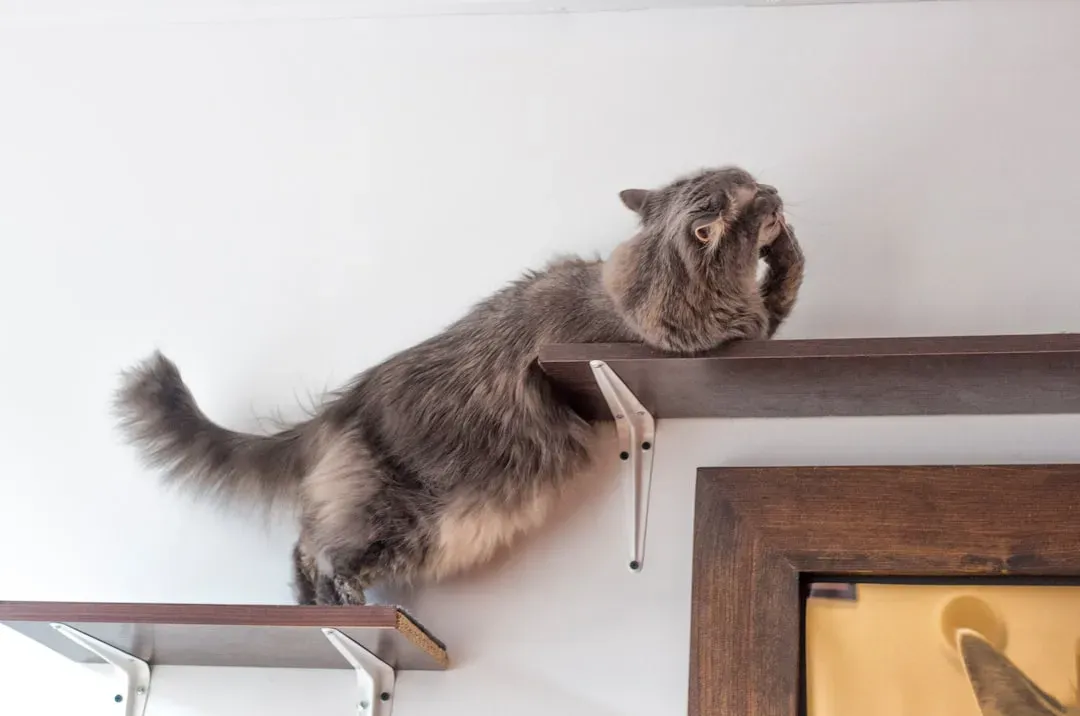
Cats may sometimes perch themselves high up on a piece of furniture, giving them a nice vantage point to see everything in the room. Way up high like that, your cat is mimicking the hunting instincts of their ancestors, looking for prey. That perch on top of the refrigerator isn’t arrogance – it’s reconnaissance.
High places help cats feel safe and give them a better view of their surroundings. In the wild, a cat’s day is filled with hunting, climbing, exploring, and problem-solving. Indoor cats, however, live in relatively static environments, which is why environmental enrichment is crucial to encouraging natural play behaviors and preventing boredom-related issues. Giving your cat dedicated vertical space – a cat tree, wall shelves, or a window perch – satisfies this need without sacrificing your countertops.
When Your Cat “Steals” Things
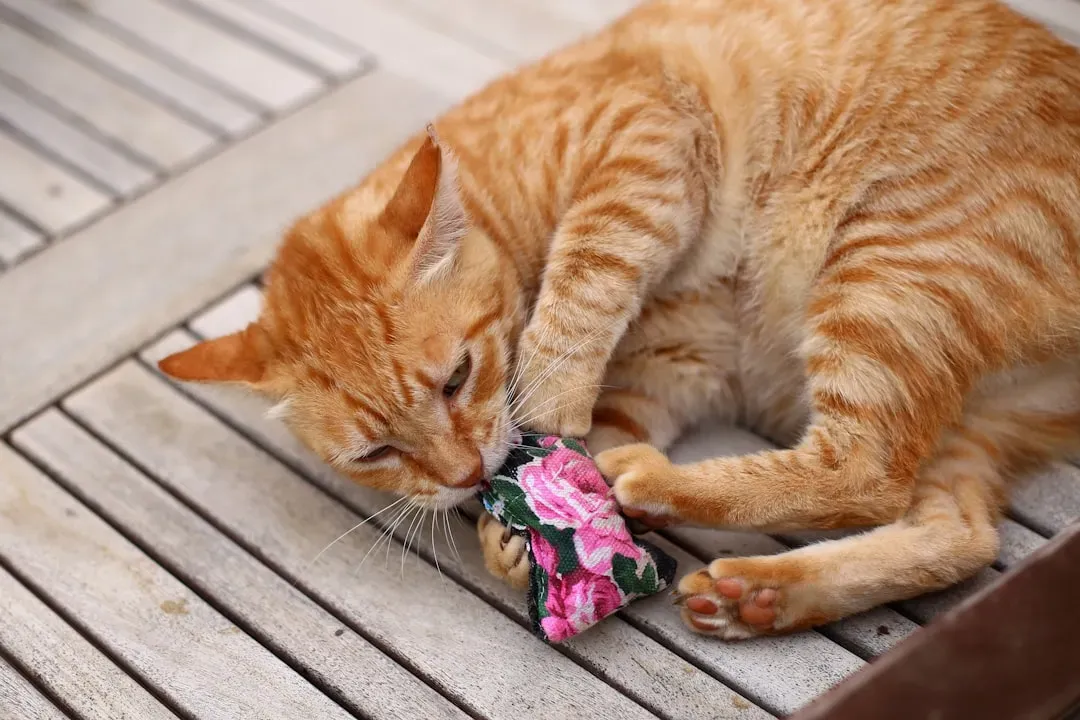
If your cat is taking things and moving them around – like socks – it could be a predatory instinct, and the sock is being used as a replacement for prey that has been killed and brought back. Cats have an innate hunting instinct, which can sometimes manifest in them bringing their humans dead birds, rodents, or bugs. This behavior is a way for cats to show their affection and regard their human family as part of their pack.
It may be similar to the way wild cats provide for their young while teaching them valuable survival skills. Since most domestic cats are neutered, however, and have no young to provide for, they may transfer these instincts to their owners instead. So if you keep finding your cat’s toys deposited at your feet, it’s actually a compliment of the highest feline order.
Attention-Seeking Behavior Is Communication
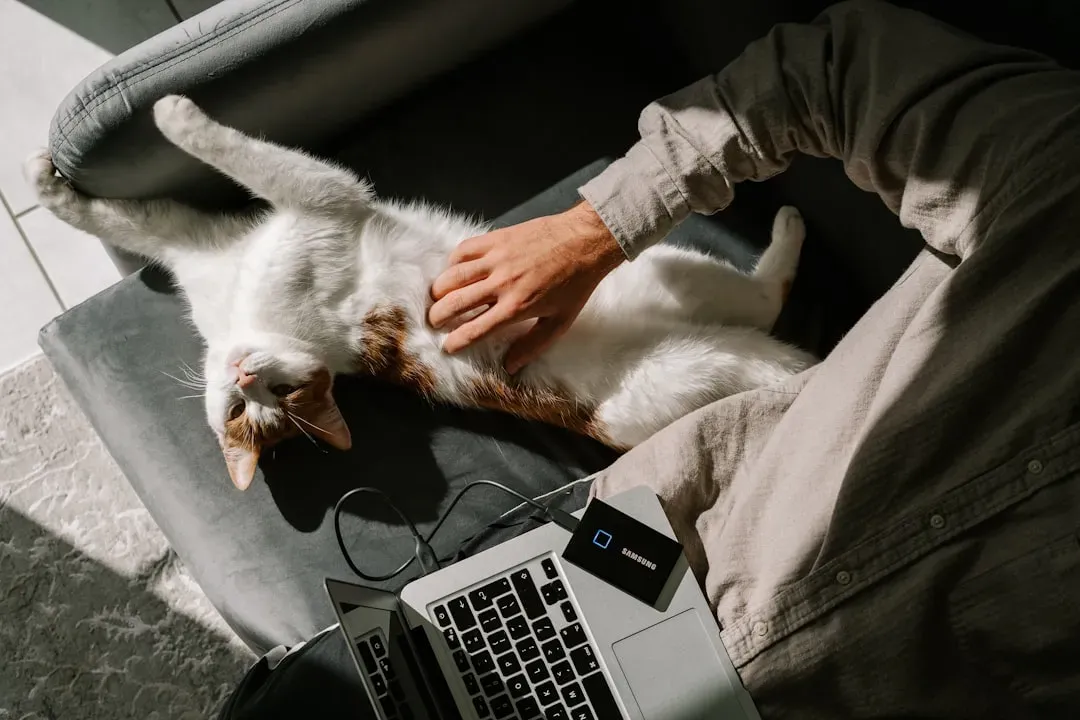
When your cat climbs onto your keyboard, interrupts your work, or starts exploring everything you’re handling, it’s often seeking attention rather than misbehaving. Cats are social in their own way, and curiosity can be their method of initiating interaction. They might want to play, be petted, or simply share your company.
Some cats will knock things over to get your attention if a need isn’t being met, such as food or water. Like a toddler, highly social cat breeds knock things over just to remind you that they are there. This can be especially true if you’ve raised your voice or exhibited anxious behavior after they knock something over. Responding positively to these moments – with gentle play or affection – strengthens your bond and reassures your cat that it’s valued and secure.
How to Channel Curiosity Into Healthy Play
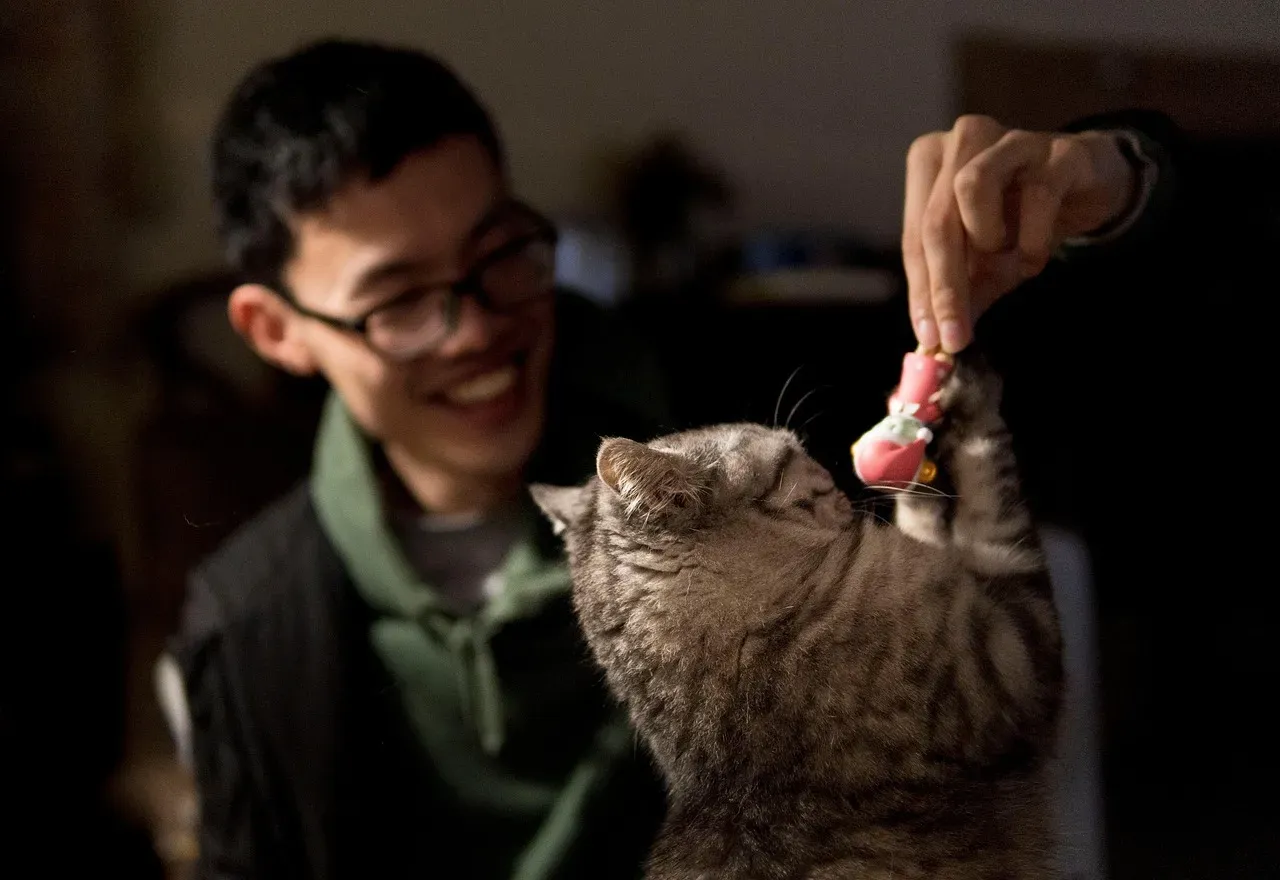
Play-driven curiosity isn’t just entertainment – it helps cats stay mentally sharp, physically active, and emotionally balanced. Play mimics hunting behavior, allowing cats to practice stalking, pouncing, and chasing, all of which are deeply ingrained survival instincts. Knowing this, you can start shaping your cat’s environment with intention rather than frustration.
Cats thrive on routine, so try to establish regular play sessions each day. Even 15 minutes of active play can make a big difference in your cat’s happiness and health. Play in the evening can help tire your cat out, making them more likely to settle down for the night. Interactive play before meals can effectively mimic the natural hunt-eat-groom-sleep cycle that cats would experience in the wild. This approach triggers appetite and provides satisfaction that goes beyond simply filling their food bowl. Short play sessions before feeding encourage both exercise and mental engagement while establishing a routine that aligns with your cat’s natural instincts.
Conclusion: Mischief Has a Different Name in Cat Language
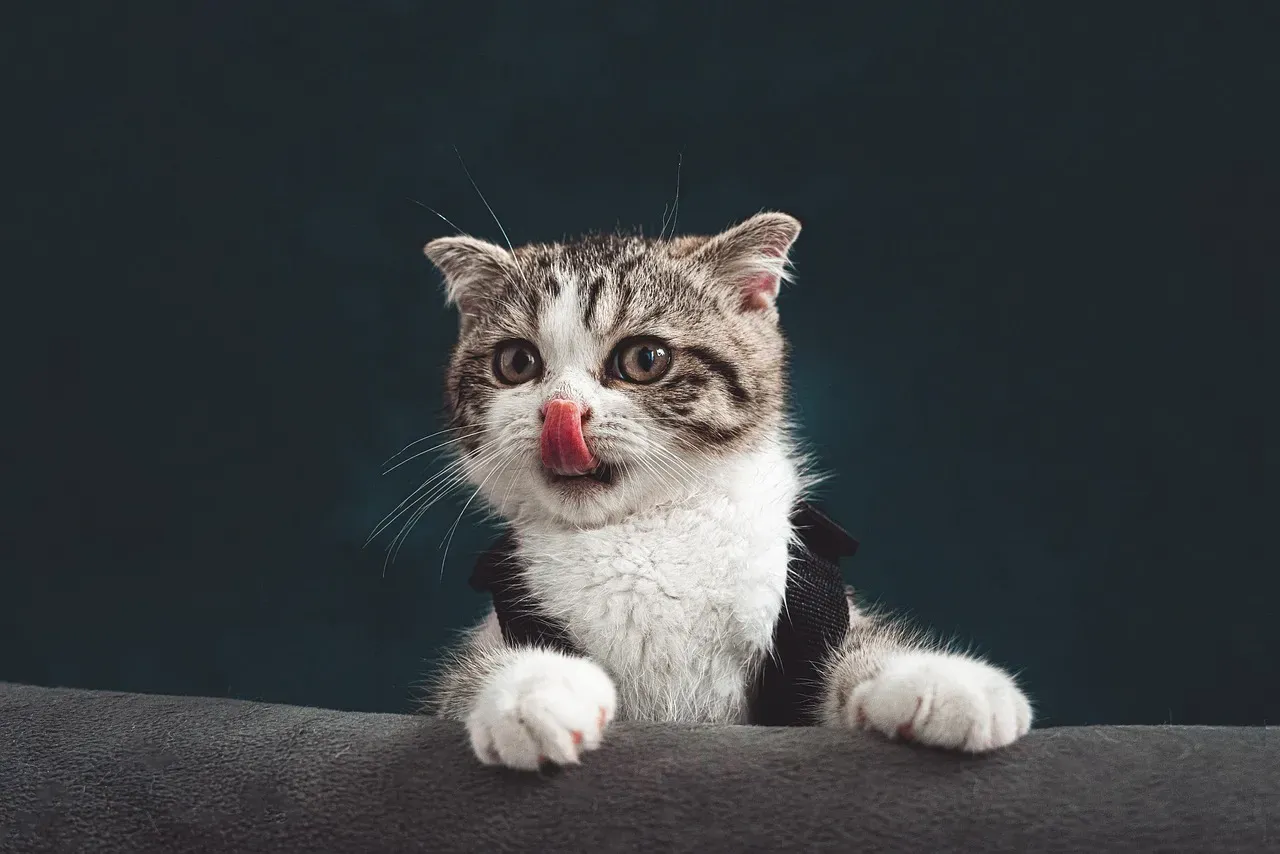
Most of what gets labeled as bad behavior in cats is simply instinct looking for an outlet. Your cat isn’t trying to inconvenience you. They’re exploring, practicing, communicating, and staying sharp – all in the only language available to them.
Cats are not being disobedient when they knock things over. This behavior reflects instinct, learning, environment, and sometimes unmet needs. Addressing it requires understanding feline motivation rather than correcting through force or frustration.
Once you start reading your cat’s behavior through the lens of instinct rather than intent, the entire dynamic shifts. The chaos becomes comprehensible. The “mischief” becomes a window into a rich, ancient inner life that your cat carries with them every single day – right into your living room, and sometimes directly onto your keyboard.
Kristina is a young writer from India. An arts graduate and an avid content creator, Kristina is passionate about animals and wildlife. She enjoys exploring topics related to pet care, animal behavior, conservation, and nature, combining thorough research with engaging storytelling.