There’s something oddly haunting about waking to your cat’s vocalizations in the darkness. You lie there, trying to decipher whether it’s a simple plea for dinner or something worth worrying about. The thing is, your feline companion isn’t meowing just to annoy you at three in the morning. There’s always a reason, and figuring it out can make all the difference between restless nights and peaceful sleep for both of you.
Let’s be real, though. Those midnight concerts can be absolutely maddening. Yet they’re also your cat’s way of telling you something important. From boredom and hunger to serious medical concerns, the causes vary wildly. So let’s dive in and explore what your furry friend might actually be trying to say.
The Natural Night Owl Instinct That Isn’t Really Nocturnal
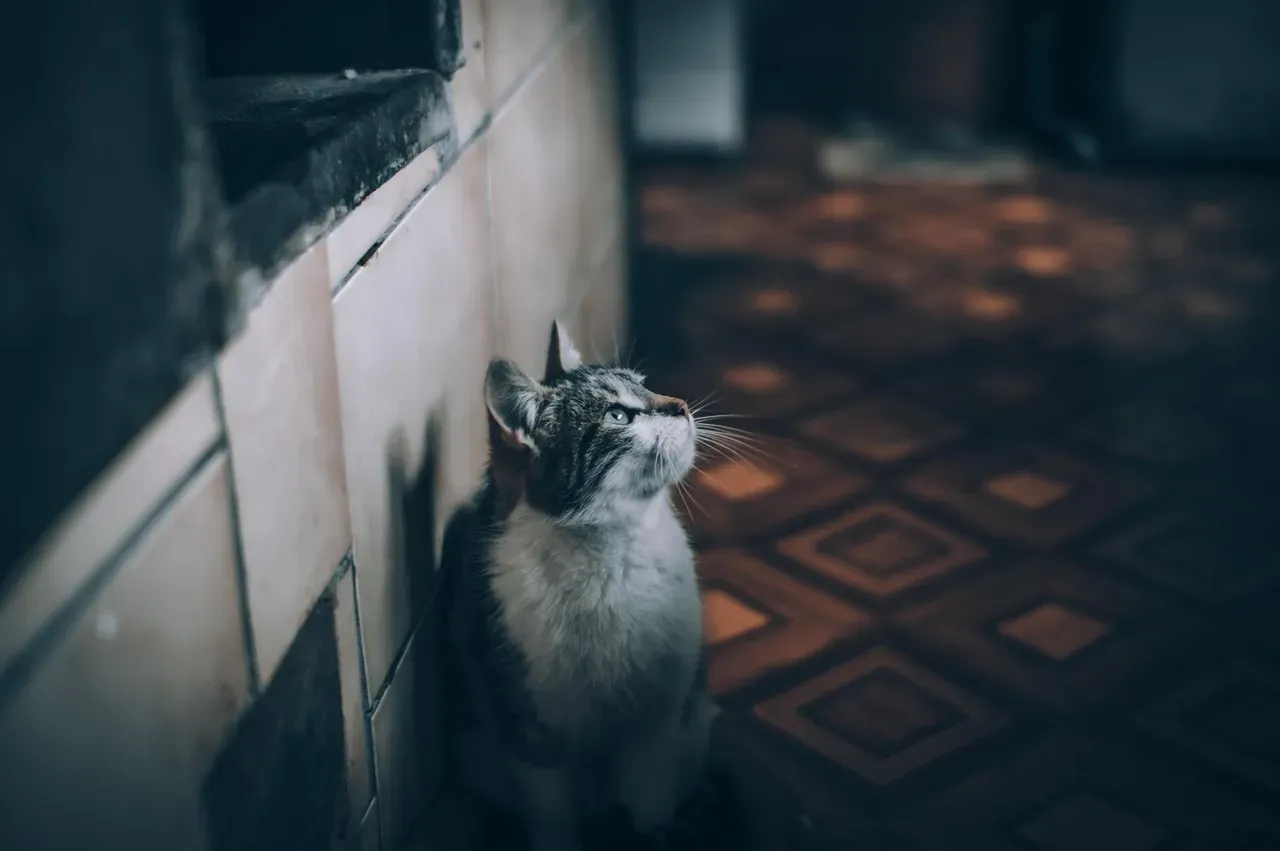
Contrary to popular belief, your cat isn’t actually nocturnal but crepuscular, which means they’re most active at dawn and dusk. This natural rhythm comes from their wild ancestors who hunted during those twilight hours when prey was abundant and easier to catch. Think about it. Your domestic kitty still carries those ancient instincts deep in their DNA.
Cats are crepuscular by nature, with their body clock geared for hunting in the morning, leading to heightened energy levels between three and five in the morning. So when you’re trying to sleep and they’re bouncing off the walls, it’s not rebellion. It’s biology. The challenge is helping them adjust to your sleep schedule without fighting against what comes naturally to them.
Hunger Pangs and Empty Bowl Blues
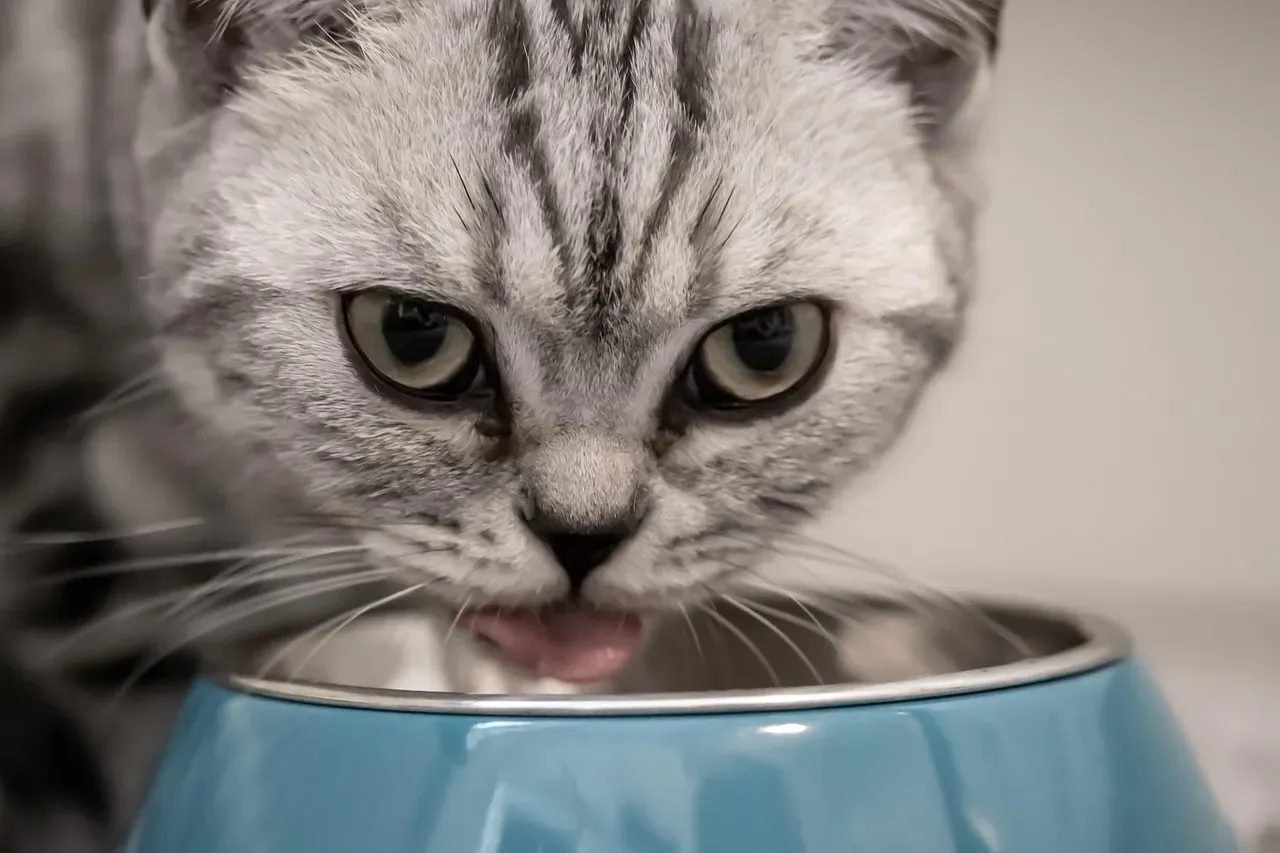
Nocturnal meowing may signal that your cat is ravenous and wants you to satisfy their craving. Honestly, this is one of the simpler explanations. If you feed your cat early in the evening, their stomach might start growling well before sunrise. It’s hard to say for sure, but hunger is probably the most common culprit for those predawn wake-up calls.
Using a timed feeder for a midnight snack can help if your cat is disturbing you because they want food, or you could provide a food puzzle that will last through the night. Some cats genuinely need that extra meal, especially if they have fast metabolisms. Adjusting feeding times closer to bedtime can work wonders for keeping everyone’s sleep undisturbed.
Boredom Strikes When the Lights Go Out
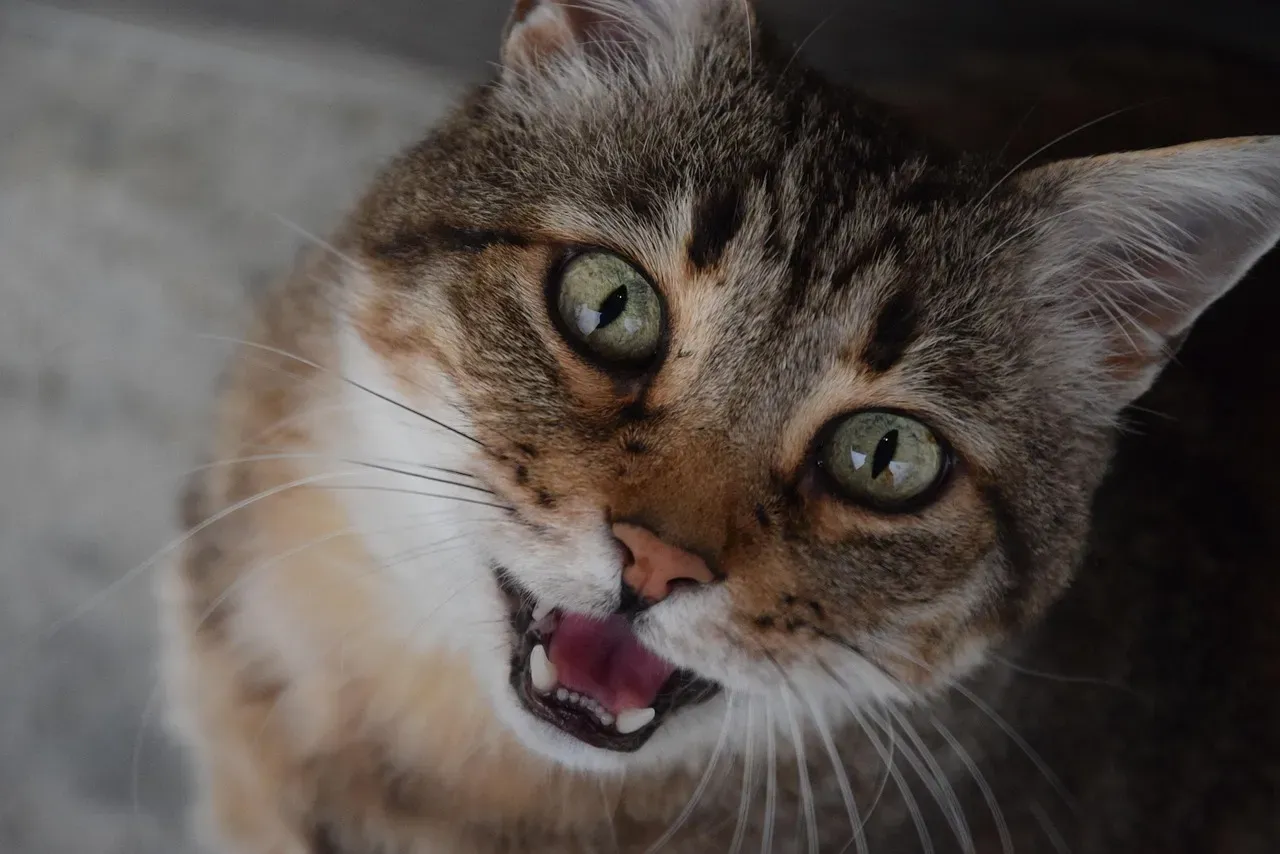
Excessive nighttime vocalizing is often a sign of a bored cat, especially if they lounge and nap most of the day while you’re away from home, decreasing their need for sleep at night. Here’s the thing. If your cat hasn’t burned off enough energy during the day, they’ll have plenty left over when you’re ready for bed. That pent-up restlessness has to go somewhere, and it usually comes out as meowing or zooming around your bedroom.
Interactive toys, a wand toy session before bed, and food puzzles can keep your cat’s brain engaged and body tired. Playing with your cat for at least fifteen to twenty minutes before bedtime can make a massive difference. Tire them out properly, and they’re much more likely to sleep through the night instead of serenading you at ungodly hours.
Attention Seeking Behavior That Actually Works
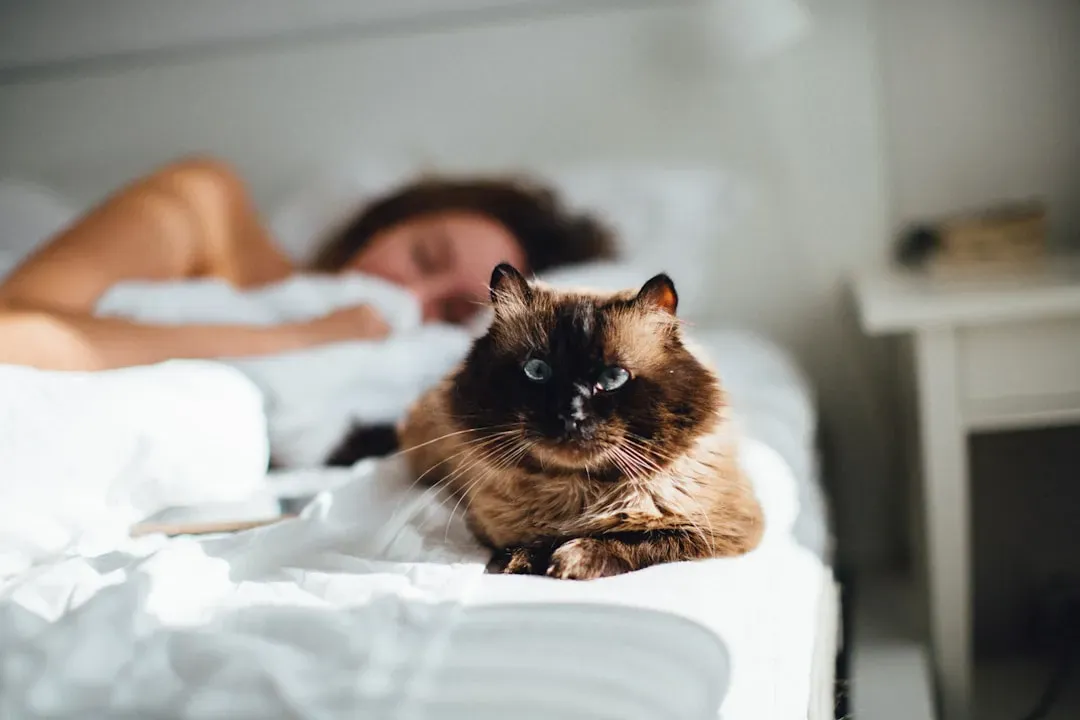
Cats meow for a variety of reasons but they’re basically seeking attention, food, or play from their owners, and they also do it if they’re distressed, confused, or otherwise worried. The tricky part is that if you’ve ever responded to your cat’s nighttime crying by getting up and giving them what they want, you’ve essentially trained them to keep doing it. Cats are smart. They learn quickly what gets results.
If the reason is attention seeking, then responding to the cat’s meows will only make it more likely that the cat will disturb you at night; it’s not that cats are manipulative, but they do respond to our training cues. The solution involves ignoring the behavior consistently, which is easier said than done when you’re exhausted. Still, giving in only makes the problem worse over time.
Medical Issues That Demand Immediate Attention
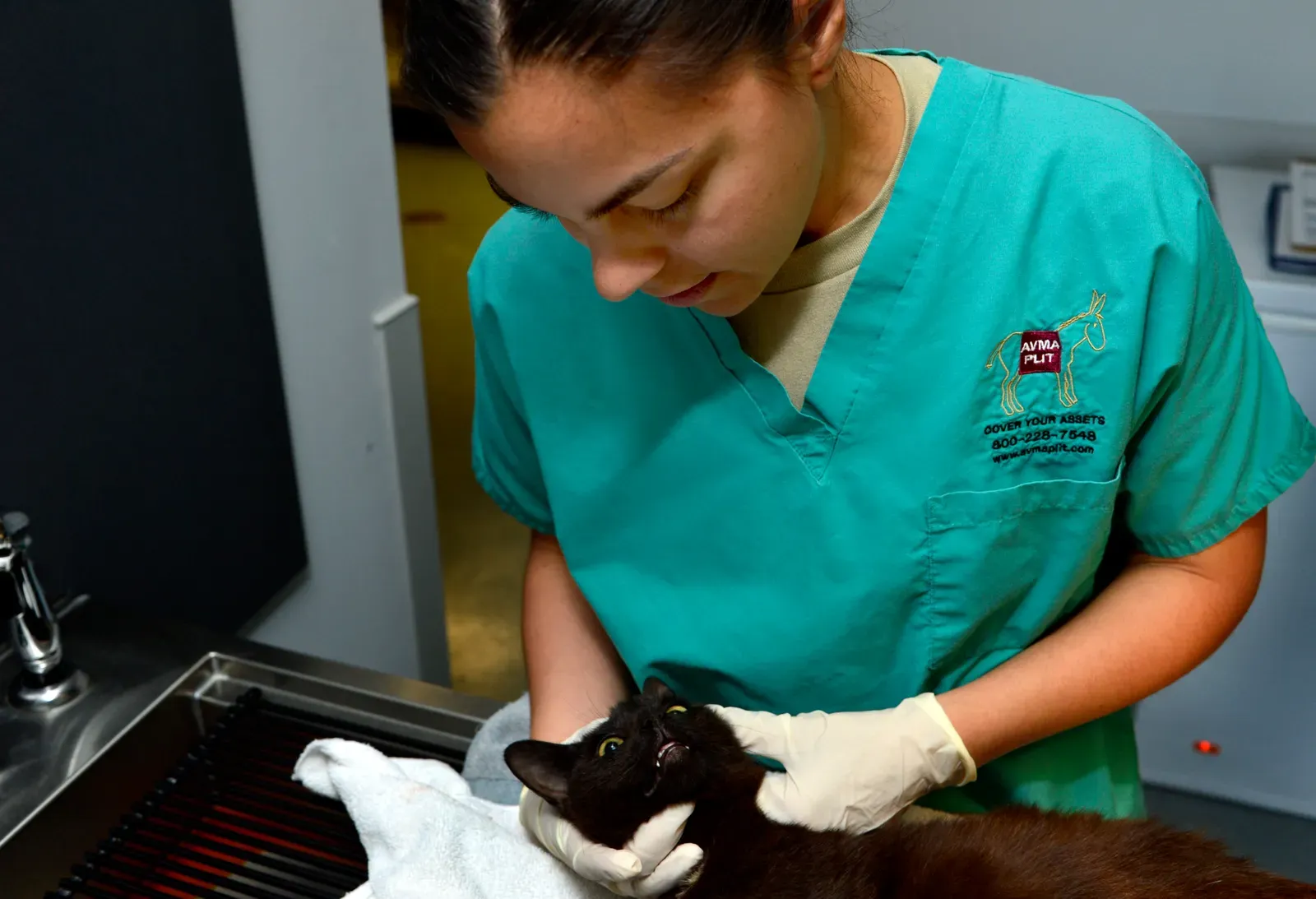
If this is new behavior for your cat, especially an older cat, take your kitty to your veterinarian to rule out any underlying medical issues, especially painful conditions, thyroid disease, and cognitive decline. Let’s not sugarcoat it. Sometimes those nighttime cries signal genuine distress or pain. Medical problems like arthritis, kidney disease, or dental issues can all cause increased vocalization, particularly at night when distractions fade away.
Hyperthyroidism revs a cat’s metabolism, making them anxious and ravenous. This condition is especially common in senior cats and can dramatically increase nighttime meowing. Excessive meowing at night can sometimes be a symptom of diseases such as an overactive thyroid or kidney disease, and arthritis can sometimes cause nocturnal vocalization because your cat is in pain. Never assume it’s just behavioral without getting a veterinary checkup first.
Senior Cats and Cognitive Dysfunction
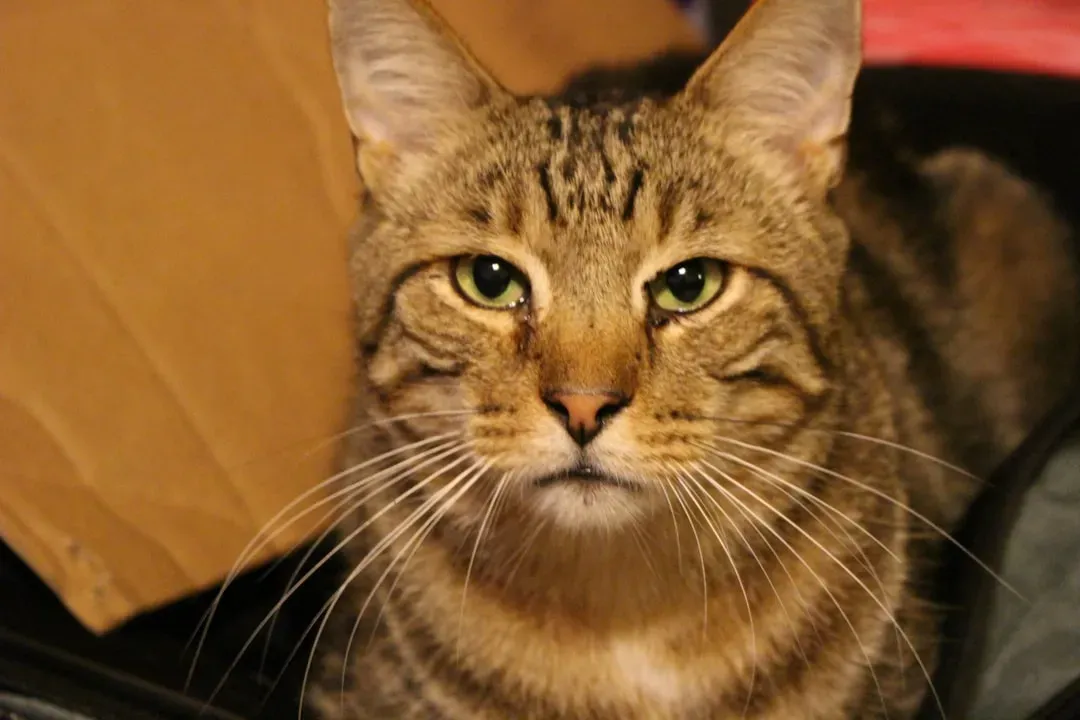
Cognitive decline, referred to as feline cognitive dysfunction, affects more than fifty-five percent of cats aged eleven to fifteen years and more than eighty percent of cats aged sixteen to twenty years. This is heartbreaking but important to understand. As cats age, their brains undergo changes similar to dementia in humans. They can become disoriented, confused, and anxious, especially during the quiet nighttime hours.
Senior cats with dementia may often be awake at night, vocal and confused why everyone is sleeping. These cats aren’t being difficult. They’re genuinely scared and uncertain about where they are or what’s happening. Cognitive dysfunction can cause feelings of insecurity, confusion, vulnerability, and disorientation, and placing nightlights around your home can help your cat feel less fearful and more confident. Small environmental adjustments like nightlights can provide enormous comfort.
The Mating Call You Can’t Miss
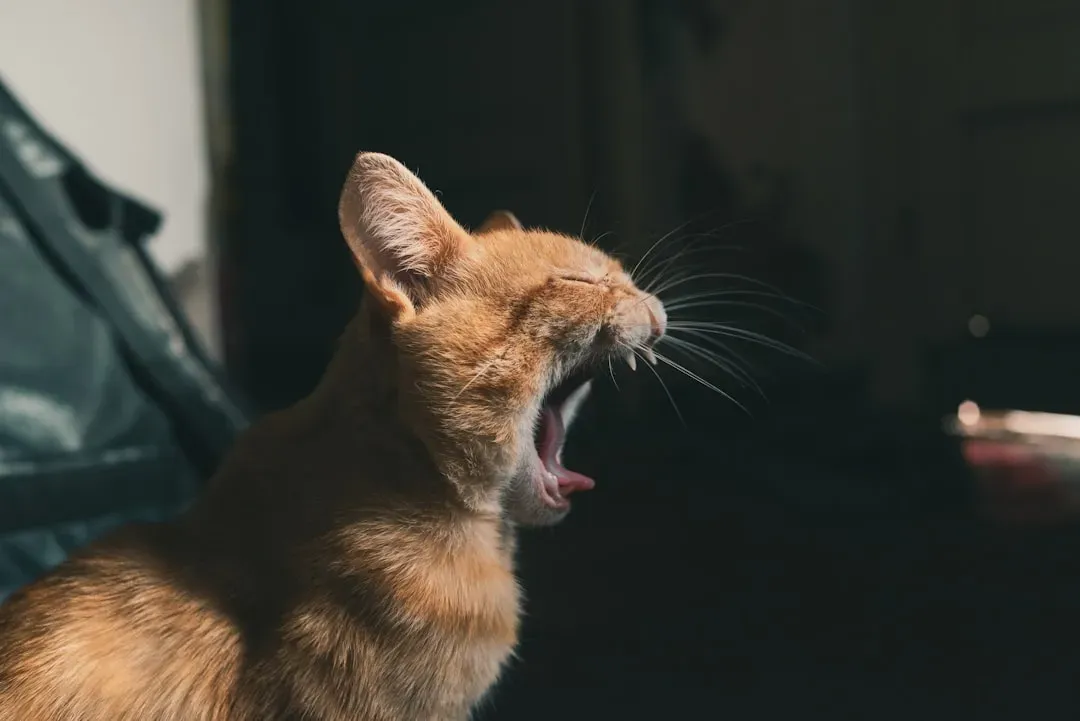
If your cat hasn’t been spayed or neutered, they will call or yowl while seeking a mate and warn competitors away. This one’s pretty unmistakable once you’ve heard it. The sounds are loud, persistent, and genuinely eerie. Female cats in heat and unneutered males both engage in this behavior, and it can drive everyone in the household absolutely bonkers.
Cats become sexually mature around four months of age, and cats in heat have a distinctive mating call which cat parents often mistake for a cry of pain. The solution here is straightforward: spaying or neutering. Besides stopping the nighttime yowling, it prevents unwanted litters and reduces certain health risks. It’s honestly one of the best decisions you can make for your cat’s wellbeing.
Loneliness and Separation Anxiety

Some cats meow because they want companionship, and if they learn that meowing brings you into the room, the behavior becomes rewarding. Cats have a reputation for being aloof, but many are actually quite social creatures who genuinely miss their humans. If you’re gone all day and your cat spends those hours alone, they might save up all their social needs for when you’re home, including nighttime.
If you welcome a new kitten, dog, or baby into your family, your cat may be confused about what’s happening, making them more prone to nighttime noise-making. Changes in the household can trigger anxiety that manifests as increased vocalization. Your cat might be trying to reconnect with you or seeking reassurance that everything’s okay. Sometimes they just need to know you’re still there.
Environmental Disruptions and Territorial Concerns
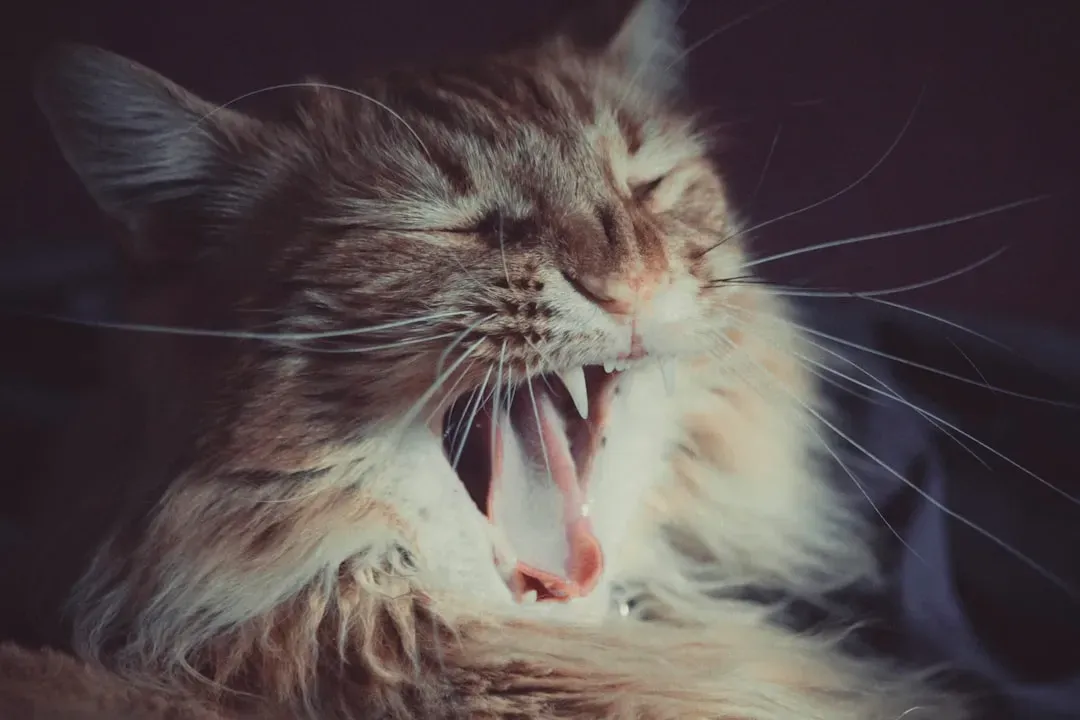
Cats might yowl during the night to establish their territory, especially if they see or sense other cats roaming outside. Your indoor cat can still hear and smell other animals outside, and those perceived threats can trigger defensive vocalizations. Even something as simple as a streetlight or automatic outdoor lights turning on can disturb their sleep and prompt meowing.
A light or something outside could be keeping your cat up and causing them to meow, since they are light sleepers, and finding ways to prevent this distraction, like turning automatic lights off, could prevent disturbing their sleep. Small environmental tweaks can have surprisingly big impacts. Closing curtains, minimizing outdoor noise, and creating a calm sleeping space all contribute to quieter nights.
Solutions That Actually Work for Peaceful Nights
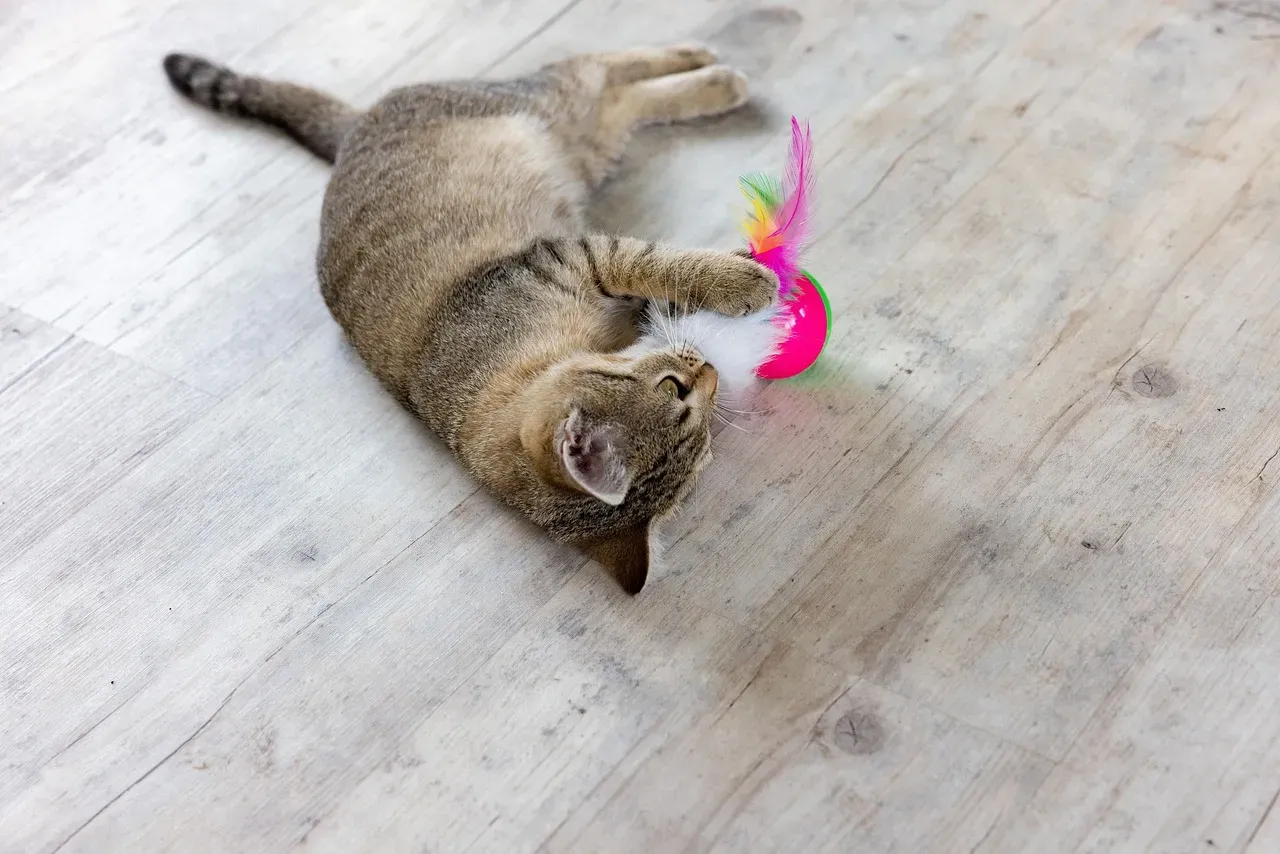
Arranging for a fifteen-minute play session an hour or so before bedtime can help tire your cat out. This is probably the single most effective strategy for reducing nighttime meowing. Engage their hunting instincts with interactive toys like feather wands or laser pointers. Follow the play session with a small meal, mimicking the natural hunt-catch-eat-groom-sleep cycle that wild cats follow.
Give your cat attention when it’s quiet during the day, and reward quiet behavior. Consistency is absolutely crucial here. Never reward vocalization by providing food, attention, or play when the cat meows, since this reinforces the behavior. It takes patience, and the behavior might initially worsen before improving, but staying strong pays off. Creating a predictable routine helps your cat feel secure and reduces anxiety-driven meowing.
Conclusion: Decoding the Midnight Messages
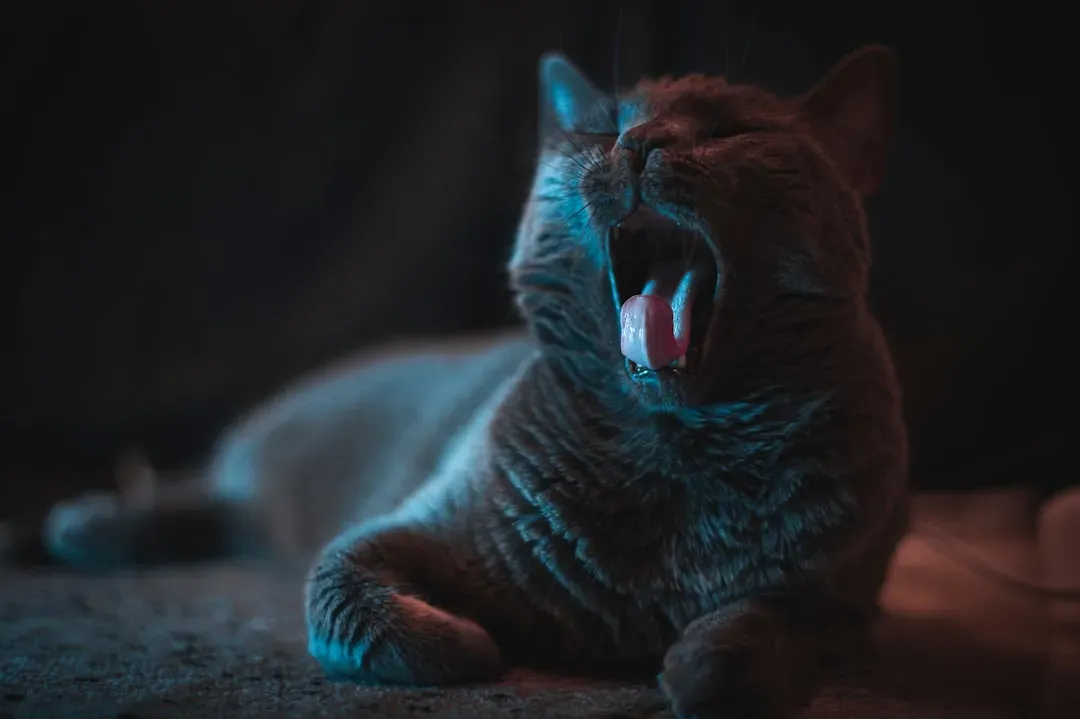
Your cat’s nighttime vocalizations are never random noise. They’re communication, plain and simple. Whether it’s hunger, boredom, medical distress, or cognitive confusion, there’s always a reason behind those serenades. The key is observing patterns, ruling out health concerns with your veterinarian, and implementing consistent solutions that address the root cause.
Remember, patience is essential. Changes won’t happen overnight, especially if the behavior is well-established. Still, with the right approach, you can help your feline friend feel more secure and content, leading to quieter nights for everyone. What’s your cat trying to tell you during those midnight concerts? Understanding their language might just be the first step toward finally getting a full night’s sleep.