You settle in for the night, lights off, everything quiet. Then it happens. The familiar thunder of paws hitting hardwood, a blur of fur launching off the sofa, and the unmistakable sound of your cat skidding around a corner at full speed. If you share your home with a cat, you know this scene well.
There’s more to those nighttime zoomies than just random bursts of energy. It’s a mix of instincts, indoor lifestyle, and emotional needs all coming into play. Far from being strange or worrying, this behavior is one of the most revealing windows into your cat’s biology and wellbeing. Understanding what’s actually driving those midnight sprints can make all the difference.
What Are Zoomies, Exactly?
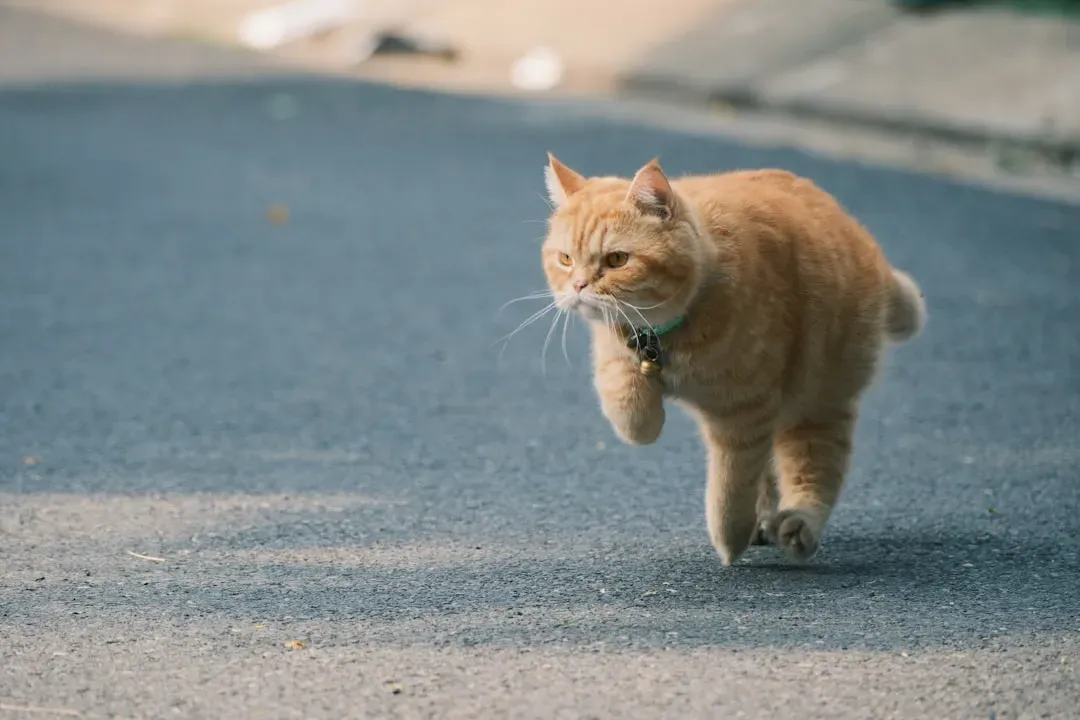
Some people call it the witching hour, others know it as the nighttime “crazies,” and scientists refer to it as frenetic random activity periods, or FRAPs. However, it’s most commonly known as the “zoomies,” that sudden burst of hyperactivity that mystifies many cat parents. The term is casual, but the behavior behind it has a genuine scientific name for a reason.
FRAPs are characterized by intense, sudden bursts of energy that manifest as running, jumping, chasing, and generally hyperactive behavior. These episodes are often accompanied by dilated pupils, flattened ears, and a playful, almost manic expression. The episodes tend to be brief. FRAPs are random bursts of energy in which cats run frenetically, commonly in circles, and they usually last a few minutes or less.
Your Cat Is Wired to Be Active at Twilight
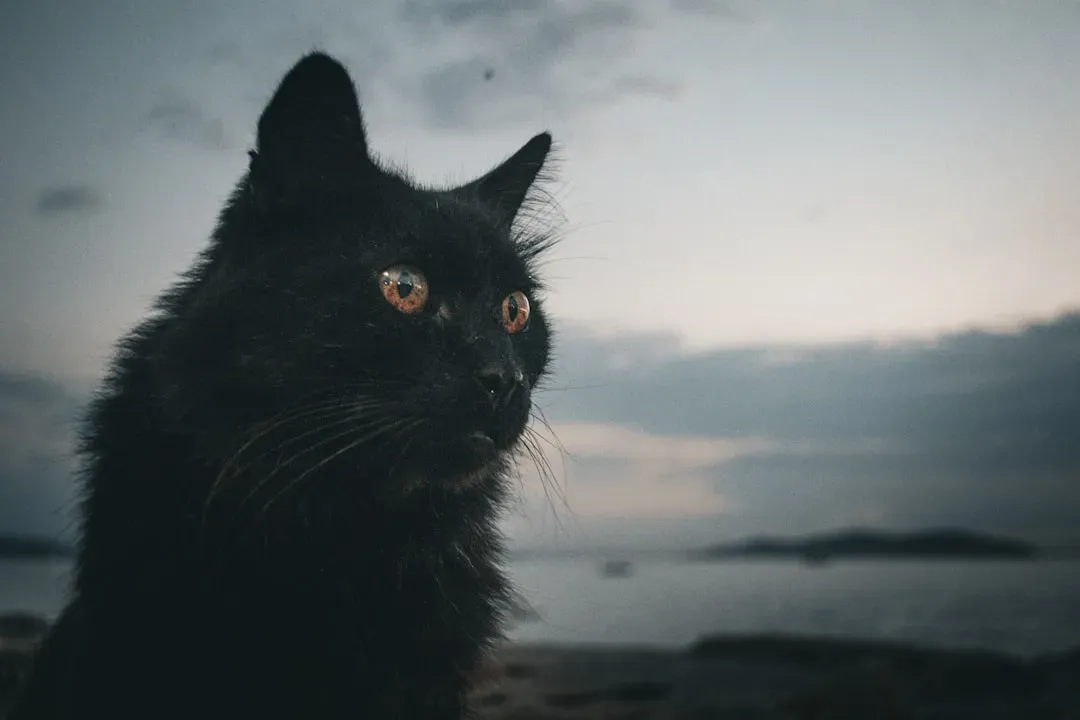
Cats are crepuscular animals, meaning they are most active during dawn and dusk. This behavior can be traced back to their wild ancestors, who hunted during these times to take advantage of cooler temperatures and the movement of prey. While domestic cats no longer need to hunt for their meals, they’ve retained these instinctual patterns of activity.
One reason is that cats are naturally crepuscular, meaning active at dawn and dusk, which is when their natural prey such as rodents are active. Cats are not really nocturnal, which is a common misperception. Their internal rhythm simply tells them it’s time to get active and start hunting. That internal clock doesn’t care that you’re already asleep.
The Ancestral Hunting Blueprint
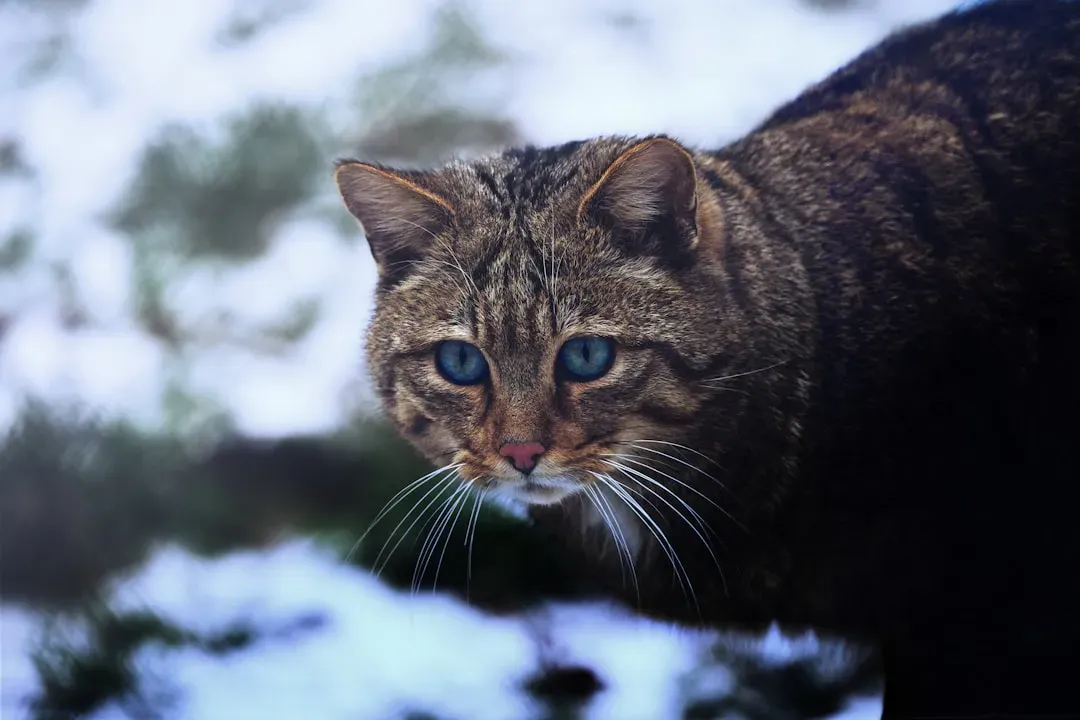
The domestic cat evolved from the African wildcat, which primarily hunted during twilight hours to avoid heat and competition from daytime predators. This ancestral hunting pattern still influences modern-day behaviors, as a well-timed sprint mimics aspects of stalking prey. Thousands of years of domestication haven’t erased that drive.
Night zoomies often resemble stalking and chasing behaviors. Darting around corners, pouncing on shadows, and sprinting across rooms are all part of a cat’s natural hunting practice. Even without real prey, their brain tells them it’s time to practice predatory skills. Your living room, in that sense, becomes an impromptu savanna.
Indoor Life and the Energy Buildup Problem
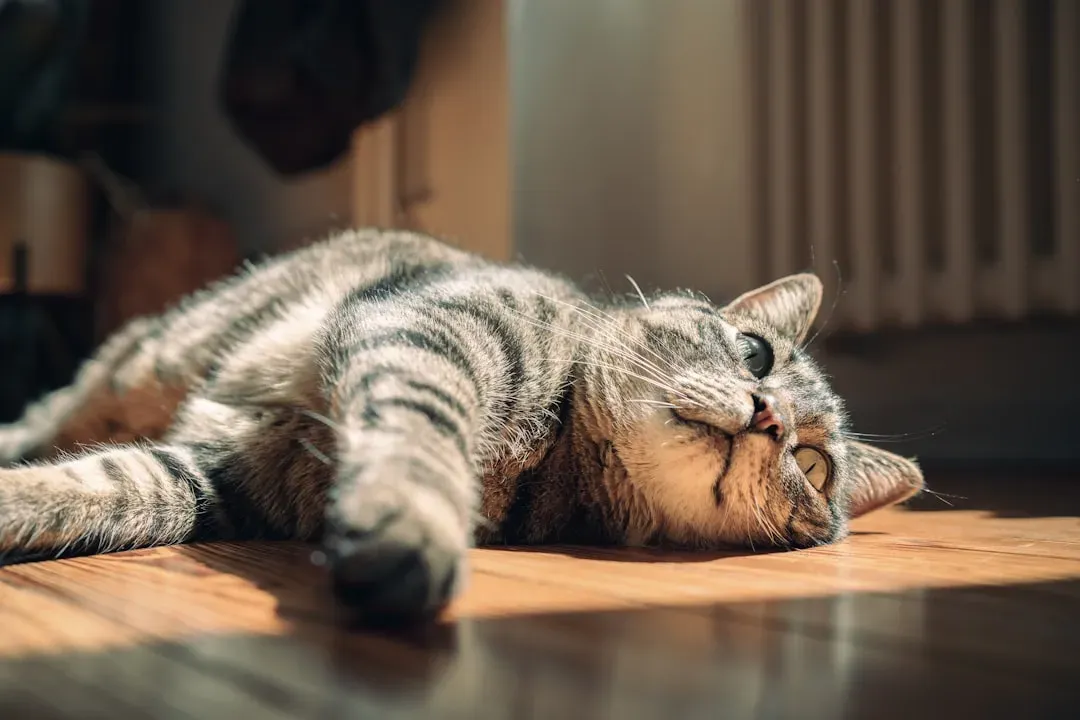
One of the most common reasons for nighttime zoomies is simple: excess energy. If your cat spends much of the day alone while you’re at work or school, they may be sleeping for twelve to sixteen hours. All that rest creates a significant reservoir of unspent energy that has nowhere to go.
When indoor cats don’t get enough physical activity throughout the day, whether from outdoor exploration or interactive play, their pent-up energy eventually erupts into those frantic zoomie sessions. Cats, especially indoor cats, may not have sufficient opportunities to expend their energy through hunting or exploring. This excess energy builds up and is then released in a burst of activity. It’s not misbehavior. It’s physics, in a way.
The Physical and Emotional Benefits of Zoomies
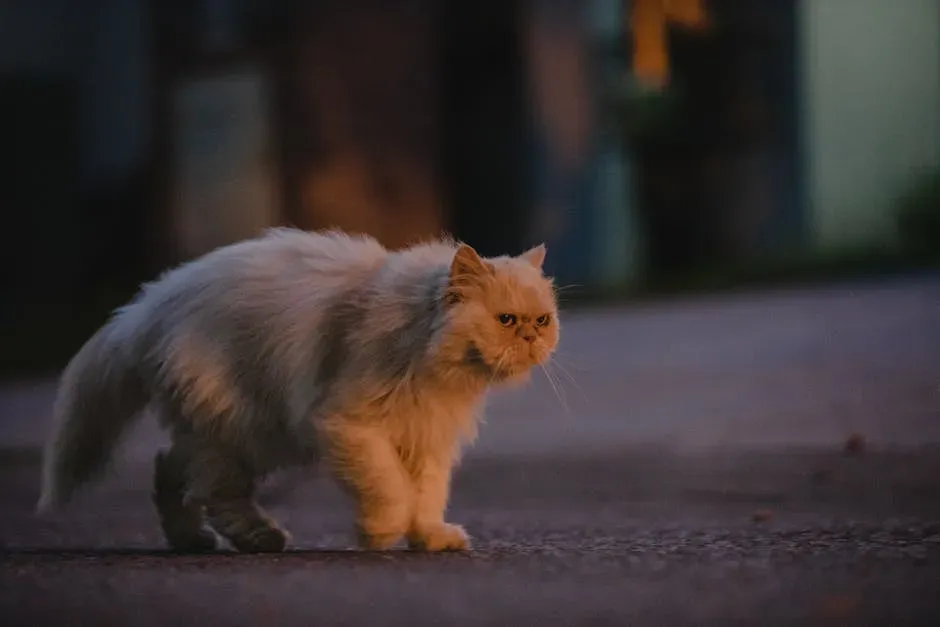
FRAPs may release endorphins, causing a pleasurable or euphoric response. From a physical standpoint, these bursts of activity can strengthen muscles, boost cardiovascular health, and support overall well-being. So the chaos you’re witnessing at 2 a.m. is actually doing your cat some genuine good.
Zoomies release endorphins that improve your cat’s mood and reduce stress. Your feline companion isn’t just burning energy – they’re keeping both their body and mind healthy. Even older cats enjoy bursts of play, which keep joints limber and muscles toned. It’s a full workout disguised as pure chaos.
Age Makes a Noticeable Difference

Young cats, especially kittens, tend to have frequent and intense zoomies due to their high energy levels and rapid growth. These bursts of activity help practice essential skills like agility, coordination, and motor control. For a kitten, zoomies aren’t just fun. They’re developmental.
Even as cats enter their senior years, they may still experience zoomies, though typically less often due to age-related changes like decreased muscle mass and arthritis. Some older cats may become more active or vocal at night due to changes in their cognitive function or because of medical issues. If your senior cat suddenly ramps up their nighttime activity, that’s worth a conversation with your vet.
When the Environment Triggers the Run
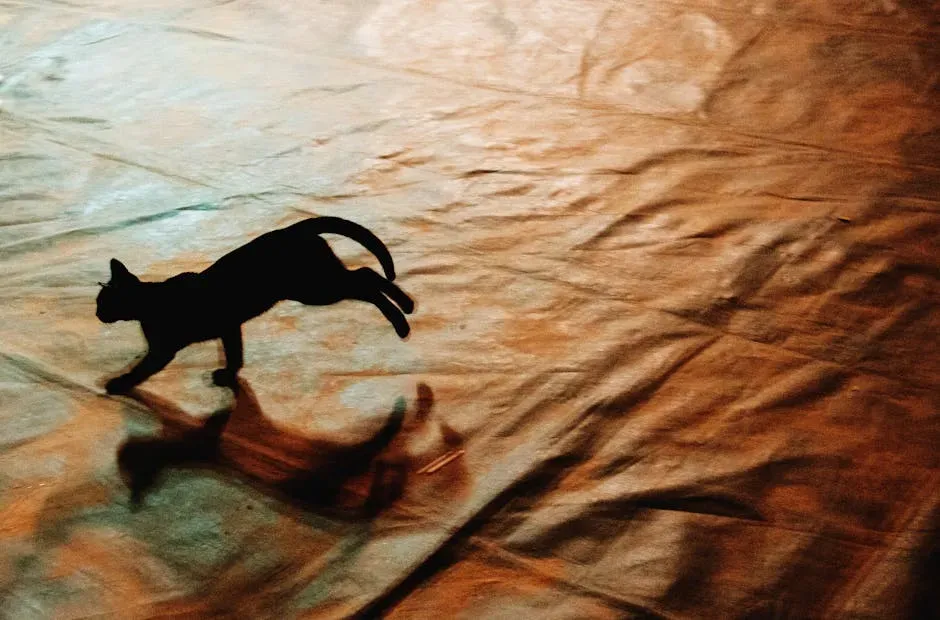
Your cat’s environment can significantly impact their behavior, including their sleep-wake cycle. The quiet of the night might make your cat feel more comfortable exploring and playing. During the day, the noise and activity associated with daily life can be intimidating for some cats, causing them to rest and wait for the tranquility of nighttime to get active.
If your cat is sensitive to sights and sounds from outside, like the activity of nocturnal wildlife or even a lightning storm, they might be more active at night. Loud noises, visitors, new pets, changes in routine, or too much attention can also trigger restless energy. The world outside your window is, to your cat, a live broadcast they can’t stop watching.
Social Signals Hidden in the Sprint
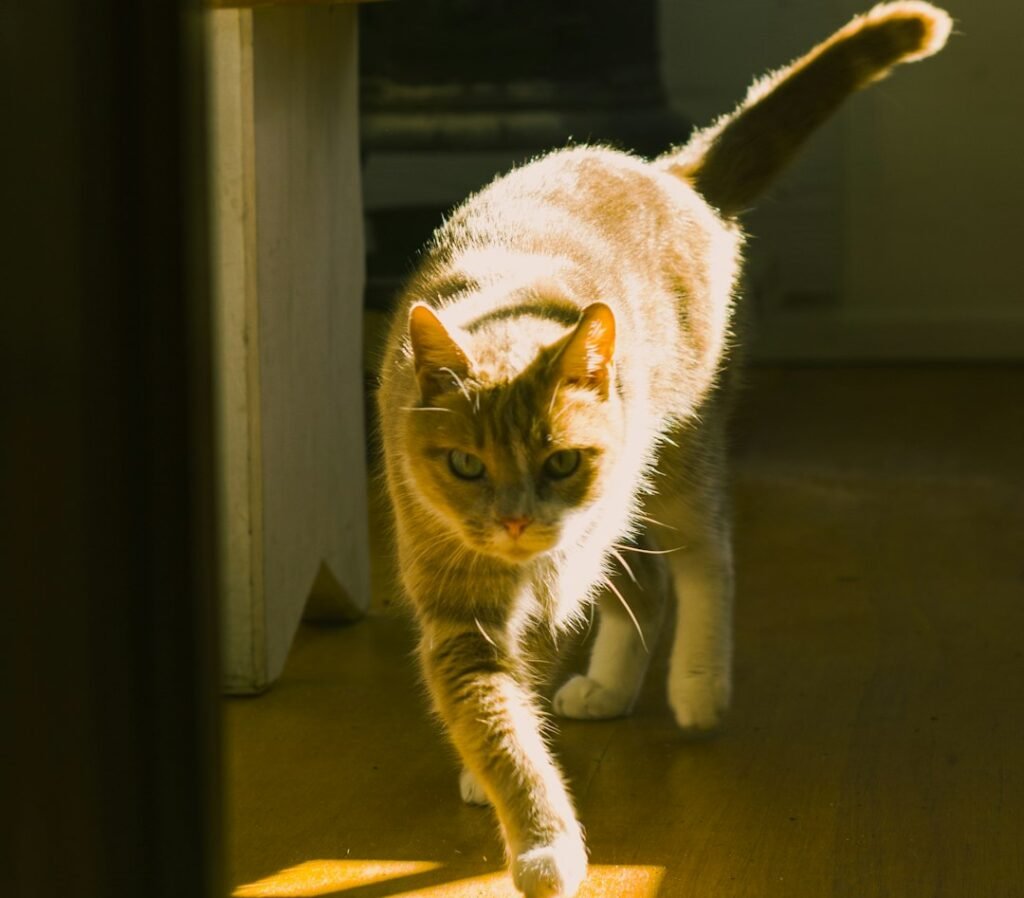
Cats are more social than they’re often given credit for, and some nighttime zoomies serve a social function. If your cat consistently performs their sprinting routines when you’re present, they might be inviting interaction. The dramatic running, jumping, and occasional pauses to gauge your reaction can be an elaborate invitation to play.
Multi-cat households often experience synchronized zoomies as cats engage in social play. One cat’s burst of energy can trigger similar behavior in housemates, creating a domino effect of feline activity. This social aspect of zoomies can be particularly pronounced in young cats and kittens who are developing their social skills. It’s worth watching closely – sometimes a sprint is really just an invitation.
When to Take Zoomies Seriously
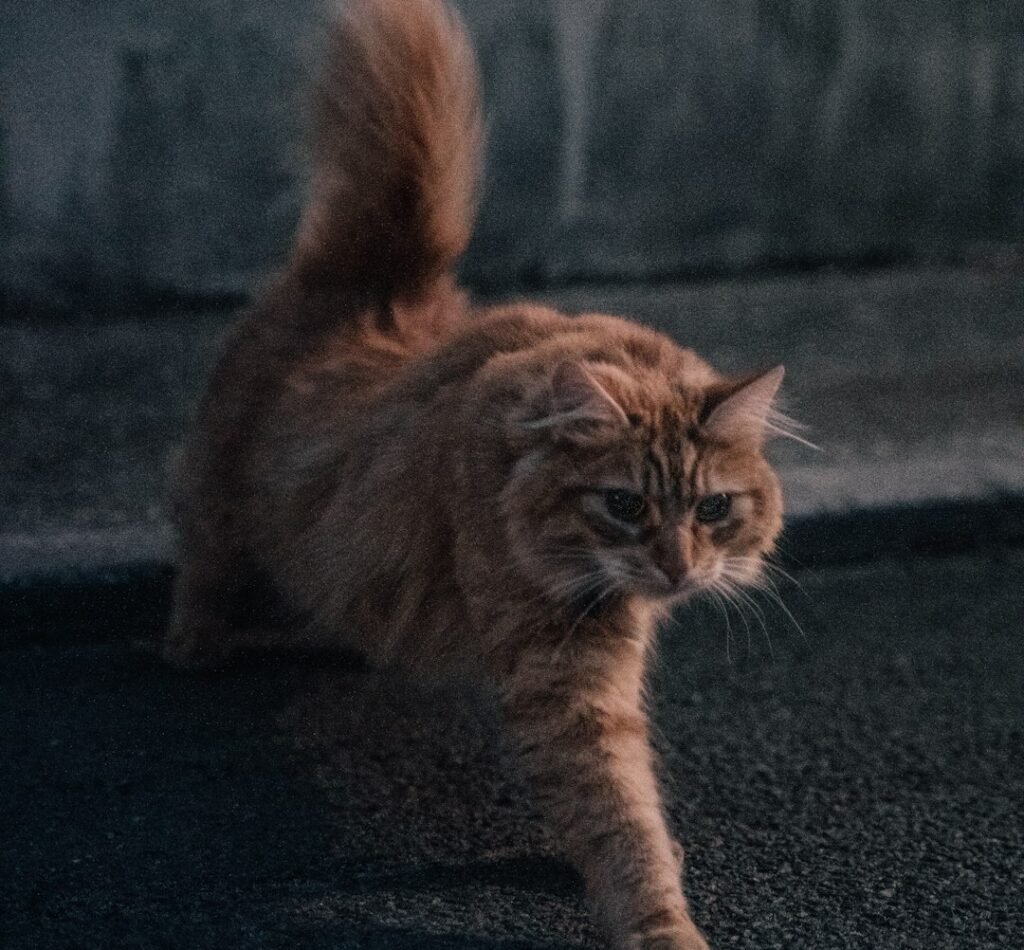
In some instances, increased nighttime activity may indicate underlying health problems. Infections, diseases, and pain can alter a cat’s sleep habits and activity patterns. Conditions such as arthritis, hyperthyroidism, kidney disease, feline hyperesthesia syndrome, and neurological problems can lead to restlessness and heightened nighttime activity.
If your cat’s zoomies are accompanied by aggression, vocalizations of distress, or signs of discomfort like limping or excessive grooming, it could indicate a medical problem or behavioral issue. Similarly, if zoomies become much more frequent or intense than usual, consulting with a veterinarian or a certified feline behaviorist is recommended to rule out any underlying medical or psychological causes. Normal zoomies end quickly and leave a calm cat behind. The ones that don’t follow that pattern deserve attention.
How You Can Help Your Cat Burn Energy Before Bed
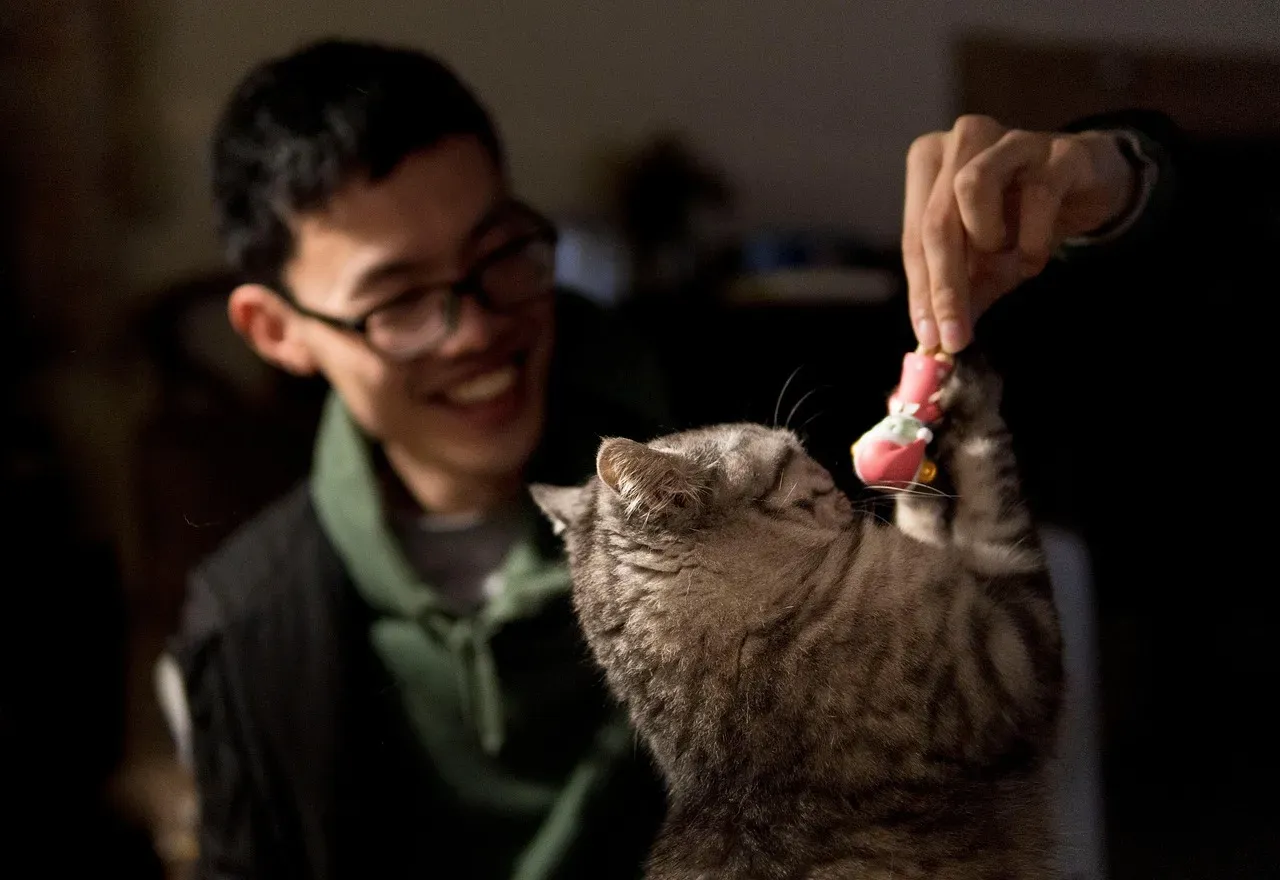
Interactive playtime is one of the best ways to prevent overly wild zoomies. Use wand toys, feather teasers, or small balls to mimic the chase-and-pounce sequence of hunting. Aim for at least two to three short play sessions each day, especially in the evening to help your cat settle down at night.
Cats thrive on routine. Feeding your feline companion at the same times each day helps stabilize their energy cycles, and may reduce the intensity of nighttime zoomies. Puzzle feeders, treat-dispensing toys, and rotating toy selections can also keep your cat’s mind active, reducing the likelihood of random bursts of energy. Small changes to the evening routine can shift the midnight zoomies to a more manageable, earlier window.
Conclusion
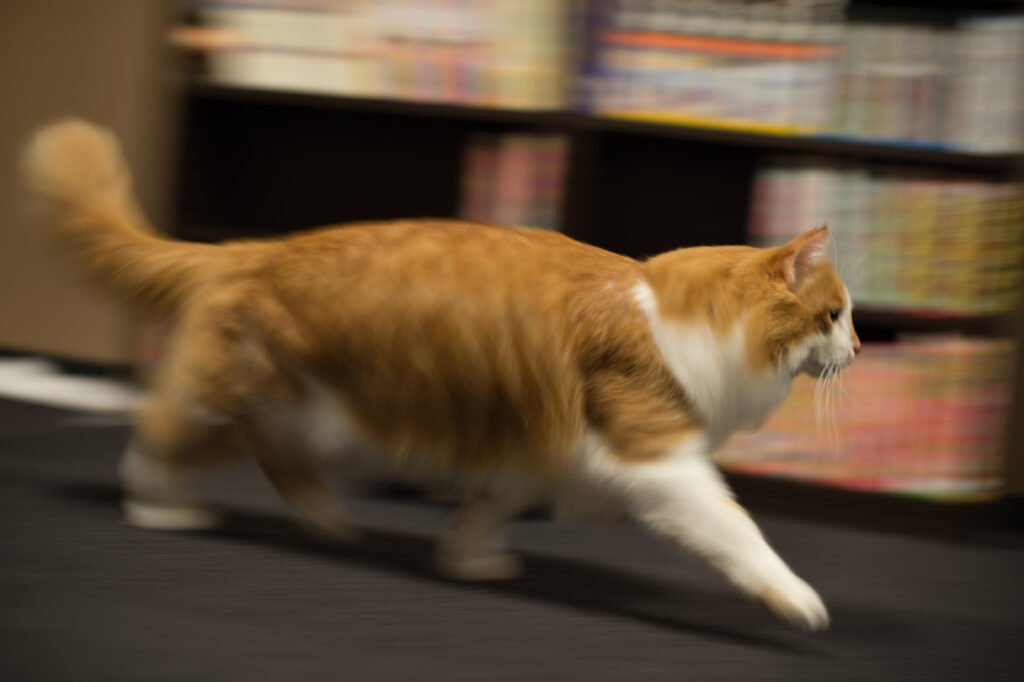
Your cat’s nighttime sprints aren’t a design flaw. They’re a feature. Rooted in millions of years of evolutionary biology, the zoomies are simply what happens when a small, efficient predator finds itself in a quiet house with a full belly and a surplus of stored energy. They’re a sign that your cat is healthy, instinct-driven, and very much alive.
Rather than losing sleep over the behavior, the smarter move is working with it. An evening play session, a consistent feeding schedule, and a few well-placed enrichment items can go a long way toward shifting those 2 a.m. sprints to a more civilized hour. Your cat will still zoom. They just might do it while you’re still awake to enjoy the show.
Kristina is a young writer from India. An arts graduate and an avid content creator, Kristina is passionate about animals and wildlife. She enjoys exploring topics related to pet care, animal behavior, conservation, and nature, combining thorough research with engaging storytelling.