It’s 2 a.m. The house is completely silent. Then, out of absolutely nowhere, you hear it. The thunderous gallop of four tiny paws racing down the hallway, the muffled crash of something knocked off a shelf, and that unmistakable sound of a creature having the absolute time of its life – while you lie there, pillow over your head, wondering what on earth is happening.
If you share your home with a cat, you already know this scene all too well. Those wild, breathless sprints through the dark are called “zoomies,” and honestly, most of us just laugh them off as quirky cat weirdness. Here’s the thing though: there is so much more going on beneath the surface of those frantic midnight circuits. The truth behind your cat’s nighttime behavior is fascinating, layered, and in some cases even medically important. Let’s dive in.
What Exactly Are Zoomies, and Why Do They Have a Scientific Name?
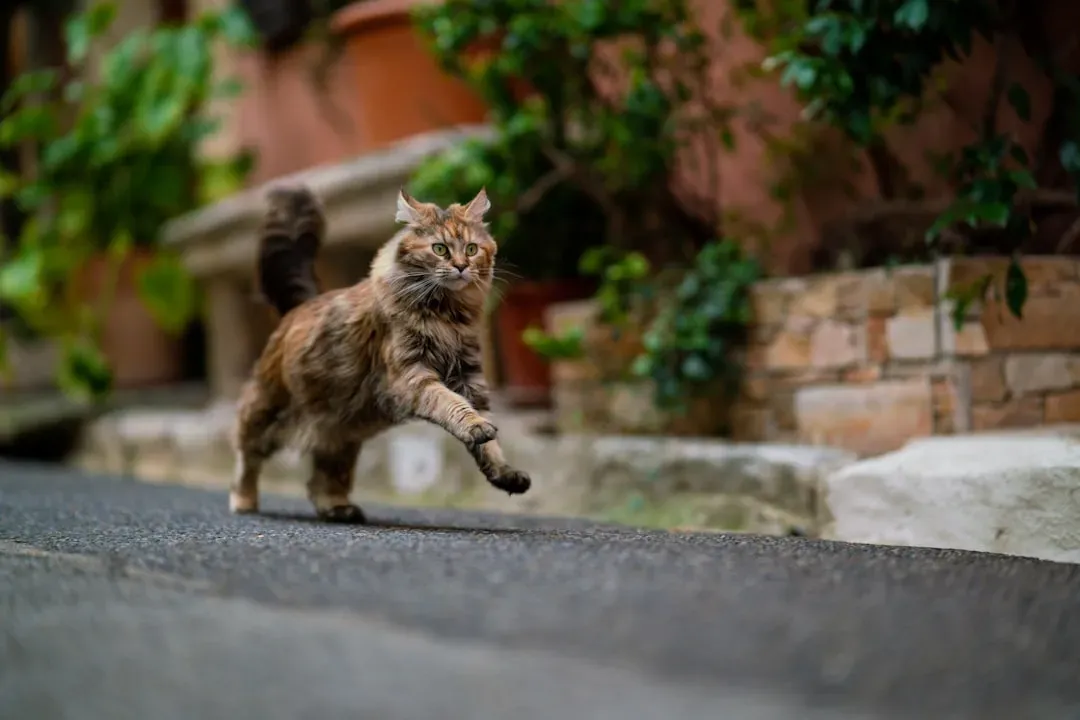
Some may call it the “witching hour,” others know it as the nighttime “crazies,” and scientists actually refer to it as frenetic random activity periods, or FRAPs. Most commonly, though, people simply call it the “zoomies” – that sudden burst of hyperactivity that mystifies cat parents everywhere. I think the fact that scientists felt compelled to give this behavior an official name tells you something important. This is not random chaos. This is biology.
The scientific term for cat zoomies is Frenetic Random Activity Period, or FRAP. Cat zoomies are called frenetic random activity periods and are a normal way for cats to release energy and express instinctive behaviors. Think of it like a pressure valve. All that stored-up energy has to go somewhere, and the zoomies are the release. It’s almost poetic, in a chaotic 2 a.m. kind of way.
Your Cat Is Not Nocturnal – It’s Something Far More Interesting
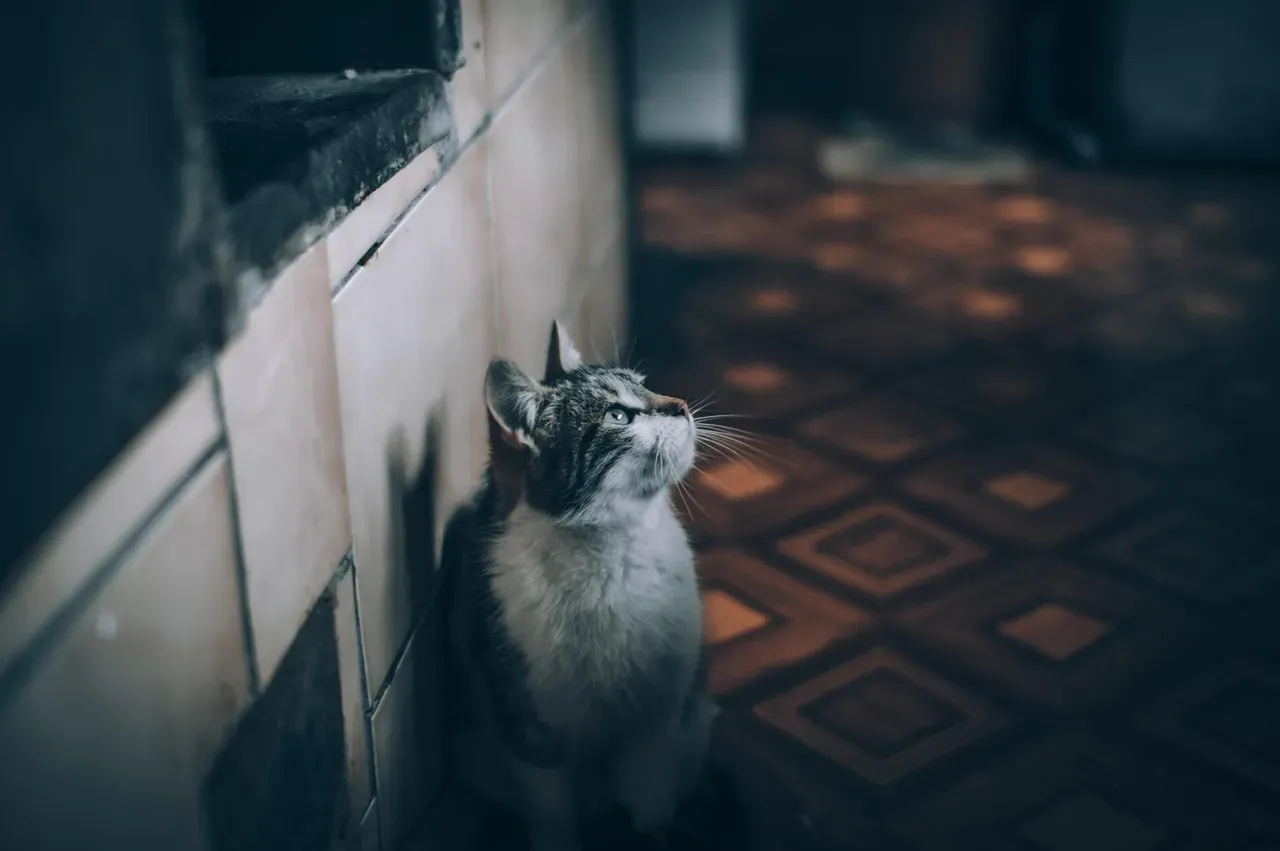
Your cat is not nocturnal but rather “crepuscular,” which means they’re most active during the twilight hours of dawn and dusk. This is altogether different from both nocturnal animals, who sleep during the day, and diurnal ones, who sleep at night. Twilight activity in cats is an ingrained behavior from their feline predecessors, who relied on catching food during the dawn and dusk hours. So when your cat loses its mind at 5 a.m., that is actually peak biological performance, not misbehavior.
Cats are crepuscular creatures, meaning they are most active during the dawn and dusk hours. This behavior is rooted in their evolutionary history as hunters – dawn and dusk are prime hunting times when prey animals are most active. Even though domesticated felines no longer need to hunt for survival, their instincts to be active during these times remain strong. Your cat is essentially a tiny, well-fed lion that still hears the ancestral call of the wild – even from the comfort of your living room sofa.
The Indoor Life Problem: Pent-Up Energy and the Midnight Release
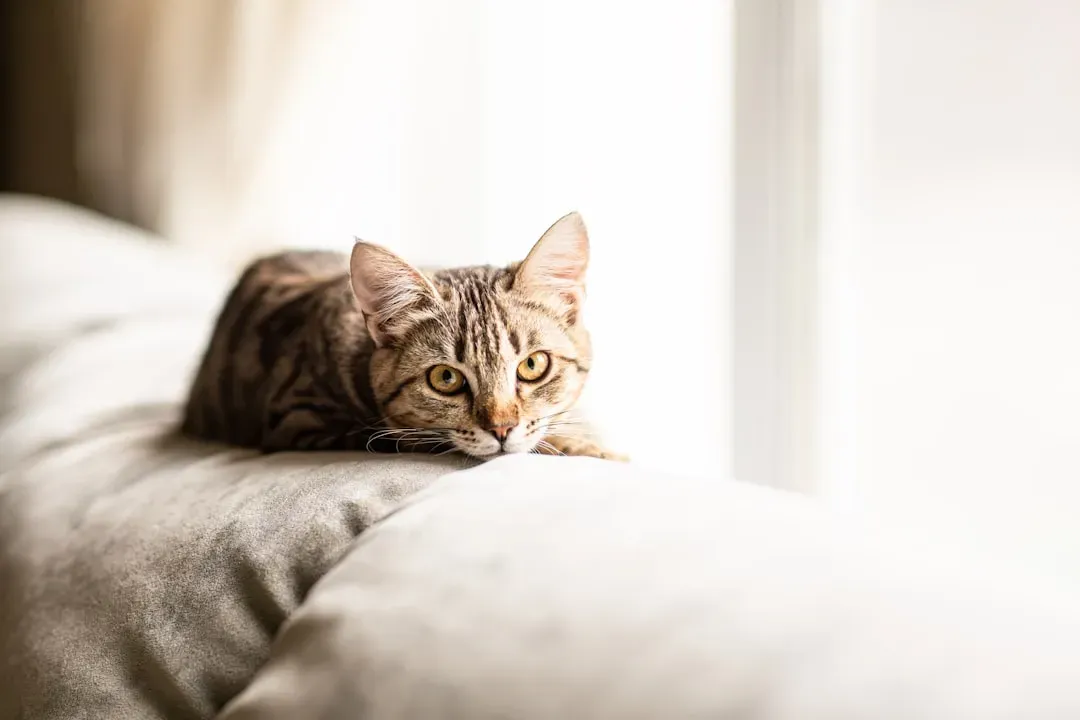
The vast majority of zoomies in cats have to do with pent-up energy. Nighttime is when it’s quietest in most homes, and a cat that slept most of the day while the owners were gone may be up and looking for something to do. It’s a bit like someone who sits at a desk all day and then suddenly needs to run a sprint the moment they get outside. The body demands it.
Just like humans need to move after sitting too long, cats need to release pent-up energy, and zoomies provide the perfect outlet. This is especially true for indoor cats who have fewer opportunities to exercise. Indoor living doesn’t always satisfy those instincts, so zoomies act as a way for them to exercise both their muscles and their mind. If your cat spends long hours alone in a quiet apartment, do not be surprised when they turn into a furry tornado the moment you turn off the lights.
The Zoomies Are Actually Good for Your Cat’s Health
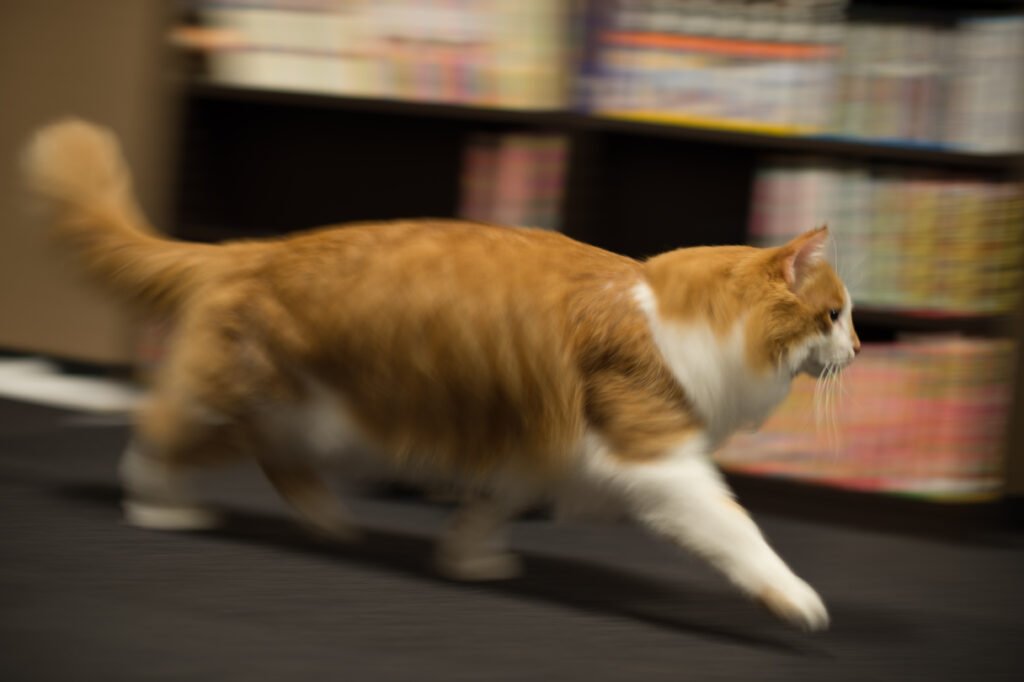
Cats can reach speeds of up to 30 miles per hour during zoomie sprints – that’s faster than Usain Bolt over short distances. That is a genuinely wild fact. All that racing and leaping is doing serious physical work, and it turns out those nightly circuits are more of a workout than they might appear.
Zoomies release endorphins that improve your cat’s mood and reduce stress. Your feline companion isn’t just burning energy – they’re keeping both their body and mind healthy. These high-speed sessions aren’t just fun – they benefit your cat’s health. Consider the zoomies your cat’s version of a gym session and a therapy appointment all rolled into one wonderfully dramatic performance.
Attention-Seeking, Boredom, and the Role of Your Reaction
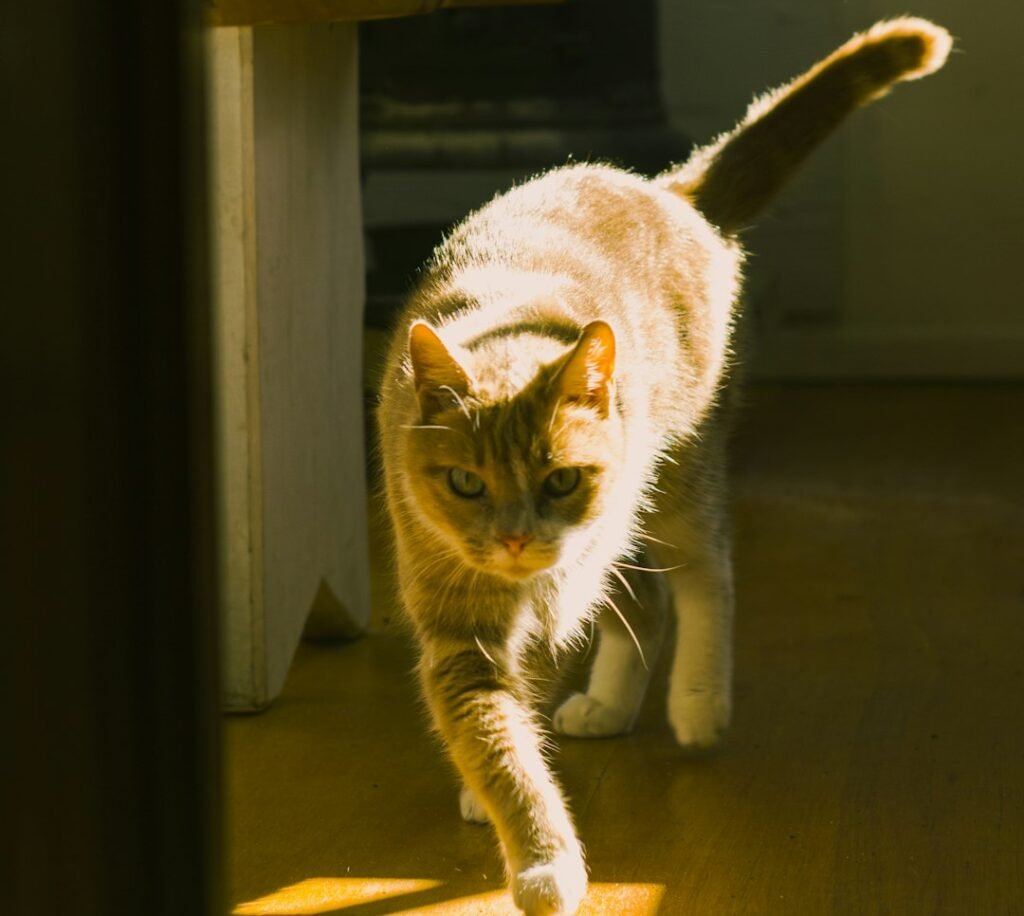
If your cat realizes that their nighttime zoomies make you react – getting up, talking, or checking on them – they may repeat it intentionally. Cats are smart and may use zoomies as a strategy to get attention or encourage play. Honestly, this level of calculated manipulation from an animal the size of a throw pillow is both impressive and mildly alarming.
Cats may seek out interaction when they are awake and full of energy, which unfortunately may be during your sleeping hours. This can manifest as zooming around the house, pouncing on your feet, or causing other mischief to get your attention. Responding to unwanted behavior during nighttime hours tends to stimulate cats, which causes the issue to persist. So the best thing you can do, as hard as it sounds, is resist getting up to check on your perfectly healthy chaos-gremlin.
Stress, Anxiety, and When the Zoomies Are a Warning Sign
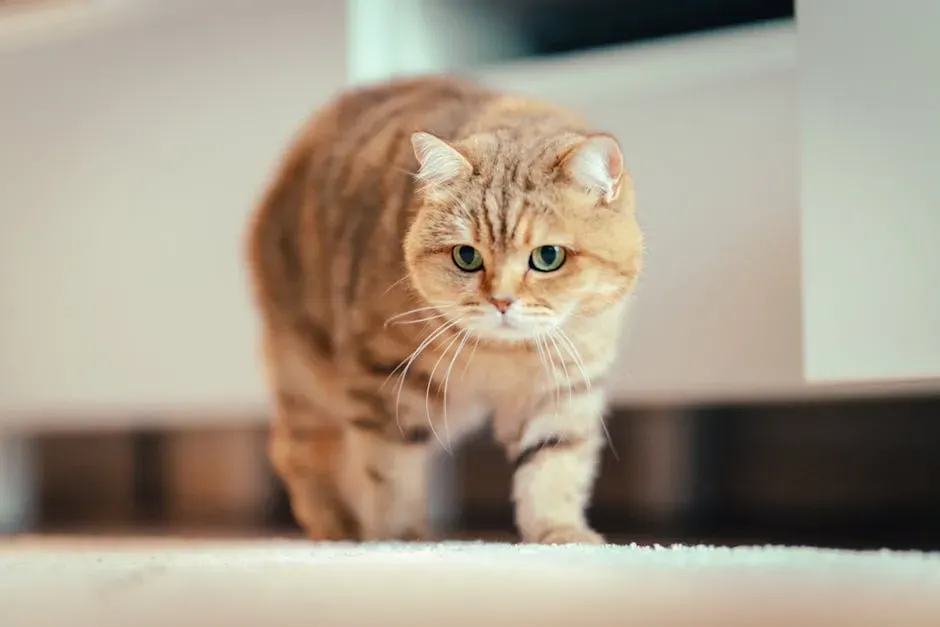
Stress can also be a reason your feline companion is getting nighttime zoomies. Cats can get the zoomies for a number of reasons, whether it is stress-related, excited energy, or lack of exercise. Restless energy may also come from changes in the environment or routine. Moving house, a new pet, a new baby, even rearranged furniture – all of these can trigger a stress response that shows up as frantic nighttime energy.
When a cat experiences acute pain due to arthritis or has been bitten by fleas, they try to escape the pain or itchiness by running wildly. Your cat may also run frantically around the house if they have constipation. In some cases, excessive nighttime activity may be a sign of an underlying medical issue such as hyperthyroidism. If your cat’s nighttime behavior suddenly changes or becomes more extreme, it’s essential to consult with your veterinarian to rule out any potential health problems. Pay attention. The difference between healthy zoomies and distress zoomies is something every cat owner should understand.
Age Matters: Kittens, Adults, and Senior Cats All Zoom Differently
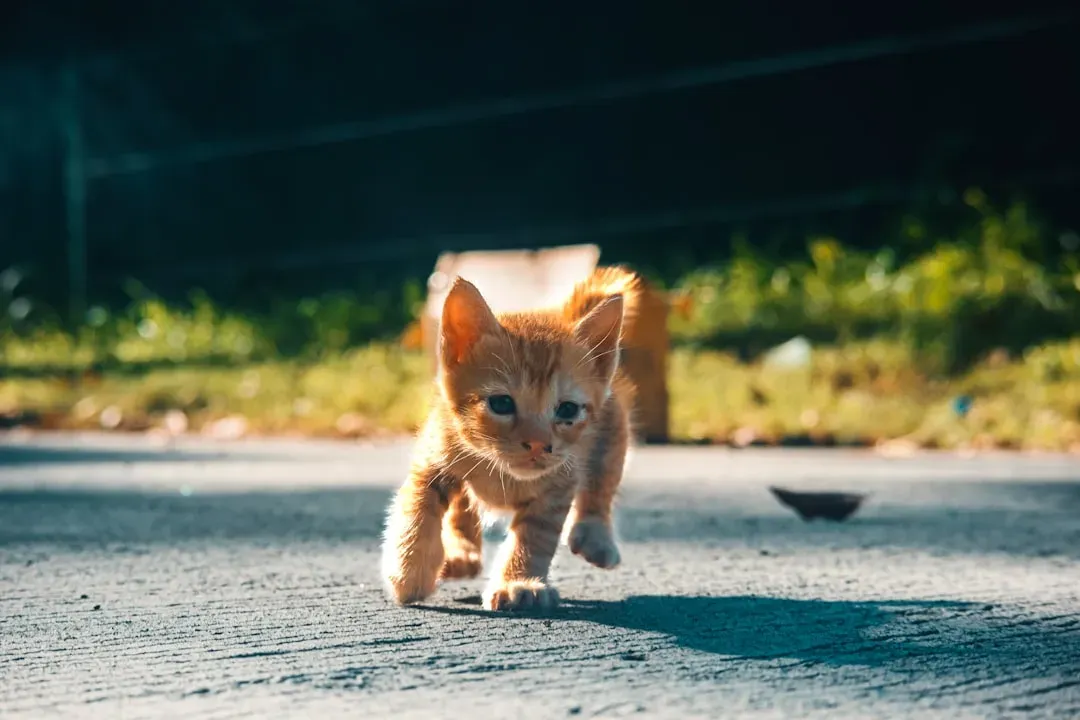
A cat’s age can significantly impact their activity levels and sleep-wake cycle. Young cats have an abundance of energy and may have more frequent and intense zoomies. They are also more likely to be active at night. Older cats typically slow down and may sleep more than younger cats. Think of kittens as having a dial permanently stuck on “maximum.” Everything is urgent, everything is exciting, and everything must be chased at full speed at midnight.
Even as cats enter their senior years, they may still experience zoomies, though typically less often due to age-related changes like decreased muscle mass and arthritis. If your senior cat starts zooming around after receiving pain medication, it could be a positive sign that their treatment is working. However, sudden changes in zoomie behavior in senior cats may signal underlying health conditions like hyperthyroidism or mobility problems. Senior cats may be restless at night for different reasons, with changes in their sleep cycles, hearing loss, anxiety, or the onset of cognitive dysfunction leading to vocalizing and increased wakefulness. It is always worth keeping a close eye on any sudden shift in your older cat’s overnight behavior.
The Environment Around You Shapes the Zoomies More Than You Think
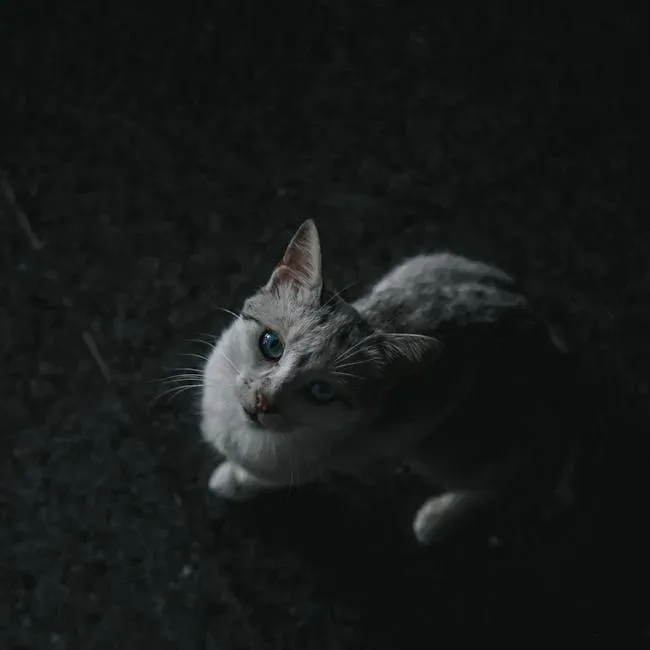
Your cat’s environment can significantly impact their behavior, including their sleep-wake cycle. The quiet of the night might make your cat feel more comfortable exploring and playing. During the day, the noise and activity associated with daily life can be intimidating for some cats, causing them to rest and wait for the tranquility of nighttime to get active. Your cat, in other words, may simply be an introvert who just needs the world to calm down before it’s ready to move.
If your cat is sensitive to sights and sounds from outside, like the activity of nocturnal wildlife or even a lightning storm, they might be more active at night. Some animals adjust their activity patterns based on the weather, food availability, whether predators are around the area and, for house cats, what their humans are doing. Your cat is constantly reading the room, or rather, reading the entire neighborhood, from its perch on your windowsill.
How to Actually Manage Nighttime Zoomies Without Losing Your Mind
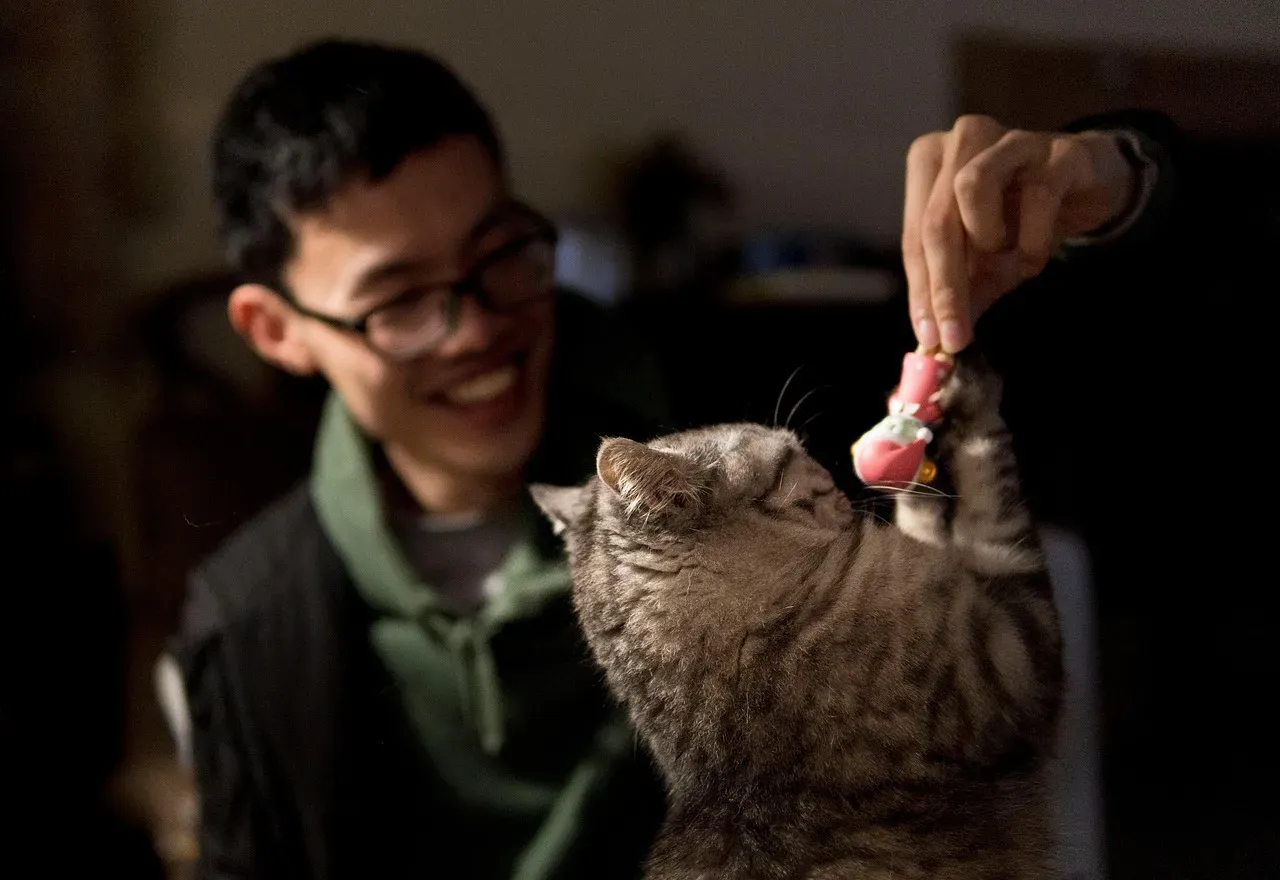
Catching a meal is hard work for wild cats, requiring small bursts of energy for the hunt followed by a rewarding meal and a well-deserved cat nap. This is called the predatory cycle, and most indoor cats often only experience a portion of this natural rhythm. The goal should be to give your cat the full cycle of predation, replacing the “hunt” with vigorous play. Making this happen about an hour before bedtime can significantly help. This is honestly one of the most practical things you can do as a cat owner.
Increasing playtime during the day with interactive play sessions using wand toys or lasers to burn energy is highly recommended. Providing enrichment through puzzle feeders, climbing trees, and scratching posts also gives cats meaningful outlets for activity. Establishing a bedtime routine by playing with your cat before bed and then offering a small meal can encourage restful sleep. Cats thrive on routine. Feeding your feline companion at the same times each day helps stabilize their energy cycles and may reduce the intensity of nighttime zoomies. Consistency, it turns out, is the closest thing to a magic wand when it comes to feline behavior.
Conclusion: Those Midnight Sprints Are Telling You Something
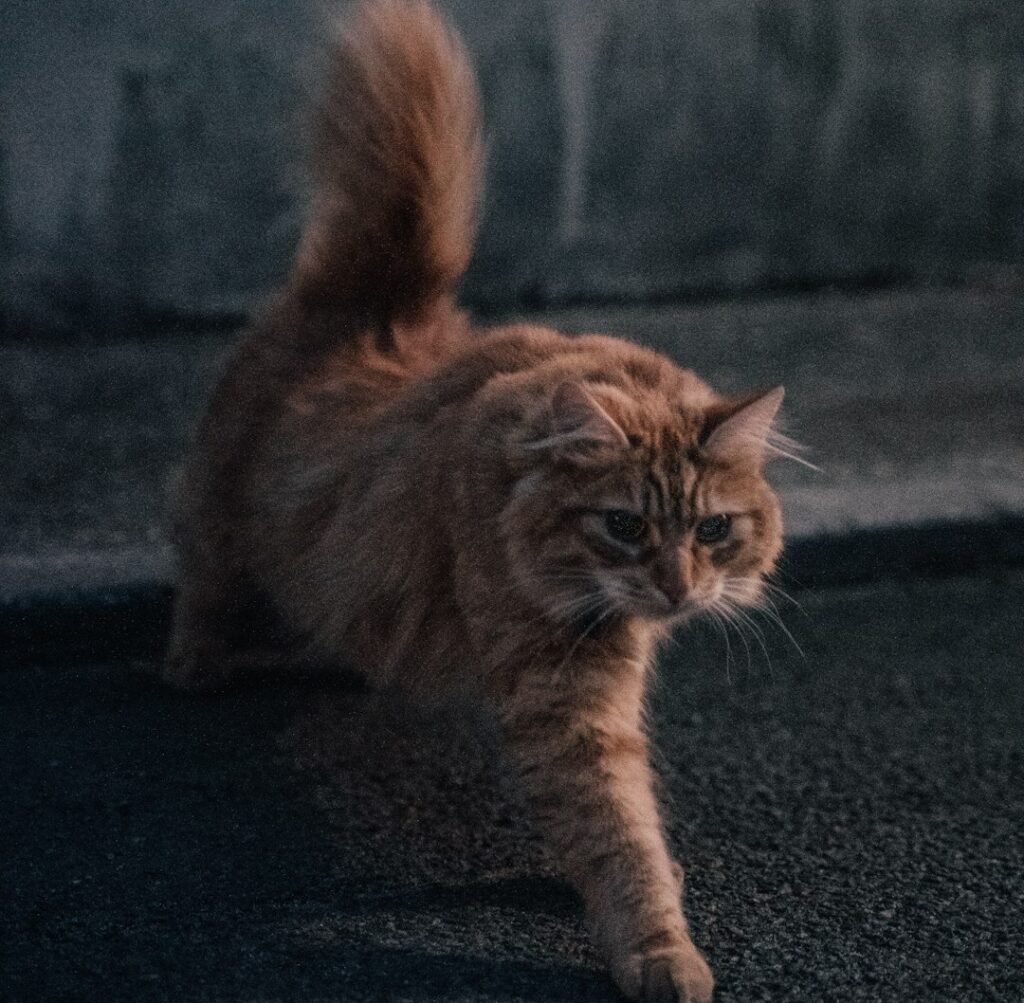
Your cat’s nighttime zoomies are not random, and they are certainly not a personal attack on your sleep schedule, even when it feels that way at 3 a.m. They are a window into your cat’s physical health, emotional state, instinctual wiring, and even their relationship with you. Every sprint down the hallway, every ricocheting leap off the couch, carries a message worth listening to.
The more you understand what is actually driving that wild-eyed midnight energy, the better equipped you are to respond in a way that genuinely helps your cat. Whether that means adjusting playtime, enriching their environment, or booking a vet visit, the zoomies are always worth paying attention to. So the next time your cat launches into a full sprint at midnight, instead of groaning, maybe pause for a second and wonder: what is my cat actually trying to tell me right now?