There’s something almost theatrical about it. You’ve just settled into bed, the house is quiet, and suddenly your cat is tearing through the hallway like something lit a fire under their tail. You hear the skid, the thud, the rapid-fire patter of paws on hardwood, and then silence. Then it starts again.
If you’ve lived with a cat long enough, you know this scene well. What might look like pure chaos, or even a personal attack on your sleep schedule, is actually something far more grounded and fascinating. Your cat’s nighttime zoomies aren’t random, they’re biological, behavioral, and in many ways, deeply necessary.
What “Zoomies” Actually Are (and Why They Have a Science Name)
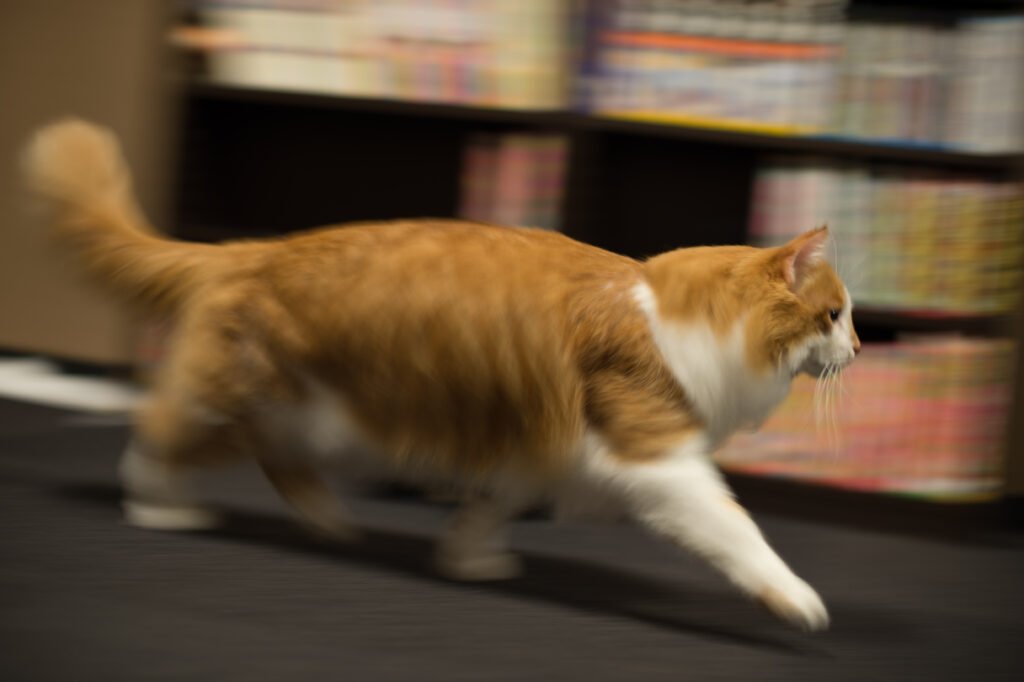
Scientists have a formal term for what your cat does at 2 a.m.: Frenetic Random Activity Periods, or FRAPs. Most people just call them zoomies, that sudden burst of hyperactivity that mystifies cat owners everywhere. The name might sound clinical, but the behavior itself is anything but tidy.
Cat zoomies refer to spontaneous bursts of high-speed movement, often accompanied by leaping, darting, and excited vocalizations. While these energetic outbursts might be startling in the moment, they’re perfectly normal feline behavior. They’re not a sign that something is wrong. If anything, they’re a sign that something is very right.
Your Cat Is Not Nocturnal – The Crepuscular Distinction Matters
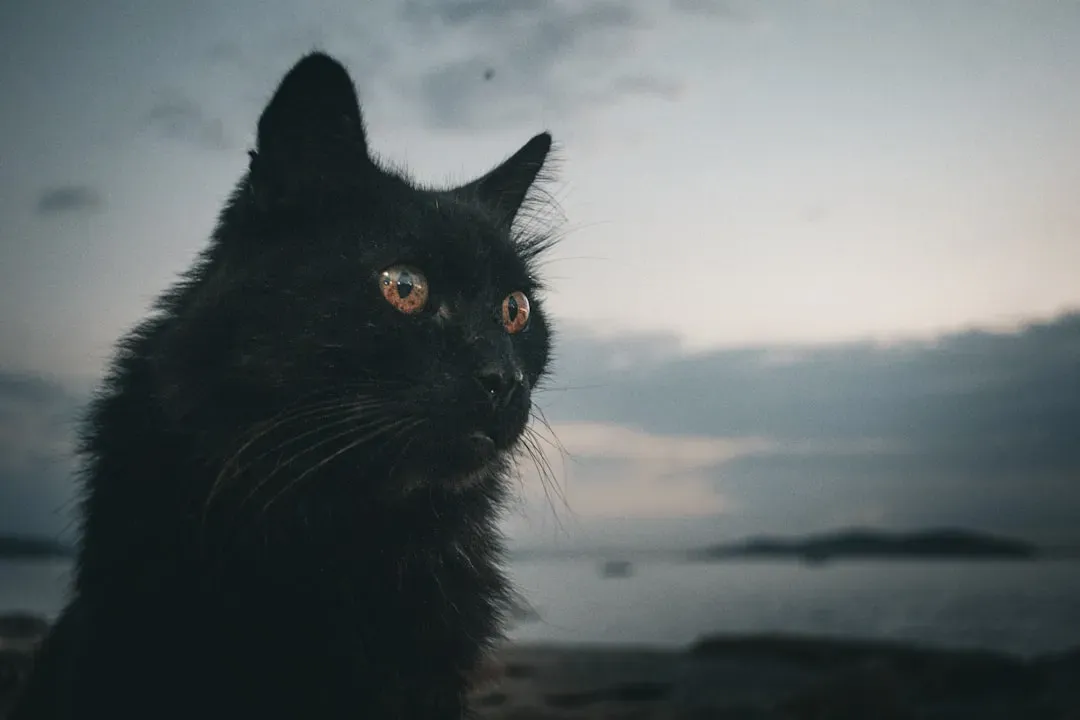
Despite popular belief, domestic cats are not nocturnal. They are crepuscular, meaning they’re most active at twilight, at dawn and dusk. The theory is that in the wild, a cat’s prey are most active at dawn and dusk. This distinction matters more than most people realize.
Cats are naturally crepuscular, meaning active at dawn and dusk, which is when their natural prey like rodents are active. Cats are not really nocturnal, though that’s a common misperception. Their internal rhythm essentially tells them it’s time to get active and start hunting. When your cat is racing around your living room at ten at night, their internal clock is doing exactly what it was designed to do.
The Hunter Beneath the Housecat: Predatory Instincts at Work
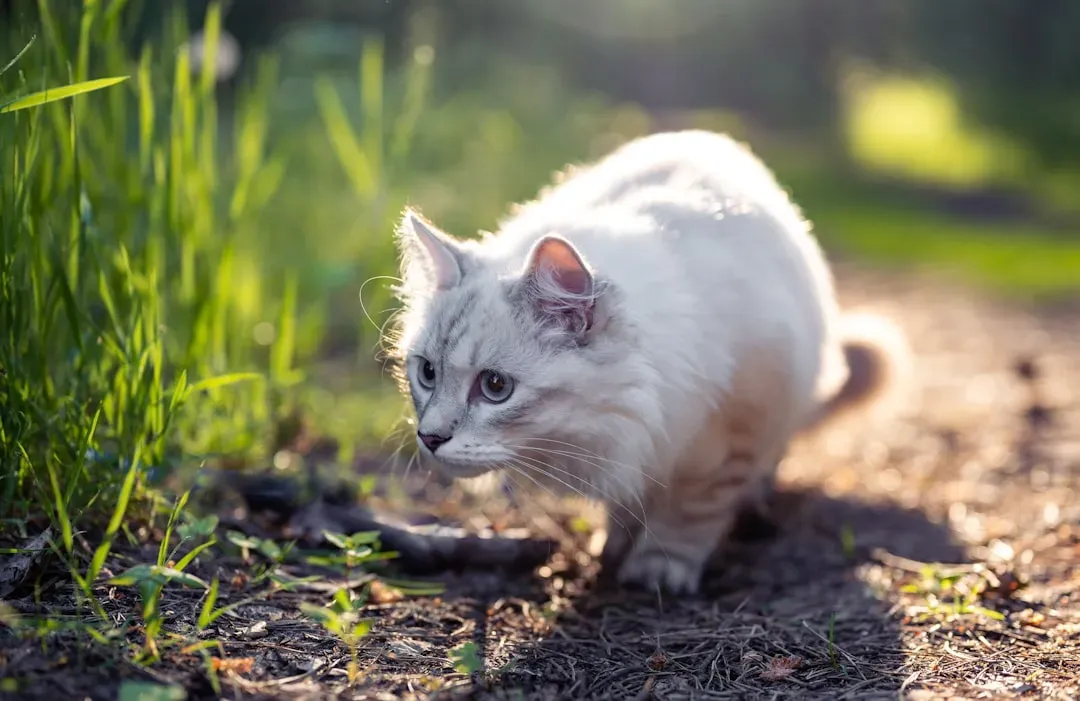
Night zoomies often resemble stalking and chasing behaviors. Darting around corners, pouncing on shadows, and sprinting across rooms are all part of a cat’s natural hunting practice. Even without real prey, their brain tells them it’s time to practice predatory skills. You’re not watching chaos. You’re watching a rehearsal.
Zoomies may originate from cats’ natural predatory instincts, as the bursts of activity with their sudden sprints and sharp turns may represent hunting behaviors. Cats are predators by nature, and even if they live indoors, they still have bursts of energy hardwired into their behavior. In the wild, a cat would stalk prey, chase it, and then rest. Indoor cats still feel these natural urges, and without hunting opportunities, they sometimes release pent-up energy in a sudden, high-speed dash around the house.
Built-Up Energy: The Sleep Schedule That Fuels the Frenzy
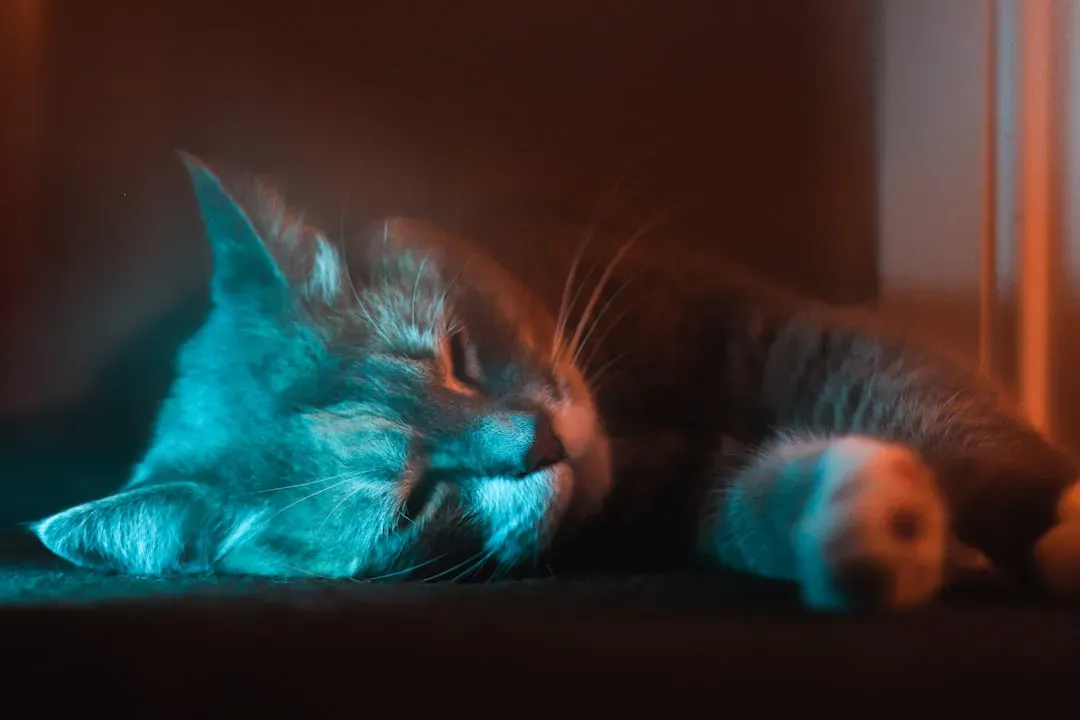
One of the most common reasons for nighttime zoomies is simple: excess energy. If your cat spends much of the day alone while you’re at work or school, they may be sleeping for 12 to 16 hours. All that rest has to go somewhere.
There is a reason the term “cat nap” exists: a mature adult cat needs thirteen to sixteen hours of sleep a day, and kittens and young cats need up to twenty hours. This rest is taken in a continuous cycle of naps instead of a single long snooze. Your cat takes power napping to the extreme, storing up energy for use during their most active periods. By the time evening rolls around, your cat is essentially fully charged.
The Endorphin Effect: Zoomies as Emotional Release
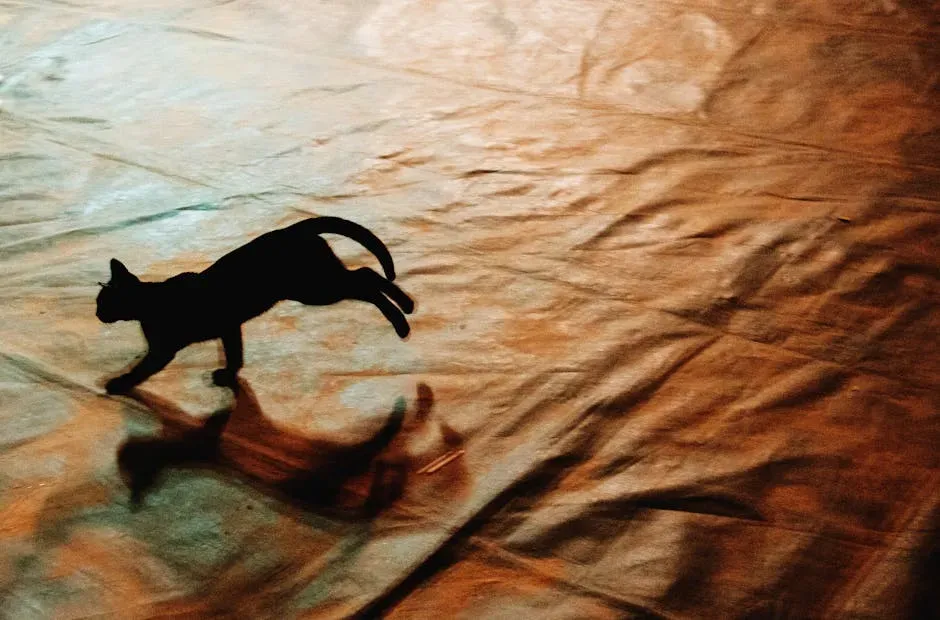
Zoomies release endorphins that improve your cat’s mood and reduce stress. Your feline companion isn’t just burning energy – they’re keeping both their body and mind healthy. There’s a real neurochemical reward happening during those midnight sprints.
These high-speed sessions aren’t just fun – they benefit your cat’s health. FRAPs may release endorphins, causing a pleasurable or euphoric response. From a physical standpoint, these bursts of activity can strengthen muscles, boost cardiovascular health, and support overall well-being. Think of it less like random chaos and more like a very enthusiastic, self-directed workout.
When Stress or Anxiety Gets Into the Mix
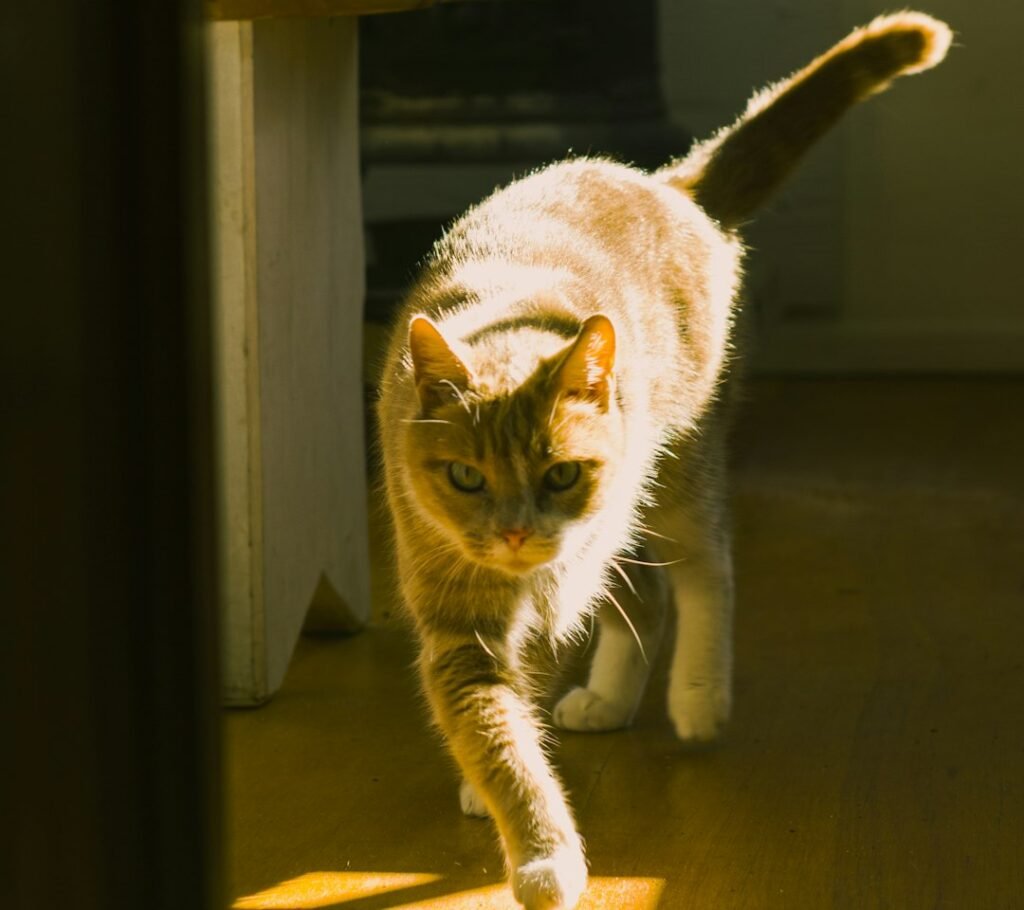
Anxious zoomies typically look different from playful ones. They may involve more vocalizations, appear more frantic or desperate, and the cat might seem less coordinated or aware of their surroundings. If your cat’s nighttime activity seems driven by distress rather than play, consider potential stressors in their environment.
Cats may also exhibit zoomies as a way to relieve stress and anxiety. This behavior is often seen in cats who are feeling anxious or stressed and may be a way for them to release tension and feel more relaxed. Stress or changes in the environment, such as new pets or visitors, can increase nighttime activity as cats try to adjust and expend nervous energy. Knowing the difference between joyful zooming and anxious zooming is worth paying attention to.
Age Changes Everything: Kittens, Adults, and Senior Cats
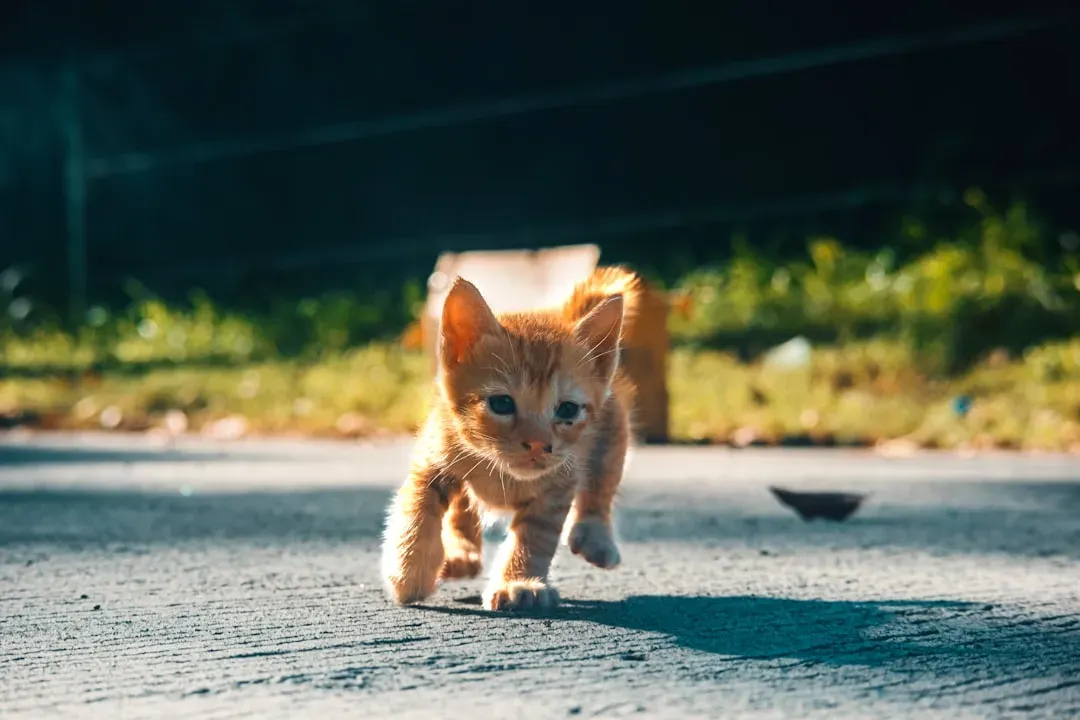
Young cats have an abundance of energy and may have more frequent and intense zoomies. They are also more likely to be active at night. For kittens especially, nighttime activity isn’t just normal – it’s practically a full-time job.
Older cats typically slow down and may sleep more than younger cats. However, some older cats may become more active or vocal at night due to changes in their cognitive function or because of medical issues. Even older cats enjoy bursts of play, which keep joints limber and muscles toned. The zoomies don’t disappear with age, they just change shape.
When Zoomies Signal Something Medical
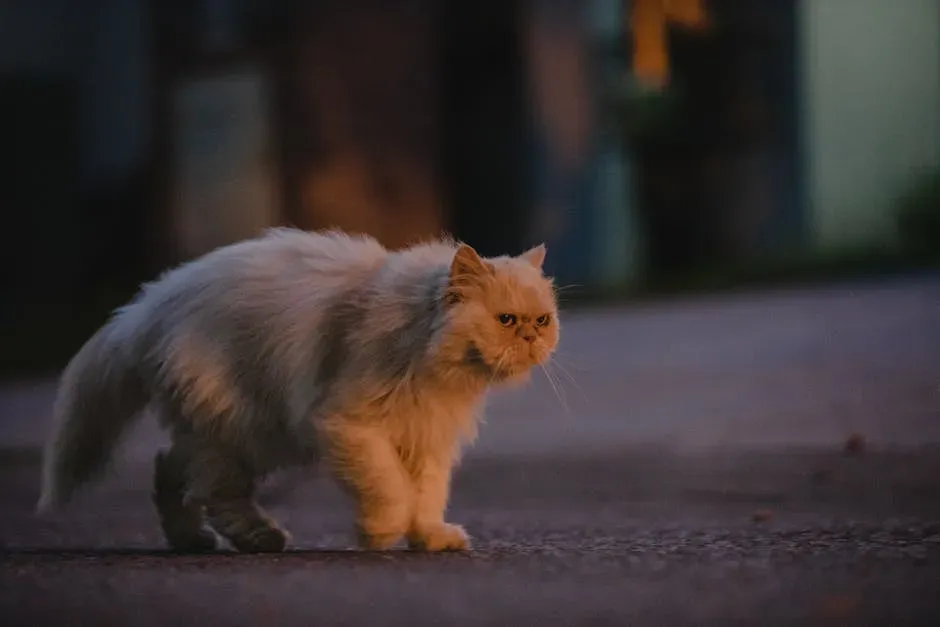
In some cases, excessive nighttime activity may be a sign of an underlying medical issue such as hyperthyroidism. If your cat’s nighttime behavior suddenly changes or becomes more extreme, it’s essential to consult with your veterinarian to rule out any potential health problems. A sudden uptick in zoomies that appears out of nowhere deserves a closer look.
If your cat is spending more time awake at night than they used to, mention this to your veterinarian. Some health conditions can disrupt a cat’s sleep schedule and keep them up at night, including hyperthyroidism, hypertension, anxiety, and pain. Signs that show serious health issues in your feline friend include excessive grooming, biting, or scratching. Monitoring signs of health issues when your cat gets sudden nighttime zoomies is crucial for keeping them out of trouble.
Practical Ways to Channel (Not Suppress) the Zoomies
Increasing a cat’s daytime activity by providing them with food puzzles, a bird feeder to watch, or some other kind of enrichment can all help calm a cat down before bedtime. A cat that’s mentally and physically engaged during the day is far less likely to redecorate your home at midnight.
Interactive playtime is one of the best ways to prevent overly wild zoomies. Use wand toys, feather teasers, or small balls to mimic the chase-and-pounce sequence of hunting. Aim for at least two to three short play sessions each day, especially in the evening, to help your cat settle down at night. Cats thrive on routine. Feeding your feline companion at the same times each day helps stabilize their energy cycles and may reduce the intensity of nighttime zoomies.
Conclusion: Read the Zoomies, Don’t Just Endure Them
Your cat’s midnight sprints are not a flaw in their personality or a gap in their training. They’re the product of millions of years of feline evolution, compressed into a small, well-fed creature living in your apartment. The instincts didn’t disappear when cats moved indoors. They just needed a new stage.
Rather than being a cause for concern, cat zoomies are a natural expression of playfulness and instinctual behavior. By engaging your cat in regular play, providing stimulating environments, and respecting their natural rhythms, you can ensure they live a healthy, enriched life.
The next time your cat launches into a 3 a.m. circuit of the house, you’ll know what you’re actually watching. It’s not madness. It’s biology doing exactly what it was built to do, and your cat doing exactly what makes them a cat.
Kristina is a young writer from India. An arts graduate and an avid content creator, Kristina is passionate about animals and wildlife. She enjoys exploring topics related to pet care, animal behavior, conservation, and nature, combining thorough research with engaging storytelling.