You’ve probably noticed it a hundred times. Your cat curls up on your lap, and within seconds that familiar rumble begins. It feels comforting, almost meditative. Yet have you ever paused to wonder what’s really happening in those moments?
Honestly, most people assume purring means pure happiness. That soft vibration seems like the ultimate sign of contentment. Except here’s the thing: your cat’s purr is far more complex than you might imagine.
The Mysterious Mechanics Behind That Gentle Rumble
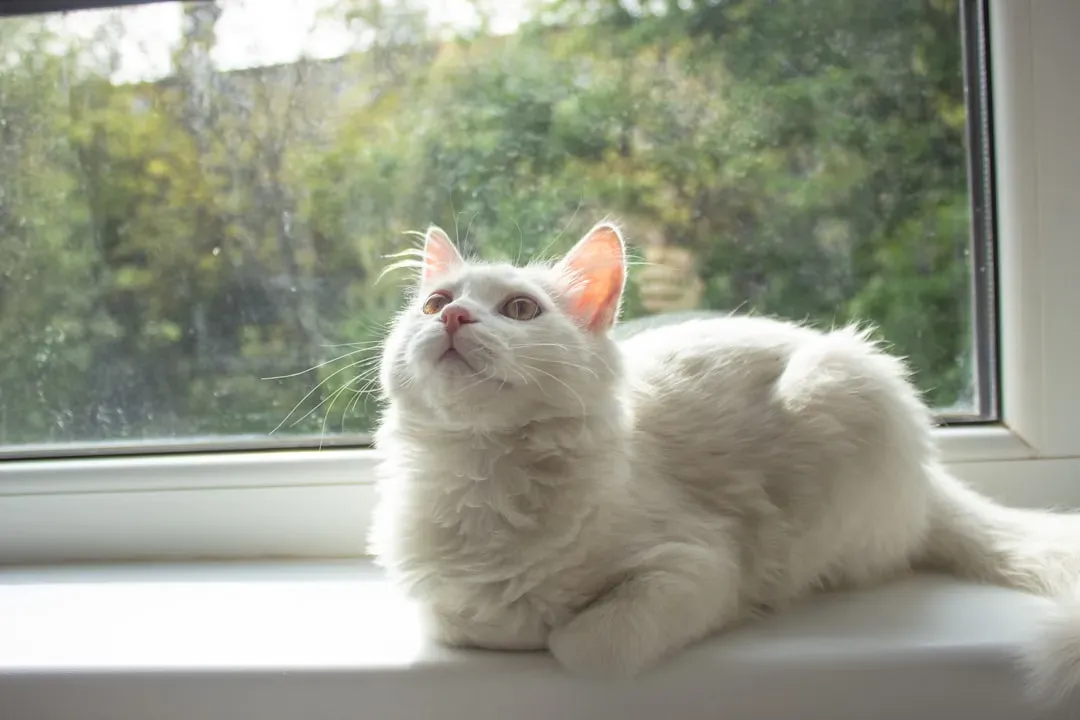
The purring sound is created through rapid contractions of your cat’s laryngeal muscles, opening and closing the glottis at incredible speed. These movements happen during both inhalation and exhalation, producing that continuous vibration you feel beneath your fingertips.
Think of it as your cat’s internal instrument, playing a frequency between twenty-five and one hundred fifty hertz. Scientists still debate some details about the exact mechanism, yet they agree that this is a voluntary behavior. Your cat chooses when to turn on this engine of sound.
When Purring Signals Pure Contentment and Joy
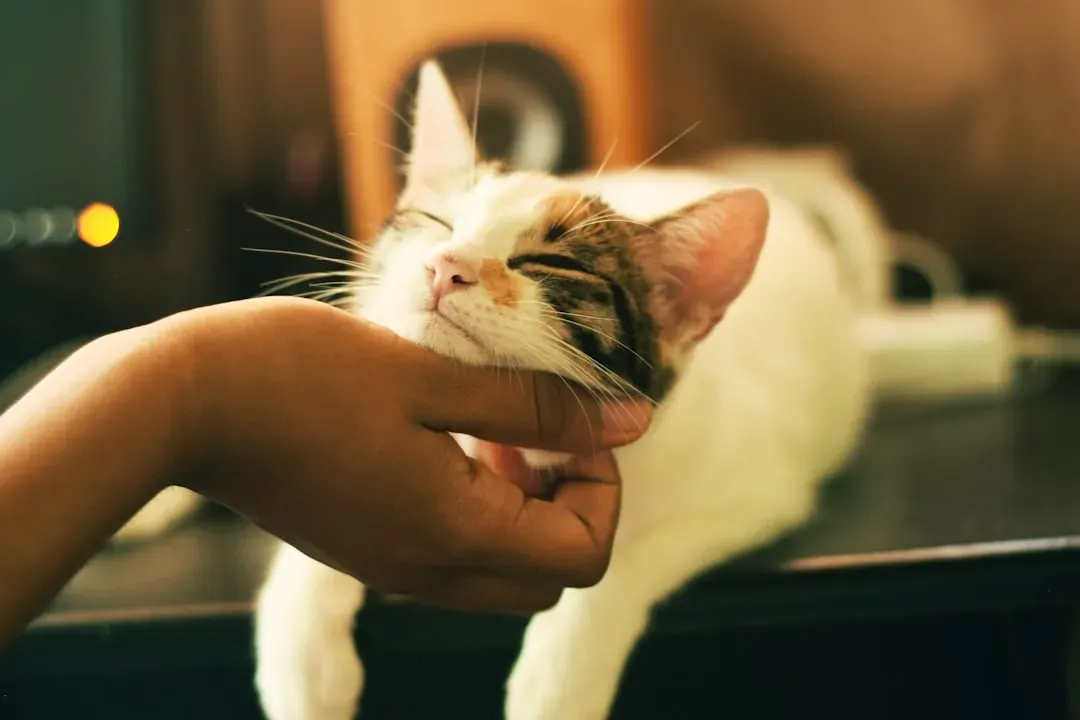
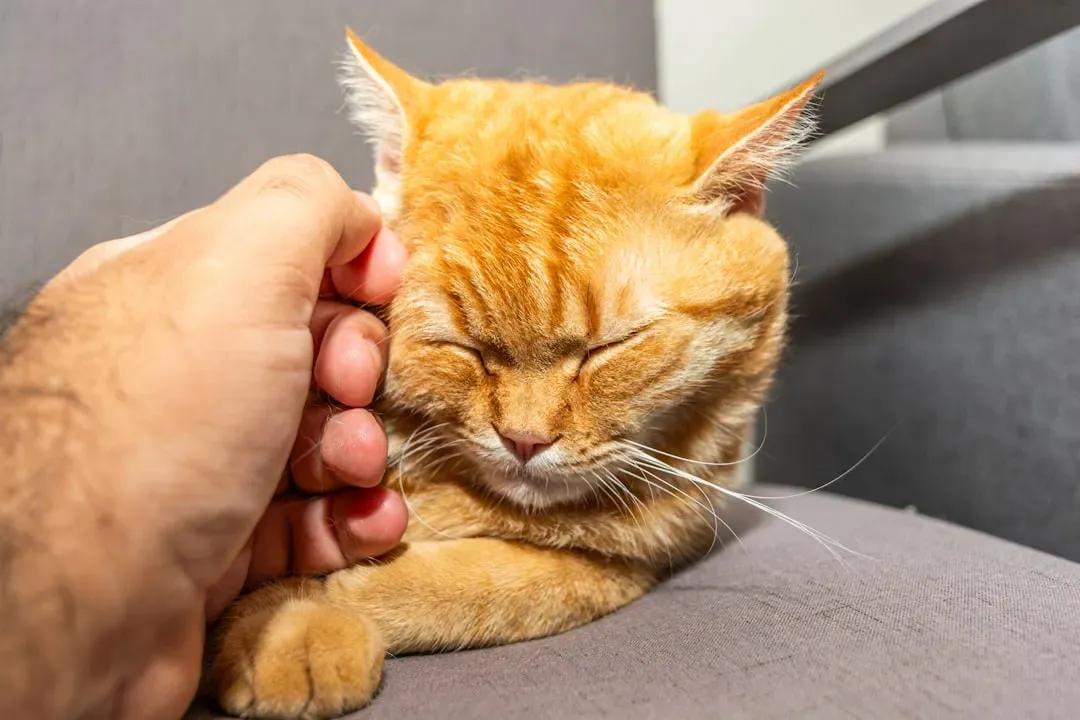
When your cat curls up on your lap, closes their eyes, and begins to purr, they are clearly indicating that they feel safe, happy, and relaxed. This is probably the purr you’re most familiar with. It happens during those peaceful moments when your feline friend feels completely at ease.
Kittens start purring remarkably early, sometimes within just days of birth. They can purr as young as two days old, particularly when nursing from their mother. It’s their way of saying everything feels right in their tiny world.
The Surprising Truth About Stress Purring
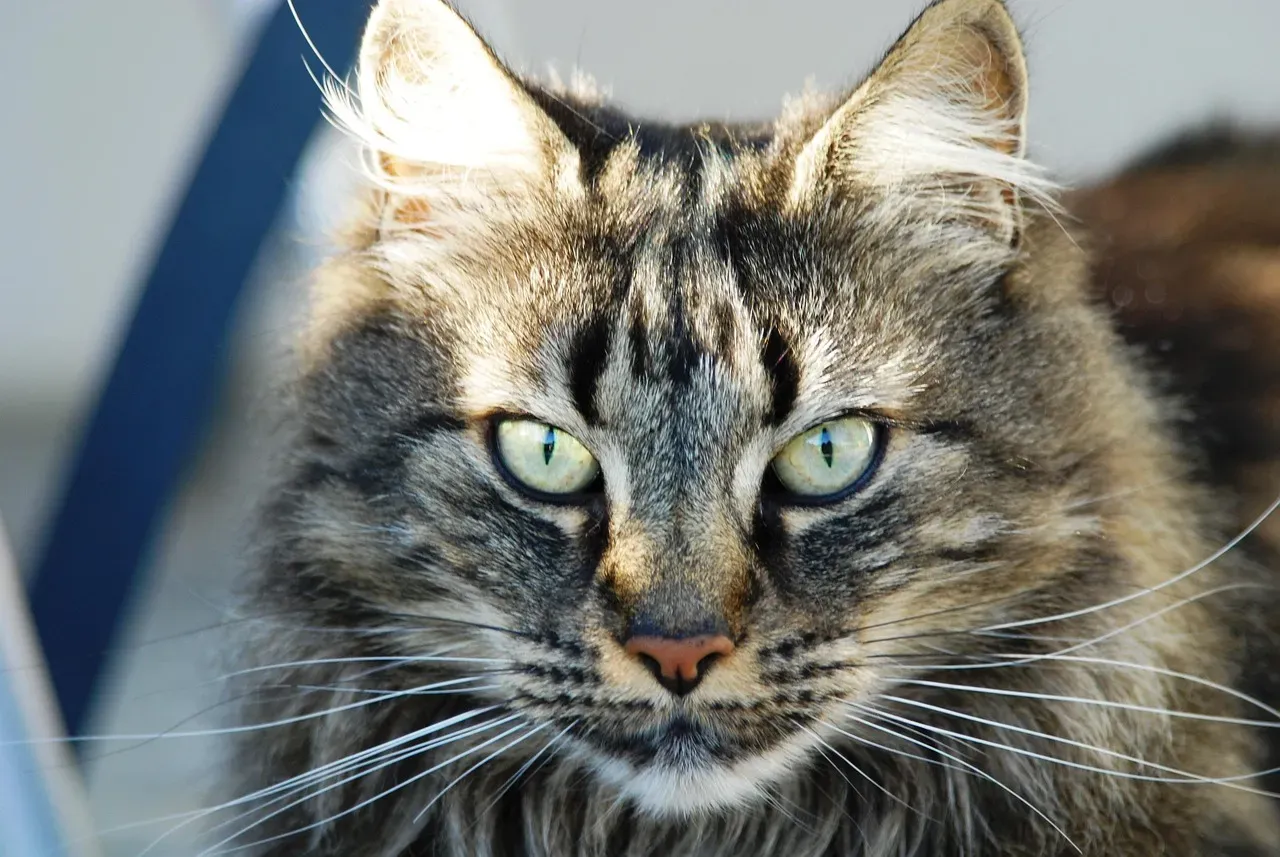
Here’s where things get interesting. Your cat may actually purr when they’re injured or in distress, using it as an attempt to self-soothe and potentially help them feel calmer or relieve pain. I know it sounds strange, yet it’s completely true.
Purring can occur out of stress as well as happiness. Pay attention to your cat’s body language during these moments. Flattened ears, dilated pupils, or tense posture alongside purring often signals anxiety rather than contentment.
Your Cat’s Secret Communication Tool
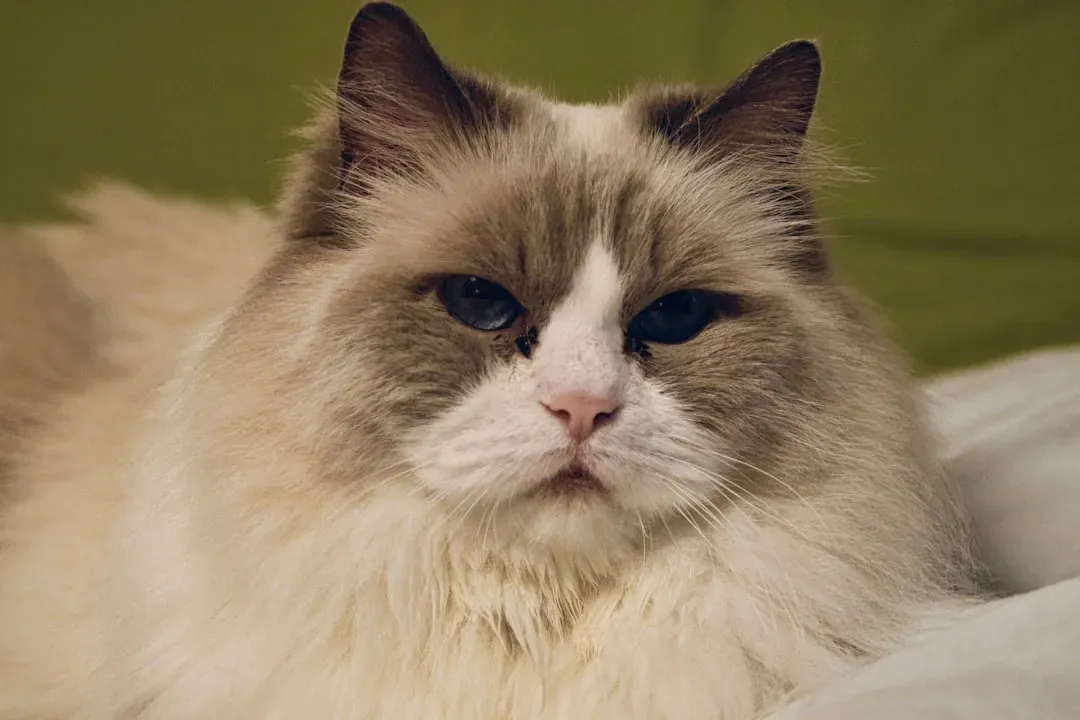
Purring isn’t just about emotion. It’s also your cat’s way of talking to you and other felines. Your cat may purr to solicit food or attention from you. Some cats have mastered what researchers call a solicitation purr, which includes a high-frequency element similar to a baby’s cry.
In multi-cat households, purring can serve to communicate with other cats, such as indicating a desire to play or signaling non-aggression. It’s basically your cat’s version of a friendly wave or a polite request for space.
The Astonishing Healing Frequencies Hidden in That Rumble
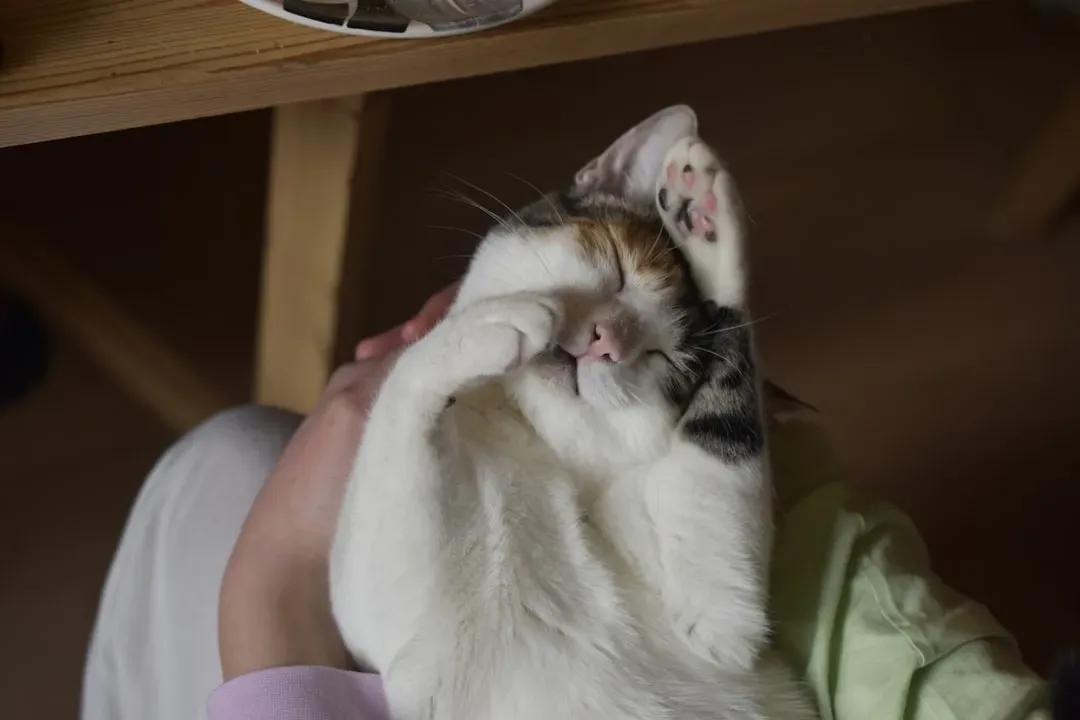
The frequency of a cat’s purring typically falls between twenty-five and one hundred fifty hertz, which could have therapeutic effects on the body and mind. Let’s be real: that sounds almost too good to be true. Research shows this same frequency range aids in the healing of broken bones, joint and tendon repair, and wound healing.
Think about that for a moment. Your cat essentially produces vibrations at the exact frequencies used in medical therapy. These vibrations can help reduce inflammation, improve circulation and stimulate the healing of damaged tissues. It’s hard to say for sure whether cats evolved this ability specifically for healing, yet the correlation is remarkable.
How Your Cat’s Purr Benefits Your Physical Health
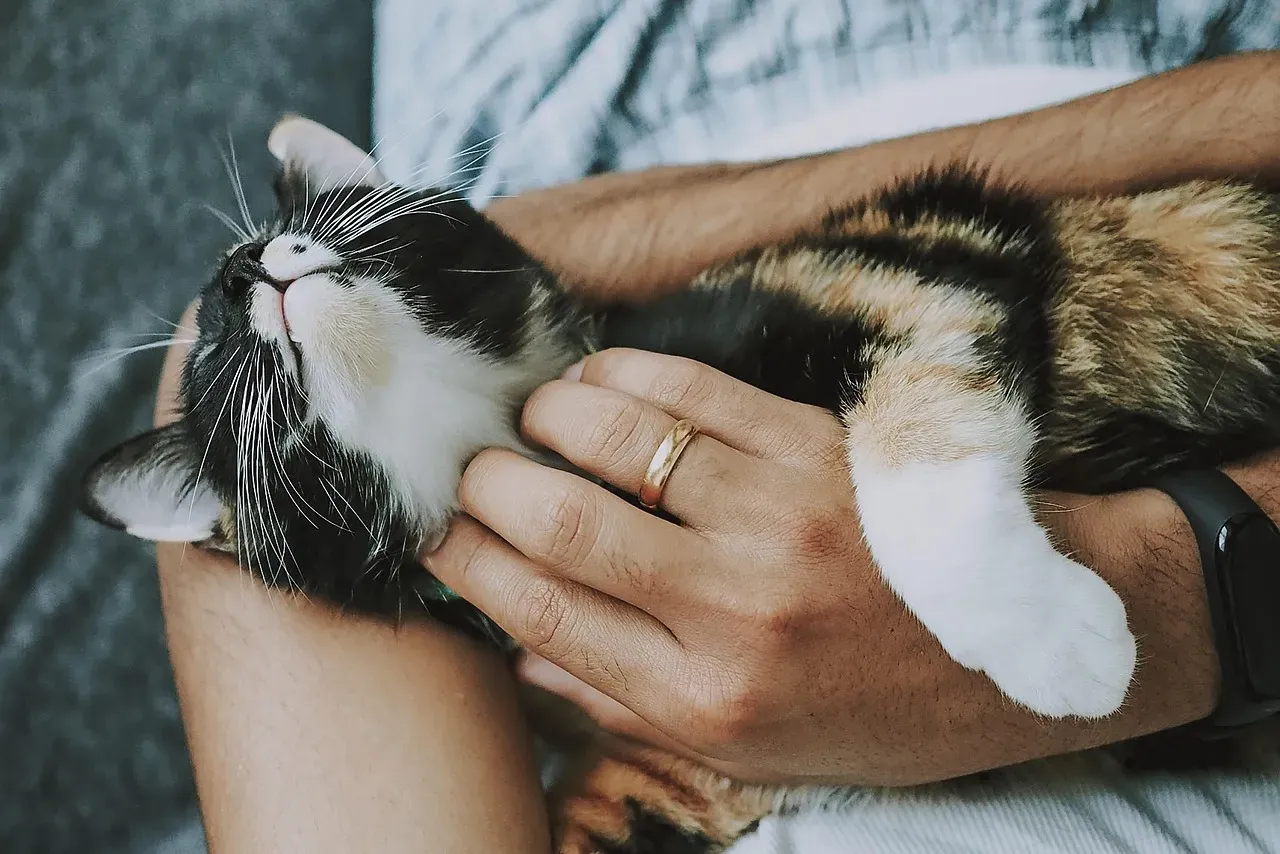
Cat owners are less likely to suffer from heart disease compared to those without cats, and the soothing effects of purring help reduce blood pressure. That gentle vibration you feel isn’t just pleasant. It’s actually changing your physiology in measurable ways.
Petting a cat or listening to their purring triggers the release of oxytocin, a hormone that promotes happiness and reduces stress, while lowering cortisol levels associated with high blood pressure. Many people notice their heart rate dropping when a purring cat settles nearby. Your body responds to those vibrations almost instinctively.
The Mental Health Magic of Those Soothing Vibrations
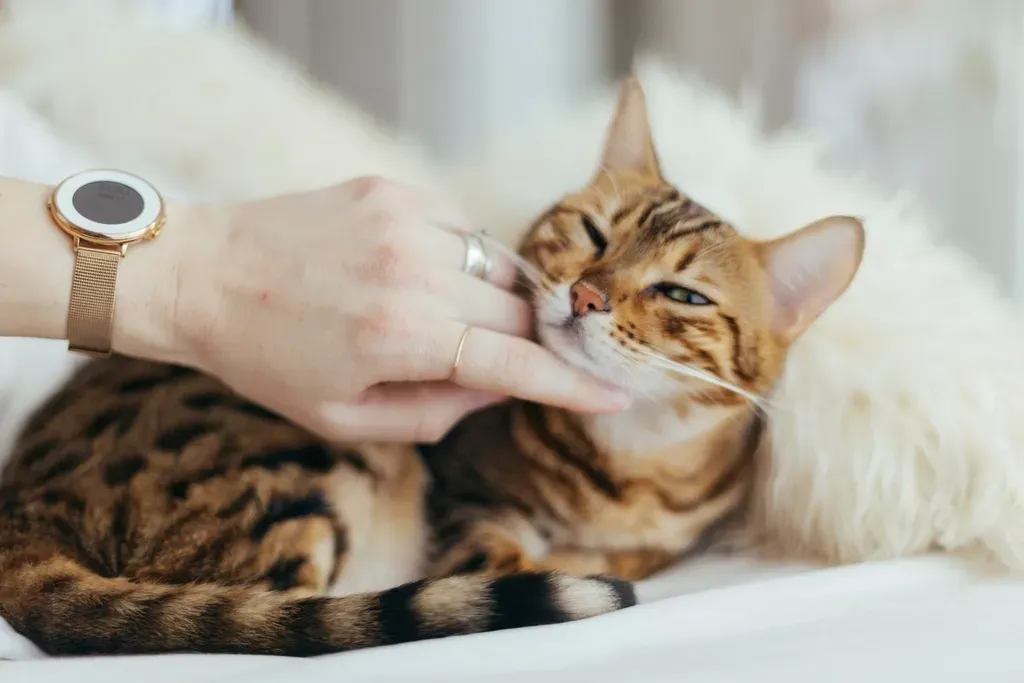
The repetitive sound of a cat’s purring has a calming, meditative quality that can reduce anxiety and promote mindfulness. Honestly, I think this is one of the most underrated aspects of cat ownership. That rhythmic hum creates an anchor for your mind.
Studies have shown that petting a cat while listening to its purr can boost oxytocin levels, and for individuals who live alone or struggle with mental health challenges, a cat’s presence can offer consistent comfort. The predictability of your cat’s purring response creates a sense of security that’s difficult to find elsewhere.
When Your Cat Purrs During Pain or Illness
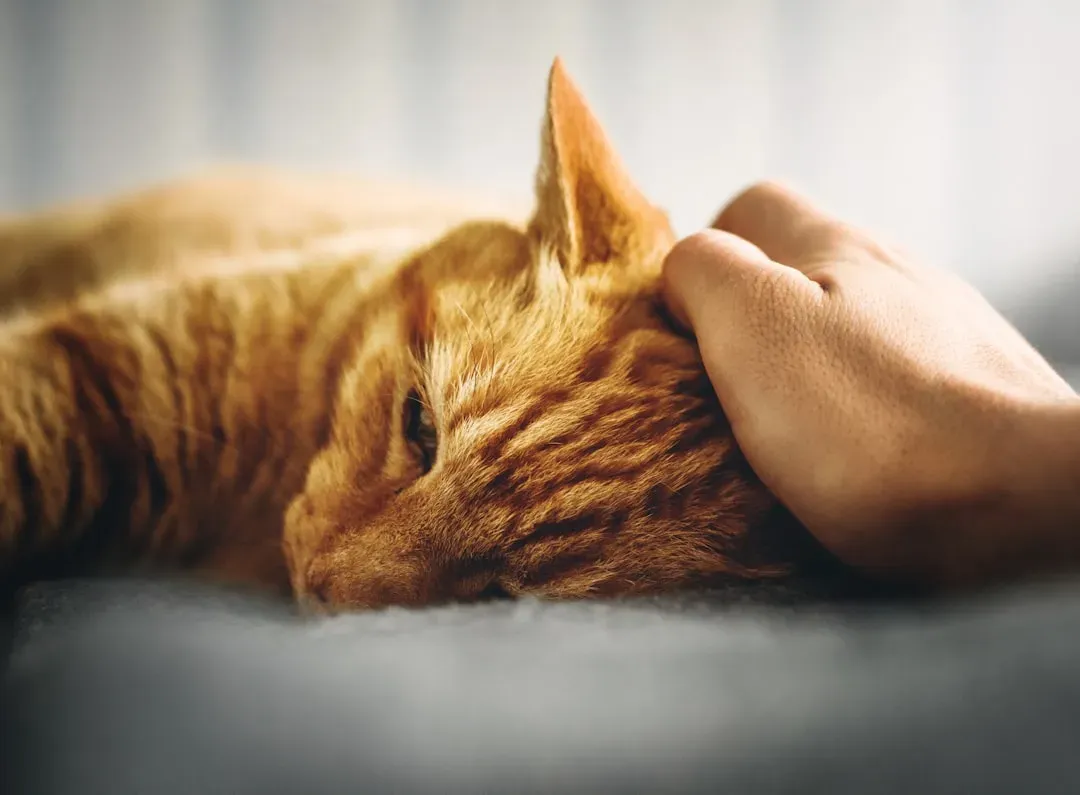
Cats may purr when they are in pain or discomfort, and the act of purring may help soothe the cat and alleviate pain, similar to people in distress finding comfort in moaning or rocking. This seems counterintuitive at first. Yet purring during injury might actually trigger the release of natural pain-relief chemicals.
The frequency of the vibrations caused by a cat’s purr has been shown to help heal injuries and reduce inflammation, which is why you may notice your cat purring more loudly when they’re recovering from an injury or illness. It’s their built-in recovery mechanism, working silently beneath that familiar sound.
Decoding Your Cat’s Body Language Alongside the Purr
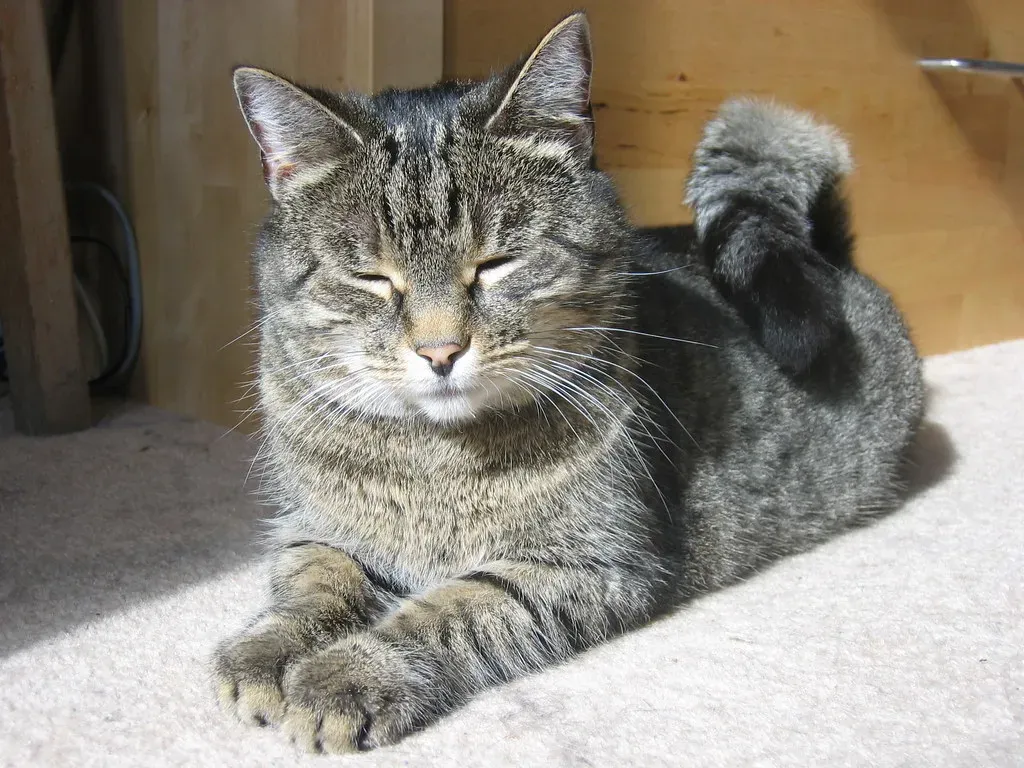
Context matters enormously when interpreting purring. A purring cat that approaches you with their tail held up may be greeting you and soliciting attention, but if the cat is crouched down with their ears pulled slightly to the side while purring, they may not be feeling well.
Look at the whole picture your cat presents. Relaxed whiskers, soft eyes, and an upright tail combined with purring usually mean contentment. Tense muscles, wide pupils, and backward-facing ears tell a different story entirely, even if that familiar rumble is present.
The Evolutionary Advantage of Purring for Felines
Purring likely evolved because it offers genuine survival benefits. Low frequency vibrations in the range of cat purrs are used to heal complex fractures in humans. That’s not coincidence.
Research has shown that frequencies between twenty and fifty hertz increase bone density. Cats may have stumbled upon a biological hack that helps them maintain stronger bones and recover faster from injuries. The purr becomes not just communication but a form of self-medication built directly into their biology.
Conclusion: Listening With New Understanding
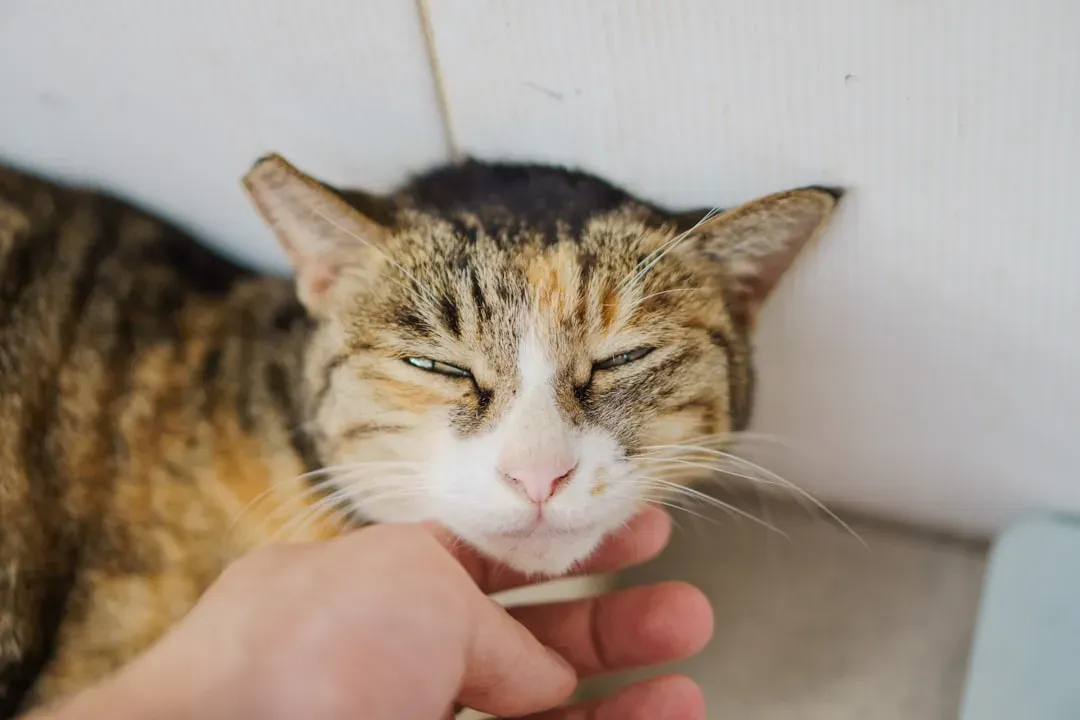
Your cat’s purr is far more than background noise during cuddle sessions. It’s a multifaceted tool serving communication, self-healing, stress relief, and bonding all at once. The vibrations resonate at frequencies that benefit both your cat’s body and yours.
Next time you hear that familiar rumble, take a moment to observe the context. Watch your cat’s ears, tail, and overall posture. You might discover they’re telling you something entirely different than you assumed. What meanings have you noticed in your own cat’s purring? Pay closer attention this week and see what you discover.