Ever wonder why your cat suddenly twitches out of nowhere? Maybe you’ve caught that little tail flick while they’re sitting calmly on the couch, or watched their back ripple for no apparent reason. These mysterious movements can leave even experienced cat parents scratching their heads. Let’s be honest, cats already seem like little enigmas wrapped in fur coats.
Those quirky twitches aren’t random glitches in your feline’s system. They’re actually part of an intricate communication network that cats have been perfecting for thousands of years. Think of each twitch, ripple, and flick as a word in a language we’re only beginning to understand. By the time you’re done reading this, you’ll be able to read your cat like never before.
The Tail Twitch That Speaks Volumes
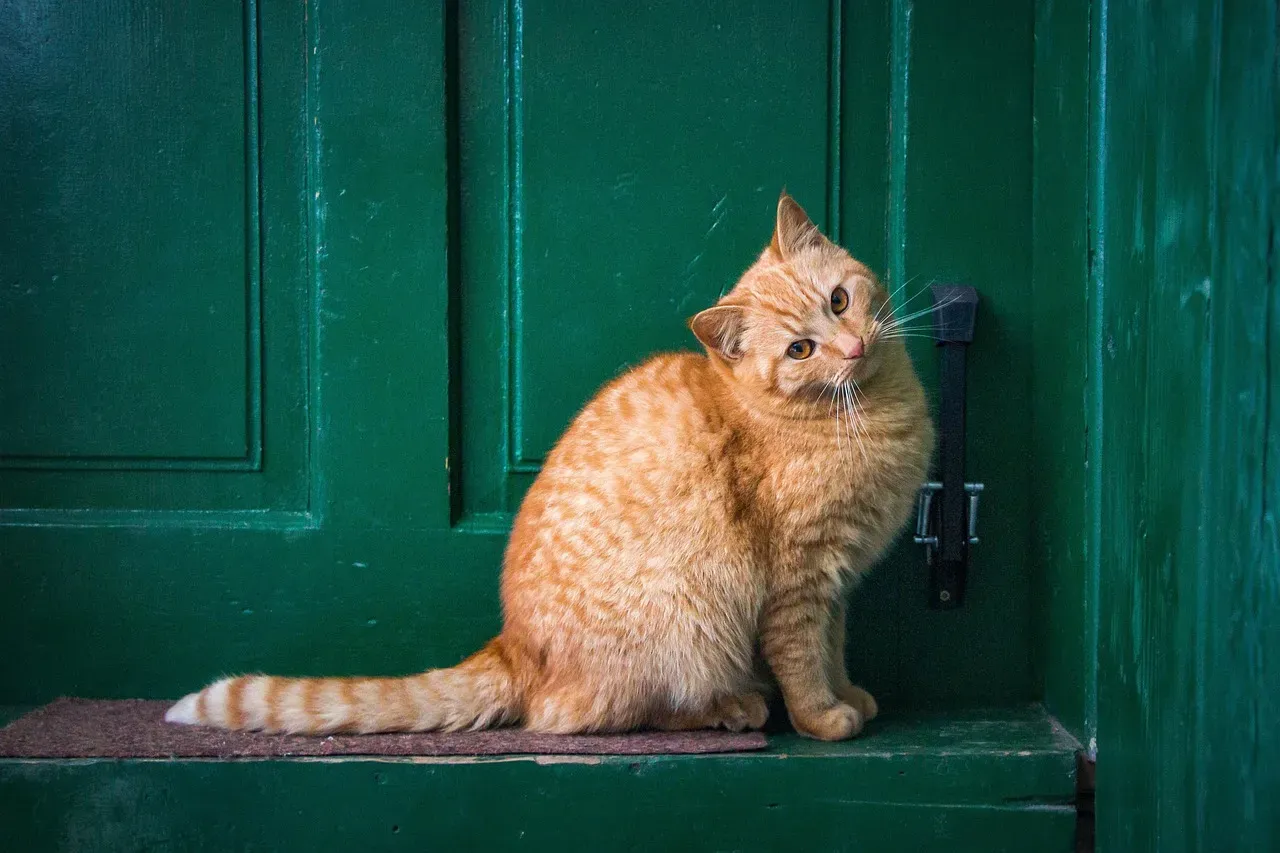
Your cat’s tail twitching is normal communication and often reflects focus, excitement, or emotion. When you notice that distinctive flick at the tip of your cat’s tail, pay attention to what’s happening around them. Are they staring intently out the window at a bird? That focused twitch means their predatory instincts have kicked into high gear.
Fast flicks or thrashing usually signal annoyance or overstimulation, meaning your cat wants space. I think this is one of the most misunderstood signals in cat language. People often keep petting when that tail starts moving faster, not realizing they’re pushing their cat’s boundaries. The thrashing becomes your cat’s way of saying they’ve had enough before they escalate to more dramatic warnings.
Some cats twitch their tails when they’re happy or excited, like when they’re greeting you or anticipating something they enjoy, with the tail typically held high and gently quivering. Context really matters here. The same tail movement can mean completely different things depending on the situation your cat finds themselves in.
When Ears Dance and Whiskers Twitch
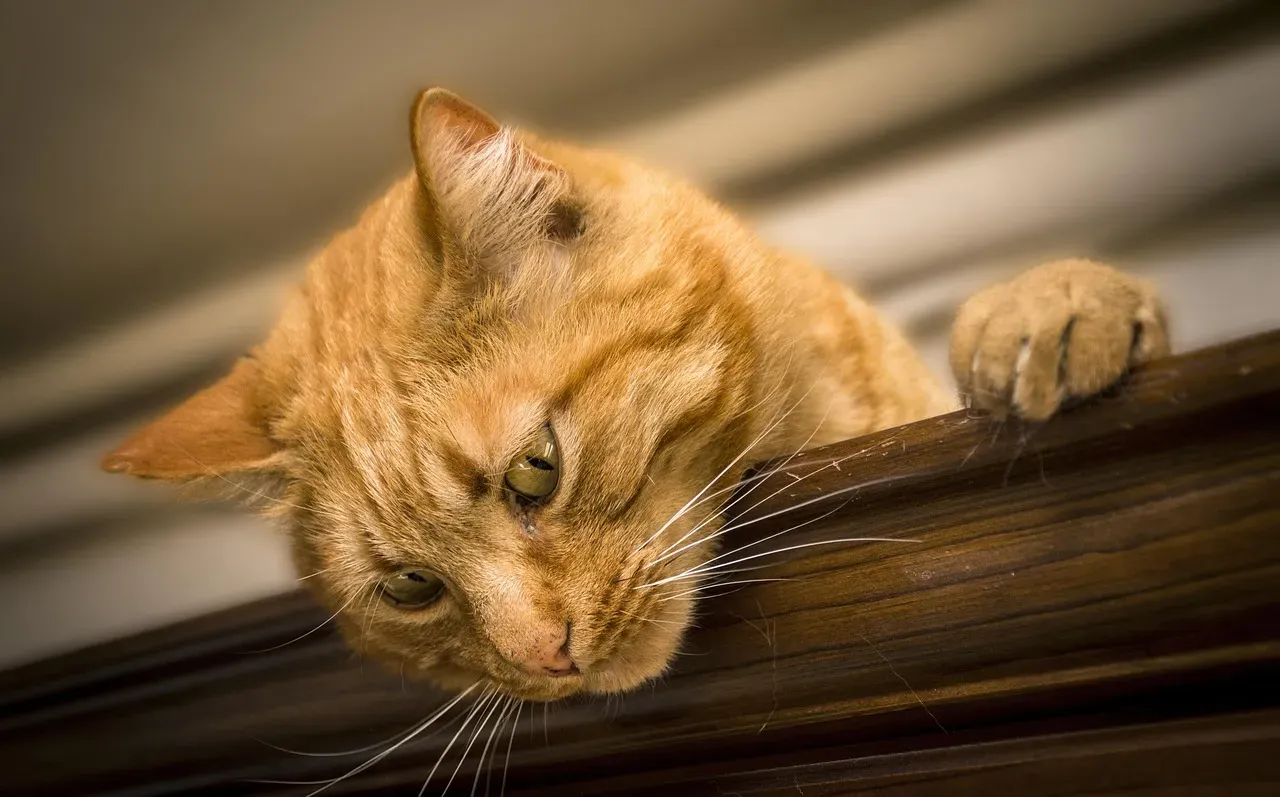
Cat ear twitching often occurs in response to sudden stimuli, such as being on high alert from loud noises or hunting and pouncing, and is a regular reflex action that doesn’t indicate health problems. Your cat’s ears are like little satellite dishes constantly scanning their environment. Those rapid movements help them pinpoint exactly where sounds are coming from.
Whiskers aren’t just cute facial accessories either. Cats point their whiskers outwards when they’re content, and inwards when they’re agitated. Next time you’re interacting with your cat, take a moment to really observe those whiskers. They’re giving you real-time feedback about your cat’s emotional state.
Everything from the way their tail twitches to the position of their ears is a form of communication. Honestly, once you start noticing these subtle signals, you realize just how chatty cats actually are. They’re constantly broadcasting their feelings to anyone willing to pay attention.
The Mysterious Back Ripple
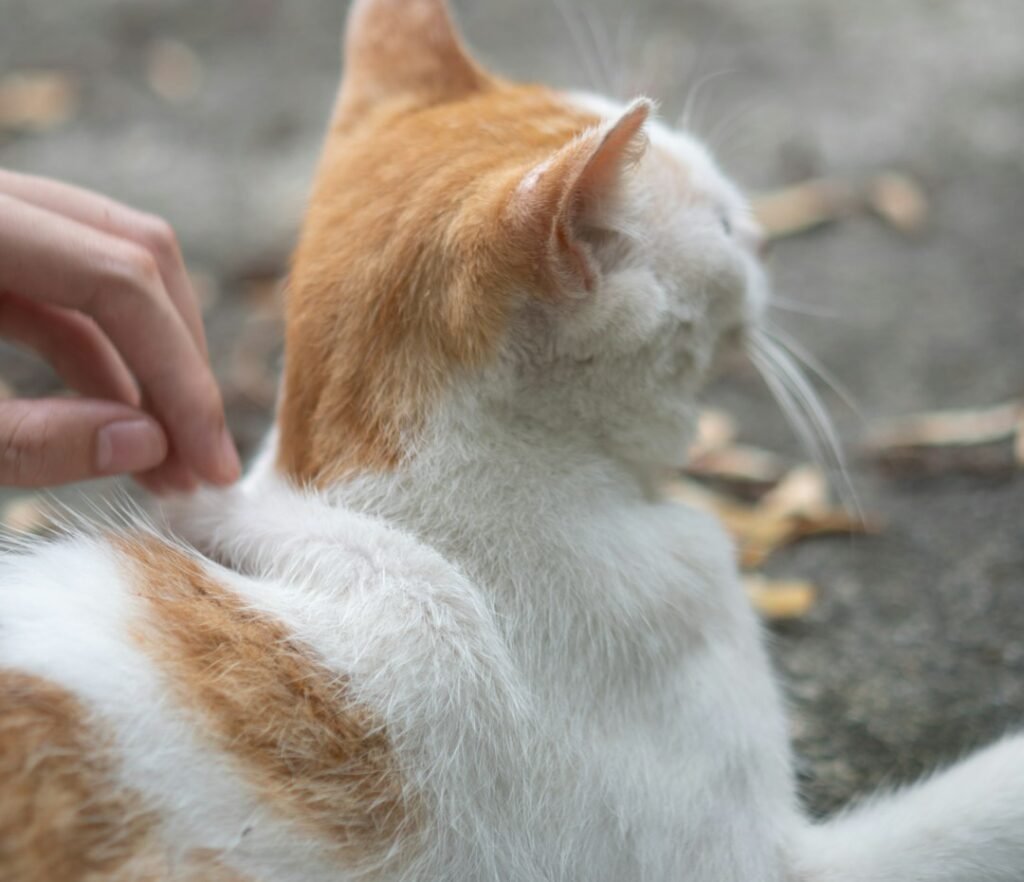
Skin rippling or twitching during petting often precedes overstimulation, and your cat is beginning to find the contact uncomfortable and may soon react more dramatically if it continues. Have you ever been petting your cat when suddenly their skin seems to wave across their back? That’s not a supernatural phenomenon. It’s your cat telling you they’re reaching their limit.
Cats have incredibly well-developed muscles just under their skin that allow for this distinctive rippling effect. Sometimes it’s a response to an itch or sensation they can’t quite reach. Other times it’s an early warning system that you’re about to cross a line they’ve drawn.
Feline hyperesthesia syndrome involves muscle contractions a cat can’t control, and cats typically exhibit signs of pain or irritation when being petted, with the skin possibly twitching and your cat even trying to chase or bite at their tail. This is the more concerning version of back twitching that requires veterinary attention. The difference between normal twitching and this condition is frequency and intensity.
Dream Twitches During Sleep
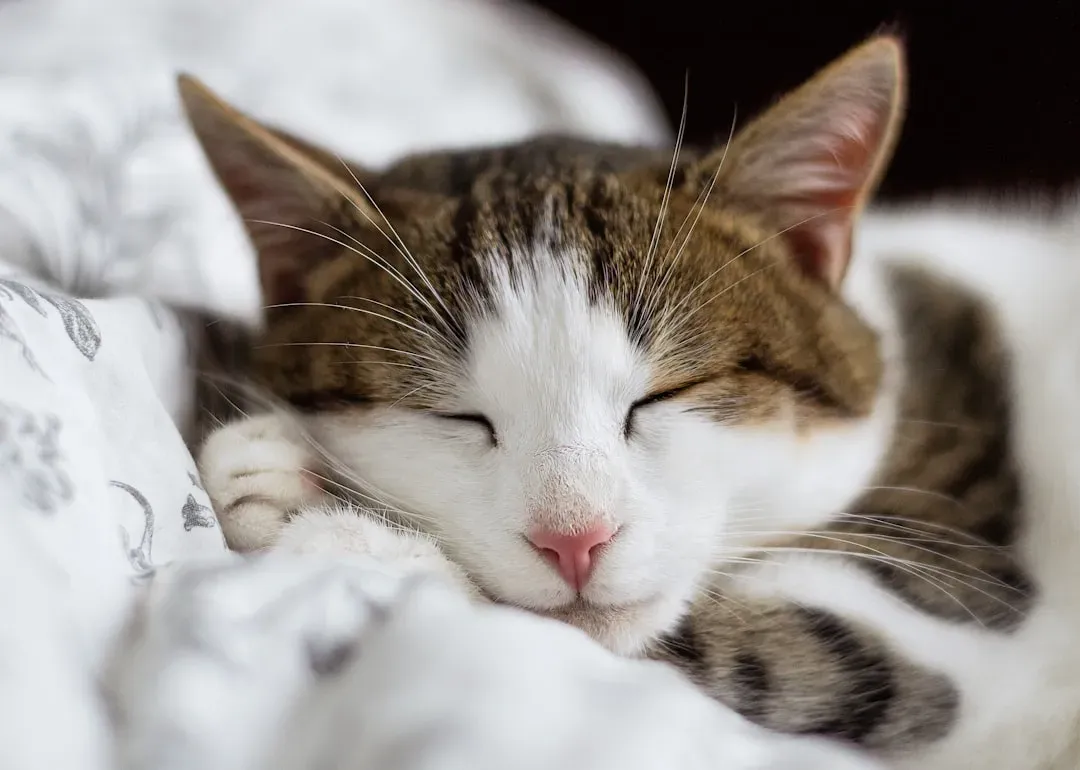
Cats twitch in their sleep because they experience REM sleep, a phase where their brains are highly active and they may dream, which can cause muscle twitches or small movements as they process dreams. If you’ve ever watched your sleeping cat’s paws paddling away at invisible prey, you’re witnessing dream activity in real time. It’s kind of adorable when you think about it.
The most common cause of involuntary muscle twitching experienced after owning several cats was dreaming, with cats twitching their paws and moving their eyes while sleeping, often accompanied by chatting noises. Some cats are more active dreamers than others. My own cat sometimes makes these little chirping sounds while her whiskers twitch frantically.
Facial twitching of cheeks, noses, whiskers, mouths, or eyelids is normal and might mean they are dreaming, and your cat’s ear twitching in sleep is also a normal behavior. The real question is what are they dreaming about? We can’t know for sure, though experts believe they’re replaying their daily activities. Perhaps your cat is finally catching that red laser dot in their dreams.
The Pre-Pounce Position
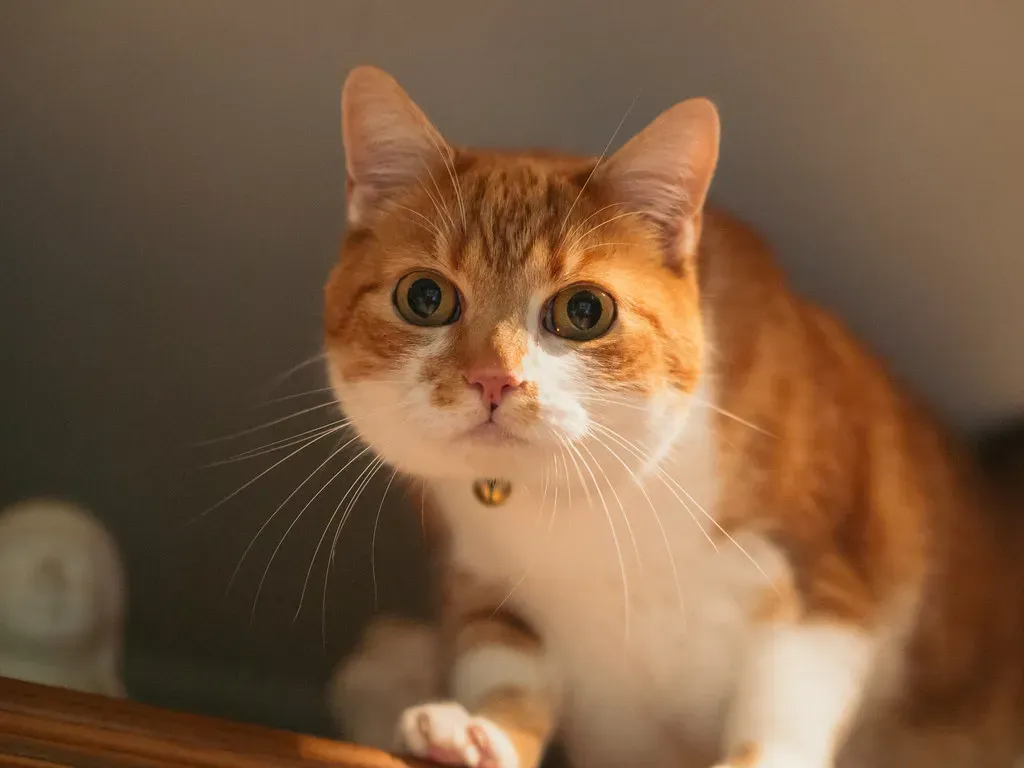
When your cat slowly swishes their tail from side to side, they may be intently focused on something like a toy or another animal, and they may be about to pounce. This is hunting mode activated. You’ll notice their entire body goes into a specific state of readiness.
Watch closely and you’ll see their pupils dilate, their body lowers slightly, and sometimes their hindquarters wiggle before the big leap. When your cat twitches their tail, it could be a sign they’re paying close attention to something that has interested them, with the tail twitch usually coming in a side to side motion that can be both fast and aggressive or slow and smooth.
This is actually one of the most fun twitches to observe because it’s pure predatory instinct on display. Even well-fed house cats never lose this drive. That toy mouse doesn’t stand a chance when your cat enters this focused state. The twitching is essentially them revving their engine before the chase begins.
Stress and Anxiety Signals
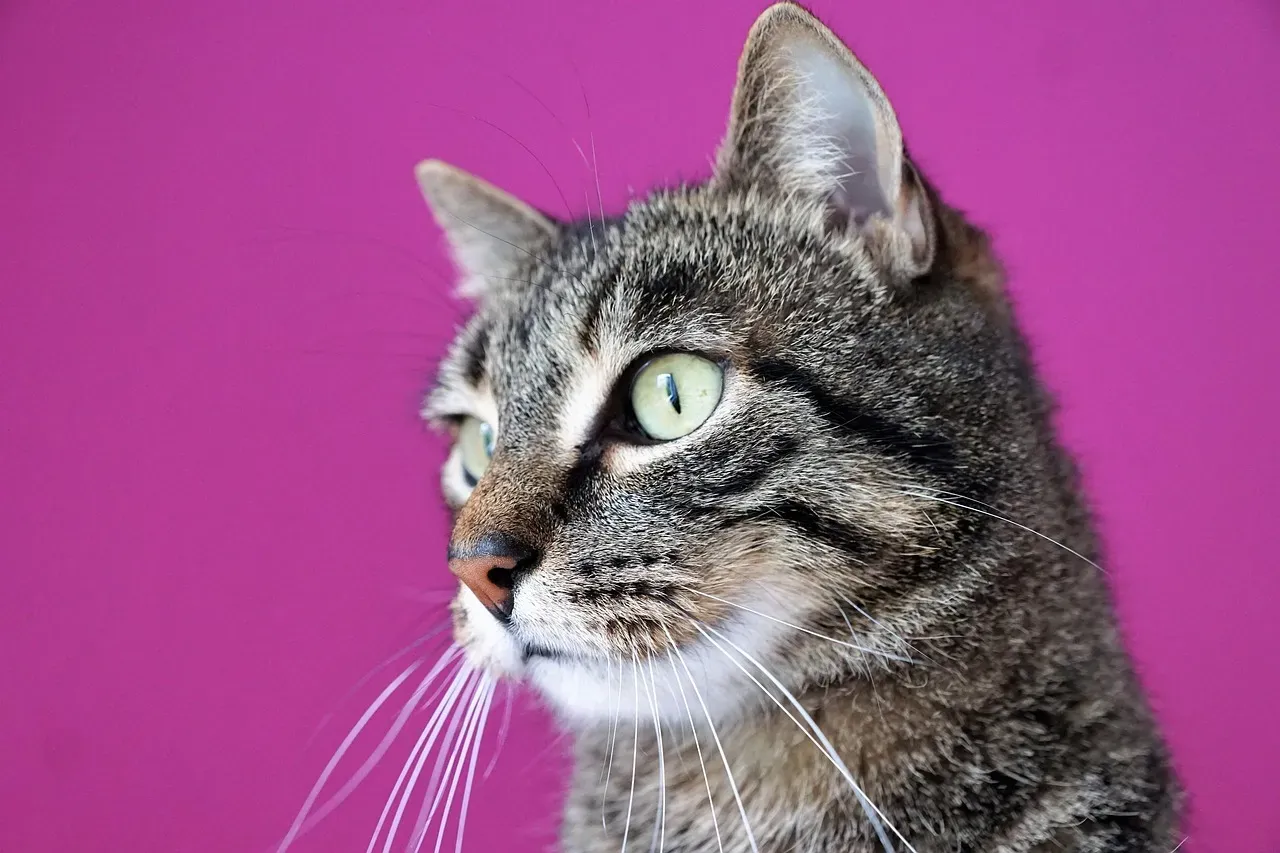
Stress can indeed cause your cat to twitch, with cats often exhibiting physical symptoms in response to emotional stress such as twitching, grooming excessively, or hiding, and stress-related twitching might occur in conjunction with other signs of anxiety like changes in appetite or behavior. Environmental changes can really throw cats off balance. They’re creatures of habit who prefer predictable routines.
Moving furniture, new pets, visitors, or even changes in your own schedule can manifest as unusual twitching patterns. The key is recognizing when normal communication twitches become excessive or paired with other concerning behaviors. A stressed cat might twitch more frequently than usual.
When a cat is feeling stressed, they may have a stiff and tense body held low to the ground, and the cat may also engage in displacement behaviors performed out of context to cope with underlying stress. Creating a calm environment with hiding spots and maintaining consistent feeding times can help reduce stress-induced twitching. Sometimes the solution is simpler than we think.
Excitement and Anticipation Twitches
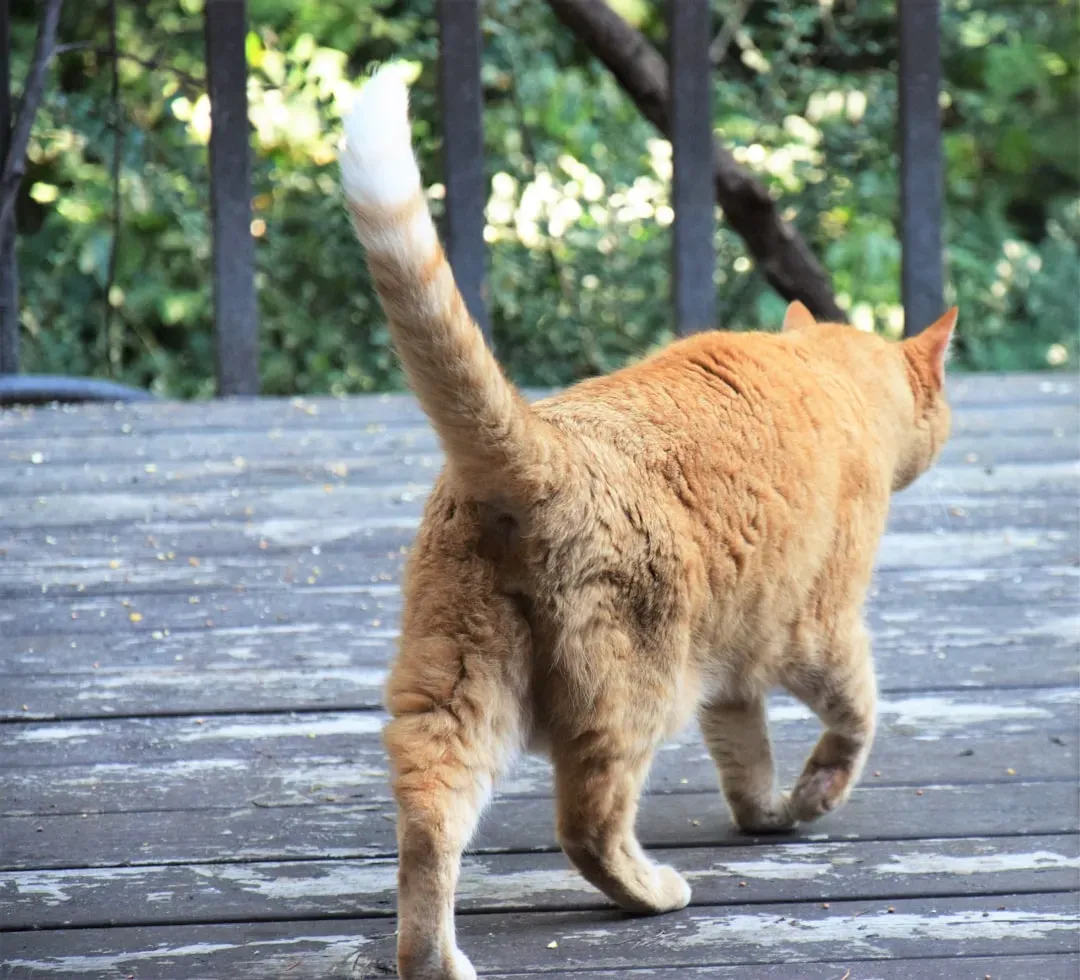
Shaky-tail is generally thought to be the result of excitement or anticipation. You’ve probably seen this when you’re about to feed your cat or when you pull out their favorite toy. That vibrating tail held high is pure joy made visible. It’s hard to say for sure, but I think this is one of the most endearing twitches cats display.
Cats have a wide range of tail movements, including vibrating or shaky-tail, and many cats use a vibrating tail regularly to express happiness and excitement. This is distinctly different from the angry thrashing tail. The excitement twitch is rapid but controlled, almost like they can barely contain their enthusiasm.
Some cats do this greeting behavior when their favorite human comes home. Others reserve it for mealtime or play sessions. Either way, it’s a positive sign that your cat is engaged and looking forward to what comes next. The anticipation is practically radiating from them in those moments.
Irritation and Warning Signals
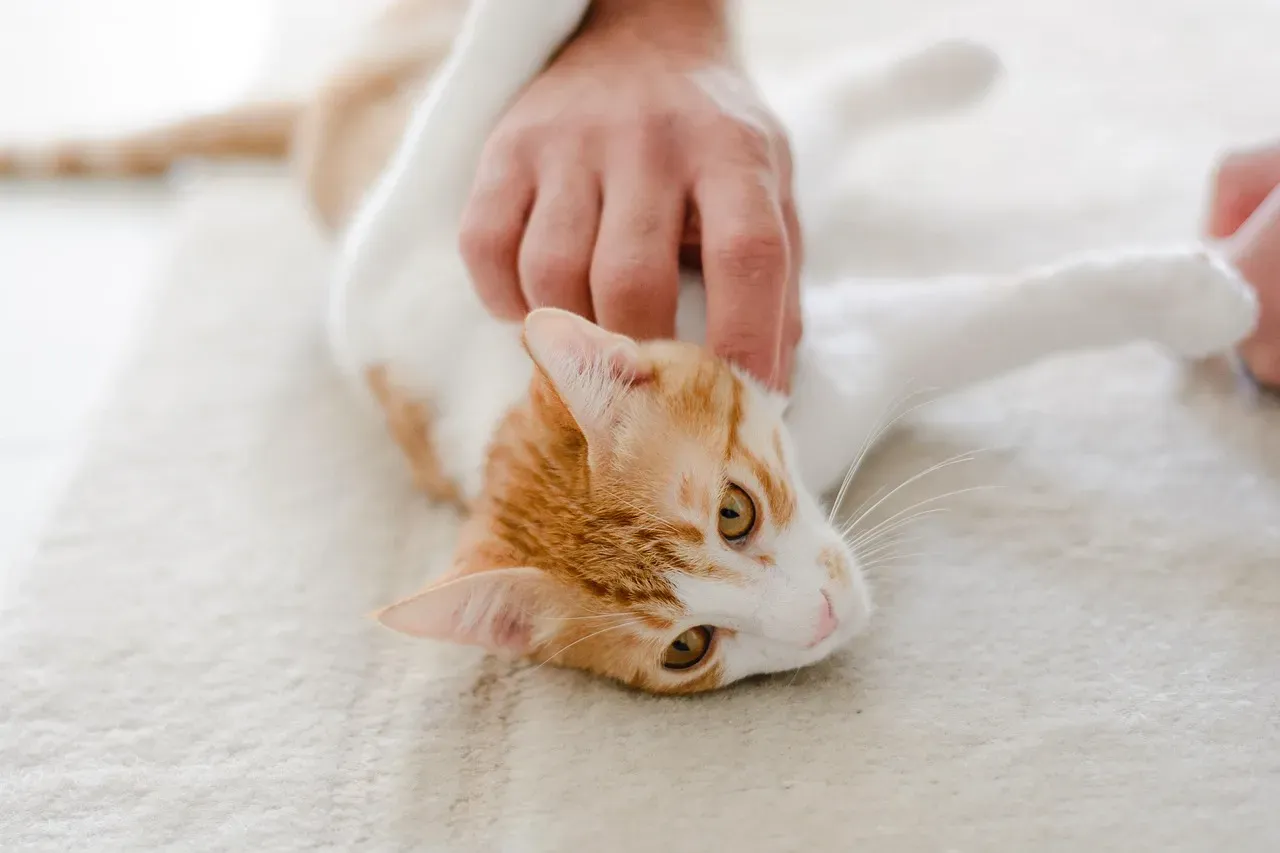
Tail twitching during petting, especially sharp flicks, can mean your cat is becoming overstimulated or irritated, and it’s their way of signaling they’ve had enough physical contact and would like a break. Ignoring this signal is asking for trouble. Cats give fair warning before they escalate to swatting or biting.
When your cat thrashes their tail or is thumping it on the ground, they are irritated, annoyed, or angry, which tells you that something is bothering your cat, and if you are petting your cat and they start thrashing their tail, they are trying to tell you to stop. This is probably the most important twitch to recognize because it’s your last polite warning.
An angry or stressed cat will hiss, growl, or stare at you while their tail moves, while a scared or nervous cat will tuck their ears back and one that is focused and alert will dip their head down at or below shoulder level. Body language works as a complete package. Never look at just one signal in isolation if you want the full picture.
Kitten vs. Adult Cat Twitching
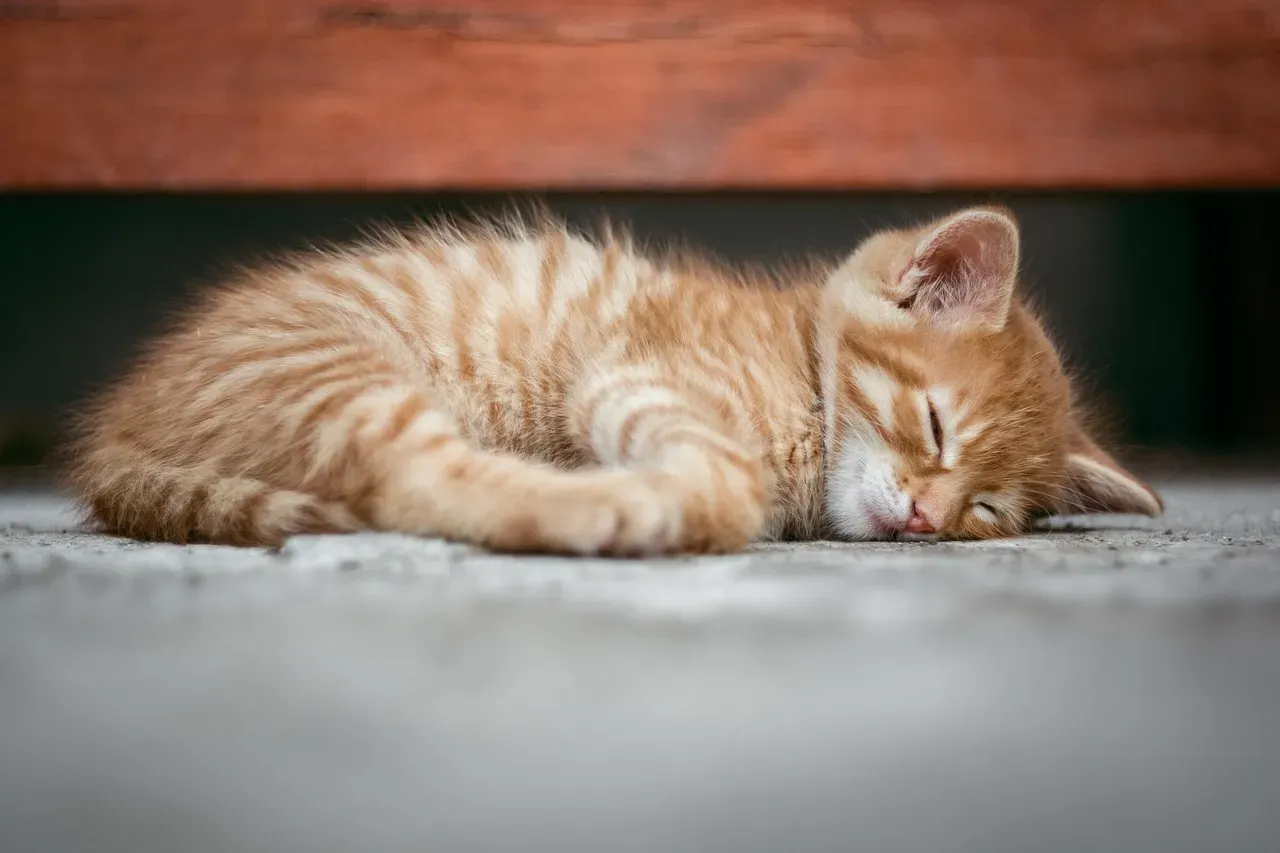
Kittens often twitch more when they sleep because their bodies and brains are still growing. If you’ve ever watched a litter of kittens sleeping together, you’ve seen a symphony of tiny twitches happening simultaneously. Their developing nervous systems are working overtime.
Kittens spend more time in REM sleep, with some experts saying kittens spend up to 80 percent of their sleep in REM while adult cats only spend around 25 to 30 percent, meaning more dream time equals more twitching. That’s a dramatic difference. Young cats essentially live in a state of constant learning and development, even while sleeping.
Some active cat breeds like the Siamese or Abyssinian might display more notable sleep movements during REM sleep, and kittens also tend to move more in their sleep than adult cats, possibly because their nervous systems are developing and they have a higher percentage of REM sleep as they grow. As your kitten matures, you’ll likely notice their twitching becomes less frequent and more refined.
When Twitching Means Trouble
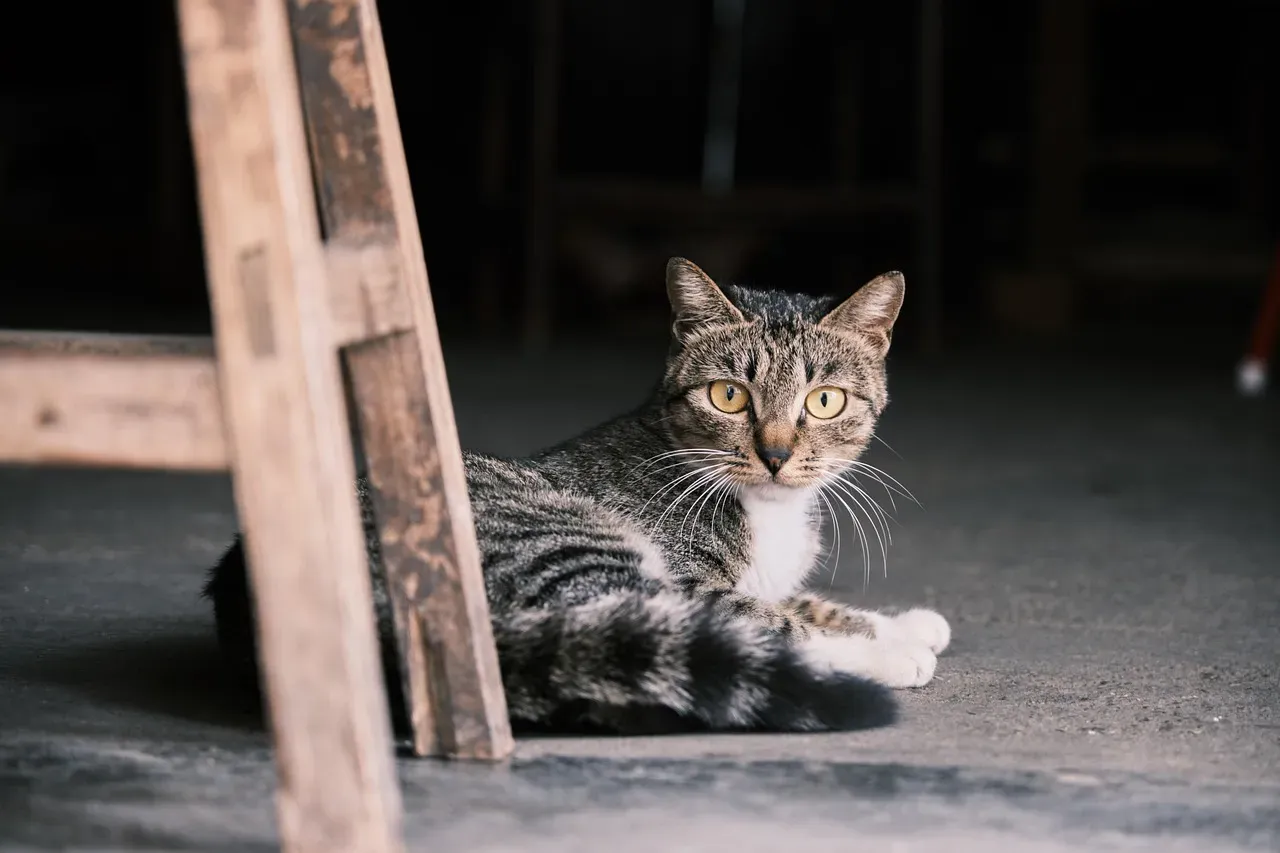
Tail twitching can signal stress or an underlying health issue, and if the twitching is intense, persistent, or paired with other unusual symptoms such as skin rippling, sensitivity to touch, excessive grooming, or spraying indoors, it may indicate stress or a medical issue. Not every twitch is harmless communication. Sometimes your cat is trying to tell you something is genuinely wrong.
A cat with feline hyperesthesia syndrome typically has intermittent bursts or episodes lasting 20 to 30 seconds, and if your cat is showing mild to moderate signs, contact your vet within 24 hours. This condition can be managed with proper veterinary care, especially when caught early. Don’t ignore persistent abnormal twitching patterns.
If twitching is frequent, intense, or followed by other strange behaviors, it could signal a health issue like a seizure or feline hyperesthesia syndrome, so keep an eye on the pattern of twitching and consult your vet if it’s abnormal or comes with other signs. Trust your instincts as a cat parent. You know your cat’s normal behavior better than anyone.
Reading the Complete Picture
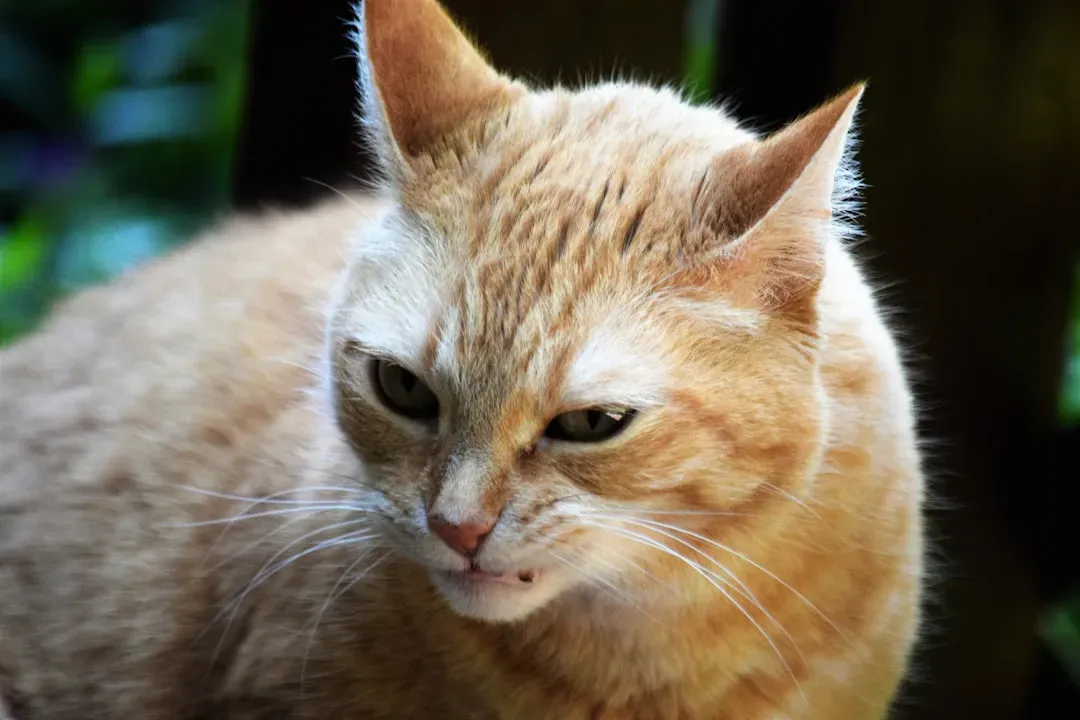
Cats use both their body including their eyes, ears, whiskers, and tail and their voice to show what they are thinking and feeling, and by learning the body language of a cat, we can better understand and fulfill our kitties’ wants and needs. Individual twitches mean little without context. You need to look at your cat’s entire body, their environment, and the situation they’re in.
It is hard to tell how your cat is feeling simply by them flicking or twitching their tail, with the real tell being what body language they are expressing as they move their tail, requiring you to analyze all of your cat’s body language and vocalizations to understand exactly what they are trying to say. This takes practice and patient observation.
The more time you spend truly watching your cat, the better you’ll become at reading their unique communication style. Every cat has their own personality quirks and preferred methods of expression. What works for one cat might be completely different for another. That’s what makes them so fascinating.
Your cat has been speaking to you all along through these subtle twitches, flicks, and ripples. They’ve developed this sophisticated language over thousands of years of evolution, fine-tuned for both hunting and social interaction. Now that you understand what those movements mean, you can respond appropriately to your cat’s needs and moods. Whether it’s giving them space when that tail starts thrashing, engaging in play when you see the pre-pounce wiggle, or simply recognizing when they’re expressing contentment, you’re now equipped to have better conversations with your feline companion. Did you notice any of these twitches in your own cat today?