You close the front door behind you, keys in hand, and somewhere inside your home a small creature watches you leave. Then silence. Or so you think. Cats are widely celebrated as mysterious, self-sufficient, enigmatic little beings, and honestly, that reputation is well earned. But the real question that haunts every cat owner at some point is a simple one: what on earth is your cat actually doing once you’re gone?
The truth is more surprising, more emotional, and in some cases more hilarious than you might expect. From staging elaborate hunting missions with a toy mouse to quietly sitting by your bedroom door waiting for you to come back, the life of a home-alone cat is layered, complex, and deeply personal. So let’s pull back the curtain on your cat’s secret world. You might be shocked by what you find.
The Epic Napping Marathon You Never Knew About
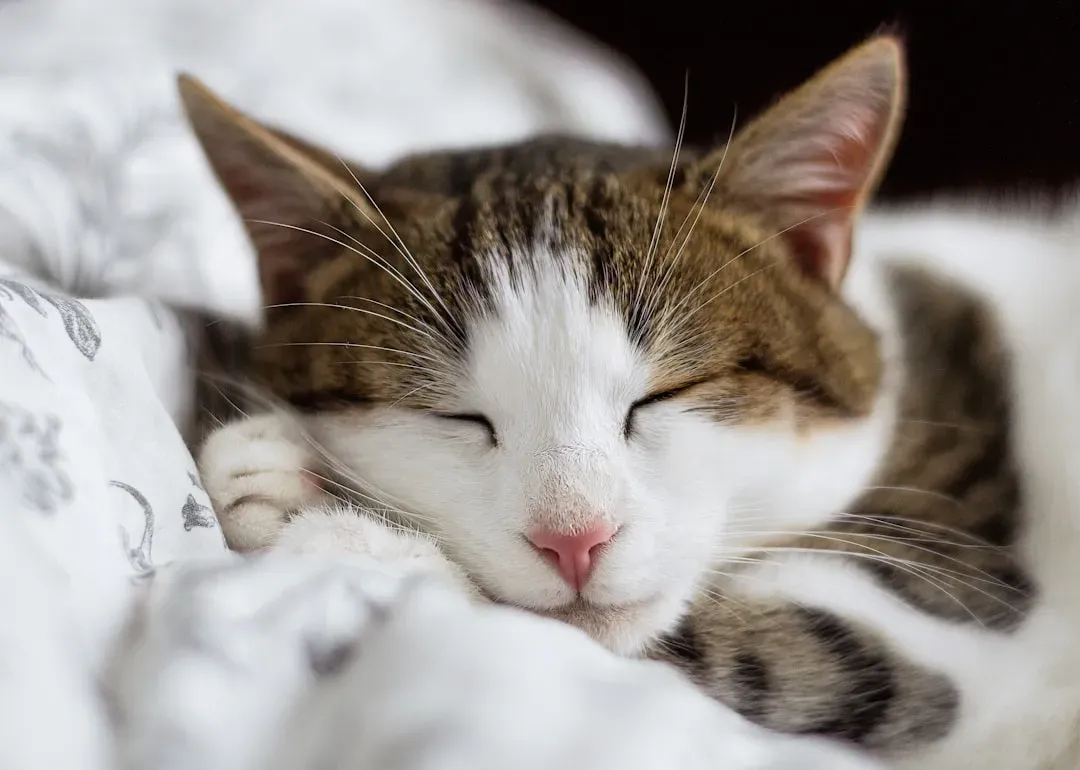
Here’s the thing most people don’t fully appreciate: your cat is not secretly throwing a party while you’re gone. Your cat will most likely spend the vast majority of their alone time sleeping, and felines need around 18 hours of sleep a day. Think of it like this – if sleep were a competitive sport, your cat would hold every world record. That sounds almost boring, yet it’s deeply rooted in their biology.
Cats in the wild spend roughly four-fifths of their time sleeping and conserving energy. So that couch you’re convinced they’re ignoring when you’re home? It becomes the most important piece of furniture in the entire house the moment you leave. A windowsill warmed by sunlight is often a favorite napping spot. Your cat isn’t lazy. They’re just wired magnificently differently from you.
The Solo Hunting Missions Happening in Your Living Room
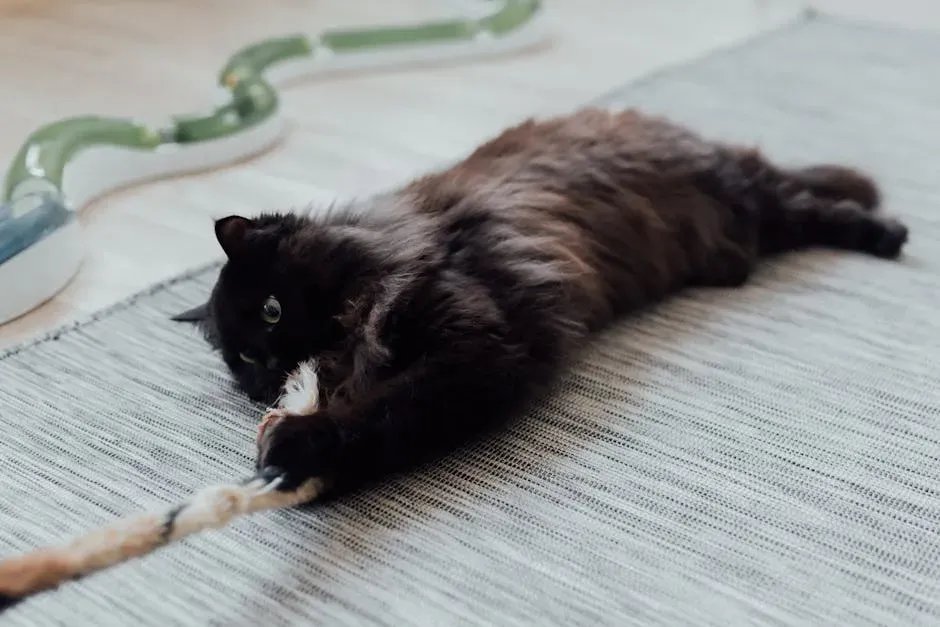
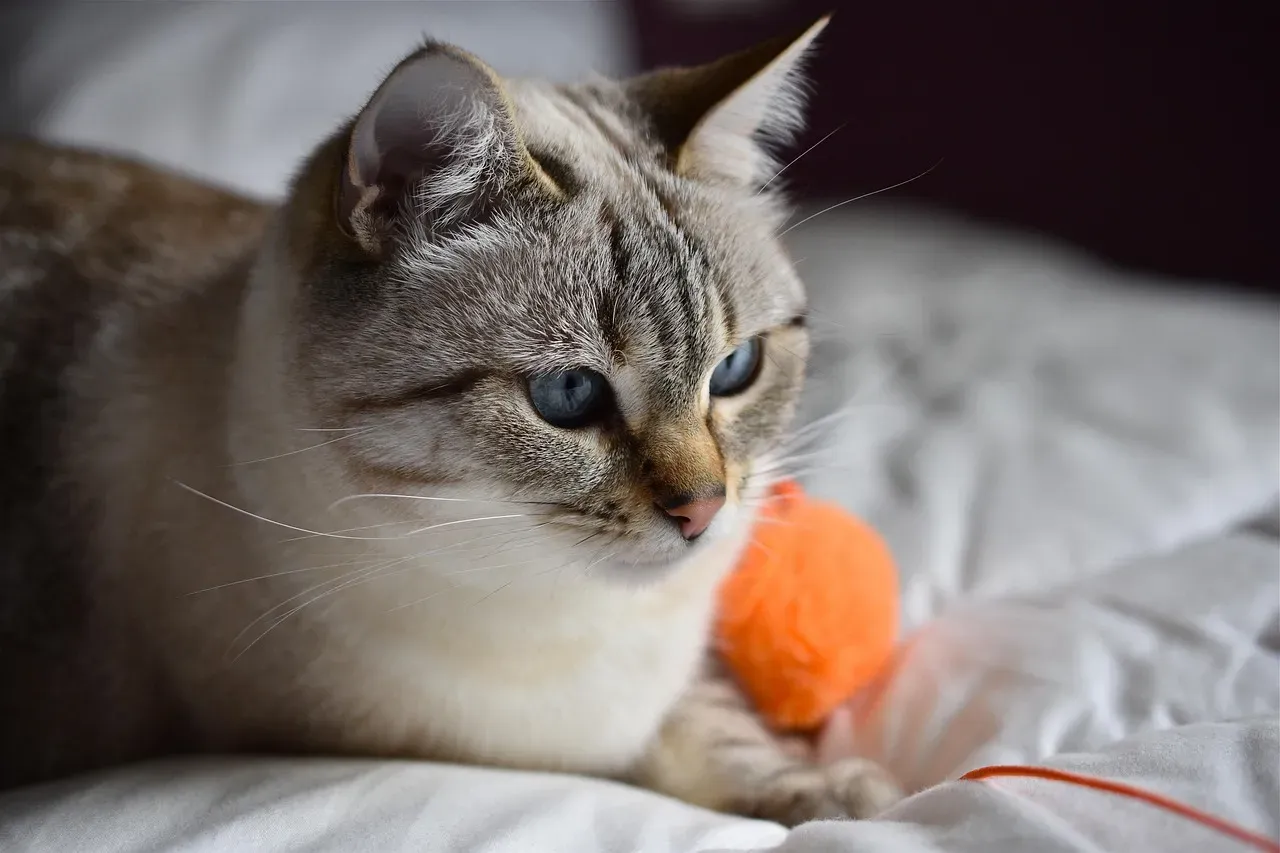
Cats have a natural instinct to hunt, and when left alone at home, they often entertain themselves by engaging in play-hunting behavior, targeting toys that mimic prey such as toy mice. Picture your cat crouching low behind the sofa, pupils dilated, haunches wiggling, then launching themselves at a balled-up piece of paper. Absolutely glorious. Absolutely invisible to you.
Your cat may chase and stalk shadows and small moving objects around the house, bat around balls or feathers, and even chase their own tail. They’ll crouch, wiggle their hind end, then pounce onto their imaginary prey, even simulating the final kill by biting and shaking the object. Honestly, the drama happening in your living room while you sit at your desk at work is nothing short of cinematic.
The Grooming Ritual That Takes Up More Time Than You’d Think
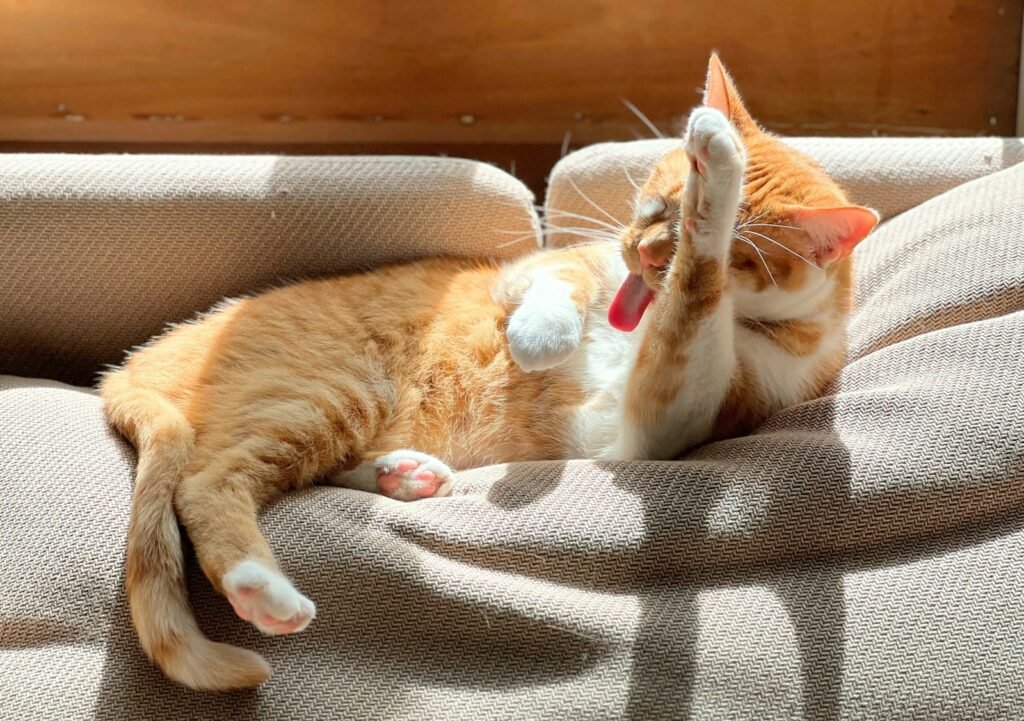
Cats may groom as a self-soothing behavior that helps them relax and feel calm. It also helps regulate their body temperature, and grooming serves as a way of marking territory by spreading their scent via saliva, which helps them feel more secure in their environment. Grooming is basically your cat’s version of a full spa day, therapy session, and home security check all rolled into one elegant routine.
It’s important to understand, though, that grooming can become excessive under stress. While it’s completely normal for cats to lick their fur and groom themselves, some stressed-out cats can take it too far, and some cat owners have returned home to find that their cat has licked themselves bald in certain places due to separation stress. If you notice unusual bare patches on your cat’s coat, it’s worth paying attention to that signal.
The Full Vertical Exploration of Your Home
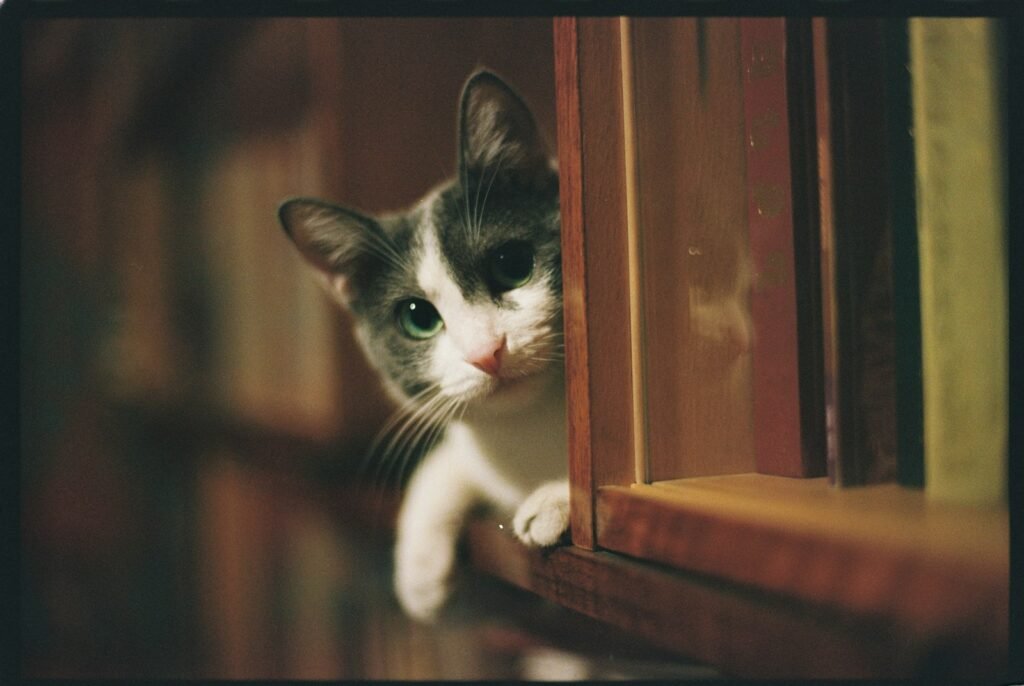
Cats love to climb. Climbing allows them to exercise and strengthen their muscles, satisfy their curiosity, and get a better view of their surroundings. At home alone, your cat may climb on furniture or fixtures, including bookcases, fridges, kitchen cabinets, and even curtains. Honestly, if your cat had a bucket list, the top of your refrigerator would probably be number one. They’re not being naughty. They’re being deeply, naturally feline.
Climbing is a natural behavior for cats, and cat trees not only give them more indoor space but also mean your cat can explore vertically as well as horizontally. I think there’s something poetic about it: while you travel through your world horizontally, your cat maps their world in three full dimensions. They’re essentially living in a completely different version of your home than you are.
The Secret Hiding Spots You’ve Never Discovered
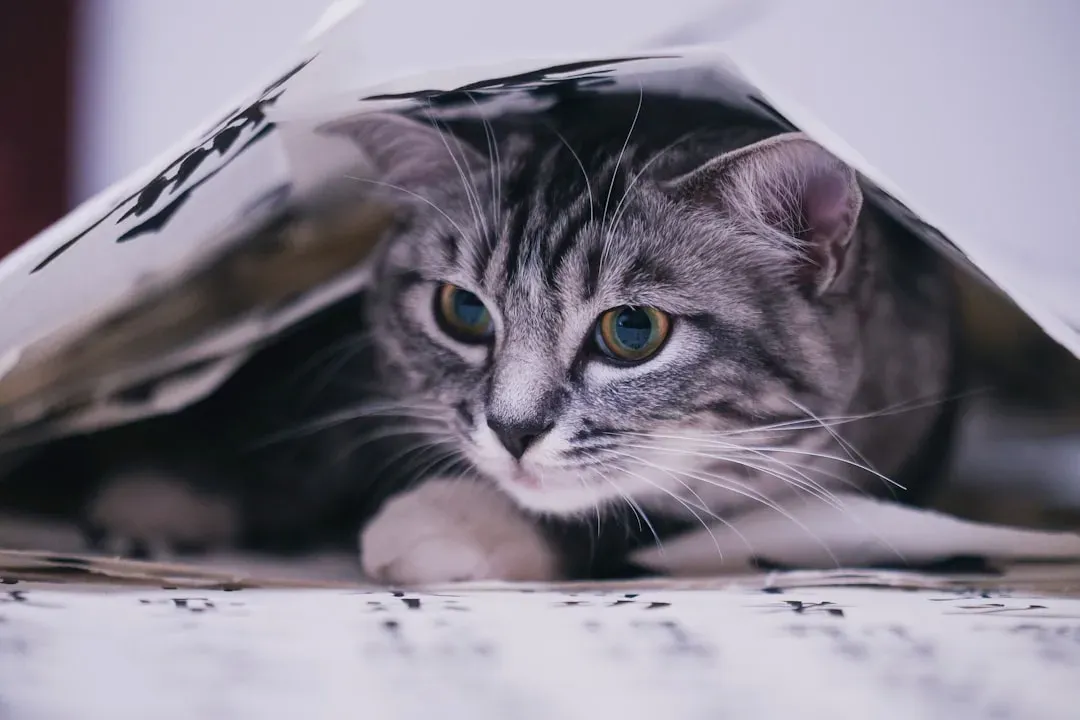
You may arrive home to find your cat nowhere to be seen. After spending an hour checking under furniture and inside every nook and cranny, you eventually find them squeezed into the tiny gap between your headboard and mattress, or tucked up in your wardrobe. Hiding provides a sense of security and privacy in a quiet place where they have a sense of control over their environment. It’s the feline equivalent of closing your bedroom door and putting your headphones on.
Certain spatial targets become far more interesting to your cat when you’re not home, including high places like closets or shelves, as well as nooks and crannies like drawers or boxes. This is perfectly natural behavior for a cat that wants to explore new areas and satisfy its curiosity. Your cat isn’t hiding from you. They’re conducting a thorough, methodical exploration of their territory. They just prefer to do it in peace.
The Window Watching Sessions That Last for Hours
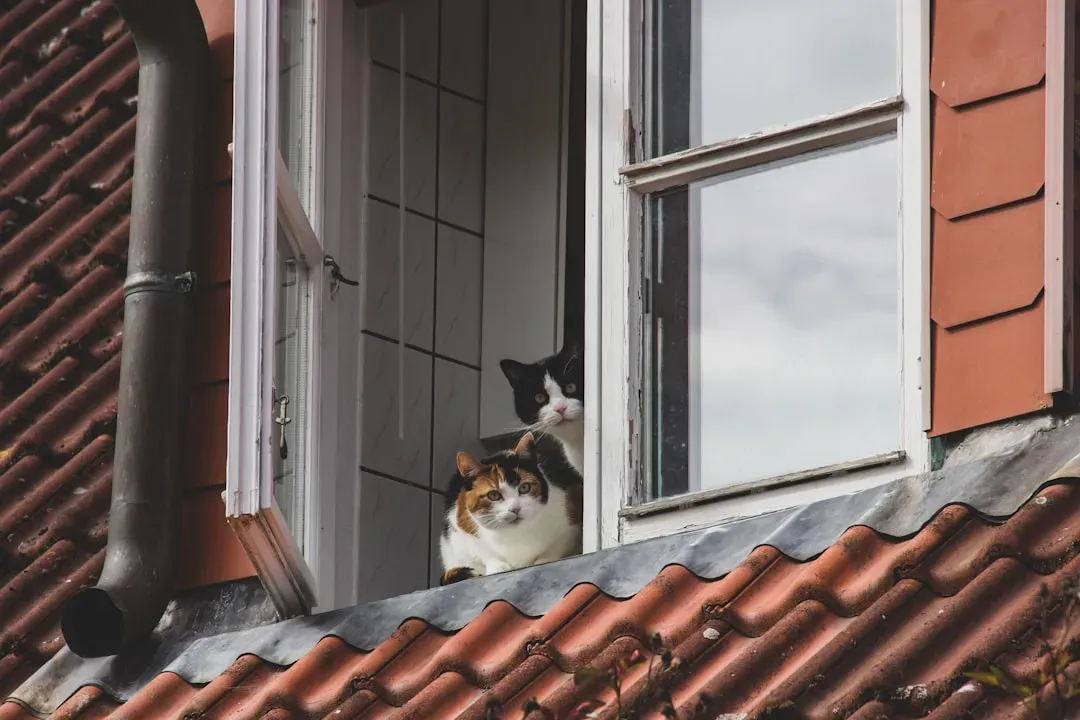
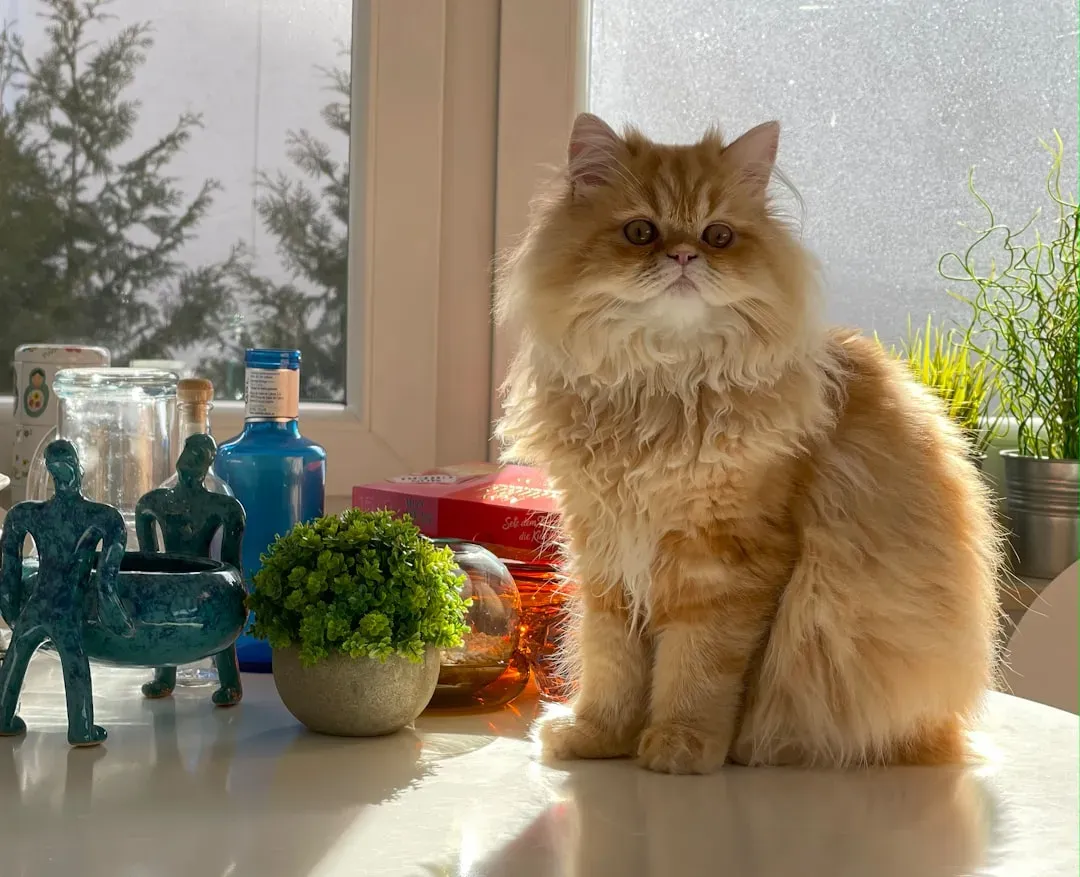
If your cat is left indoors without much variety, the same four walls can get tiresome. For added mental and visual stimulation, giving them a perch next to a window allows them to enjoy viewing birds in the garden or simply watch the world go by. For your cat, the window is essentially a live-streaming nature documentary, playing on repeat, completely free of charge. Think of it as their television, except with real birds and actual squirrels.
Because cats are naturally observant creatures, placing a cat tree near a window allows your feline friend to watch what’s happening outside. There’s something genuinely moving about picturing your cat perched on a sun-warmed windowsill, completely absorbed in the neighborhood drama unfolding below. They’re not just killing time. They’re stimulating their minds, tracking patterns, and filing away information like tiny, fluffy detectives.
Do They Actually Miss You? The Emotional Truth
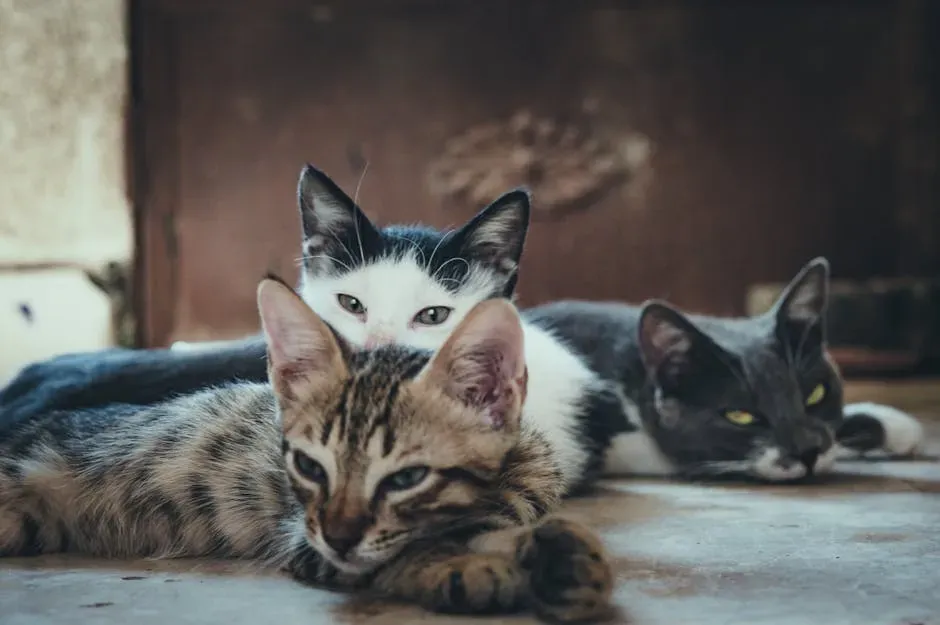
Research has shown that cats living with humans have similar attachment styles to their pet parents as dogs and children do, and nearly two-thirds of the cats evaluated in one study were described as securely attached to their humans. Let that sink in. The animal widely dismissed as aloof and indifferent is, according to science, deeply bonded to you. That’s not nothing. That’s actually everything.
Contrary to popular belief, cats can become genuinely attached to you when you care for them and make them happy, and that’s precisely why your cat might feel sad or lonely when you’re away. If your cat is more clingy by nature, they may spend a lot of time waiting for your return, sitting by the door, or choosing a spot that reminds them of you, such as your bedroom. Still think they don’t care? Think again.
The Claw-Sharpening and Furniture “Redecorating”
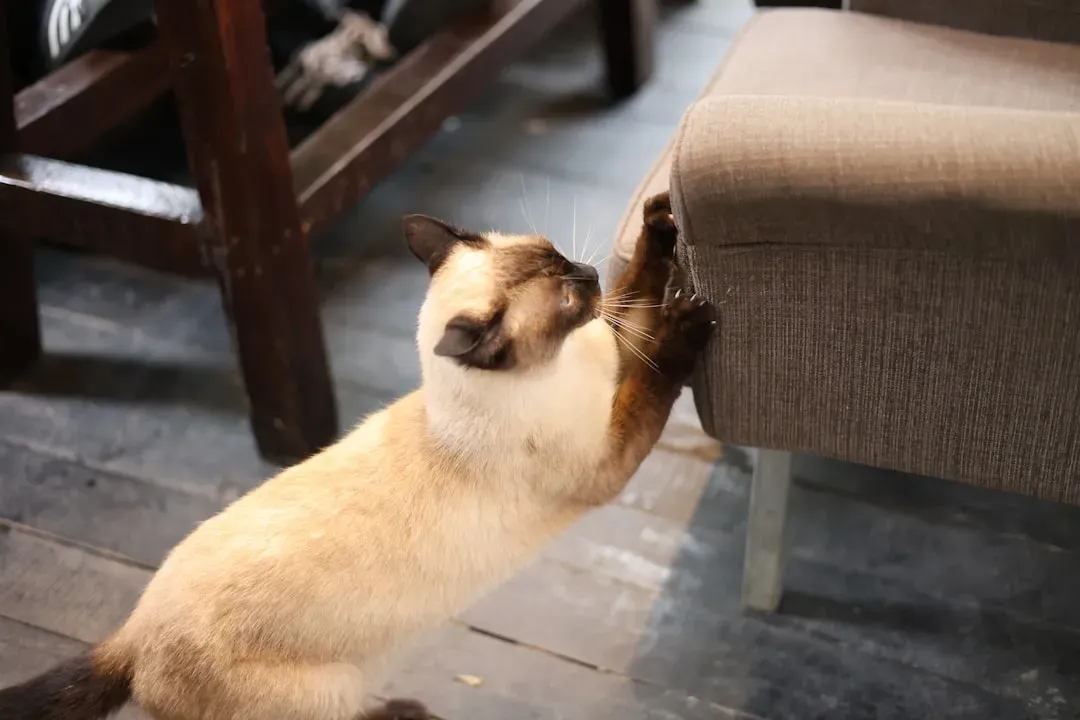
Cats have a strong drive to sharpen their claws, so they will likely spend some of their alone time scratching at things around the house. On the downside, they may choose to scratch and destroy the furniture or curtains. It’s worth knowing that this isn’t your cat being malicious or making a point about your decor choices. It’s pure, primal instinct at work.
Providing a good scratching post allows your cat to sharpen their claws, stretch their muscles, and mark their territory. If they don’t have somewhere appropriate to scratch, they will get bored and redirect that energy onto your furniture instead. The fix is genuinely simple. Give them a better option, and your sofa gets to survive another day. It’s a negotiation, really – one you can absolutely win.
When Boredom Tips Into Anxiety: Signs You Should Know
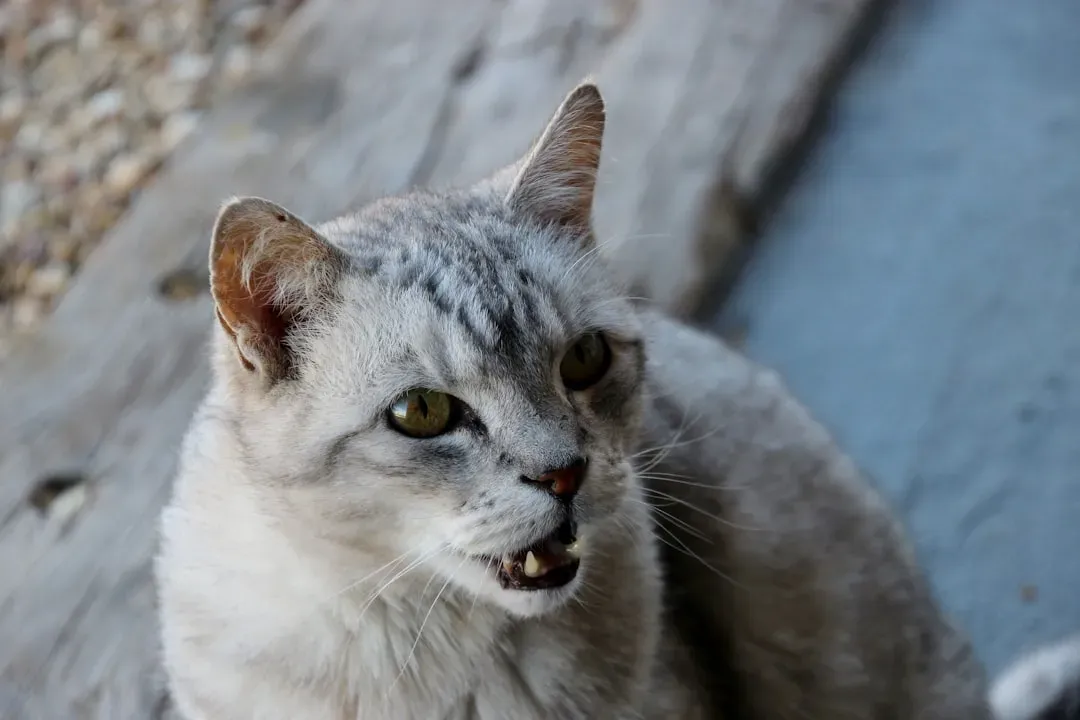
Cats are creatures of habit and routine. If that routine suddenly changes, such as when an owner starts leaving the house for long periods after having spent lots of time at home, a cat may experience separation-related frustration that resembles separation anxiety. This is more common than people realize, and it can creep up gradually, making it easy to miss until behaviors become more obvious.
A bored cat may start to act out by scratching furniture, digging up flower pots, or urinating outside of their litter box simply because they need more stimulation. Their mood may shift, and they may become depressed or even aggressive. If you notice any of these signs, visiting the vet is a good idea to make sure the root cause is boredom and not something more serious. Your cat communicates through behavior. Learning to read those signals is one of the most important things you can do as an owner.
What You Can Do to Make Their Alone Time Better
Leaving the TV or a radio on while you’re gone can help your cat feel less alone and give them something to be curious about. Shows featuring human voices, bird videos, or aquarium footage are particularly enjoyable for cats. It sounds almost too simple, right? Yet this small act can genuinely shift the emotional temperature of your cat’s entire day. Think of it as leaving a light on for them, but for their mind.
Providing your cat with toys, puzzles, and interactive games, and changing things up every now and then, is an excellent way to keep alone time fun. Interactive games offer both mental and physical stimulation, and puzzles exercise the mind, especially the ones with hidden treats. Spending quality time together regularly when you return home will remind your cat that you will always come back to show them attention. That consistency is everything to them. It’s what turns a house into a home your cat genuinely feels safe in.
Conclusion
Your cat’s secret life is far richer, more layered, and more emotionally complex than most people give them credit for. They’re not just sleeping machines or indifferent roommates collecting rent in the form of kibble. They’re hunting, exploring, grooming, watching the world, and yes, in their own quiet way, waiting for you to walk back through that door.
Understanding what goes on in your absence gives you the power to make that time better for them, whether that means a new puzzle toy, a perch by the window, or simply leaving the radio on. Small changes, genuinely big impact. Your cat may never tell you they appreciate it, but their calm demeanor, their healthy habits, and that slow blink they give you when you sit down beside them? That’s their way of saying thank you.
So the next time you leave home, pause for just a moment before you close the door. Somewhere in there, a small, ancient predator in a domestic disguise is about to begin their day entirely on their own terms. Wouldn’t you love to be a fly on the wall? What would you guess your cat is doing right now?