Most cat owners have been there. You’re settled on the couch, your cat climbs into your lap looking perfectly content, and then out of nowhere, they bite your hand and leap away. You didn’t do anything differently. You were petting them, just like you always do. So what happened?
The truth is, cats communicate in ways that are easy to miss, and a lot of well-meaning pet owners are unknowingly making the experience less enjoyable for their felines every single day. Understanding what your cat actually wants during physical affection isn’t complicated once you know what to look for. The difference it makes in your relationship can be remarkable.
Why Your Cat’s Relationship With Touch Is More Complicated Than You Think
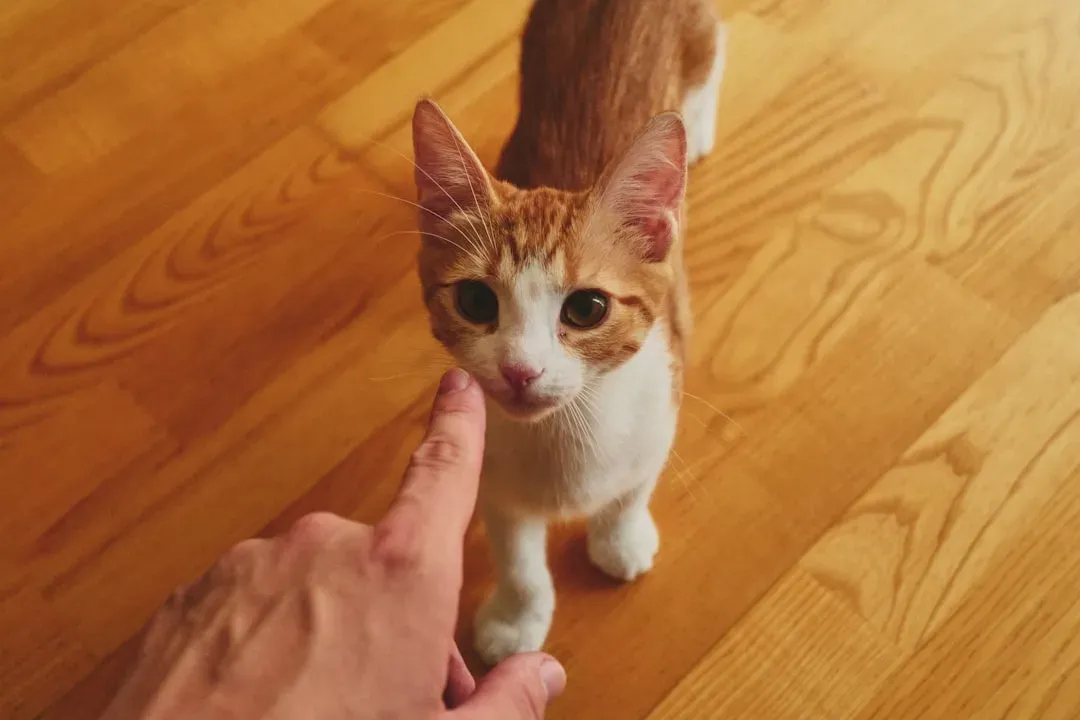
Cats didn’t domesticate the same way dogs did. They evolved as semi-solitary hunters, and they tolerate limited petting because adult physical contact in the wild occurred only between bonded colony members in specific body regions. This deep-rooted history shapes how every domestic cat today experiences your touch, whether you realize it or not.
Cats enjoy being petted because it mimics the grooming behavior they would receive from their mother as kittens, promoting bonding and relaxation, and petting can stimulate the release of endorphins, making it a pleasurable experience for them. Still, there are very real limits to how much touch feels good, and those limits vary considerably from cat to cat.
The Sweet Spots: Where Your Cat Actually Wants to Be Touched
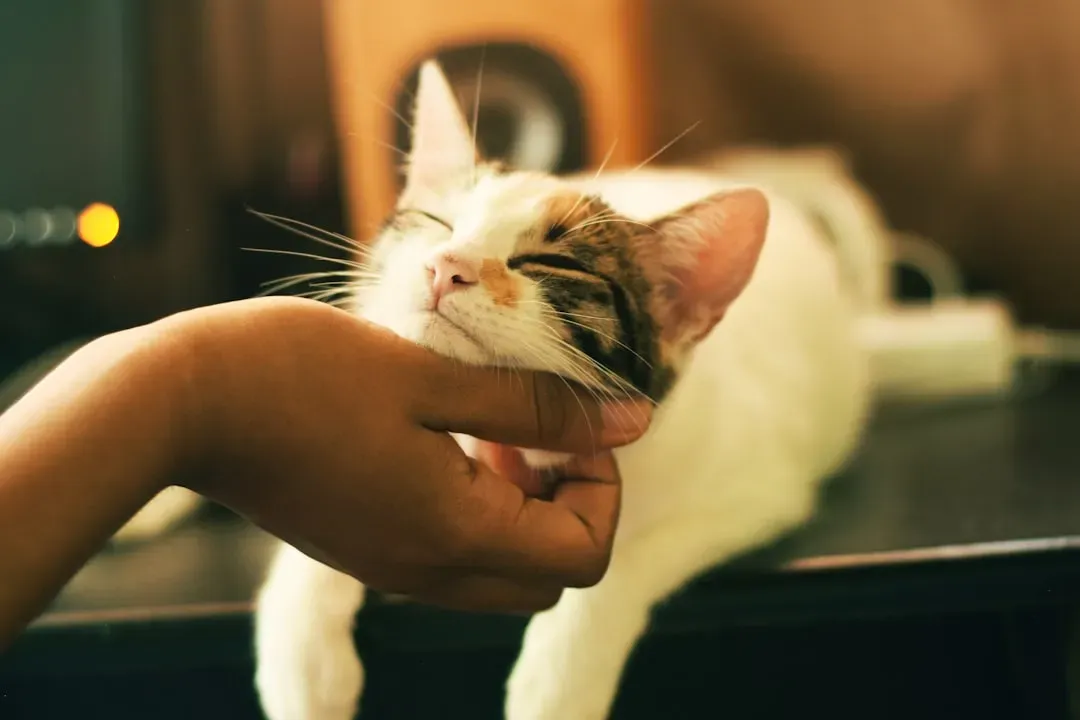
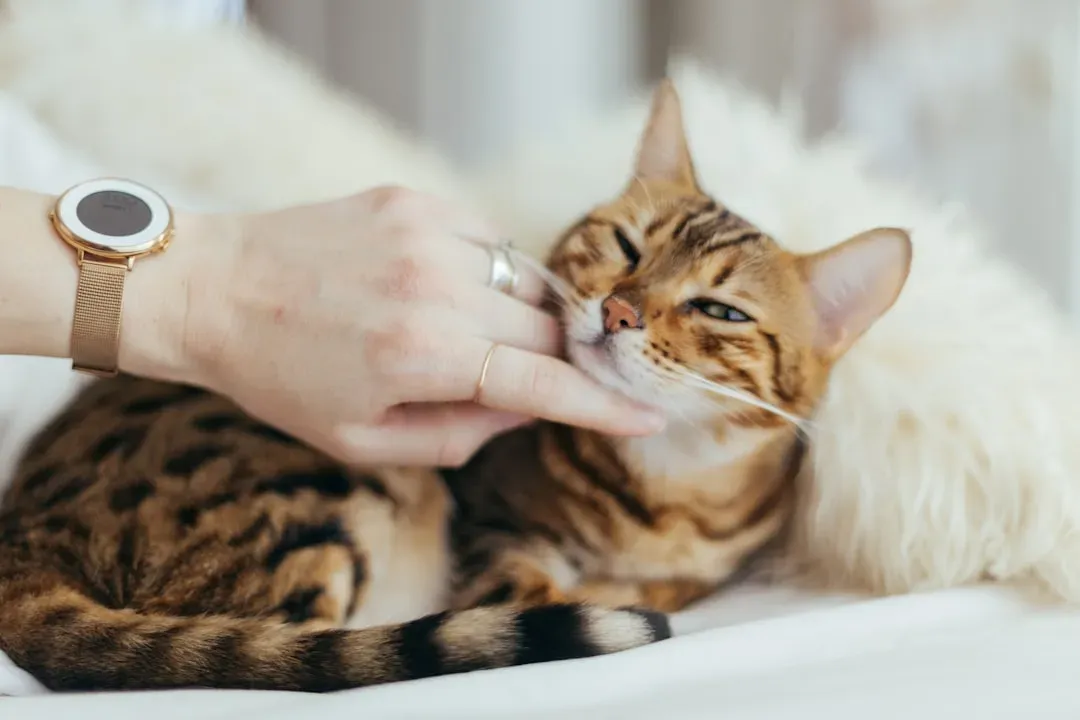
The areas most cats prefer to be petted are generally around their face, specifically the base of their ears, under their chin, and around their cheeks, mimicking the grooming behavior they experience from other cats. These spots aren’t just comfortable by coincidence. Generally speaking, cats prefer being petted anywhere they have multiple scent glands, and these scent glands are the same ones your cat uses to spread pheromones whenever they rub on anything, including you.
There is a concentration of scent glands on the cheeks, and it is also a non-threatening area to reach for. Your cat’s chin is another reliable winner. A gentle curl of your fingers under a cat’s chin might make them purr happily. Starting your petting sessions in these facial areas gives you the best chance of a positive interaction from the very first touch.
Where You Should Probably Stop Reaching
Two studies have confirmed that petting near the tail is generally the cat’s least favorite place to be petted, and owners should try not to pet their cat near the tail area, even if they think the cat might like it. The reason comes down to pure physiology. While some cats tolerate tail petting, most cats prefer to avoid it, as the base of the tail can be particularly sensitive and touching it can be overstimulating or even painful.
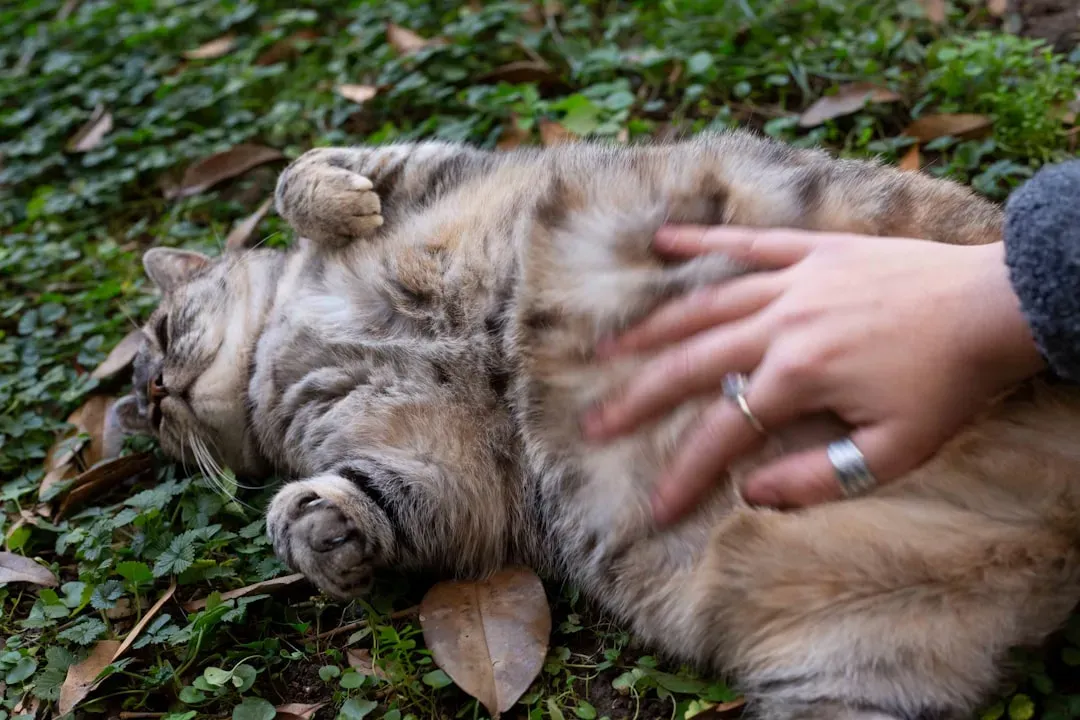
The belly is another area that trips up a lot of cat owners. While some cats lie on their backs and appear to invite a belly rub, this area is often a no-go zone for many felines, as the belly is a vulnerable spot and exposing it is a sign of trust rather than an invitation for petting. Paws, tails, their underbellies and their whiskers, which are super sensitive, are generally best avoided.
Petting vs. Patting: Yes, There’s a Difference Your Cat Notices
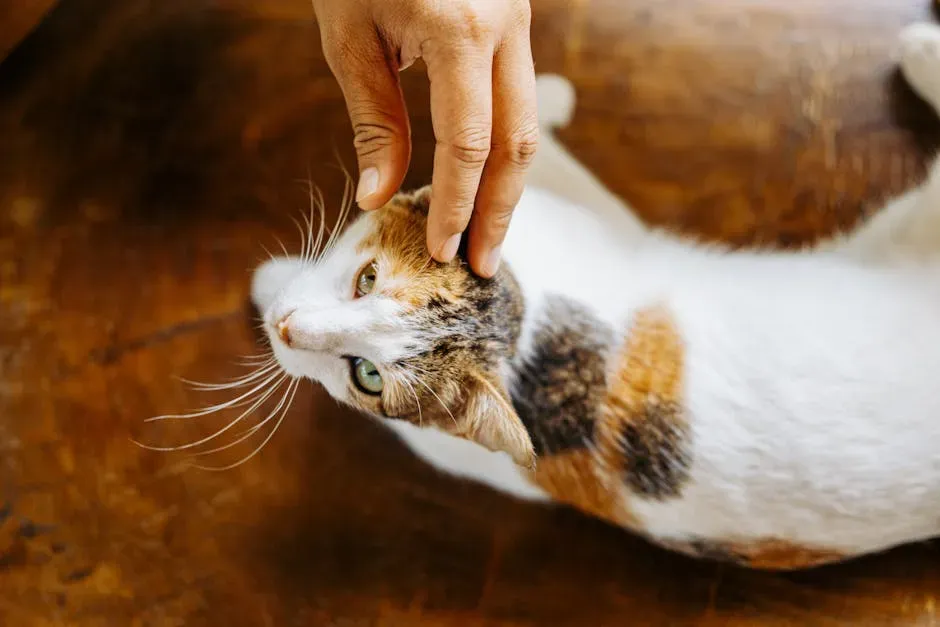
While they sound the same, petting and patting are two different ways to interact with your cat, and to pet correctly, you should gently and continuously stroke a cat’s body, going in the same direction as the fur. The distinction matters more than most people assume. Patting involves repeatedly tapping a cat in the same spot, something a cat might find less enjoyable, and most cats prefer the continuous strokes of petting.
Direction also plays a role. Never pull a cat’s tail whether they like it or not, as it can cause severe nerve damage or even paralysis, and you should only pet in the direction of fur growth. Start with a light touch and feel the cat’s response, as they will usually lean into it if they want a bit more pressure. Think of it less like petting a stuffed animal and more like reading a conversation happening in real time.
Let Your Cat Take the Lead and Watch What Happens
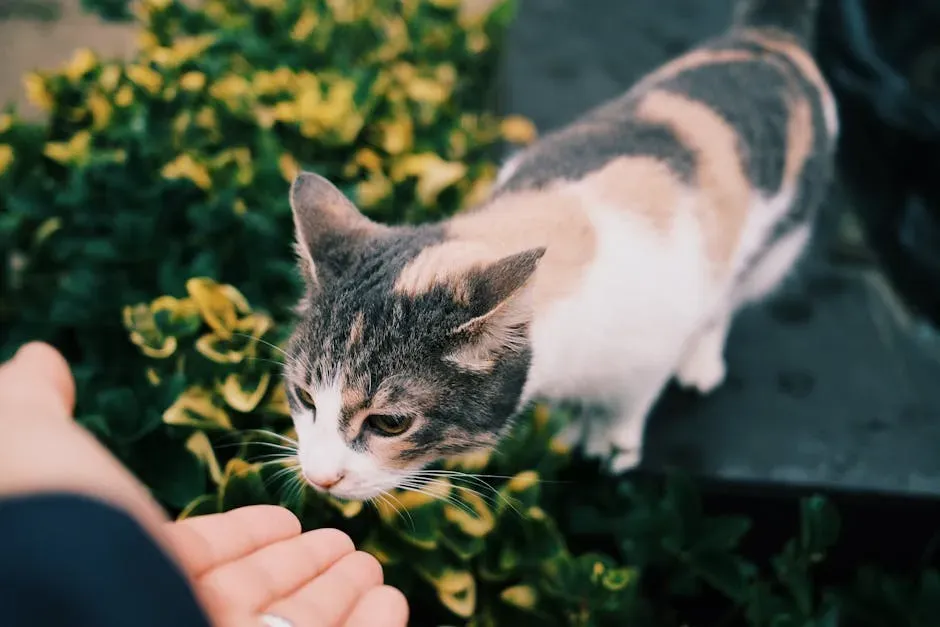
One of the most important shifts you can make is allowing your cat to initiate. When approaching your cat, the most important trick is to allow them to take the lead, letting your cat sniff your index finger and touch their nose against it first, and if they want to cuddle, they’ll push their face against your hand and direct you to where they want to be petted. This small change makes a meaningful difference.
Experts in feline behavior and welfare at Nottingham Trent University found that paying close attention to cats’ behavior and body language and thinking about where to stroke them were key, and when these guidelines were followed, cats were significantly less likely to behave aggressively towards people and were also more affectionate. This includes gently offering a hand to the cat and letting it decide if it wants to interact or not, and owners should allow the cat to move away if it chooses, without being tempted to pick it up or follow it, as this takes away the cat’s sense of control.
Reading the Signs Your Cat Is Actually Enjoying It
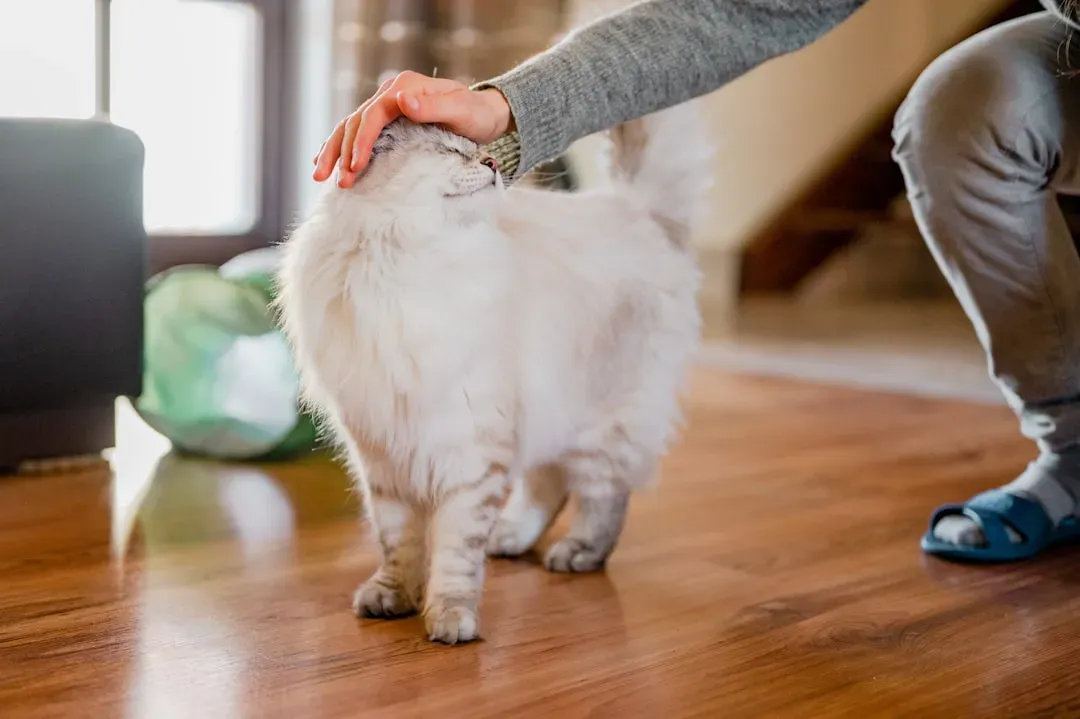
Signs of enjoyment include purring, slow blinking, head bunting, relaxed posture, and kneading, and a content cat will often lean into your touch and appear relaxed. You might also notice your cat rubbing the sides of their mouth across your hand. A happy cat will be relaxed and may even rub the sides of their mouth across your hand or nudge underneath your hand when you stop petting, to encourage you to continue.
The slow blink in particular carries genuine meaning. If a cat blinks slowly at you, it means they trust and love you, and you can blink slowly back to show them that you love them too. Head butts and chin rubbing are also clear signs that your cat loves you, because cats have scent glands in their faces that allow them to claim friends and objects as their own. When you see these behaviors during a petting session, you’re doing something right.
The Warning Signs Most Owners Miss
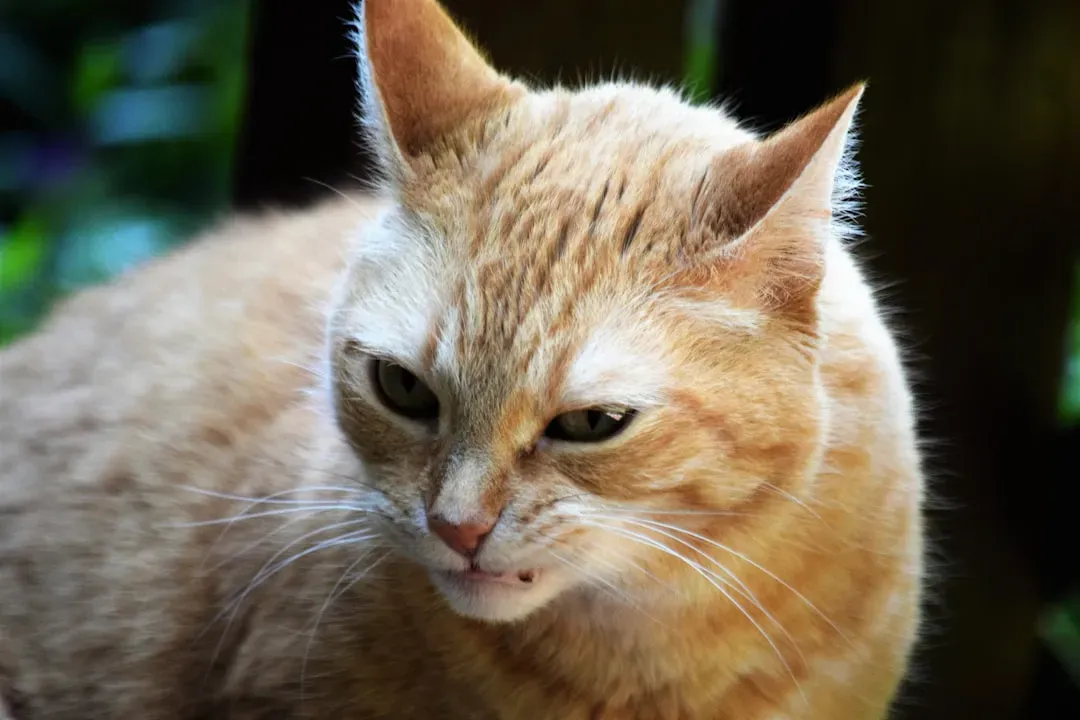
Your cat rarely bites without warning. You should pay close attention to your cat’s behavioral reactions: if they turn their head or move away during the interaction, their ears rotate or become flattened, they shake their head or lick their nose, the fur along their back appears to ripple, or their tail swishes rapidly, take these as signs that the cat may need a little break from petting. These signals often appear well before any aggression does.
Common signals to look for include tail swishing, skin twitching over the back, flattening of the ears, tenseness, dilated pupils, a low growl, and walking away, and you should stop petting at the first sign of any of these early warning signals. Similarly, if the cat goes a little still, stops purring or rubbing against you, suddenly starts grooming itself, or sharply turns its head to face you, then it is unlikely to welcome further stroking. The moment you notice any of these, it’s time to pause.
Understanding Overstimulation and Why It Happens
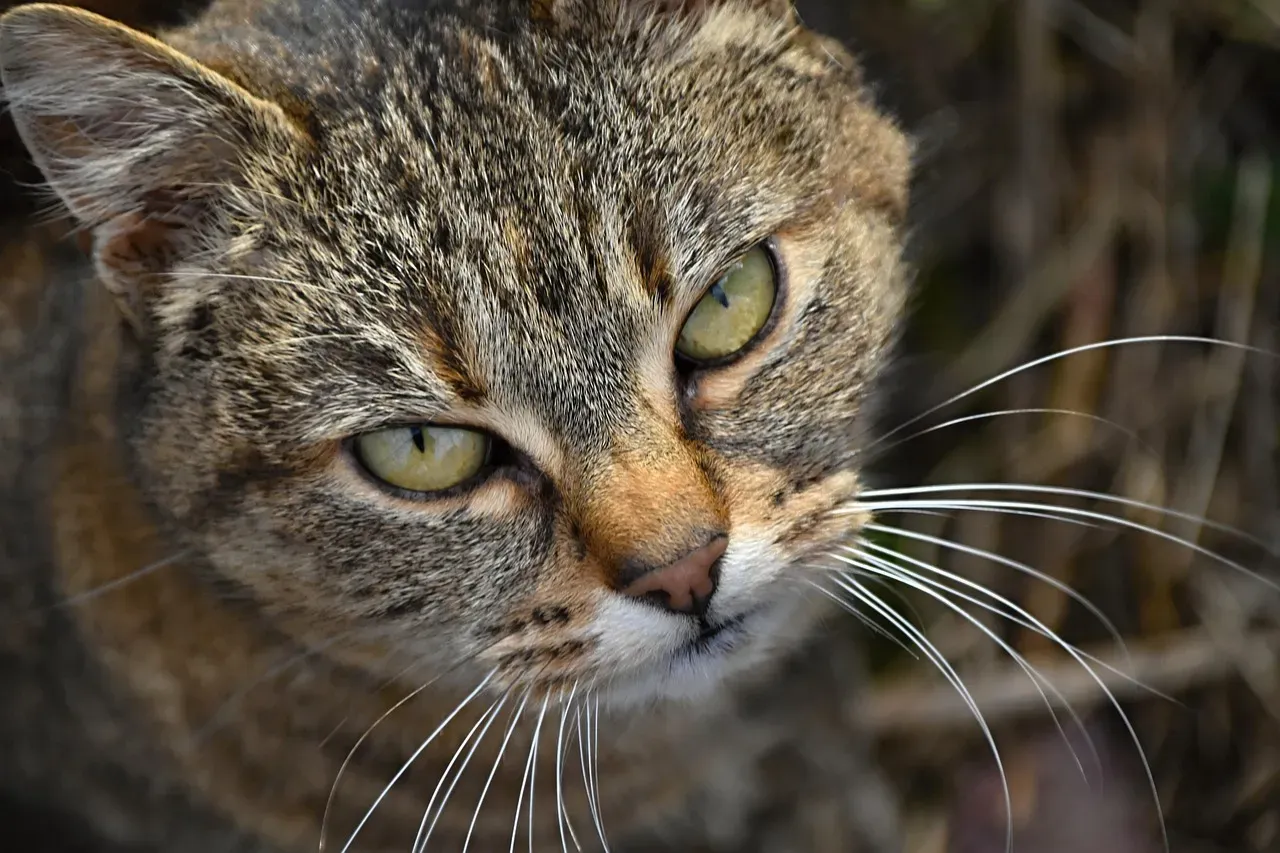
Overstimulation is one of the most commonly misunderstood aspects of cat behavior. Overstimulation is when cats experience sensory overload from too much petting, caused by a painful nerve reaction, stress, or built-up frustration, and it has nothing to do with a cat’s temperament but is an actual physiological response to touch where their nervous system goes into overdrive. Your cat isn’t being difficult. They’re overwhelmed.
Sensitivity threshold is a key factor: the cat enjoys the human contact at first, but then the repetitiveness of the petting becomes irritating. Once you are aware of the warning signs, you can start to time how long your cat likes to be petted, and if the warning signs start about two minutes after starting to pet the cat, never pet the cat for more than a minute and a half. Shorter, well-timed sessions are far better for your cat’s comfort than long, unbroken ones.
The C.A.T. Protocol: A Science-Backed Approach to Better Petting
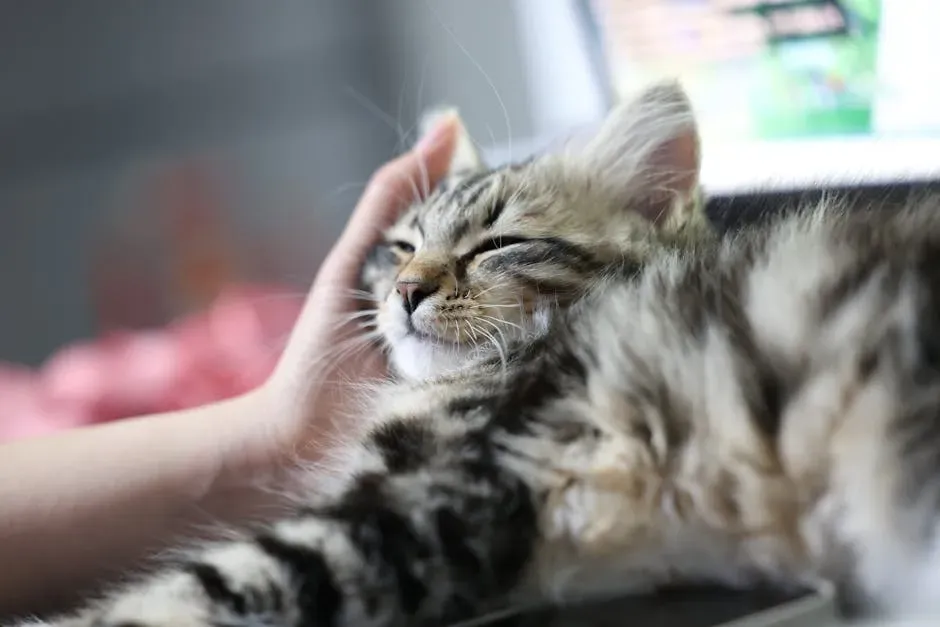
Researchers at Nottingham Trent University developed a straightforward set of guidelines to improve human-cat interactions. The guidance and advice follows a simple CAT acronym that encourages you to provide the cat with choice and control (C), pay attention (A) to the cat’s behavior and body language, and think about where you are touching (T) the cat. It’s genuinely simple to apply once you know it exists.
Consensual petting triggers oxytocin release in both cats and humans, but only when the cat chooses to participate, as forced petting causes oxytocin to decrease in anxious and avoidant cats, damaging rather than building the bond. In other words, the quality of the connection depends heavily on who initiates it. Results demonstrate the positive impact of practical interaction guidelines on cats’ social behavior and comfort, with the potential to improve cats’ general experiences during interactions, reduce human-directed aggression, and ultimately improve cat-human relationships.
Every Cat Is Different: Respecting Individual Preferences
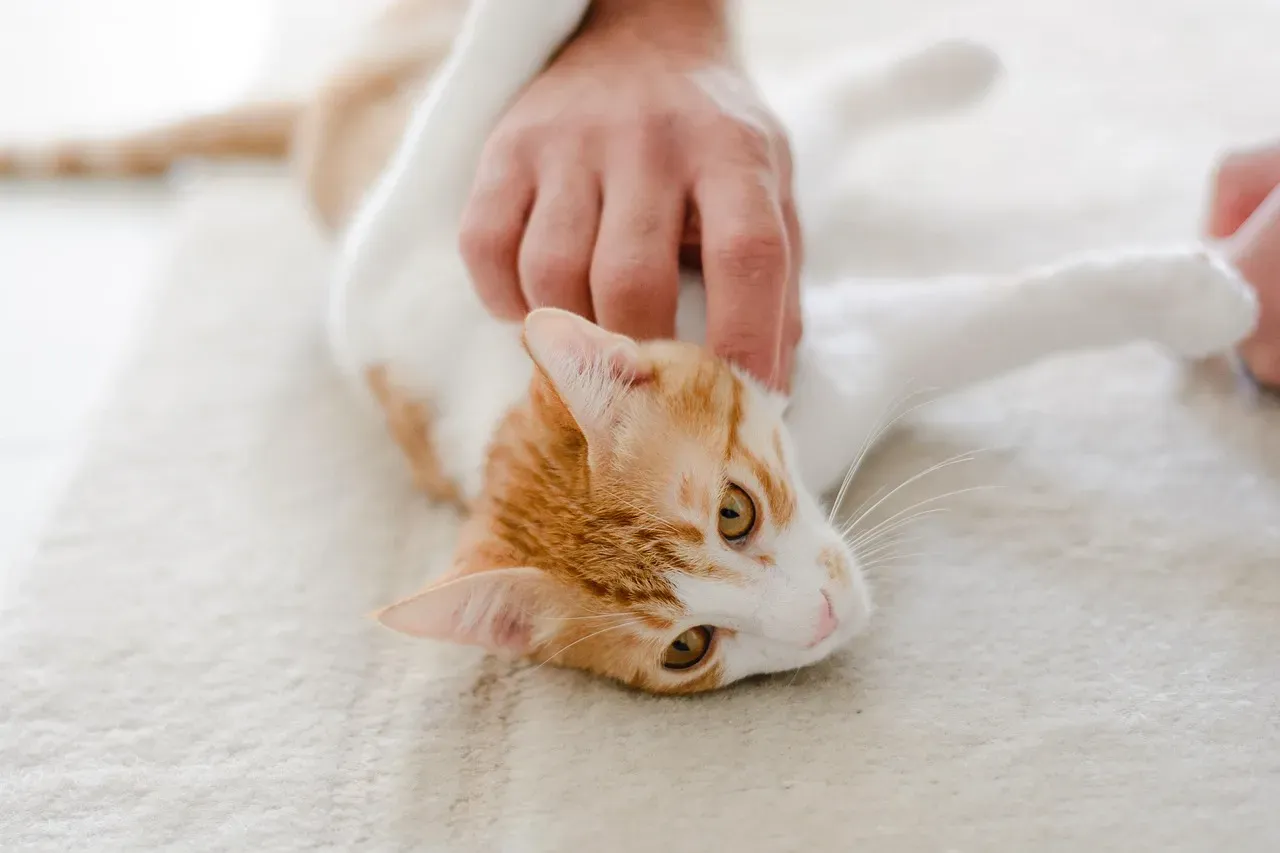
No two cats have identical preferences, and it’s worth remembering that what works beautifully for one might be a complete disaster for another. Every cat has a different petting threshold, meaning that some cats don’t mind being petted for a really long time while other cats only want a few minutes’ worth of petting before they are done. Learning your own cat’s specific threshold is genuinely part of the relationship.
Some cat breeds are more receptive to pets and hugs than others, and the Siamese is a playful and fun-loving breed that will demand attention, as will the affectionate Ragdoll. Meanwhile, if a kitten isn’t socialized with humans at an early age, they may be reluctant to accept affection, and they may also need more coaxing if you adopt them as an adult without knowing their backstory. Patience and consistency matter more than technique when building trust with a cautious cat.
Conclusion
Petting your cat well isn’t about doing something elaborate. It’s about paying attention, respecting limits, and letting the relationship unfold on terms that feel safe to your cat. The research points consistently in one direction: cats thrive when they feel they have a say in the interaction.
When you shift from petting on impulse to petting with awareness, something genuinely changes. Your cat starts approaching more often, staying longer, and trusting more freely. That’s not a small thing. It’s the whole point of the relationship.
Kristina is a young writer from India. An arts graduate and an avid content creator, Kristina is passionate about animals and wildlife. She enjoys exploring topics related to pet care, animal behavior, conservation, and nature, combining thorough research with engaging storytelling.