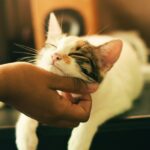
#1 Ragdoll
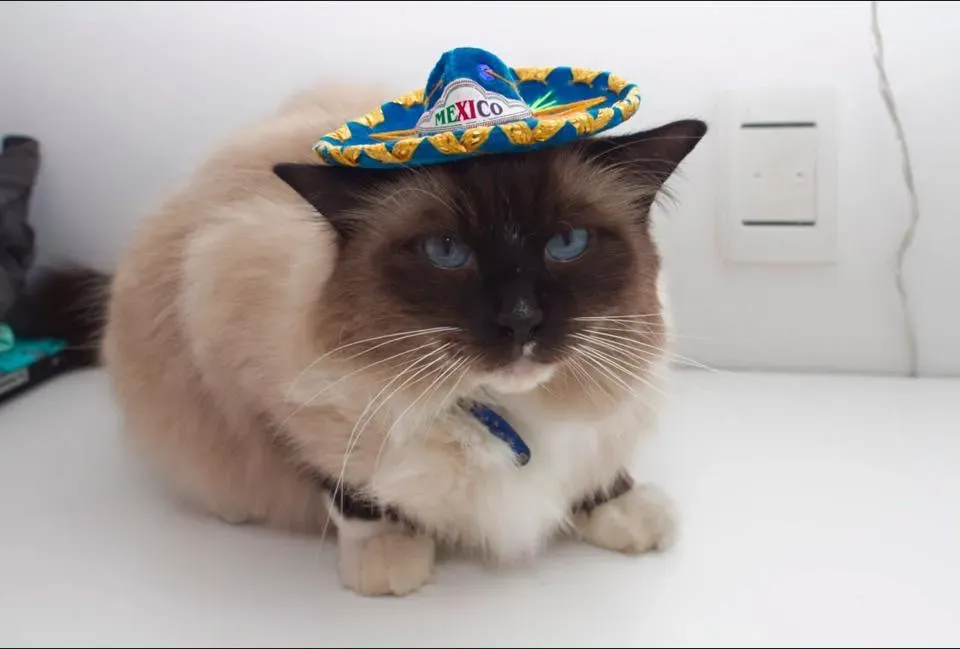
Ragdolls have built their entire reputation on being unusually people focused, and it shows the moment one decides you’re worth following. They tend to trot after their owners with a loose, easy gait, often flopping down nearby the second you stop moving, which is part of how the breed earned its name in the first place. This isn’t a cat that hides when guests arrive or disappears for hours; it’s more likely to be sitting in the hallway waiting for you to reappear.
Breeders selectively developed Ragdolls in the 1960s specifically for a docile, affectionate temperament, and that history still shows up in modern litters. Many owners describe them as almost dog like in their devotion, greeting people at the door and settling wherever the household activity happens to be. Their size and calm nature make the shadowing habit feel less intrusive and more like having a large, gentle presence quietly rearranging itself around your day.
#2 Siamese
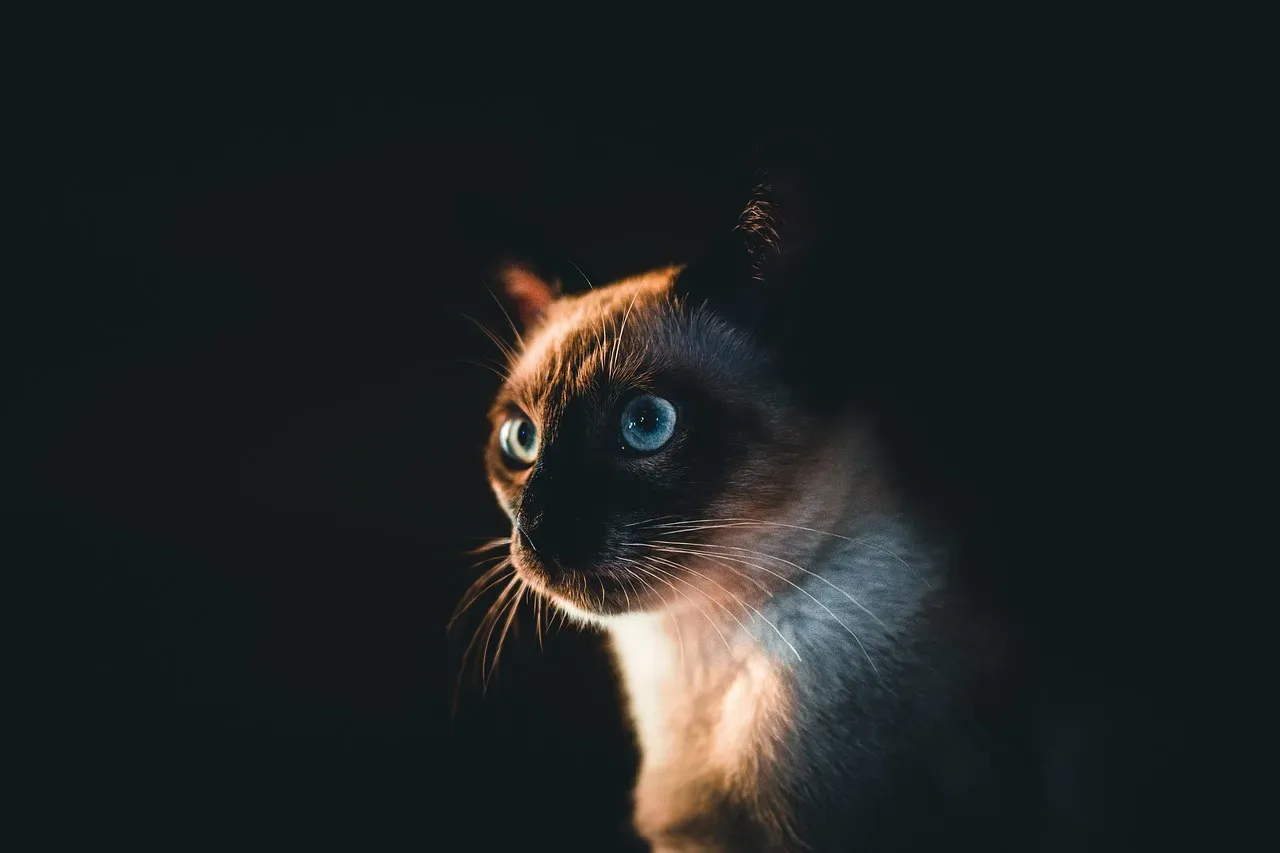
Siamese cats are famous for their voices, but the constant narration is really just one symptom of a deeper need to be involved in whatever you’re doing. They’re highly social animals that form intense attachments to their people, and physical distance tends to bother them more than it would a typically aloof breed. It’s common for a Siamese to supervise cooking, folding laundry, or even bathroom routines, simply because being in the same room matters to them.
This breed’s intelligence adds another layer to the shadowing behavior, since Siamese cats often learn a household’s rhythms and anticipate them. They’ll wait by the door around the time you usually come home or reposition themselves near whichever family member seems most likely to move next. The combination of vocal check-ins and physical closeness makes them one of the more demonstrably clingy breeds out there.
#3 Sphynx
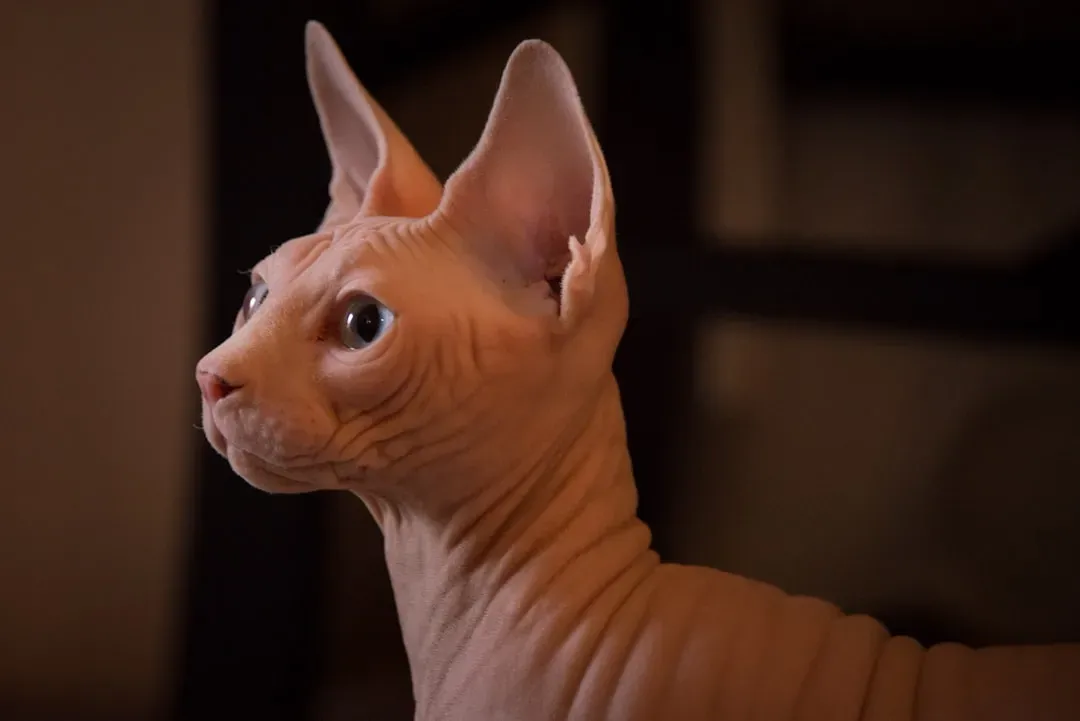
The Sphynx’s lack of fur isn’t just a visual quirk, it’s directly tied to why this breed sticks so close to its owners. Without a coat for insulation, Sphynx cats seek out warmth constantly, and a human body radiates a reliable heat source they’ve learned to chase. That practical need blends with a genuinely outgoing personality, since Sphynx cats are often described as extroverted and eager for interaction rather than solitary napping.
Many owners find their Sphynx tucked into a lap, draped over shoulders, or burrowed under blankets right alongside them, which reinforces the following behavior over time. They’re also known for curiosity that borders on nosiness, wanting to inspect grocery bags, laptops, or whatever task currently has your attention. The result is a cat that treats personal space as a suggestion rather than a rule.
#4 Burmese
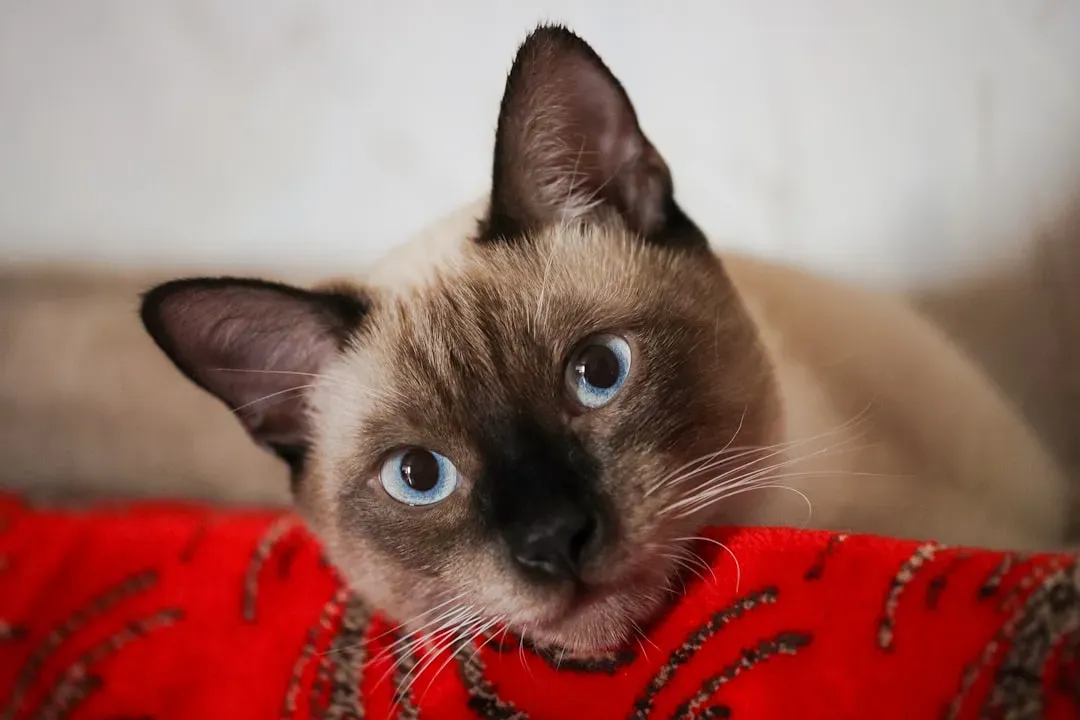
Burmese cats have earned a nickname among enthusiasts as velcro cats, and it’s not an exaggeration once you’ve lived with one. They tend to form a strong preference for human company over solitary exploration, often choosing a favorite person and sticking close to them throughout the day. Their affection is steady rather than showy, more about proximity than dramatic displays.
Part of this comes from a temperament that values inclusion, since Burmese cats generally dislike being left out of household activity. They’ll follow someone to check the mail, sit at the edge of the bathtub, or curl up on top of paperwork rather than nearby it. Owners often note that these cats seem to consider closeness a basic requirement rather than a bonus.
#5 Devon Rex
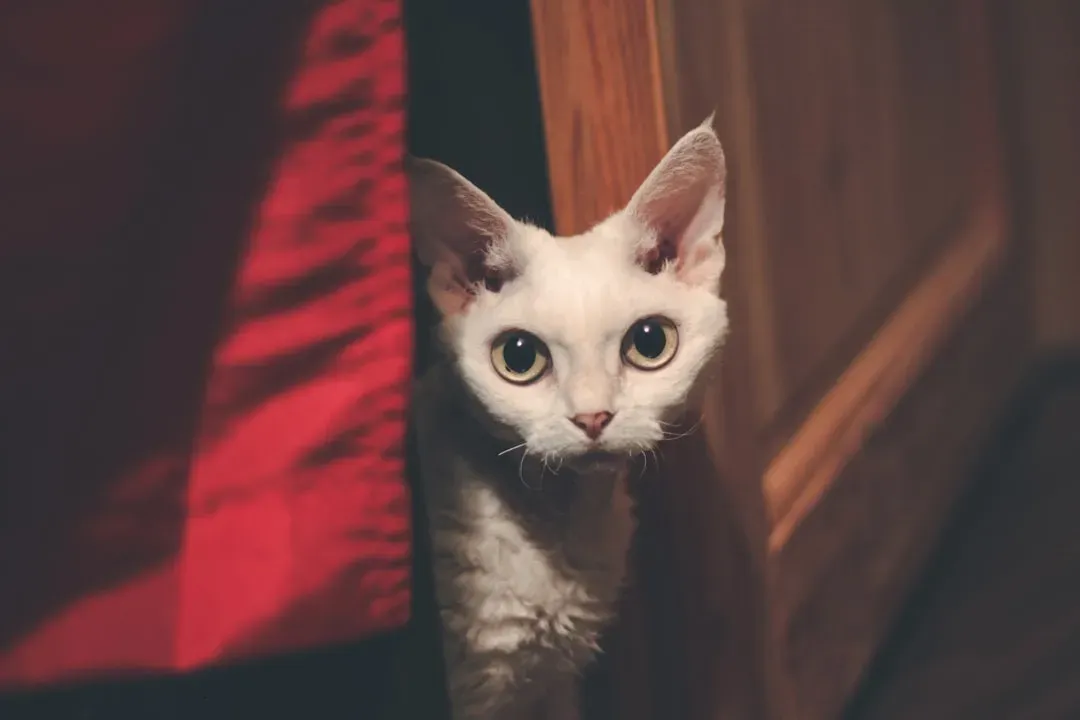
Devon Rex cats bring a slightly mischievous, monkey like energy to their attachment style, which makes the shadowing feel more playful than needy. They’re known for perching on shoulders, investigating open drawers, and generally inserting themselves into whatever task is underway. This breed’s curiosity and social drive tend to outweigh any instinct toward independence.
Their large ears and expressive faces often make it look like they’re actively listening in on conversations, which, in a sense, they are. Devon Rex cats form close bonds with their families and can become genuinely unsettled by long stretches of solitude. Following an owner from room to room isn’t just habit for this breed, it’s closer to a preferred way of spending the day.
#6 Abyssinian
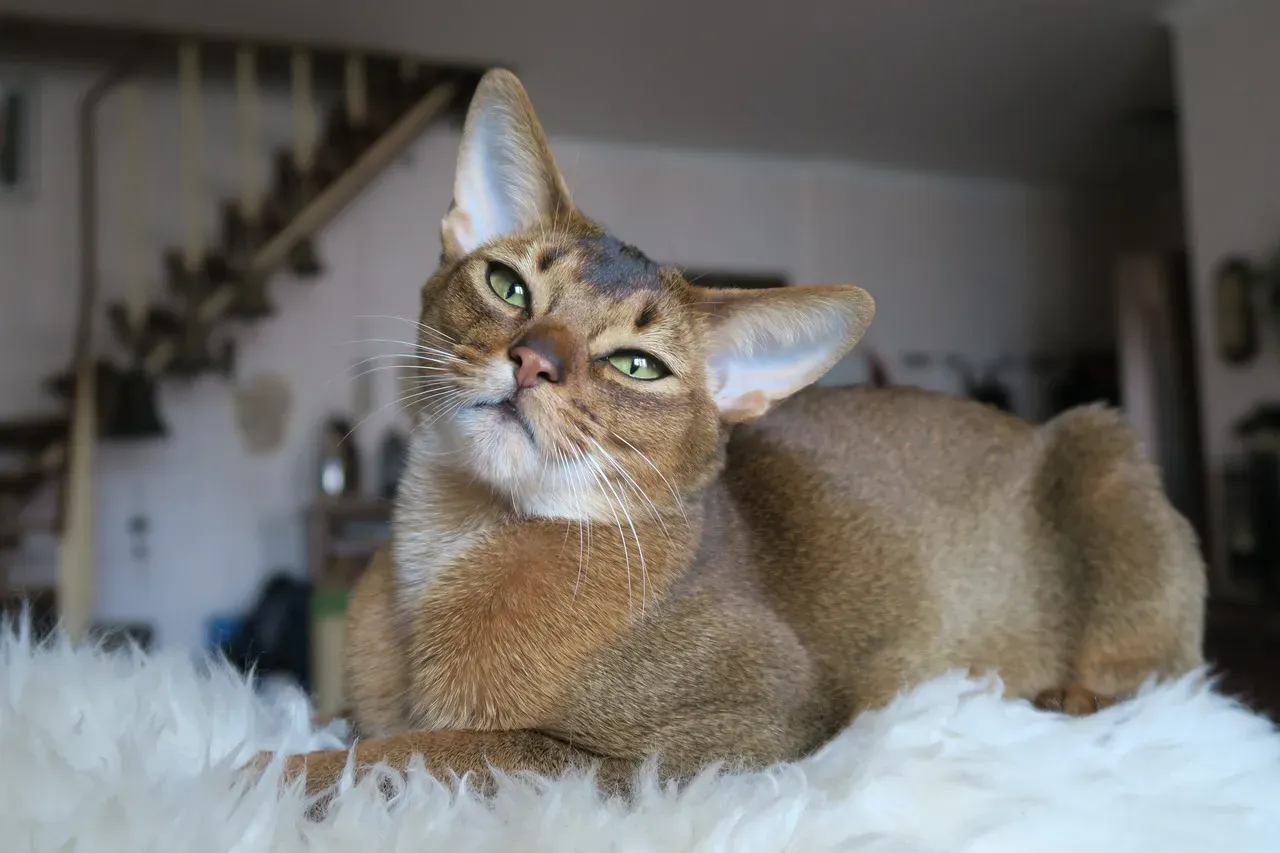
Abyssinians carry themselves with an athletic, almost dog like energy that translates directly into how they interact with people. They’re highly active and inquisitive, and that curiosity often points straight at whatever their owner happens to be doing. Rather than watching from a distance, an Abyssinian is more likely to be underfoot, investigating the process up close.
This breed’s intelligence means it gets bored quickly with being left alone, so following a person around becomes a form of entertainment as much as affection. Abyssinians have been known to learn simple routines, open cabinet doors, and generally treat the house as a shared project with their owner. Their attachment tends to show up as engagement rather than quiet cuddling, though they’ll settle in for that too once the exploring is done.
#7 Maine Coon
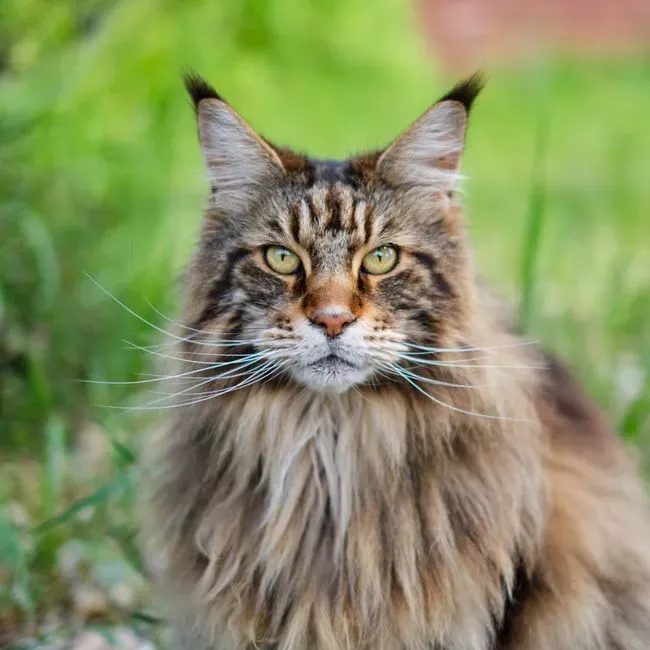
Maine Coons are often called the dogs of the cat world, and their tendency to trail owners around the house is a big part of that comparison. Despite their large size and somewhat wild appearance, they’re known for gentle, sociable temperaments that lean heavily toward companionship. It’s common for a Maine Coon to wait outside a bathroom door or follow someone into the garage just to stay involved.
Their loyalty tends to develop gradually, built through consistent presence rather than dramatic bursts of affection. Many owners describe a specific, almost patient quality to how a Maine Coon shadows them, settling nearby rather than demanding constant physical contact. Given their size, having one of these cats quietly materialize behind you is hard to miss, and even harder to mind.
#8 Bengal
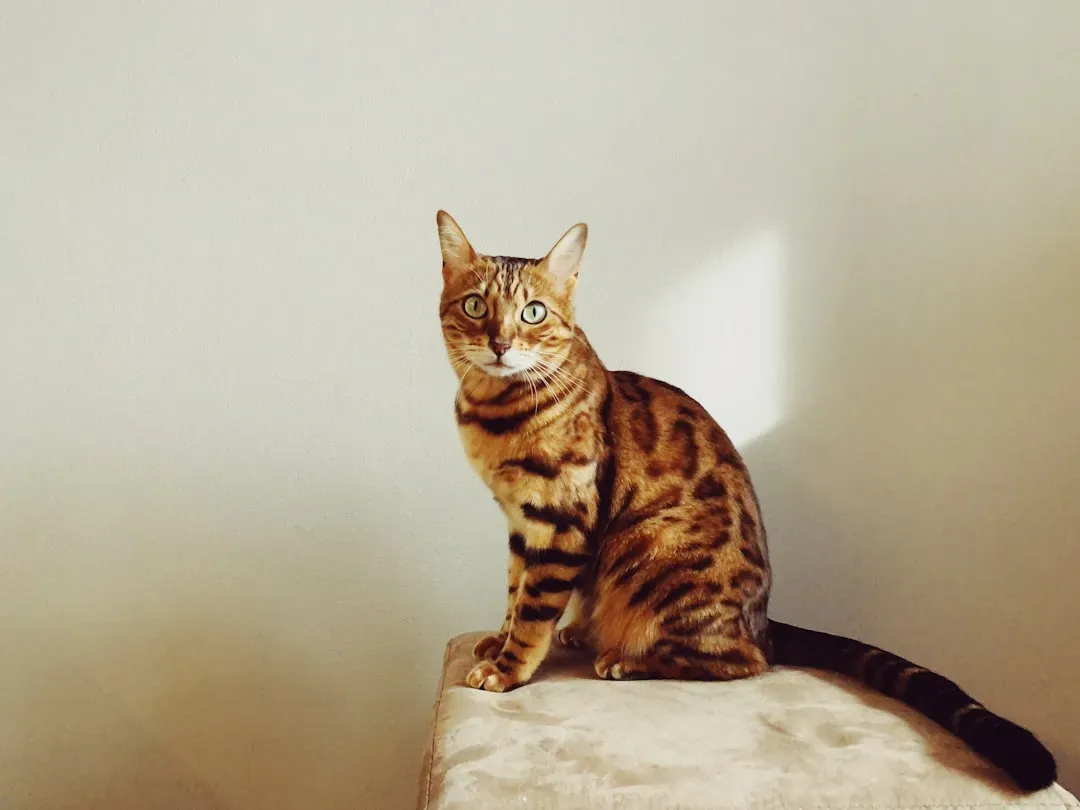
Bengals bring a wilder look but a surprisingly people oriented personality, and their high energy often channels directly into following their favorite humans. They’re known for strong attachments to their owners, frequently trailing them with the same intensity they’d bring to chasing a toy. This isn’t a passive kind of closeness either, since Bengals tend to want interaction, not just presence.
Their intelligence and activity level mean they often treat household routines as something to participate in rather than observe. A Bengal might follow someone into the yard, supervise dishwashing, or insist on being part of a work call by sitting directly on the keyboard. Owners frequently note that this breed’s devotion comes with a side of demanding attention, which only reinforces the shadowing habit.
#9 Oriental Shorthair
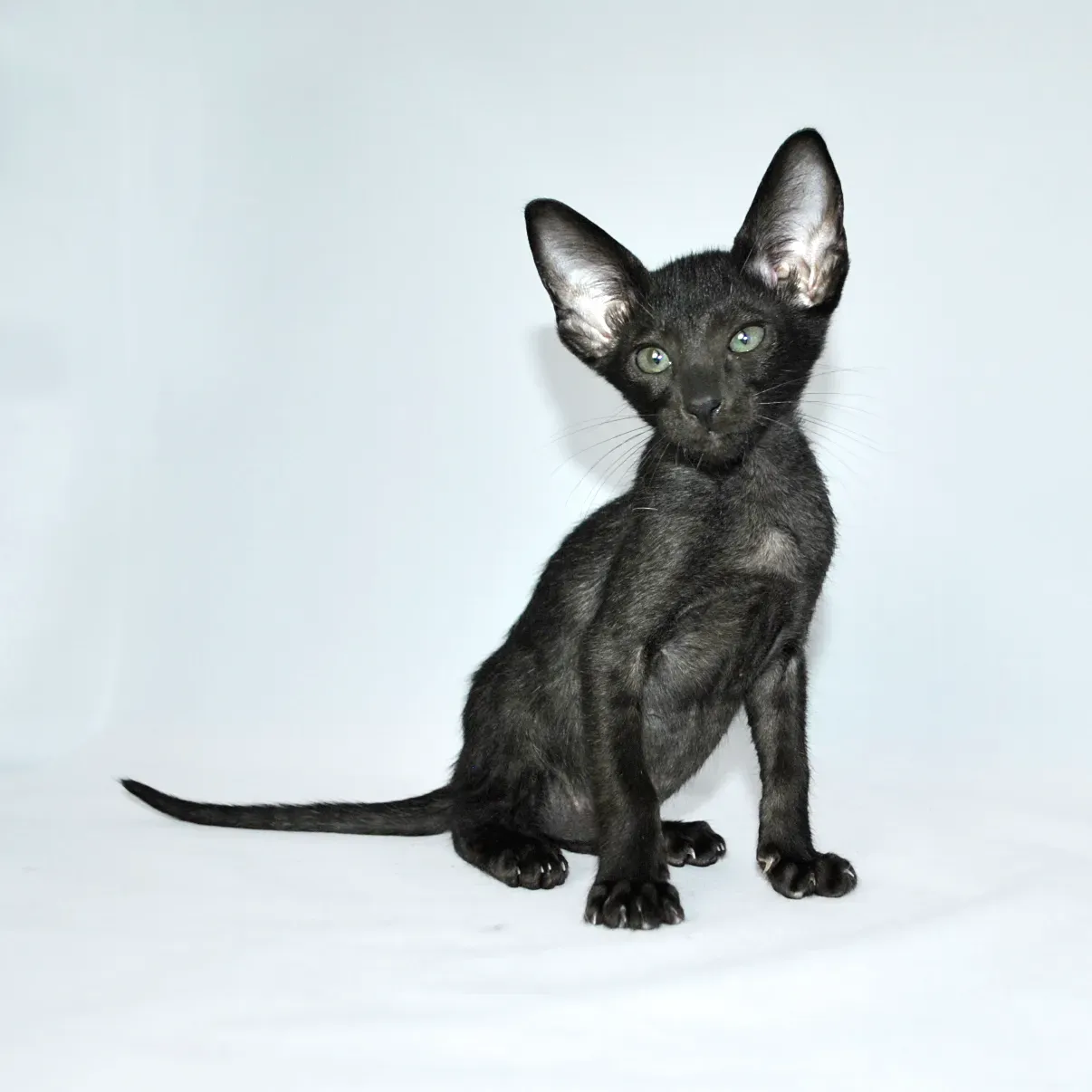
Oriental Shorthairs share close ancestry with Siamese cats, and that lineage shows clearly in how attached they become to their people. They’re known for being extremely social, often struggling with long periods of alone time and preferring to be wherever the household action is. Following an owner from room to room is less a choice for this breed and more a default setting.
Their sleek, expressive nature adds a layer of communication to the behavior, since Orientals tend to vocalize and make eye contact as they trail someone around. Many owners describe them as needing almost constant acknowledgment, checking in through touch, sound, or simply staying in view. It’s a breed that treats companionship as essential rather than optional.
#10 Scottish Fold
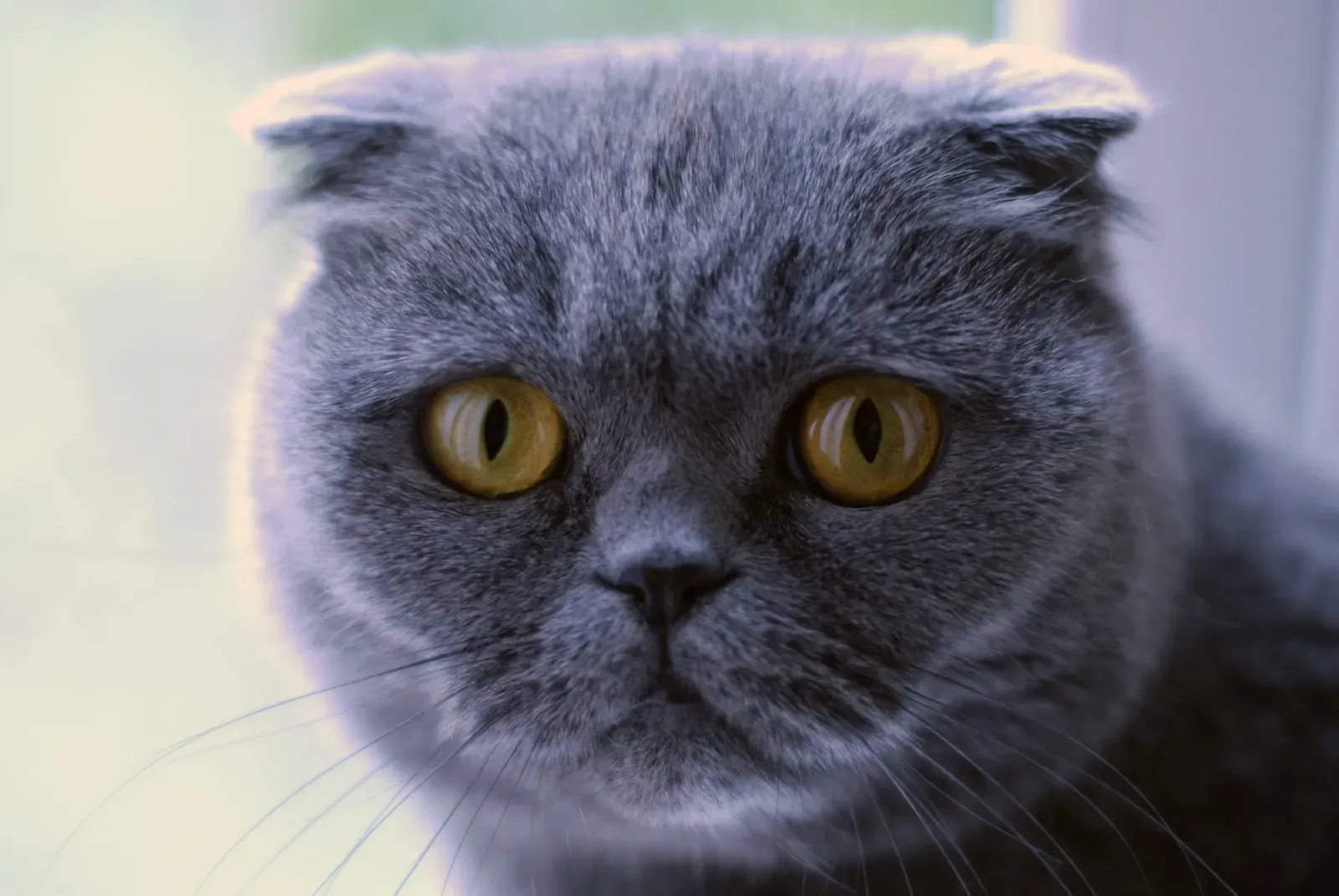
Scottish Folds are known for a calm, easygoing temperament that often includes a quiet but persistent desire to be near their owners. Rather than dramatic displays of affection, this breed tends to show attachment through steady presence, settling nearby whenever possible. Their distinctive folded ears and round faces give them an expression that seems perpetually curious about what’s happening next.
They’re generally adaptable and get along well with routine, which makes following a familiar person through the day feel natural to them. Scottish Folds often choose a specific spot near household activity, whether that’s a windowsill overlooking the kitchen or a chair positioned for maximum visibility. Their loyalty tends to be understated, more about consistent closeness than obvious neediness.
Final Thoughts
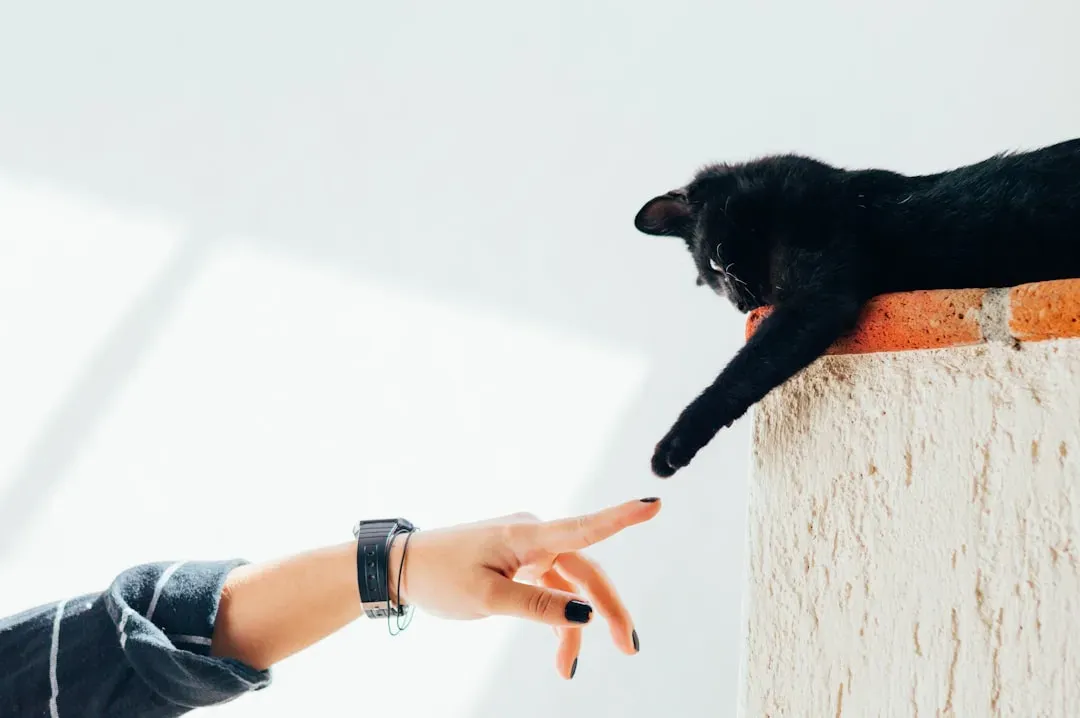
Cats get an unfair reputation for indifference, and breeds like these make that stereotype fall apart pretty quickly. Whether it’s Siamese narrating your every move or a Maine Coon quietly appearing at your heel, these are animals whose attachment is well documented across breed histories and consistent owner experiences, not just wishful thinking from cat lovers.
If there’s a takeaway worth holding onto, it’s that choosing a breed known for this kind of closeness means signing up for real companionship, not background decoration. That’s not a small thing, and honestly, it might be the most convincing argument yet for why some people insist cats have been misunderstood all along.
Kristina is a young writer from India. An arts graduate and an avid content creator, Kristina is passionate about animals and wildlife. She enjoys exploring topics related to pet care, animal behavior, conservation, and nature, combining thorough research with engaging storytelling.