Not all cats communicate the same way. Some will follow you from room to room, narrating your every move with an elaborate mix of meows, chirps, and trills. Others would rather press their warm weight into your side and let the silence do the talking. Neither approach is better – it really just comes down to what kind of companionship you’re looking for.
Understanding a breed’s natural vocal tendencies can save you a lot of surprise. A first-time cat owner expecting a serene, independent housemate might not be fully prepared for a Siamese at full volume. On the flip side, if a lively back-and-forth with your cat is exactly what you’re after, a quiet breed might leave you feeling a bit lonely. Here’s a closer look at the breeds that have the most – and least – to say.
1. The Siamese: The Ultimate Conversationalist
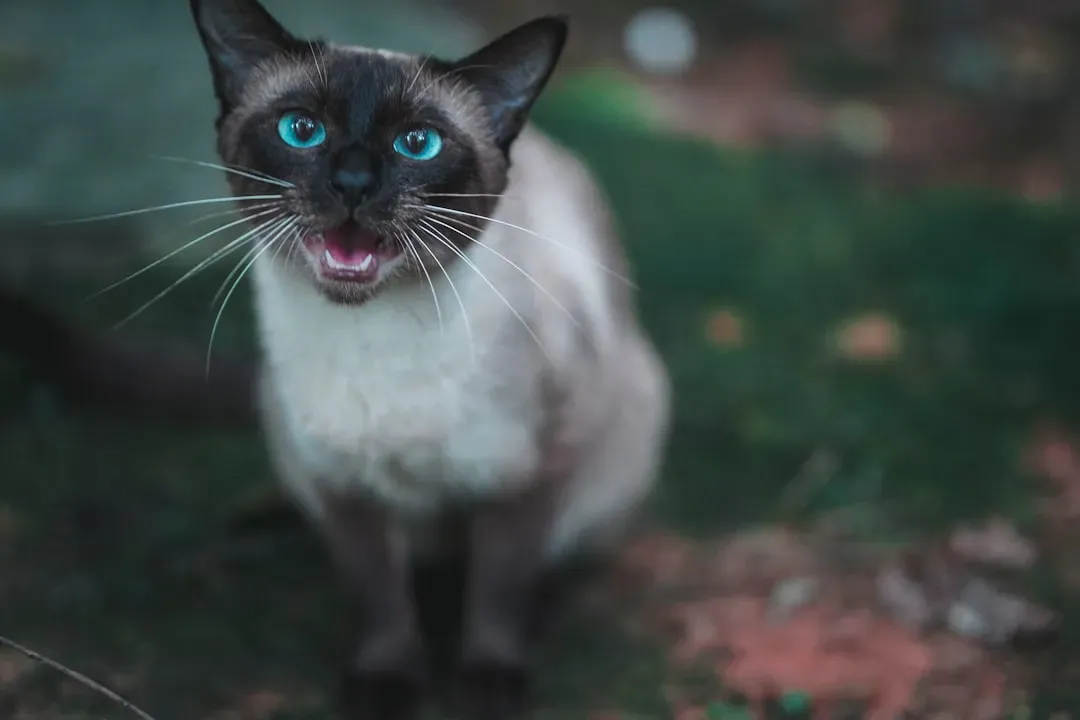
The number one spot for most vocal cat breed goes to the Siamese, which is unparalleled in its ability to communicate with humans through loud meows, yowls, chirps, and trills. If you’ve ever lived with one, you already know this from experience. Their voice carries, and they have absolutely no interest in keeping quiet about it.
The Siamese is unparalleled in its ability to communicate with humans, and they are extremely social cats whose intense desire to bond with their humans is a big part of the reason for their chatty ways. You’ll quickly learn that they don’t just vocalize for food or attention – they seem to genuinely enjoy the conversation itself. Owning a Siamese means you’ll rarely come home to silence.
2. The Oriental Shorthair: Loud, Proud, and Opinionated
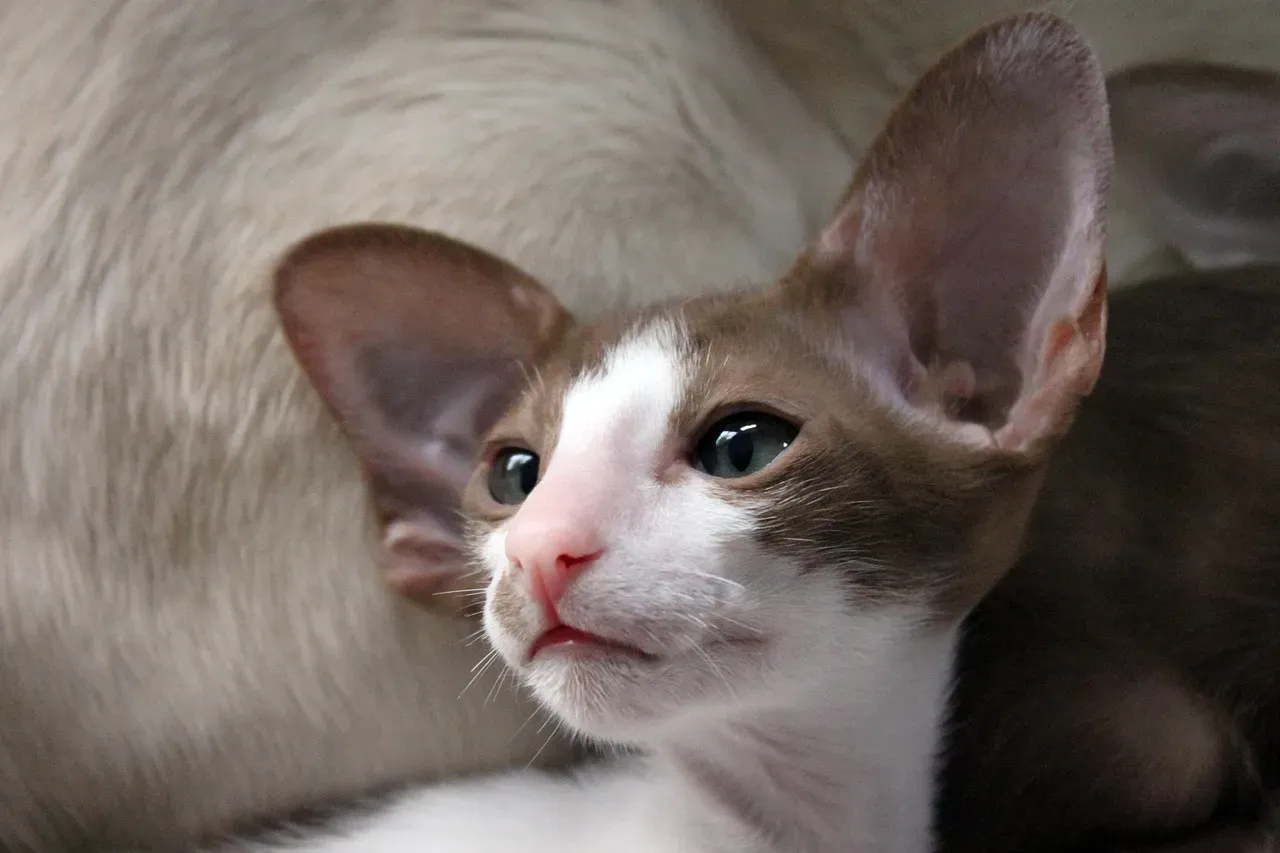
Oriental Shorthairs are closely related to Siamese cats and share their propensity for vocalization, with loud, distinctive meows that they’re not shy about using to express their needs and feelings. Think of them as the Siamese’s equally expressive sibling, just available in a far wider range of colors and patterns.
The Oriental is loud and proud and can purr like a Mack truck, and life is good when the Oriental has plenty of playmates and attention – though this cat can get a bit cranky if left alone for long durations and may even scold you for being late. Their vocalizations aren’t just noise, either. They’re consistently directed at you, full of intent and inflection.
3. The Balinese: The Softer Siamese with Just as Much to Say
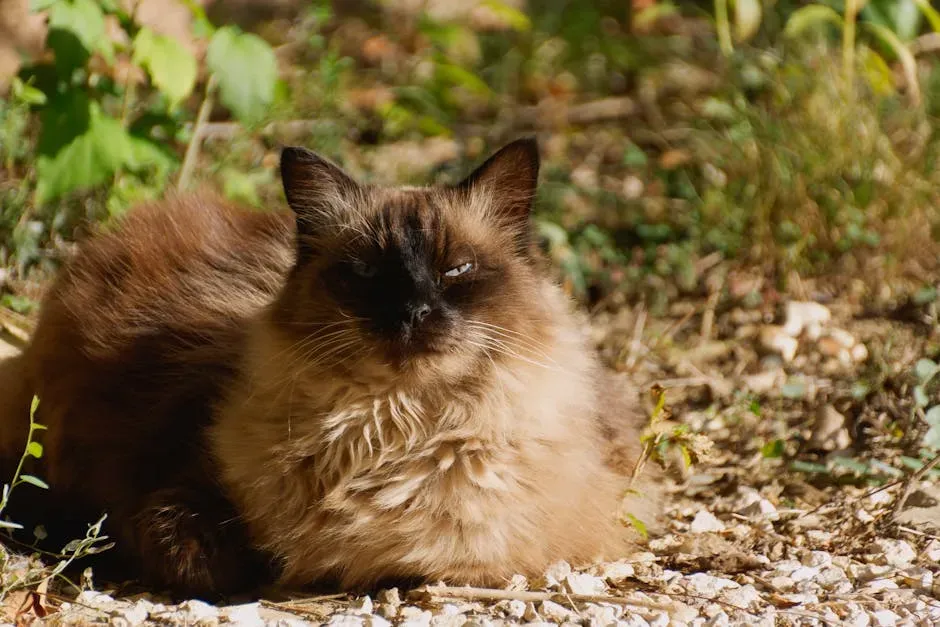
Originally known as the longhaired Siamese, the Balinese started as an undesirable result of breeding Siamese cats, and it wasn’t until the 1940s and 1950s that American breeders fell in love with the longhaired kittens – and due to their close ties with the Siamese, the Balinese are among the most vocal cats around. The long, silky coat gives them an elegant look, but don’t mistake elegance for restraint when it comes to their voice.
Balinese cats are also notorious for their intelligence, and if you’re not fond of the loudness of the Siamese but don’t mind a chatty cat, the Balinese are talkative but not quite as noisy. Their voice carries a slightly softer, more melodic quality, which makes the constant chatter surprisingly easy to live with. They’re loyal, follow-you-everywhere companions who just happen to have a lot on their minds.
4. The Burmese: Sweet-Voiced but Tireless
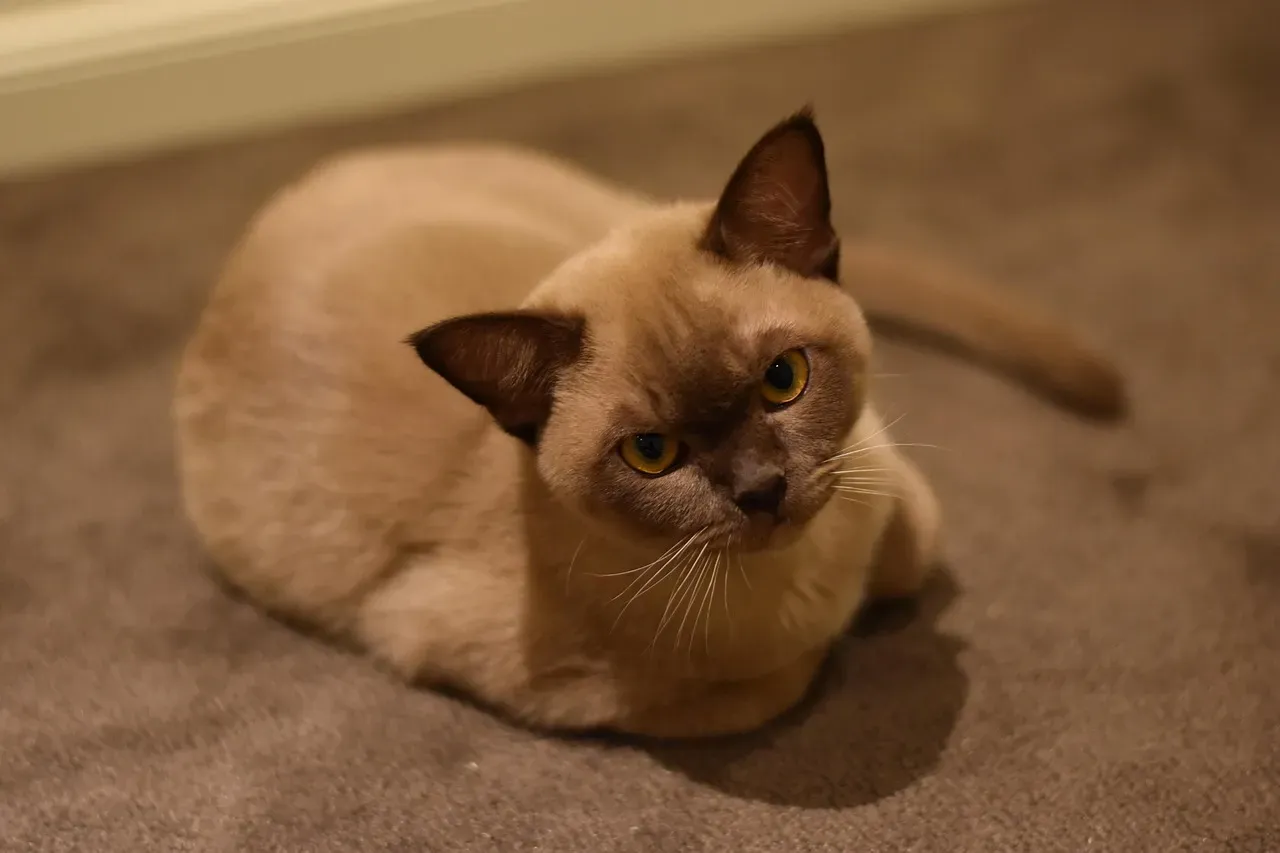
Burmese cats are known for their sweet, soft voices, which they frequently use to communicate with humans, with vocalizations that tend to be gentler and less demanding than some other breeds – often described as a series of soft murmurs and mews. Don’t let the gentleness fool you, though. They’re remarkably consistent about being heard.
Burmese cats are vocal, but not in the sharp or wailing way of Siamese cousins – they speak in soft, raspy tones, offering a low, persistent commentary on your every move. Burmese cats are often called “Velcro cats” because they form strong attachments and prefer staying close to their people. If you want a chatty companion who won’t rattle the windows, the Burmese is a very reasonable choice.
5. The Maine Coon: The Gentle Giant Who Asks Questions
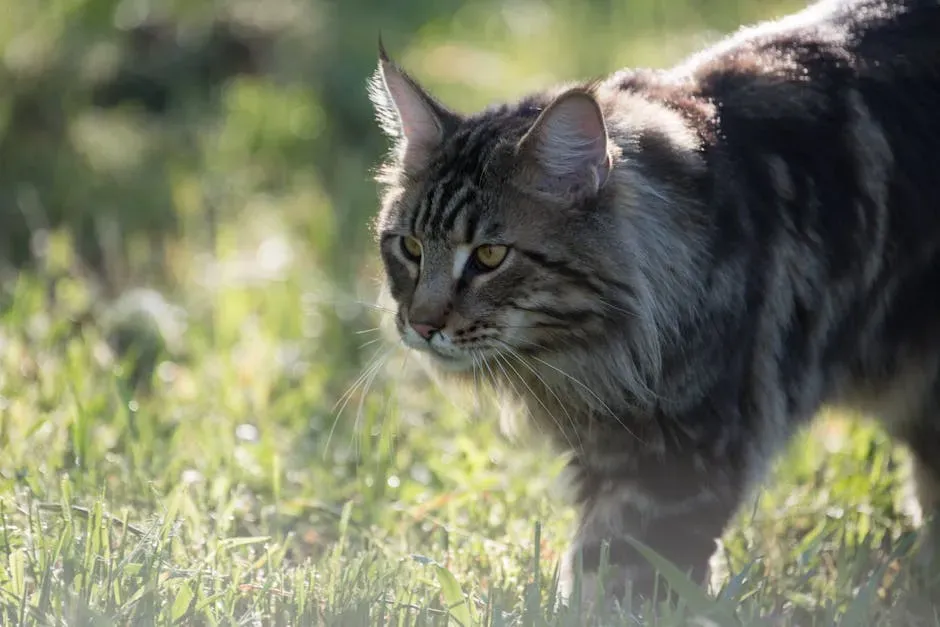
Nicknamed the “Gentle Giant,” the Maine Coon is quite chatty with its favorite people, though its vocals are not thunderous meows so much as melodic chirps and trills – almost as if the Maine Coon speaks in questions, with the inflection rising at the end of each trill. It’s one of the more endearing communication styles in the feline world, charming rather than demanding.
Despite their large size, Maine Coons have a surprisingly soft and melodious voice, known for their chirps and trills that they use to interact with their owners, and they tend to be less demanding than other vocal breeds but still enjoy a good chat. They’re big cats with surprisingly delicate sounds, and that contrast tends to win people over quickly.
6. The Bengal: Wild Looks, Wilder Voice
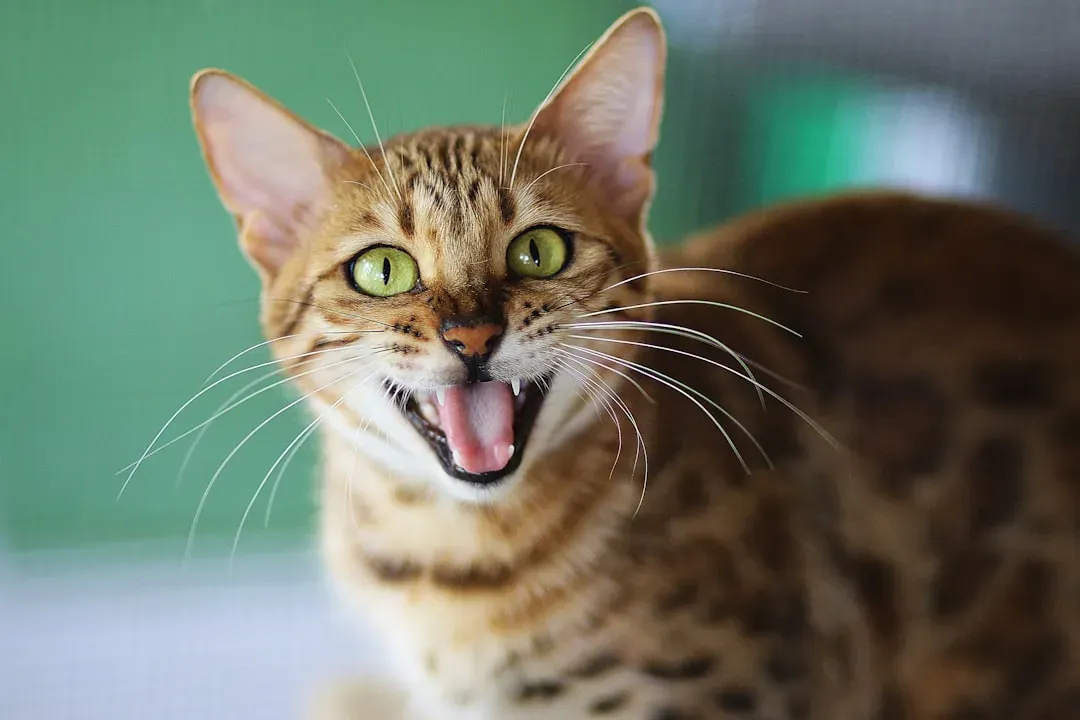
The Bengal is a hybrid breed created by crossing an Asian wildcat species with several domestic cats, and Bengals enjoy communicating with their people using a wide variety of vocalizations, including meows, chirps, and yowls – possibly inheriting their chattiness from the Asian leopard cat or the Burmese in their background. Their vocal range is genuinely impressive, and it tends to match their high-energy personality.
Bengals don’t just tolerate conversation – they participate in it, responding to human voices with meows, chirps, and distinctive yowls, often answering back as if continuing a dialogue rather than making random noise, and their intelligence fuels this vocal interaction, as they quickly learn voice patterns and tones, using sound to express curiosity, excitement, or a desire for attention. You’ll rarely feel like you’re talking to yourself with a Bengal in the room.
7. The Tonkinese: Born to Chat

The Tonkinese is a combination of two vocal breeds – the Siamese and the Burmese – so it makes sense that the Tonkinese inherited a chatty nature, and like the parent breeds, Tonkinese are affectionate and people-oriented cats who love to be wherever you are. The combination produces a cat that’s both expressive and deeply attached to its humans.
Charmingly, Tonkinese will almost always answer you if you speak directly to them, but they are capable of quiet moments too, and the sweet Tonk uses several different sounds when talking to their people, including meowing, chirping, and trilling. The Tonkinese inherited its talkative nature from both Siamese and Burmese ancestors, making it one of the most conversational cat breeds. That inherited gift for dialogue is very real.
8. The Sphynx: Hairless, Warm, and Endlessly Talkative
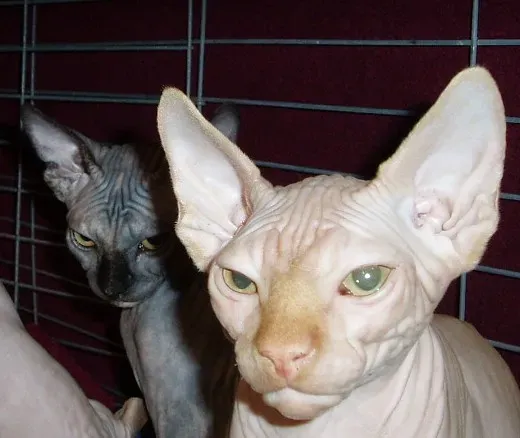
The distinctive Sphynx cat is known for its lack of fur and love of conversation, and these cats often meow to initiate interaction and keep the conversation going, reflecting their friendly and affectionate demeanor. They’re attention-seekers in the most charming sense, always looking to pull you into whatever they’re doing.
The Sphynx can be quite demanding and insistent with their vocalization – they purr, meow, sing, and chirp in a range of tones, and with Sphynx cats being so warm and affectionate, they are very dependent on their owners and crave active involvement in their lives, which is why they tend to talk a lot. Their need for warmth – both physical and emotional – drives much of their vocal behavior. A Sphynx who stops talking is a Sphynx who may be telling you something is wrong.
9. The Turkish Angora: Graceful and Gloriously Chatty
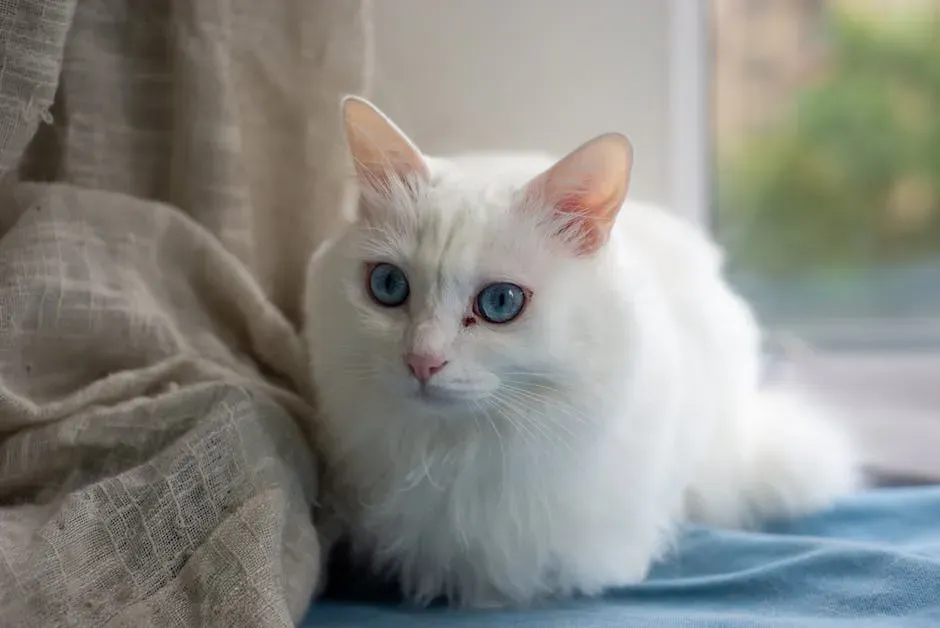
The Turkish Angora is a rare, beautiful cat that loves to socialize and vocalize while doing it. This breed tends to have a soft, melodious voice that they use to communicate with their humans, often in a surprisingly conversational manner, and Turkish Angoras are known to be quite expressive, using a variety of chirps, trills, and meows to indicate their desires.
These pretty plumed-tail cats of Turkey have long, graceful physiques and a love for chatting, and they are also skilled climbers with a natural fascination for water – this graceful but energetic breed enjoys climbing, jumping, and playing with toys, and they’ll provide a soundtrack to all their activities, using their voice to stay connected with their favorite humans. Their commentary is part of the package, and most owners find it genuinely delightful.
10. The Japanese Bobtail: Melodic and Conversational
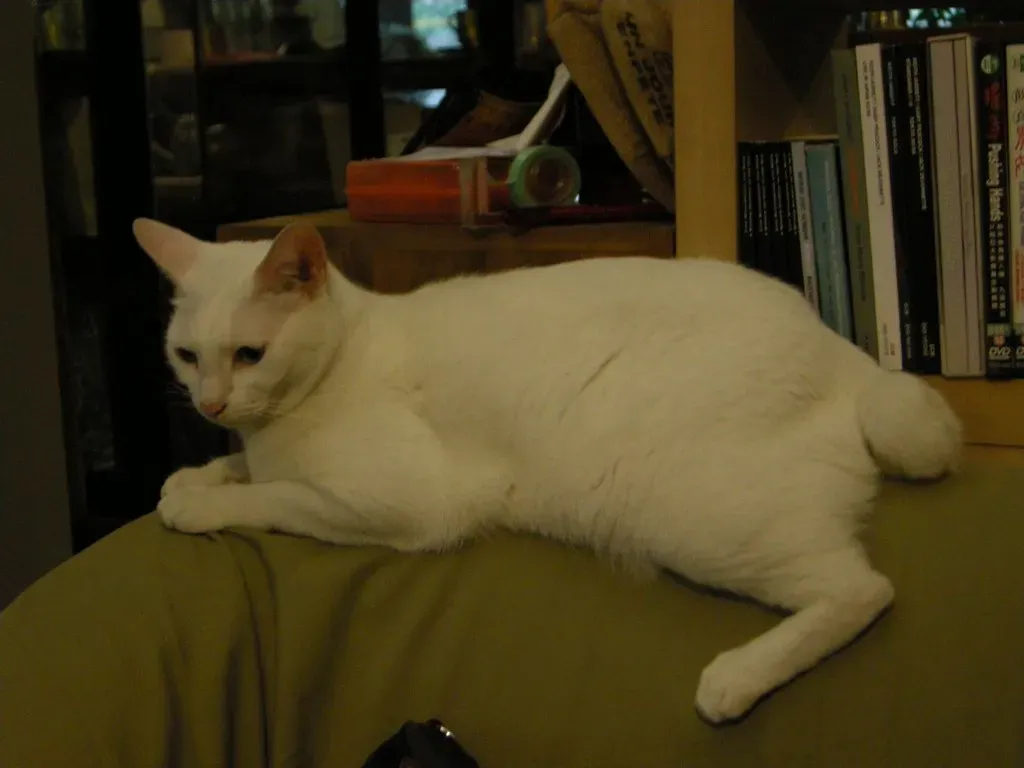
The Japanese Bobtail is famous for its expressive and melodic voice, and rather than loud, demanding yowls, Japanese Bobtails are known for producing a wide range of soft chirps, trills, and sing-song meows – often described as sounding like conversation – with many owners saying their Bobtails appear to “talk back” when spoken to.
Despite their chattiness, they’re quieter than many other breeds on this list, and their intelligence makes them eager to learn, whether you’re teaching them new tricks or they are thinking up creative ways to entertain themselves. The Japanese Bobtail is essentially the breed for people who want a vocal cat without the full-volume commitment. Their sounds are pleasant, purposeful, and always aimed at connection.
11. The Persian: Silence Is Their Love Language
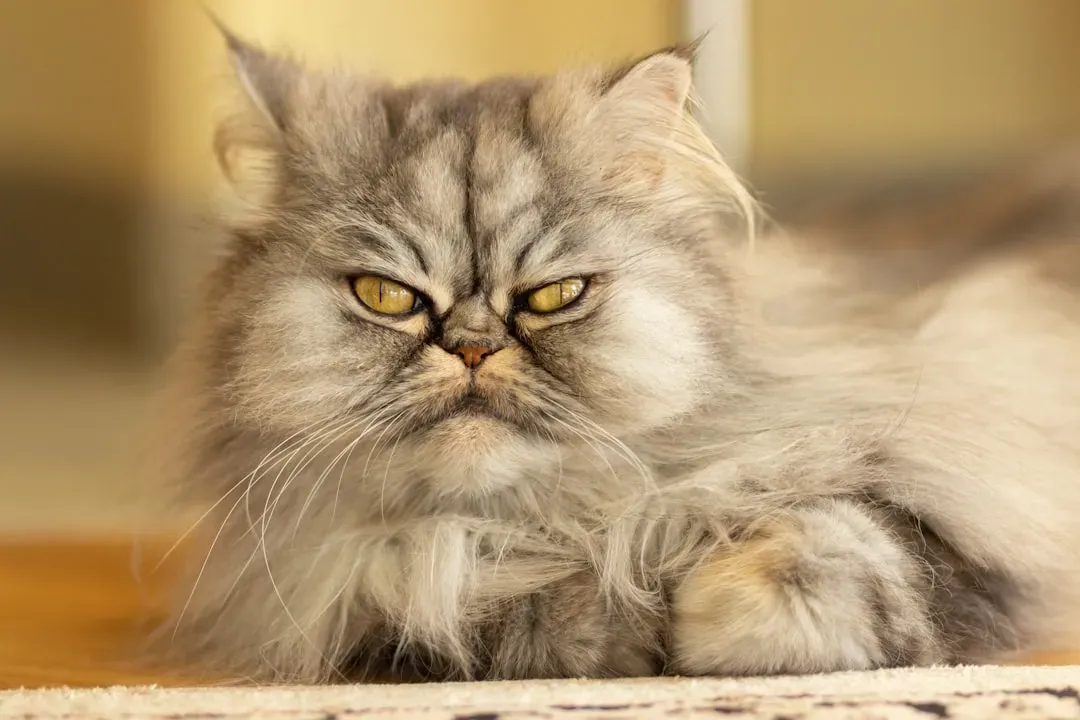
Persian cats are naturally quiet, preferring peaceful surroundings over noisy or busy houses, with a serene temperament that makes them especially suited for calm homes and relaxed lifestyles – they communicate softly, using gentle purrs and quiet chirps rather than loud vocalizations. Their entire existence seems oriented around stillness and comfort.
With a calm, passive personality, the Persian is the epitome of tranquility – quiet and laid-back, the breed can be fearful around strangers but is generally adaptable, and Persians do best in a quiet home with a nicely set routine, tending not to like loud music or too much noise. If your household is calm and unhurried, a Persian will feel right at home. They give affection on their own terms, and that unhurried quality is part of what makes them so appealing.
12. The Ragdoll: Soft, Still, and Deeply Affectionate
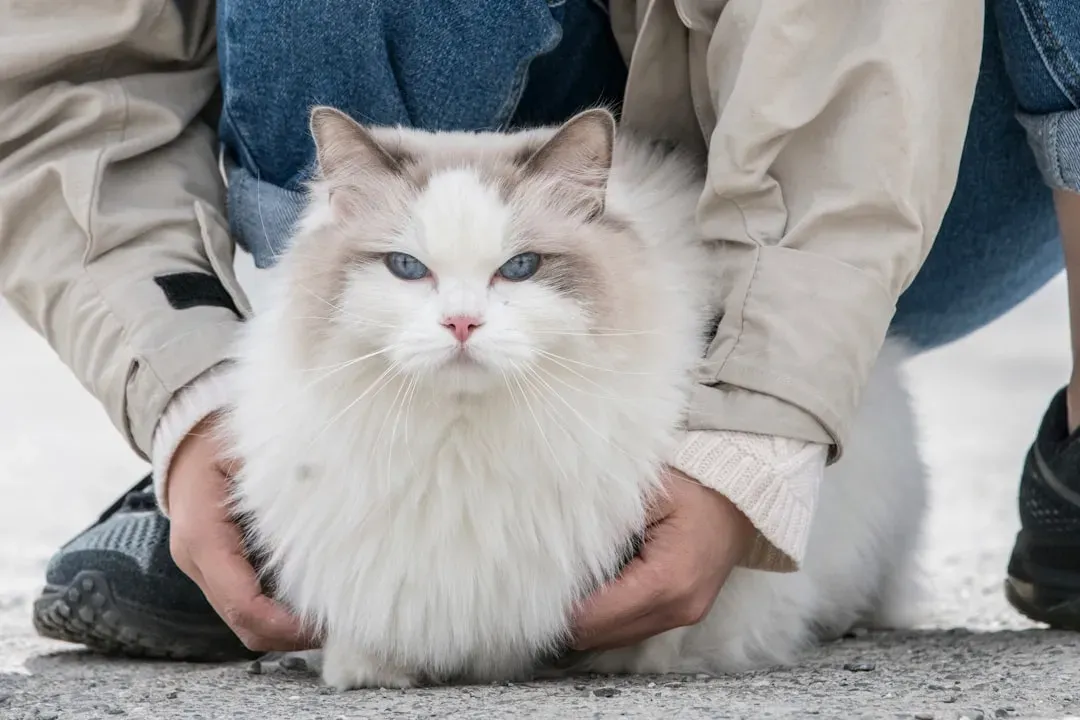
The Ragdoll is one of the calmest cat breeds and they love to be held – in fact, the Ragdoll breed earned its name from the way this cat naturally relaxes into your arms, almost going limp like a ragdoll, and quietly affectionate and easy-going, the Ragdoll loves to play with adults and kids alike. They’re built for closeness, not announcements.
Ragdolls thrive in serene households where voices are gentle and play remains soft and predictable – they form deep emotional bonds with their humans and often seek comfort through quiet cuddles rather than high-energy games, and because they are emotionally perceptive, they tend to gravitate toward calm playmates who respect their easygoing rhythm. They communicate through presence and proximity. Warmth, not words, is their preferred dialect.
13. The British Shorthair: Dignified, Devoted, and Quietly So
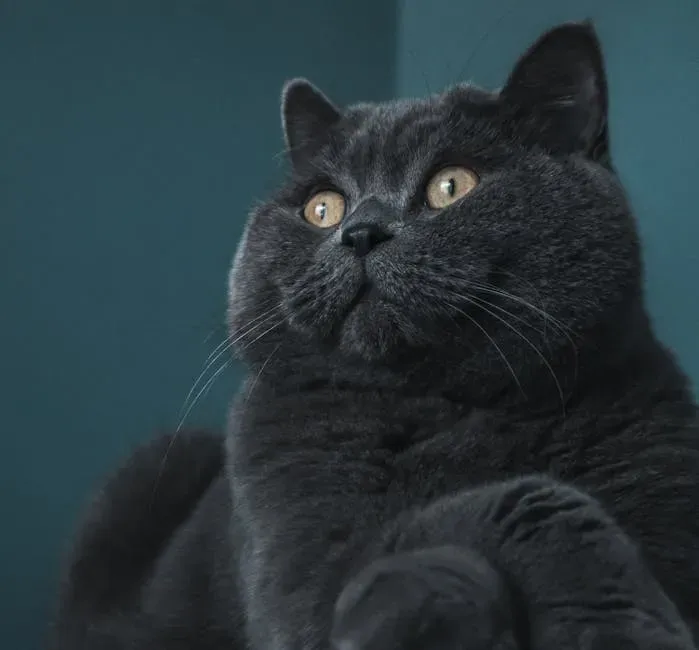
When it comes to daily life, British Shorthairs are low-key communicators who adapt easily to routines, content spending time alone but remaining emotionally present with their families. They’re not indifferent – far from it. They just don’t feel the need to announce everything.
British Shorthairs are calm cats that prefer to sleep next to you rather than on a lap. Both the British Shorthair and Scottish Fold are quiet breeds, and the British Shorthair is not attention-seeking, but they do become just as attached to their owners. Their loyalty shows up in small, consistent gestures rather than loud declarations. For people who value a steady, unobtrusive companion, this breed is genuinely hard to beat.
14. The Scottish Fold: Quietly Cuddly with Soulful Eyes
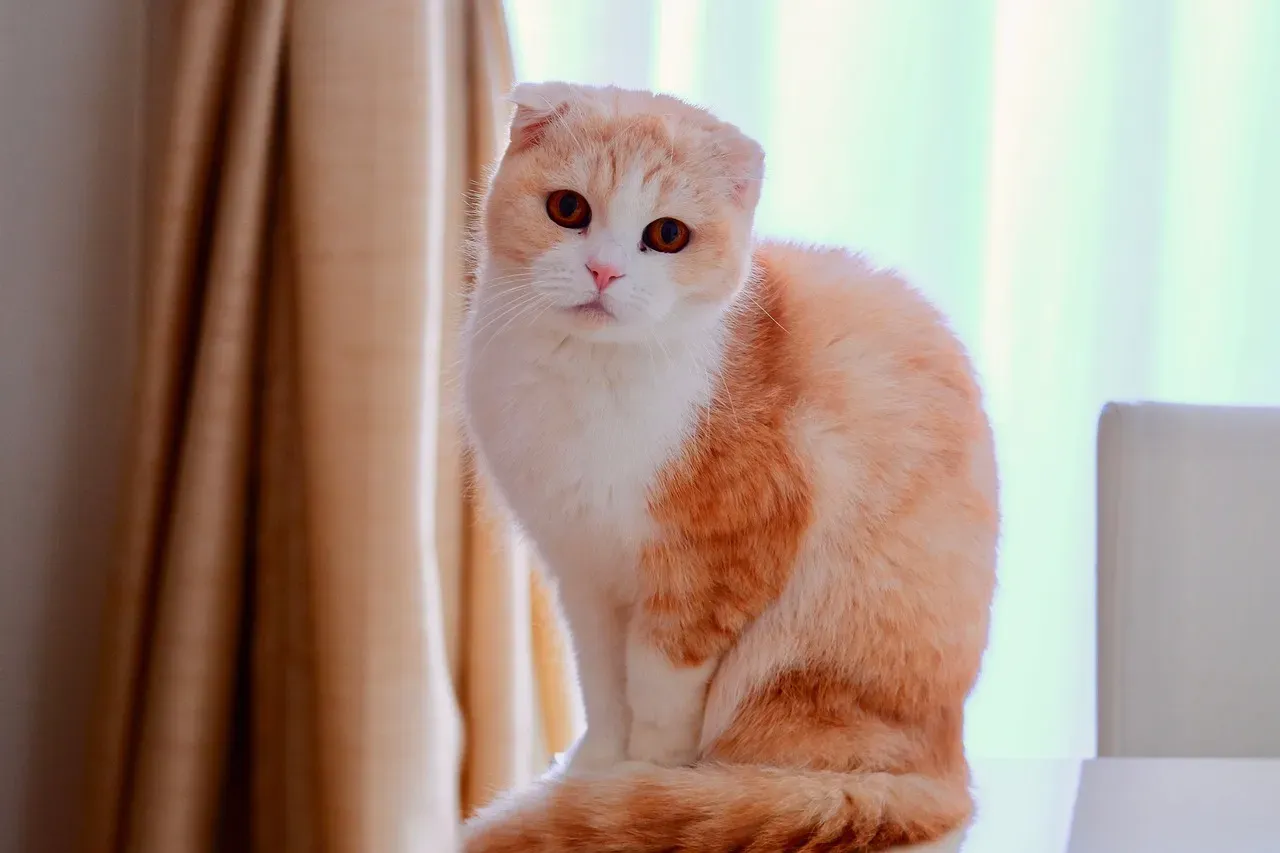
Scottish Folds love to perch on laps or next to their favorite people, have a sweet temperament and quiet, soft voice, and enjoy sitting up on their hind legs or flopping on their backs when napping. Their round, owl-like eyes tend to convey everything their limited vocalizations don’t – you’ll always have a sense of how they’re feeling.
Scottish Folds tend to be affectionate cats who enjoy cuddling, though they’re not considered clingy and will happily curl up in their favorite heated bed too. No matter how long you leave your feline friend, the chances are that when you return home, they will want to sit in your lap for some quality cuddle time. Their affection is offered freely, and it’s all the more meaningful for being quiet.
15. The Birman: Serene, Gentle, and Softly Present
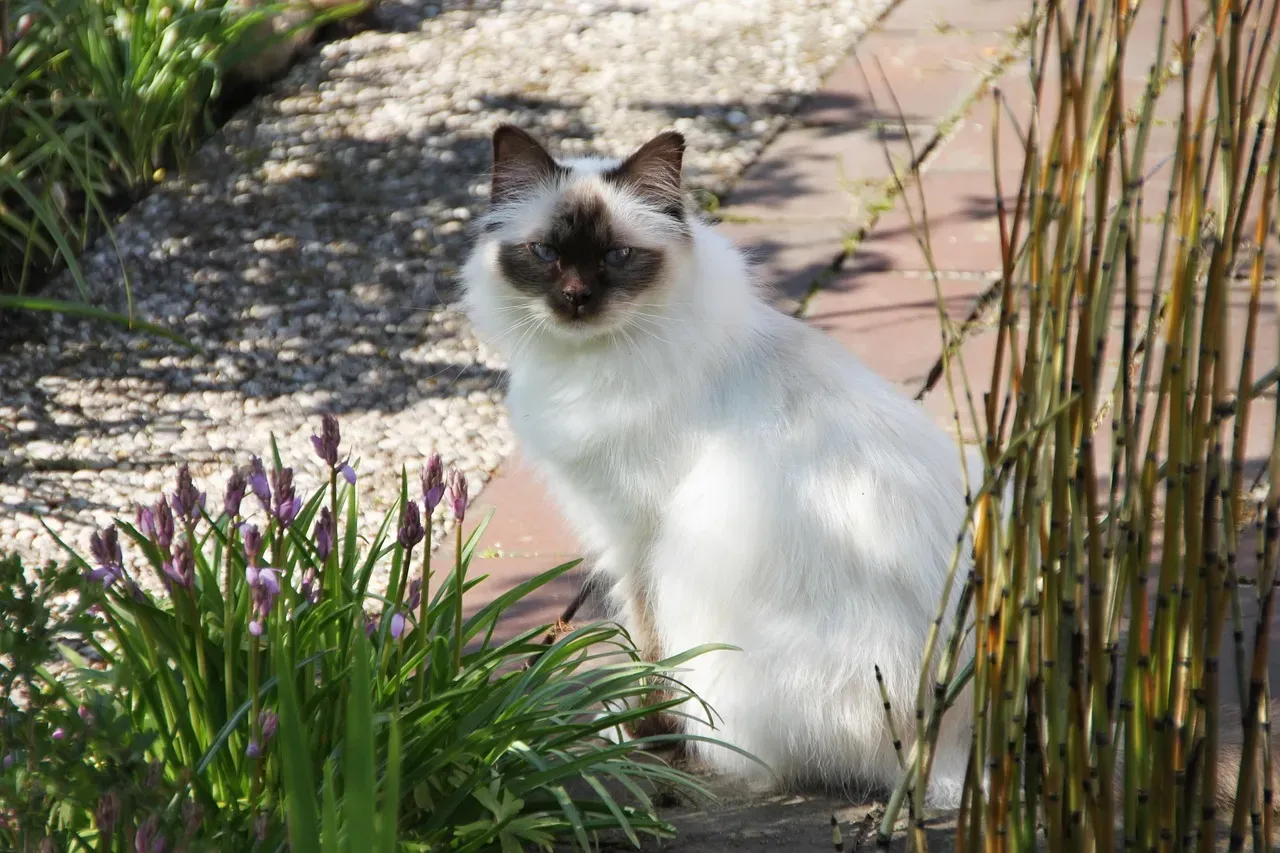
Birmans are naturally quiet cats, communicating with soft and gentle vocalizations rather than loud meows – their calm voice makes them ideal for peaceful homes, especially those where noise is kept to a minimum, and these cats are affectionate and enjoy being close to their owners, often following them around without being disruptive, creating a soothing and comforting atmosphere.
Birmans are naturally easygoing and tend to thrive with calm playmates who respect their steady temperament – they enjoy interaction but prefer soft, thoughtful engagement over noisy, high-energy antics, and while curious and intelligent, they rarely overwhelm a room with chatter, with their communication being subtle, almost like a whisper-like meow that signals their needs without disrupting the peace. The Birman’s quiet presence isn’t absence – it’s a very deliberate, very gentle form of companionship.
Conclusion: Choosing the Voice That Fits Your Life
Vocal tendencies in cats are real, breed-level traits that genuinely shape what daily life looks like. The truth is, cats have wildly different communication styles depending on their breed – some are natural chatterboxes who seem genuinely offended if you don’t respond to their elaborate monologues, while others are the strong, silent types who’d rather let their body language do the talking, and understanding these tendencies can help you find the perfect match.
Whether you want a cat who greets you with a full debrief at the door or one who simply appears silently beside you on the couch, there’s a breed calibrated exactly to your preference. The loudest cats aren’t demanding – they’re connected. The quietest ones aren’t distant – they’re composed. Quiet cat breeds often share traits such as gentle temperaments, low reactivity, and a calm approach to interaction – they may still be playful or affectionate, but they express themselves in quieter ways, making them ideal companions for homes where noise is kept to a minimum. Knowing which communication style suits your household is, in the end, the real starting point for a genuinely good match.